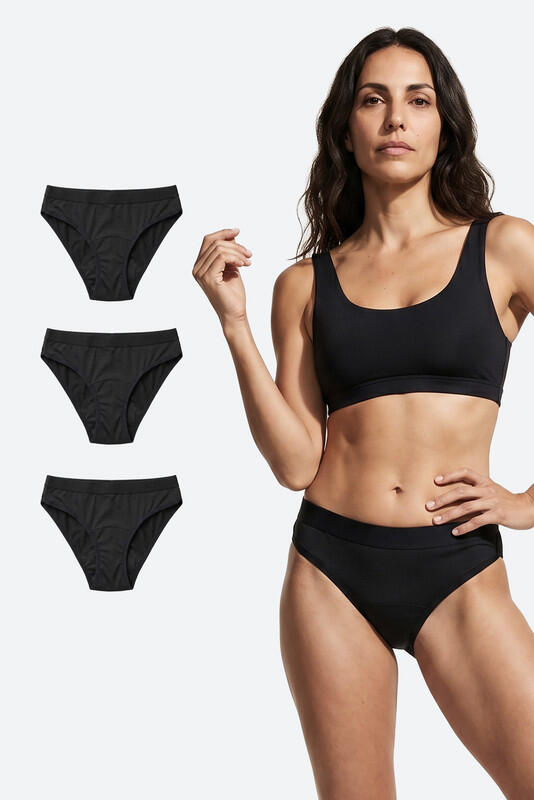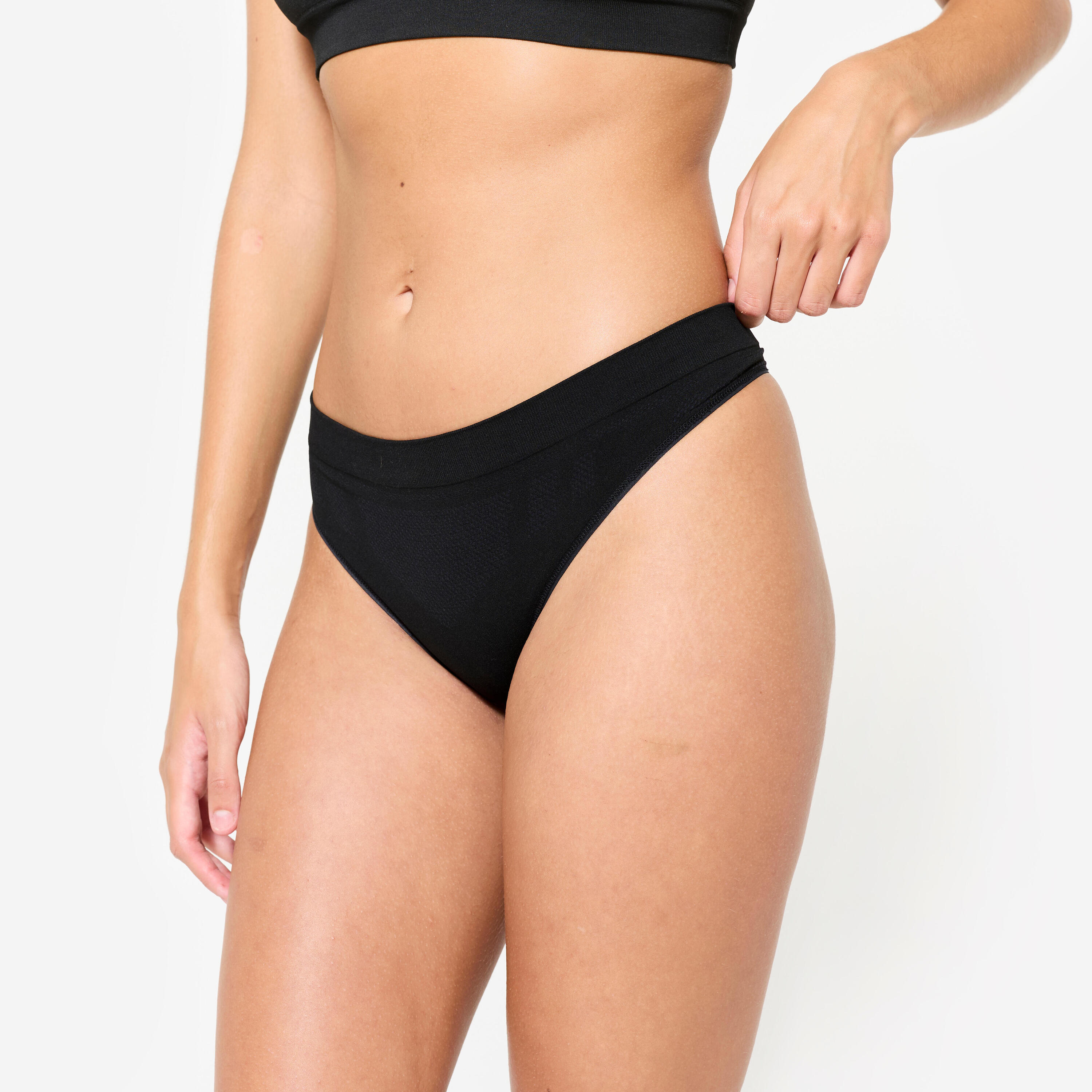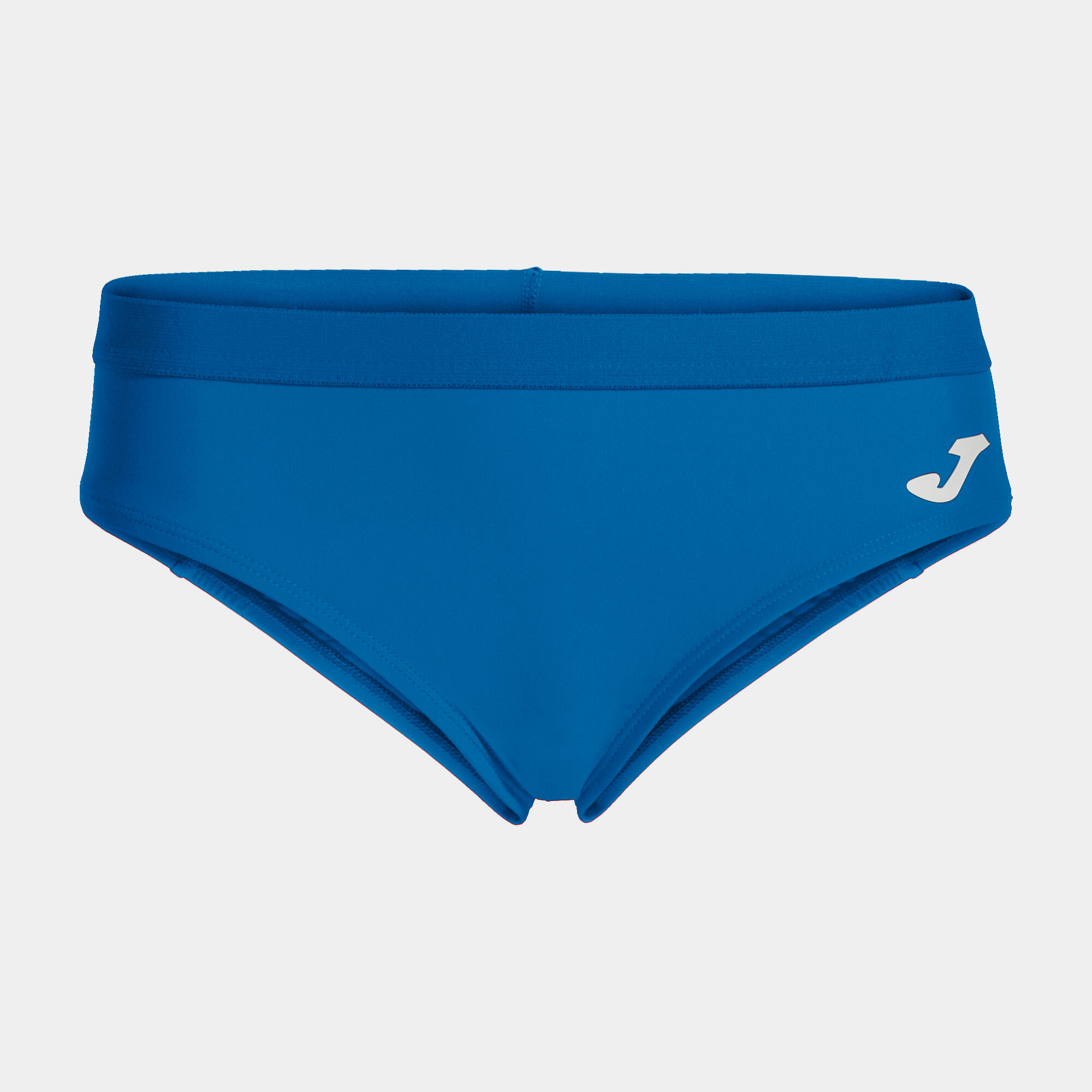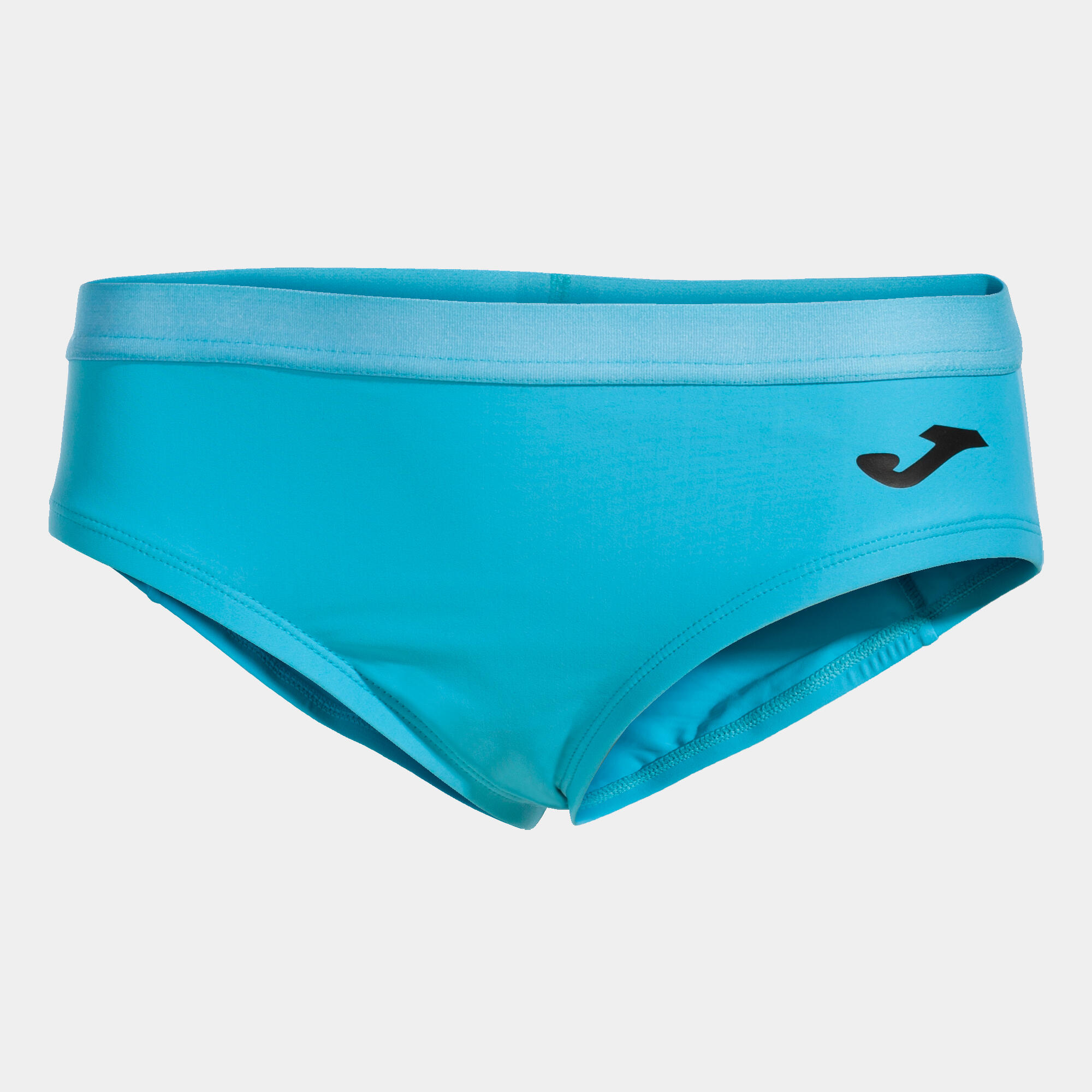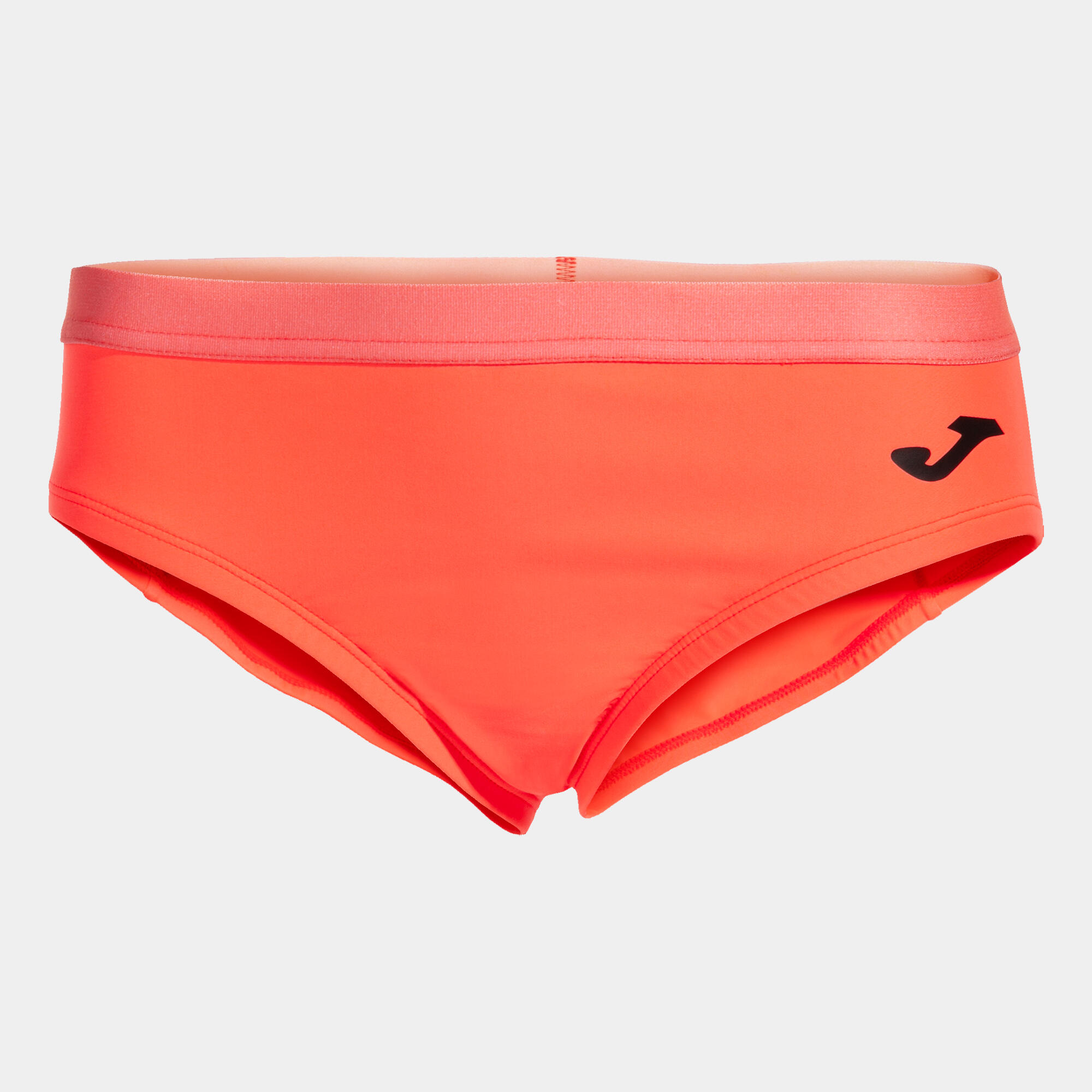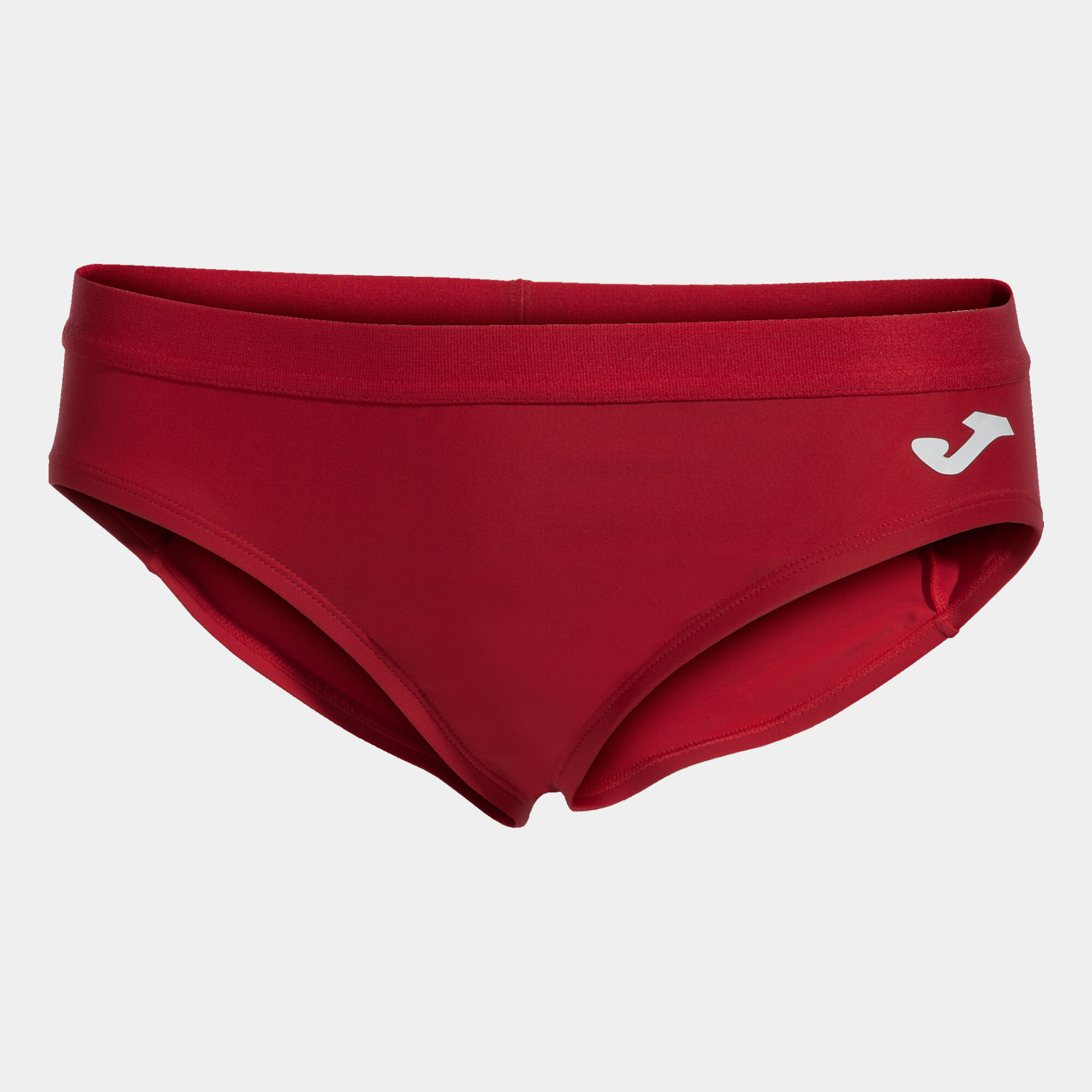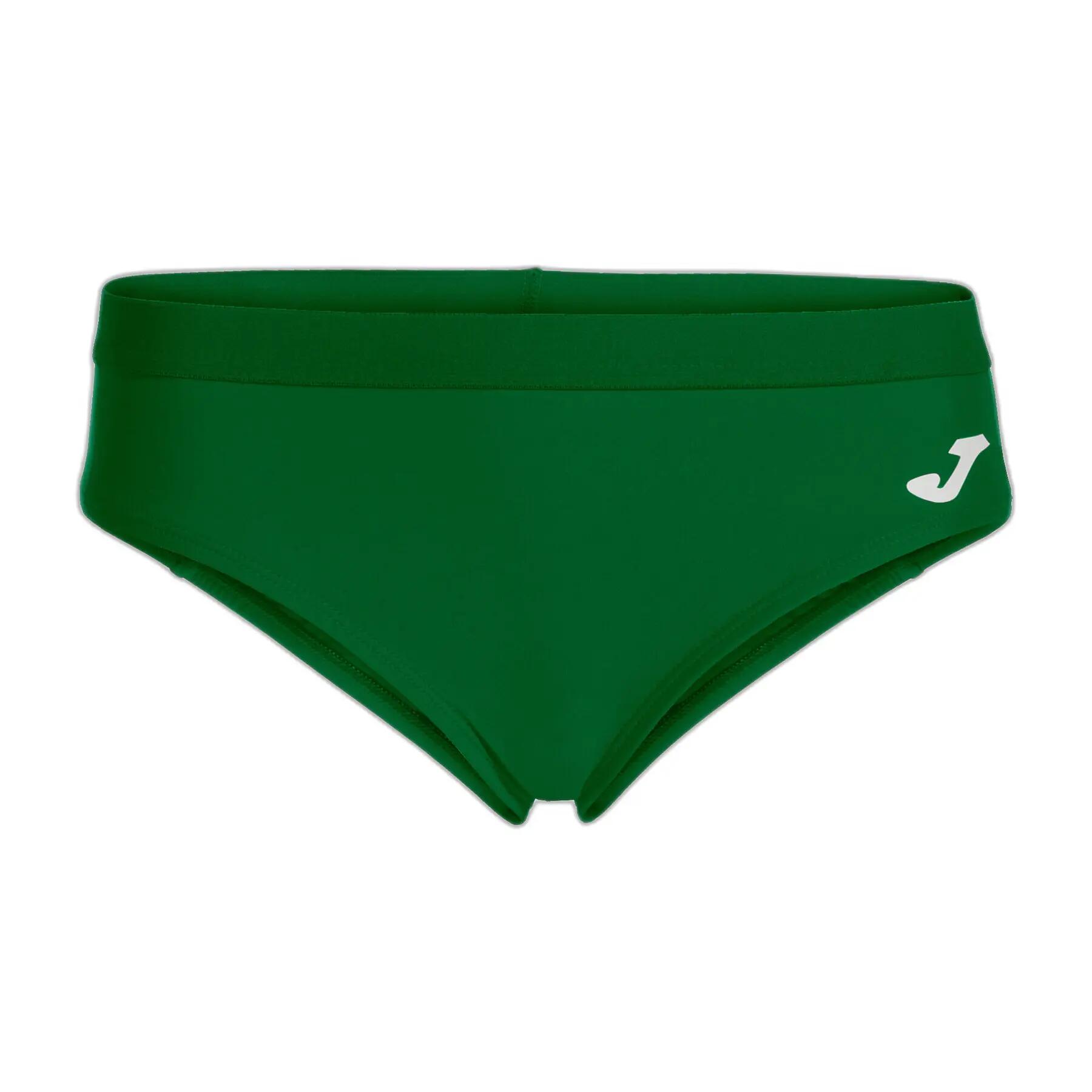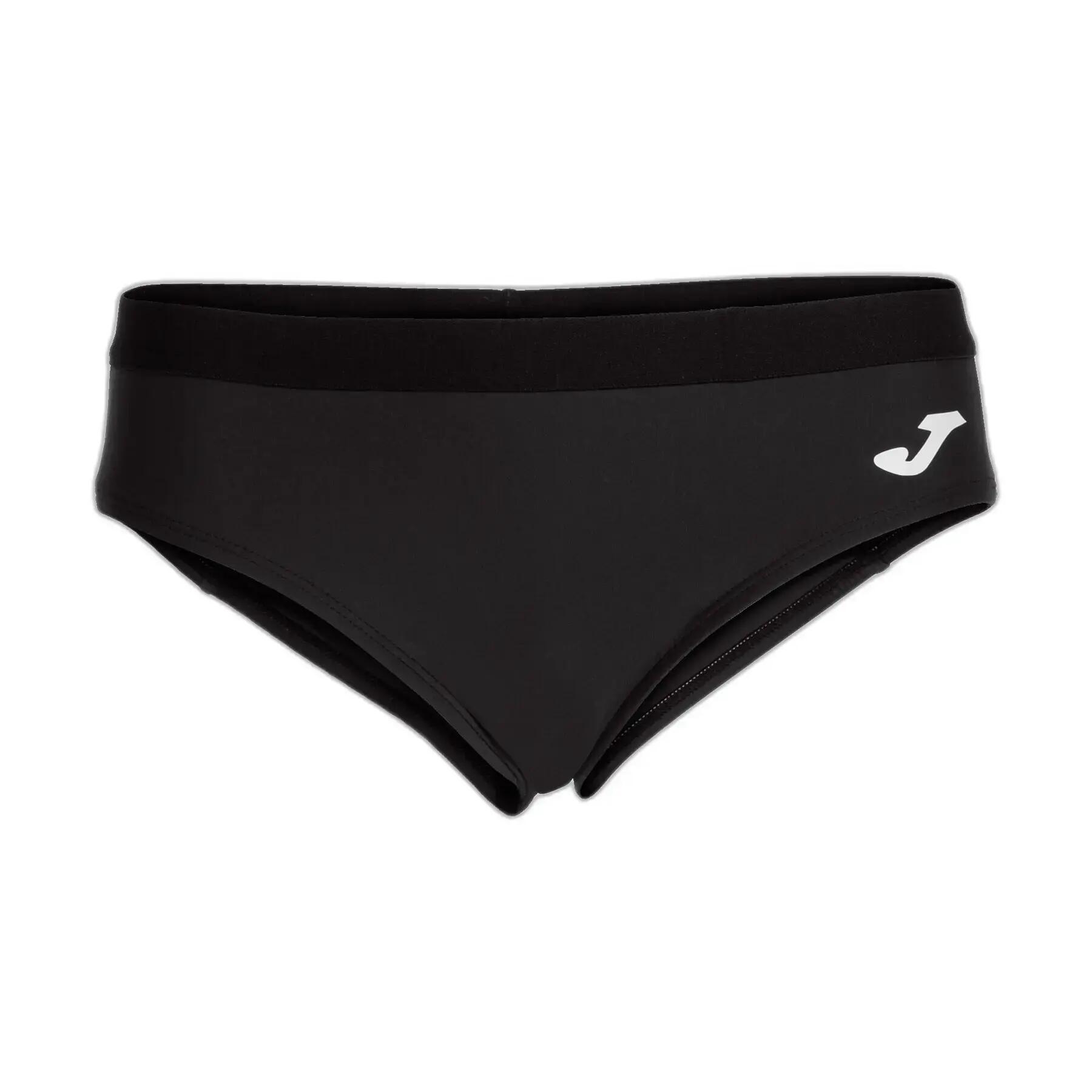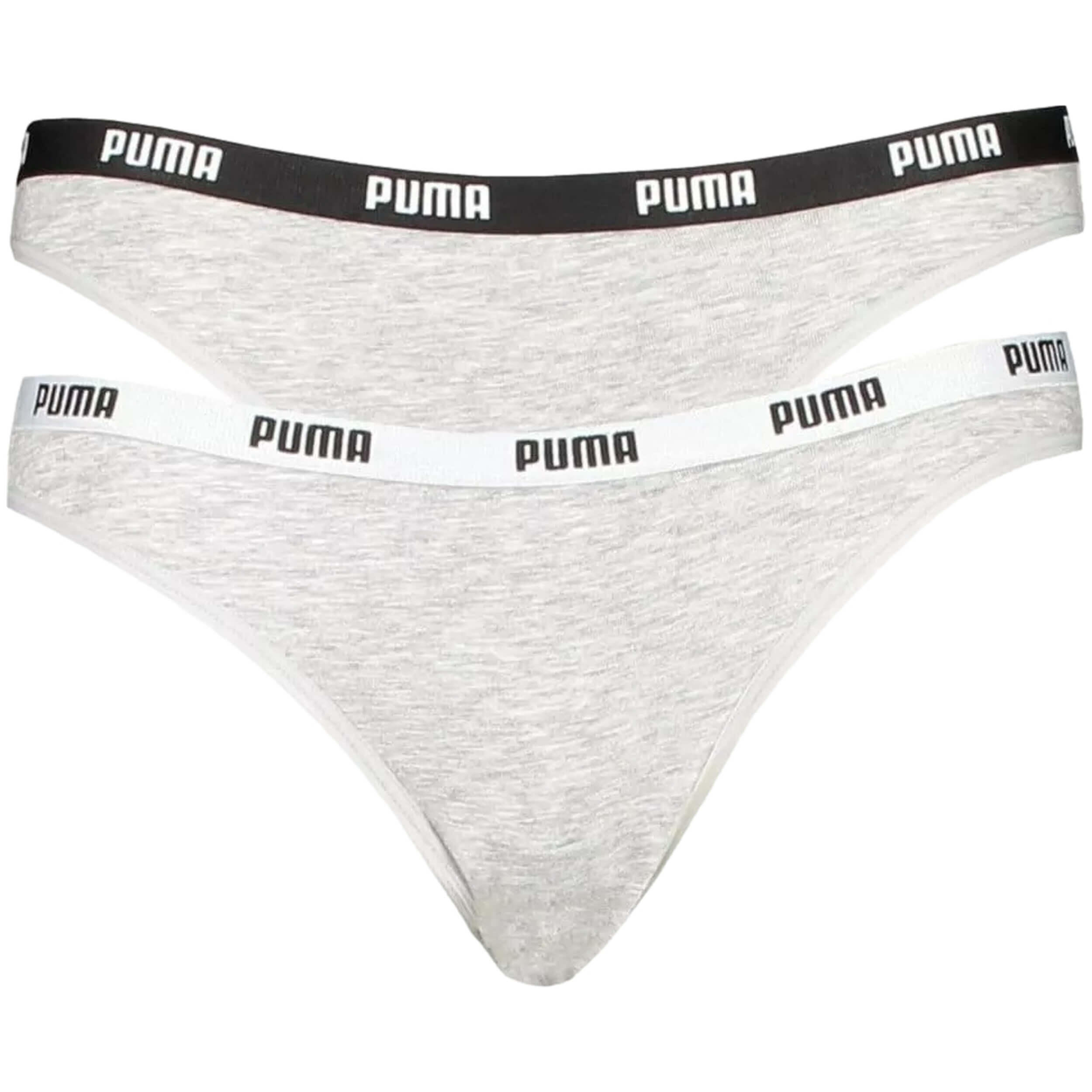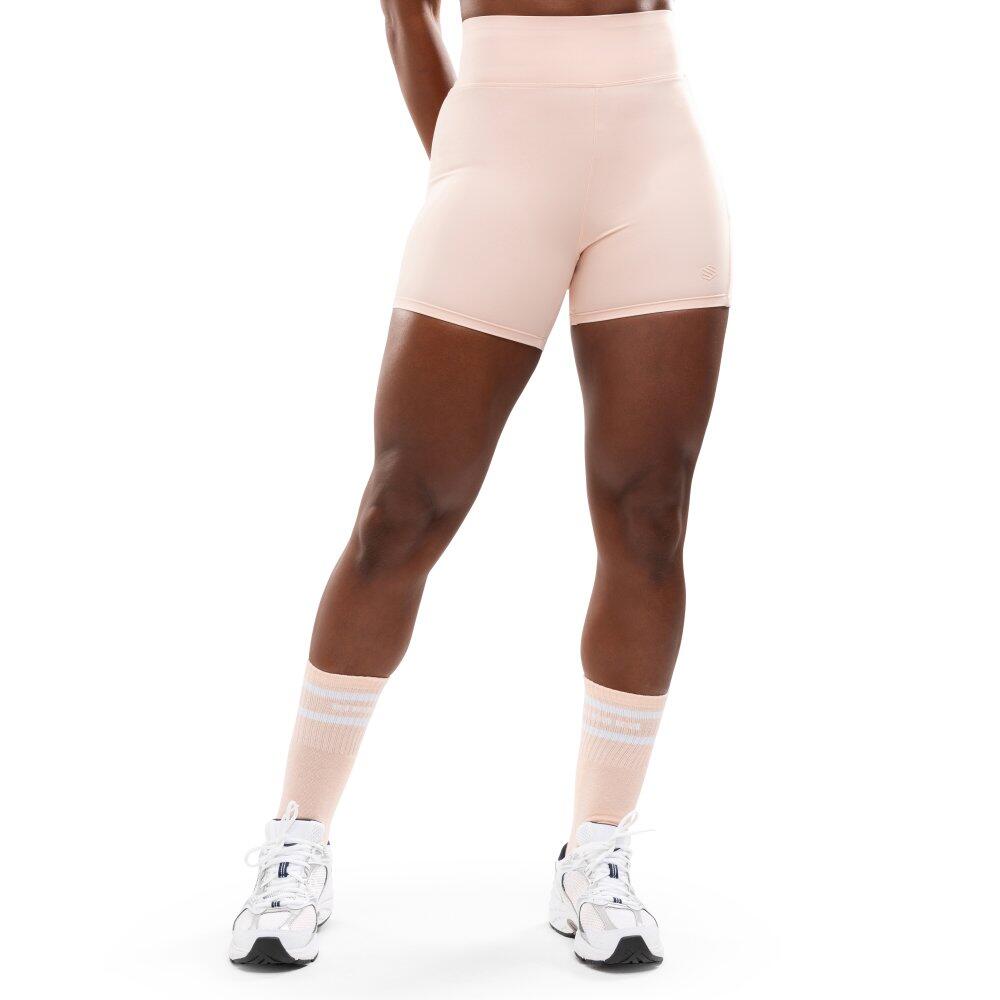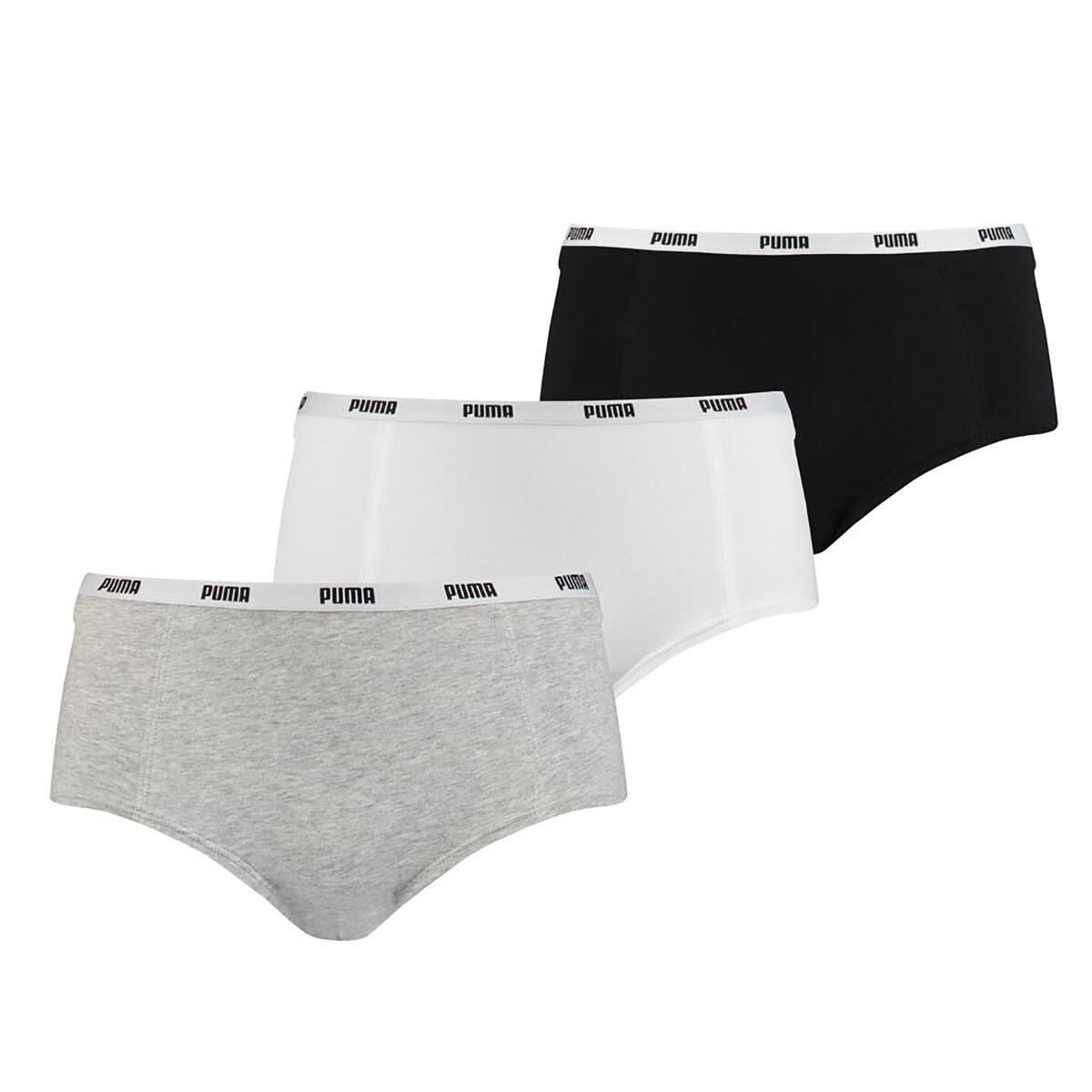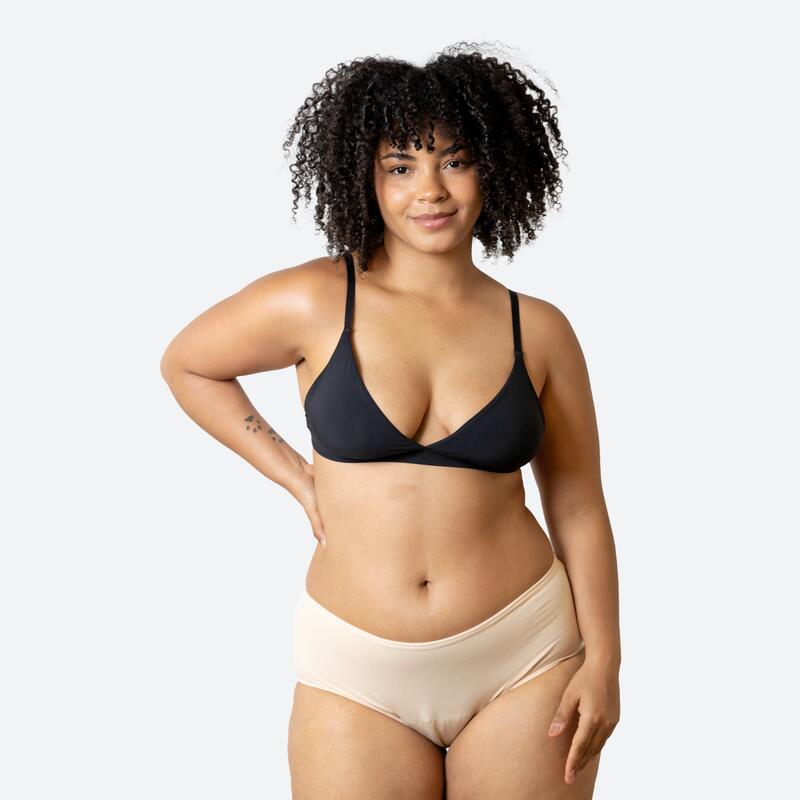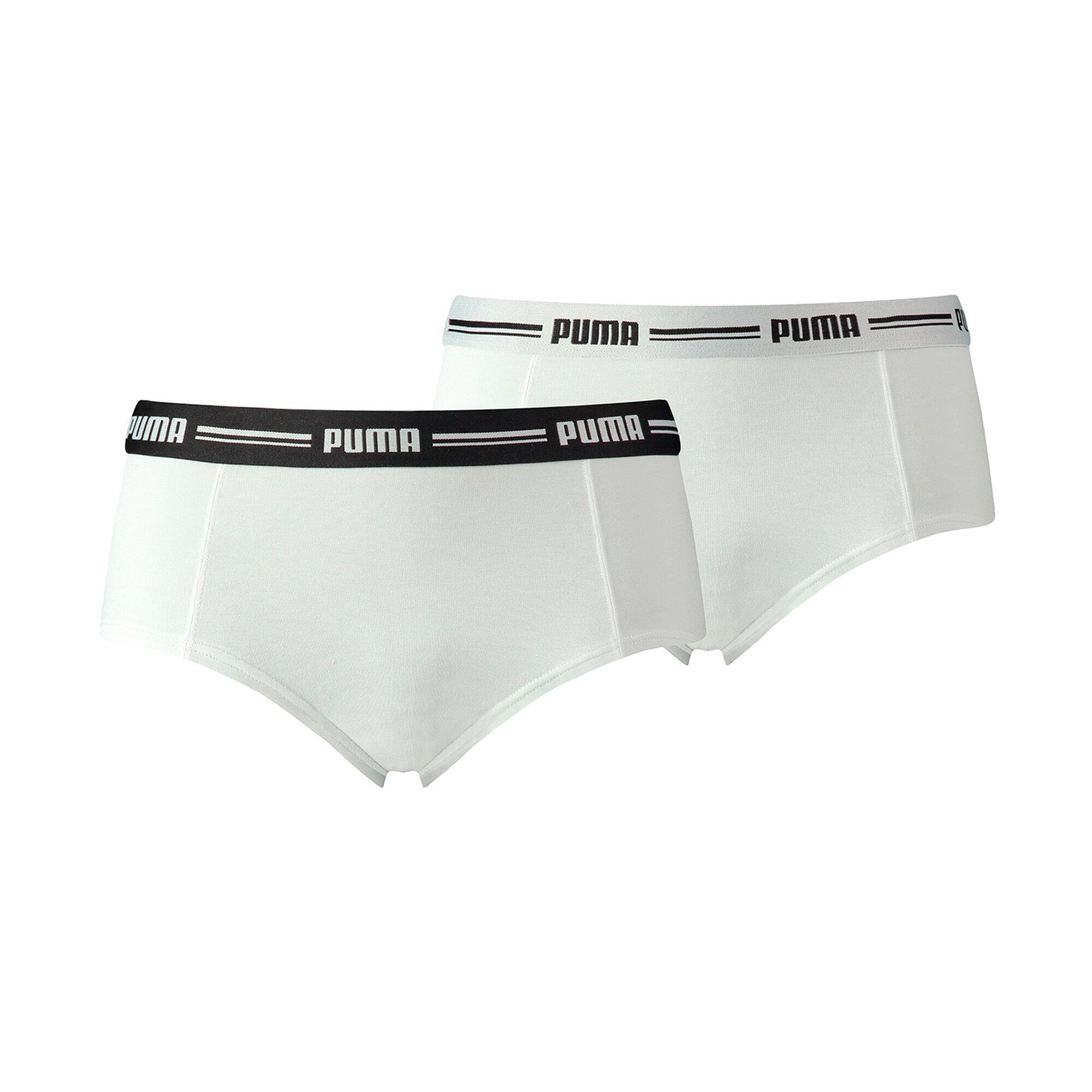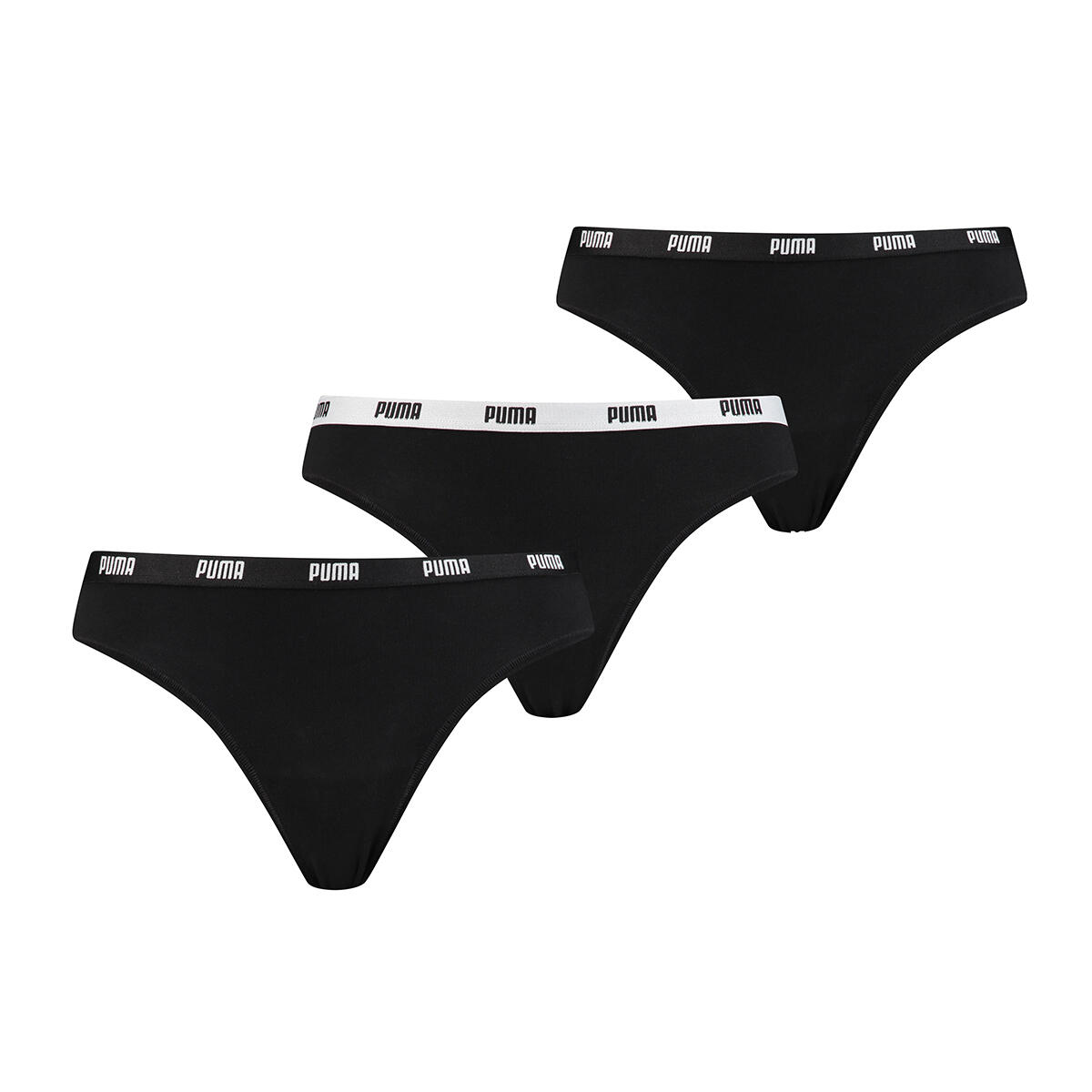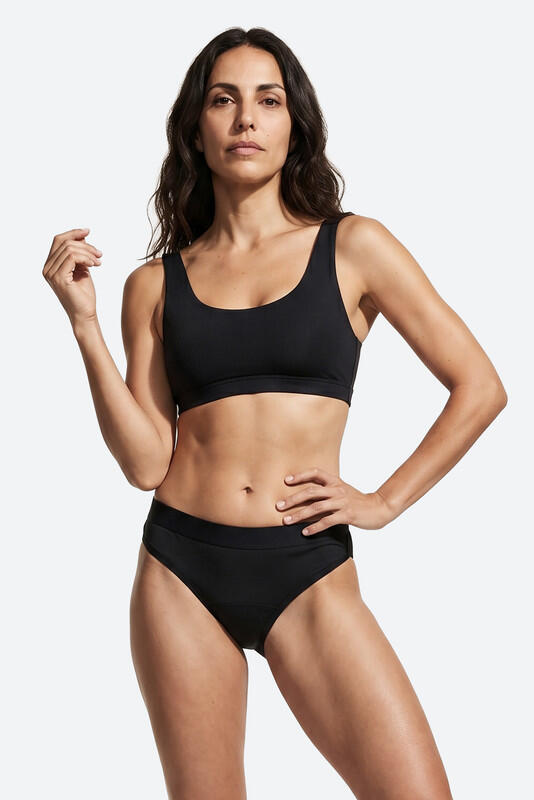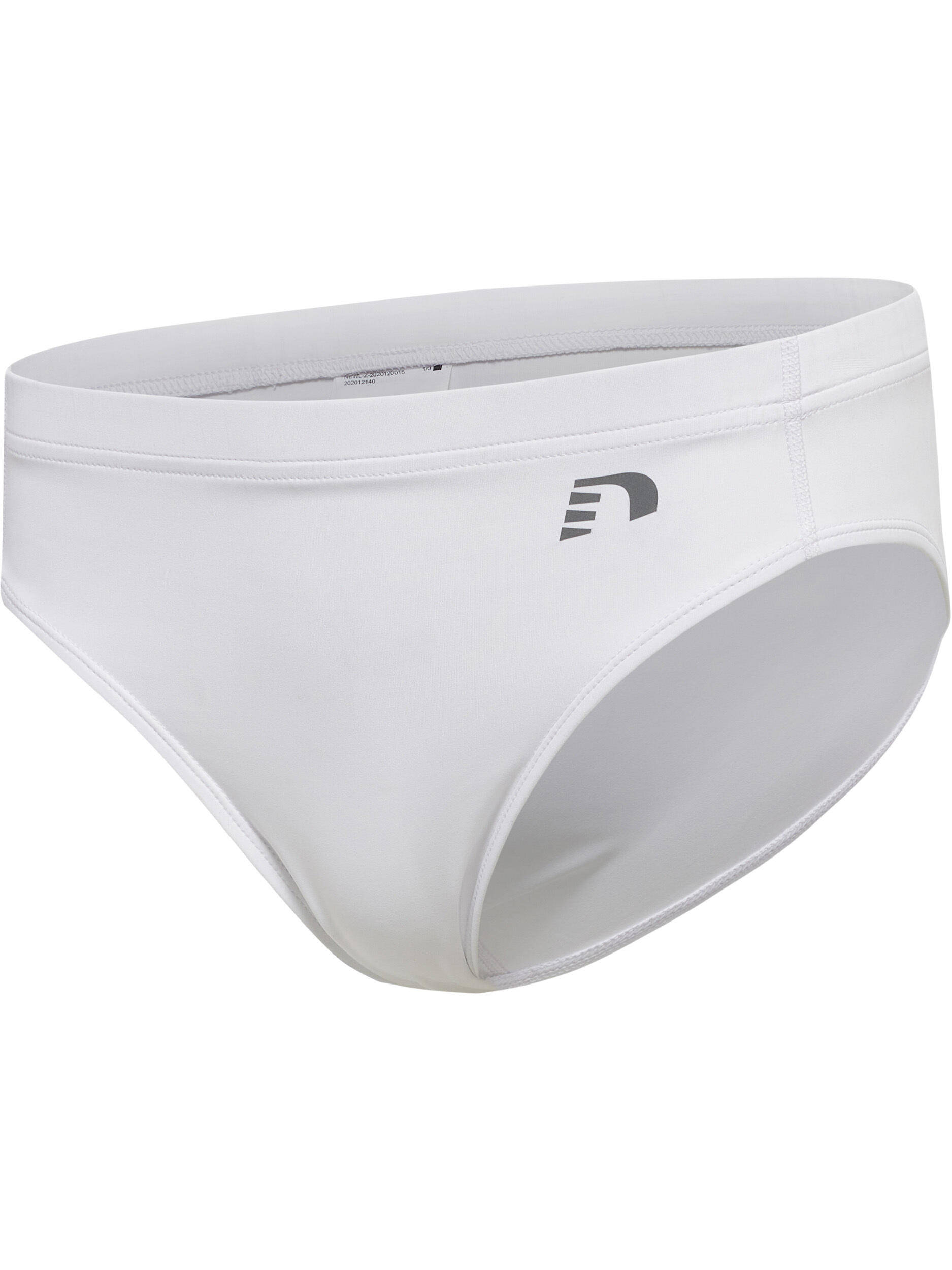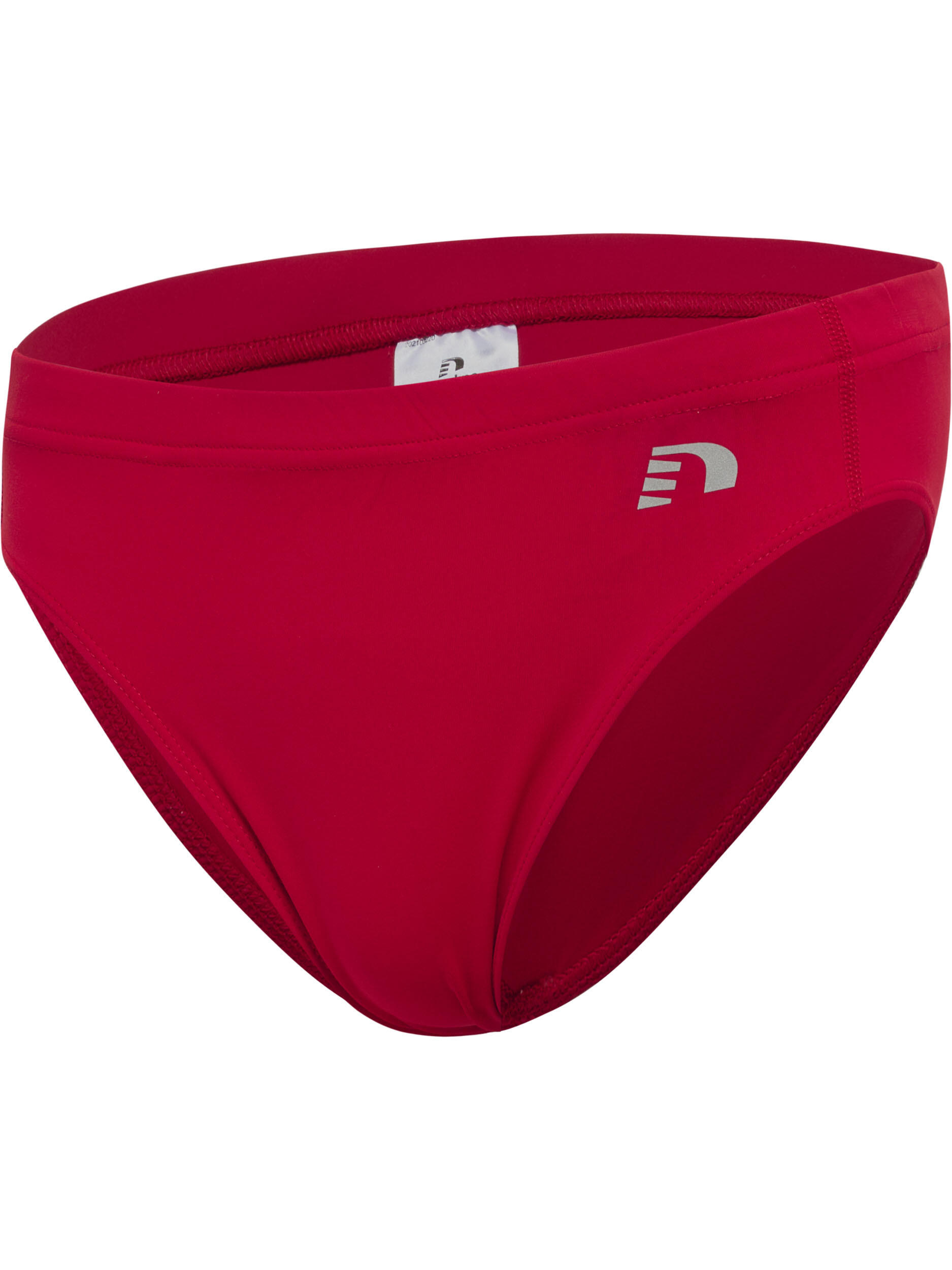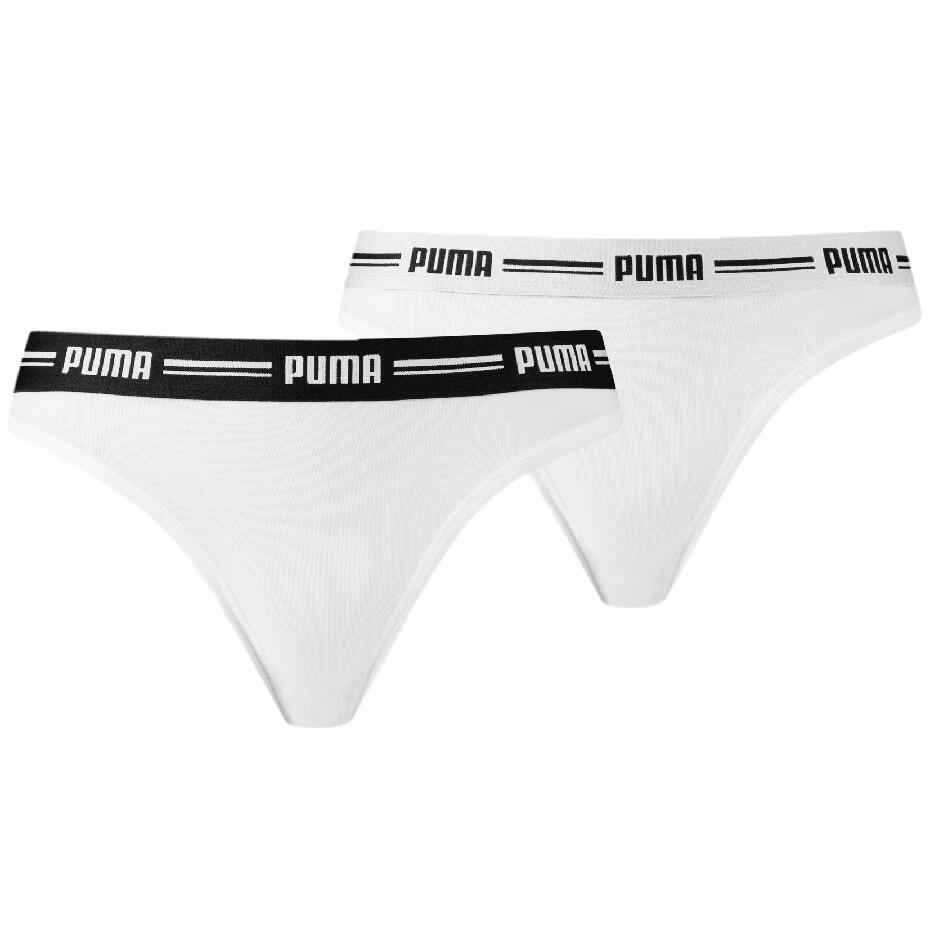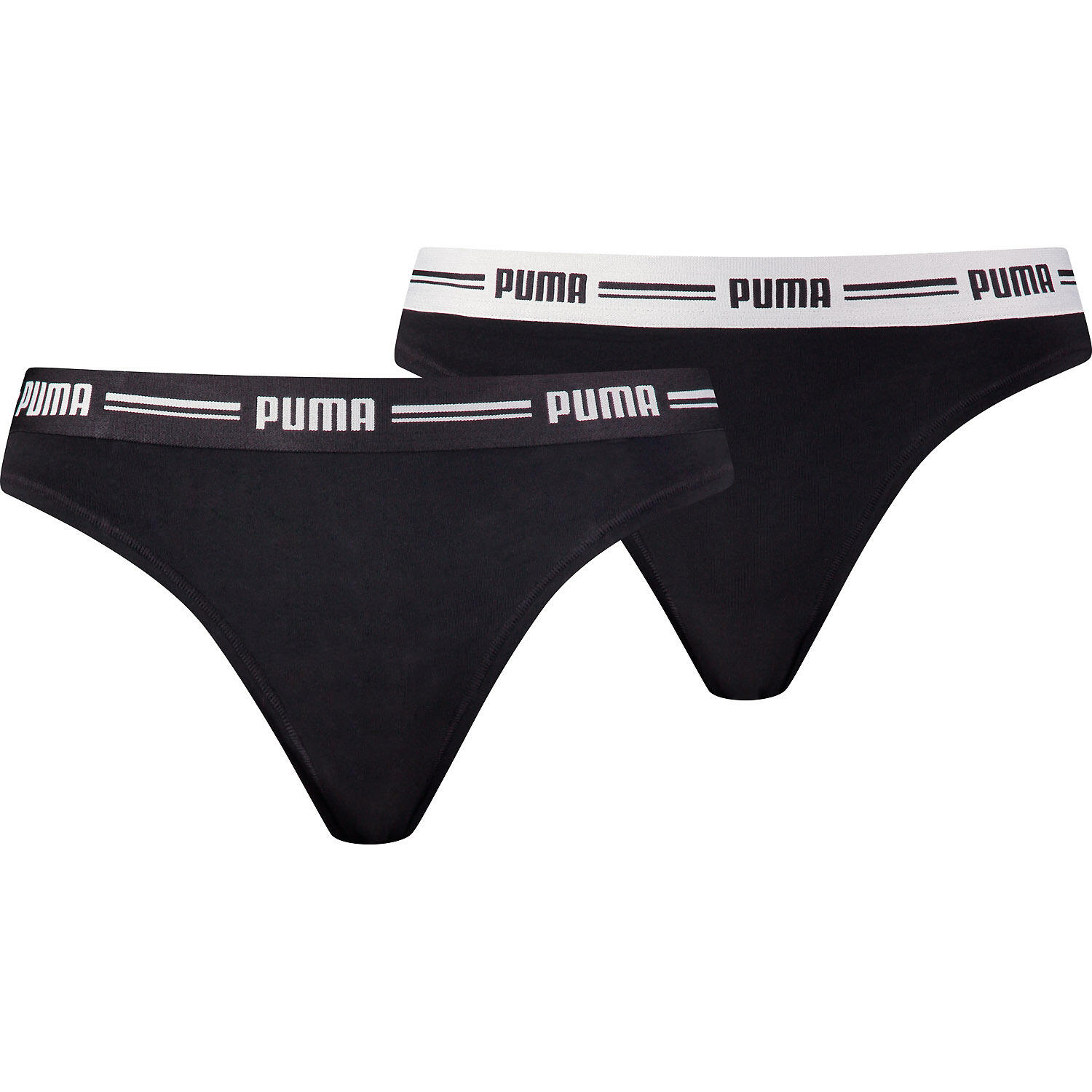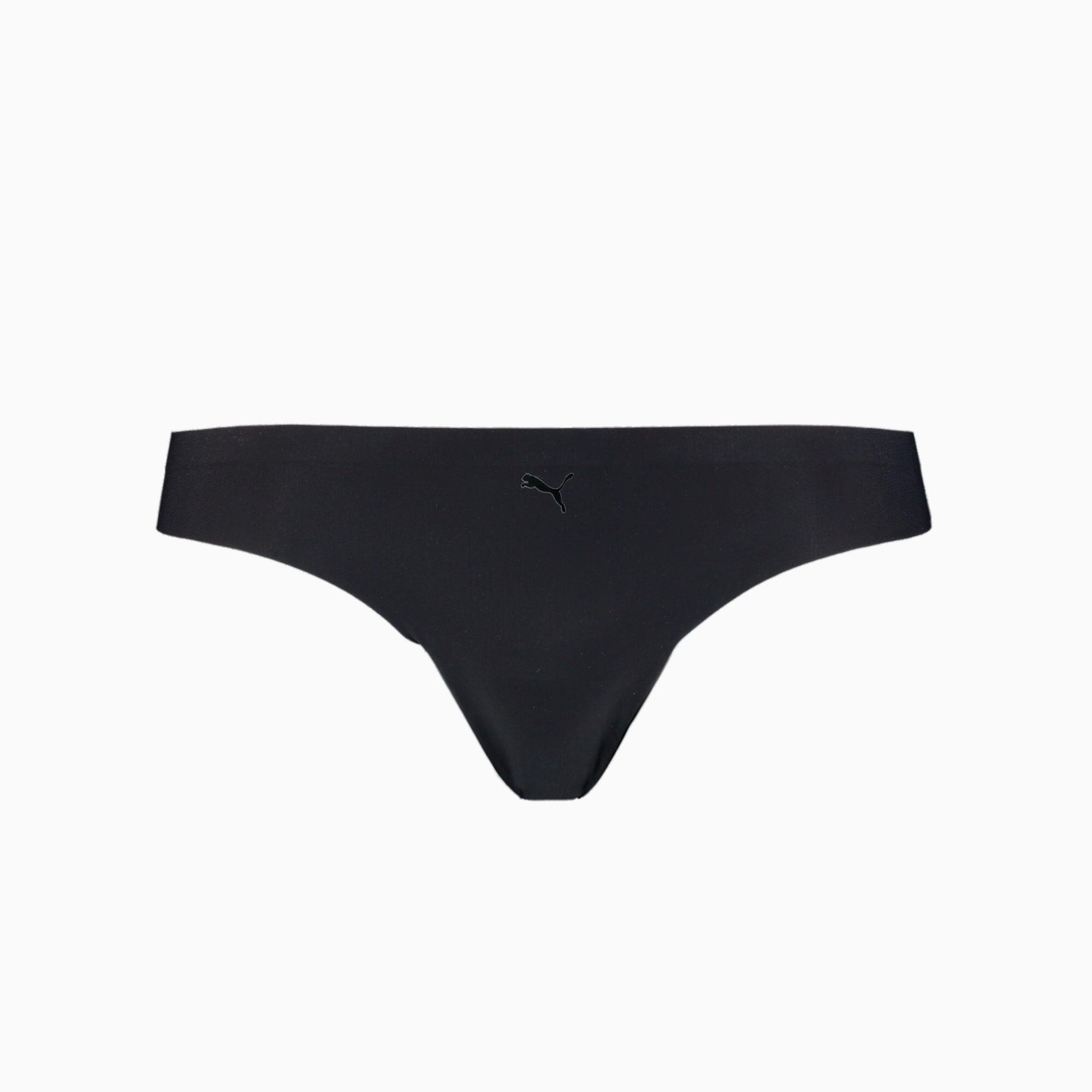
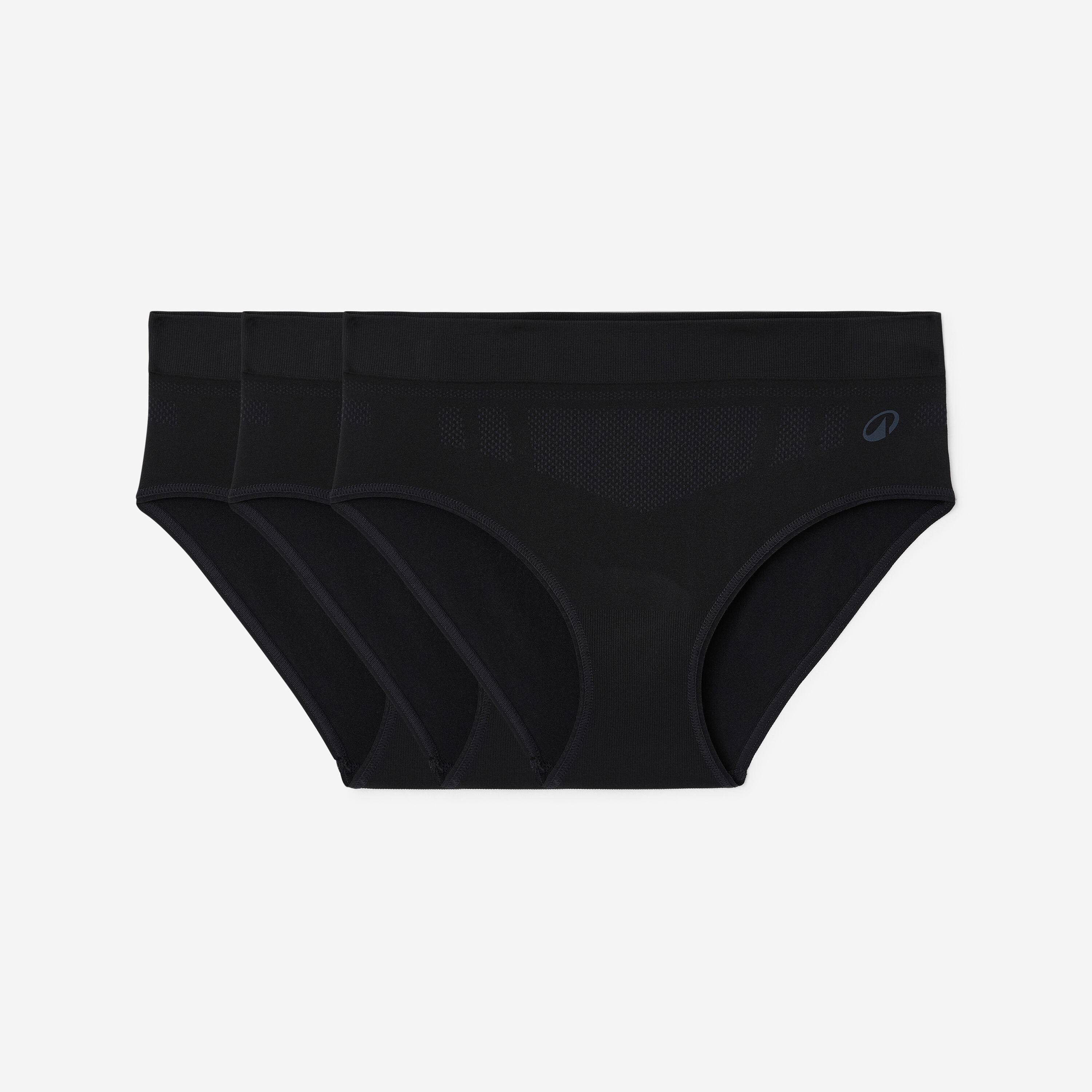
52 items
4.9/5 based on 28134 reviews collected online and in stores

Women's Trail Running Briefs FAQs

What fit helps women's trail running briefs stay in place?

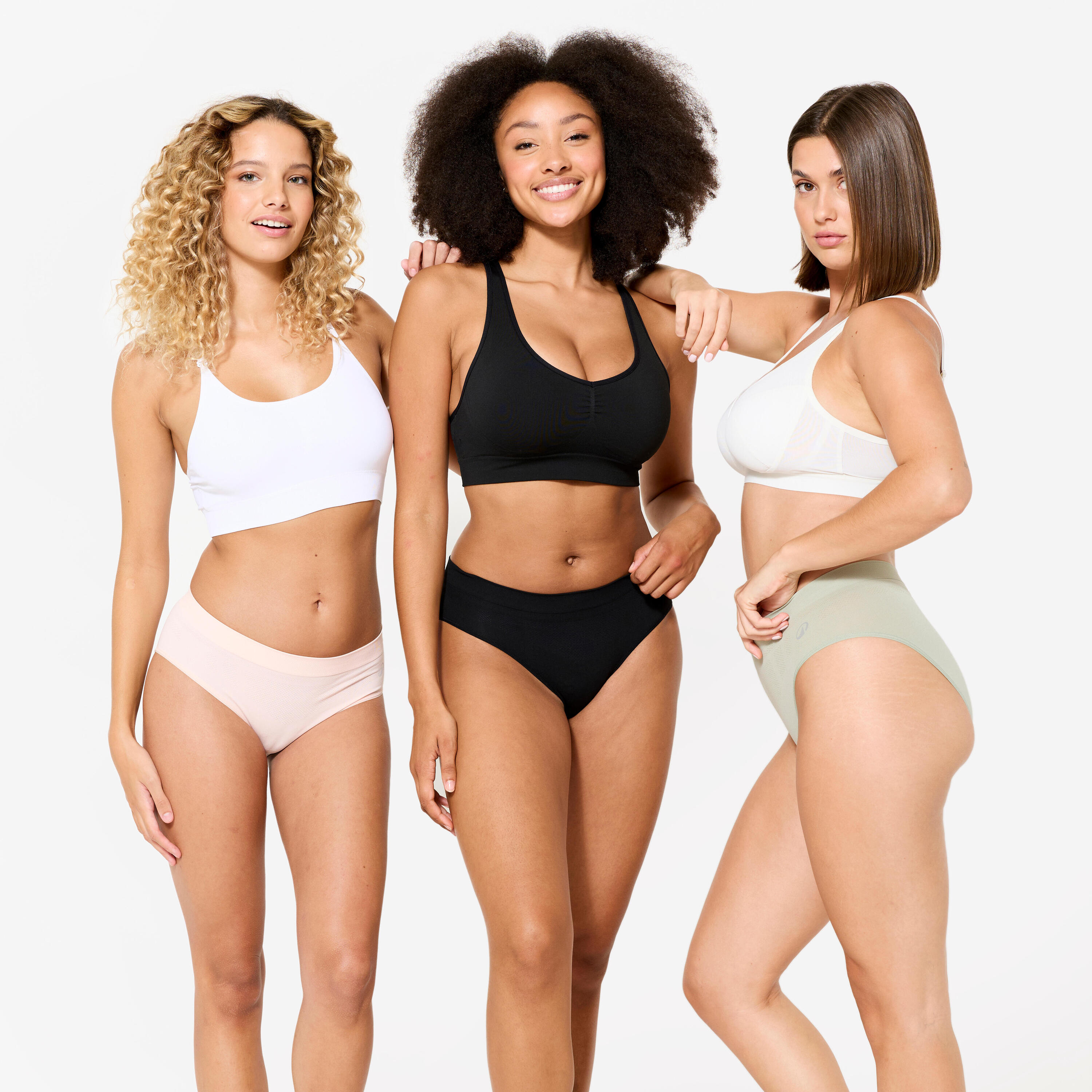
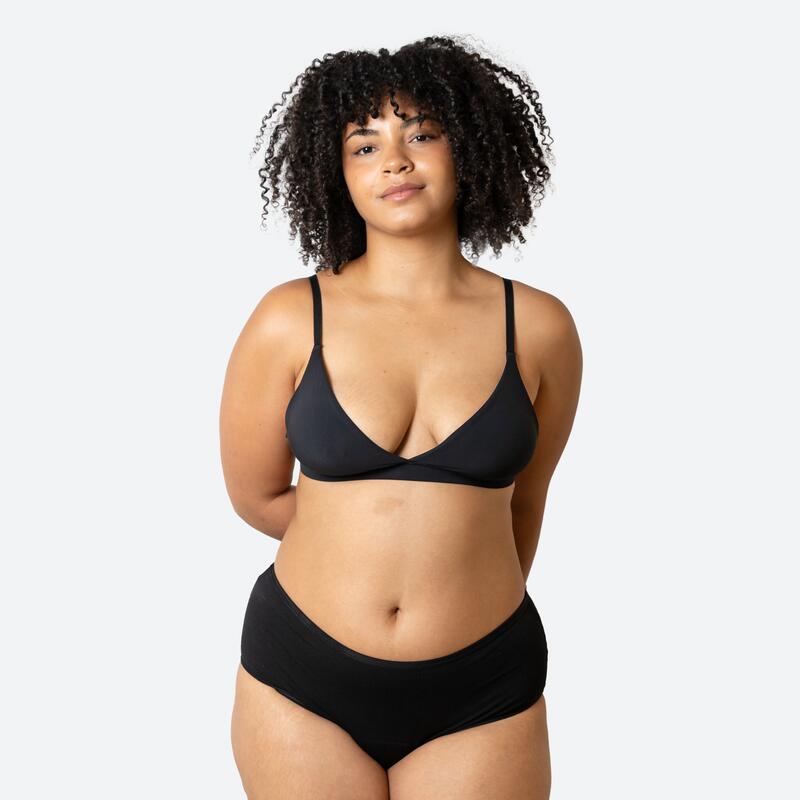
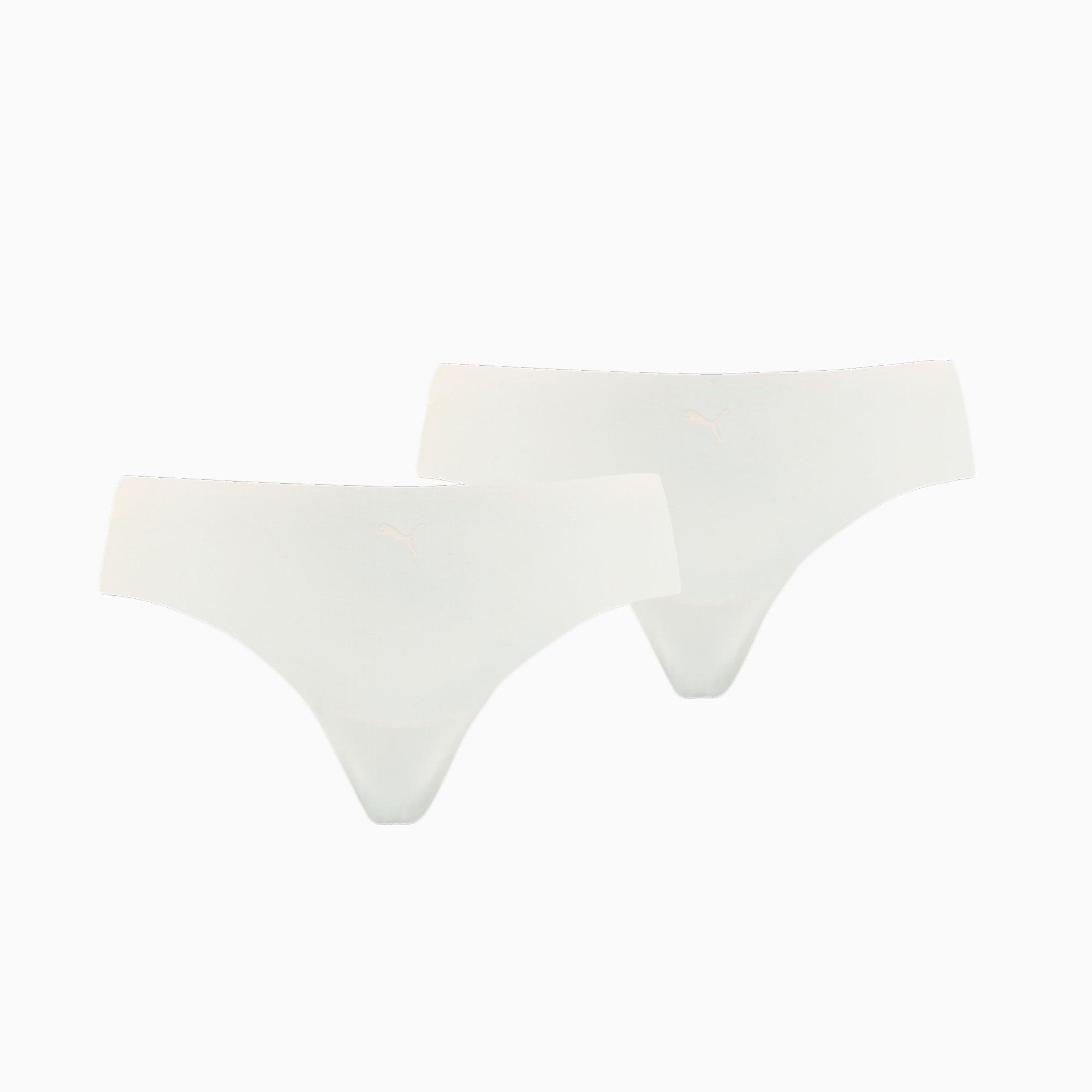
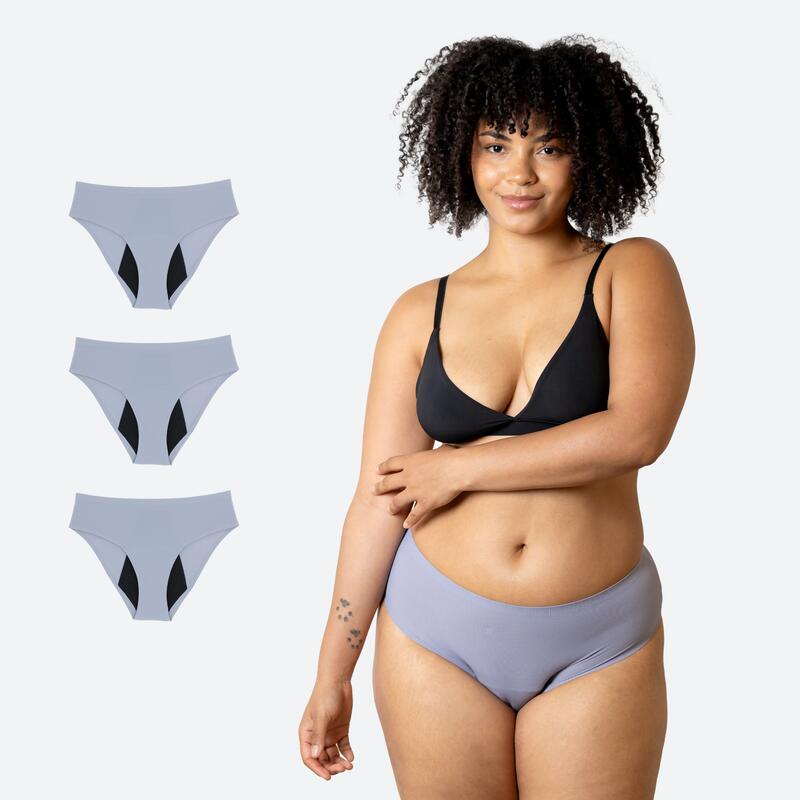
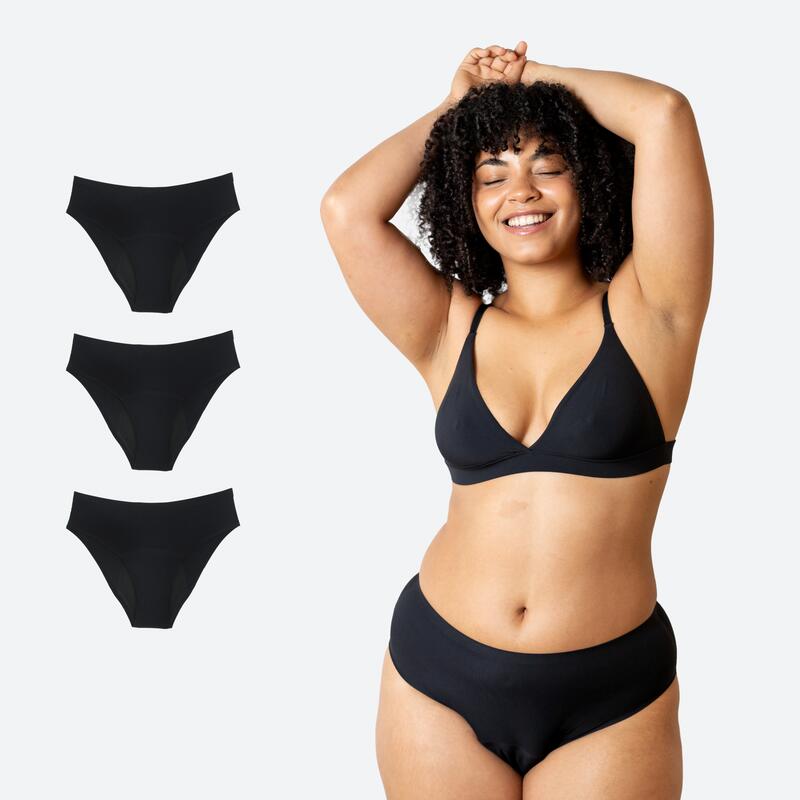
Women's trail running briefs should sit close to your body without digging into the waist, shifting across the hips or gathering beneath your running bottoms. Move through a deep squat, high knee lift and longer running stride when checking the fit. The leg openings should remain smooth around the groin, while the rear should provide enough coverage to stay positioned on climbs and descents. Stretchy women's seamless briefs use reduced-seam construction and elastane to follow movement without adding bulky contact points. A practical pro tip is to test the briefs beneath the exact shorts or tights you use on trails, as overlapping waistbands and seams can change how comfortable the underwear feels.

Why choose seamless briefs for trail running?

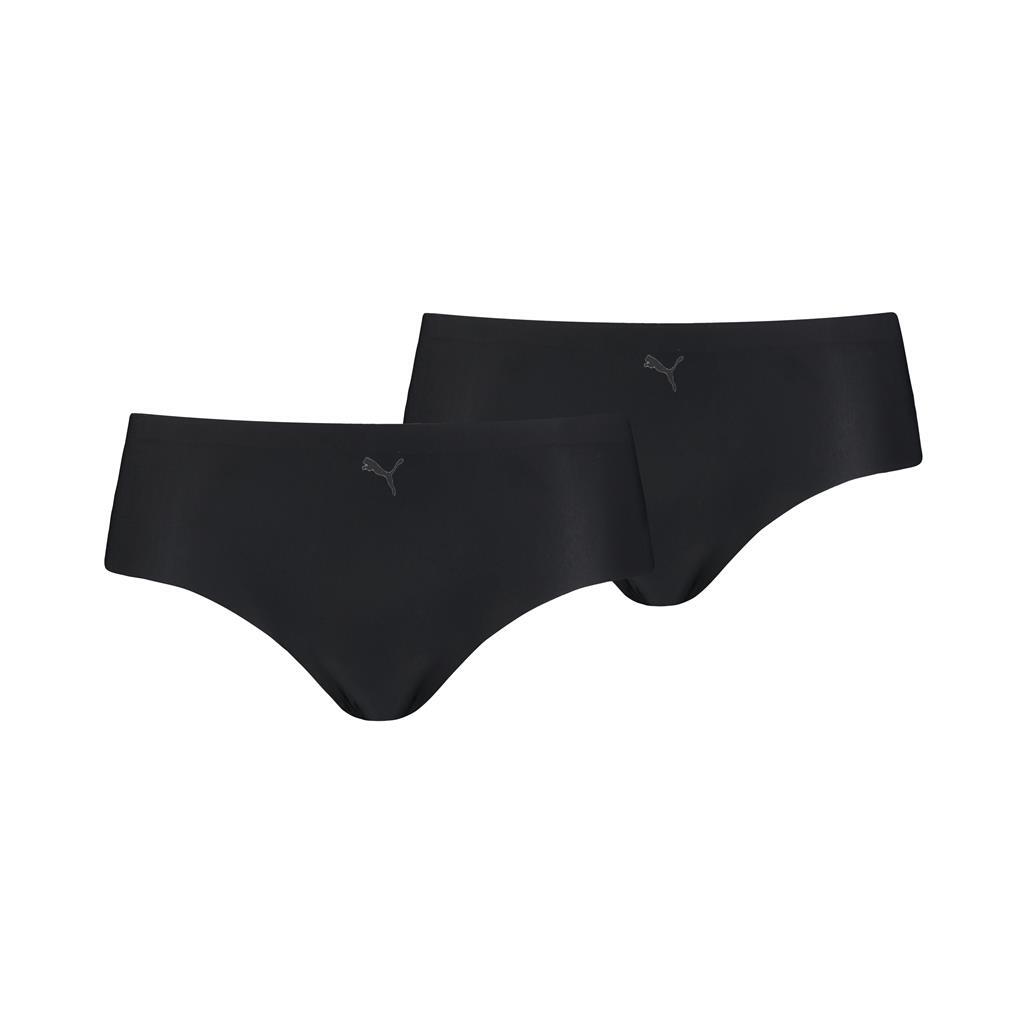
Seamless construction reduces the number of raised joins that can press against your skin during repeated strides. This can be particularly useful when perspiration, longer distances and close-fitting trail clothing increase the risk of irritation. Decathlon briefs and women's seamless knickers use fine polyamide-rich fabric that transfers moisture towards the outer surface, helping the garment dry more readily during exercise. More open knit is positioned around areas such as the lower back where heat and perspiration commonly collect. Seamless does not mean completely friction-free, so the underwear must still be the correct size and remain smooth beneath your outer layer.

Do trail running shorts need a separate pair of briefs?

Check whether your shorts already have a built-in liner before adding separate underwear. Wearing briefs beneath an integrated inner layer can create overlapping seams, trap additional moisture or cause the fabrics to move against each other. Separate underwear can suit unlined women's trail running shorts or runners who prefer their own familiar underlayer. Choose a thin, close-fitting brief that does not extend into pocket openings or bunch beneath the waistband. Test the complete combination while carrying your normal phone, keys and nutrition because loaded pockets can change pressure around the hips. Replace damp underwear after the session rather than remaining in it during the journey home.

How do you choose briefs for longer trail runs?

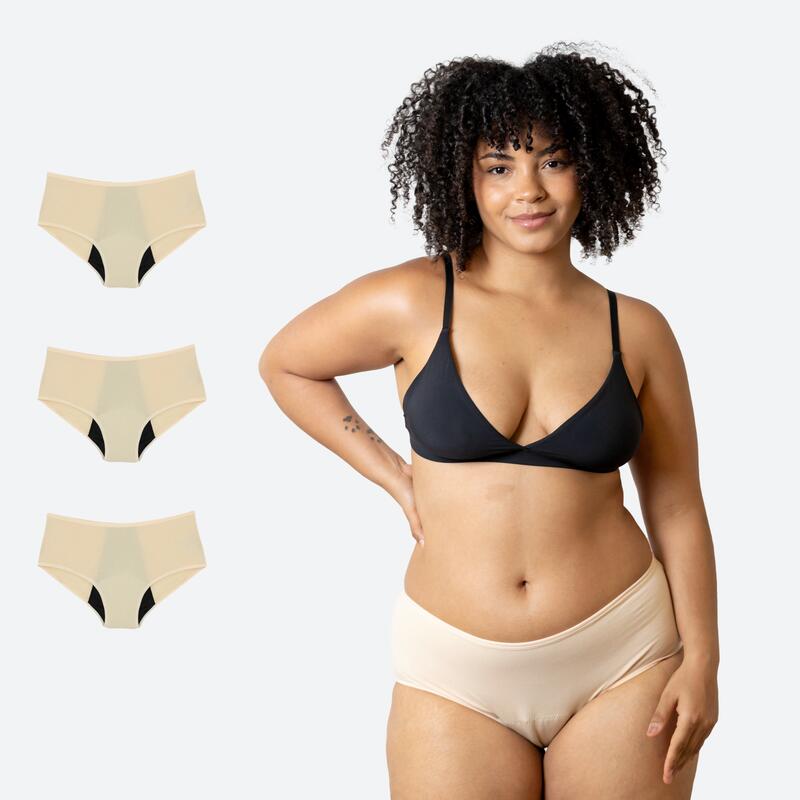
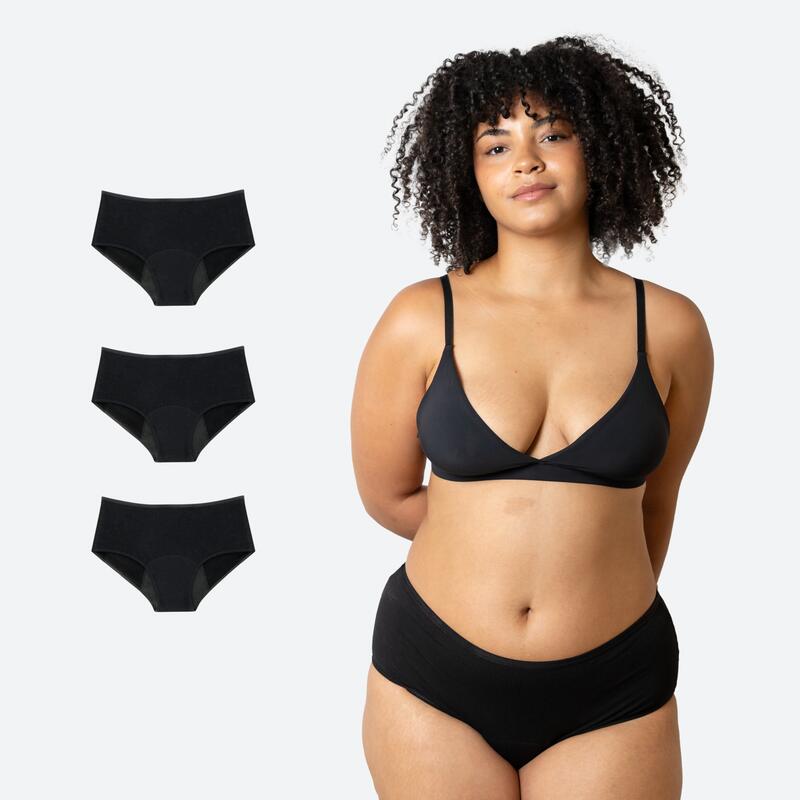
Prioritise stable coverage, moisture transfer and a fabric that has already proved comfortable during shorter training. Fuller briefs or knickers may suit runners who want more rear coverage beneath tights and loose shorts, while lightweight seamless models reduce bulk inside a race bag. Options within women's trail running underwear vary in coverage and construction, so avoid relying on colour or appearance alone. Examine where the waistband, leg openings and outer clothing meet, as several comfortable garments can still create pressure when their edges overlap. Carry a clean spare pair on long or wet outings when changing after the run will make the journey home more comfortable. Never introduce untested underwear on race day.
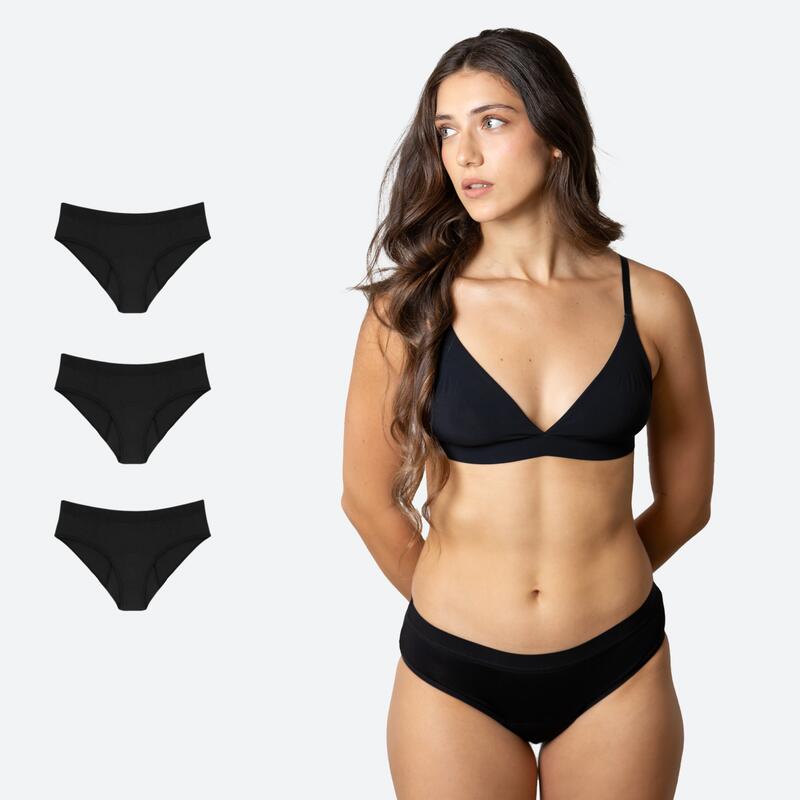
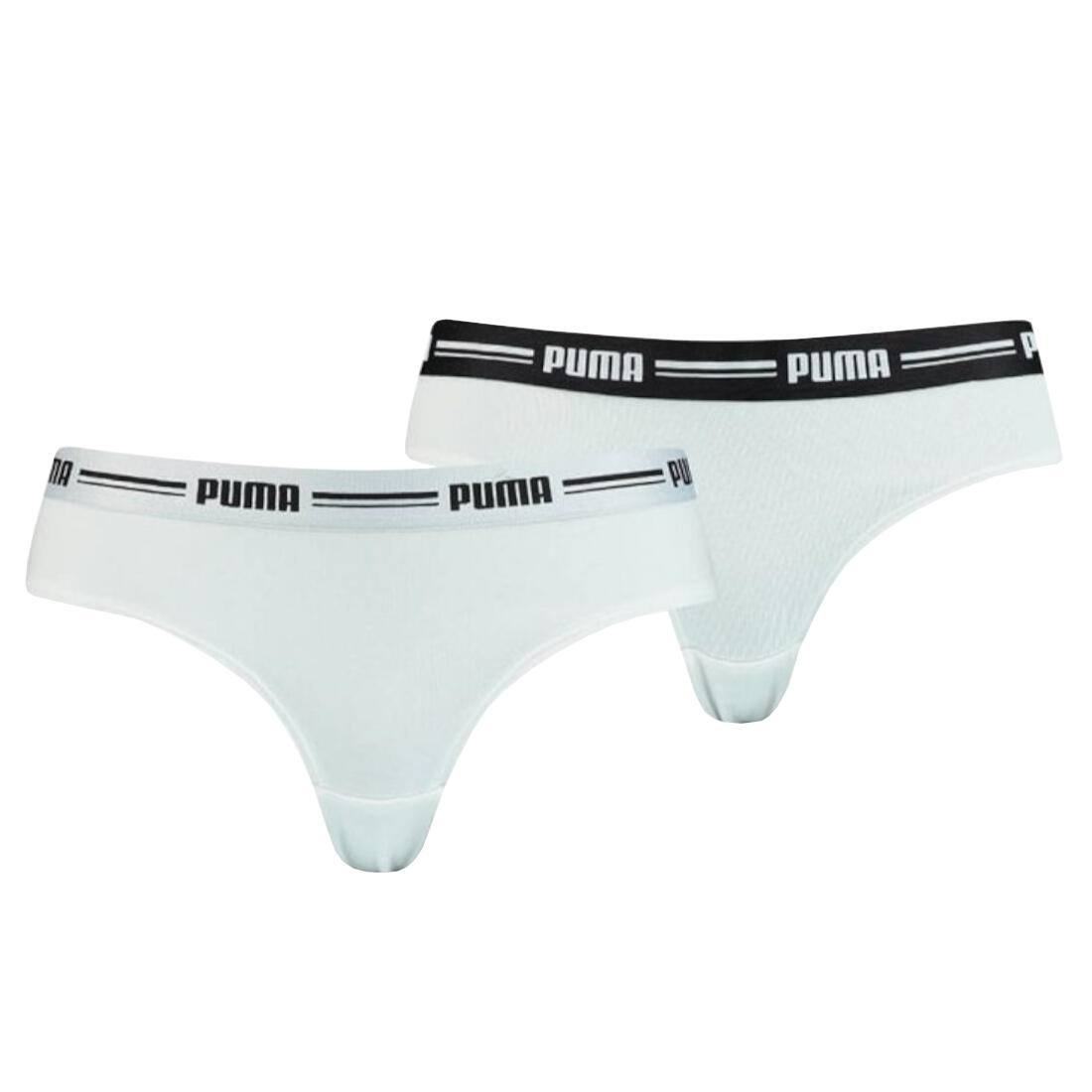
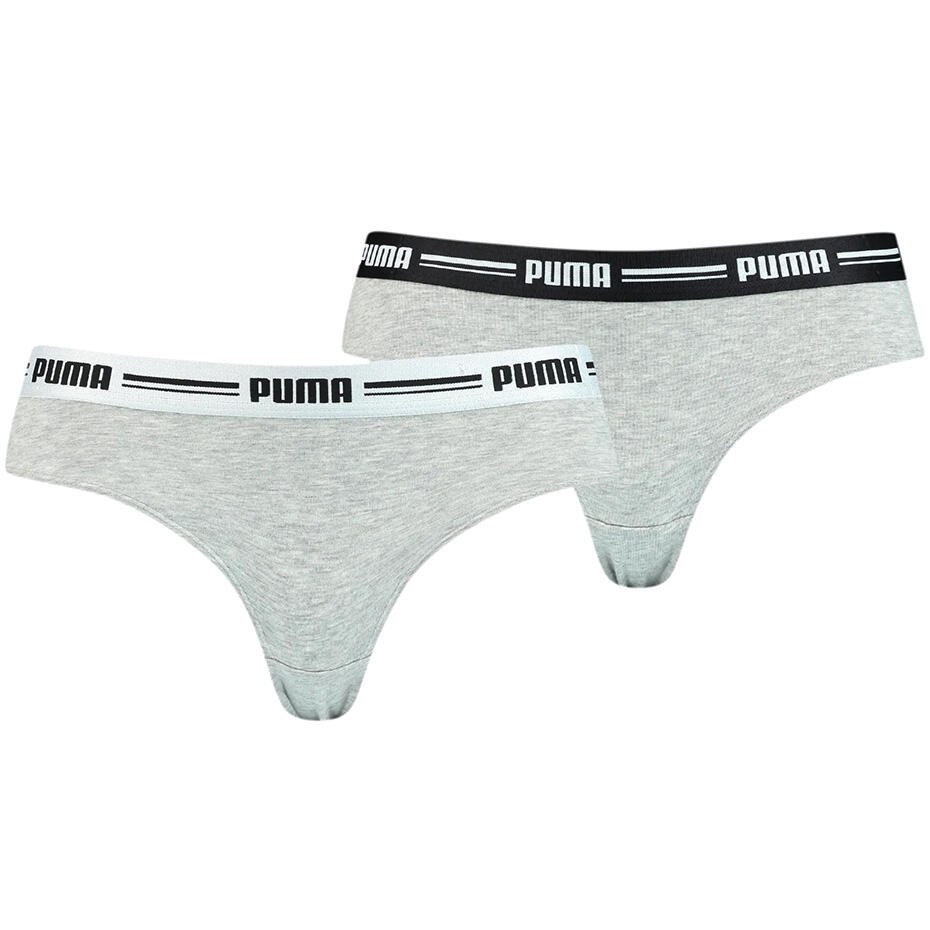
Which washing method helps protect women's trail running briefs?

Wash technical briefs at no more than 30 degrees Celsius and follow the individual care label. Liquid detergent is preferable for the Decathlon seamless constructions, while fabric softener should be avoided because it may reduce the fabric's moisture-management performance. Place the briefs in a laundry bag to protect the fine knit from zips, hooks and rough fastenings on other women's trail-running clothes. Do not tumble-dry, iron, bleach or dry-clean them. Air-dry each pair fully before storage and check the waistband, lower-back ventilation zones and leg openings for stretched fibres or rough areas. Rotating several pairs also gives each garment time to dry properly between regular training sessions.