151 items
4.8/5 based on 195295 reviews collected online and in stores

Men's Trail Running Low Socks FAQs

How can you check the fit of trail-running low socks?

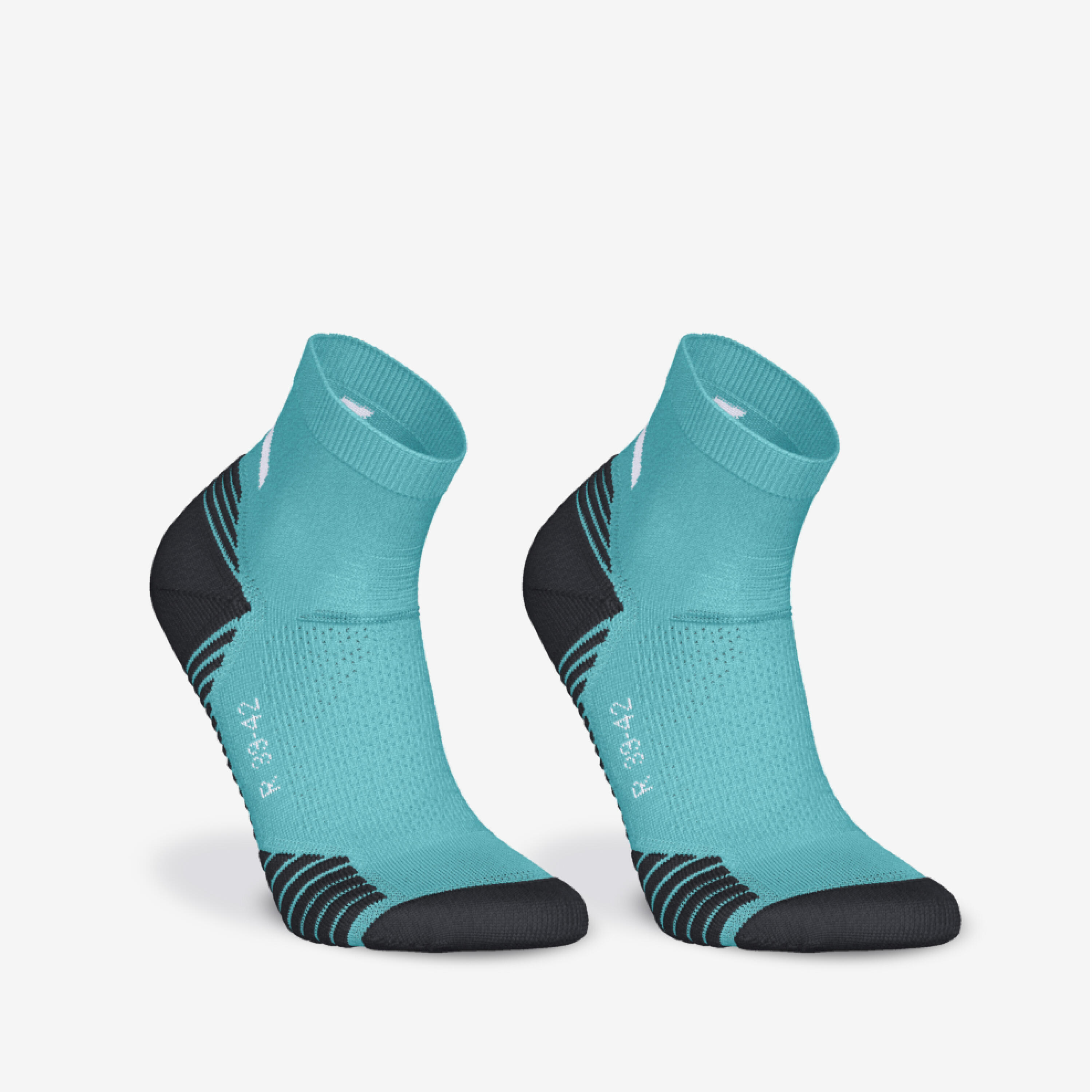
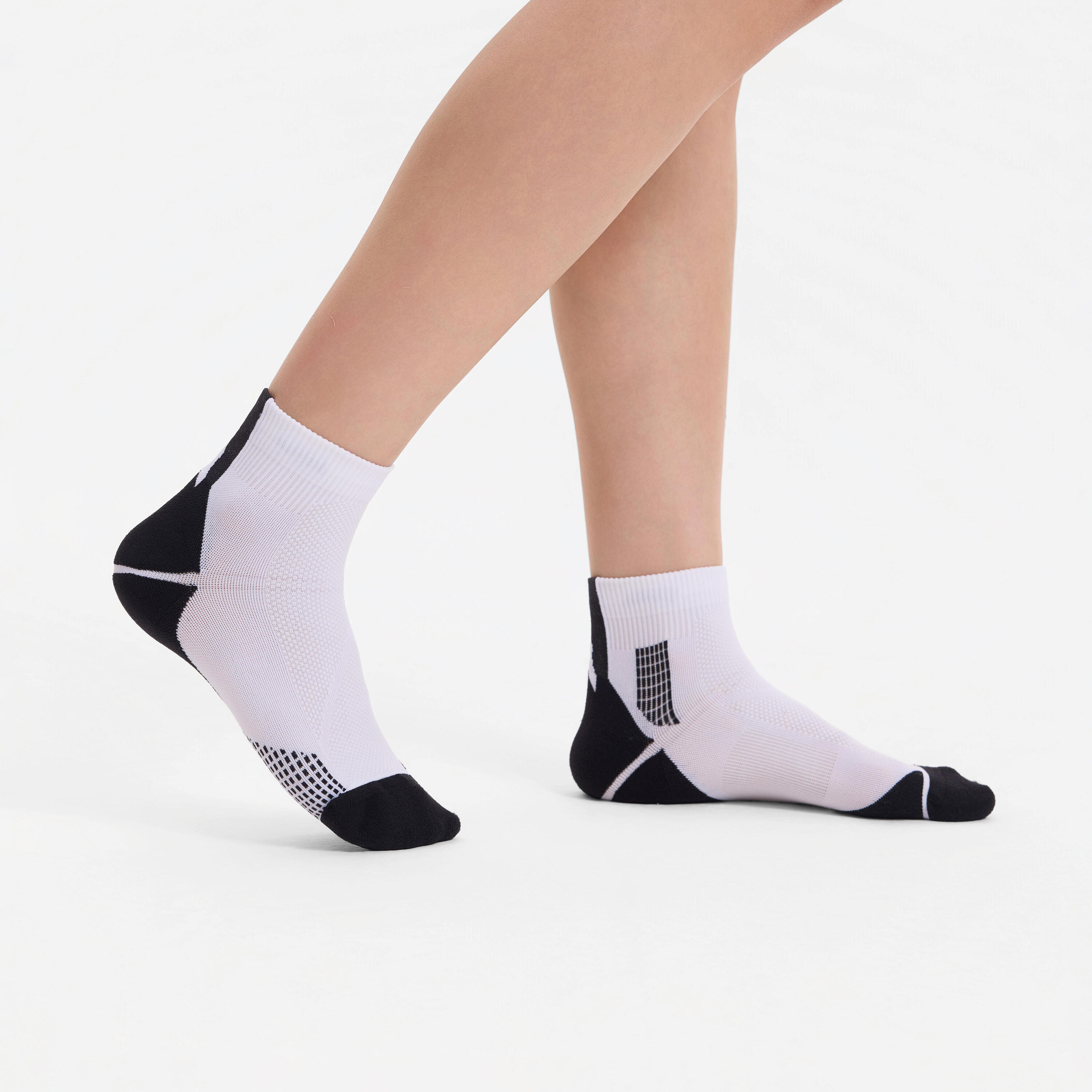
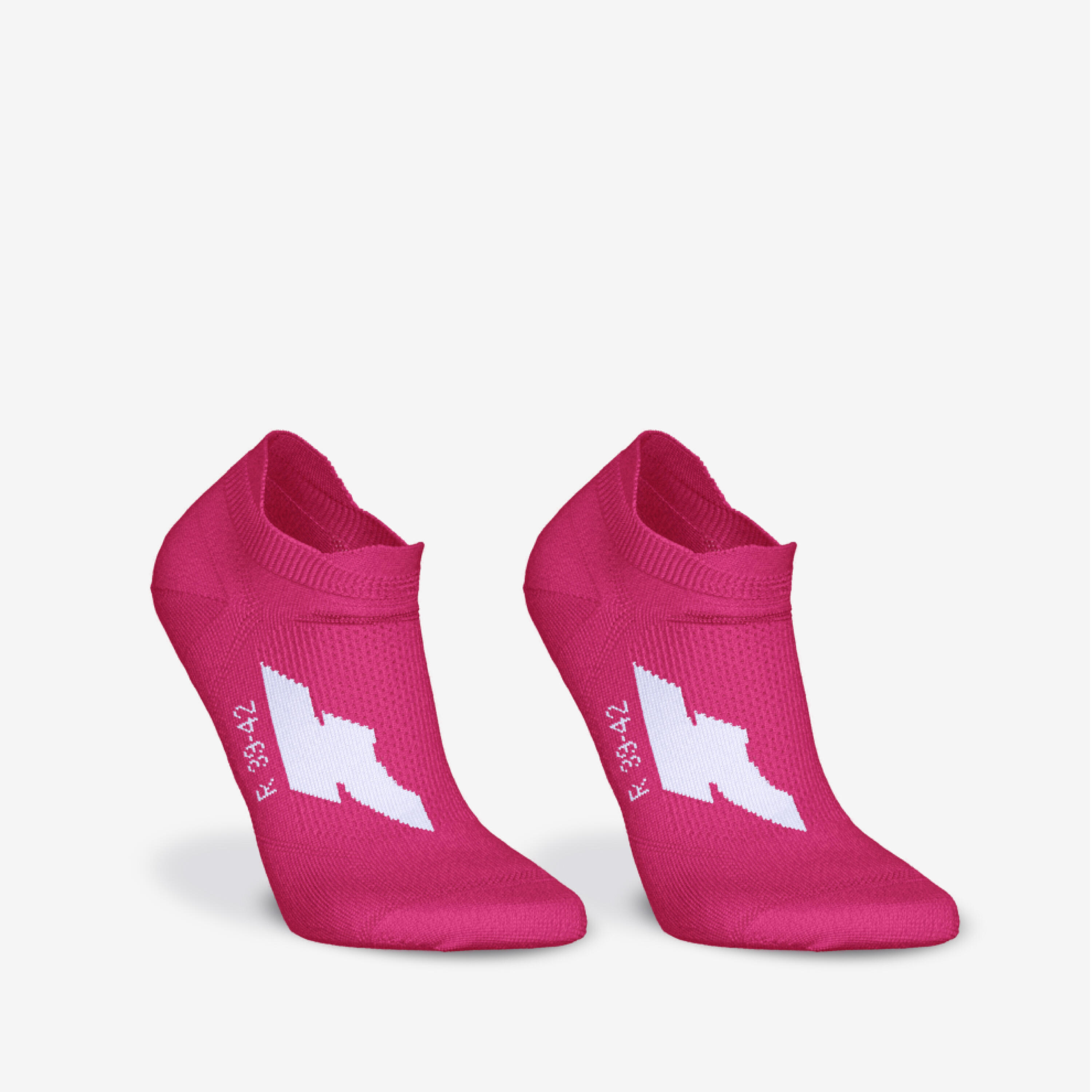
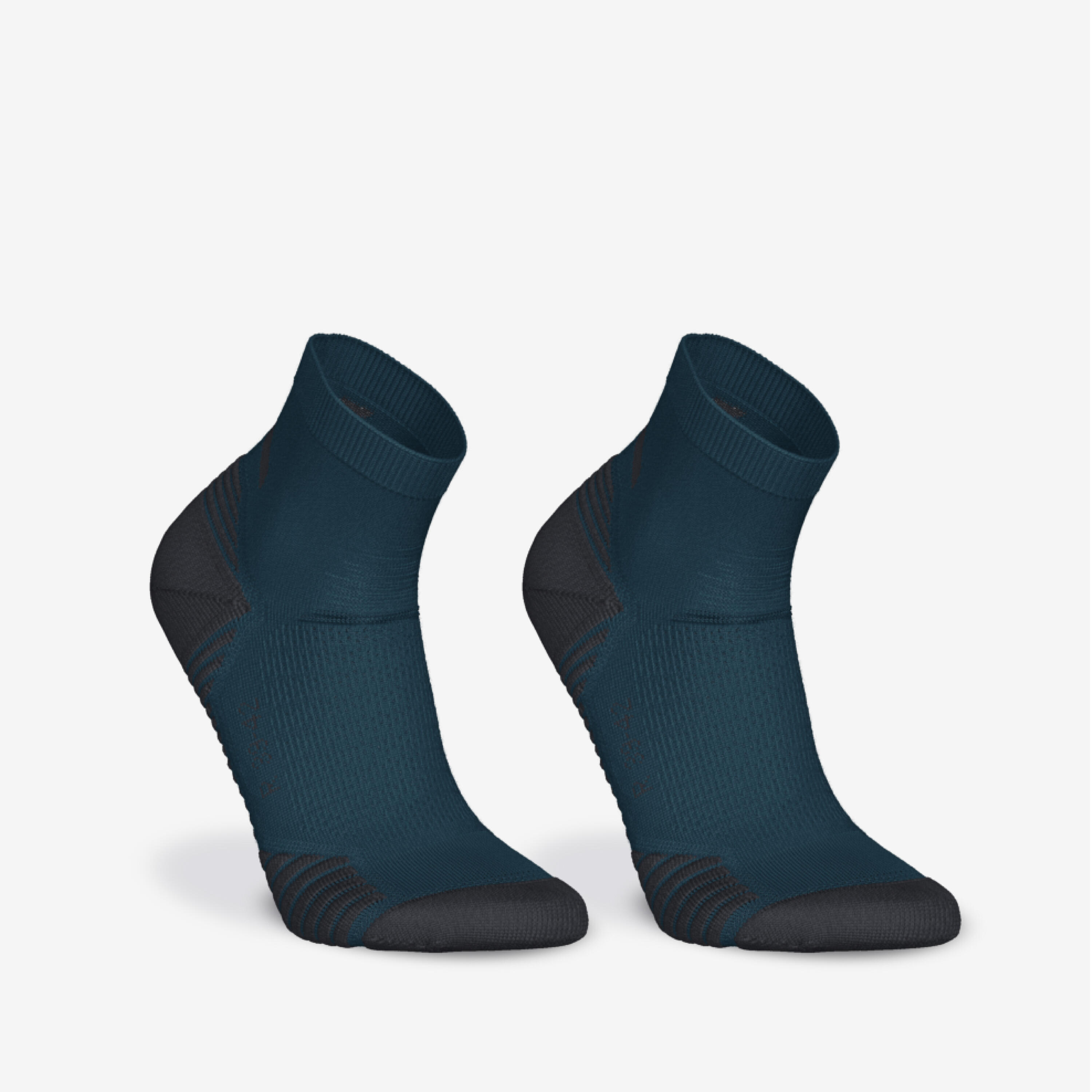
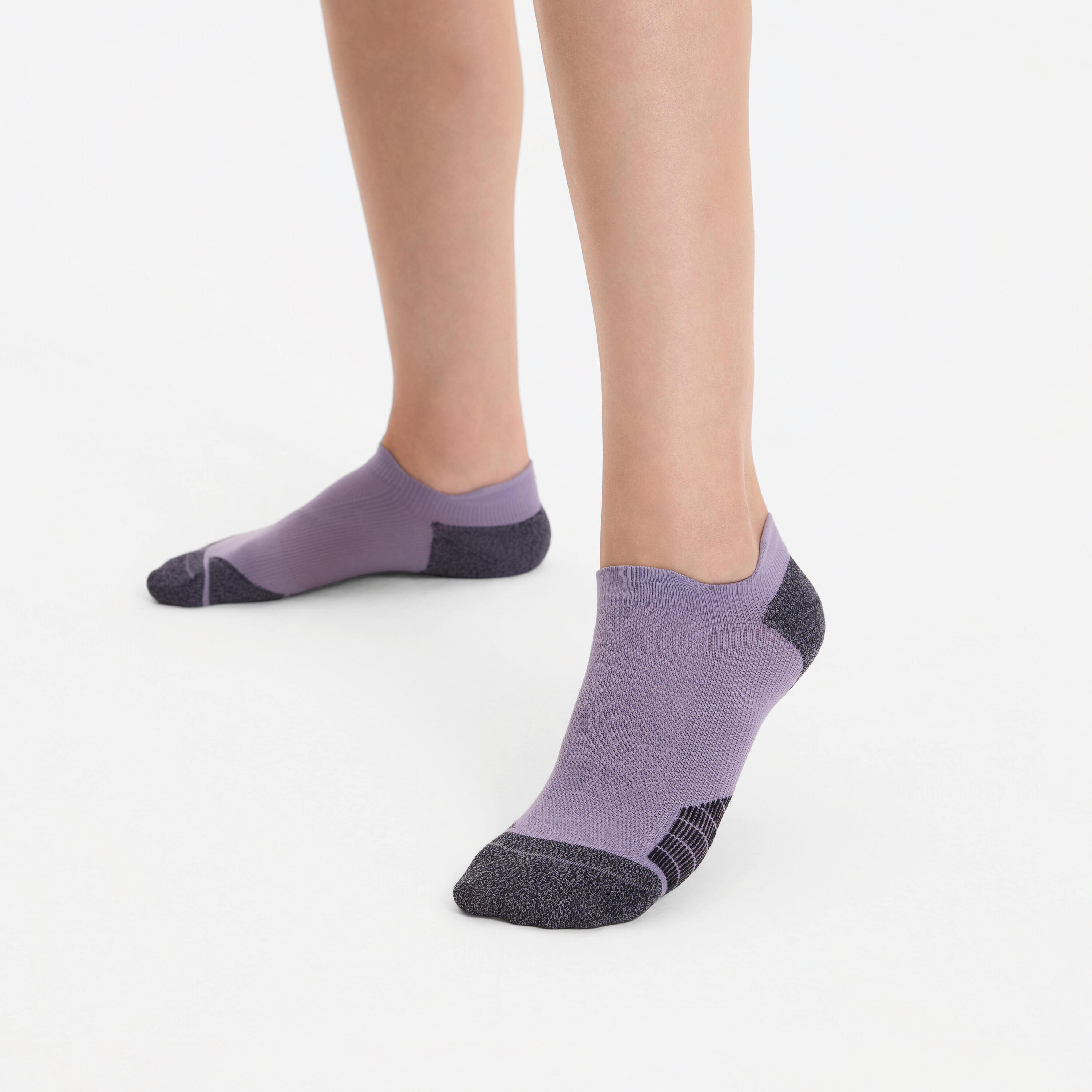
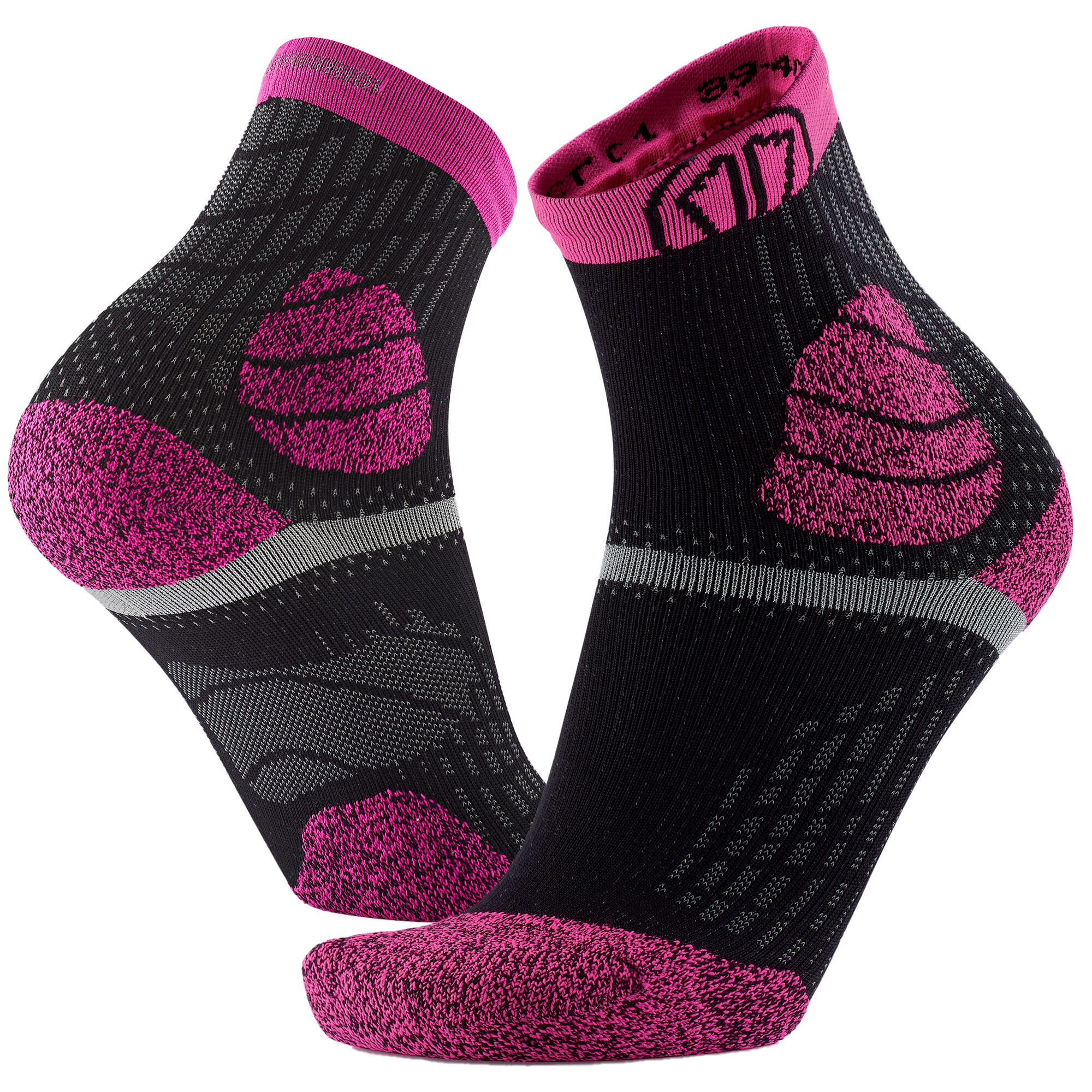
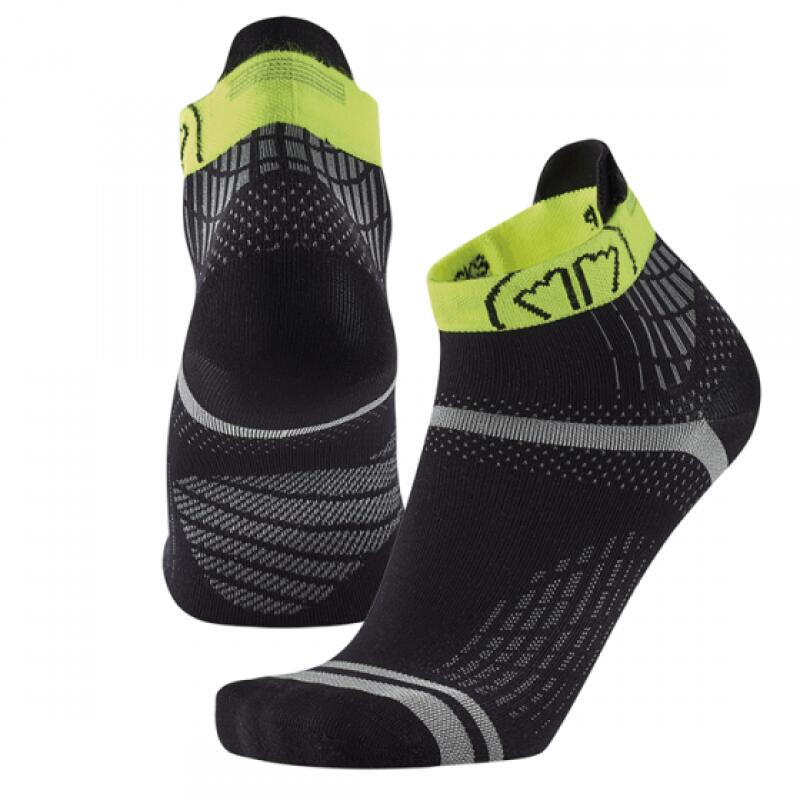
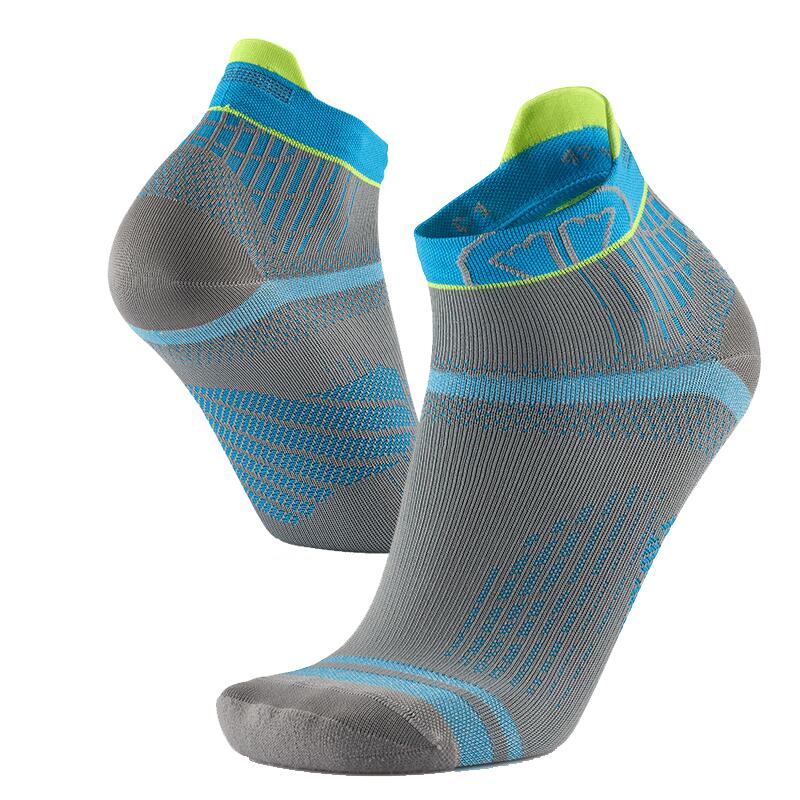
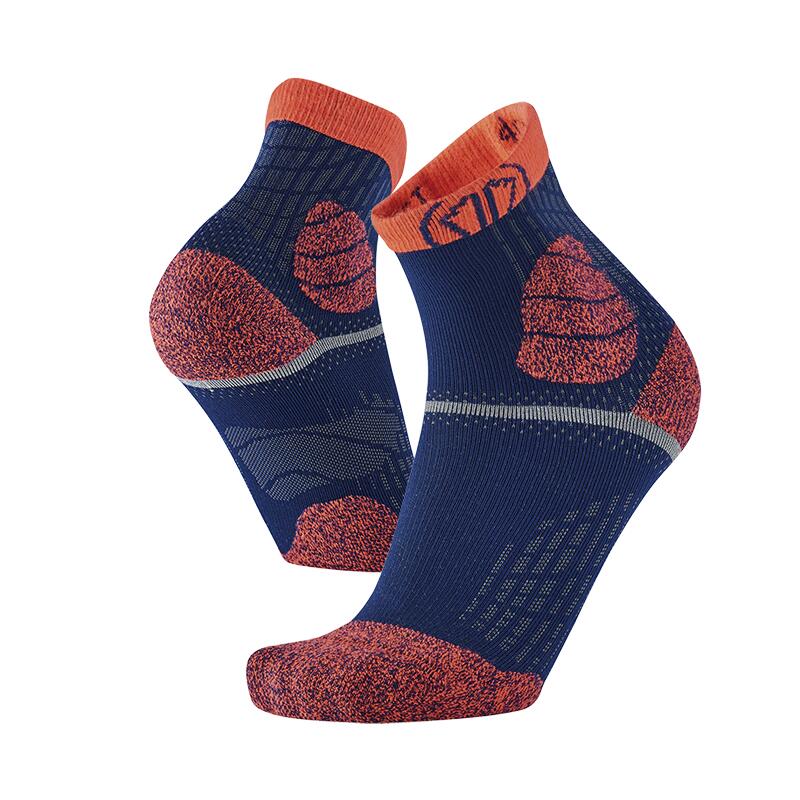
Men's trail running low socks should follow the shape of your feet without folding, slipping or squeezing your toes inside the shoes. The heel section should align with your heel, while the low cuff should remain securely around the shoe collar instead of sliding beneath it. An elasticated section around the midfoot can help the sock stay positioned, but it should not restrict circulation or leave painful marks. Sock thickness also changes the available space inside your trail shoes, so test the complete combination rather than checking the socks alone. Match them with suitable men's trail running clothes that manage perspiration without creating overlapping pressure around your ankles. A practical pro tip is to walk downhill and complete several quick turns before relying on a new pair.
When can thin trail-running socks improve comfort?

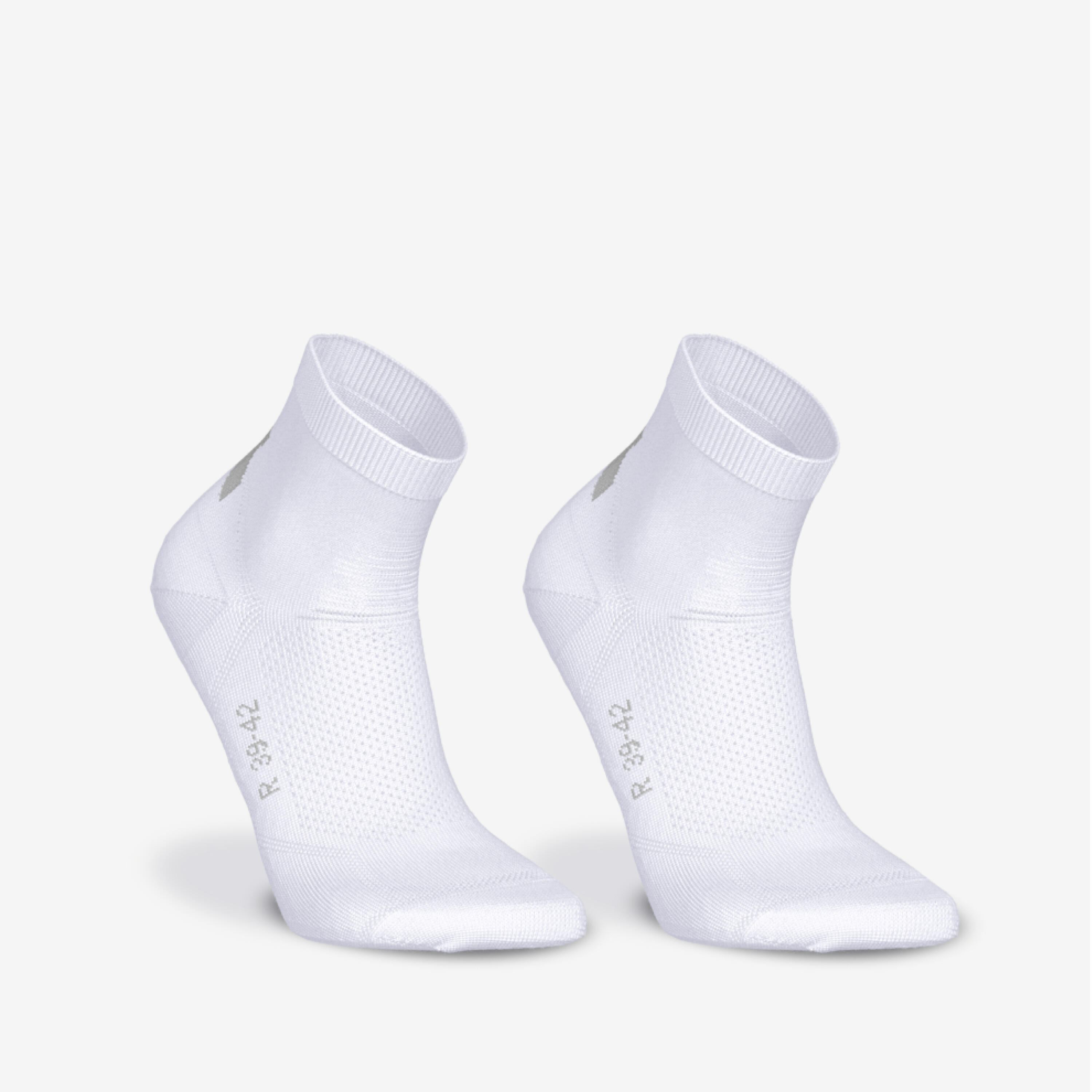
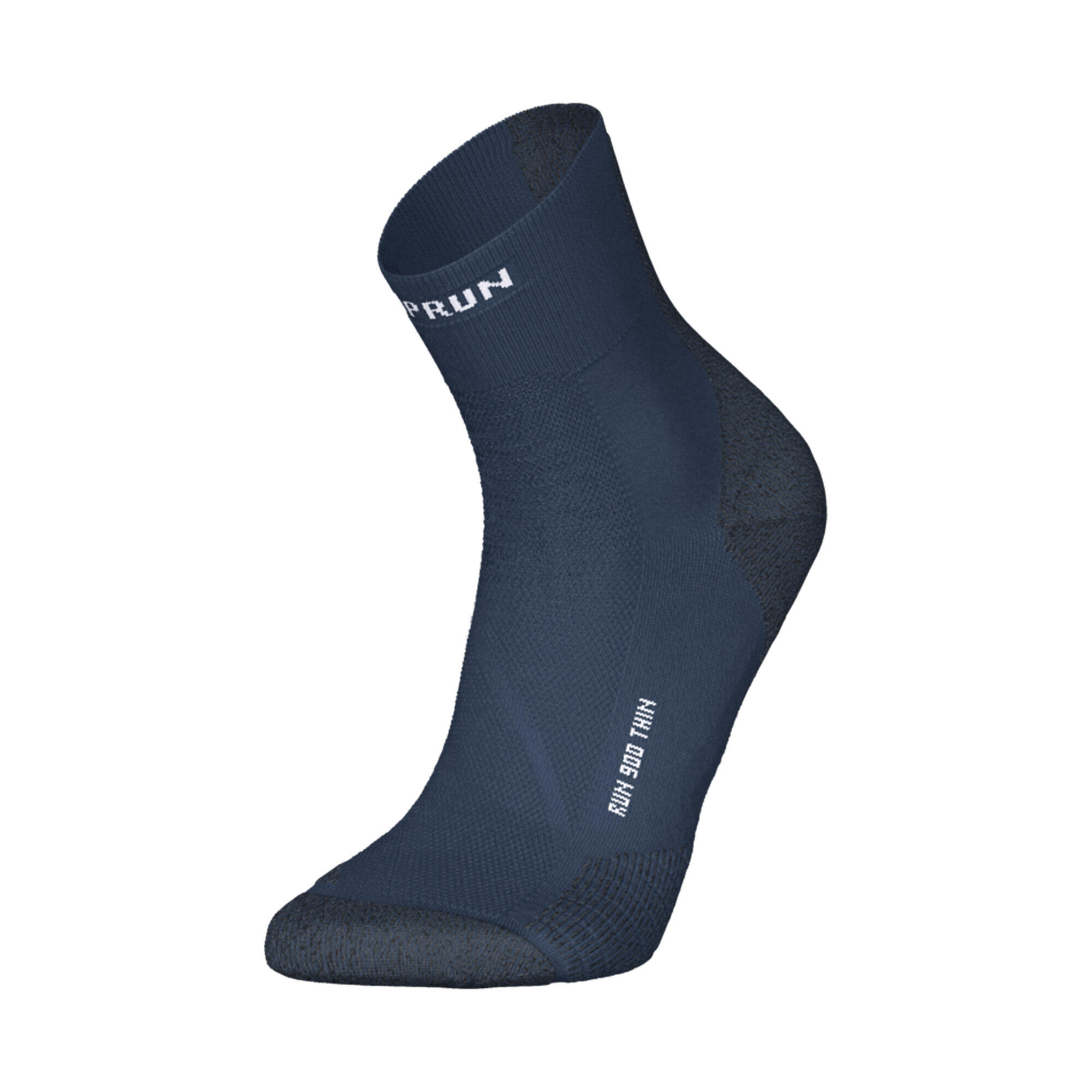
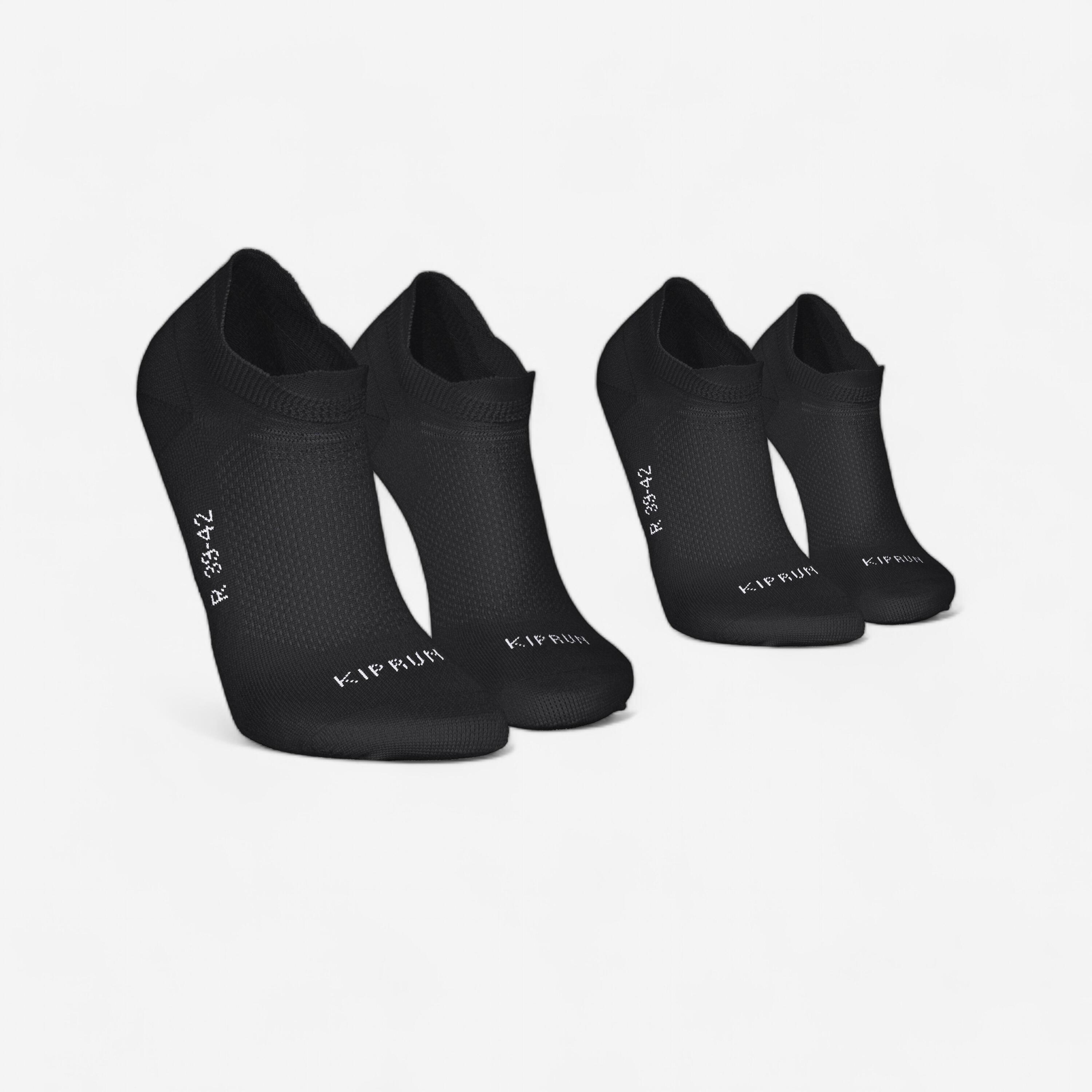
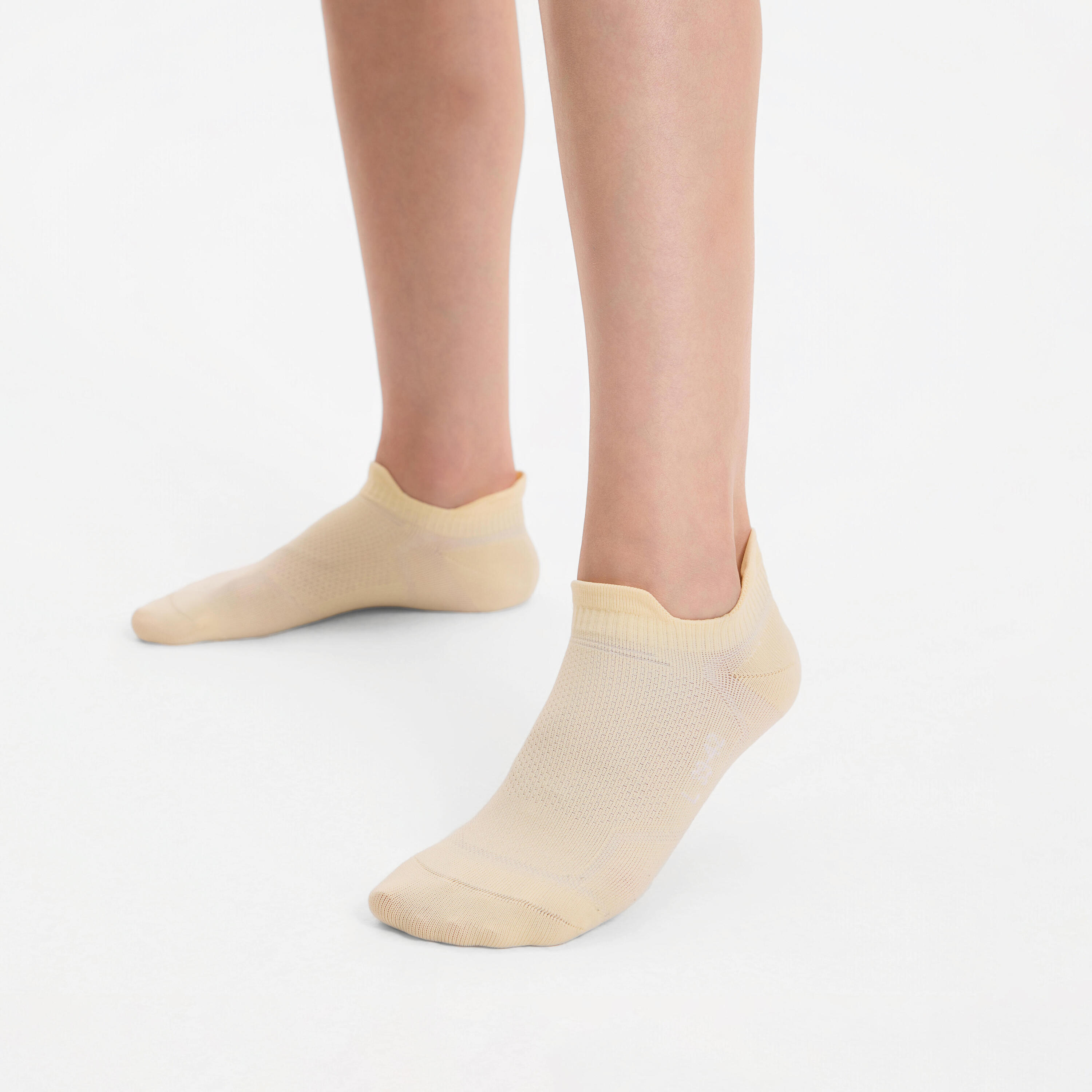
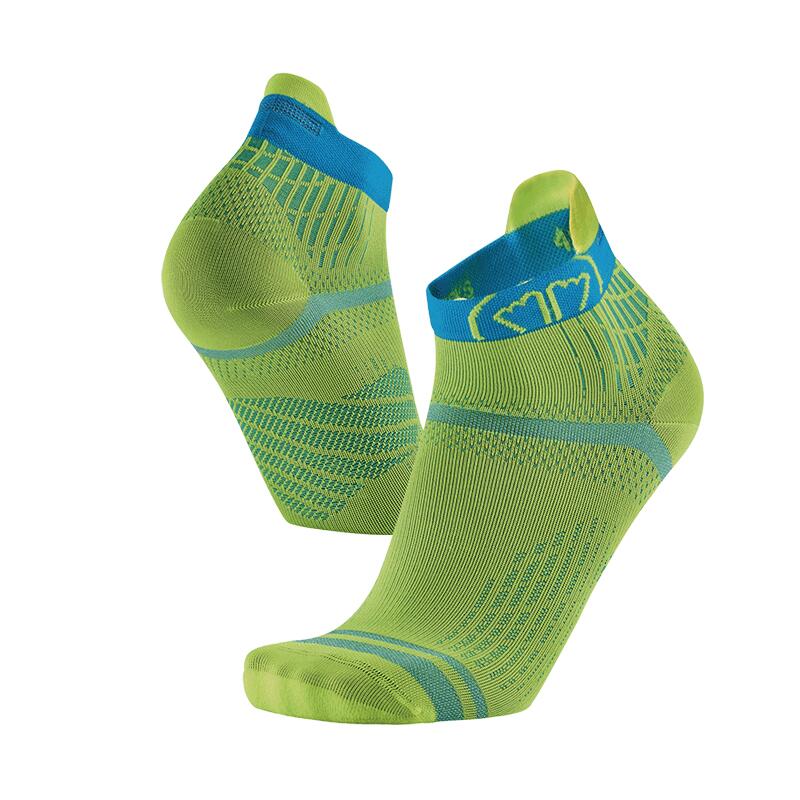
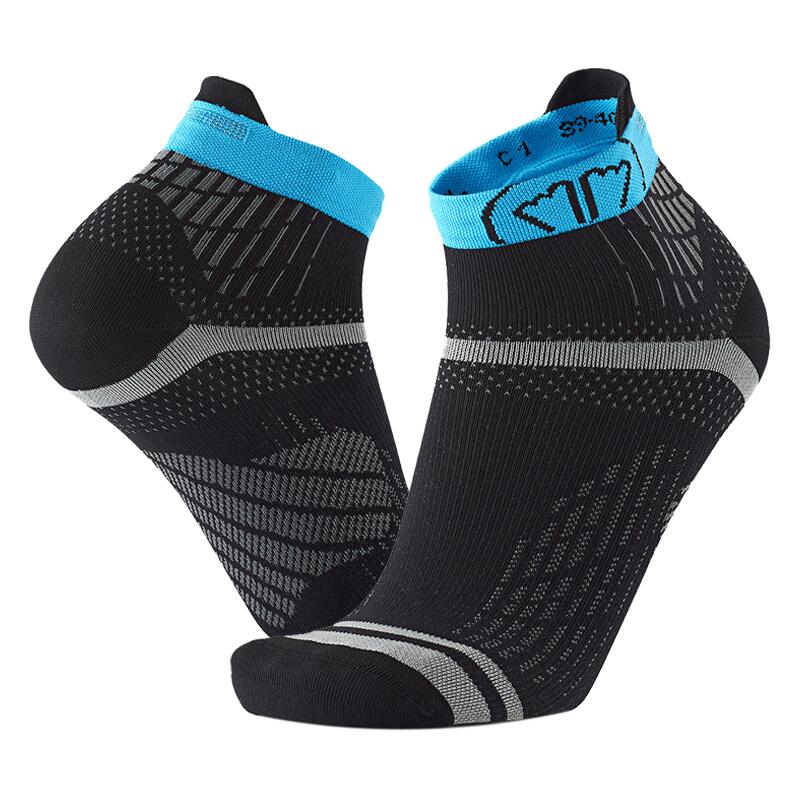
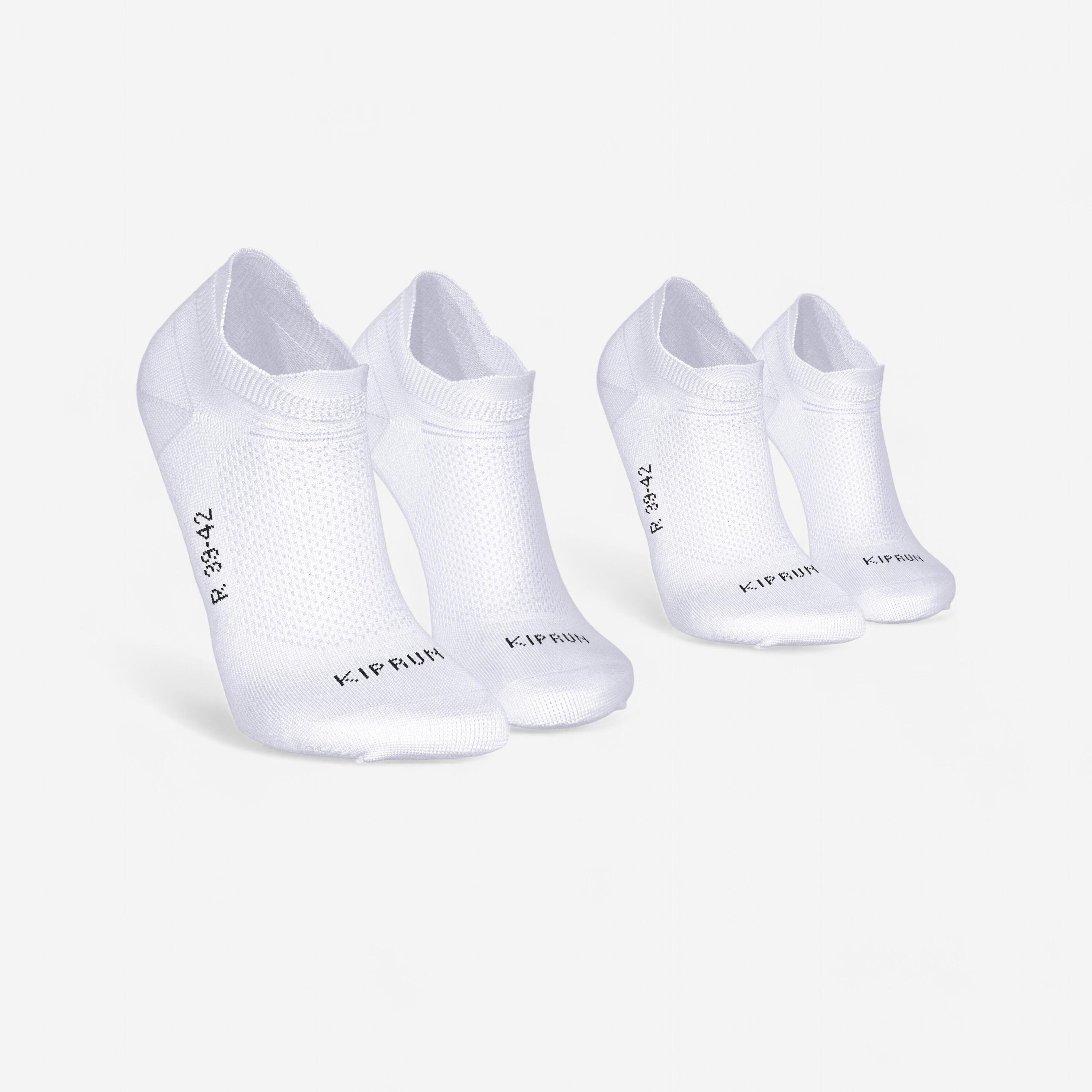
Thin socks can suit warm-weather trails, faster sessions and close-fitting shoes where extra cushioning would reduce toe space. Men's thin trail running socks from the Run 500 line use fine, loop-free polyamide knitting to limit bulk. A ventilation zone across the instep helps transfer perspiration, while the enclosure seam sits beneath the toes in a hollow area rather than across the upper foot. Low fabric weight does not remove the need for a secure fit. Stop and smooth out folds immediately because thin material can still rub when moisture, trail dust and repeated movement combine. Check that the cuff remains above the shoe collar throughout climbs and descents.

Are mid-calf running socks useful on trails?

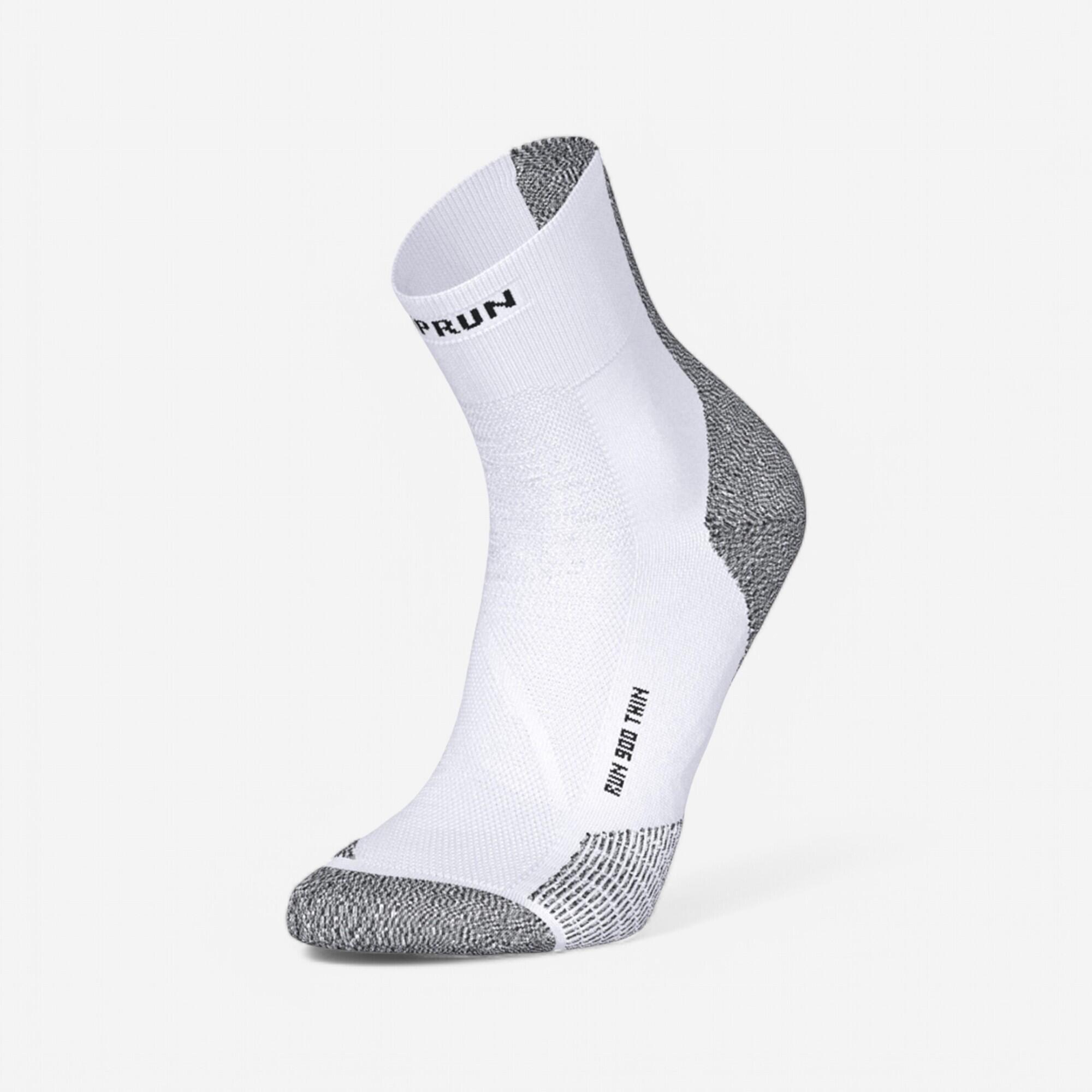
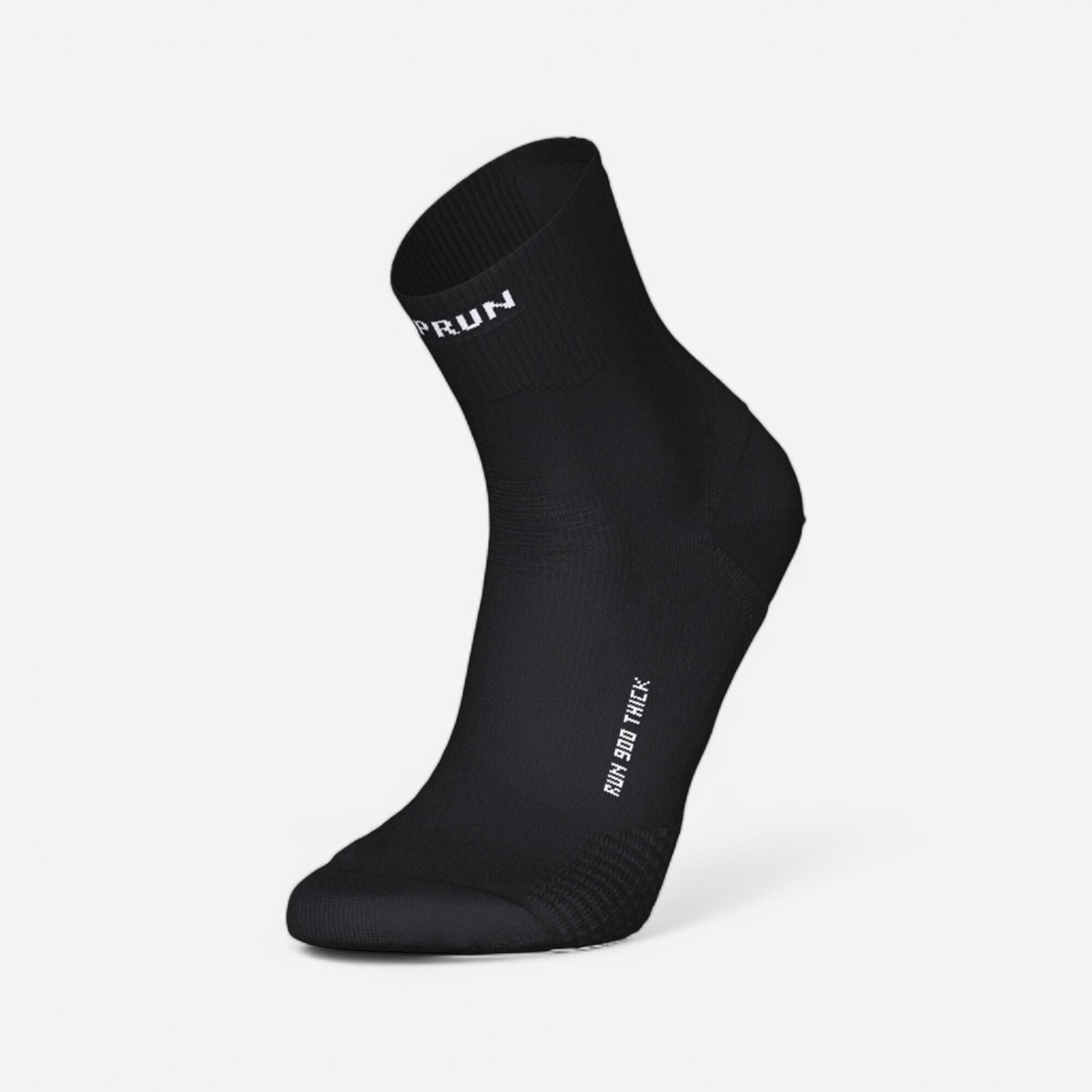
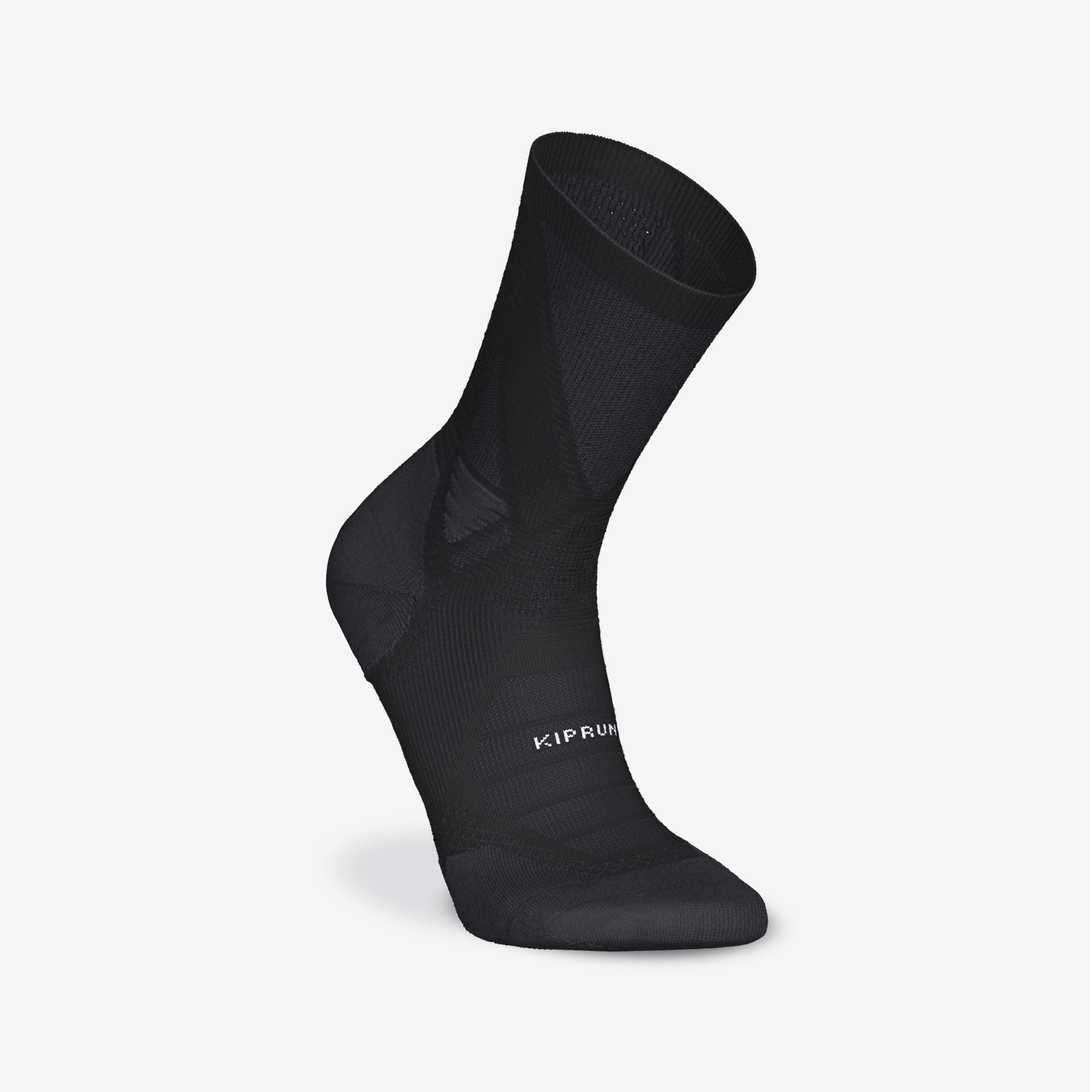
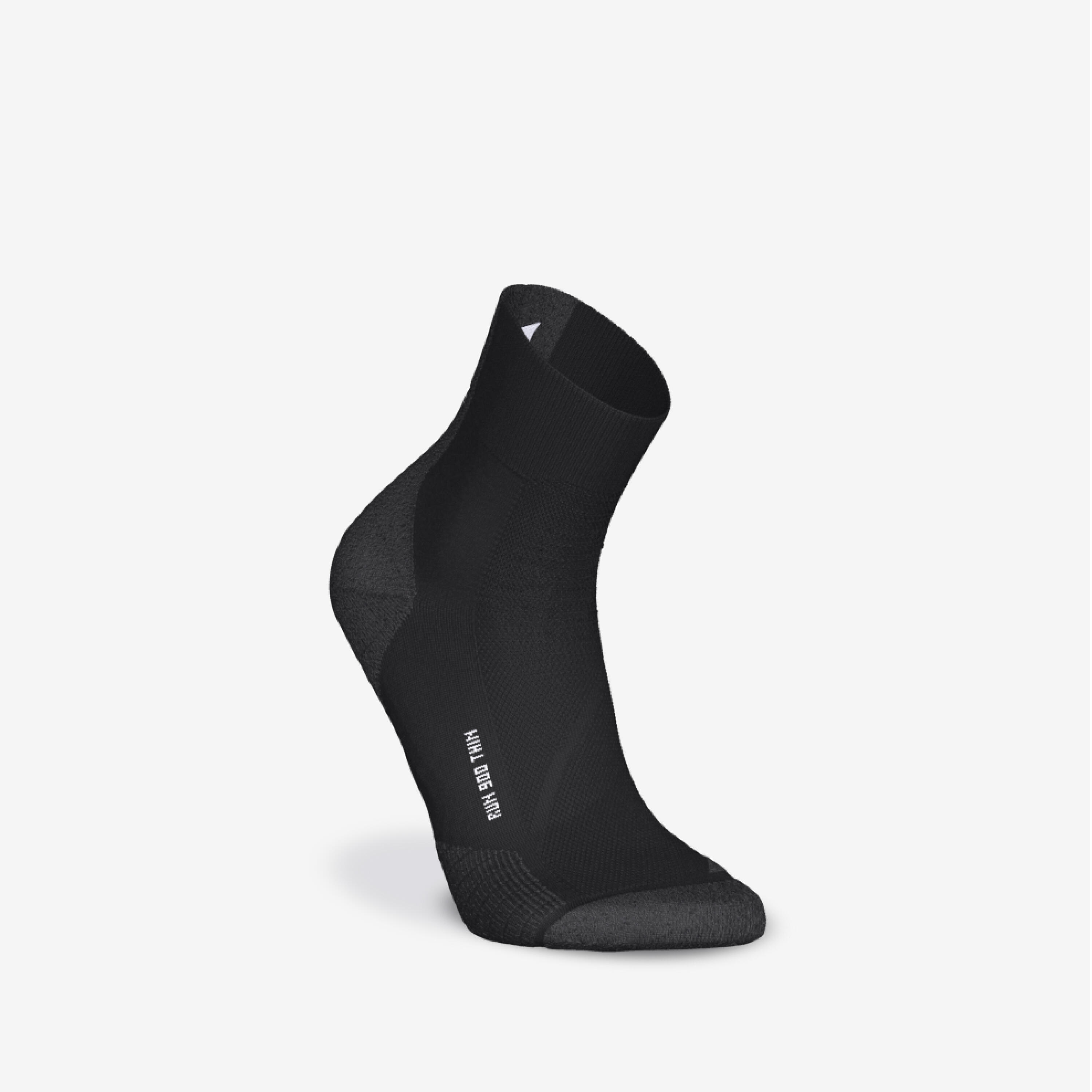
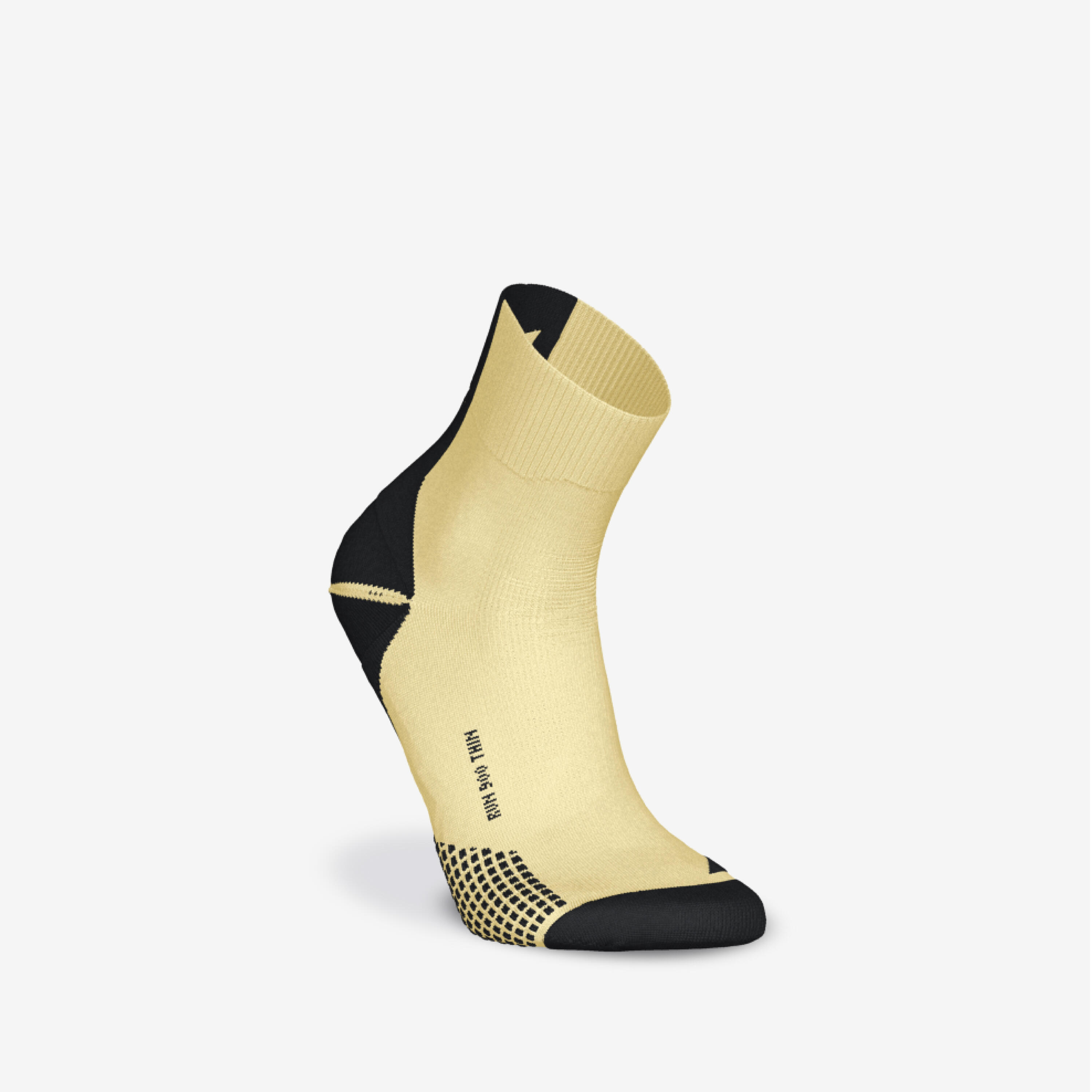
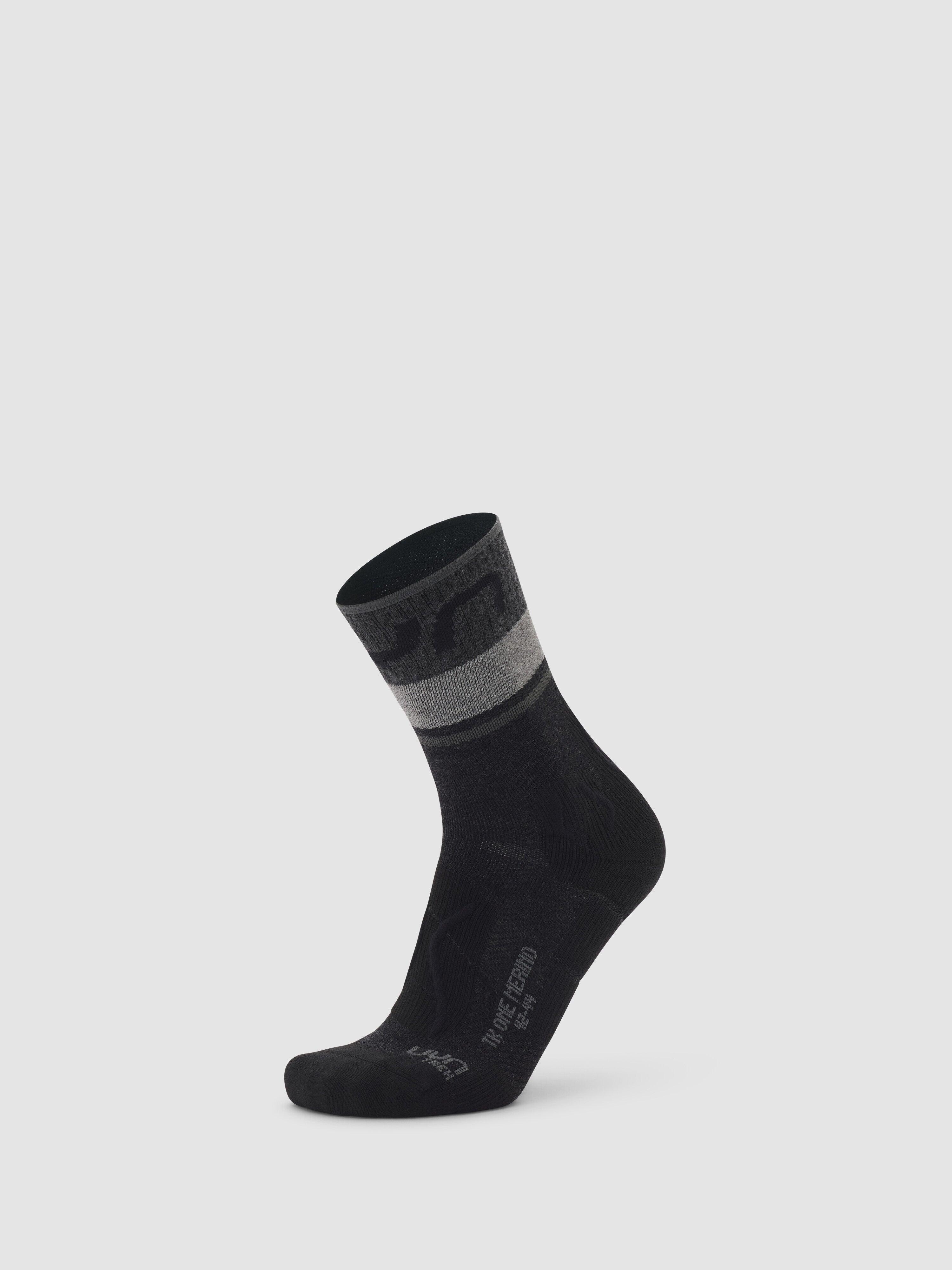
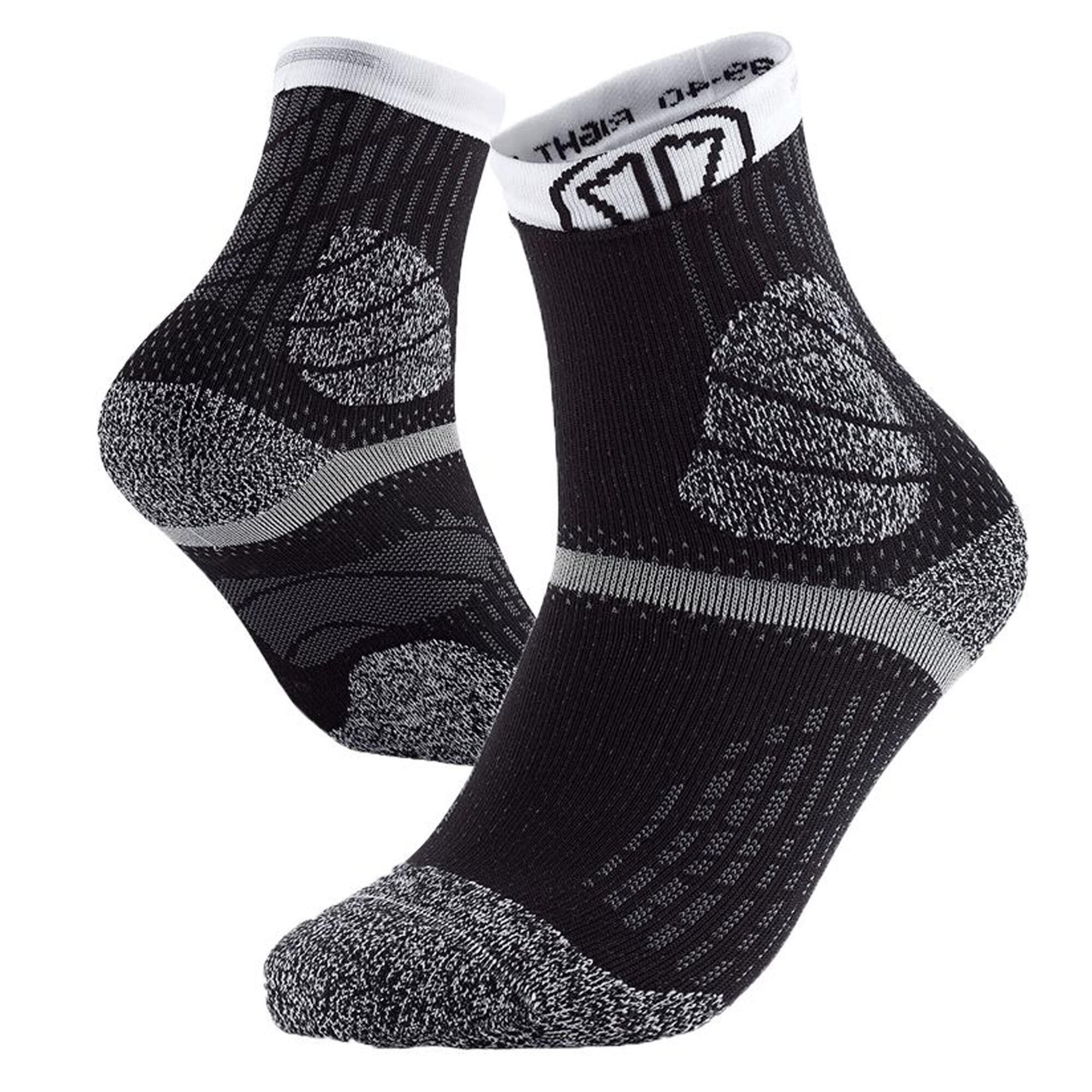
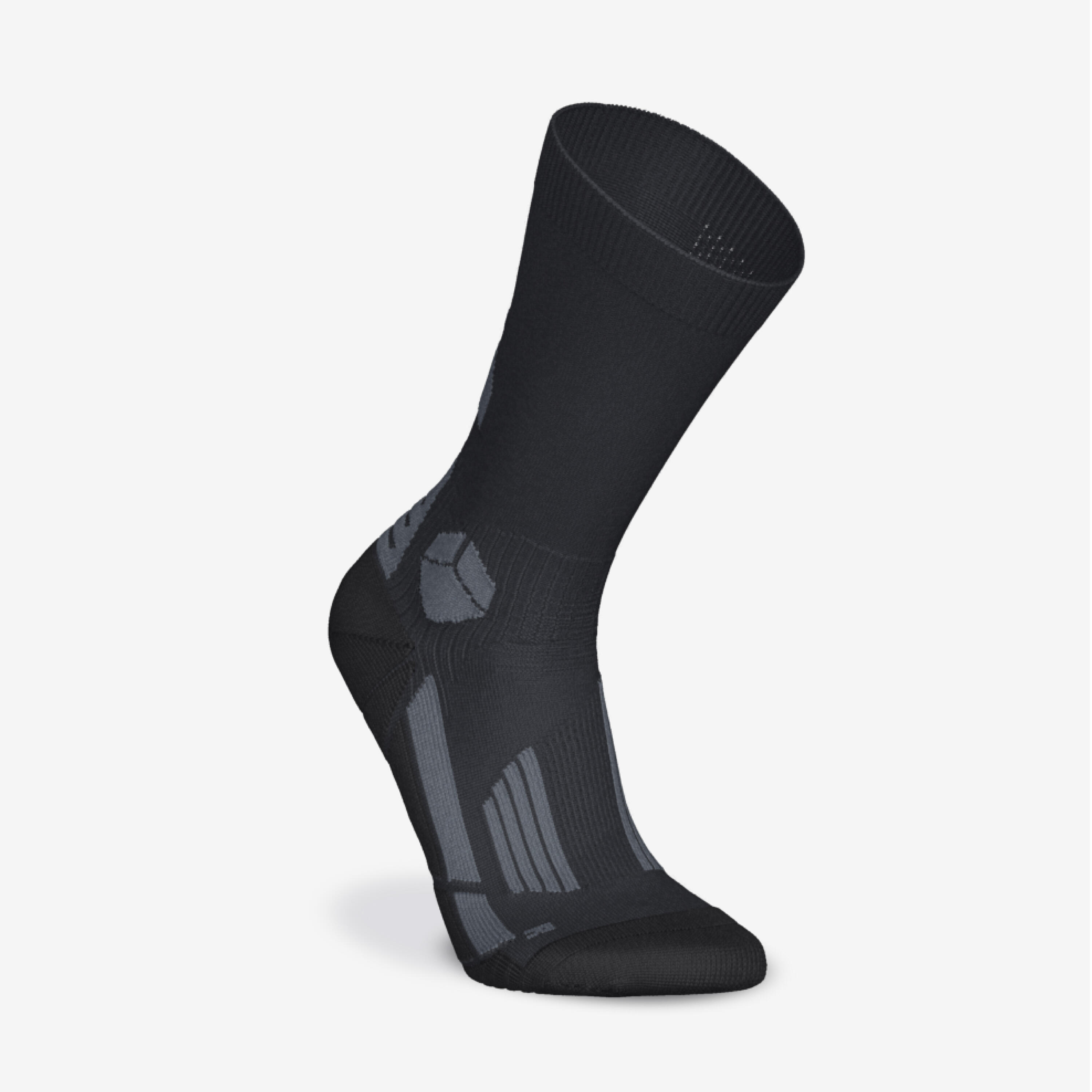
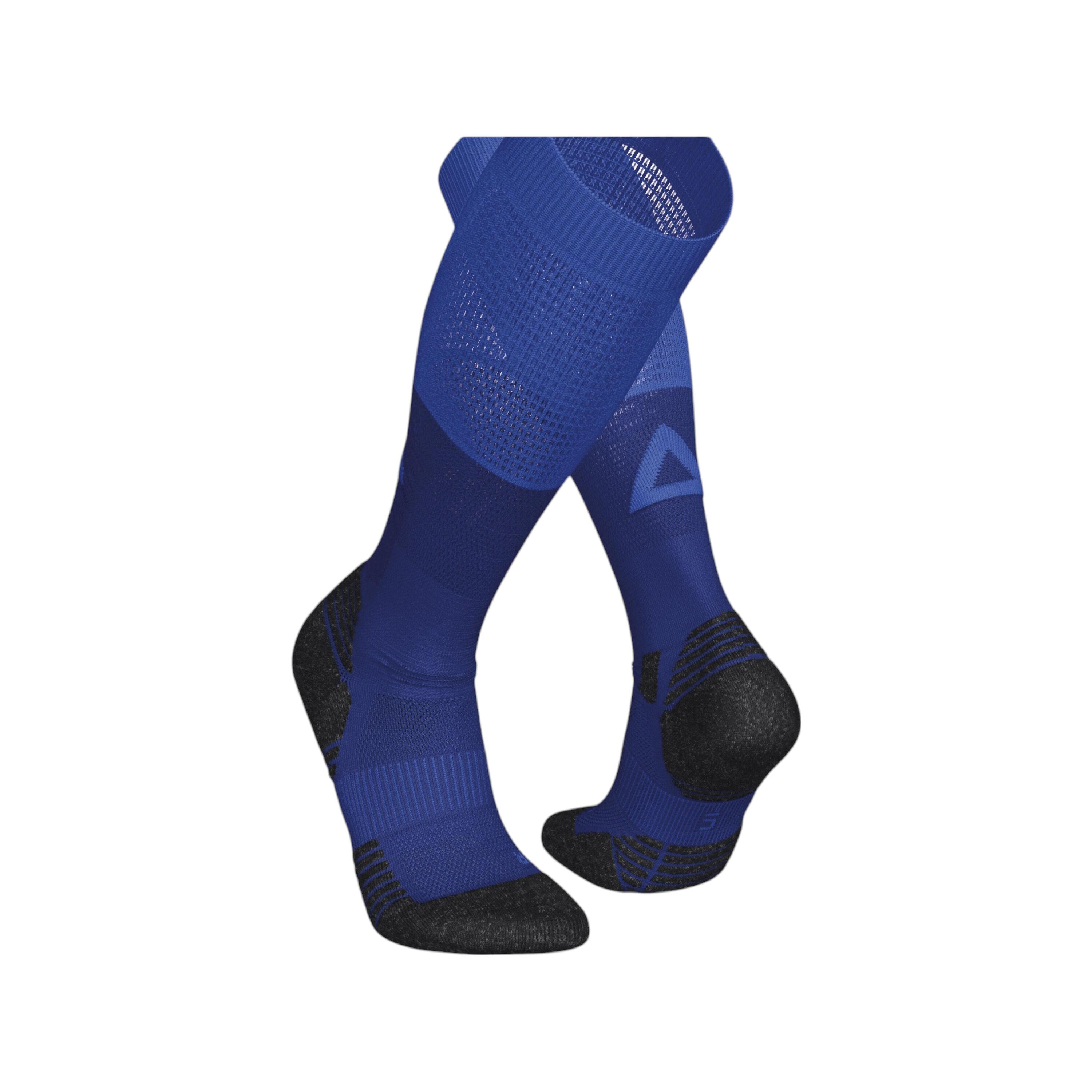
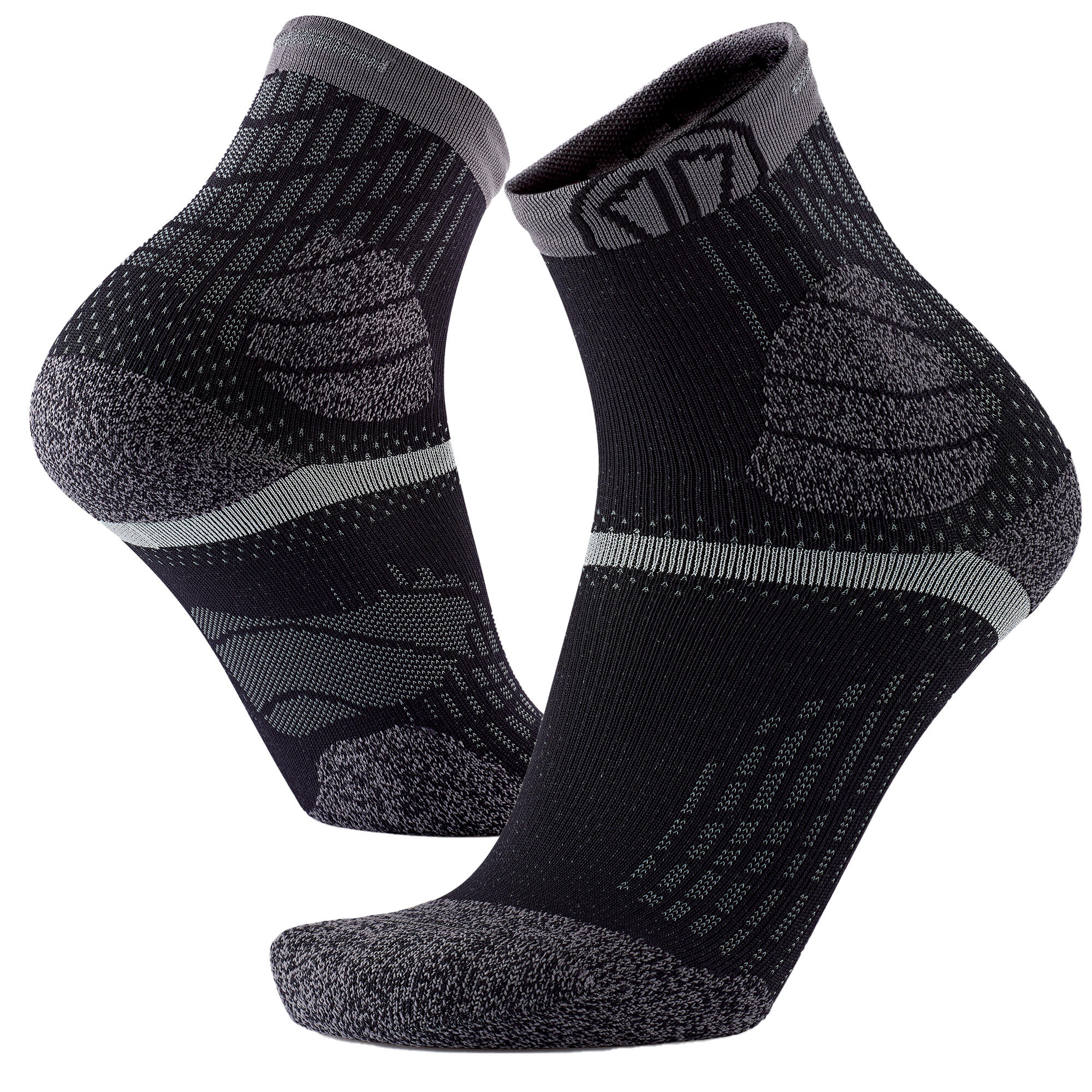
Mid-calf socks provide more coverage than invisible or ankle-height models and may help separate your lower legs from light vegetation, trail dust and the upper edge of a gaiter. Men's mid-calf running socks from the Run 900 line use a fine knit, closer size options and an elasticated midfoot strip to reduce unwanted movement. Targeted yarn around contact areas helps manage repeated friction while the remaining fabric transfers perspiration. A higher cuff does not automatically make the sock warmer, so assess knit thickness and ventilation as well as height. The cuff should remain flat without slipping down or leaving deep pressure marks around the calf during longer sessions.

Can five-toe socks reduce rubbing during trail running?

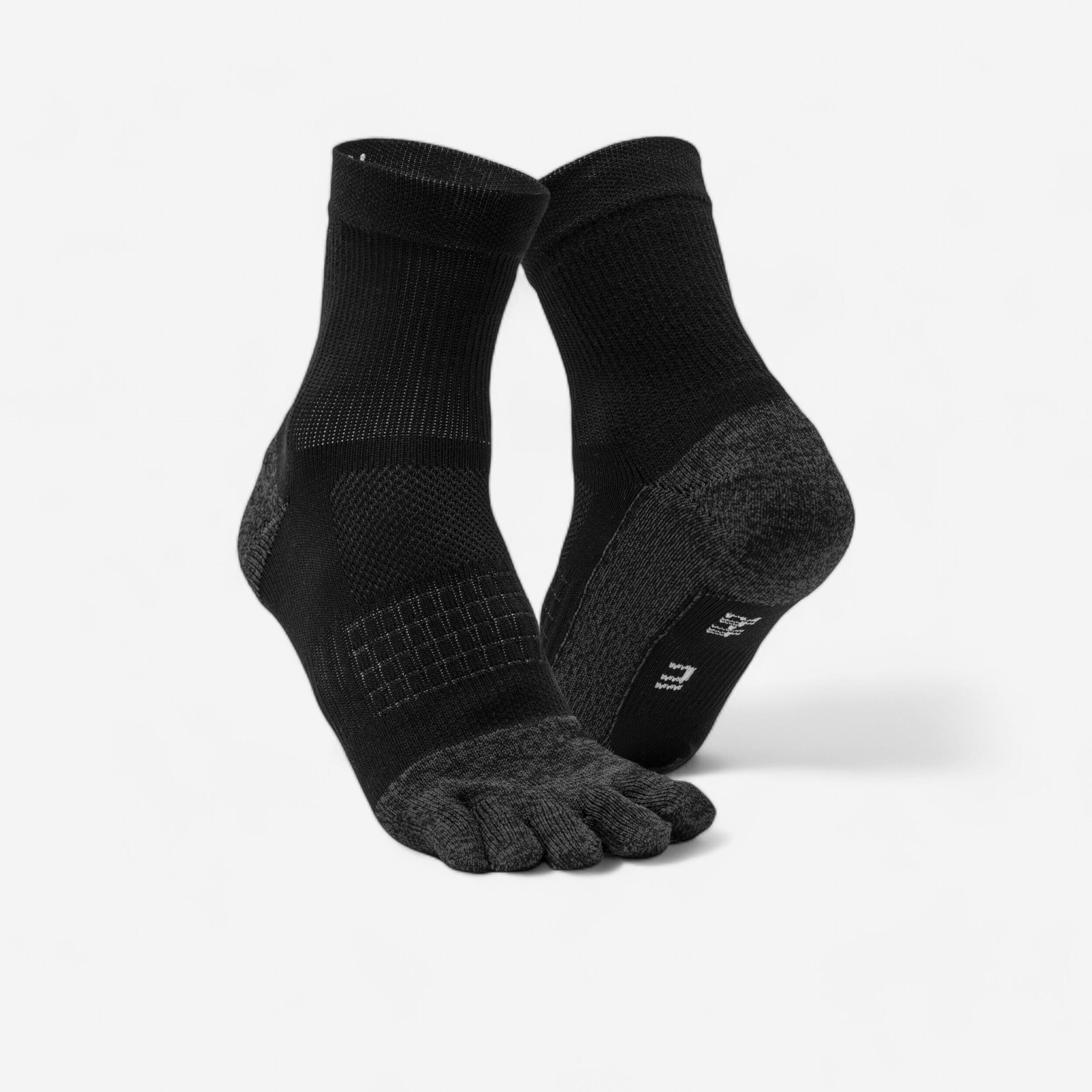
Five-toe socks separate each toe with a fine layer of fabric, reducing direct skin-to-skin contact during repeated movement. Men's trail running toe socks use anti-friction yarn around individual toes, the heel and other mapped contact areas. Decathlon SportsLab combined perspiration mapping with potential blister locations to position ventilation, reinforcement and friction-management zones. This construction may suit runners who regularly experience irritation between their toes, but it cannot guarantee blister prevention. Each toe pocket must fit without twisted fabric, loose ends or excessive pressure. Allow extra time to put the socks on correctly, then test them inside your usual trail shoes because the separate sections can feel different from a conventional sock.

What washing routine helps men's trail running socks stay fresh?

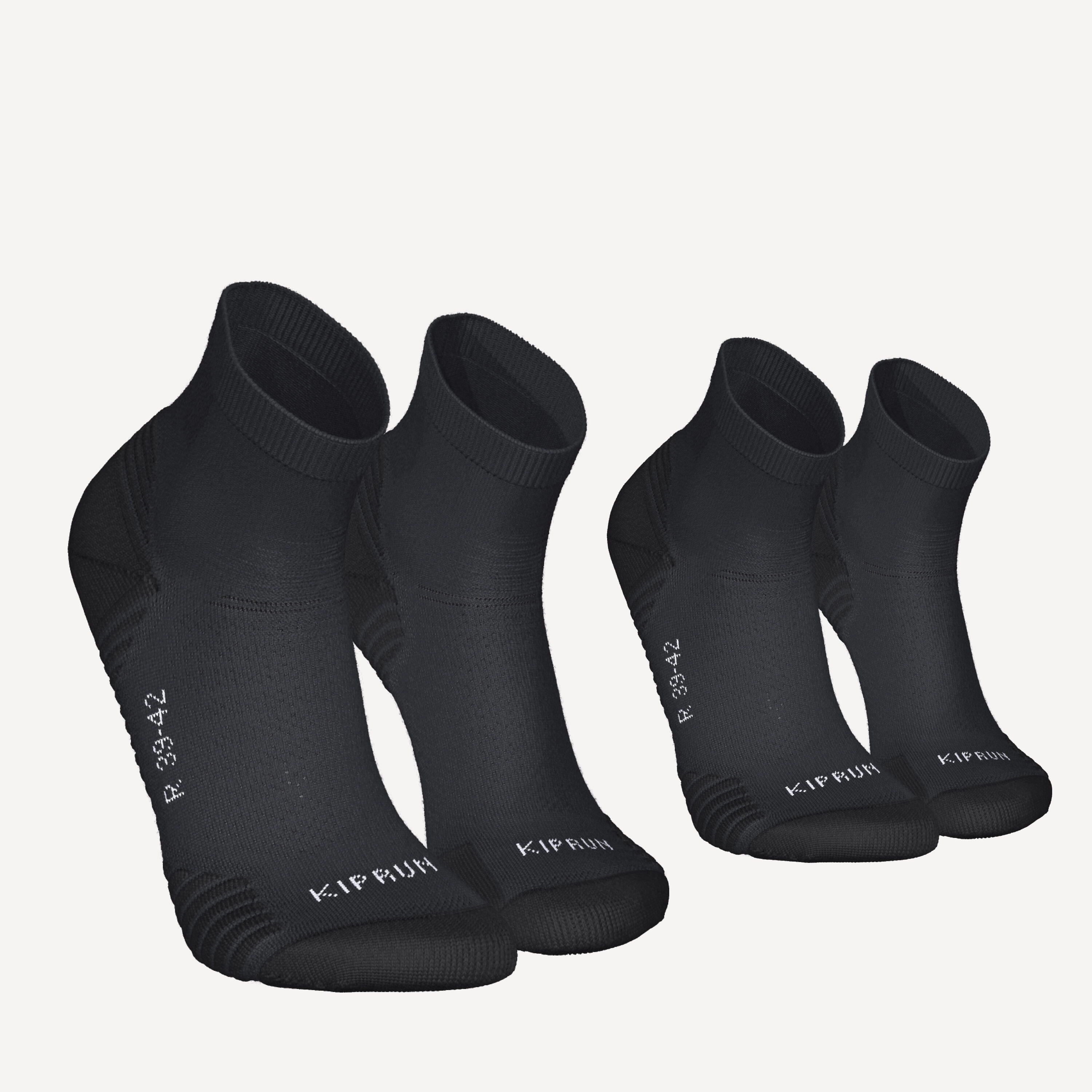
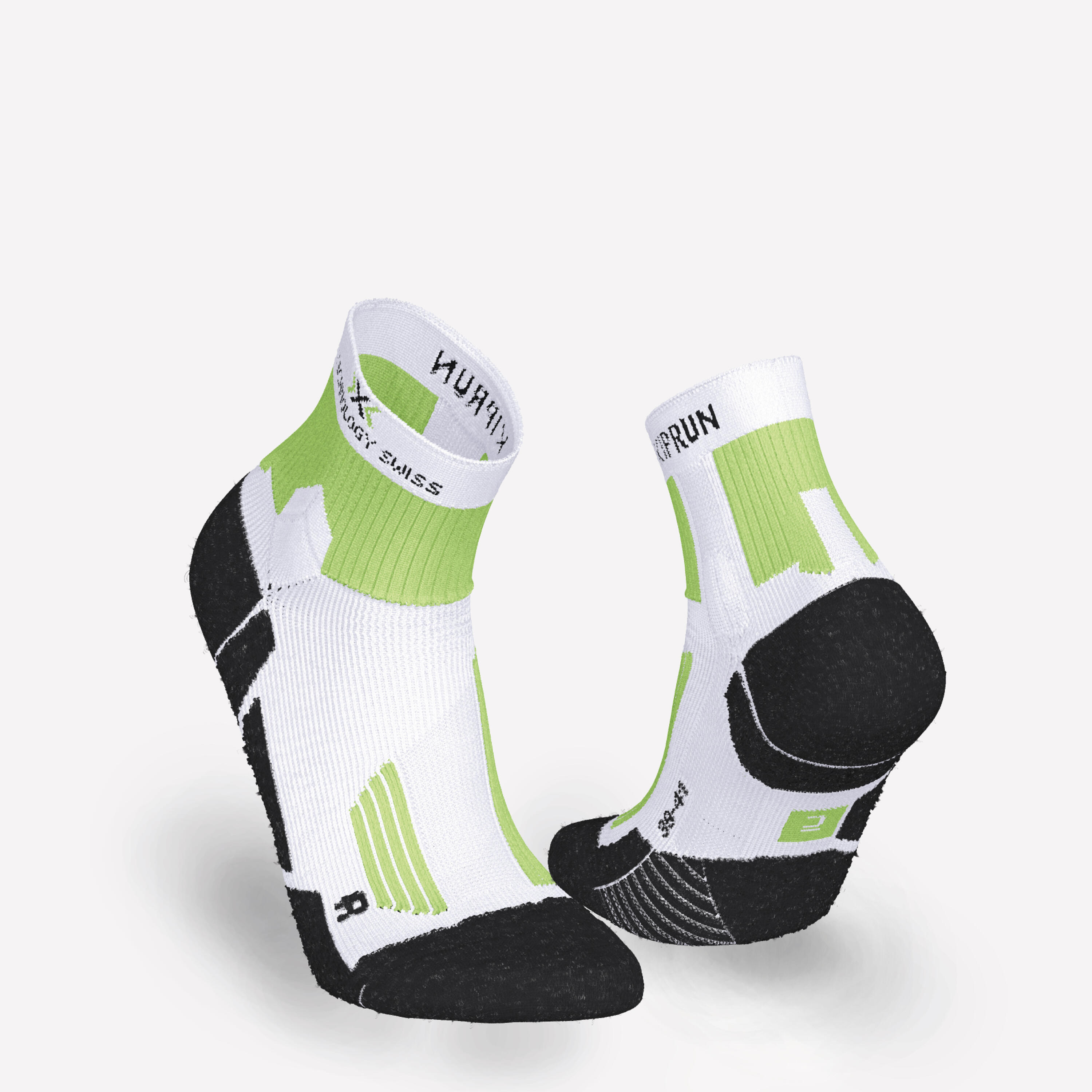
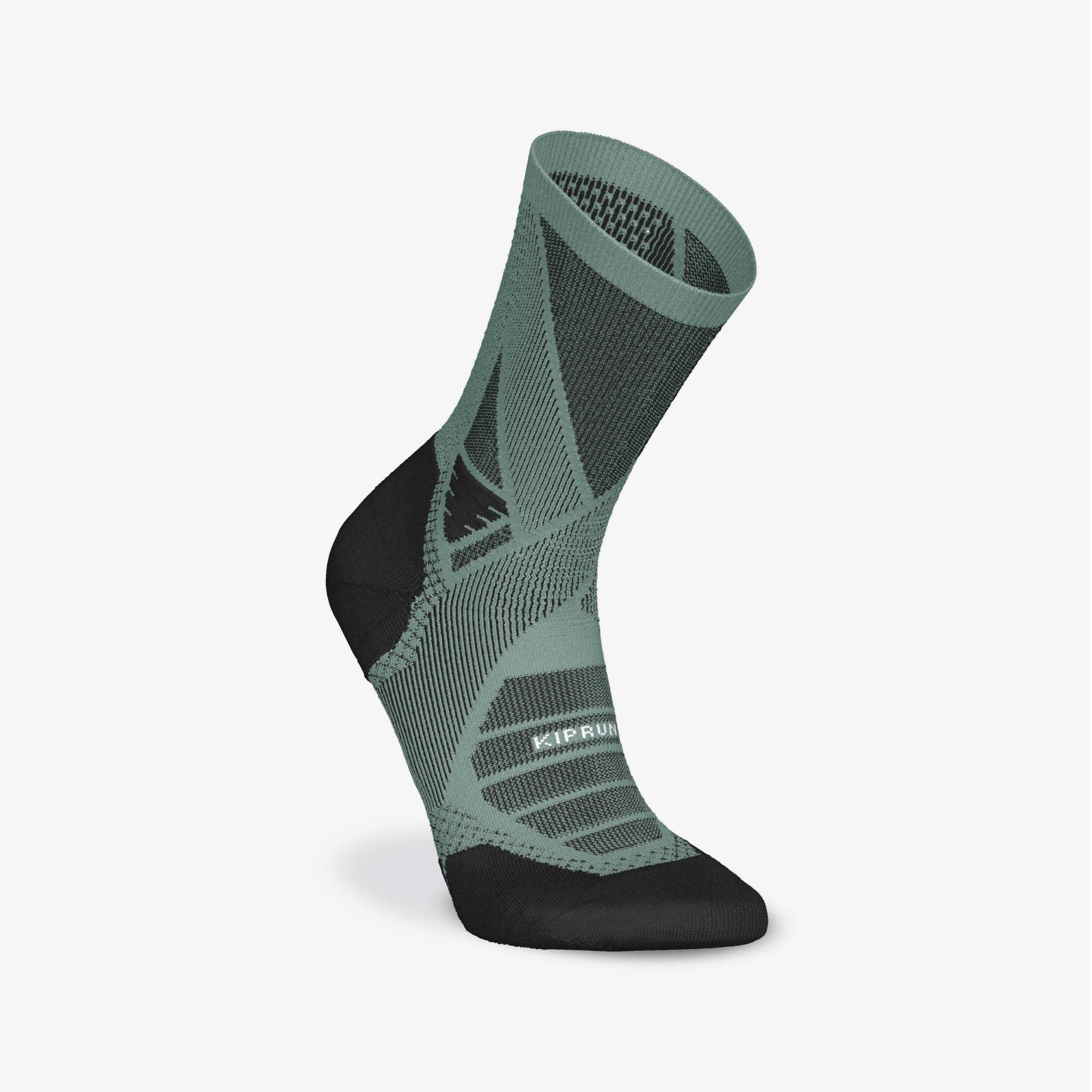
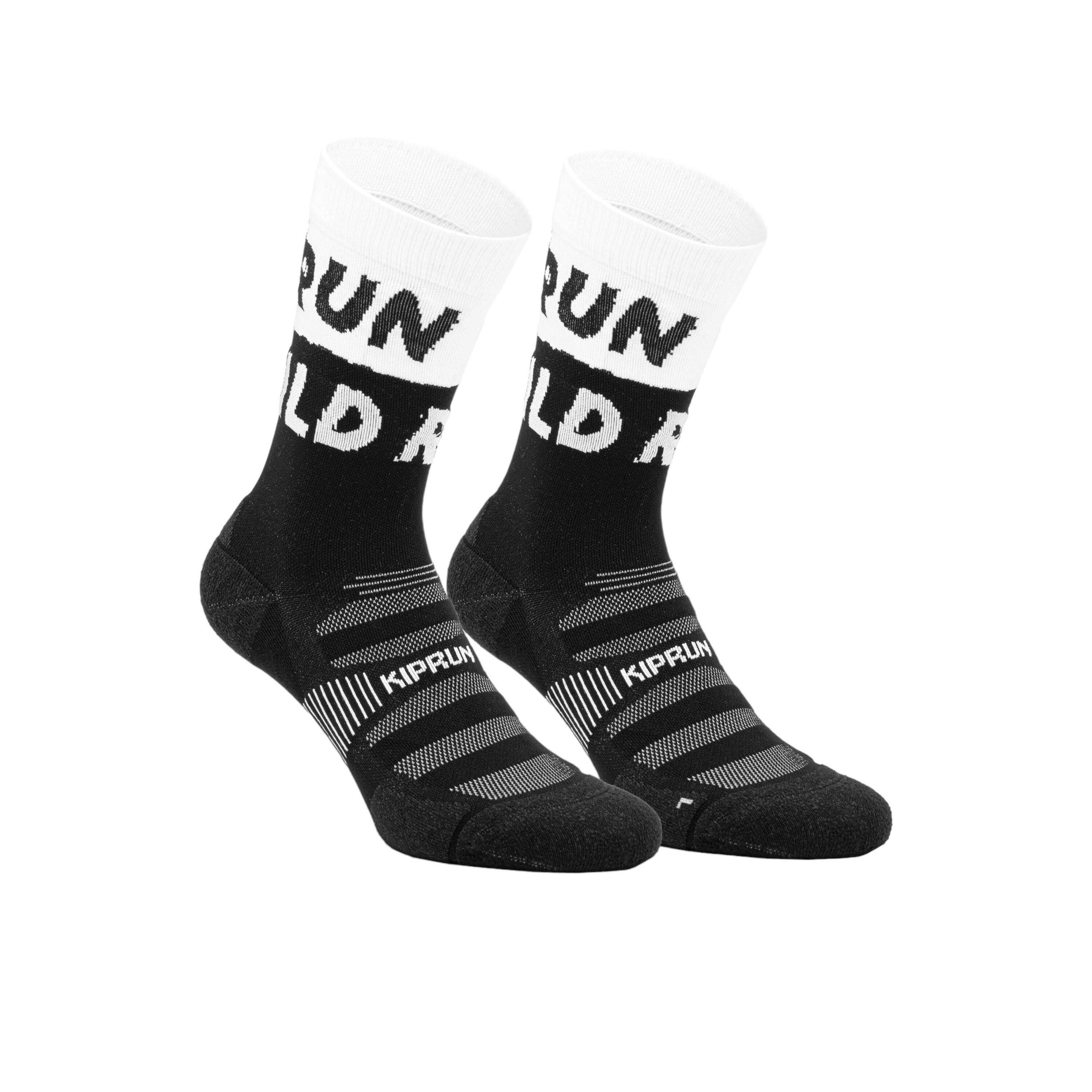
Wash and test new technical socks before an important race or long outing. Decathlon advises that the initially silky yarn used in selected KIPRUN models becomes less slippery after washing, helping the foot remain steadier inside the shoe. Low, ankle and mid-calf options are available within men's trail running socks, so test the chosen pair over terrain and distance similar to your planned route. Most reviewed KIPRUN socks can be washed at up to 40 degrees Celsius but should not be tumble-dried, ironed, bleached or dry-cleaned. Air-dry them fully before storage, keep pairs together and inspect the heel, toes, cuff and ventilation zones for thinning or rough fibres before wearing them again.