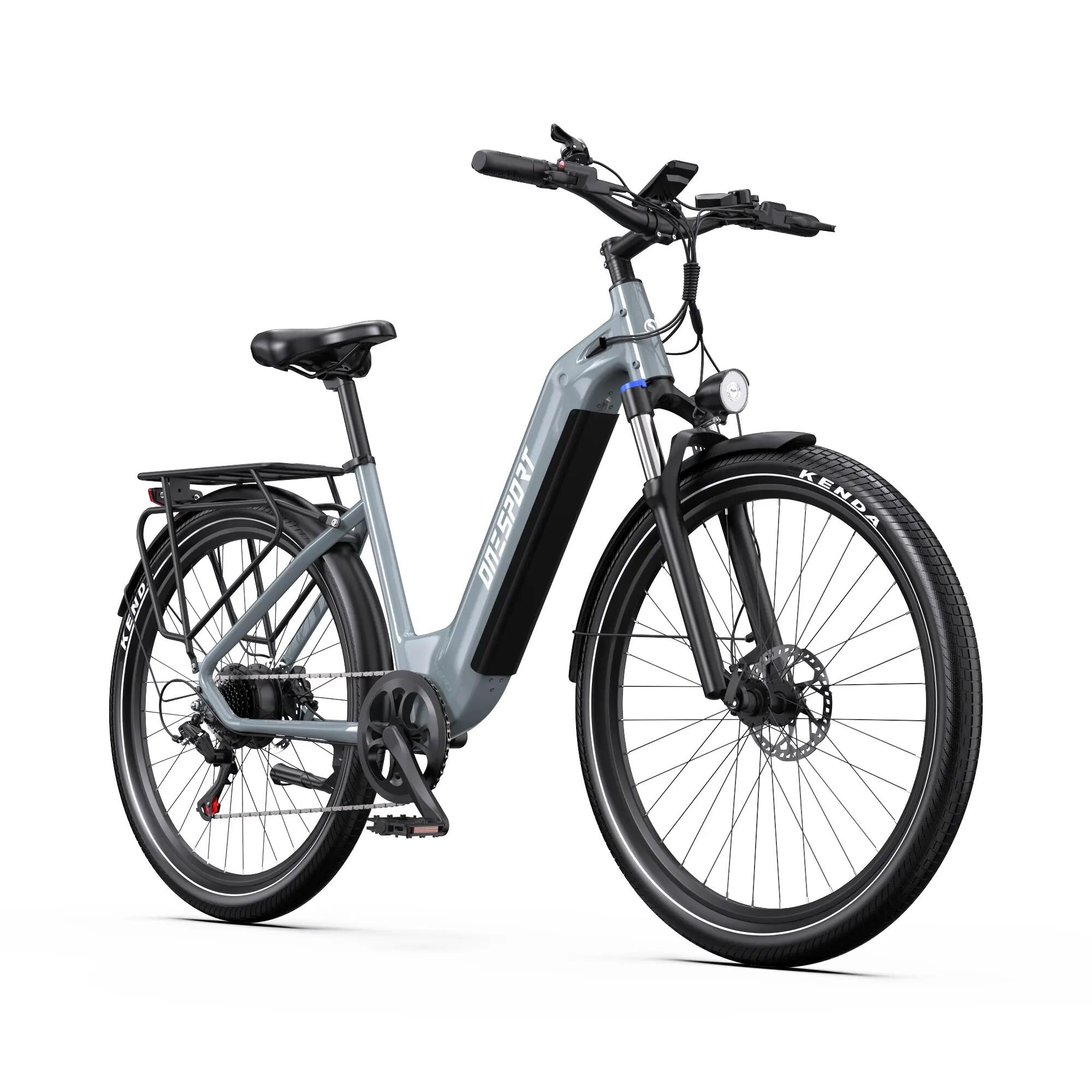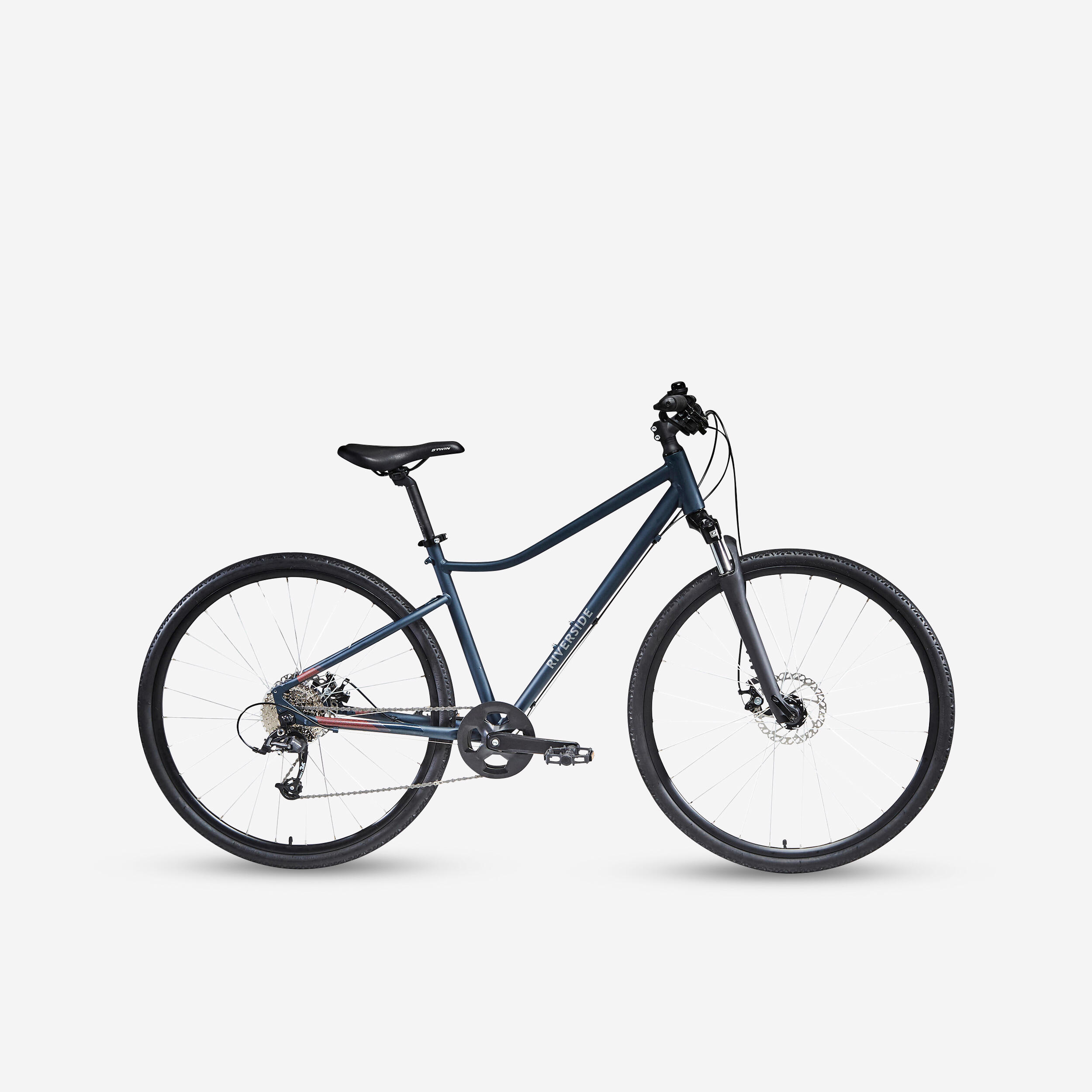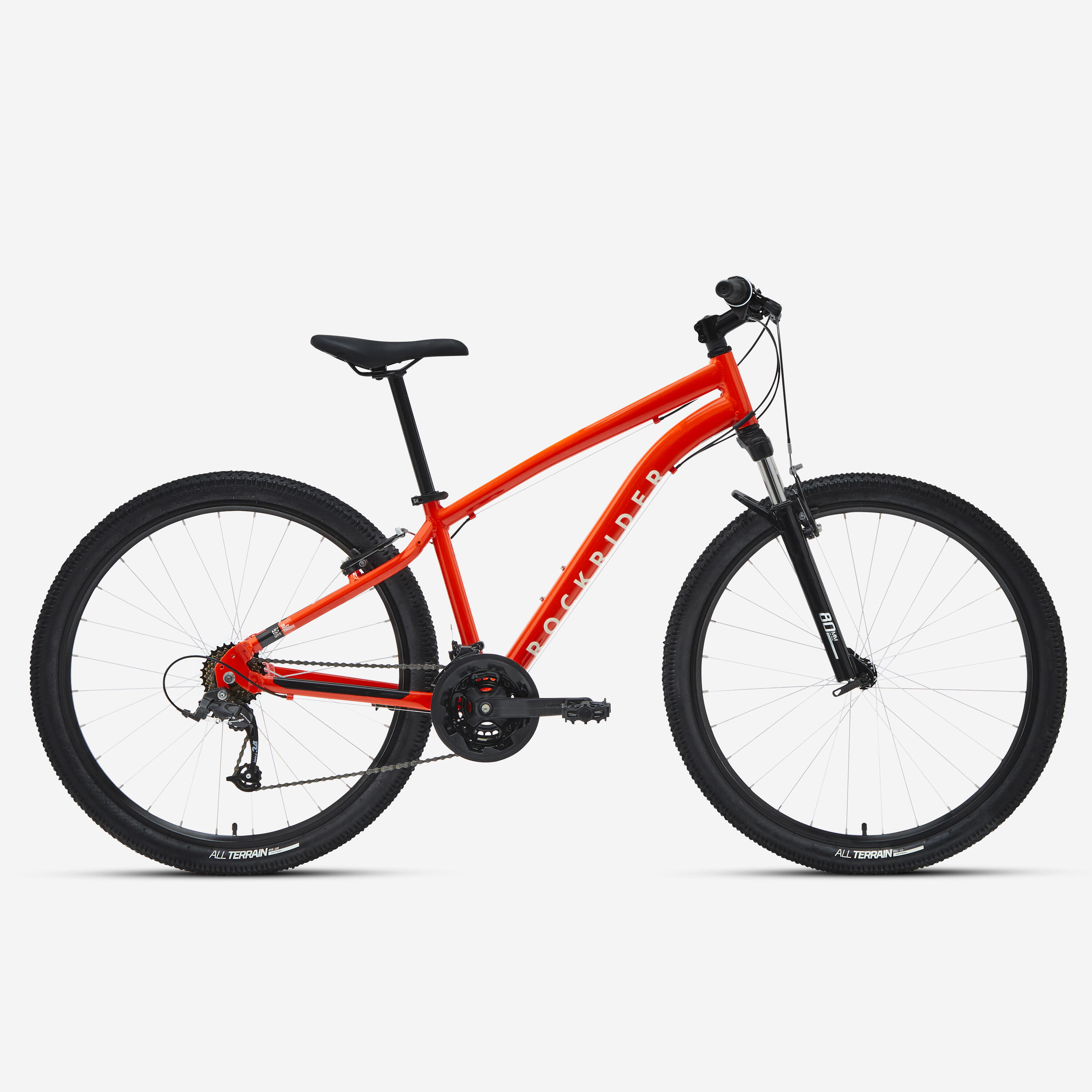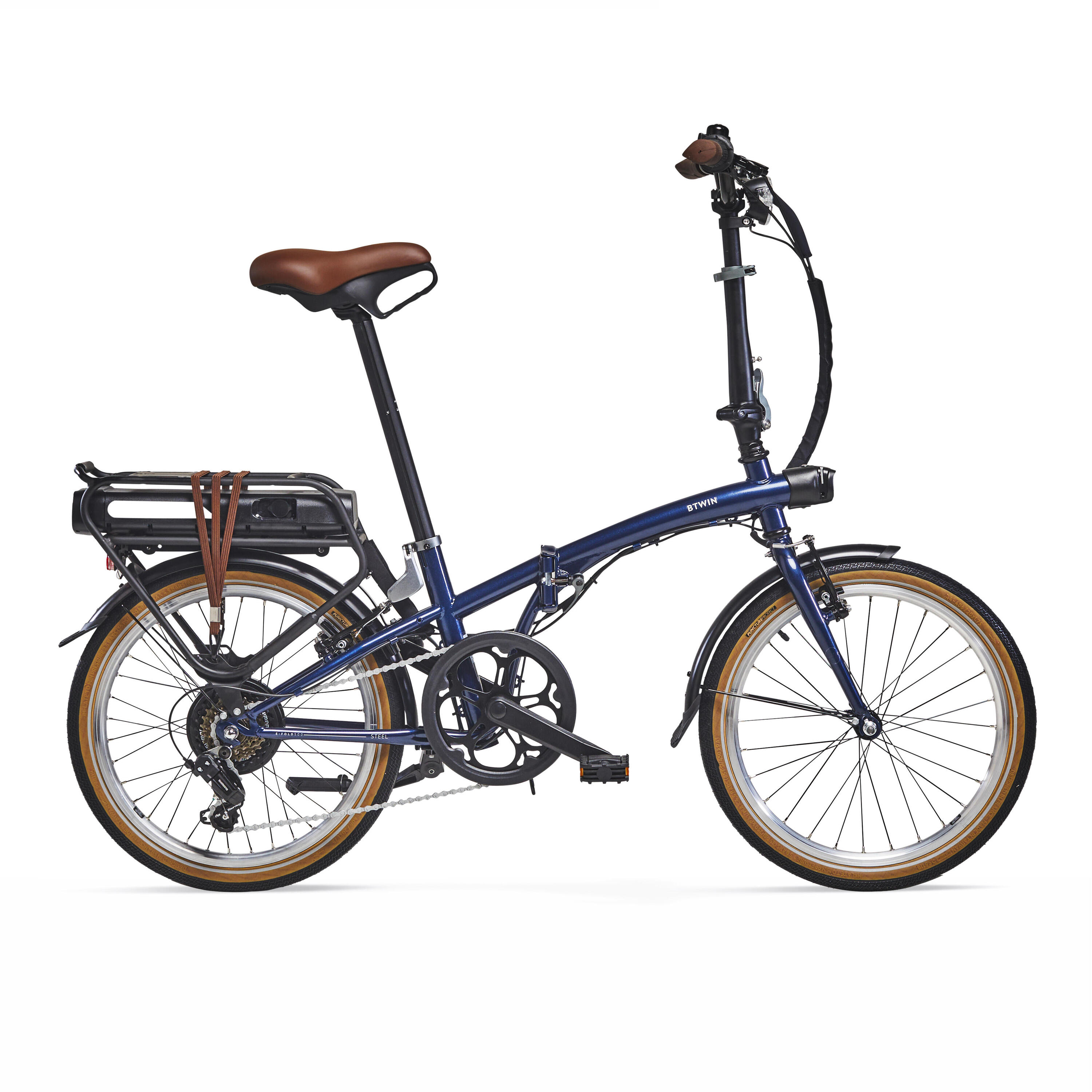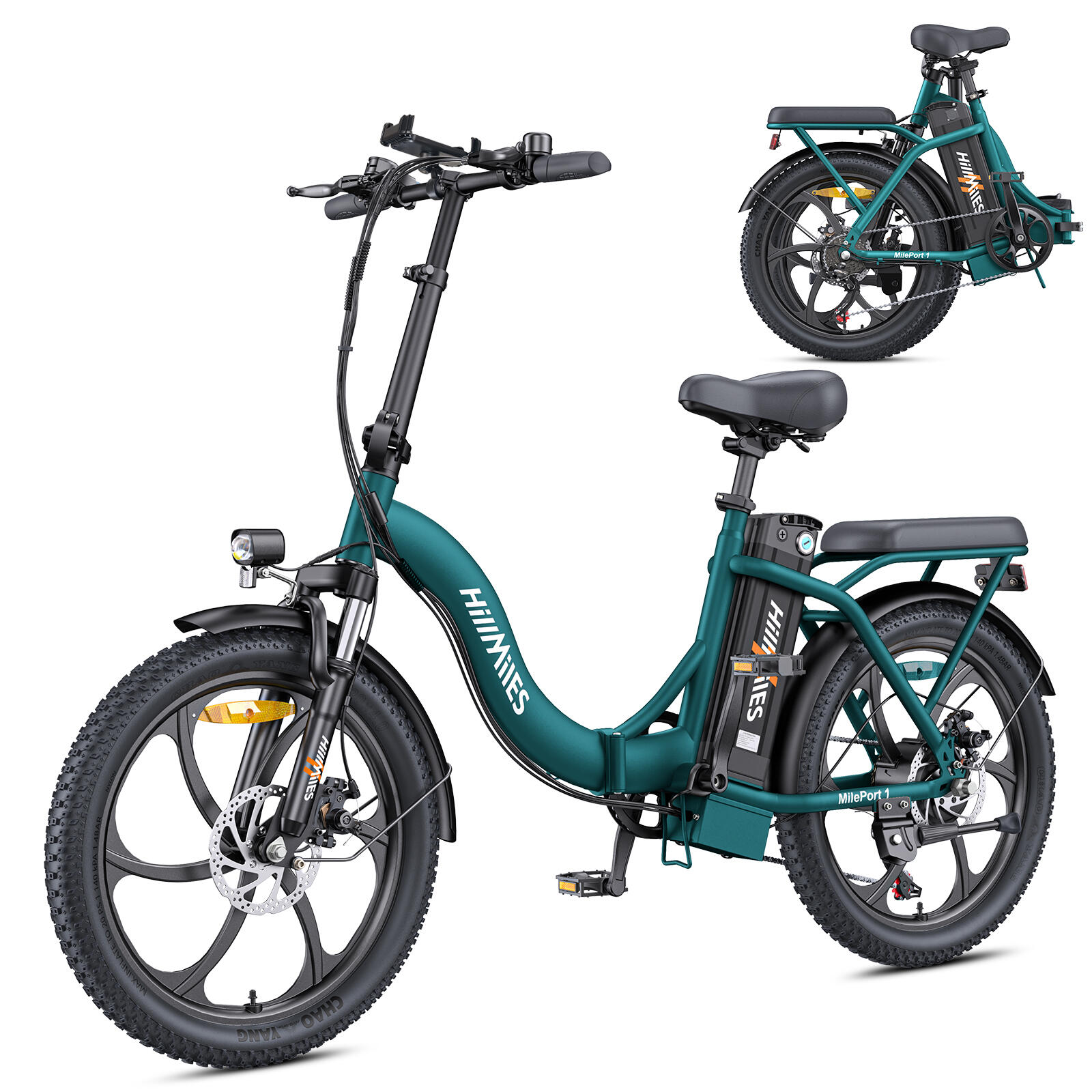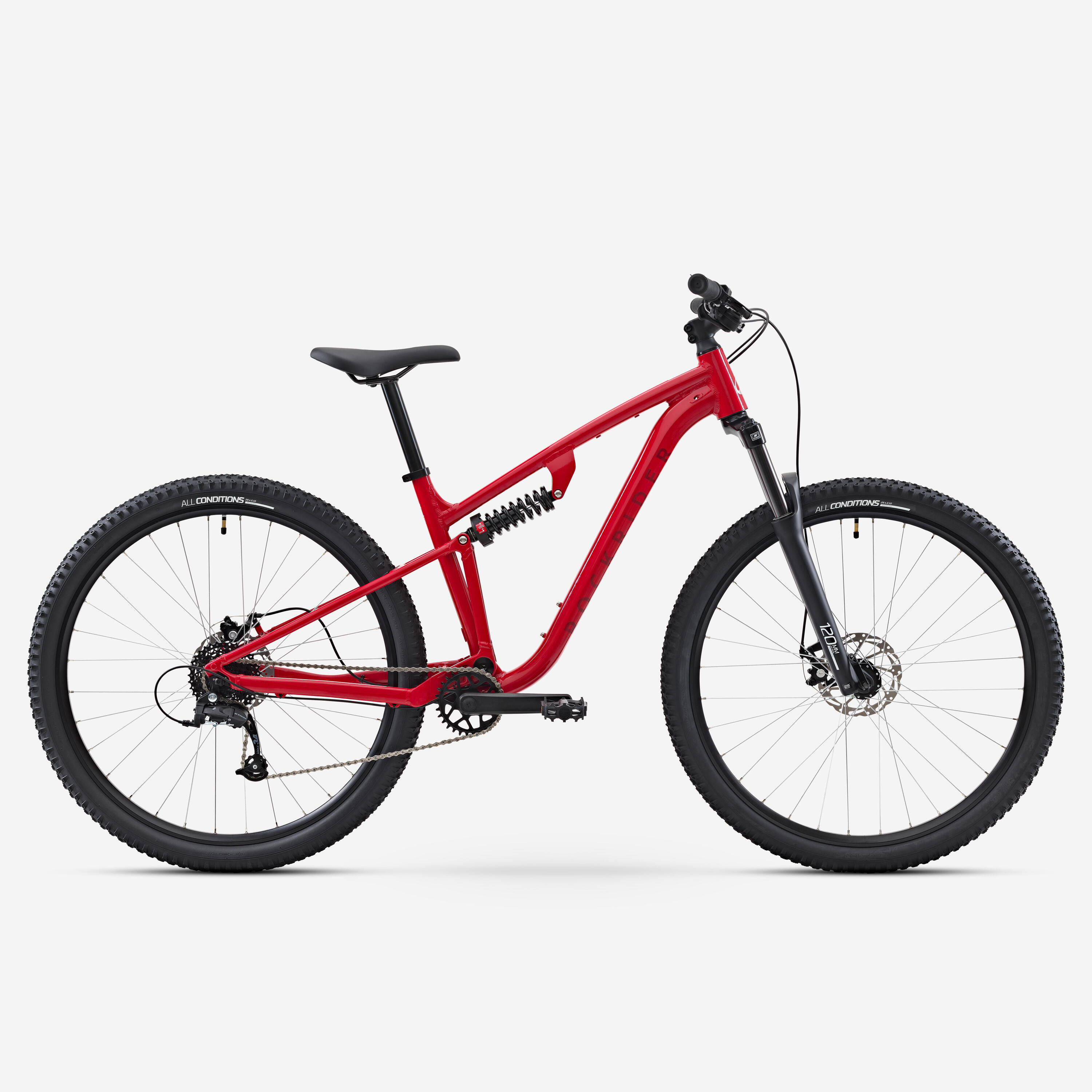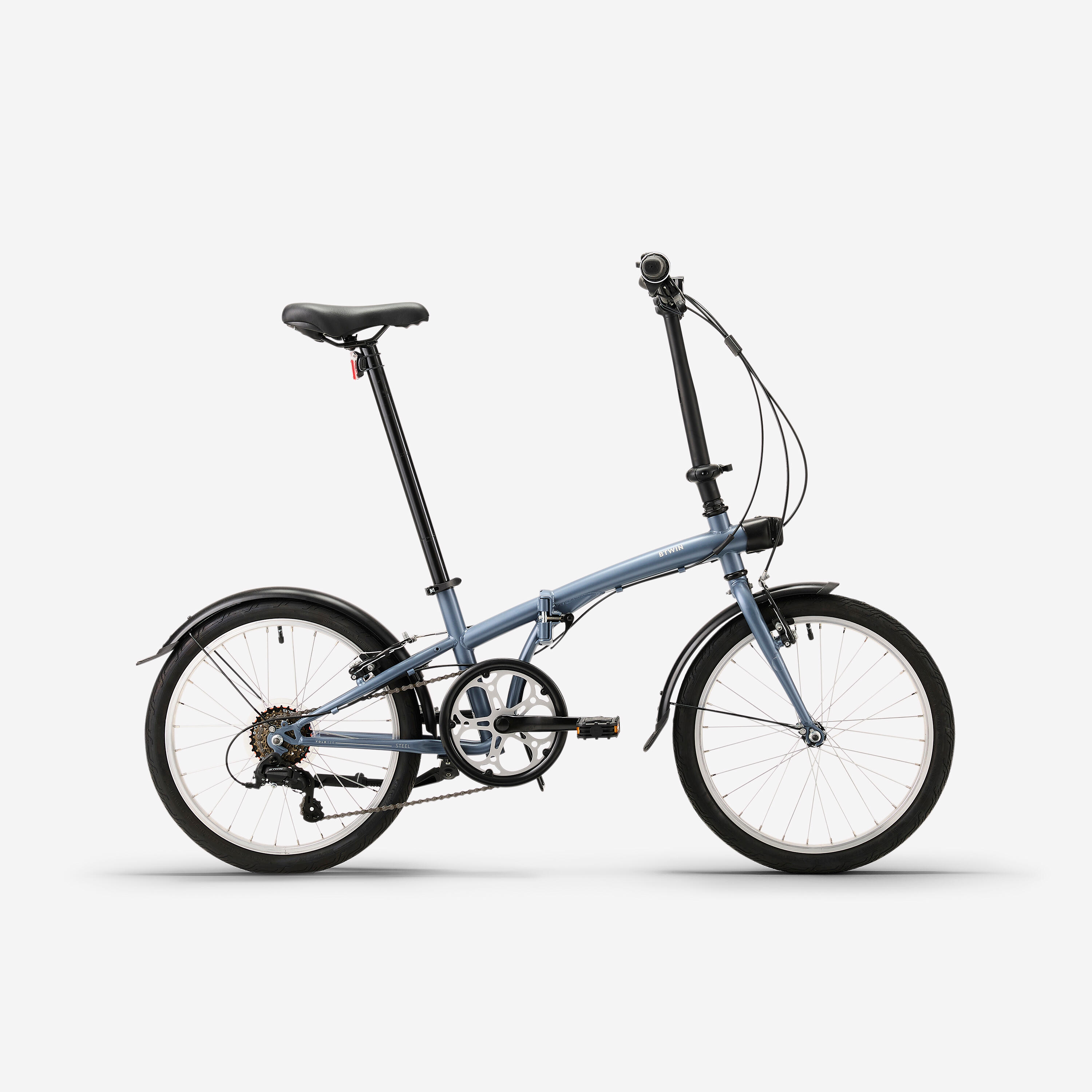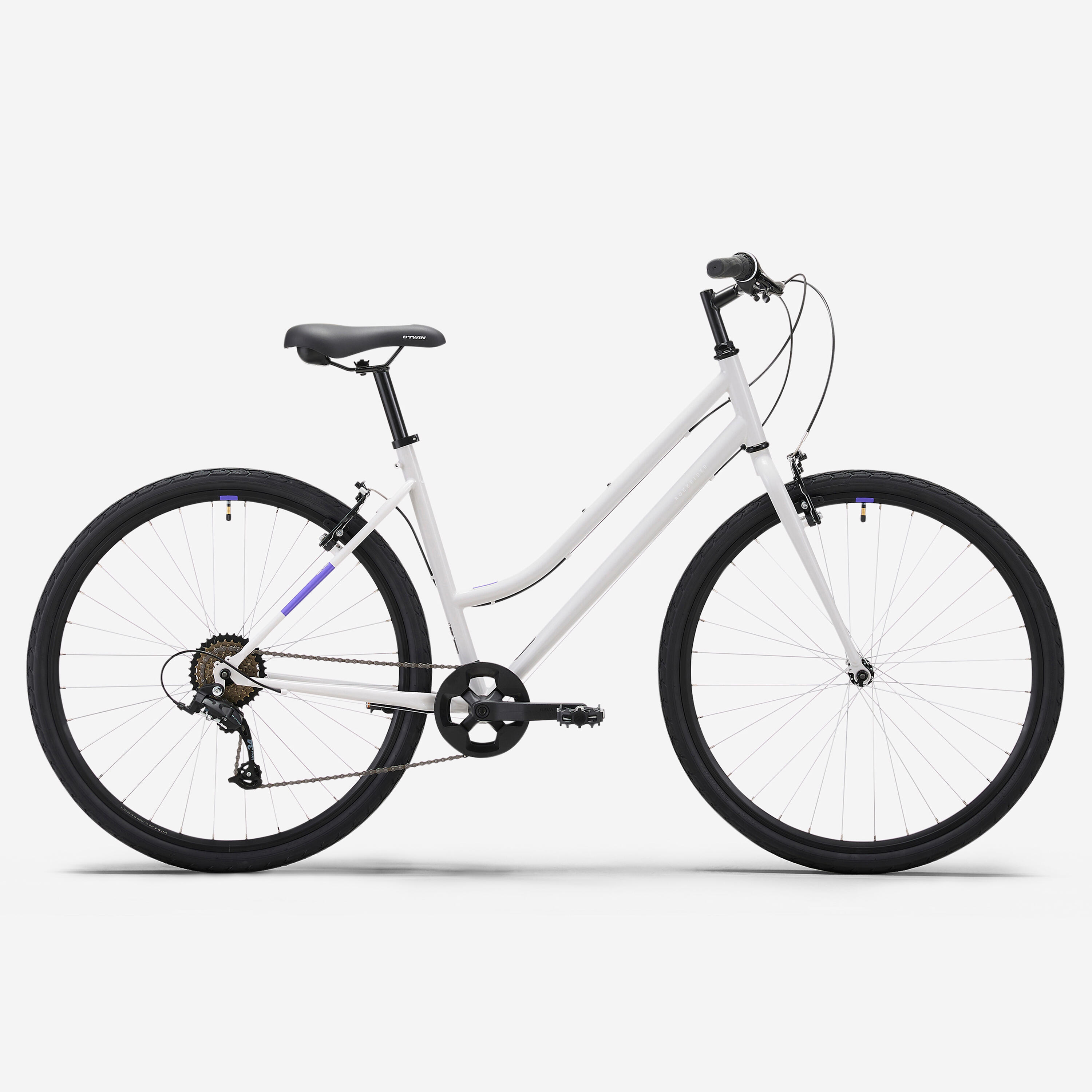
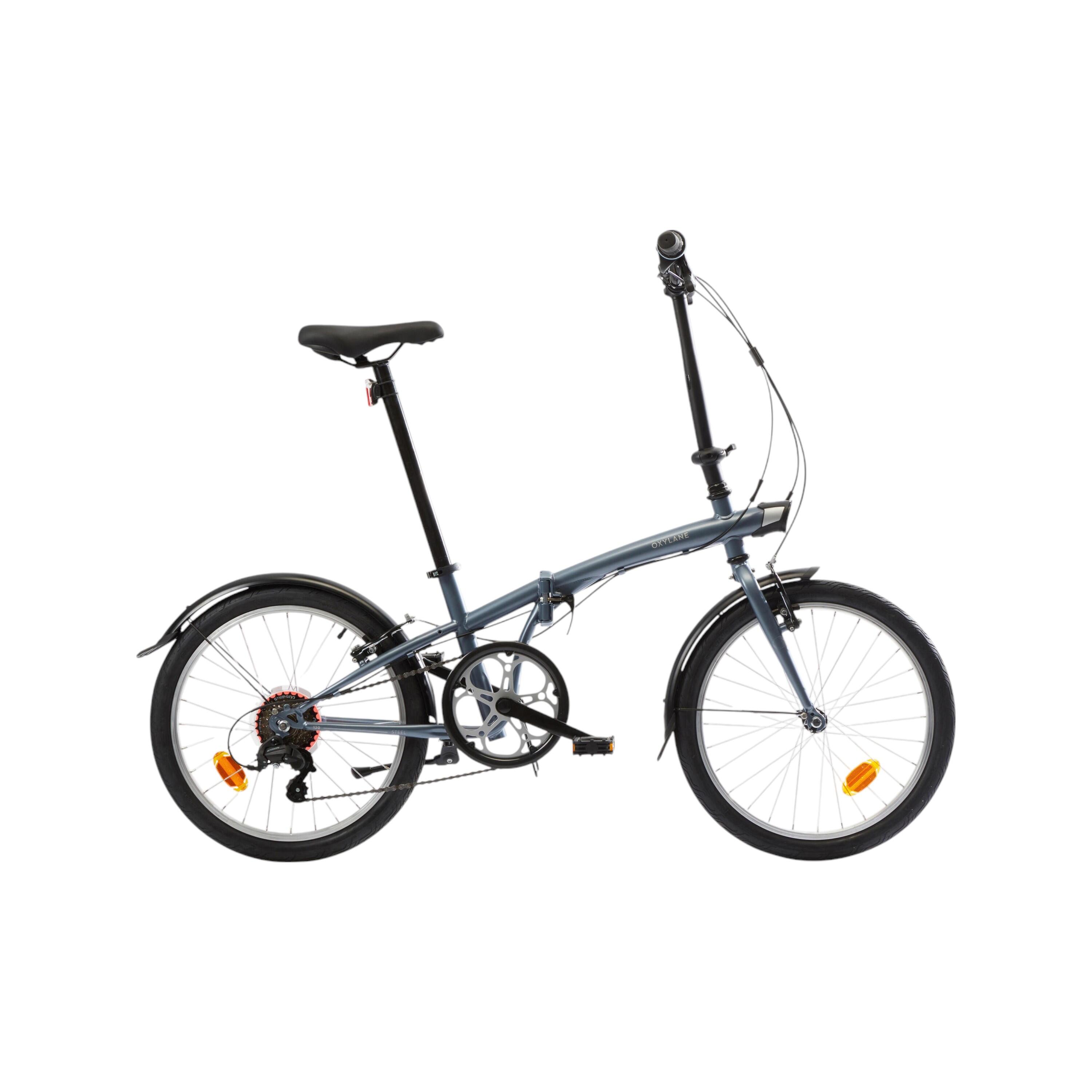
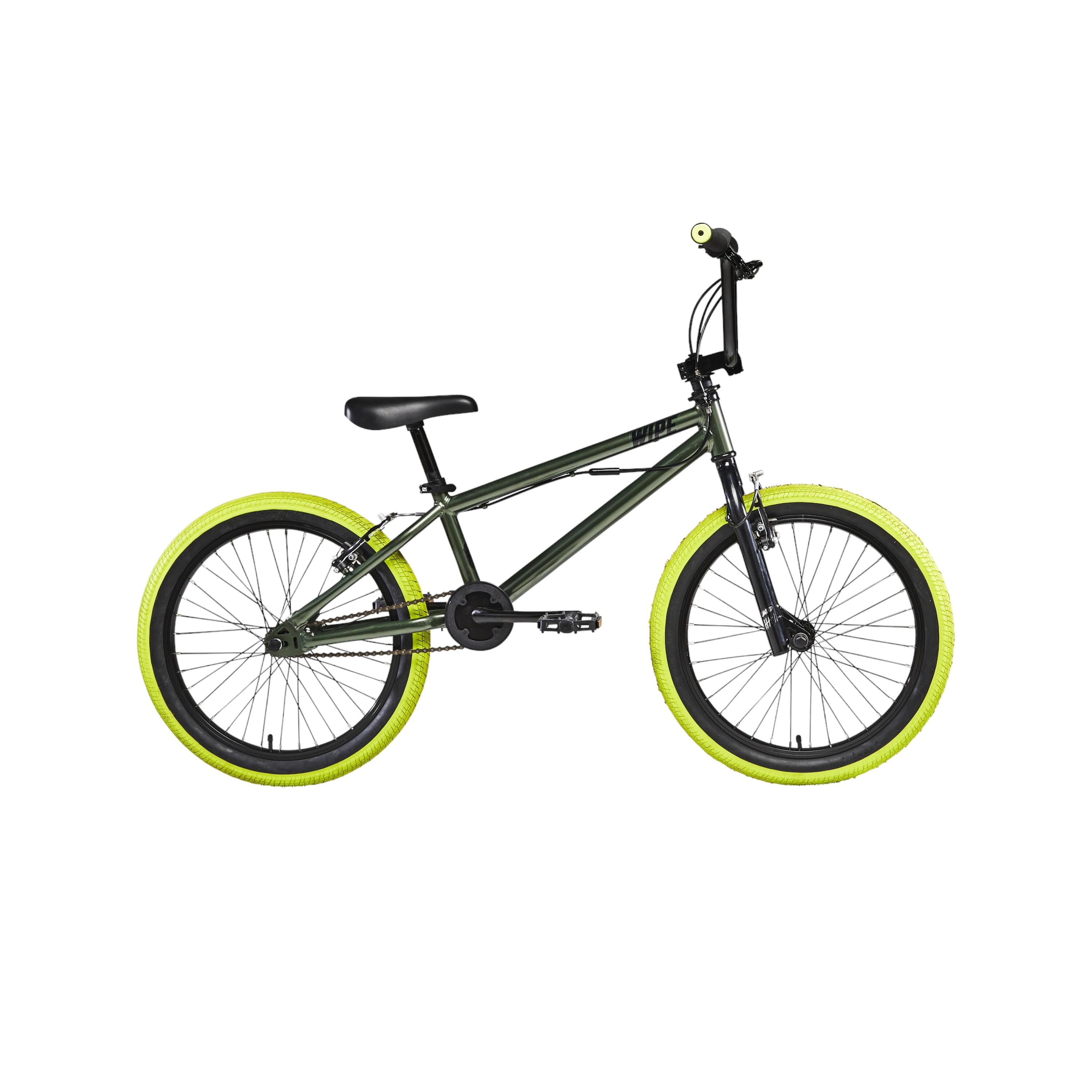
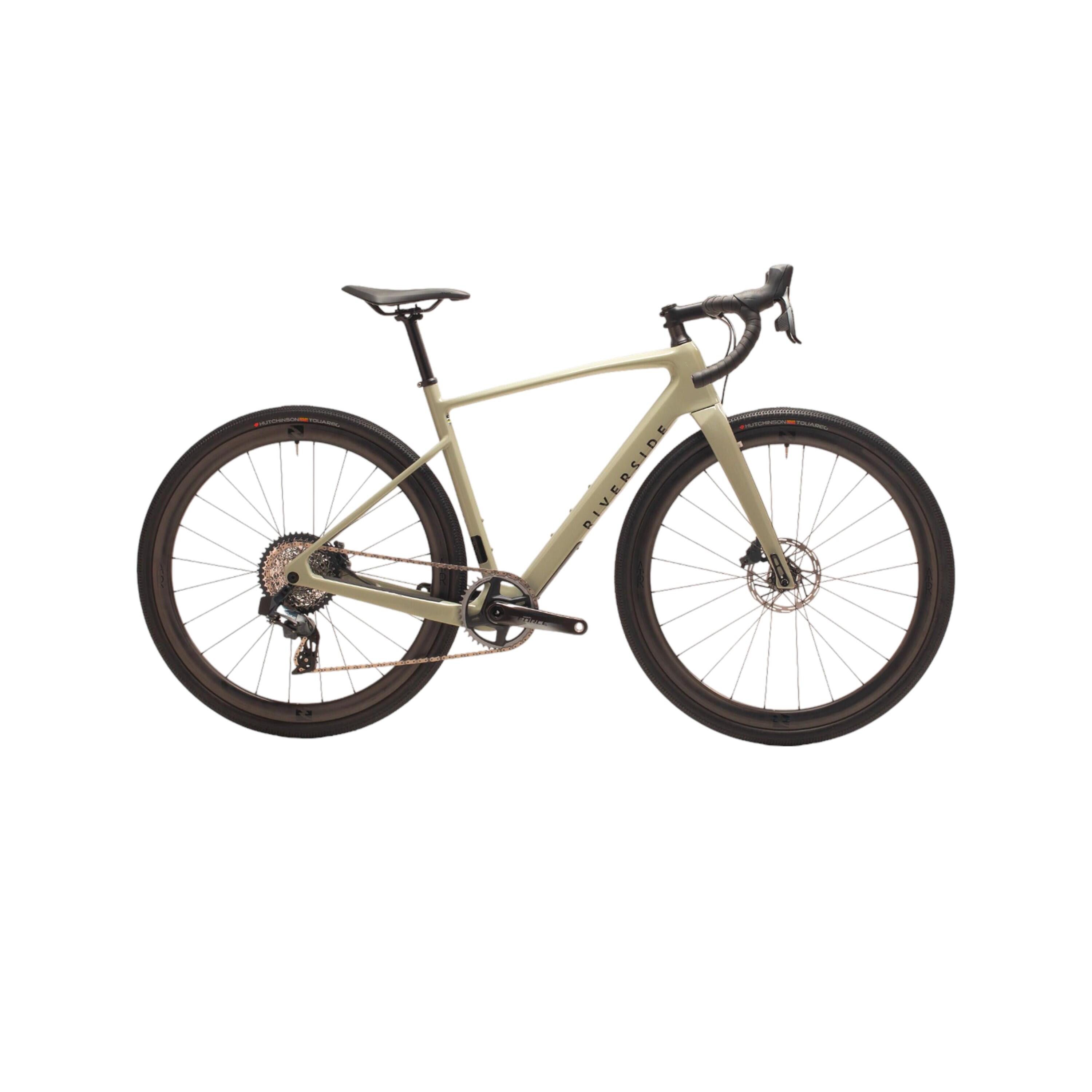
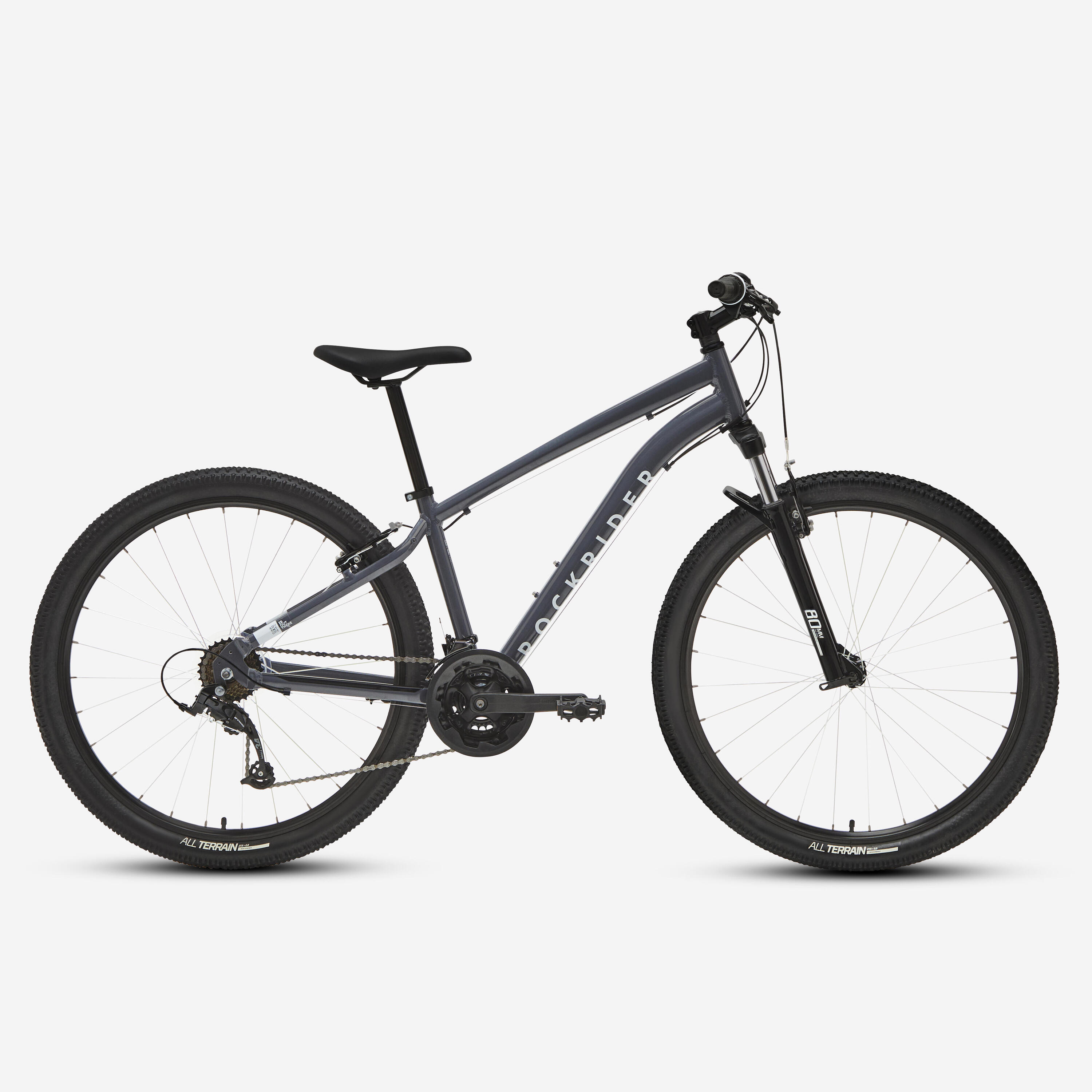
4,764 items
4.2/5 based on 50429 reviews collected online and in stores

Women's Bike FAQs

Which women's bike features impact you most for your typical journeys?

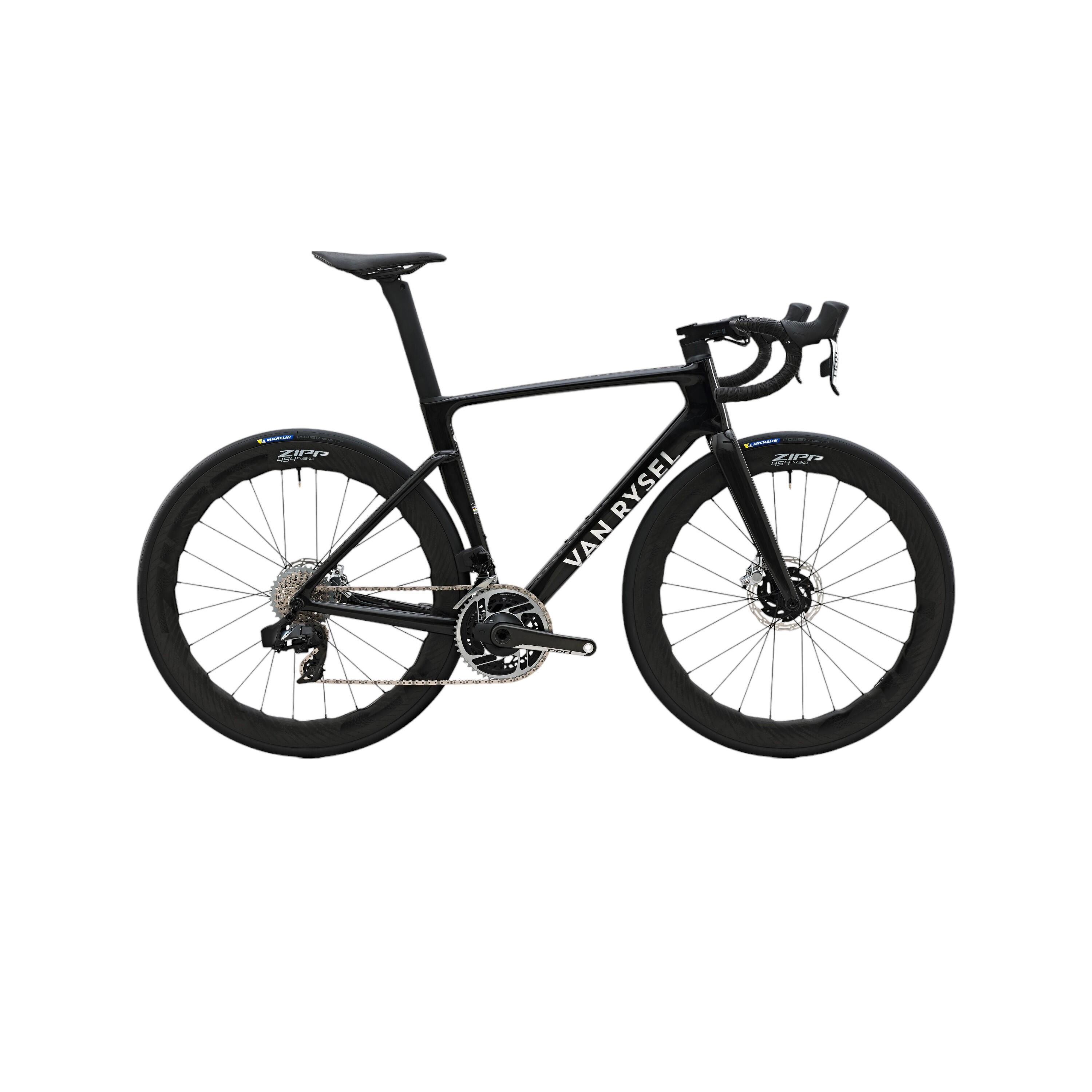
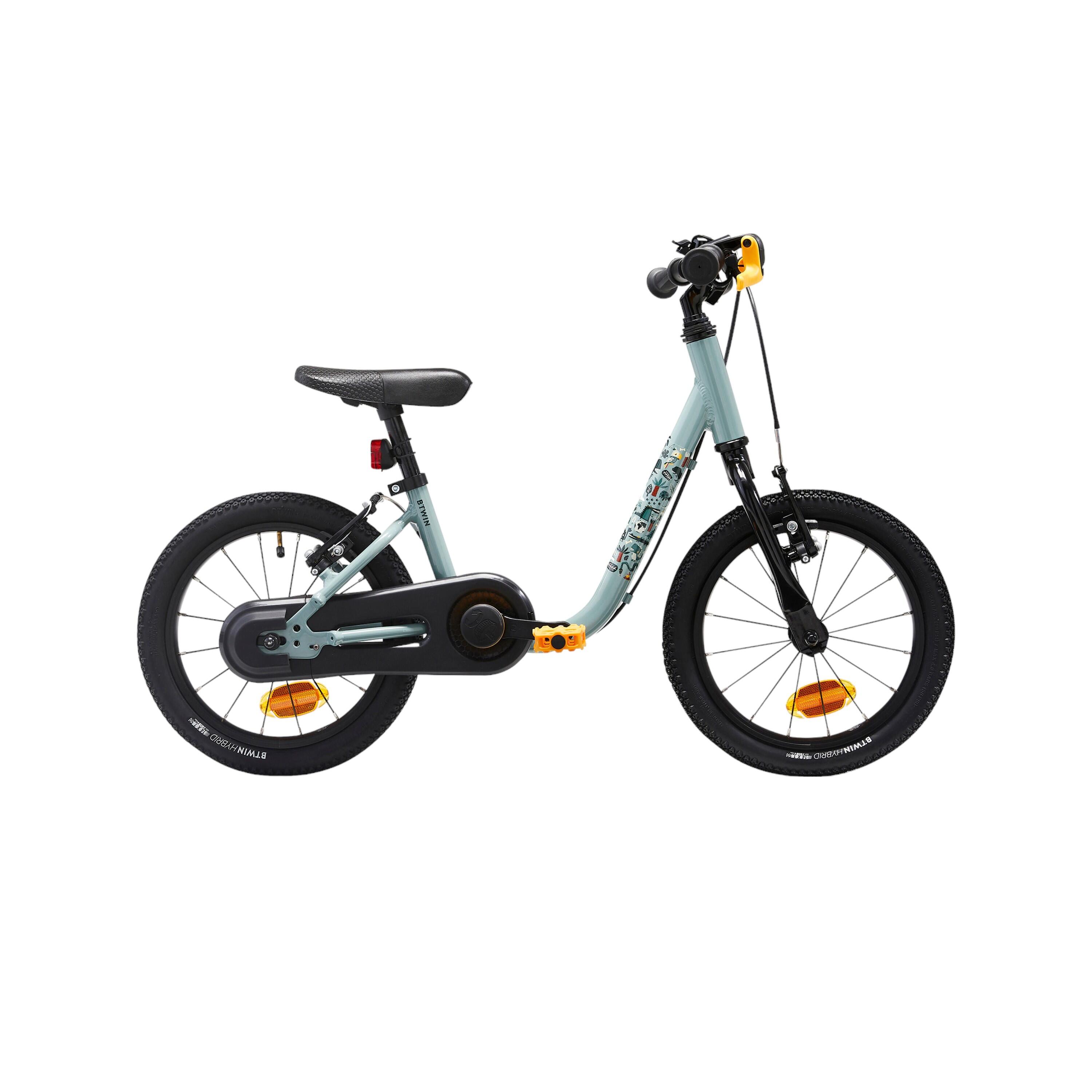
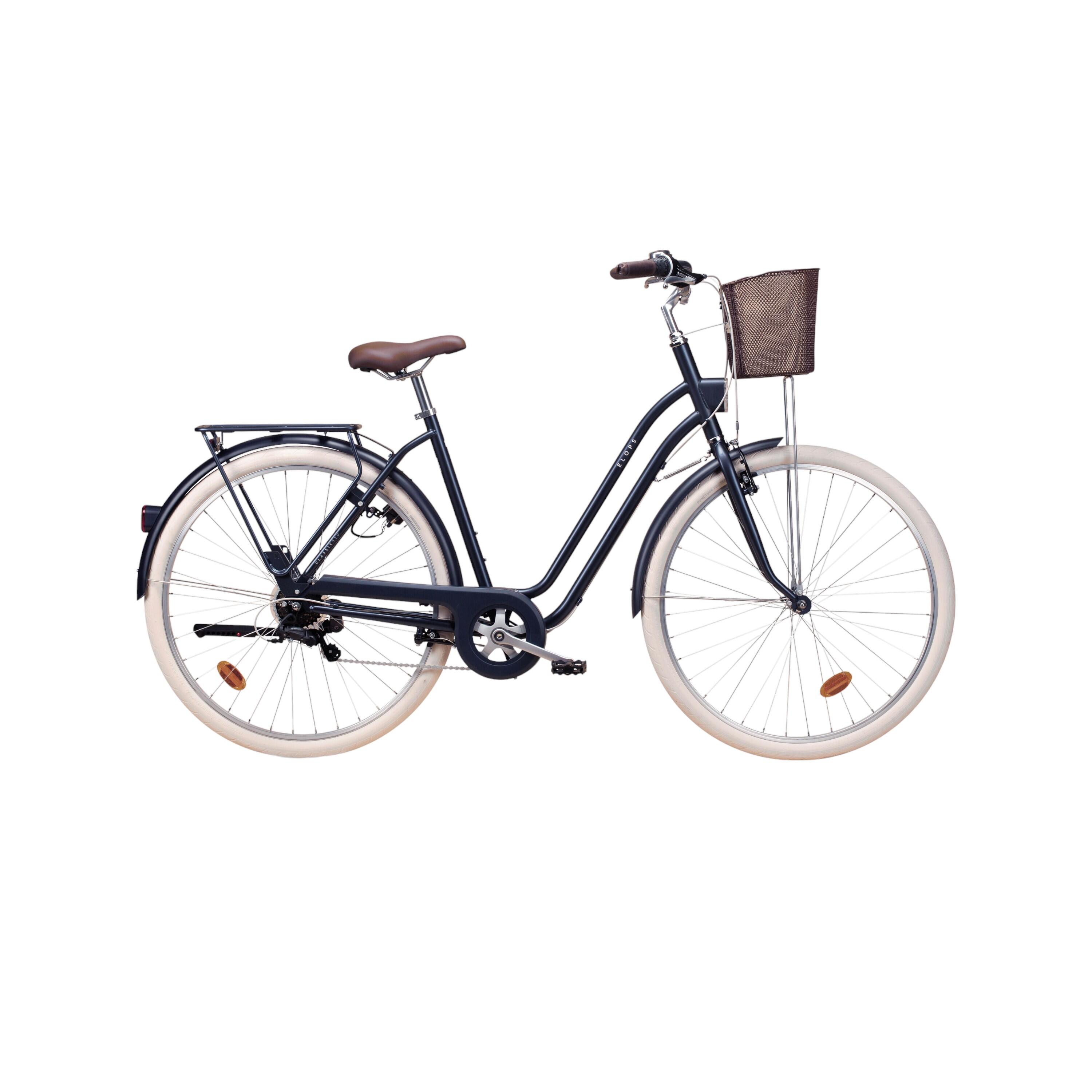
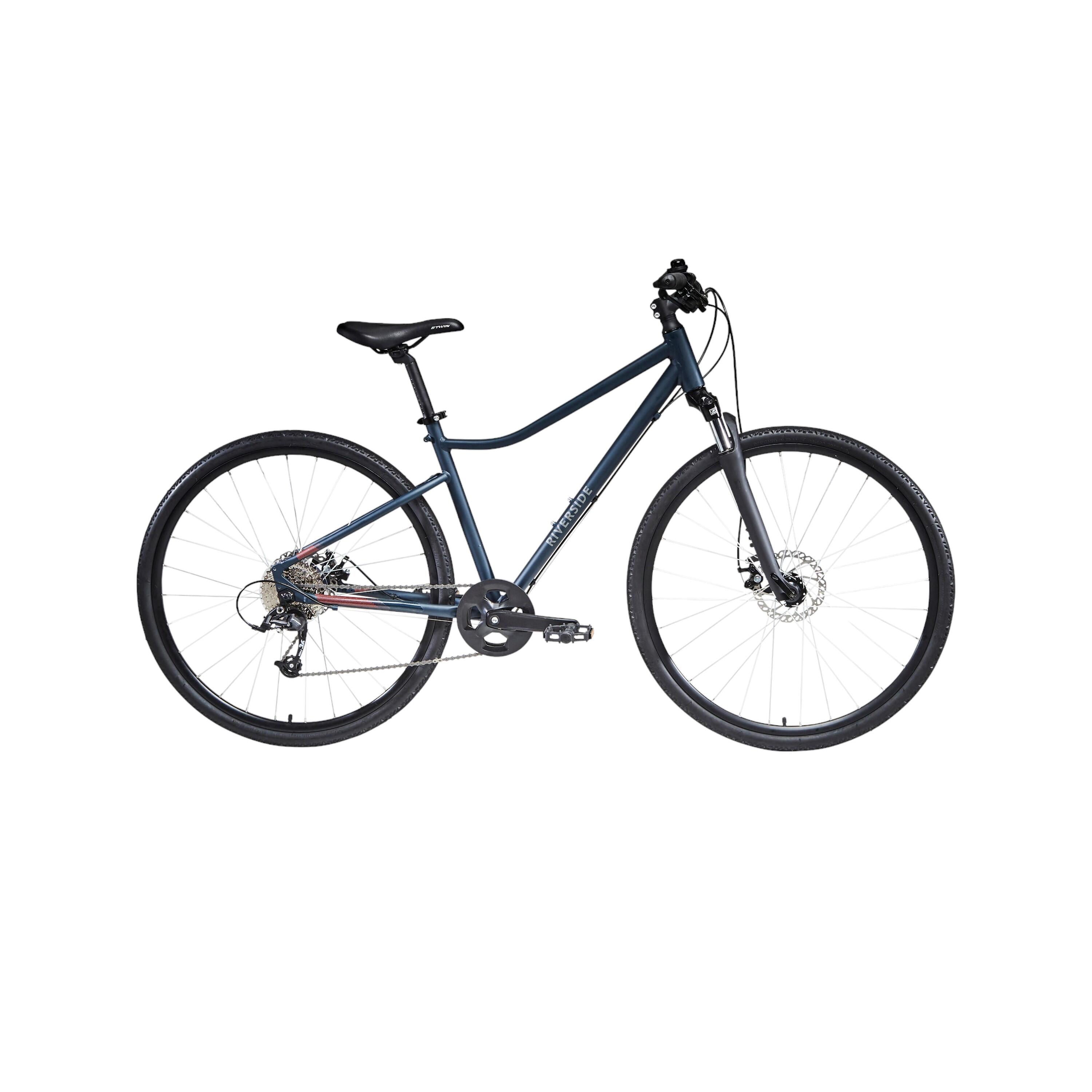
Choose according to your height, riding position, usual surface and how you want the bike to handle rather than relying on gender labels alone. Low-step hybrids can make mounting easier, touring mountain bikes suit recreational trails, and hardtail or full-suspension models give different levels of support on rougher ground. Road, city and electric formats solve different needs again, so comparing the wider range of bikes can help you decide which geometry and components suit your journeys. Frame size remains important because reach affects steering, comfort and pedalling position. Pro tip: if you fall between two sizes, think about how you want the bike to feel. A slightly smaller frame can favour easier manoeuvring and a more upright posture, while the larger option may create a more extended position for riders who prioritise speed.
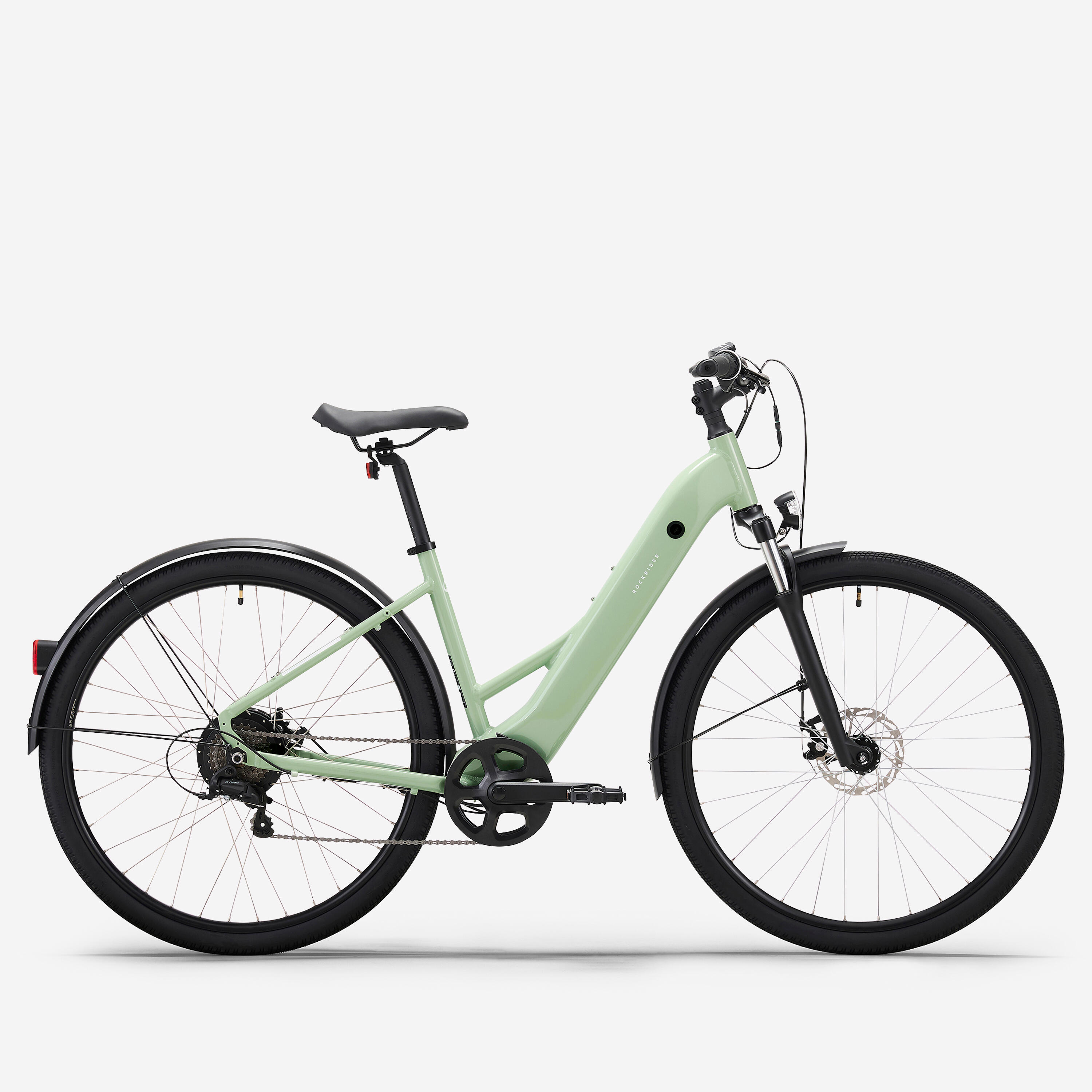
When is a low frame hybrid bike a practical choice?

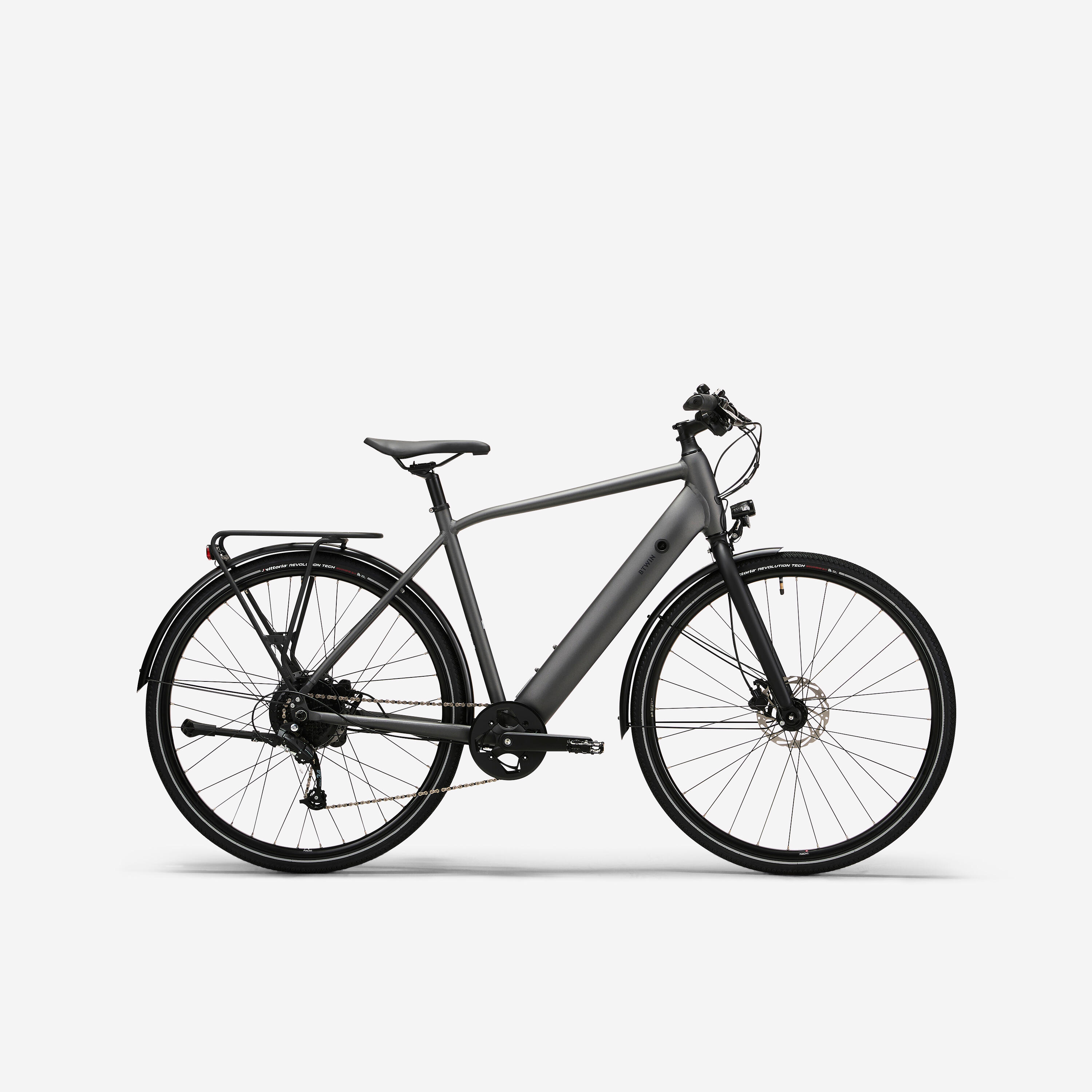
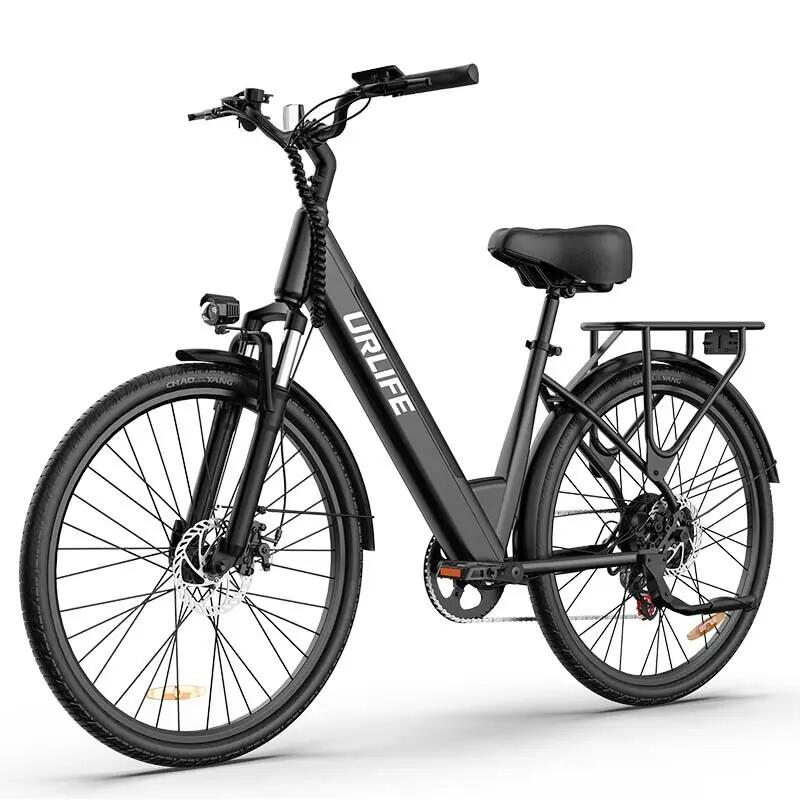
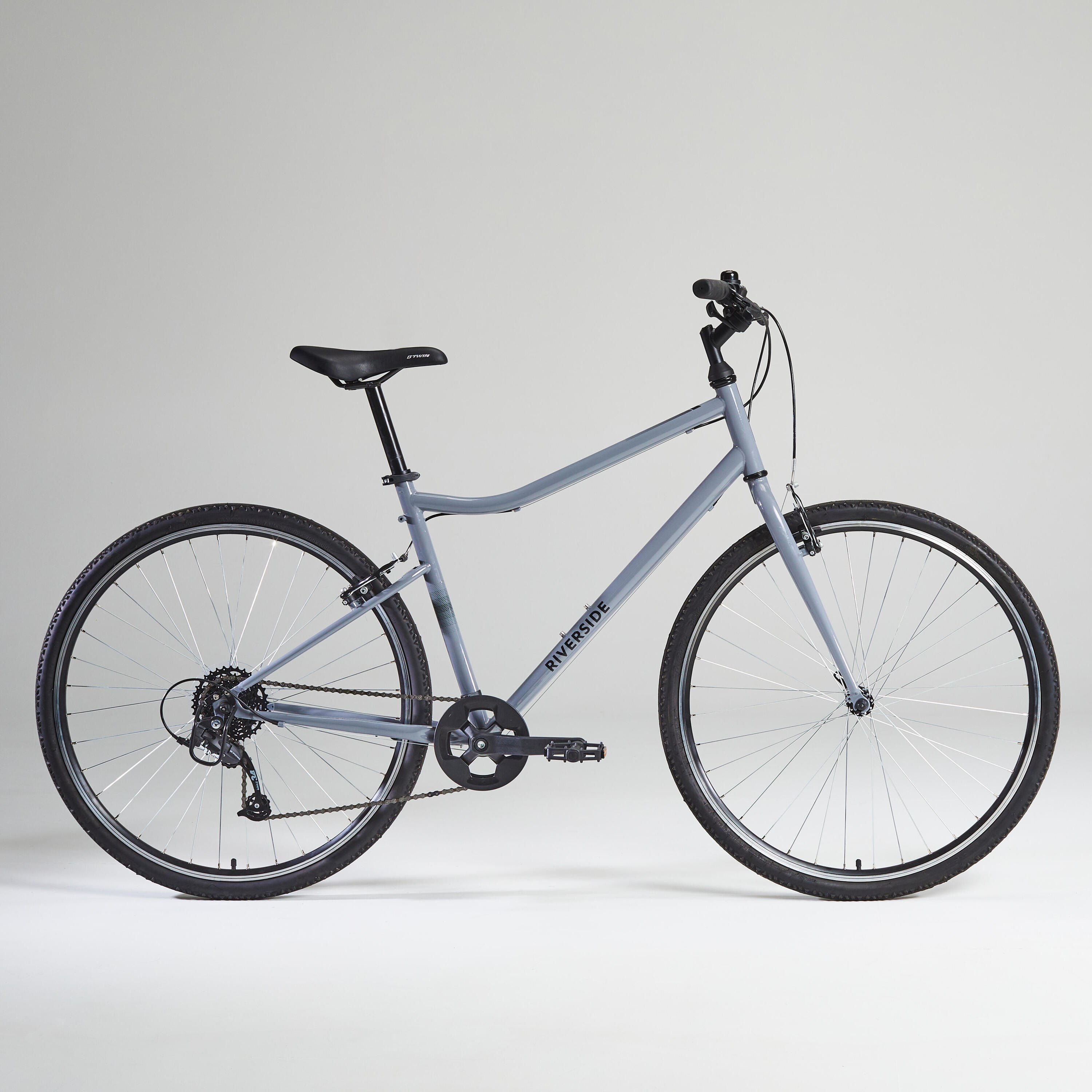
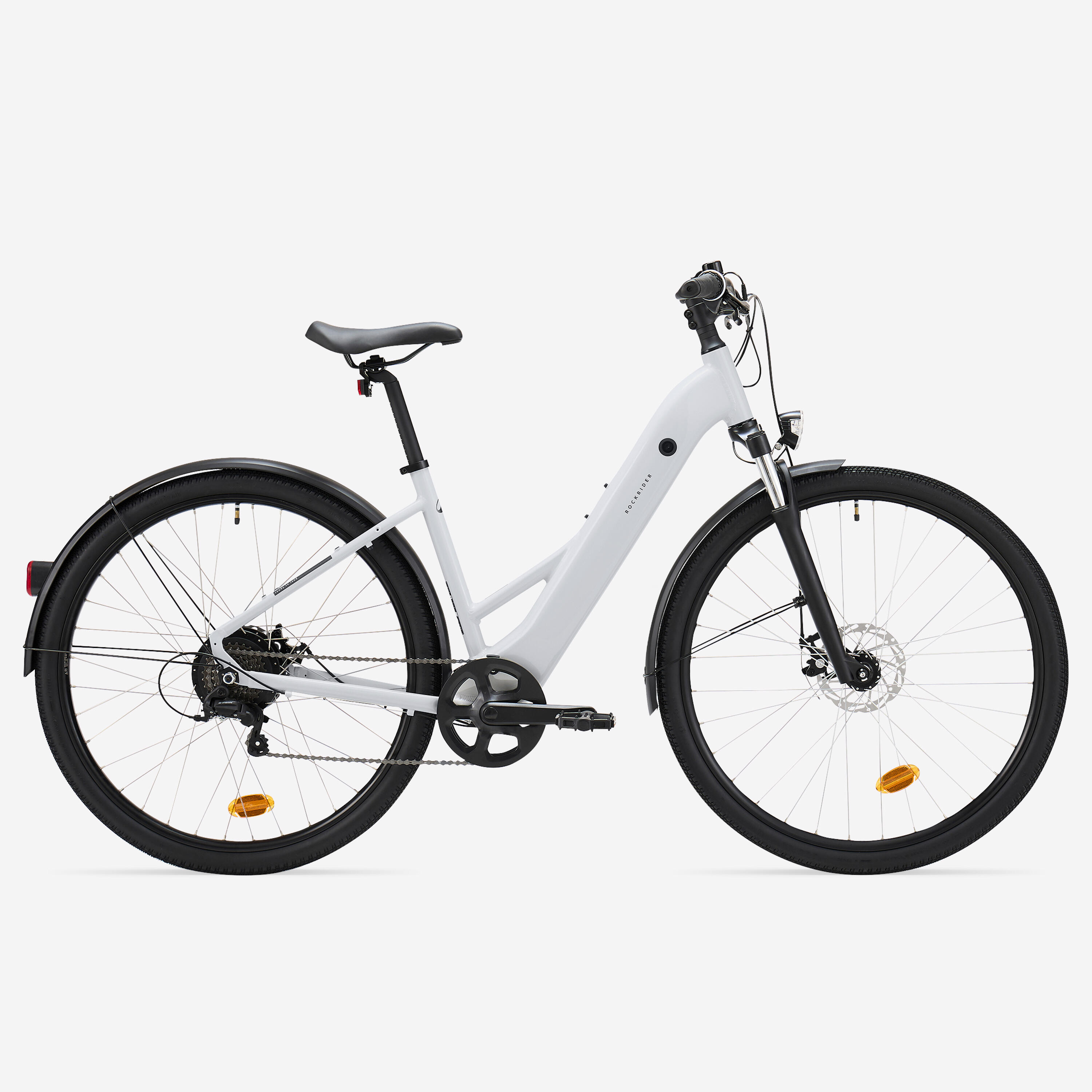
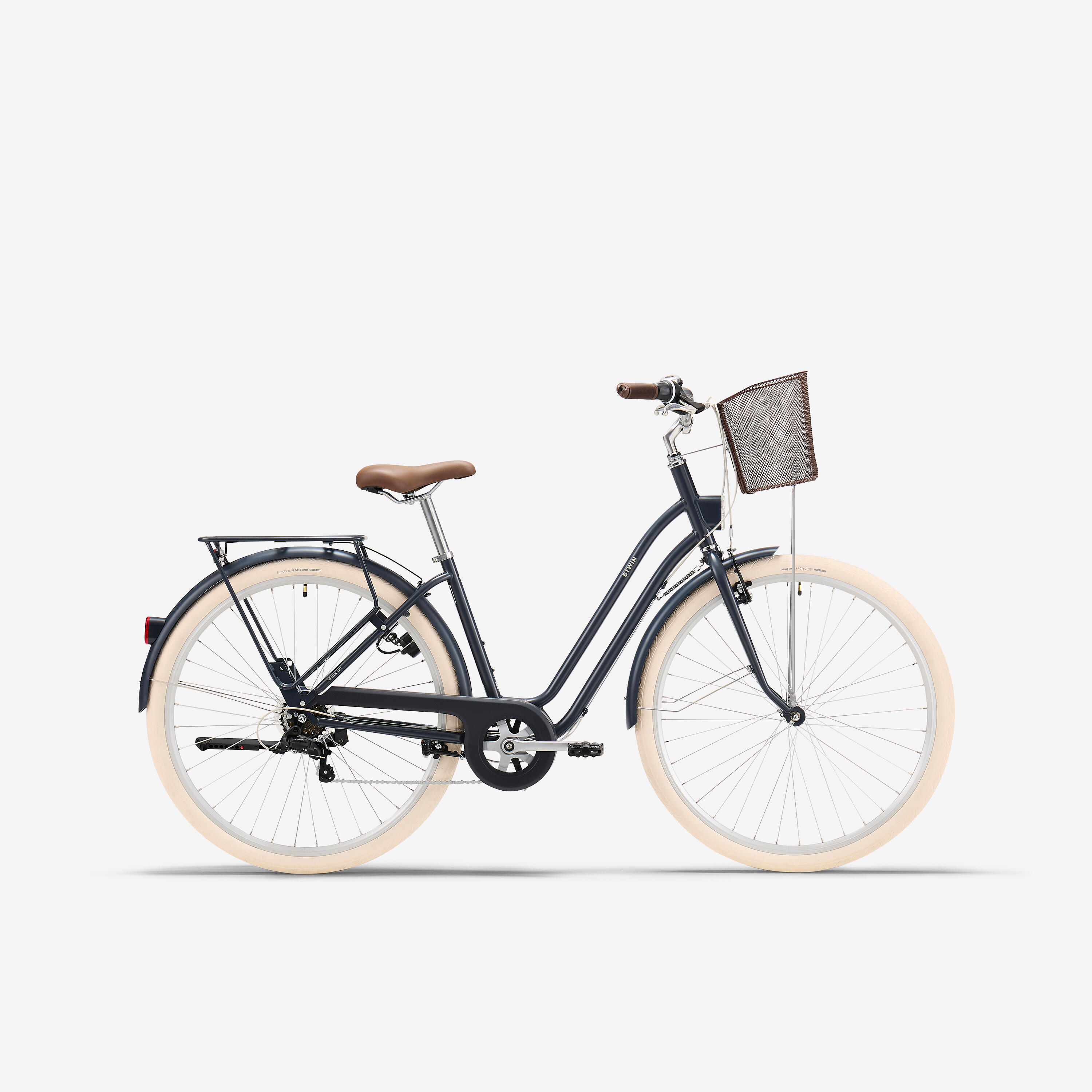
Getting on and off frequently can be easier with a lower step-over, especially during commuting, leisure rides or journeys where you carry luggage. A low frame hybrid bike lets you step through in front of the saddle rather than lifting your leg high over the frame. This can also be useful when a rear child seat or loaded rack makes tilting the bike less convenient. Hybrid geometry typically balances an upright city position with a slightly more active posture for efficient pedalling on roads and light trails. Pro tip: do not choose the frame only because it is easier to mount. Check saddle height and handlebar reach as well, because correct fit should let you pedal smoothly without feeling stretched through your back, shoulders or arms.

Which factors are important when buying a women's mountain bike for touring?

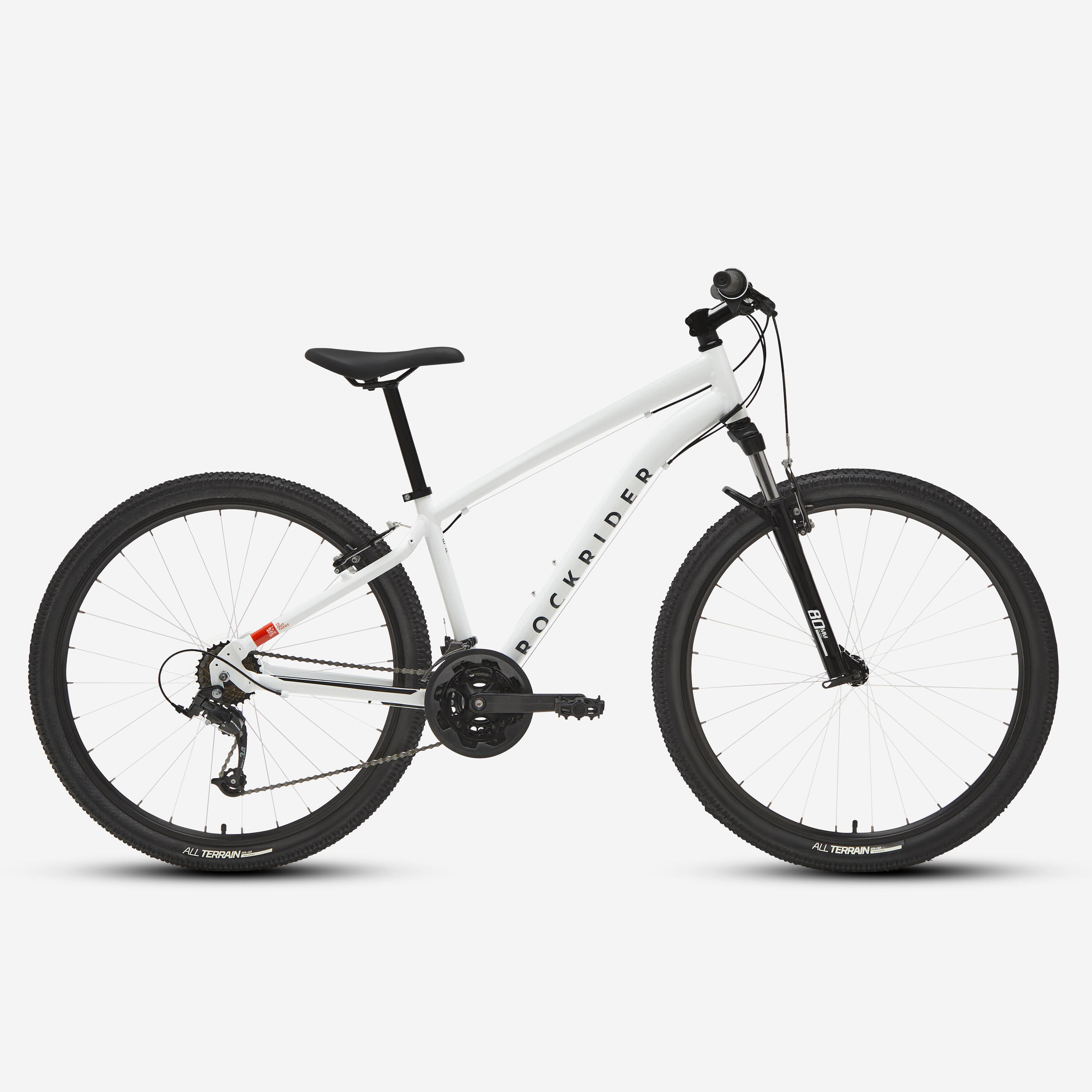
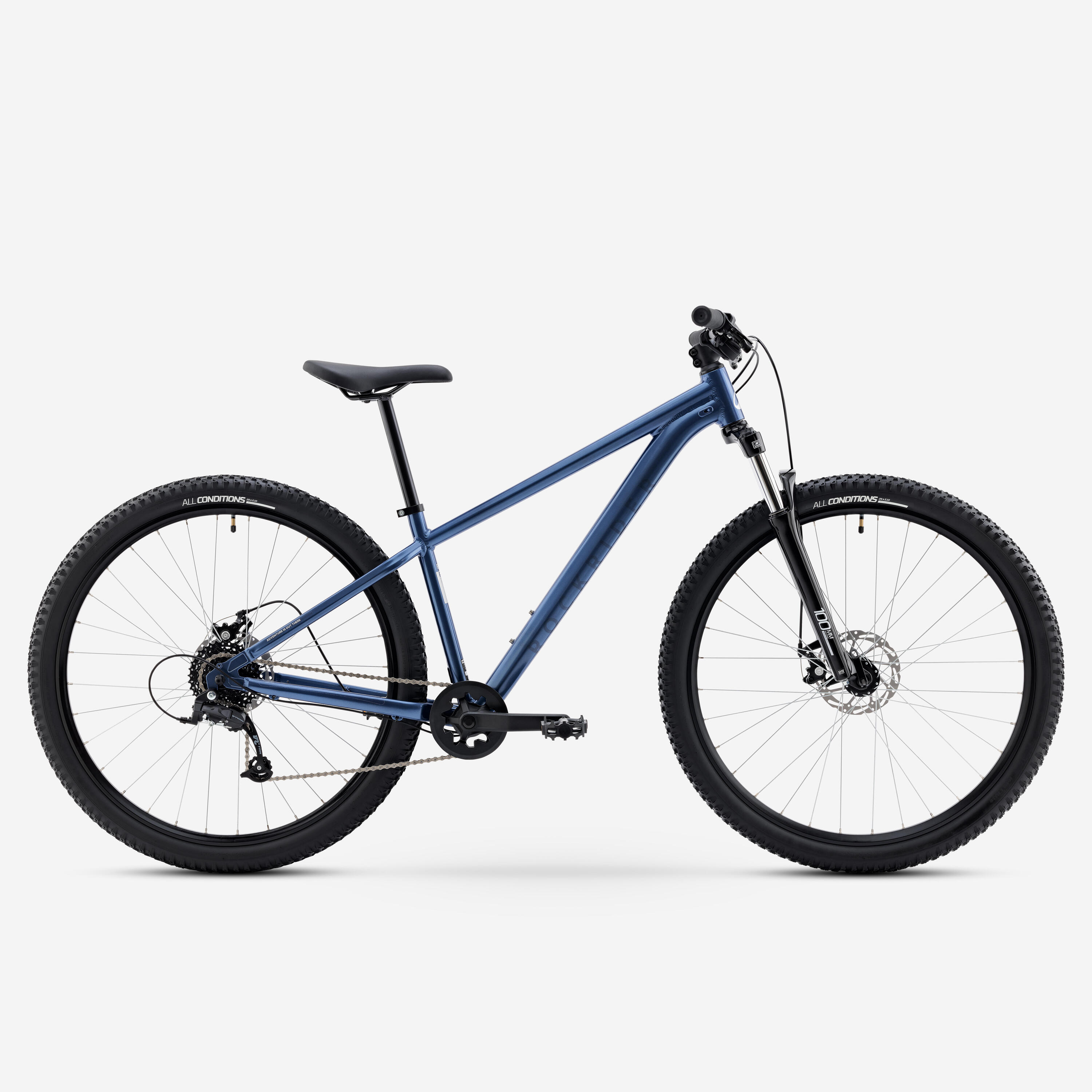
Start with the difficulty of the trails you intend to ride. For introductory forest tracks and recreational off-road sessions, a touring mountain bike with front suspension, stable geometry and trail-ready tyres can provide a useful balance of comfort and control. Decathlon's entry-level Rockrider approach uses a more upright position alongside tyres that roll relatively easily through the centre while using side knobs for cornering grip. The key is to respect the stated riding limits: a recreational touring MTB is not automatically suited to demanding XC, Enduro, All Mountain or BMX use. Pro tip: check tyre pressure before each trail ride and adjust within the manufacturer's stated limits. Slightly lower pressure can improve grip and comfort, but going too low increases the risk of tyre or rim damage.

When can you choose a hardtail aluminium mountain bike?

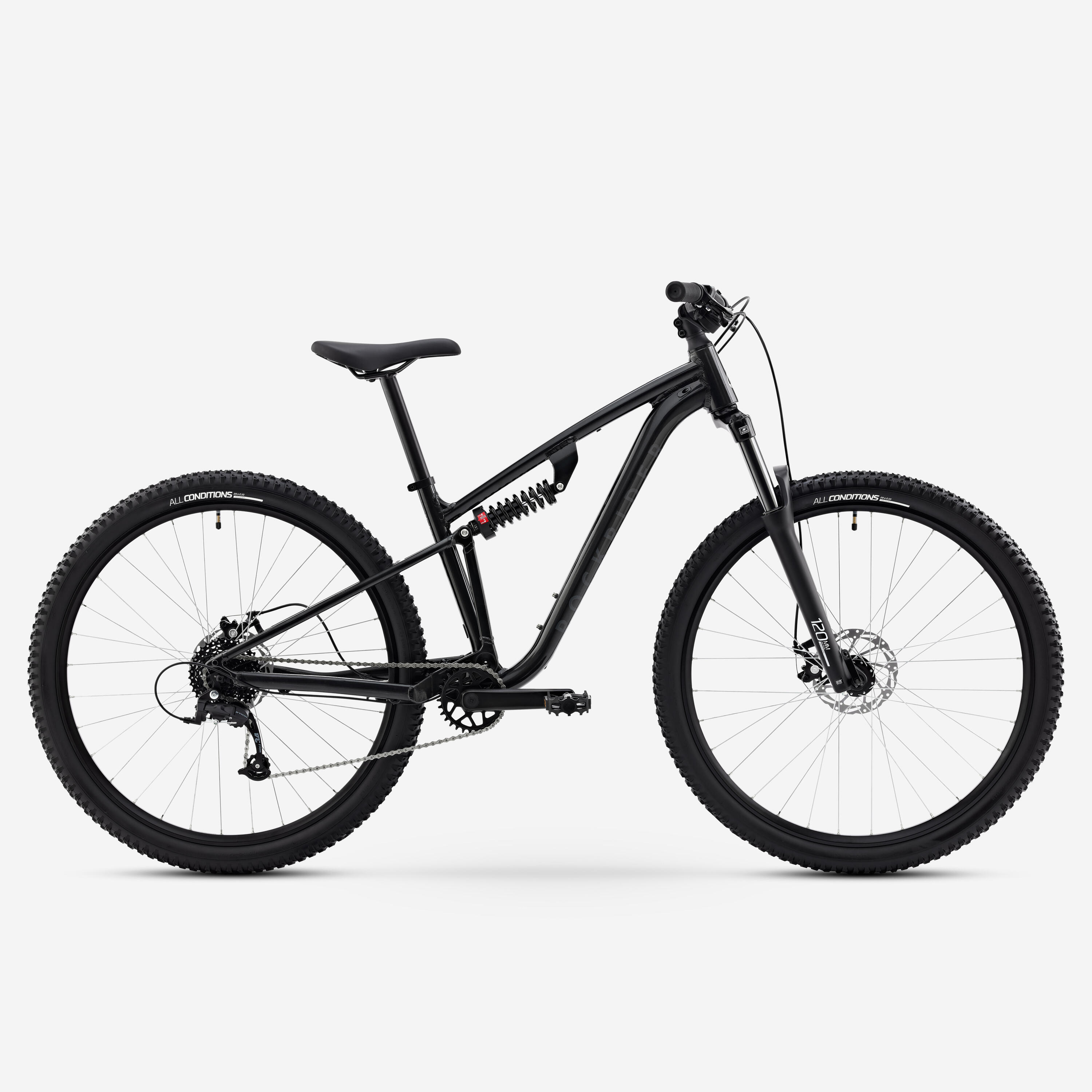
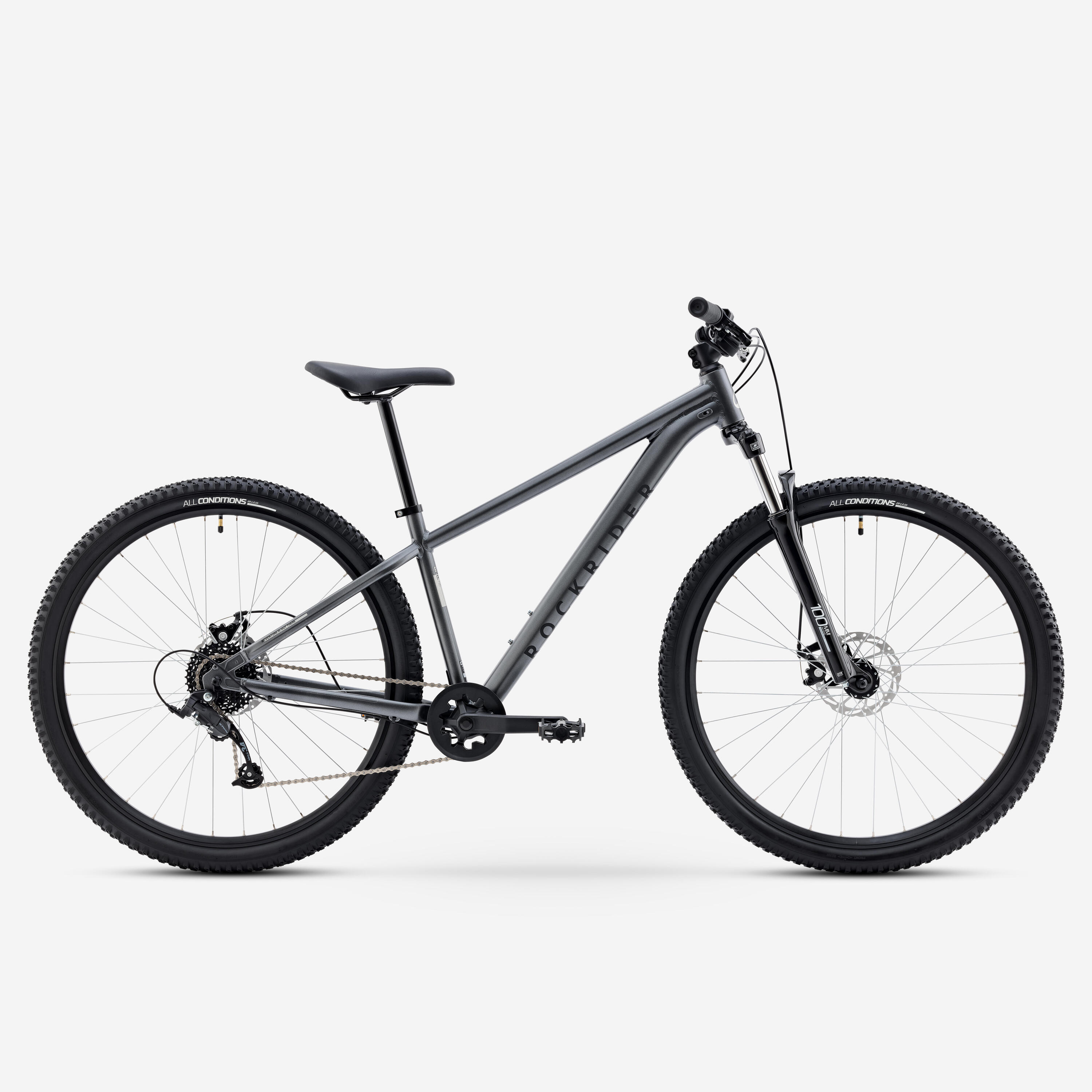
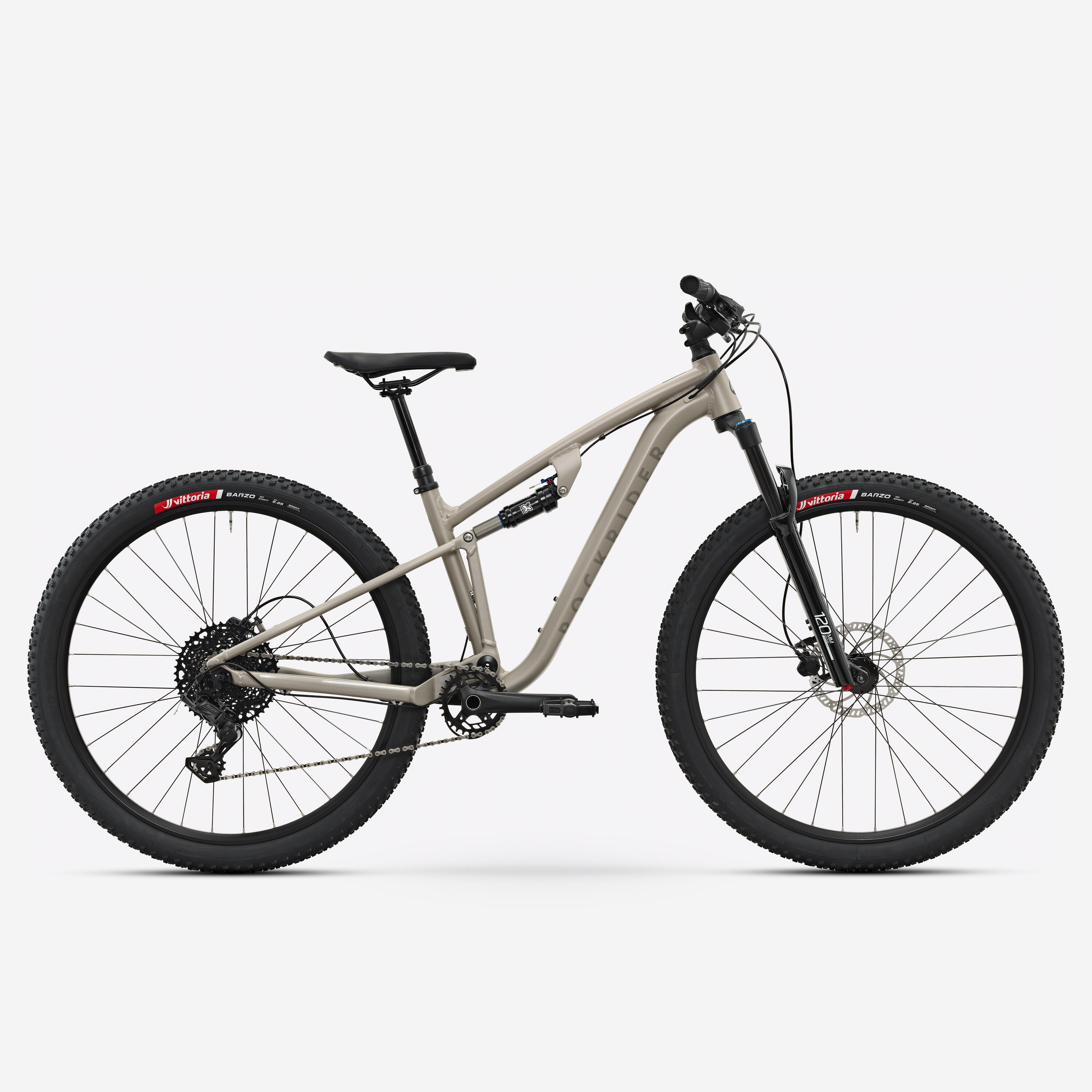
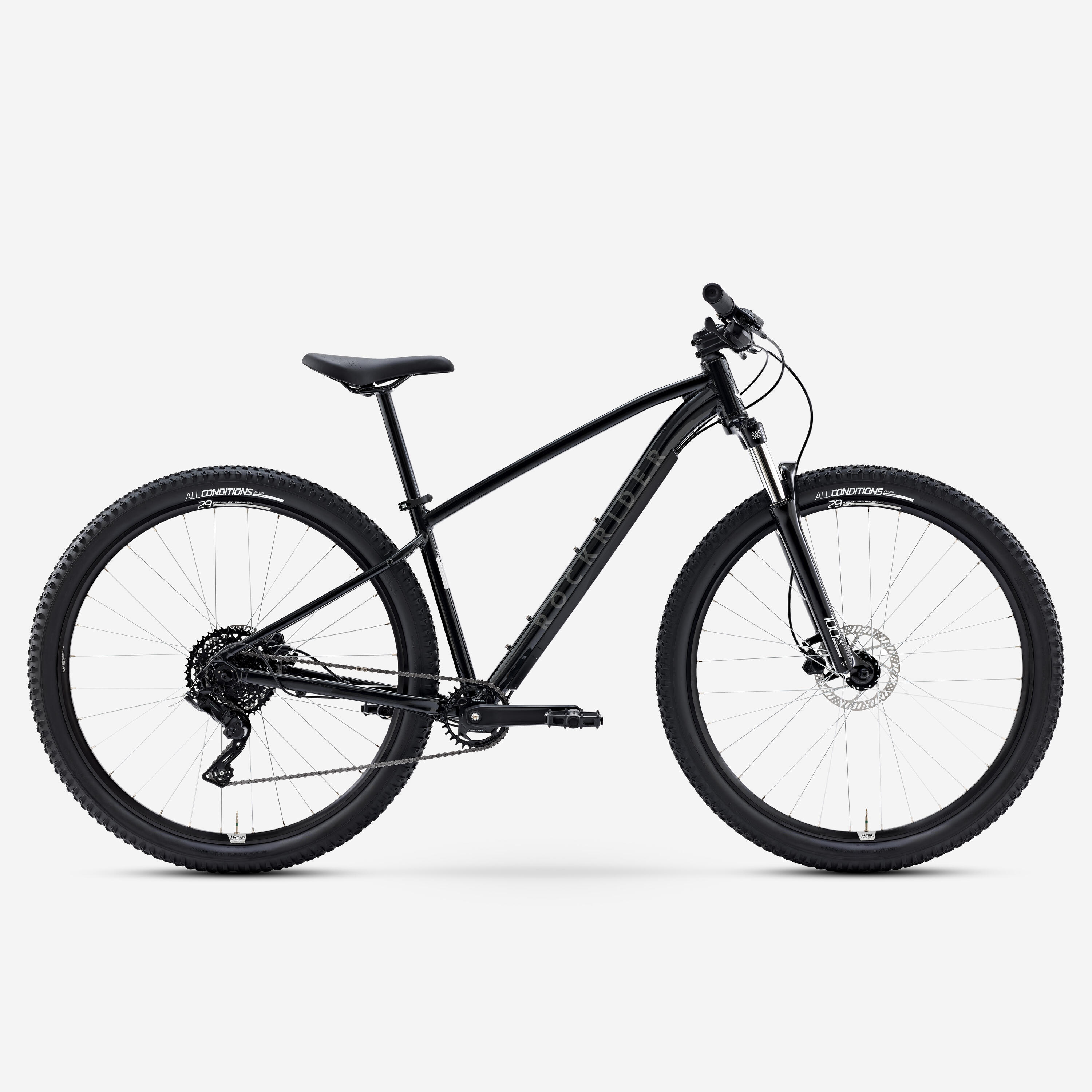
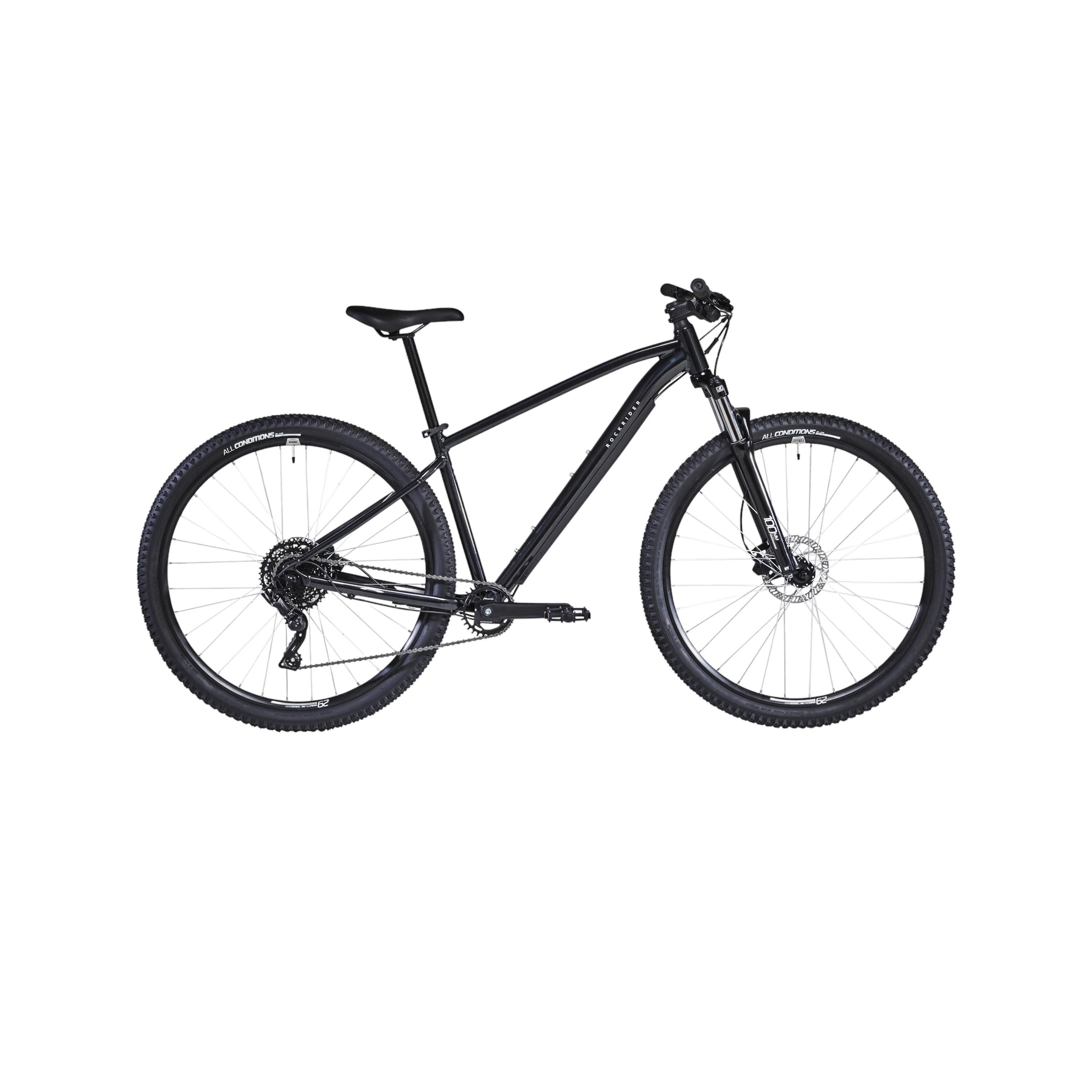
A hardtail can work well when you want front suspension for uneven trails without the extra weight and complexity of rear suspension. Riders progressing onto longer or rougher recreational routes may appreciate the larger wheels and upgrade potential of a 29-inch hardtail aluminium frame touring MTB. Aluminium offers a practical balance between strength and weight, while larger wheels maintain momentum over roots and smaller obstacles. Some Rockrider frames also allow later additions such as a dropper seatpost as riding develops. Pro tip: consider your terrain before assuming more suspension is always better. Hardtails can feel efficient on smoother climbs and mixed trails, while full-suspension touring bikes become more useful when repeated rough impacts make rear-wheel control and additional cushioning a priority.

How will you set up a women's bike for regular riding?

Once the bike fits correctly, add only the equipment that supports the journeys you actually make. Commuters may prioritise lights, a lock, mudguards and carrying capacity, while trail riders may put more emphasis on a helmet, gloves, hydration and suitable protection. The wider bike cycling gear and accessories range can help you build the setup around the bike rather than choosing extras at random. Check mounting points and component dimensions before fitting racks, stands, bottle cages or other equipment because compatibility can vary by model and frame size. Pro tip: establish your saddle position before making major handlebar changes, then alter one setting at a time. For maintenance, keep tyre pressure within the recommended range, clean and lubricate the drivetrain regularly, and dry the bike before storing it in a cool, sheltered place.