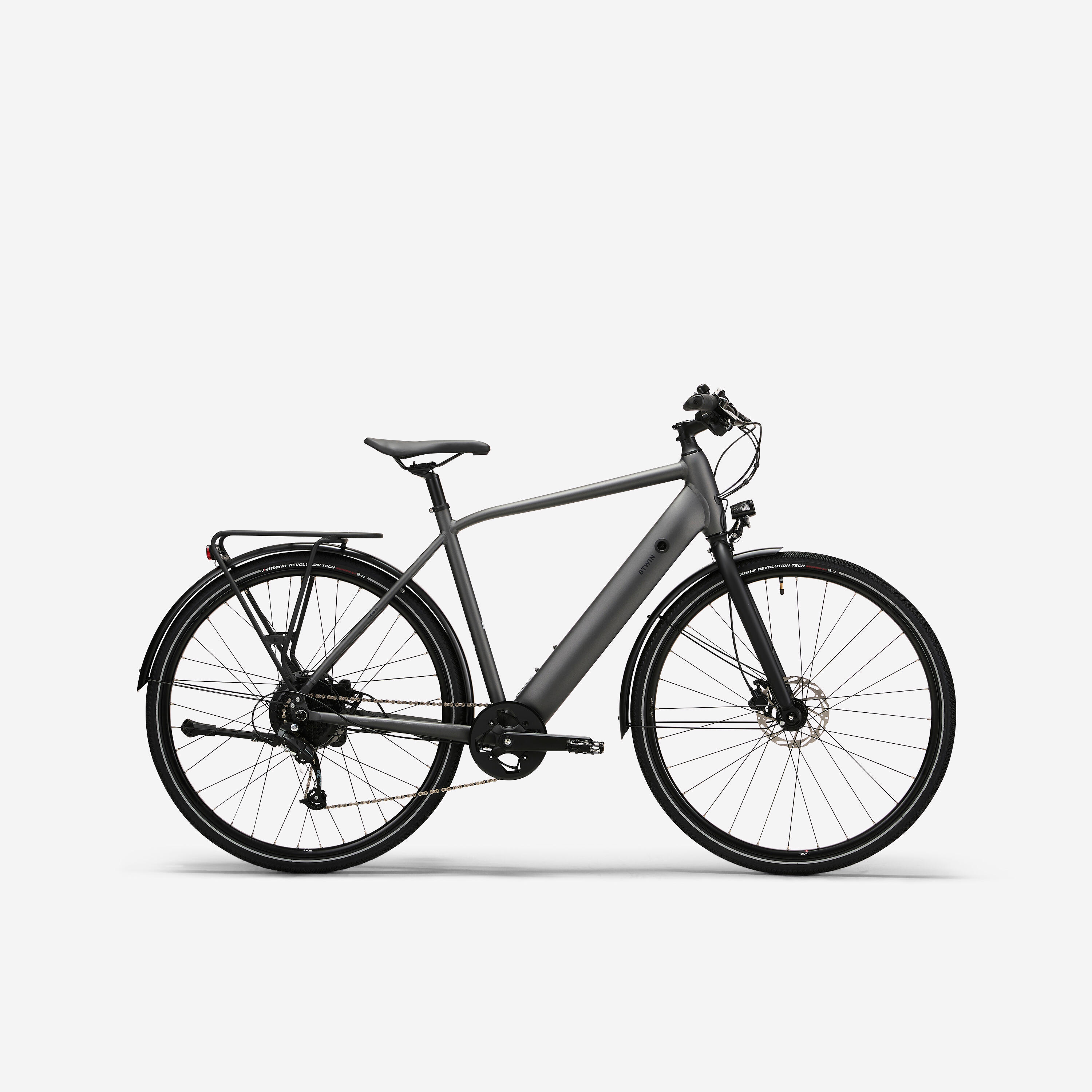
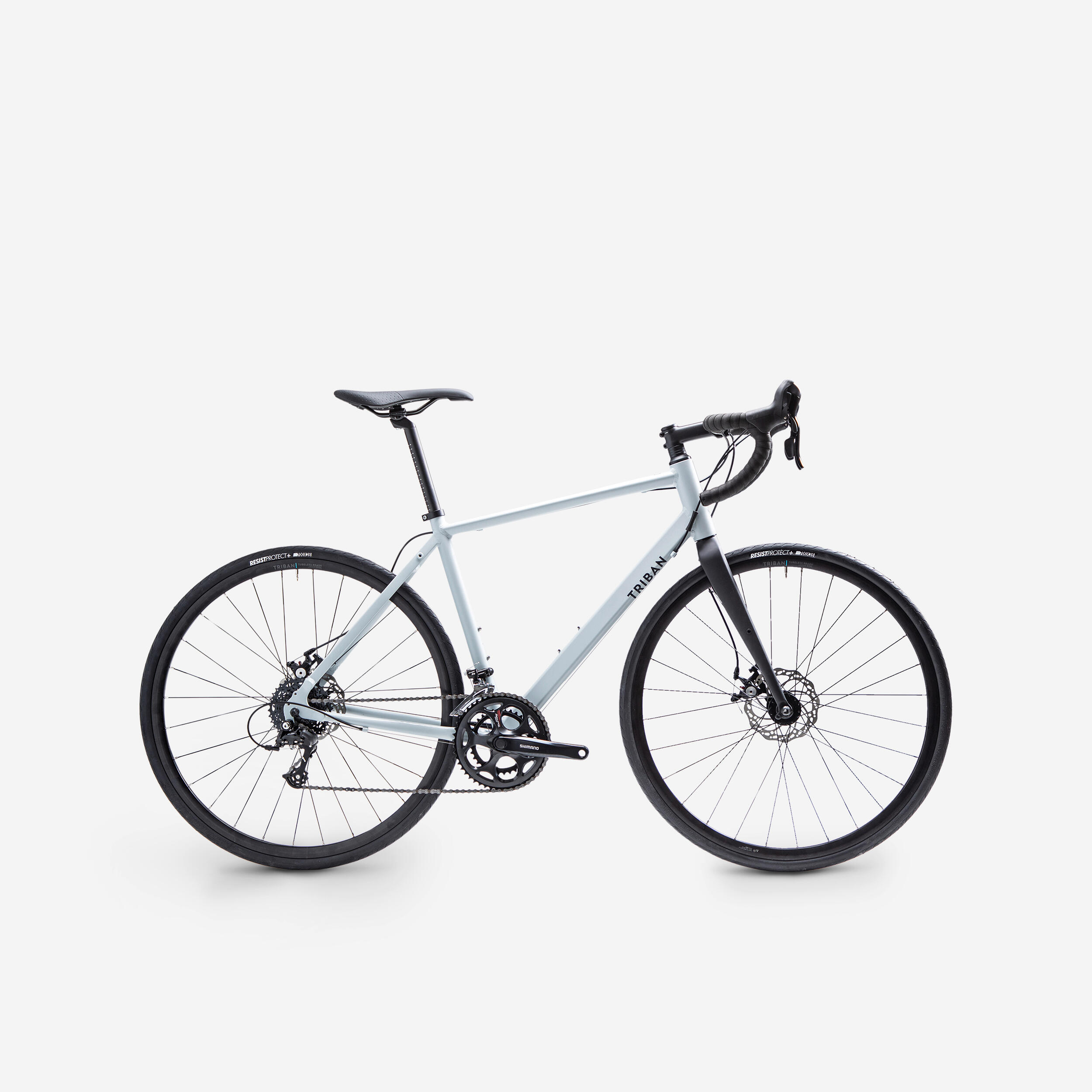
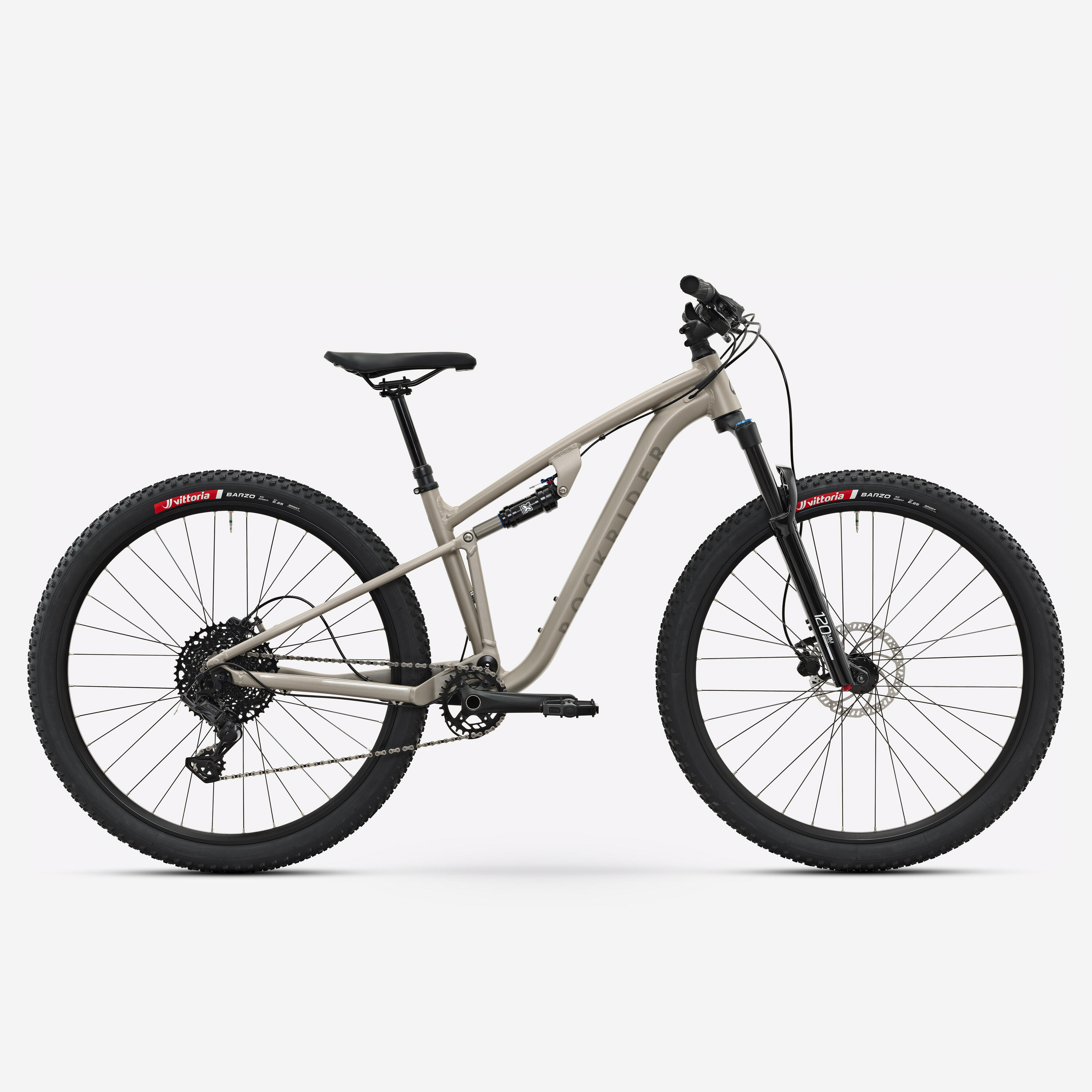
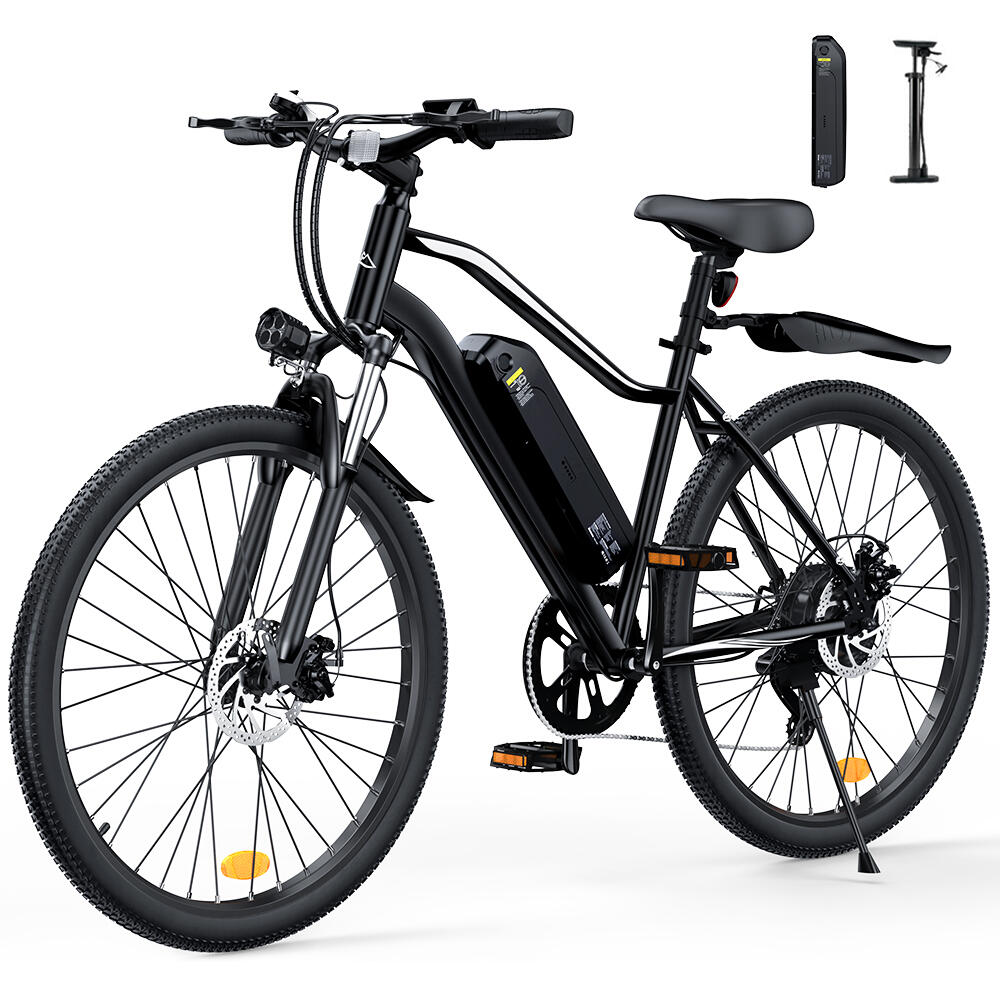
4,022 items
4.3/5 based on 53567 reviews collected online and in stores

Men's Bikes FAQs

What type of men's bike best suits your regular riding?

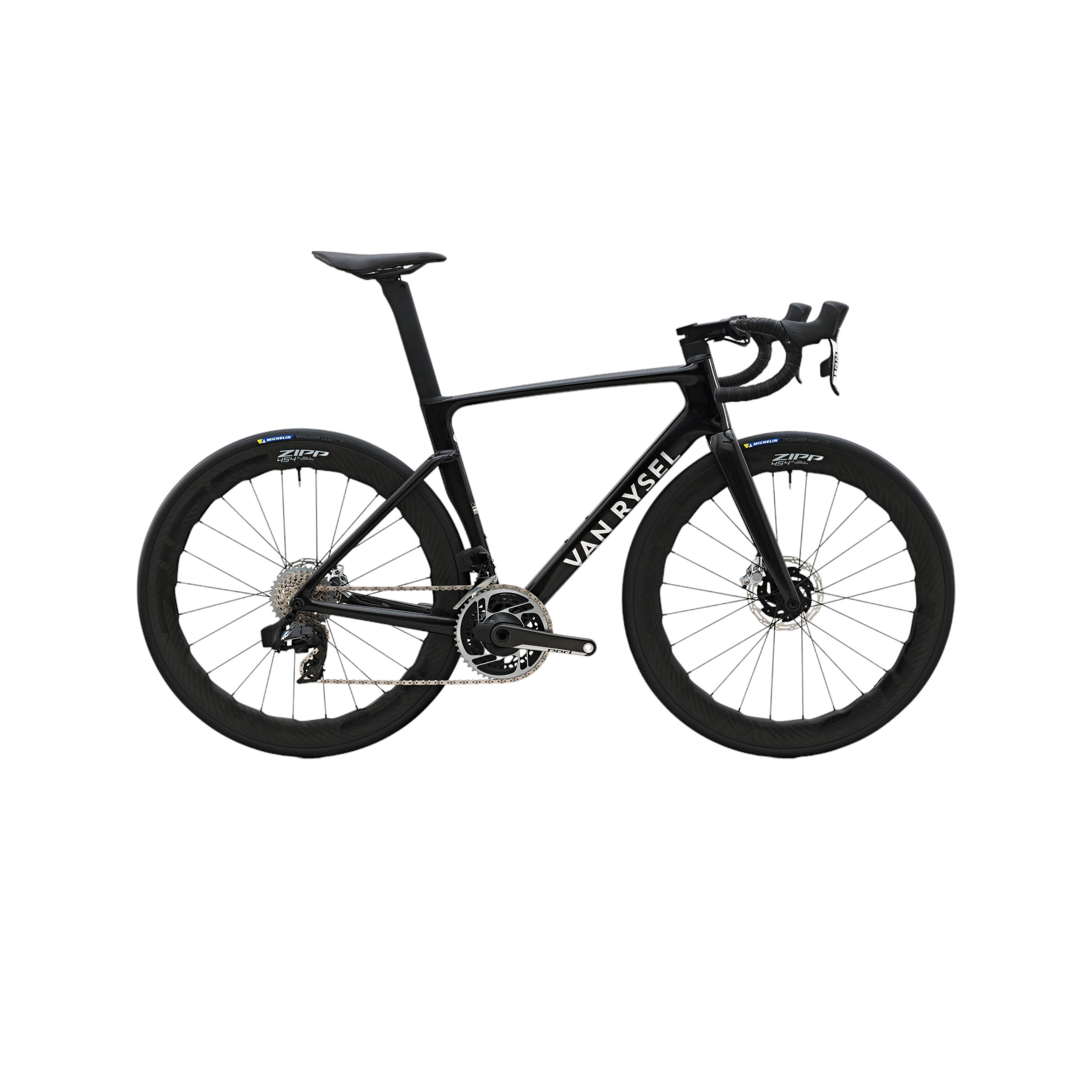
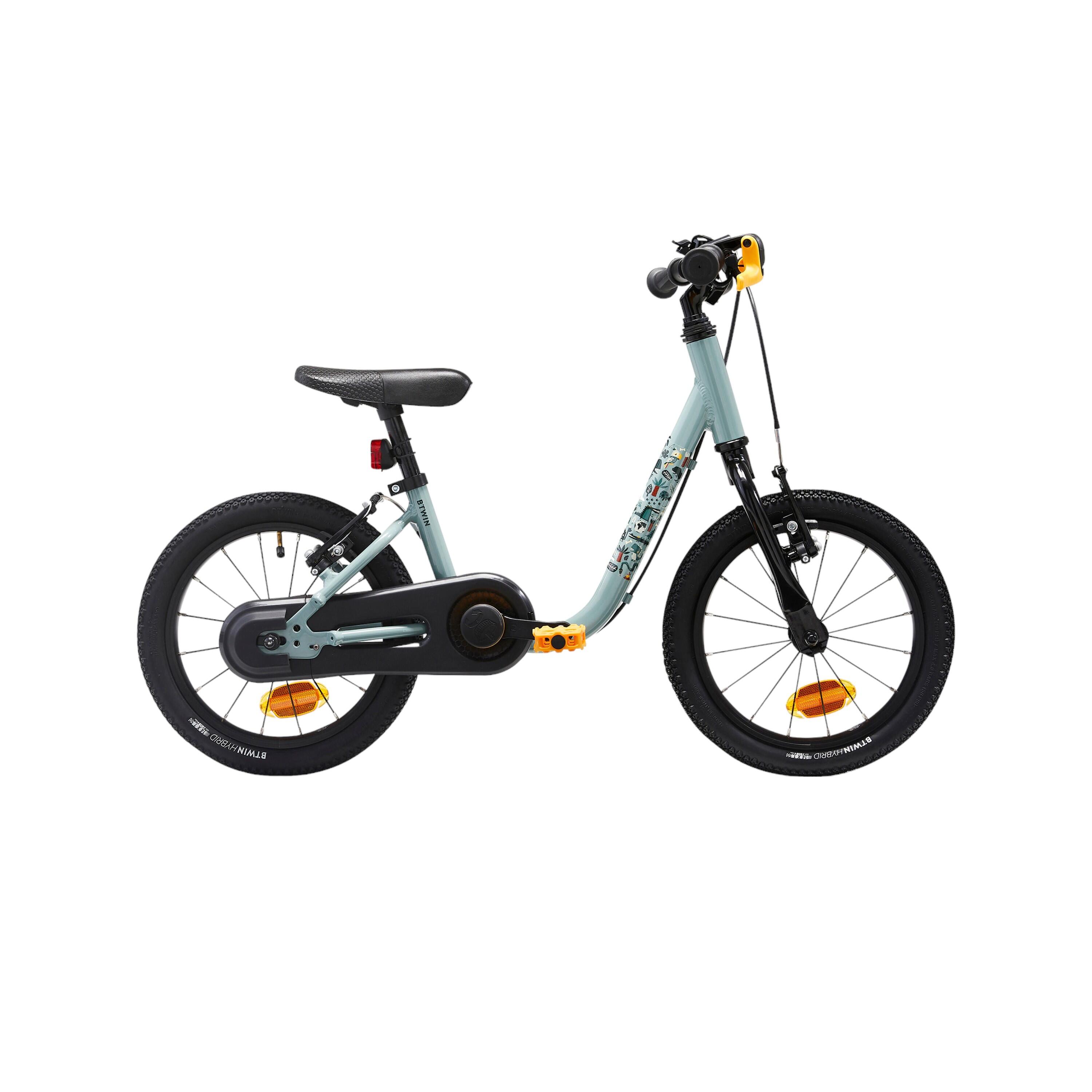
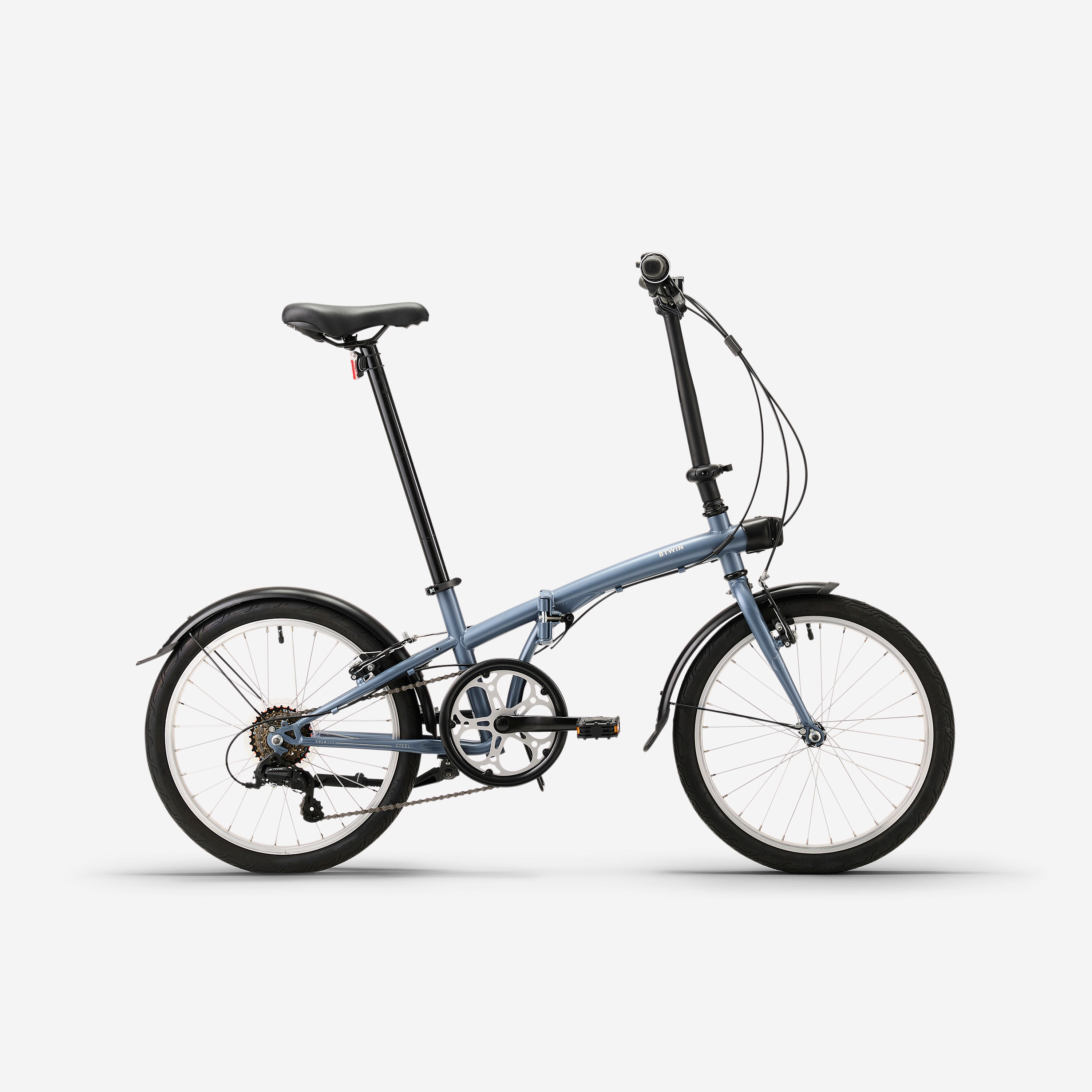
Start with where you ride most often, how far you travel and whether comfort, speed, off-road control or compact storage matters most. Mountain bikes suit rougher tracks, hybrids work well across roads and lighter trails, and folding models can make mixed bike-and-public-transport journeys easier. Comparing the different formats within the wider bikes range can help you understand how frame geometry, tyre width, suspension and riding position change between disciplines. Frame size should match your height and reach rather than being chosen from wheel size alone. Pro tip: base your decision on the route you ride every week, not the most demanding journey you might make occasionally. A bike that matches your normal surface and distance will usually be easier to control and more comfortable to use regularly.

When is a touring mountain bike a good choice for men?

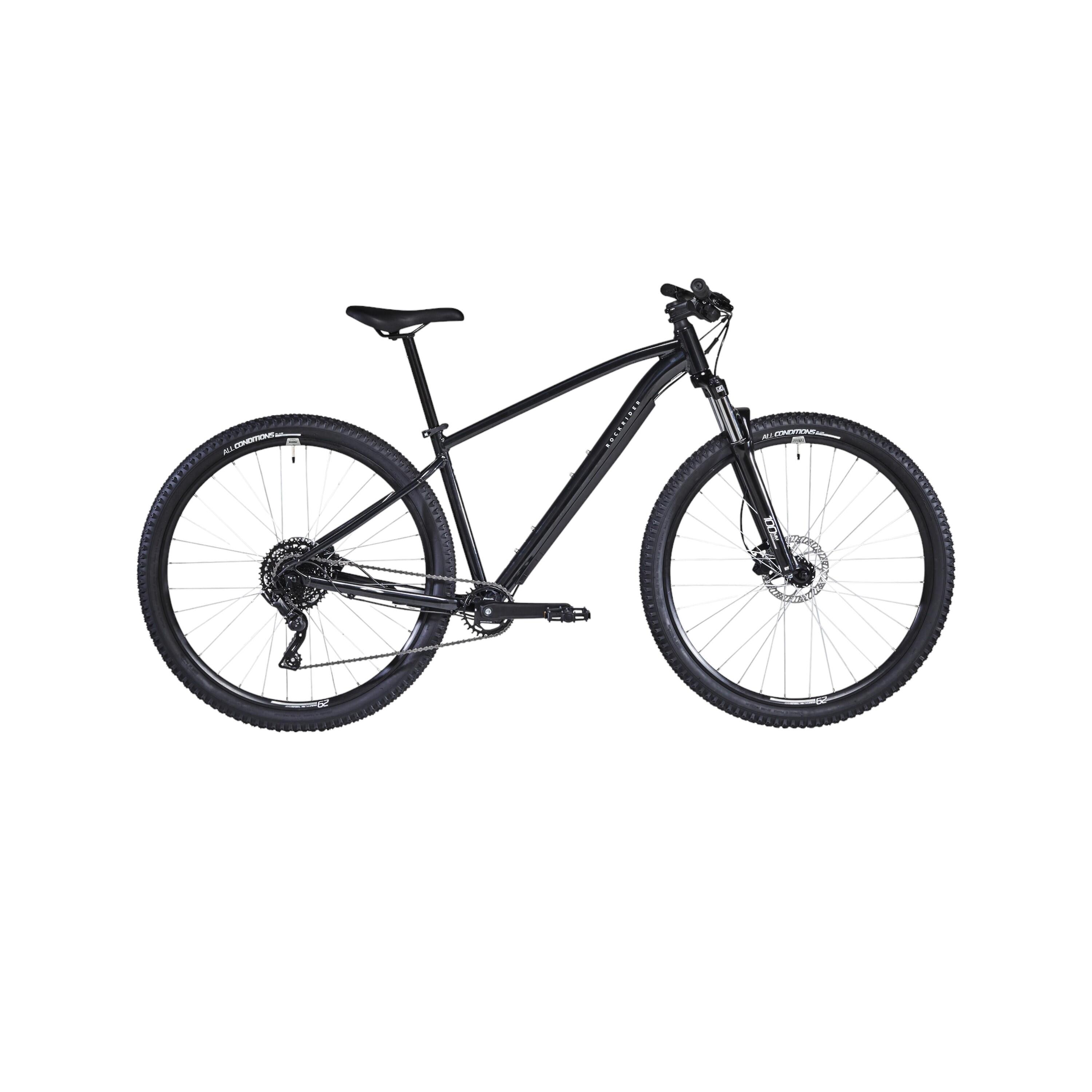
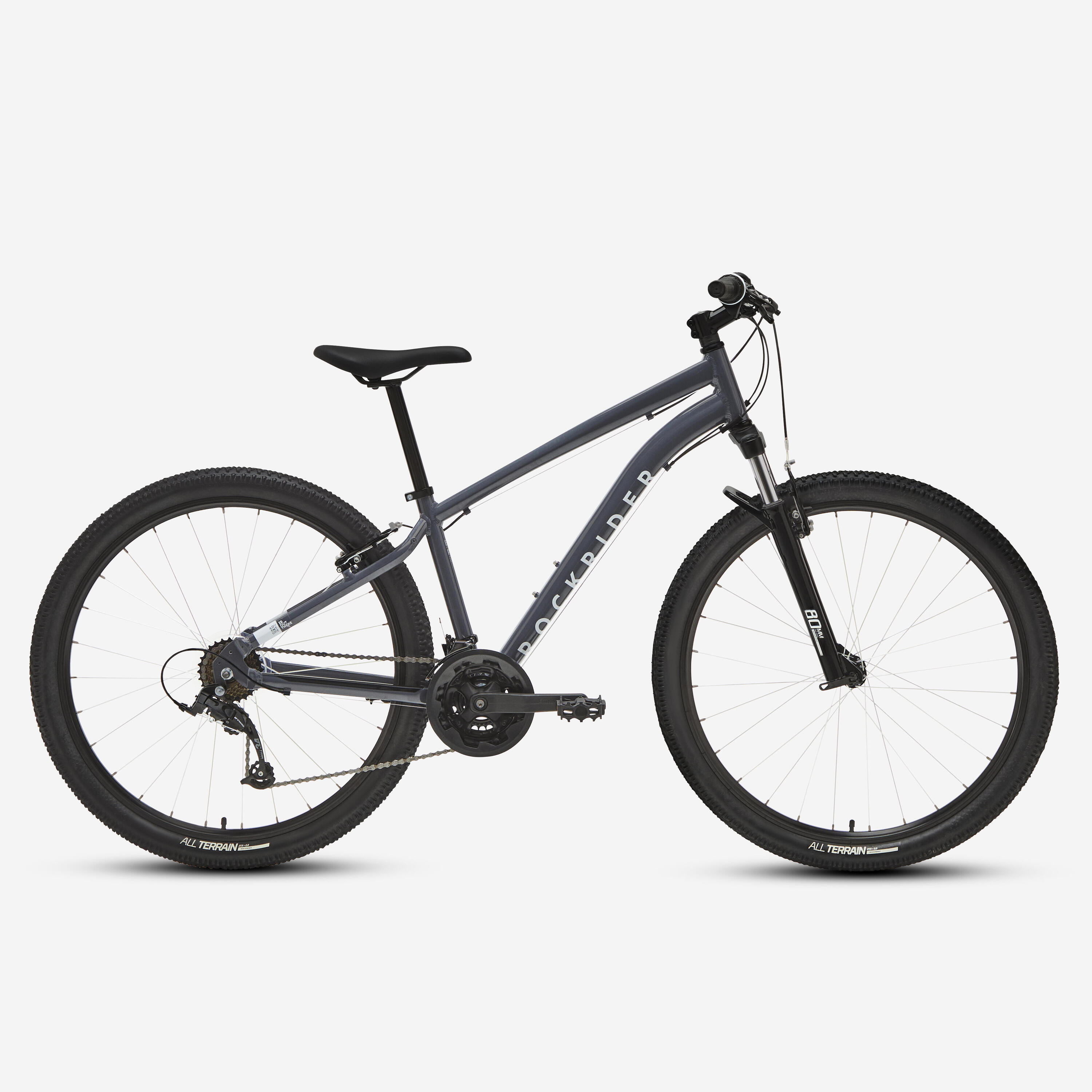
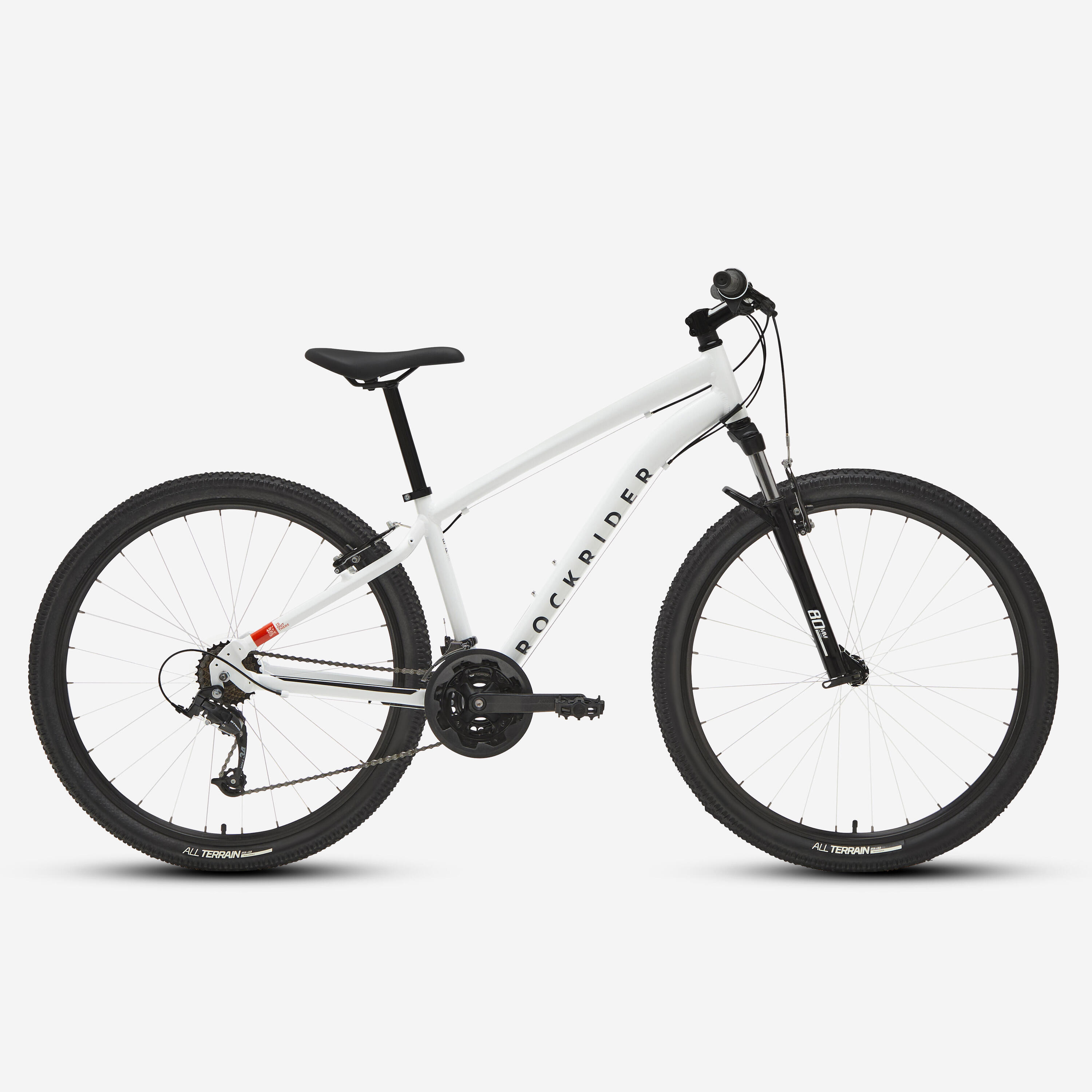
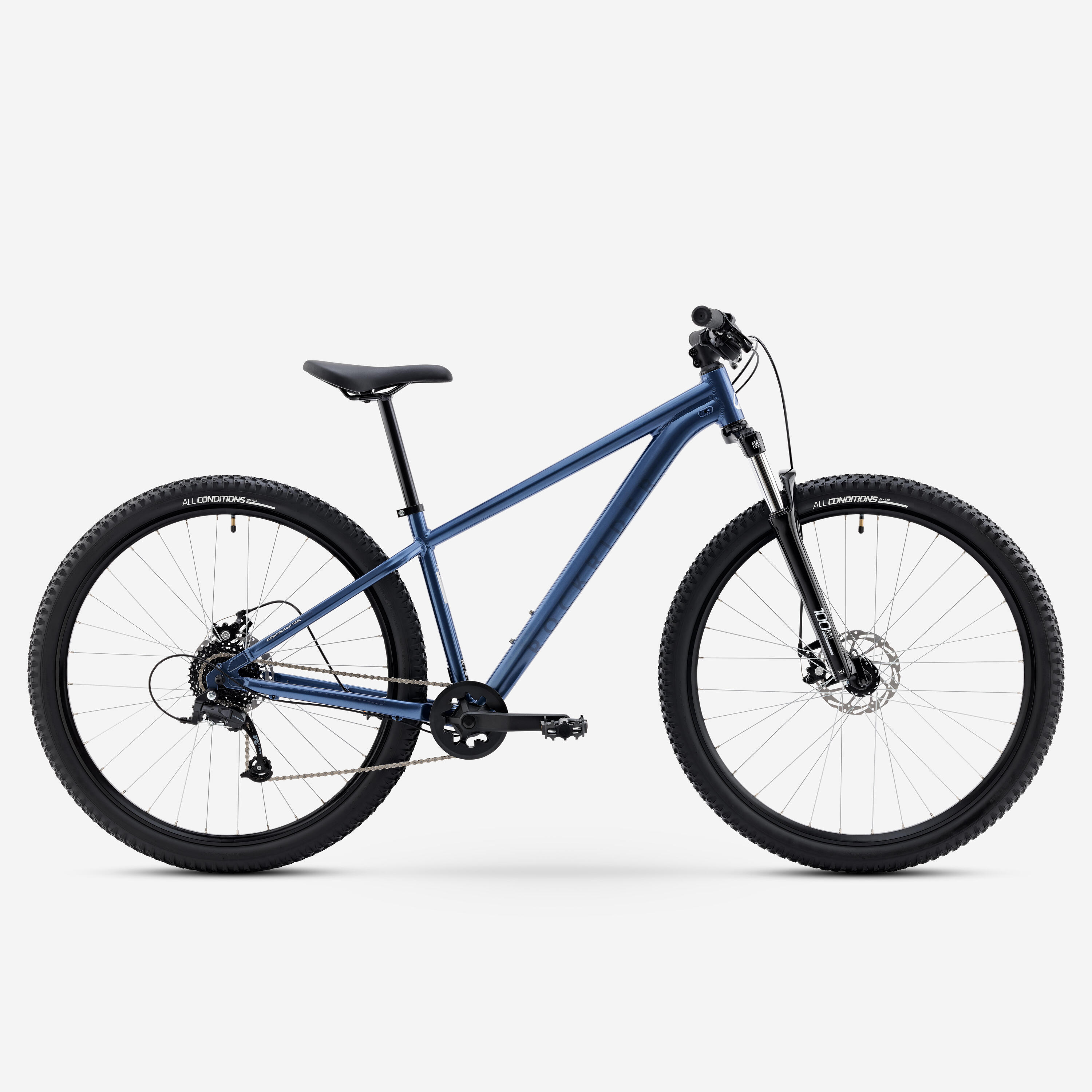
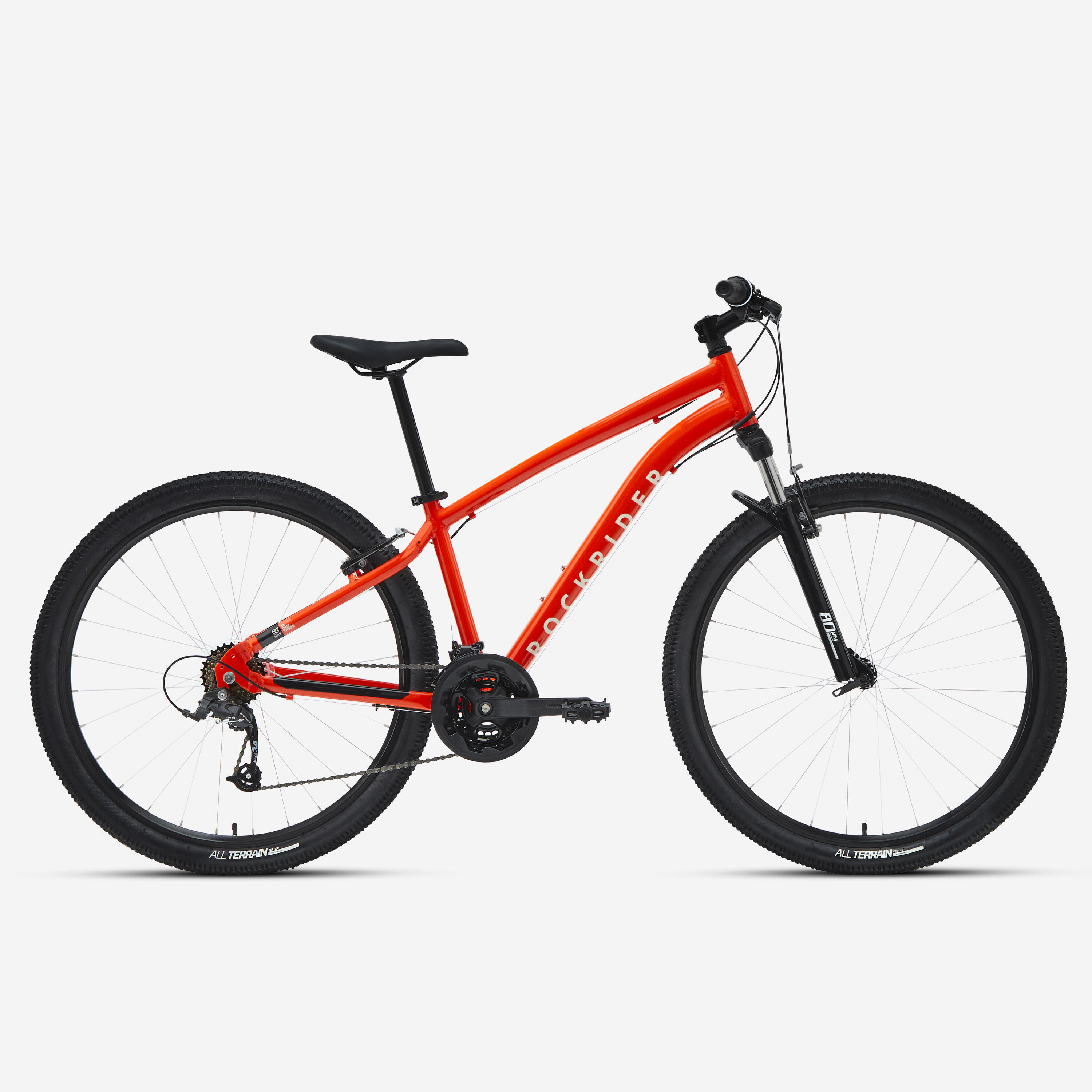
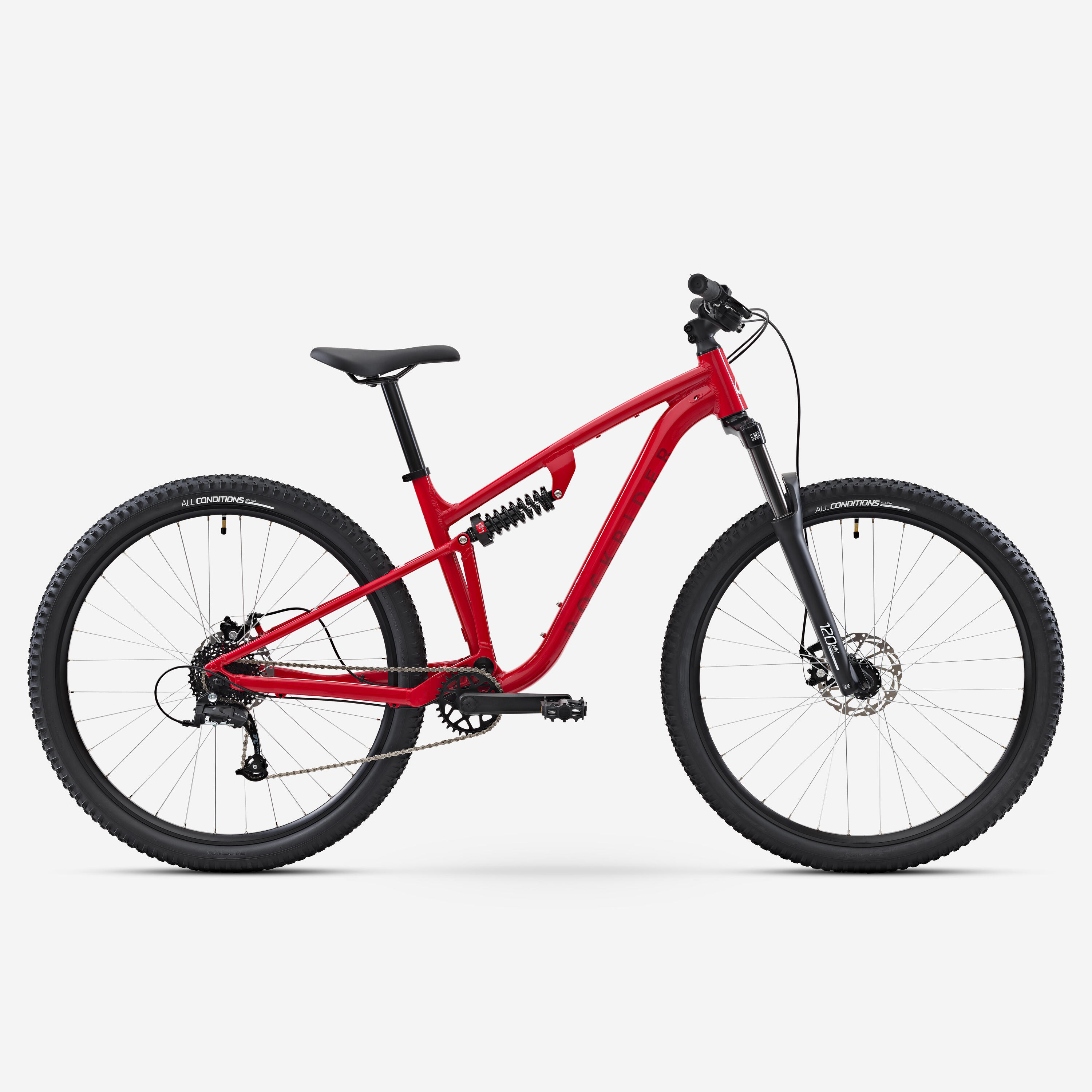
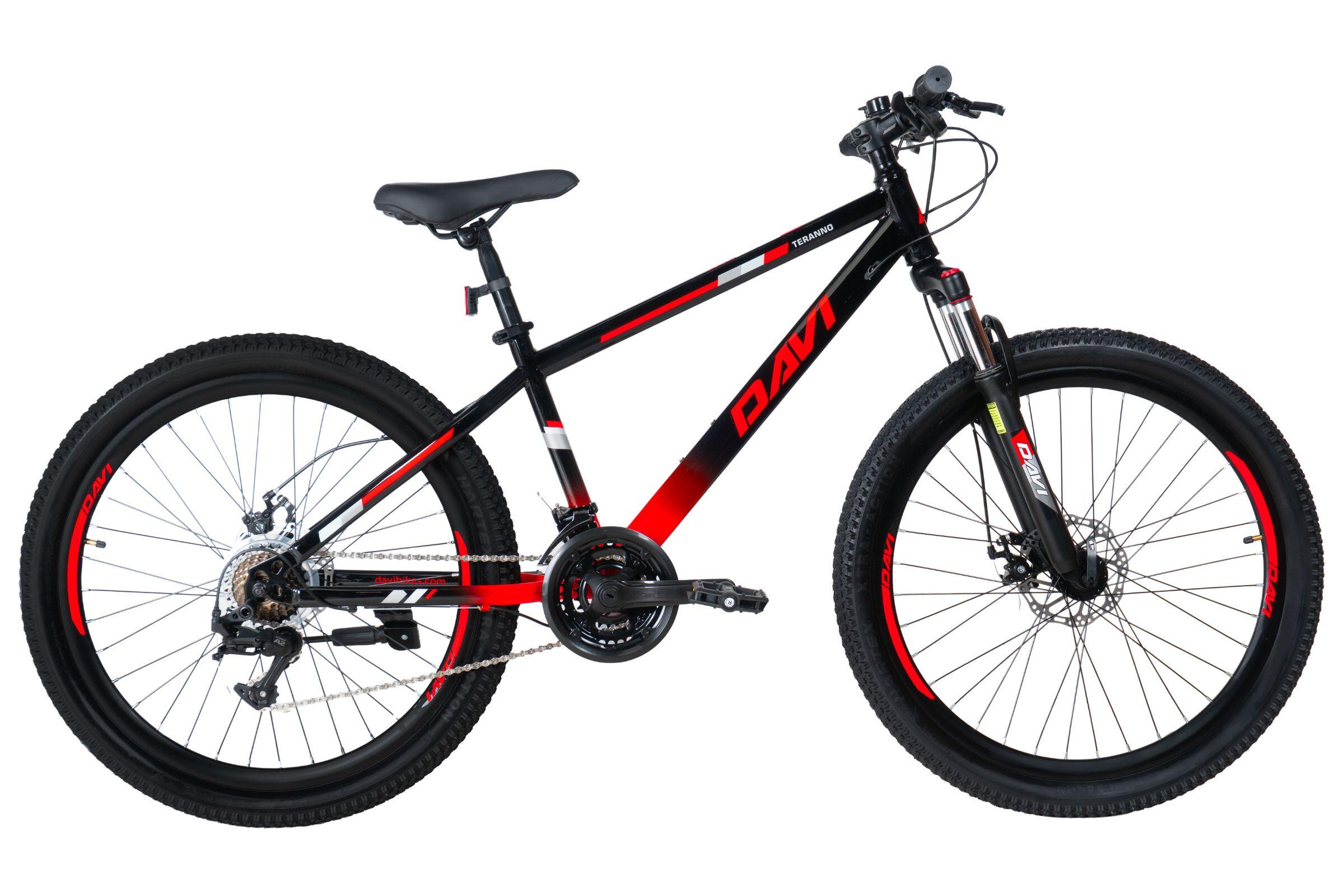
A men's touring mountain bike can suit riders starting out on recreational trails, forest tracks and mixed off-road routes where stability and straightforward control are priorities. Look at the riding position, tyre tread, suspension travel and gearing rather than assuming every mountain bike suits the same terrain. A more upright position can feel reassuring for newer riders, while front suspension helps absorb repeated bumps through the handlebars. Tyres with a quicker-rolling centre and more pronounced side tread can balance easier forward movement with extra grip when cornering. Pro tip: stay within the bike's stated use. An introductory touring MTB should not automatically be treated as equipment for aggressive downhill, enduro, BMX or demanding cross-country riding simply because it has mountain-bike styling.

What is essential that you look for in a hardtail aluminium frame mountain bike?

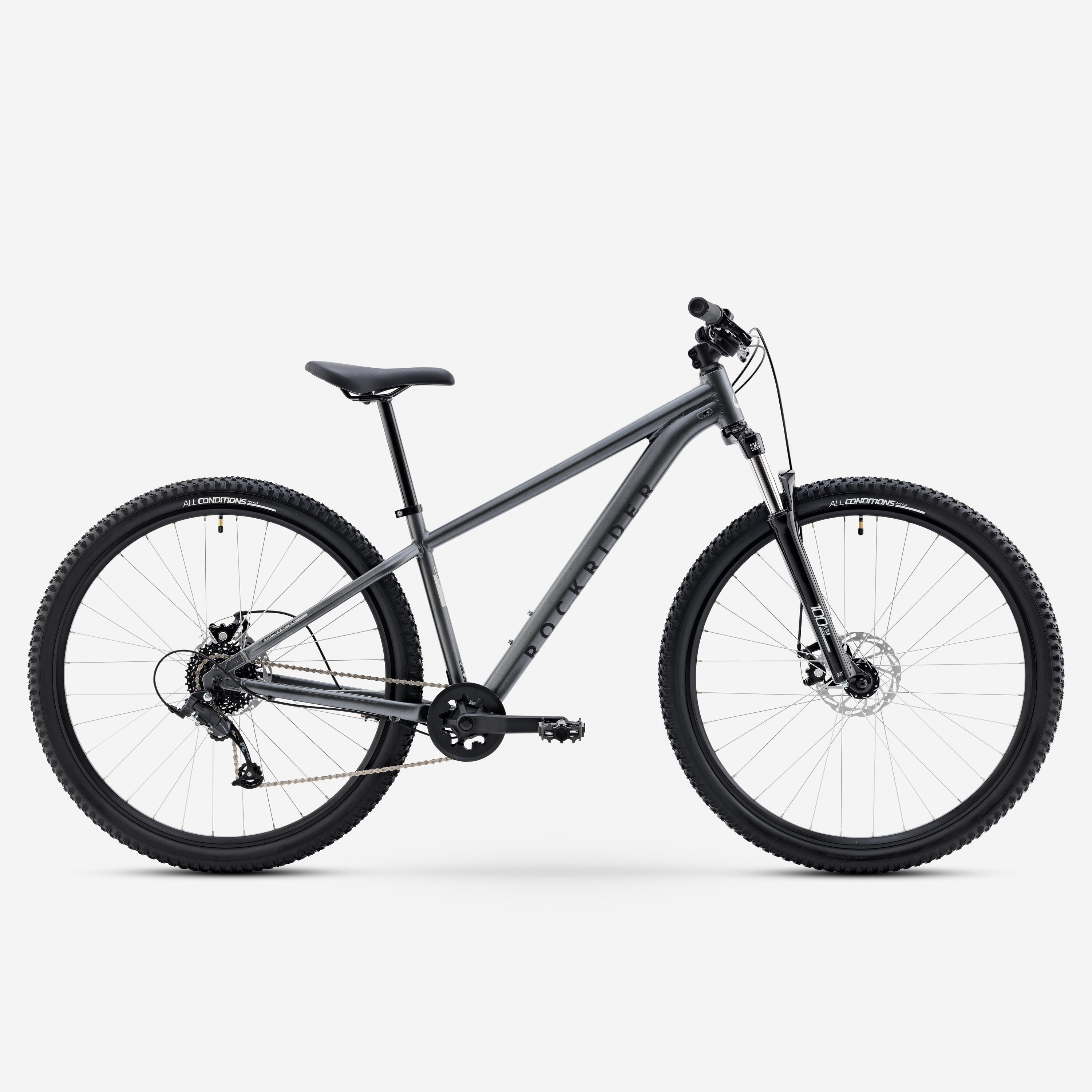
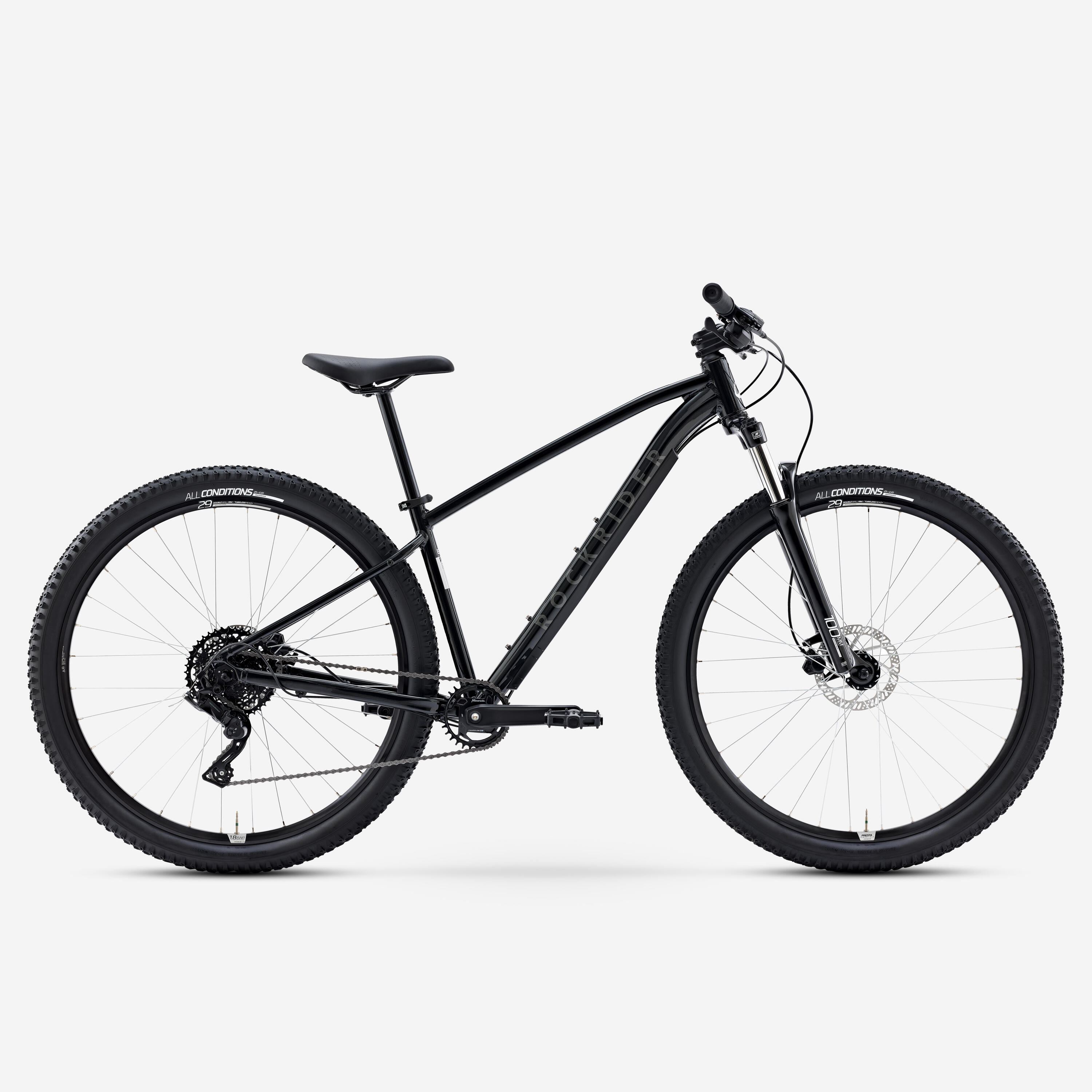
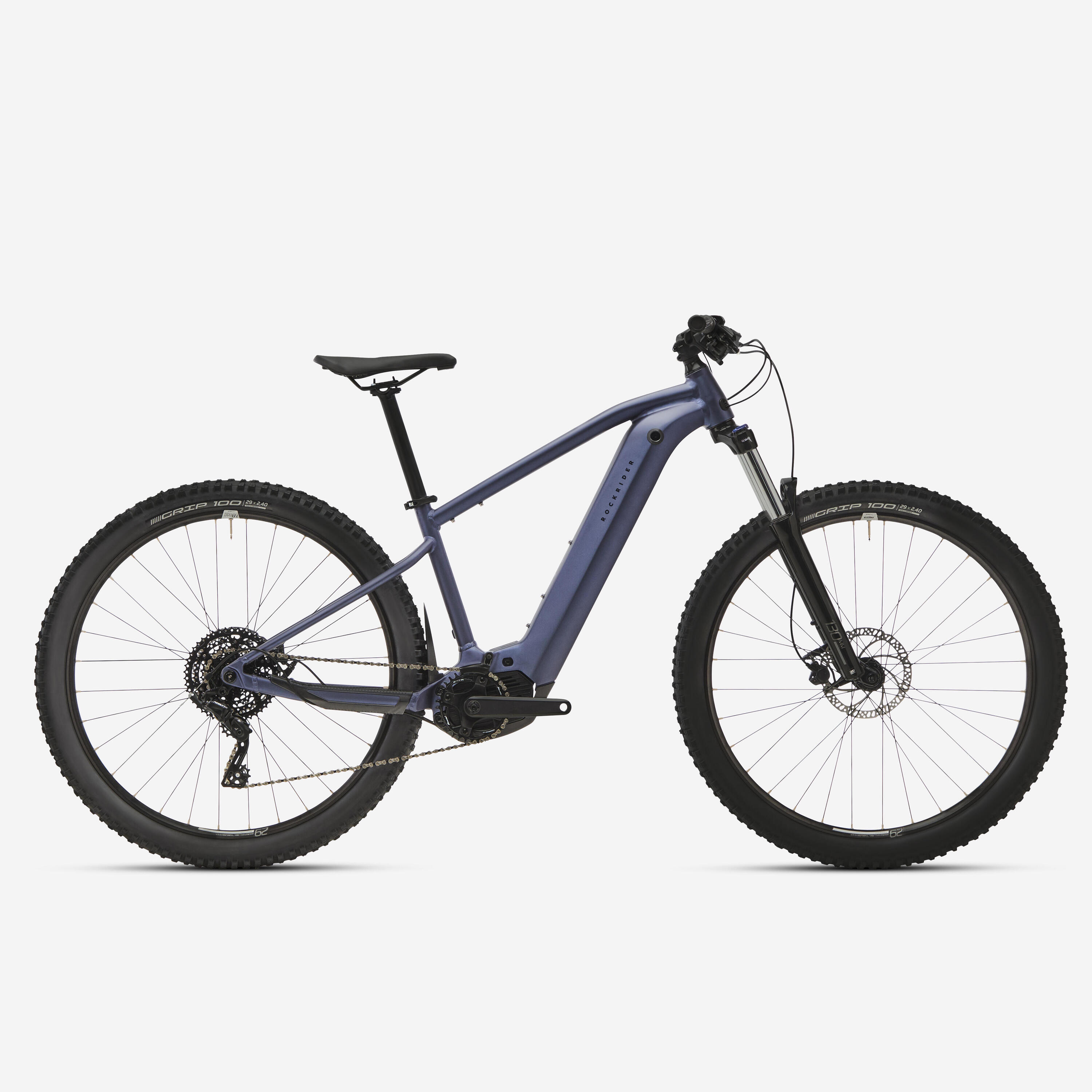
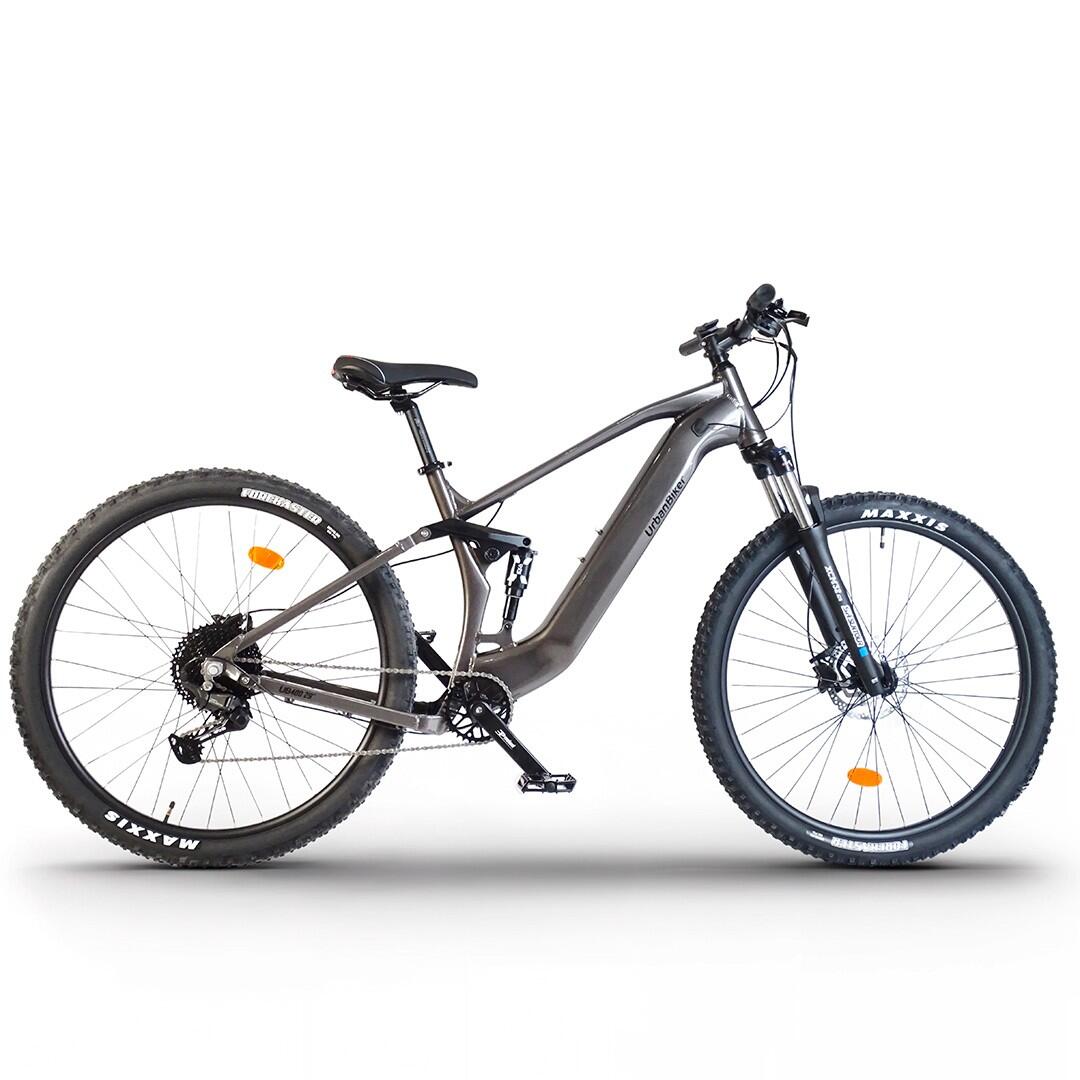
Hardtail bikes use front suspension without rear suspension, which keeps the frame simpler while still giving the front wheel some movement over roots, stones and uneven ground. When comparing geometry and components, think about wheel size, fork travel, drivetrain range and whether the frame leaves room for later upgrades. A model such as a 29-inch hardtail aluminium frame touring MTB can appeal to riders who want larger wheels for maintaining momentum over rougher surfaces. Aluminium also offers a useful balance between strength and manageable bike weight. Pro tip: set your saddle height for efficient pedalling before adjusting anything else, and check tyre pressure for the surface you are riding. Excessively high pressure can reduce grip and comfort on rough tracks, while very low pressure increases the risk of tyre or rim problems.

Who might benefit from a low frame hybrid bike?

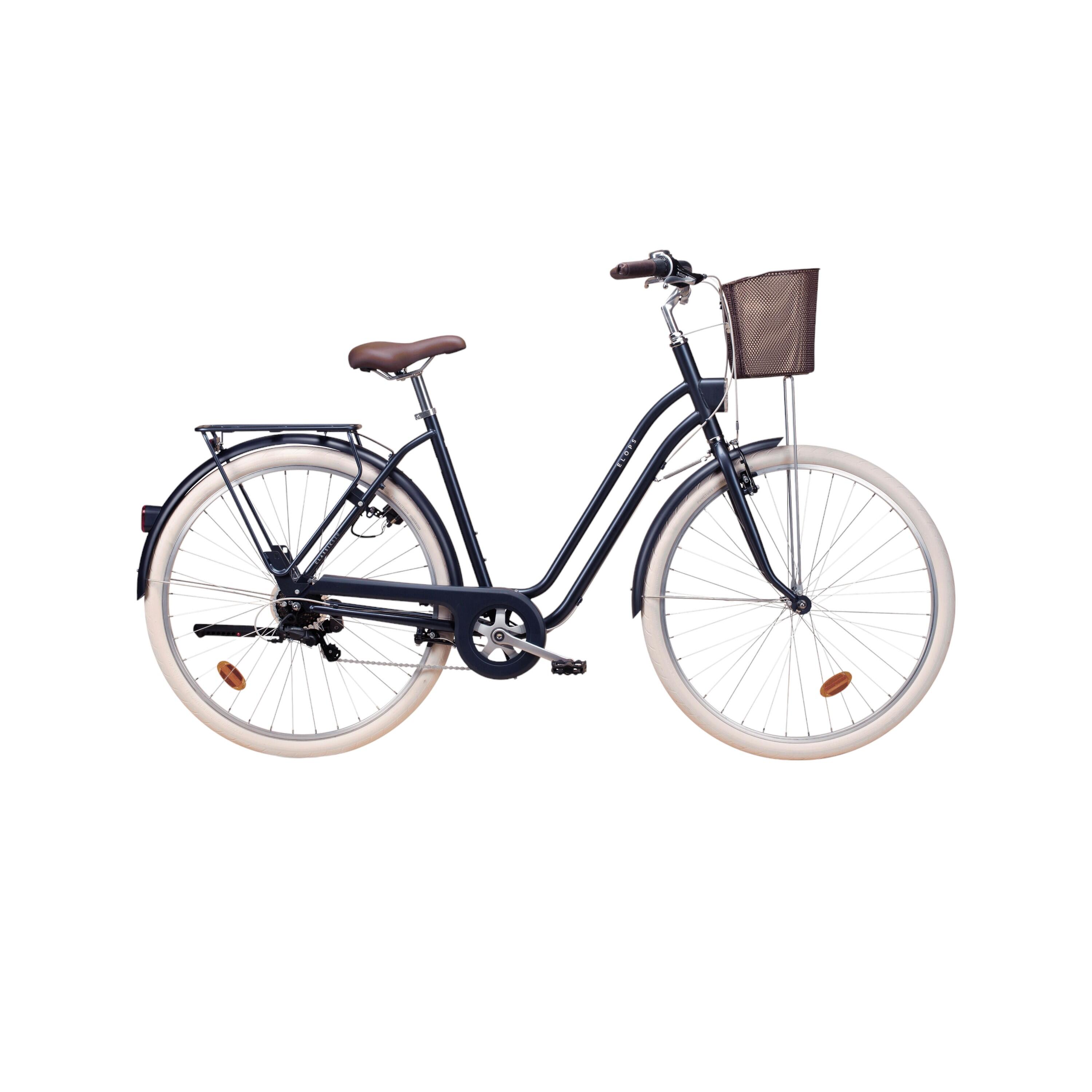
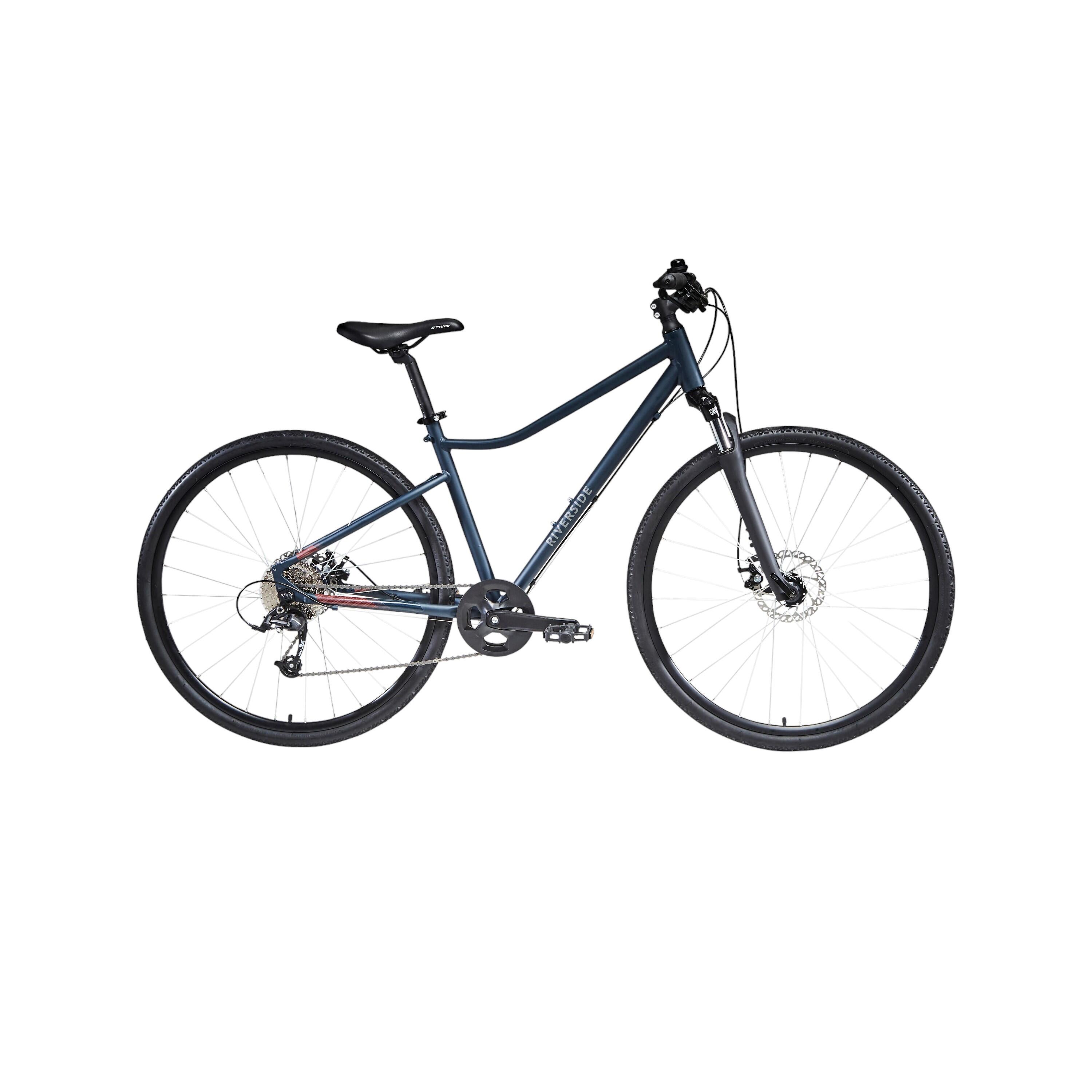
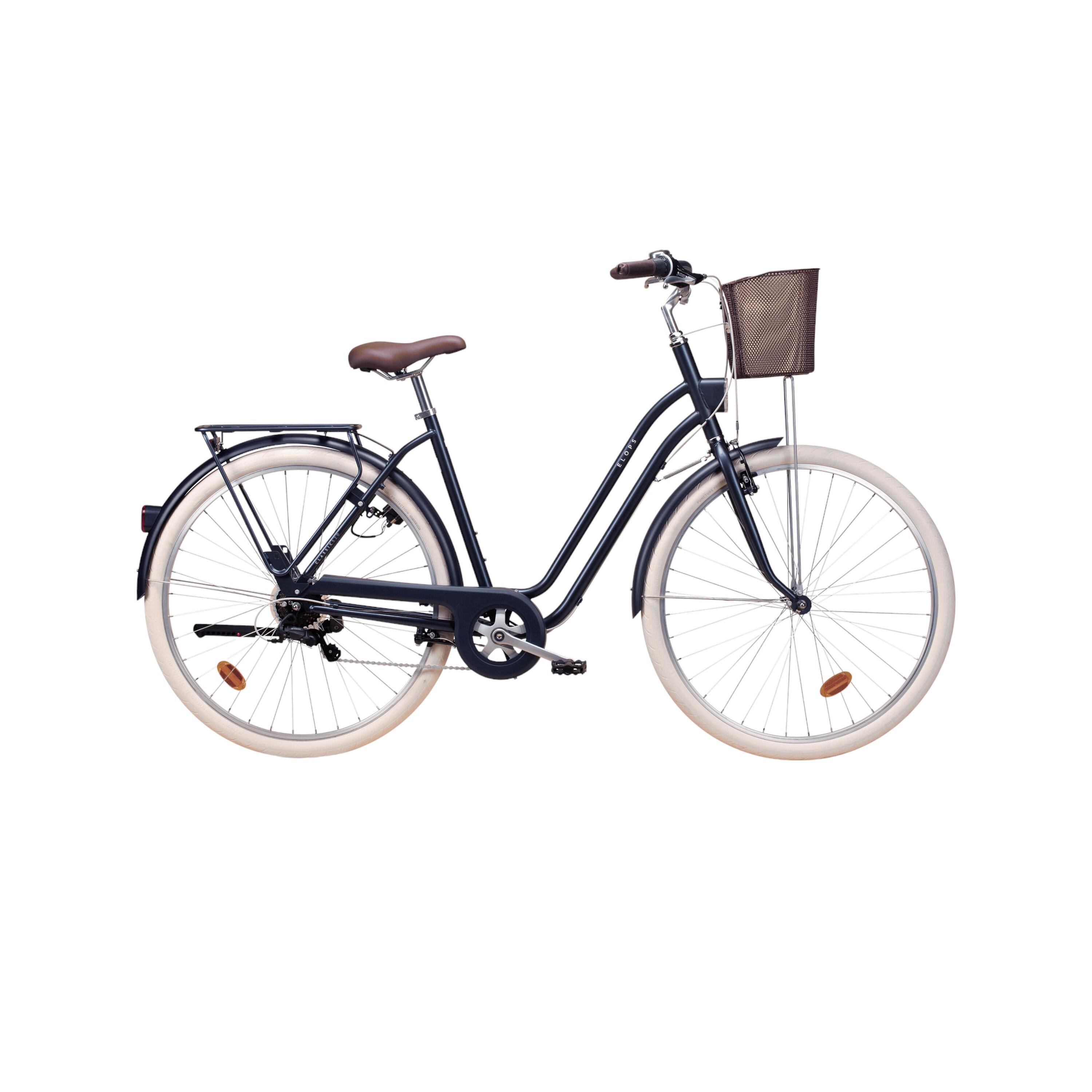
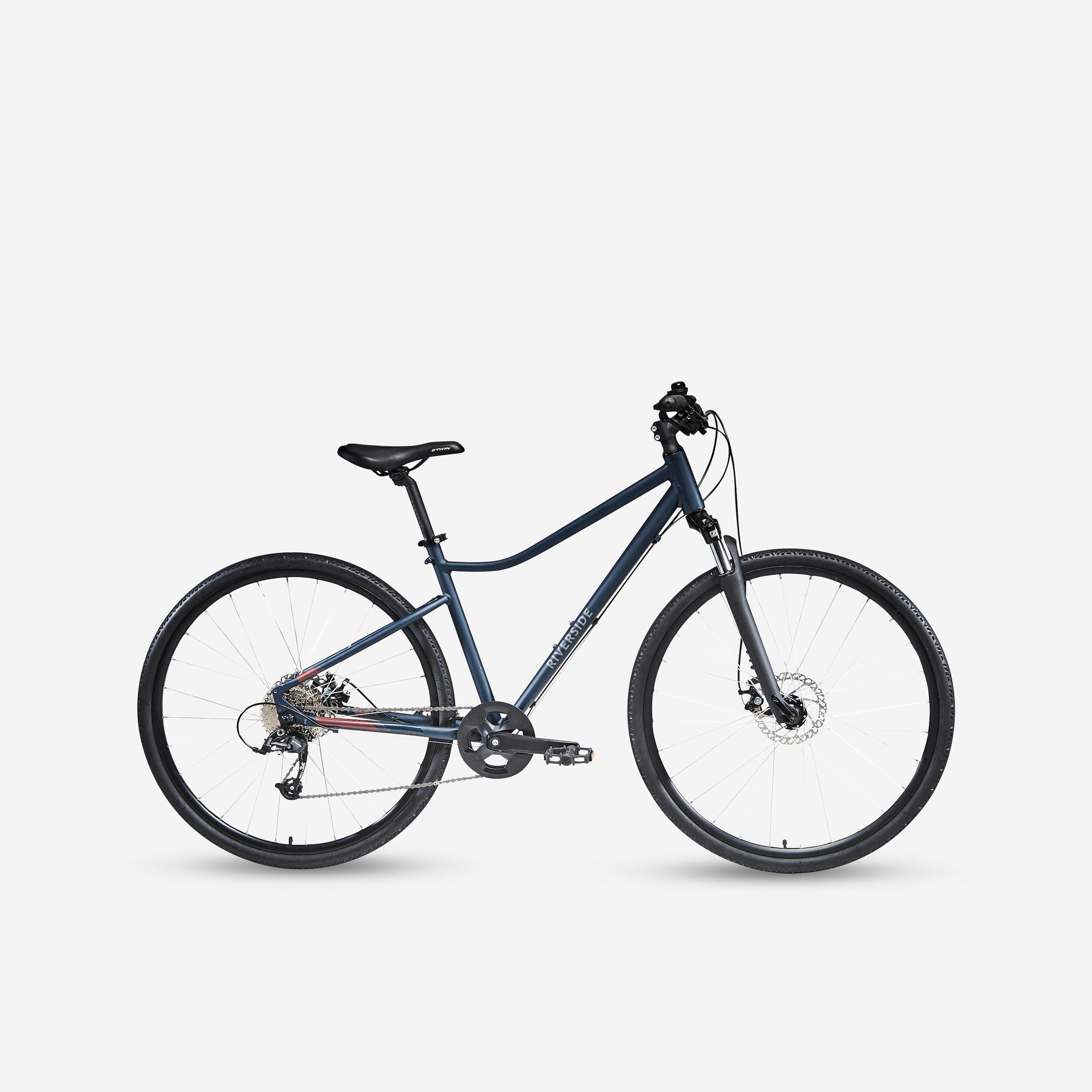
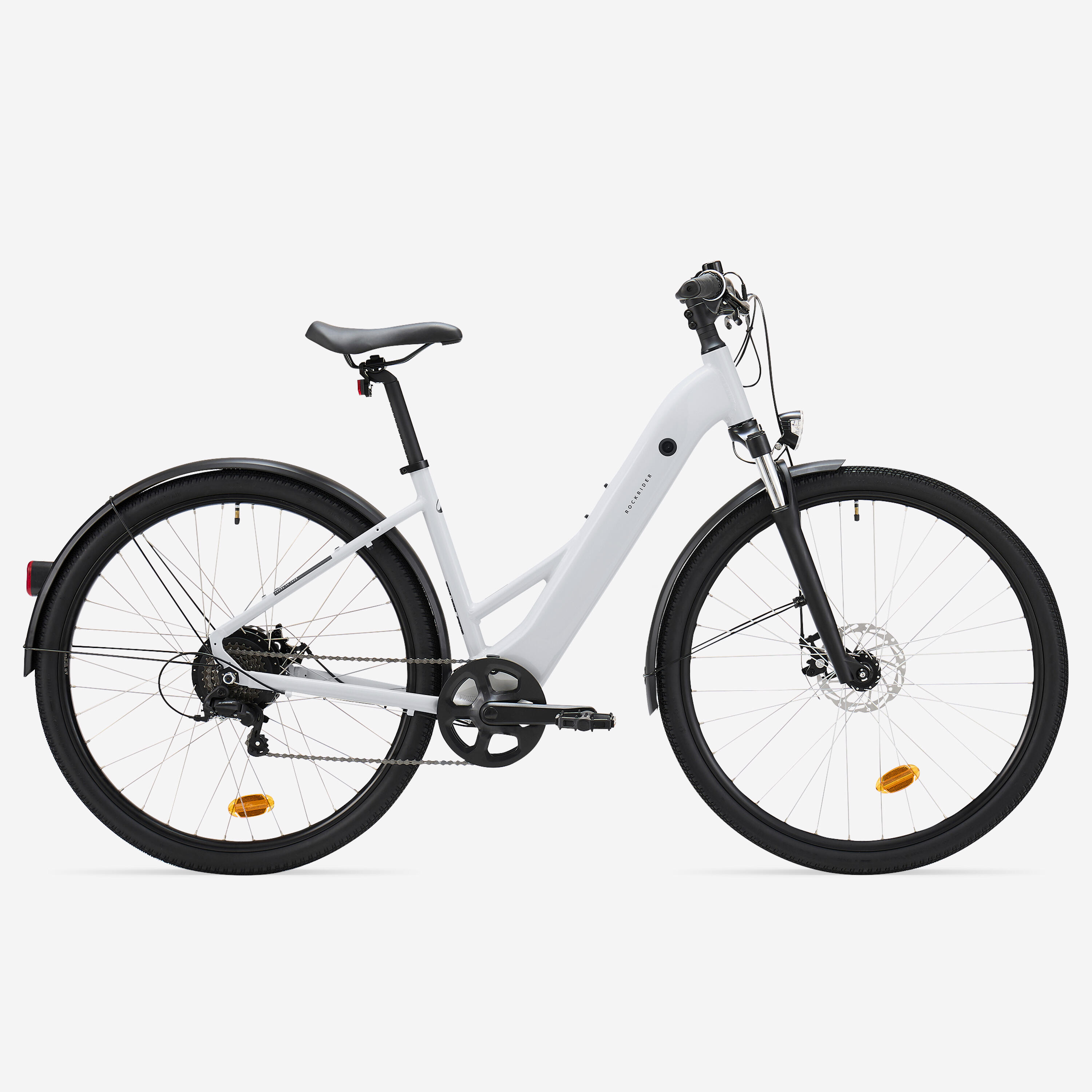
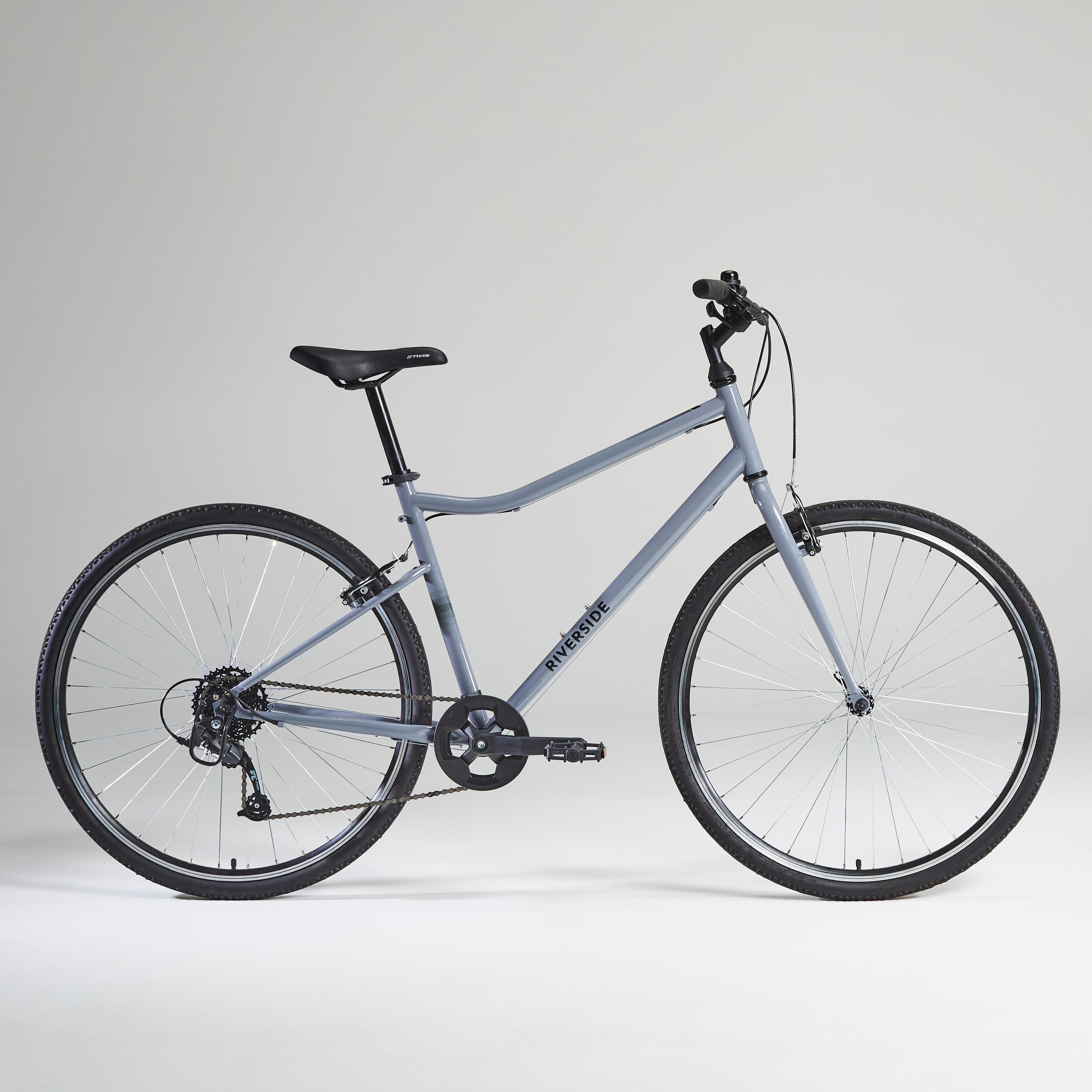
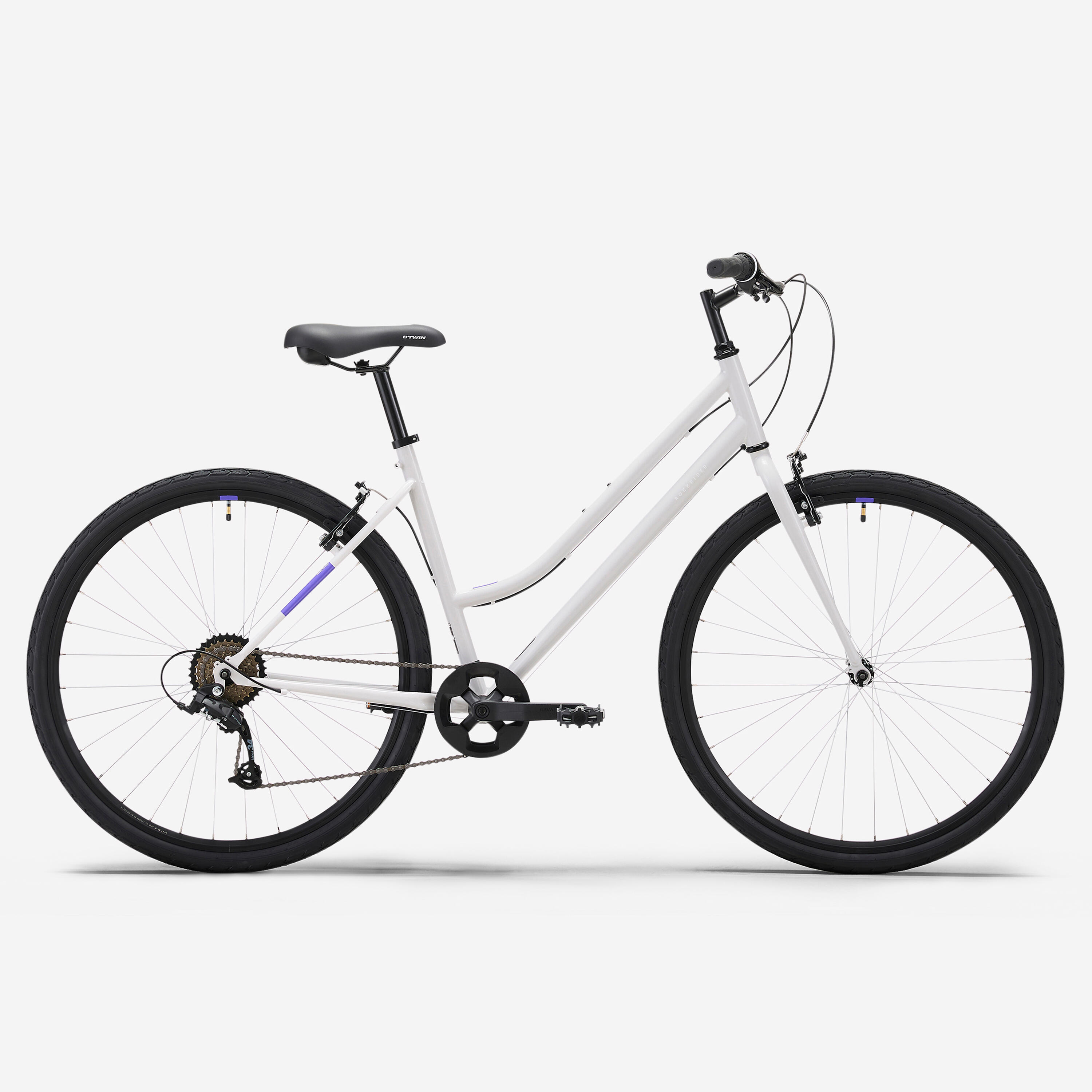
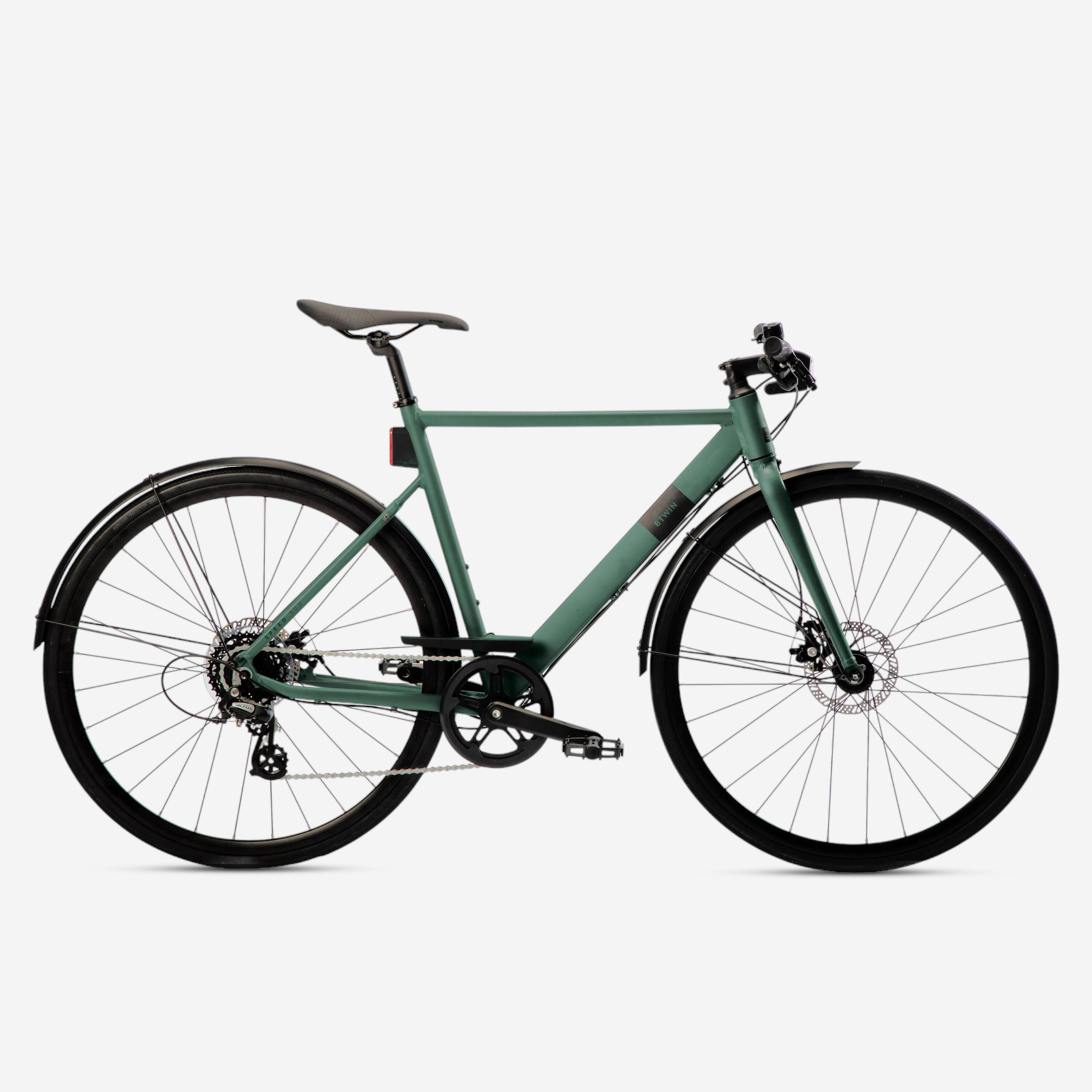
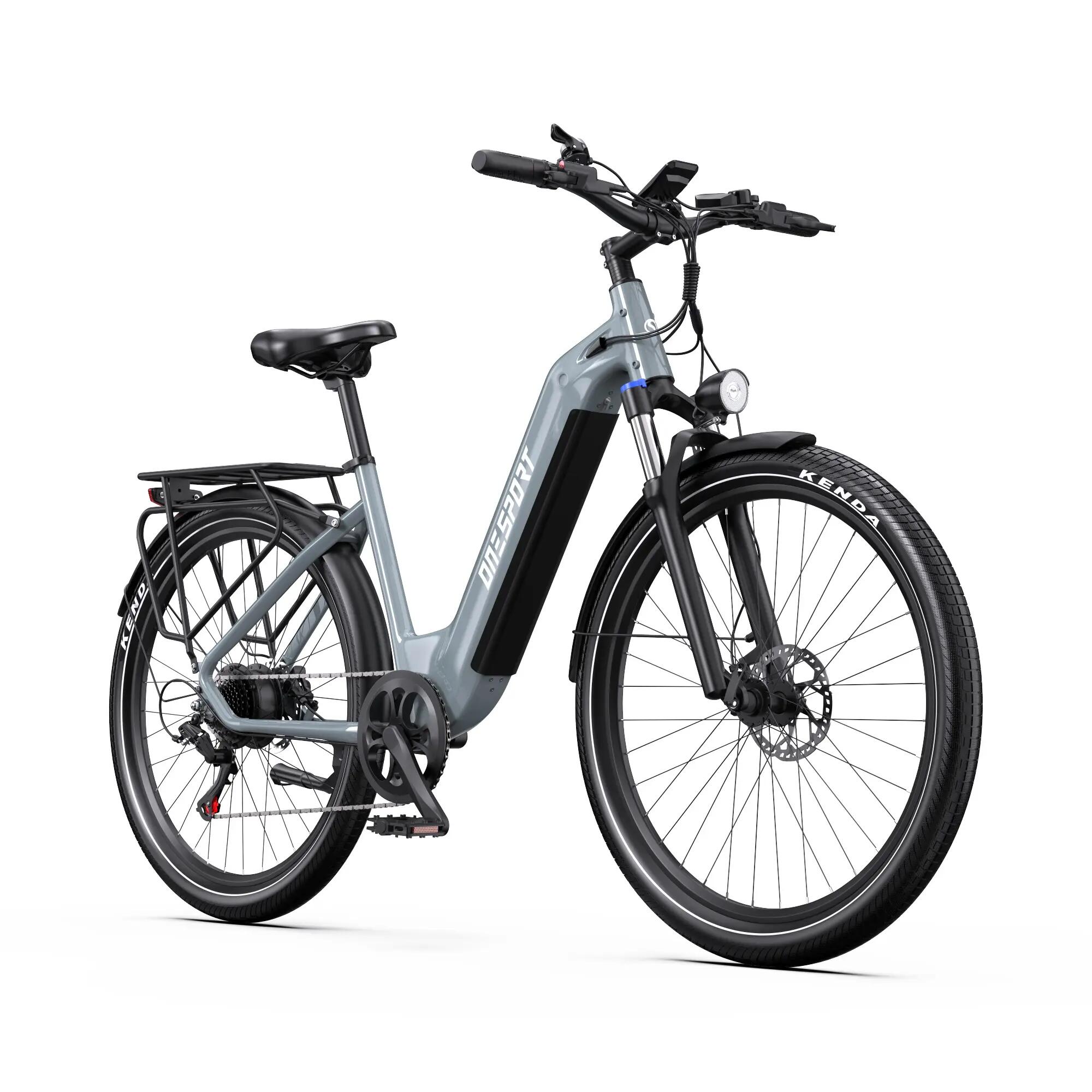
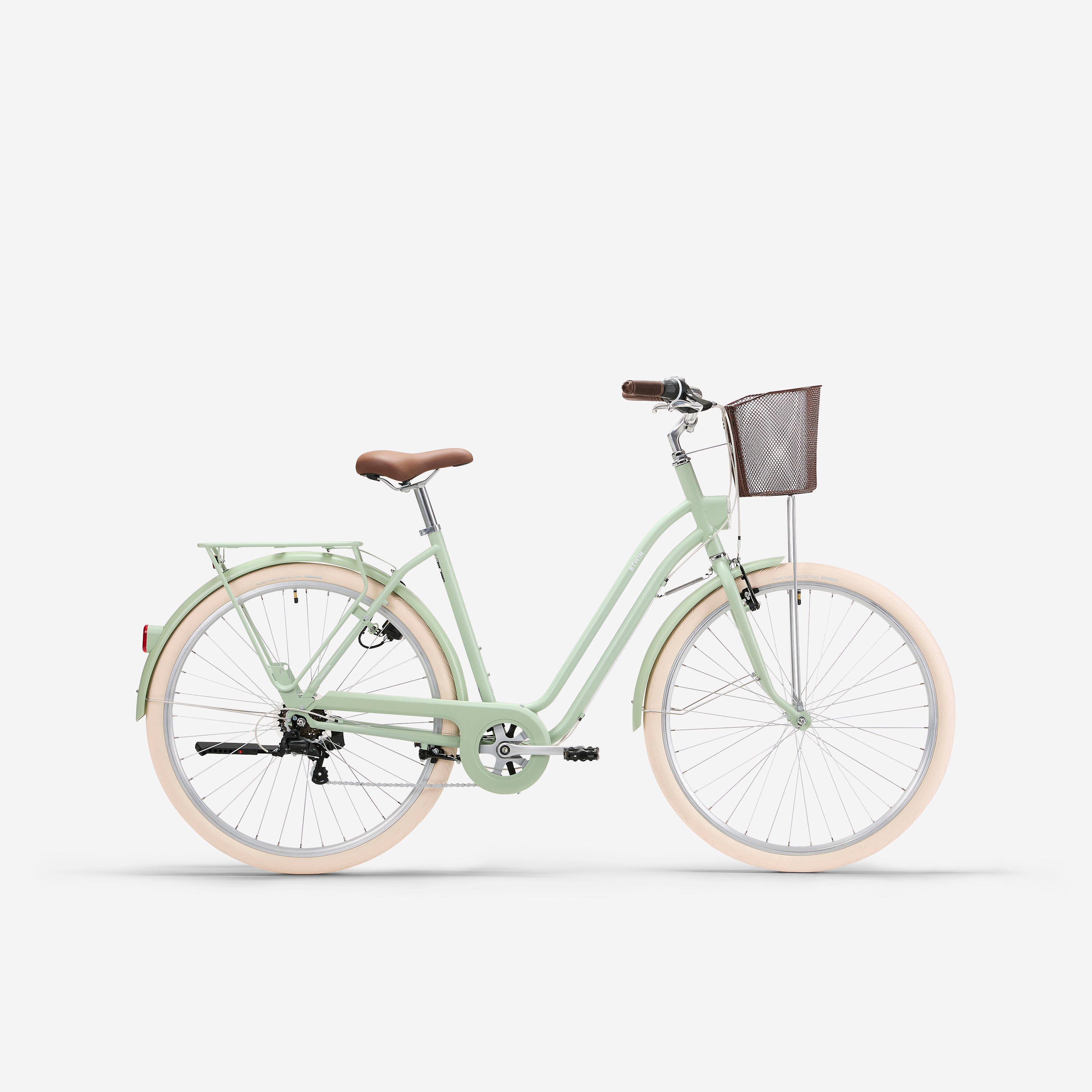
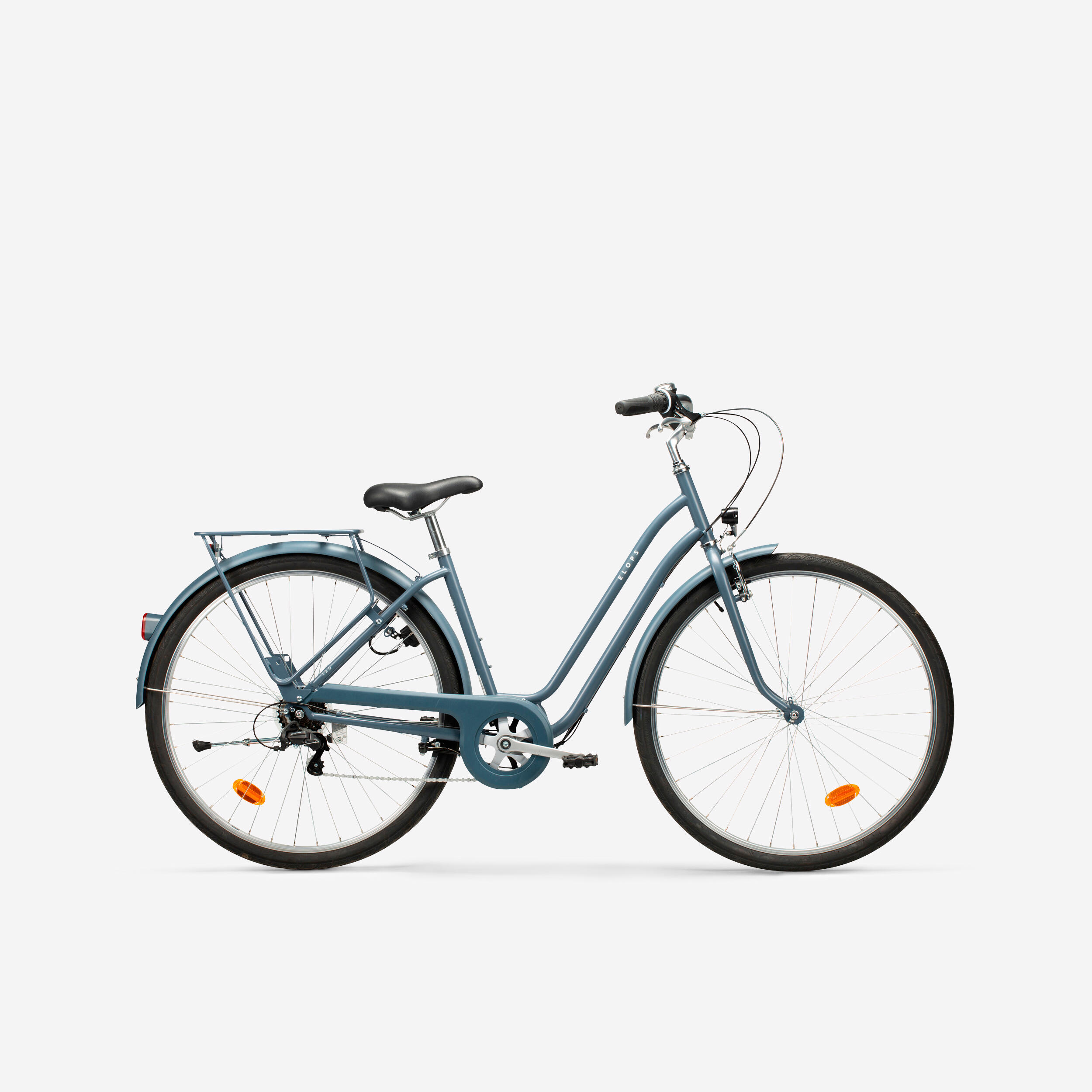
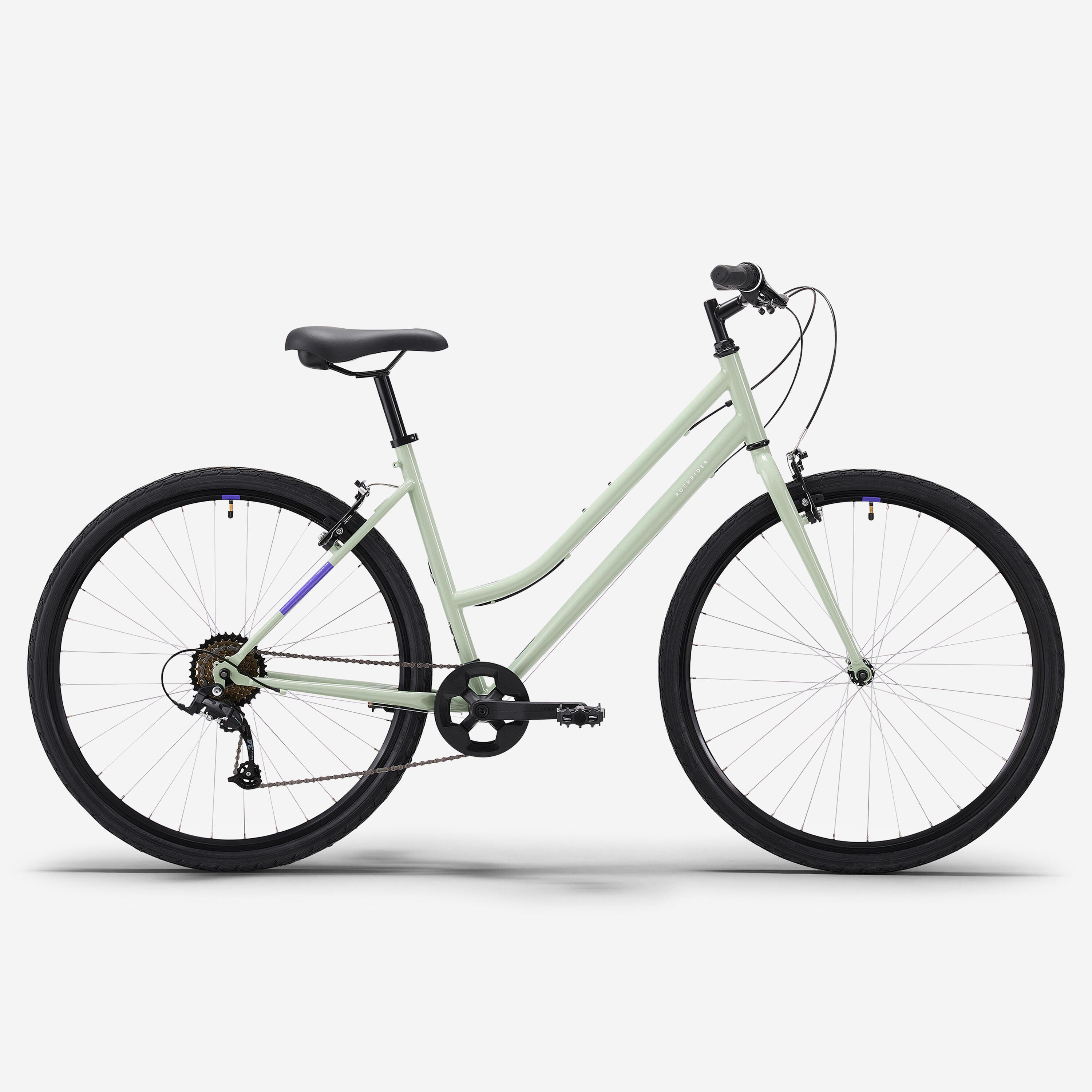
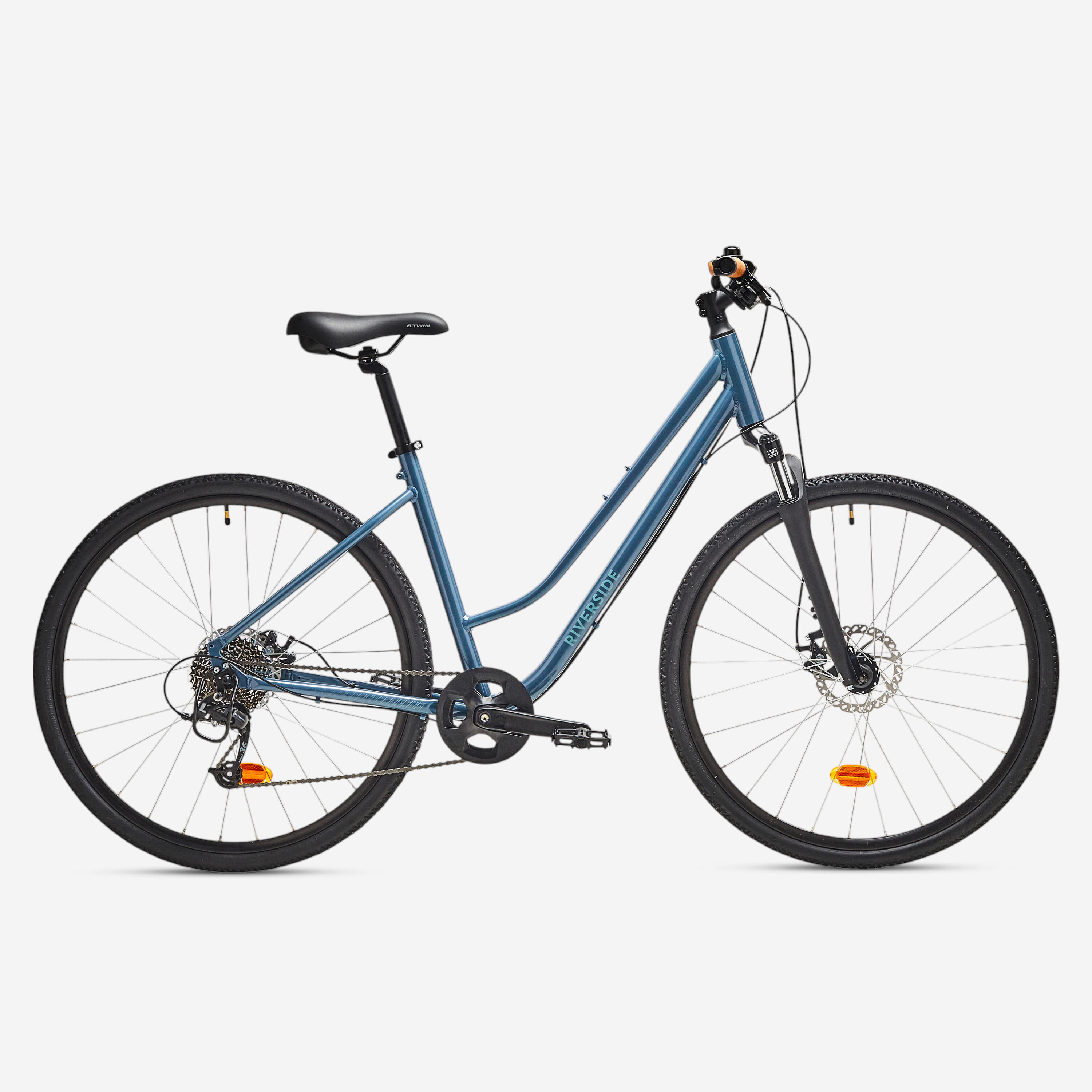
If getting on and off a standard high frame feels awkward, a low frame hybrid bike can make frequent mounting and stopping more straightforward. The lower step-over can also be practical when you are carrying luggage or using the bike for regular town journeys where you stop often. Hybrid geometry sits between a relaxed city position and a more sporting posture, making this type of bike useful for roads, cycle paths and lighter countryside routes. Check frame size, handlebar reach and saddle adjustment rather than treating the low frame as the only fit consideration. Pro tip: if you fall between two sizes, consider whether you value easier manoeuvring or a more extended riding position. Fit should let you steer confidently without stretching your shoulders or locking your elbows.
When does an electric folding bike make sense for everyday travel?

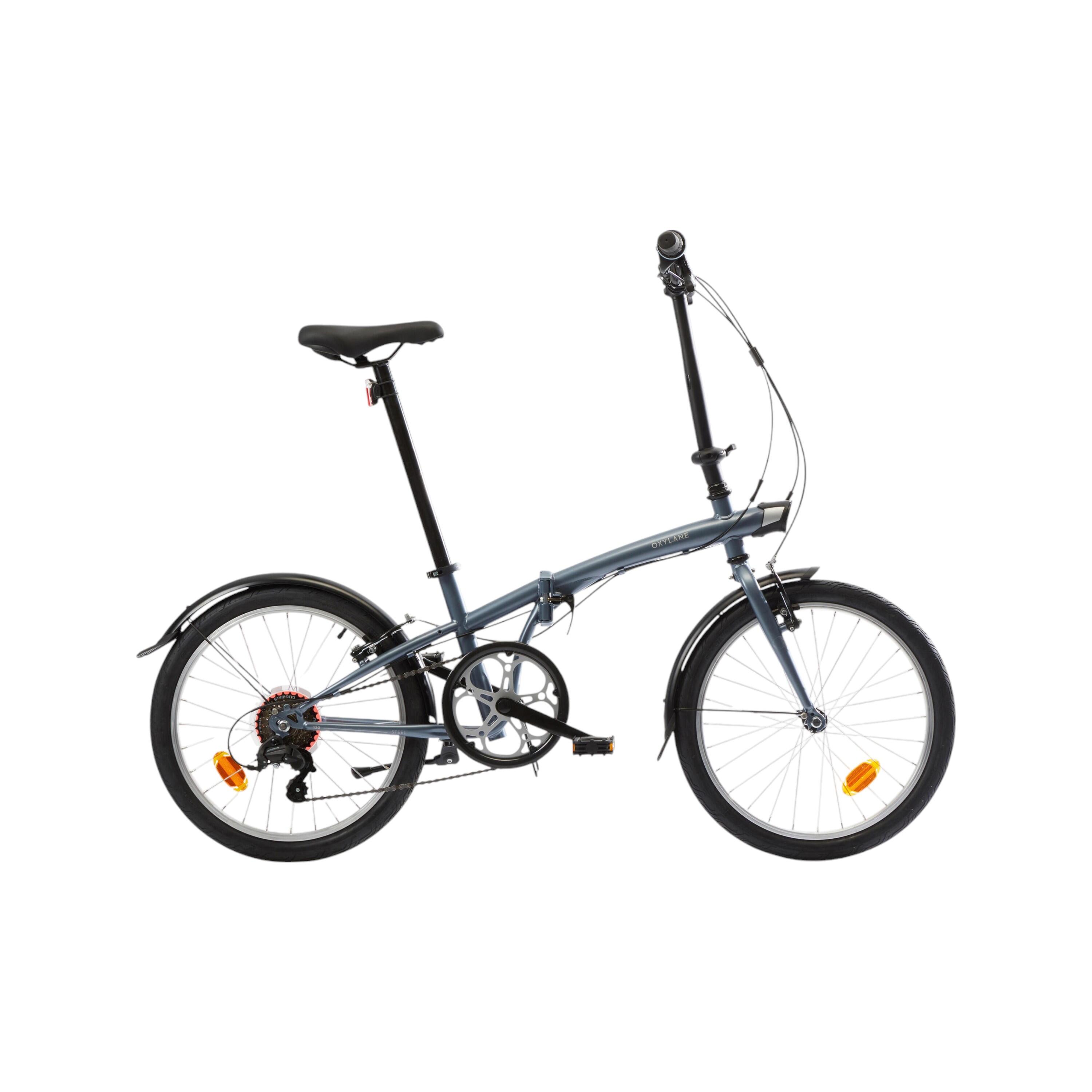
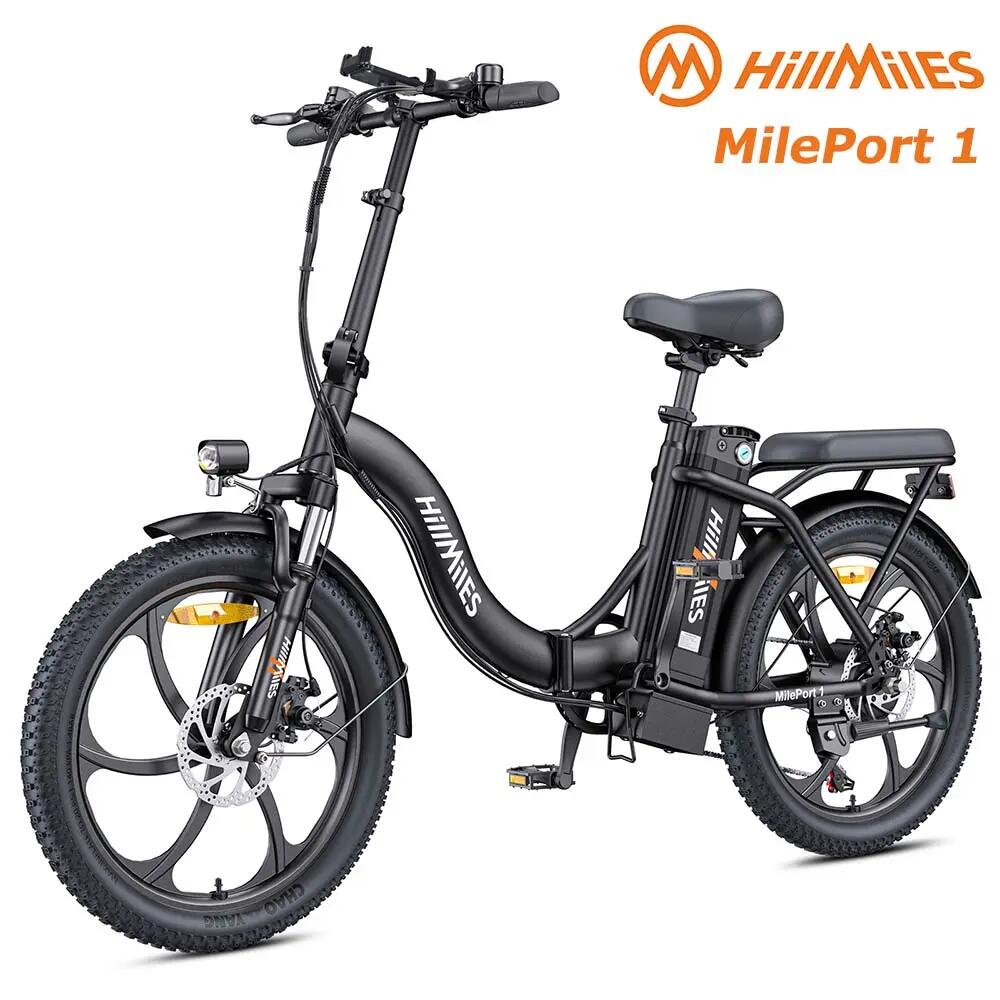
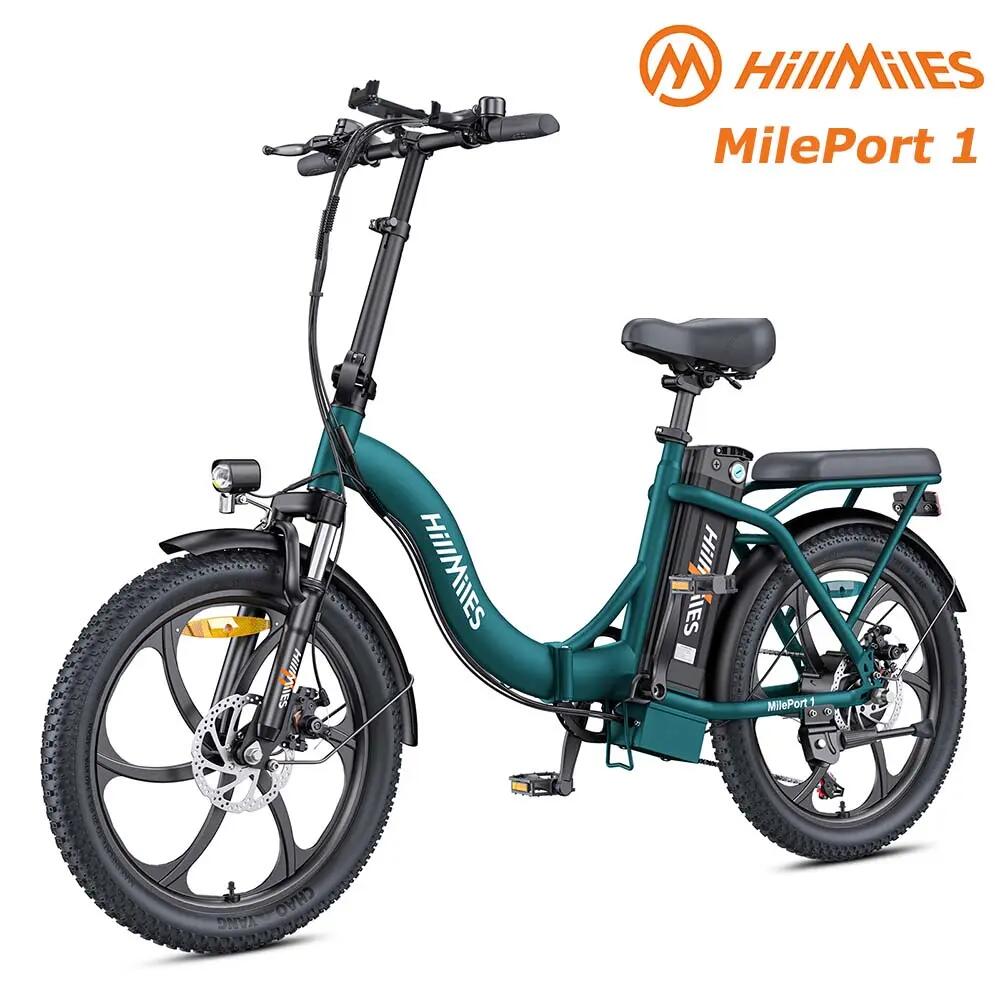
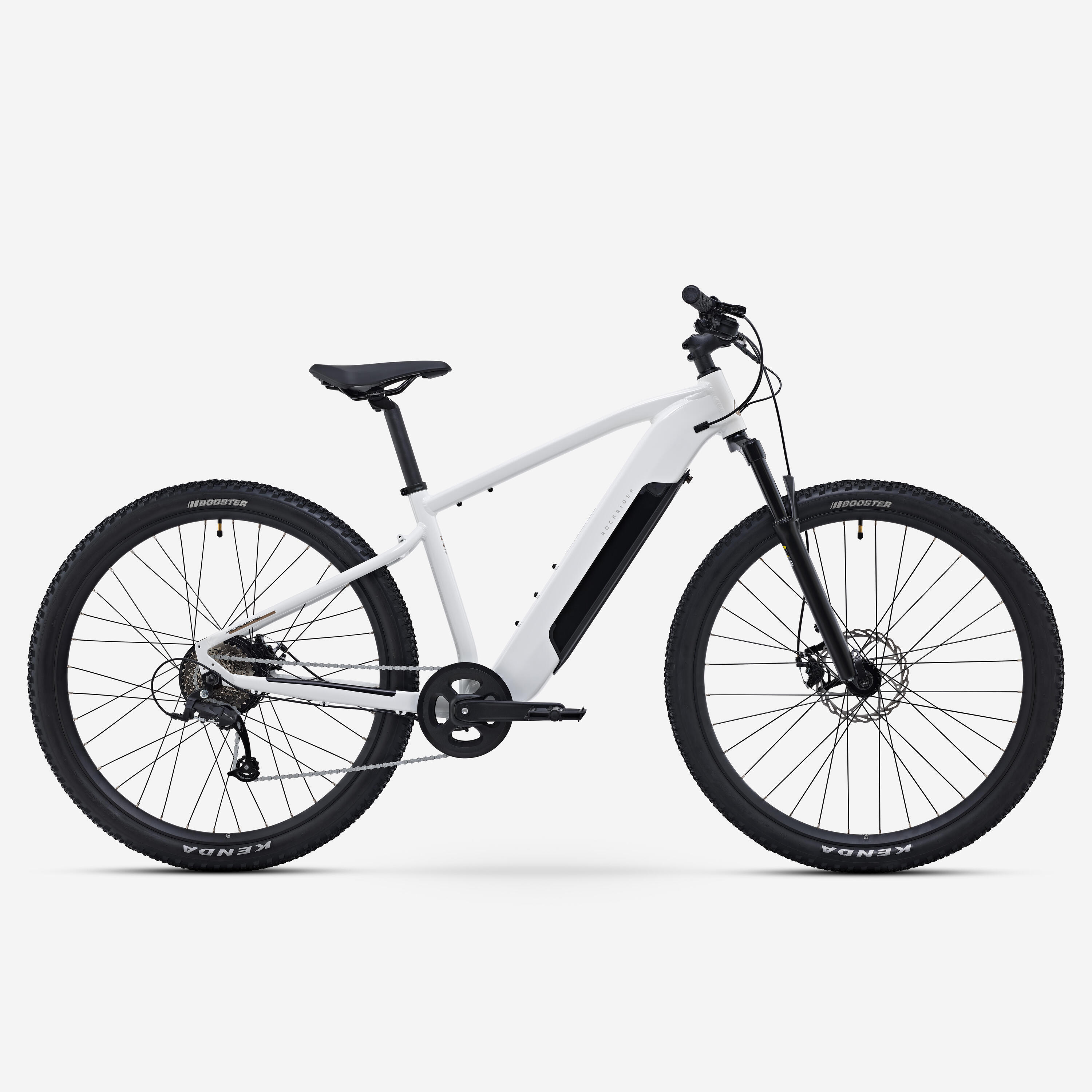
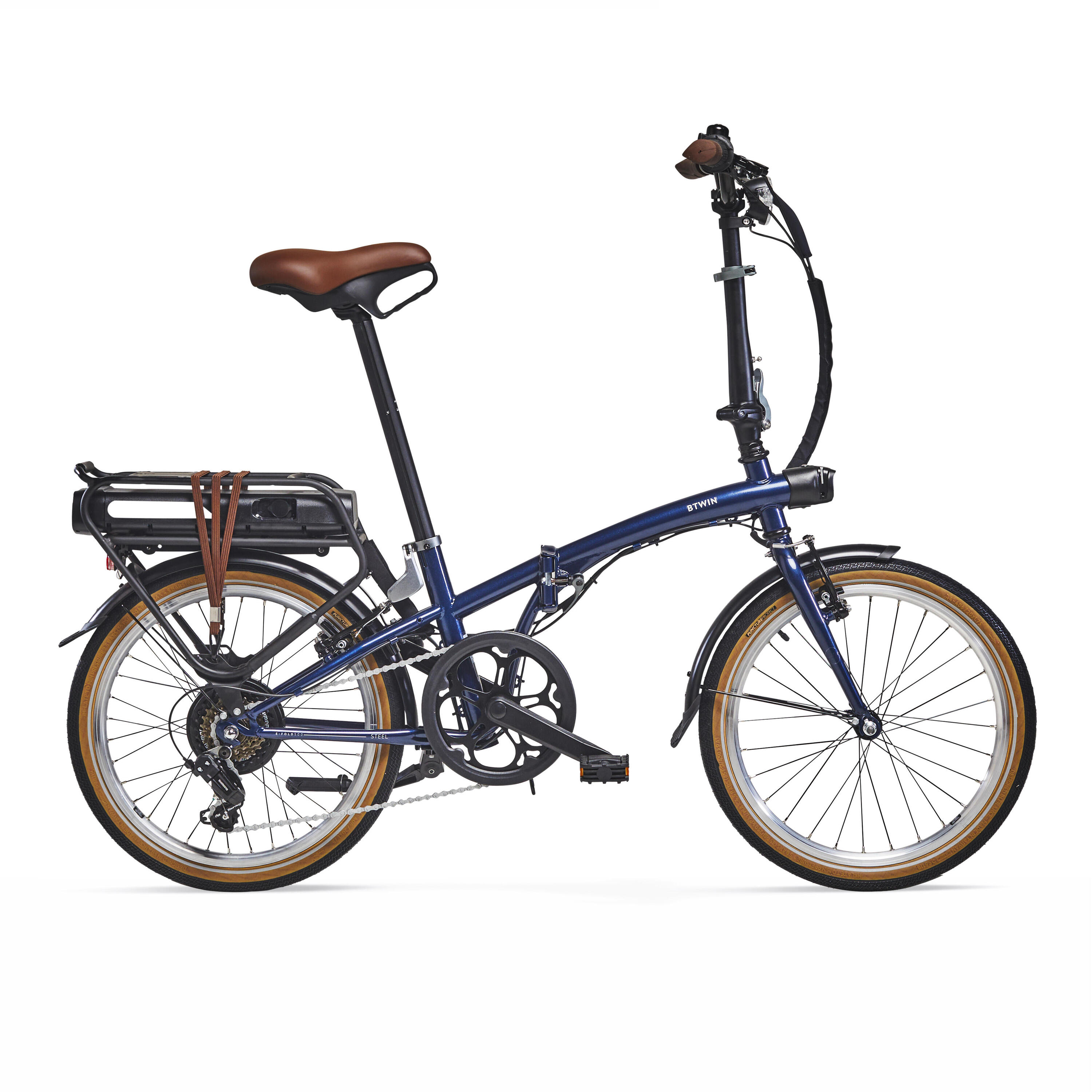
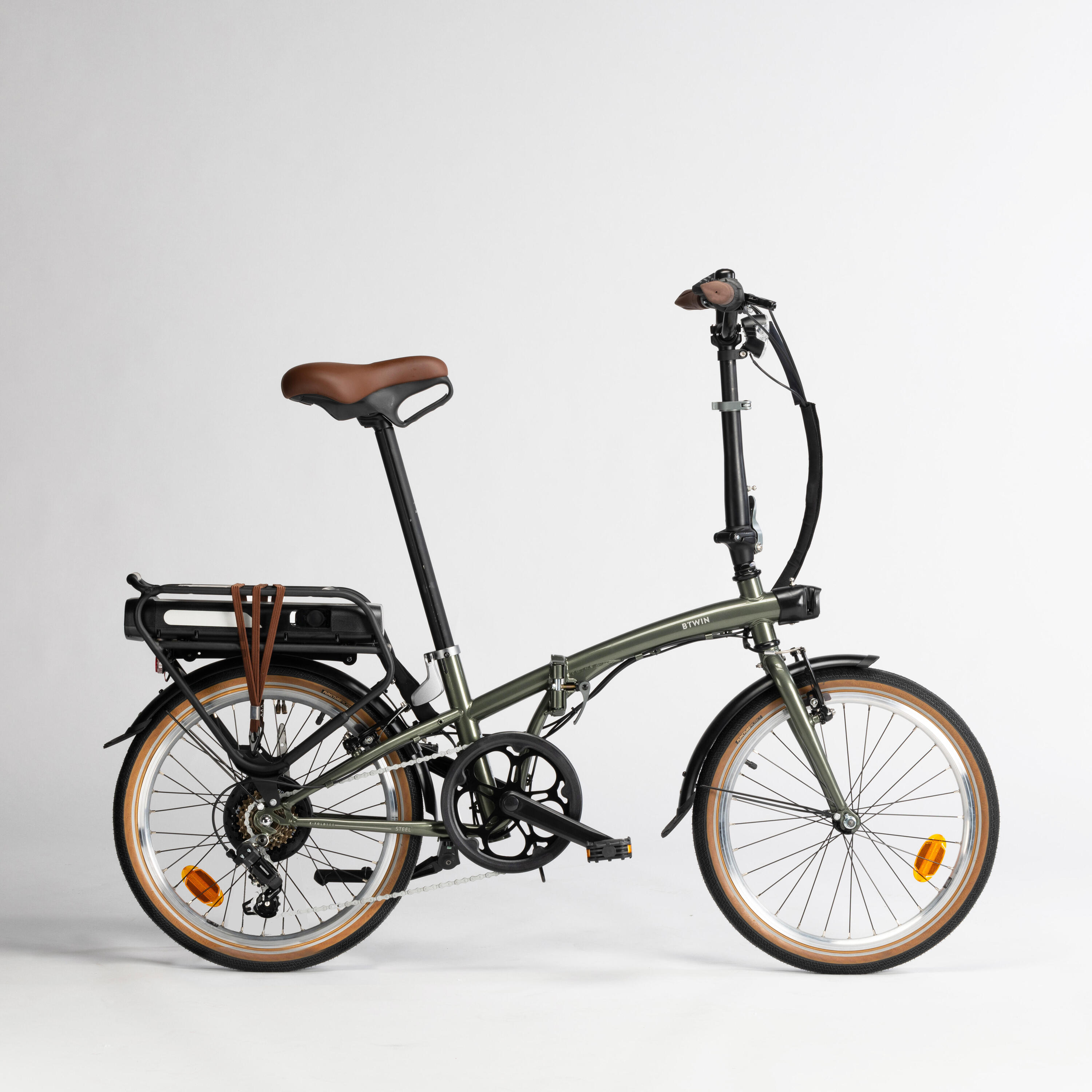
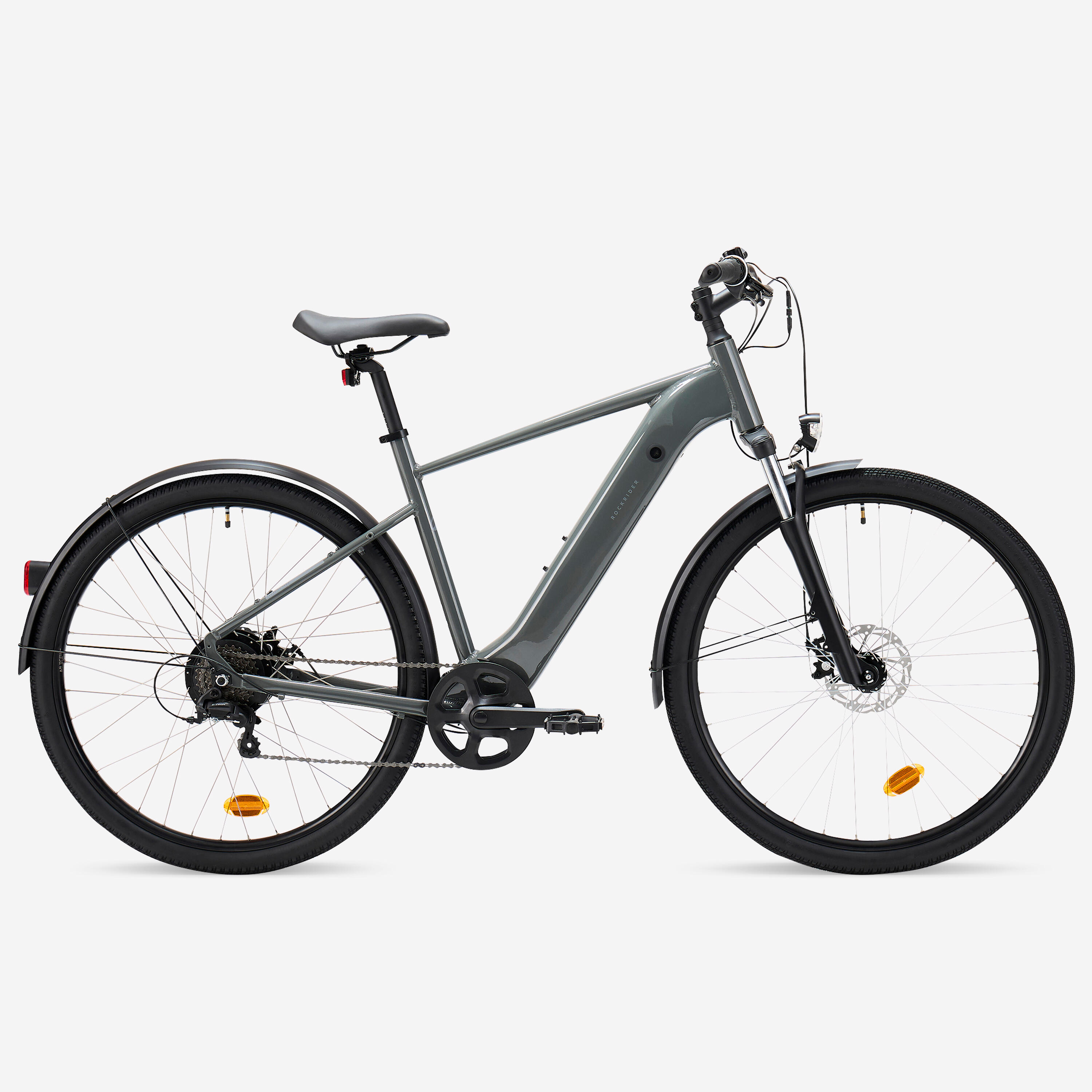
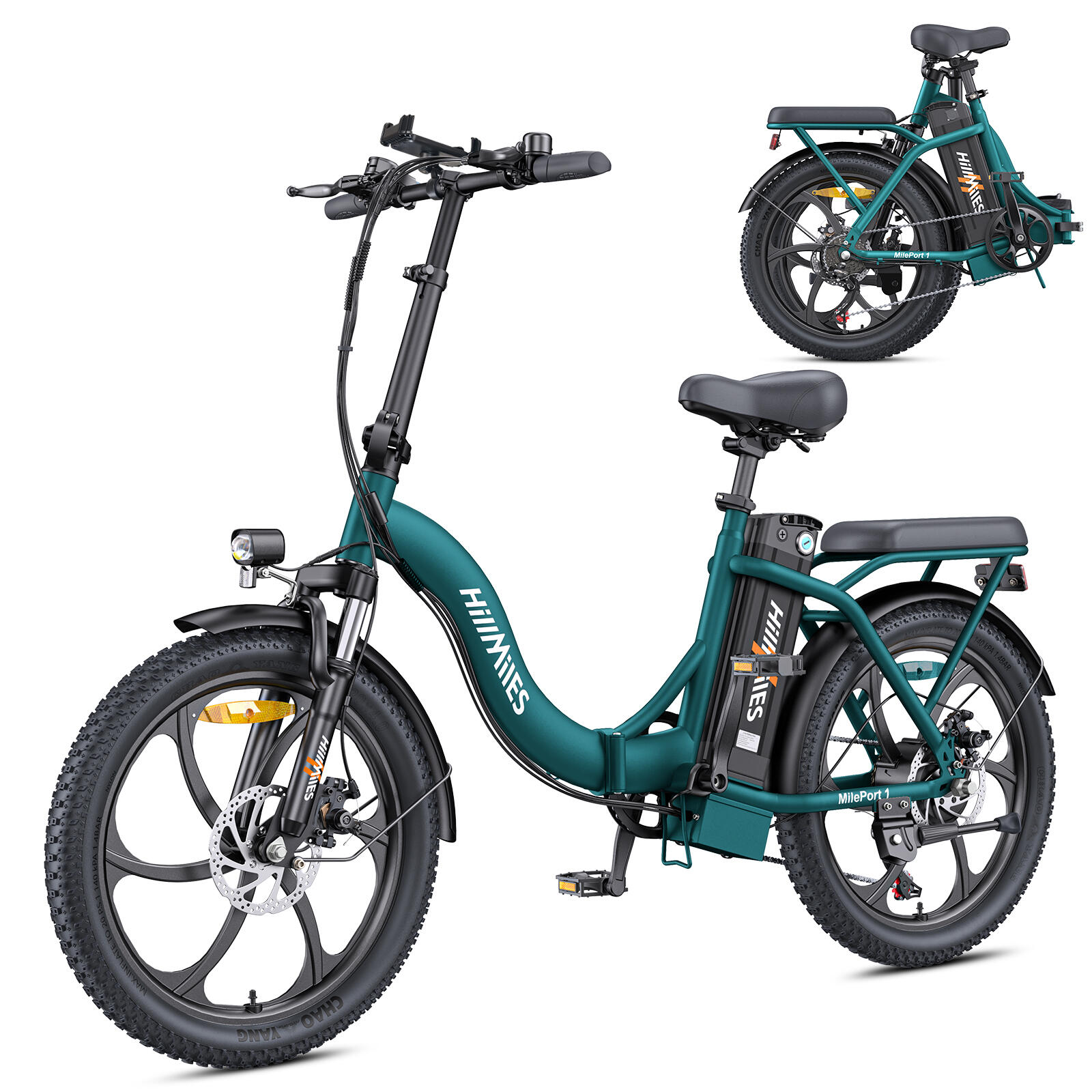
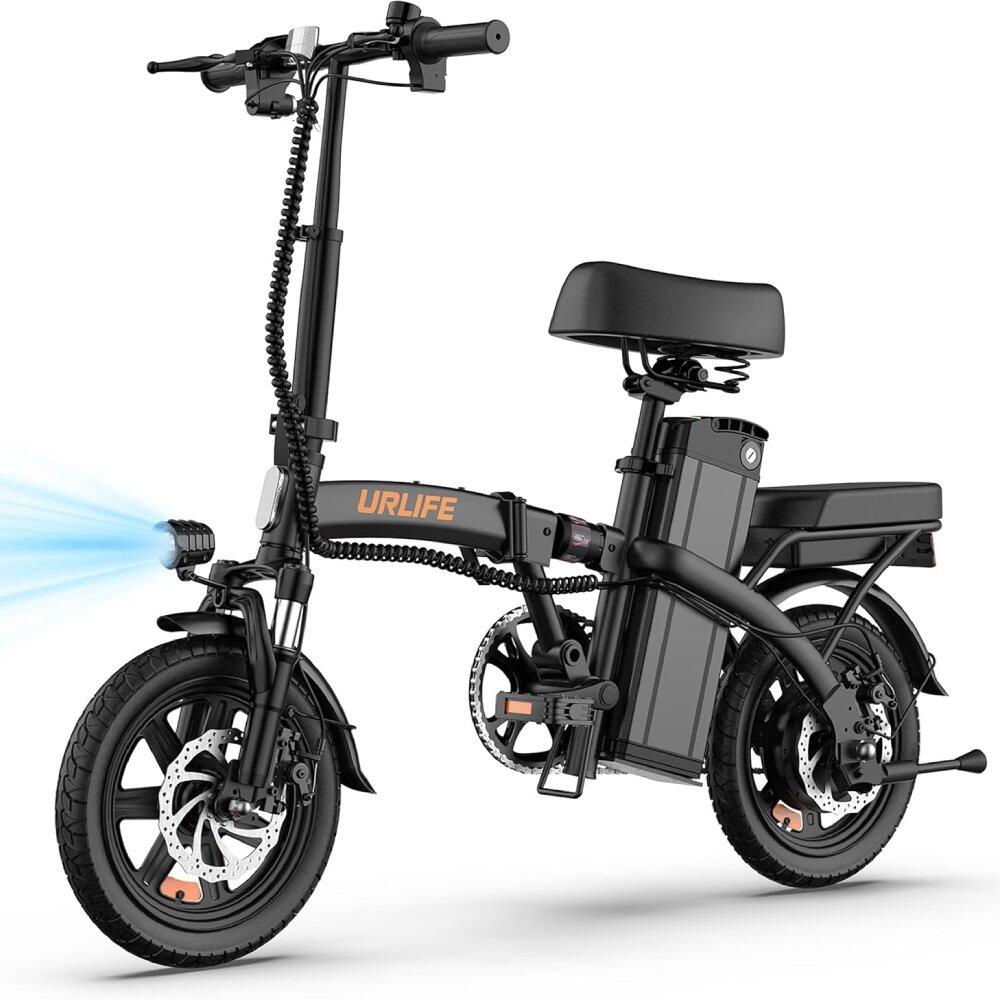
Electric assistance can be useful when your journey includes hills, longer distances or repeated starts, while a folding frame helps when storage space is limited. This makes a model such as an electric folding bike particularly relevant for riders combining cycling with trains, cars or office storage. Before choosing, consider folded dimensions, overall bike weight, battery range and whether you will need to carry the folded bike up stairs. Real electric range changes with assistance level, rider weight, luggage, gradients, temperature and tyre pressure, so the maximum figure should not be treated as guaranteed mileage. Pro tip: practise the folding sequence before your first commute and check that locking points are fully secured before riding. Keep the battery charged around your actual return journey rather than relying on the longest possible range.