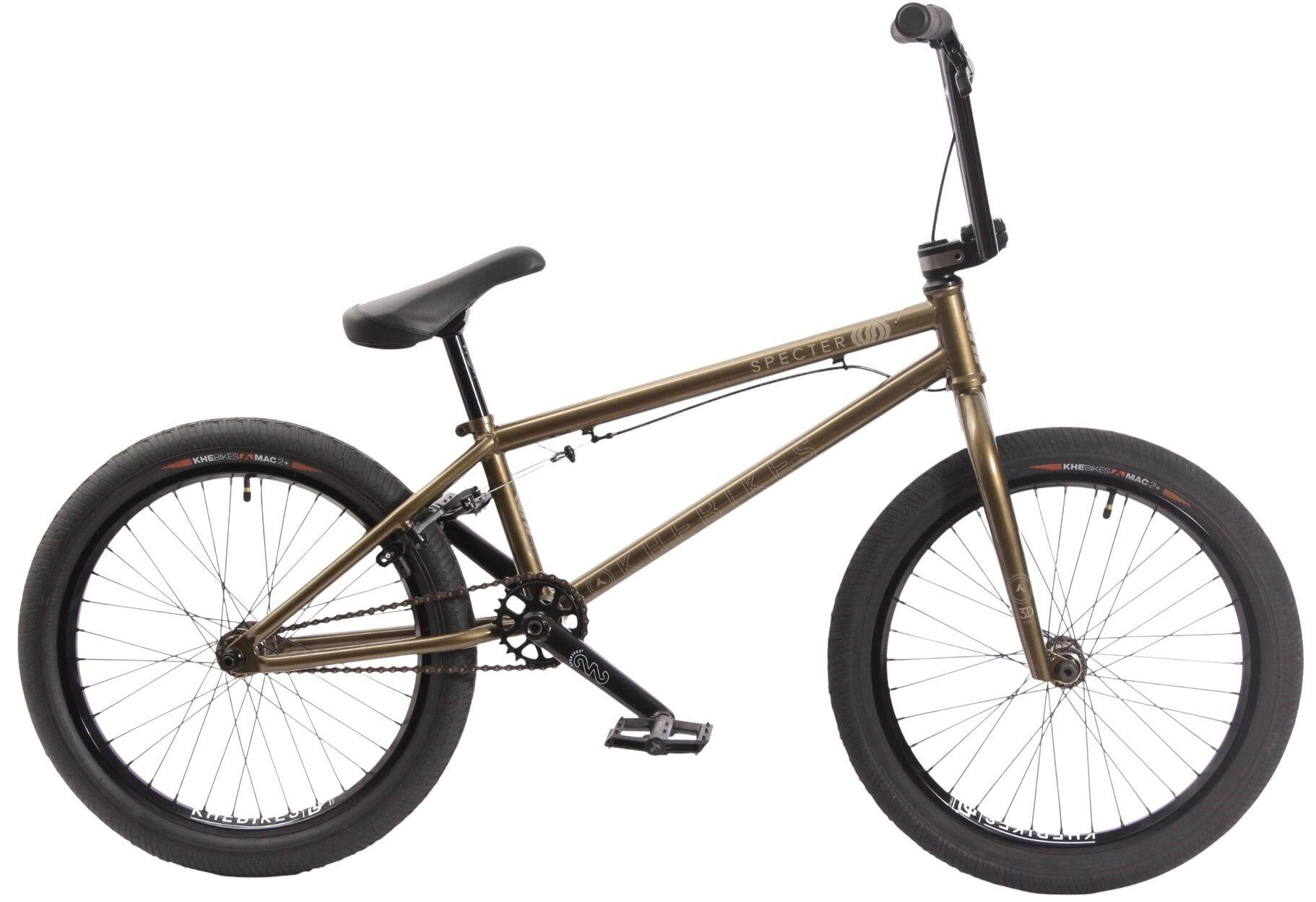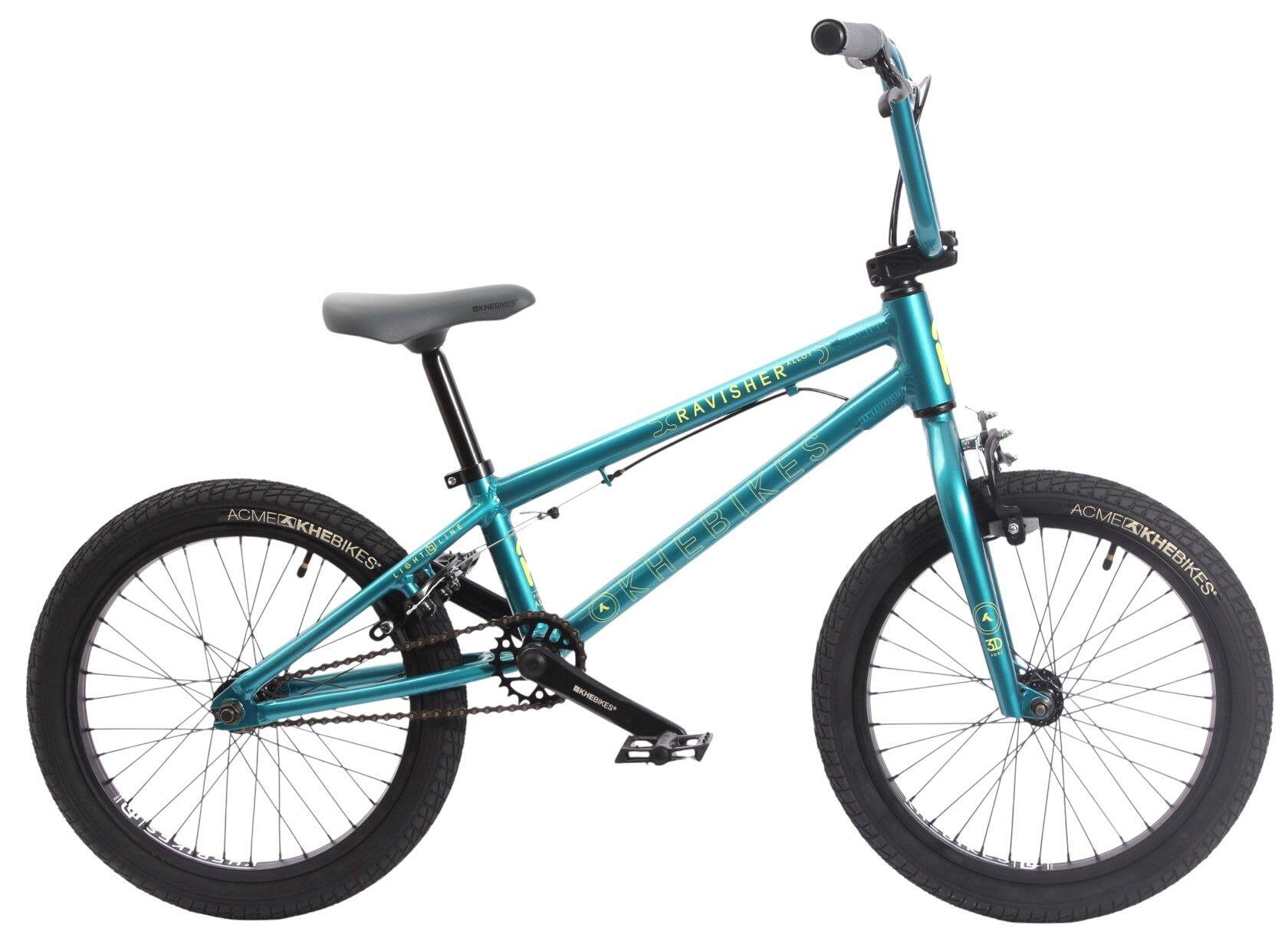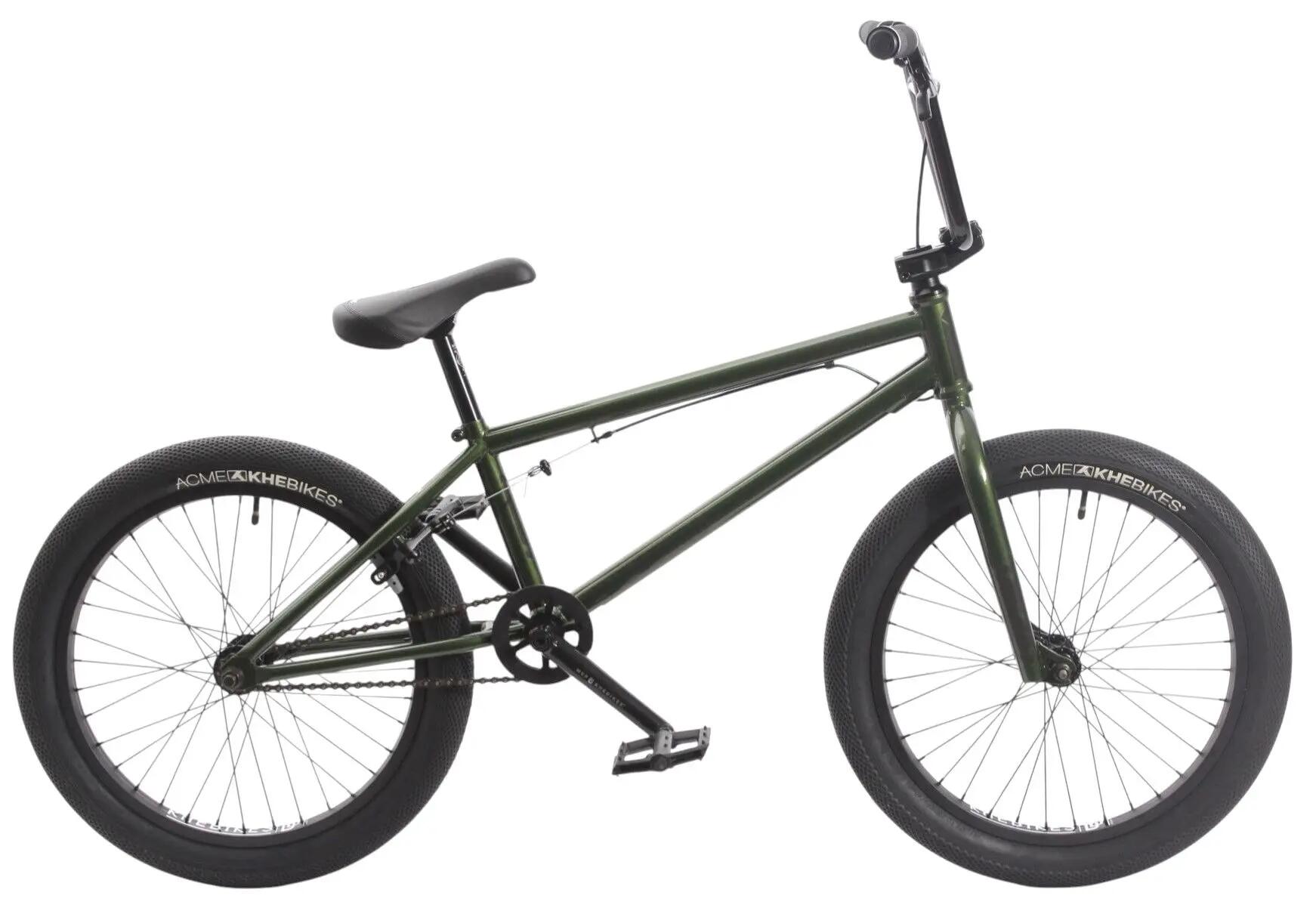
112 items
4/5 based on 617 reviews collected online and in stores

BMX Bikes FAQs

Which BMX size suits a child or young rider?

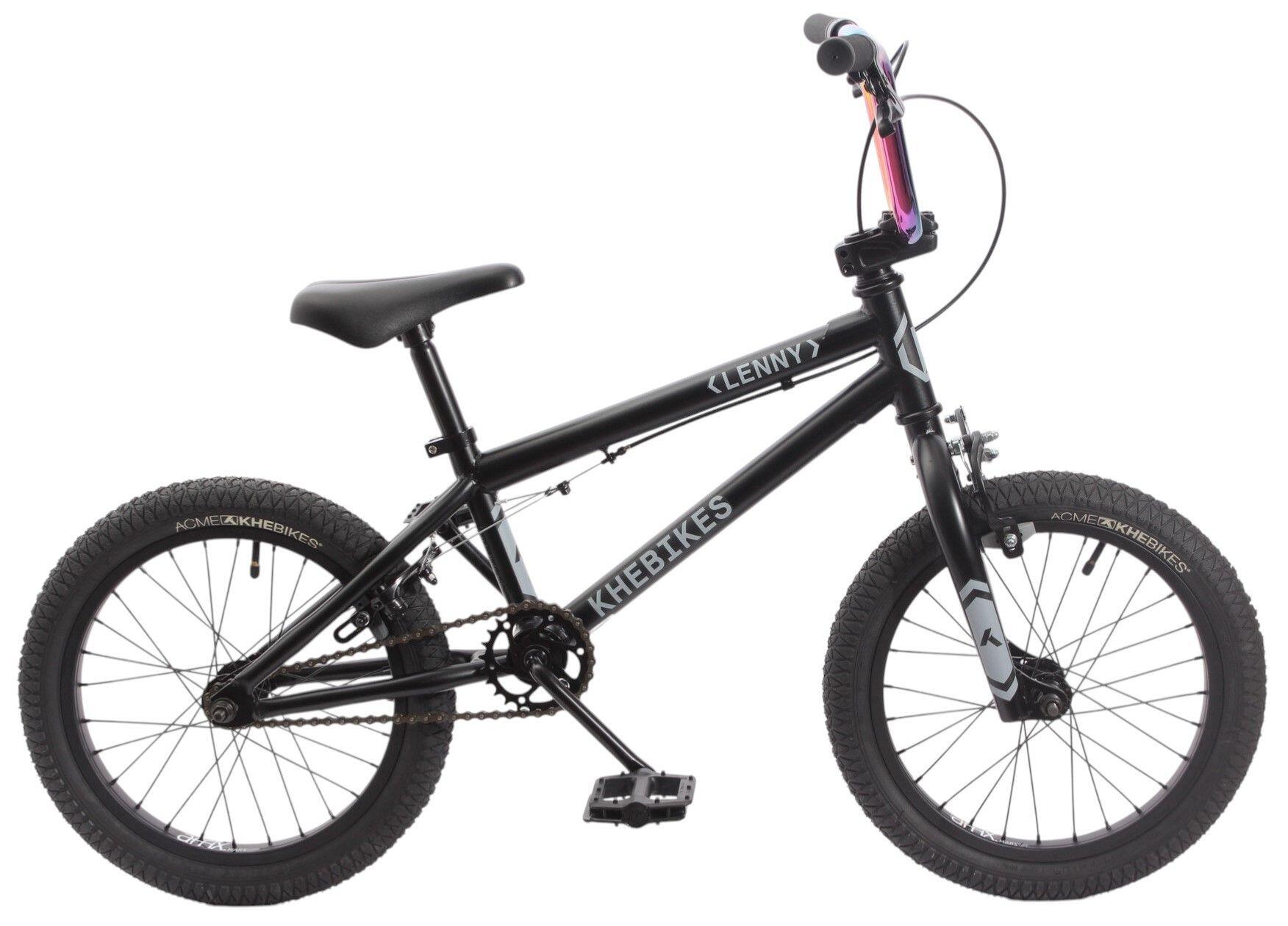
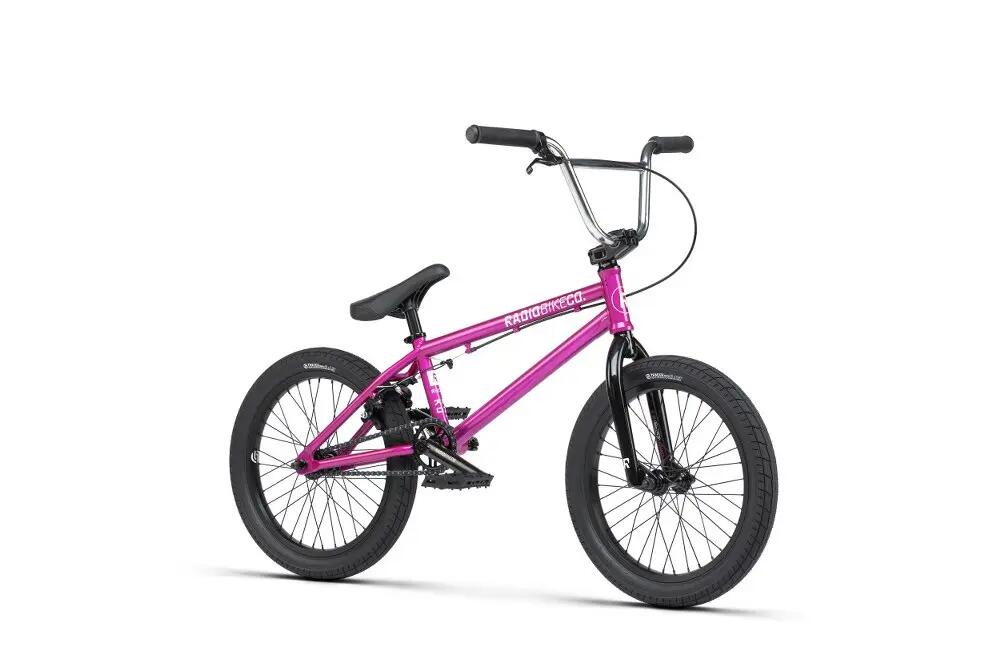
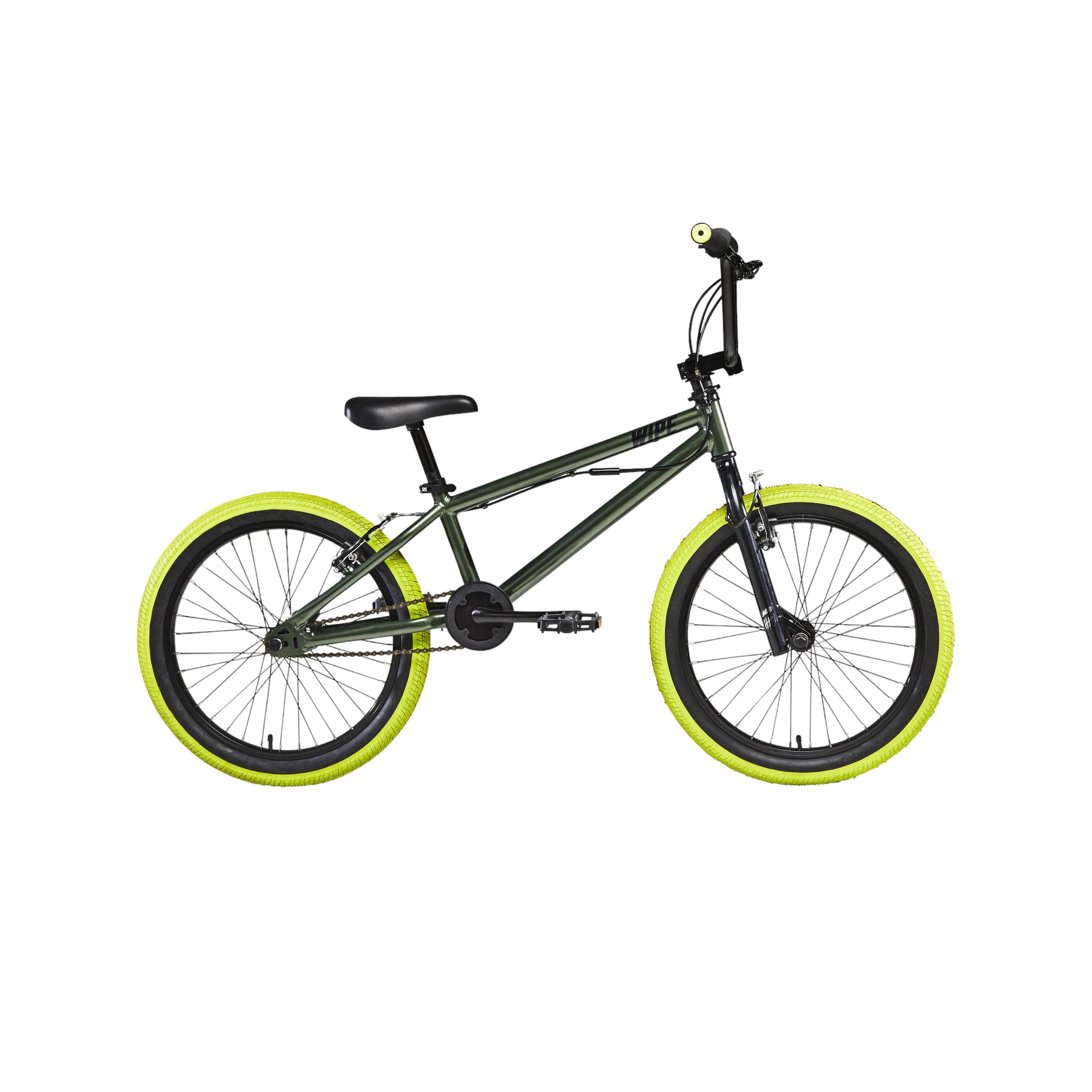
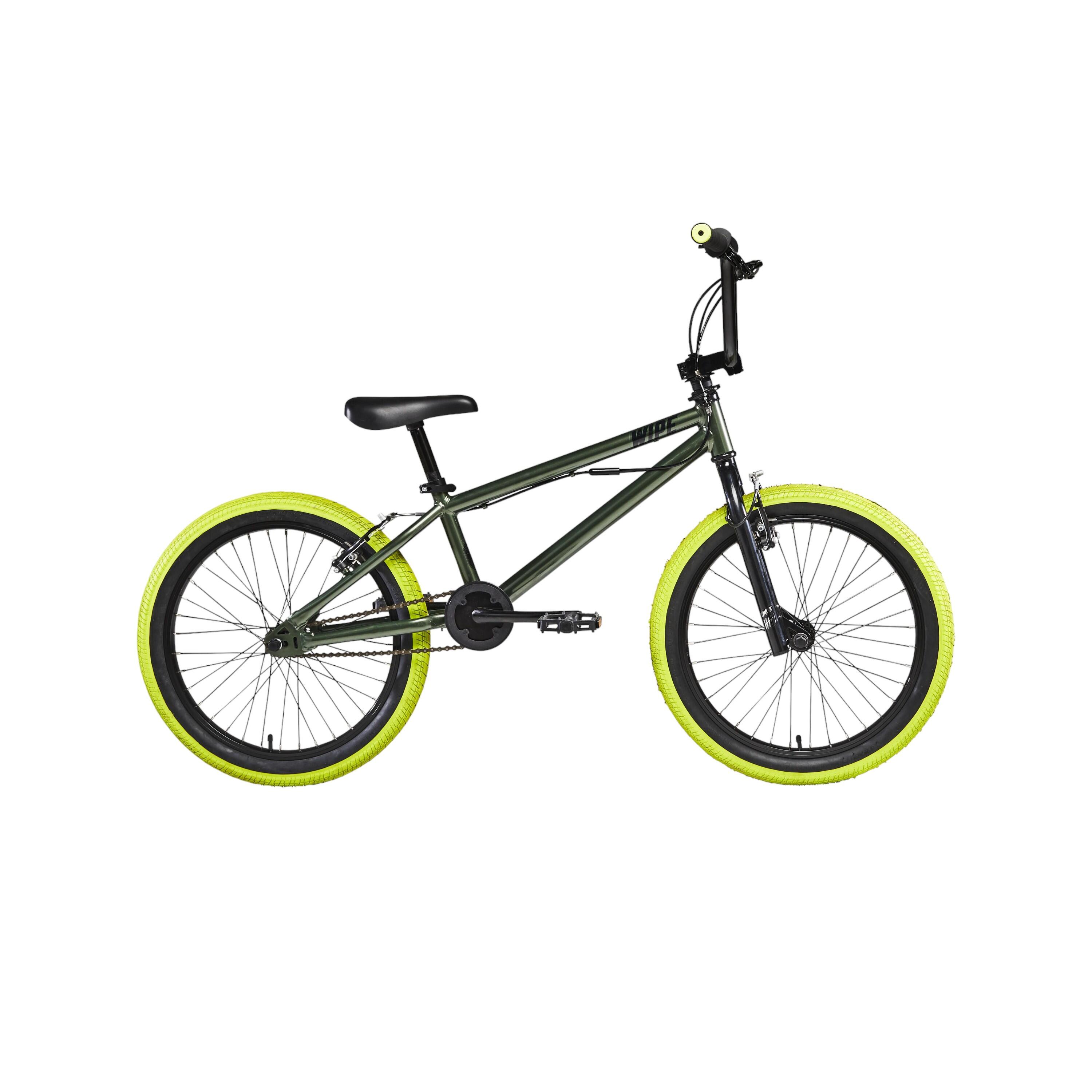
Start with the rider's height, age and current level of bike control rather than choosing a BMX only by wheel size. Decathlon's kids BMX bikes include different wheel and frame sizes to support progression from basic steering towards standing pedalling and introductory tricks. Smaller BMX models use geometry and controls suited to younger riders, including higher handlebars for a more upright position and shorter brake levers that are easier for smaller hands to operate. As skills improve, a larger BMX can provide more room for standing movement and front-wheel lifts. Pro tip: check that the rider can comfortably reach both brake levers and control the handlebars while standing over the bike. Avoid buying significantly oversized equipment for future growth because extra reach can make steering and braking harder to control.
What should an adult look for when choosing a BMX bike?

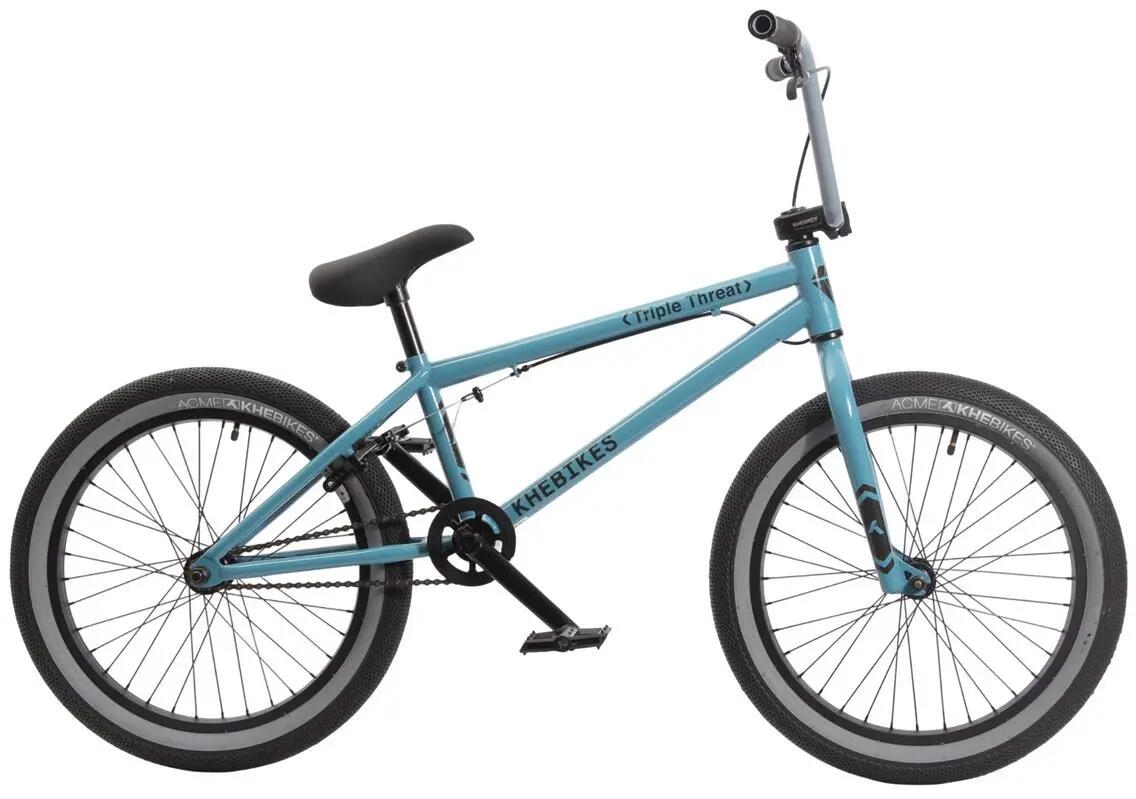
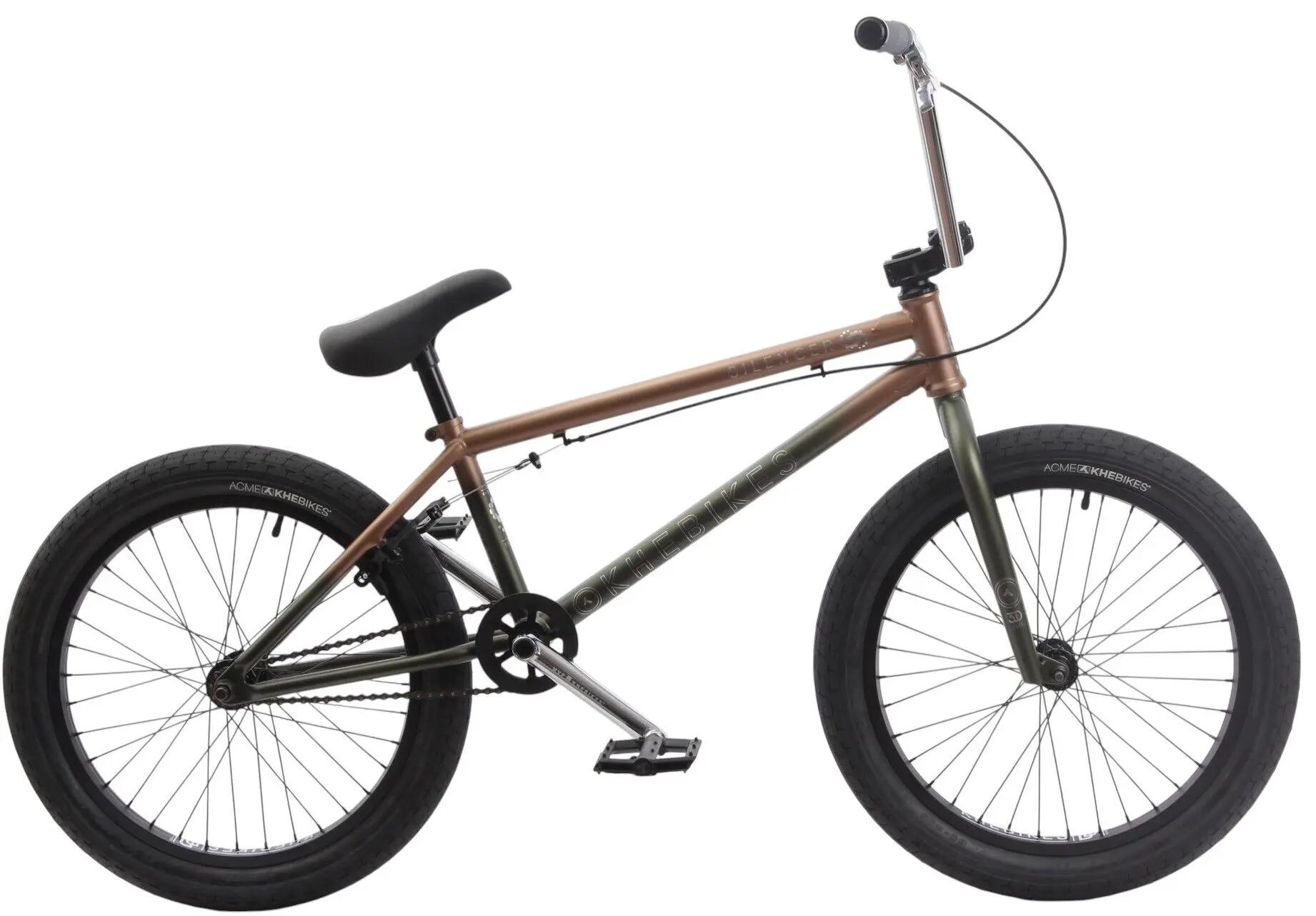
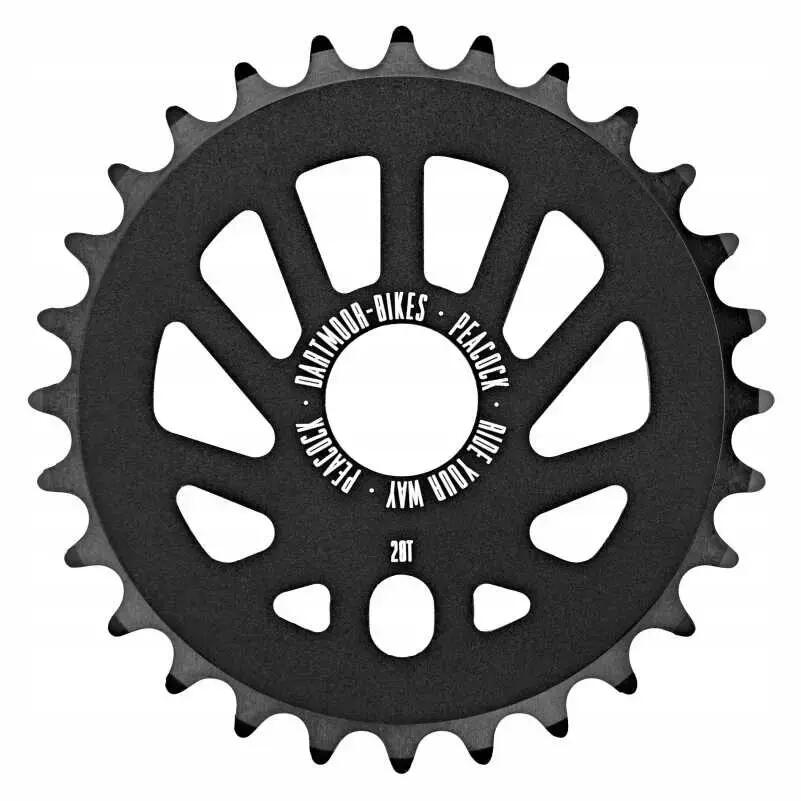
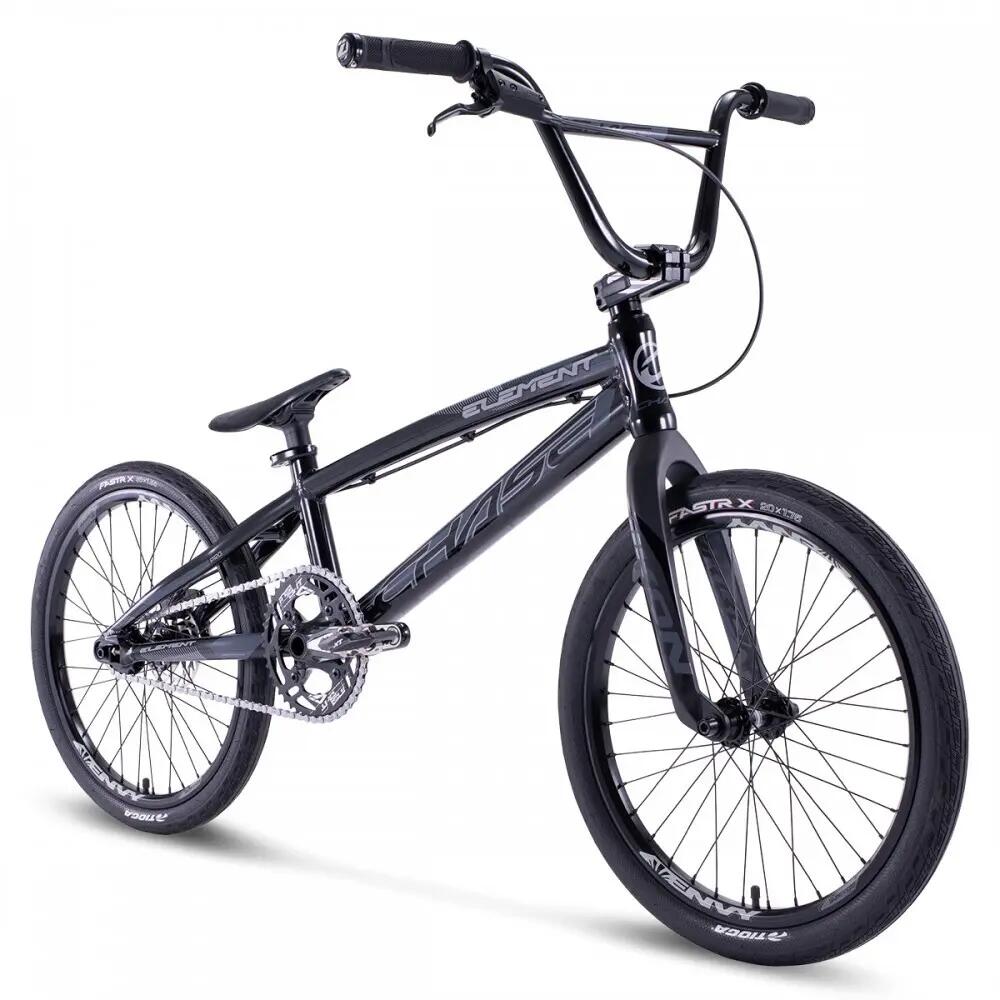
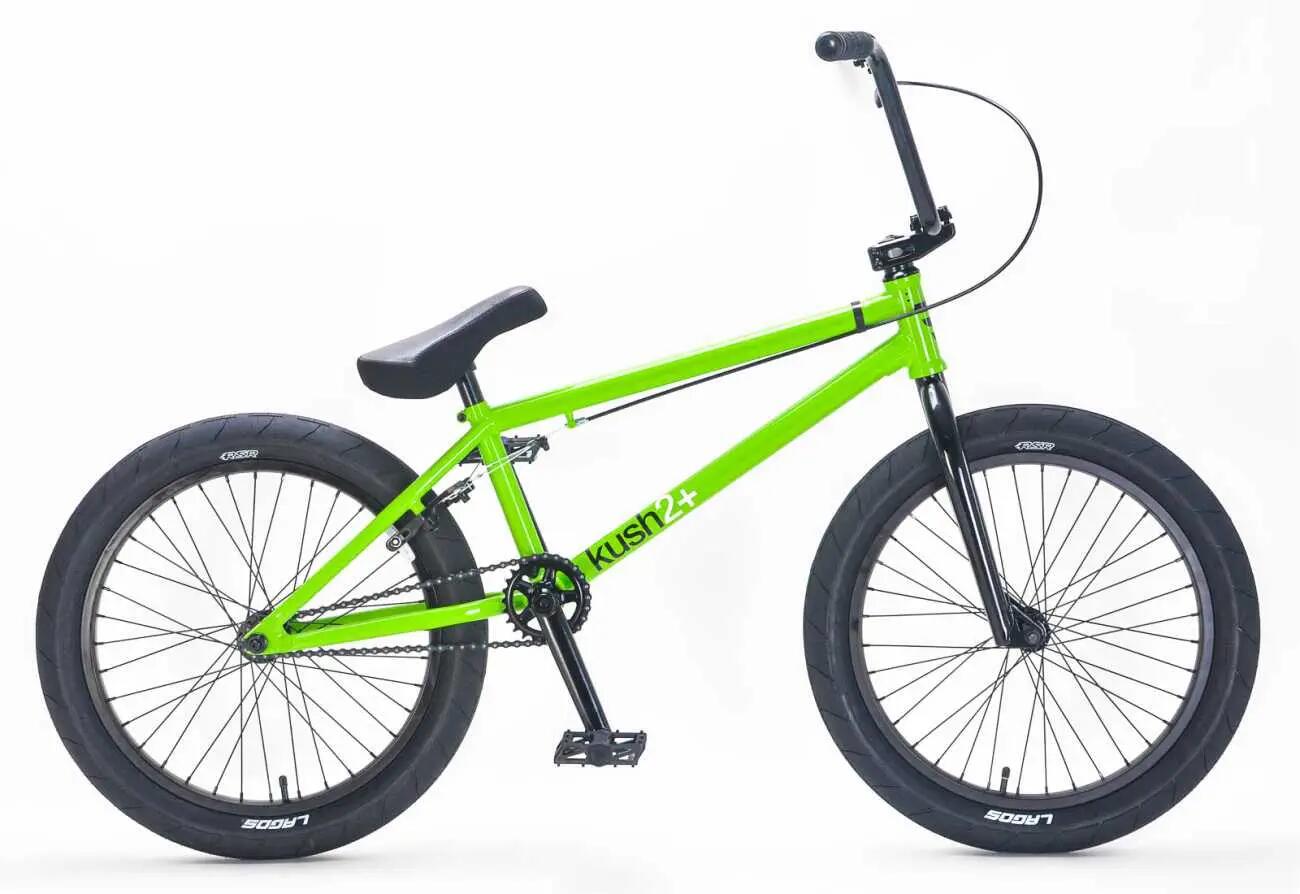
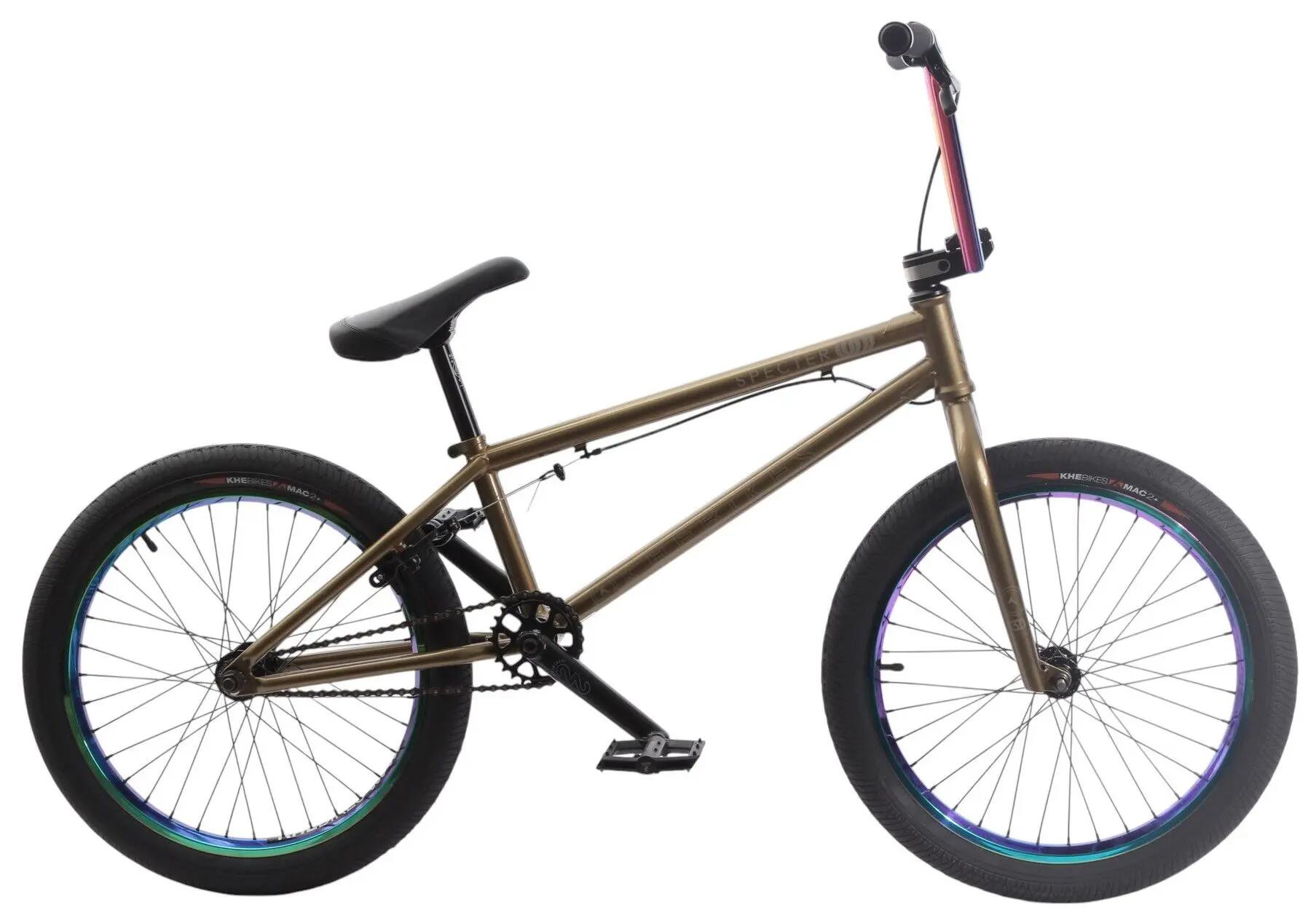
For adult riders, frame geometry and intended BMX discipline matter more than simply choosing a 20-inch wheel. The adult BMX bikes range includes options for freestyle, street, skatepark and race-oriented riding, so compare top-tube length, bike weight, drivetrain layout and component strength. A longer top tube generally gives taller riders more room between the saddle area and handlebars, while shorter geometry can feel quicker during certain tricks. Tyre width and tread should also suit the surfaces you use most often. Pro tip: consider your height and riding style together. Two adults of the same height may prefer different geometry if one mainly practises street tricks and the other wants stability for ramps or BMX track riding.

How is a BMX bike different from a regular bike?

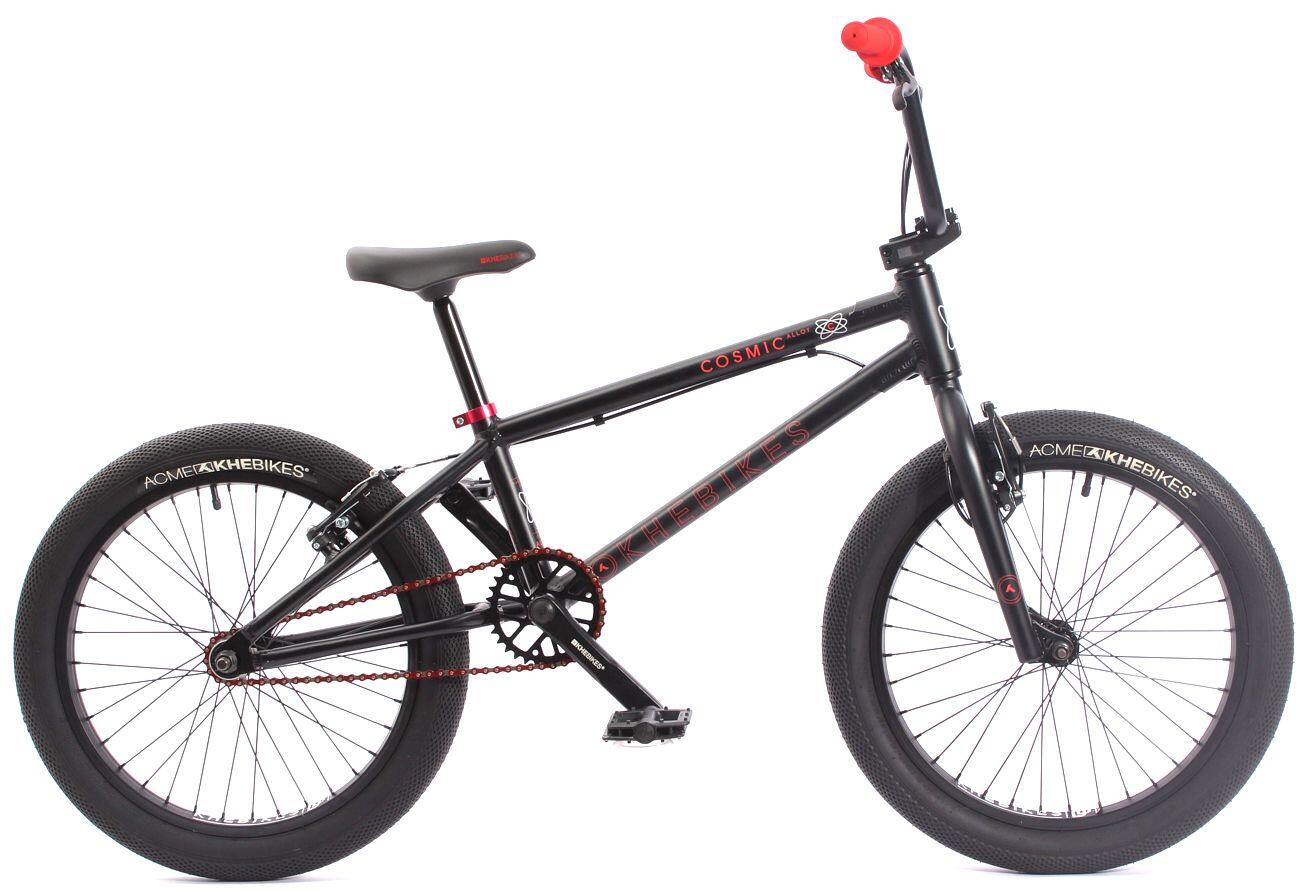
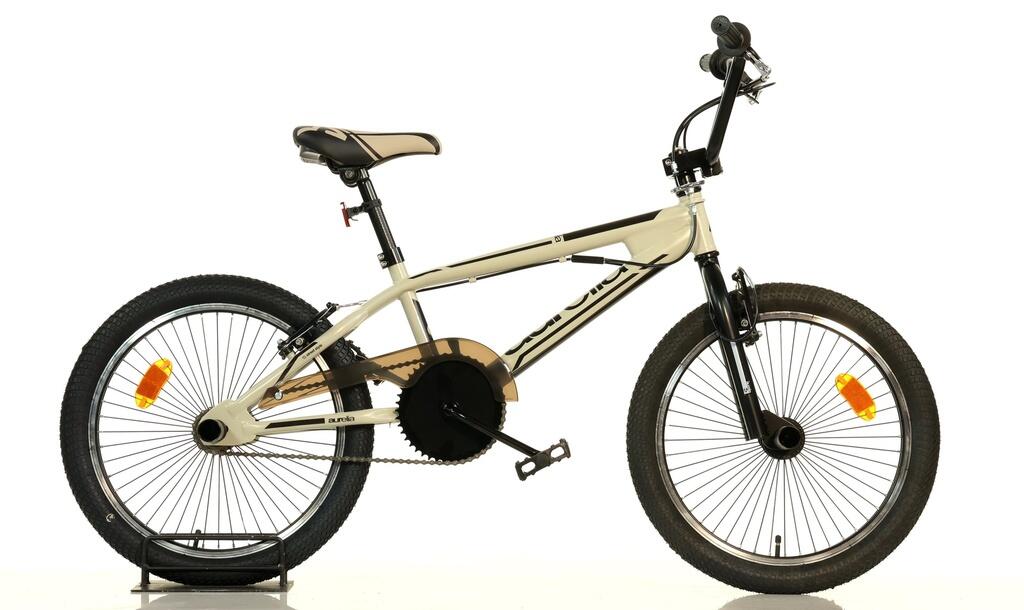
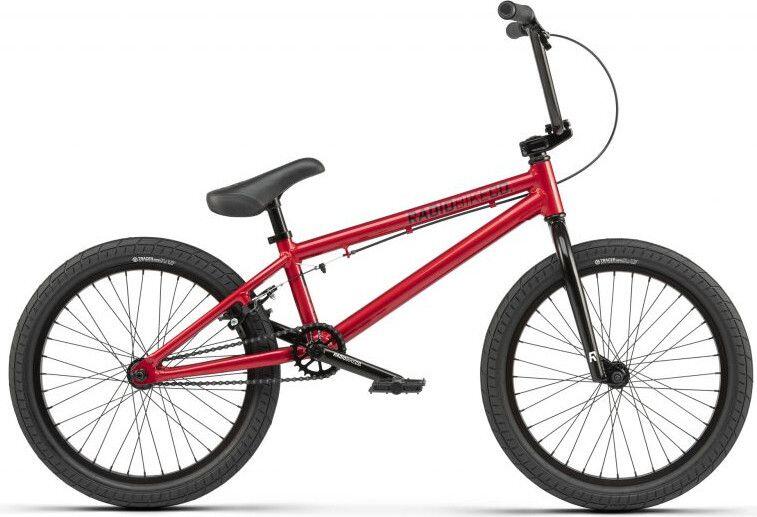
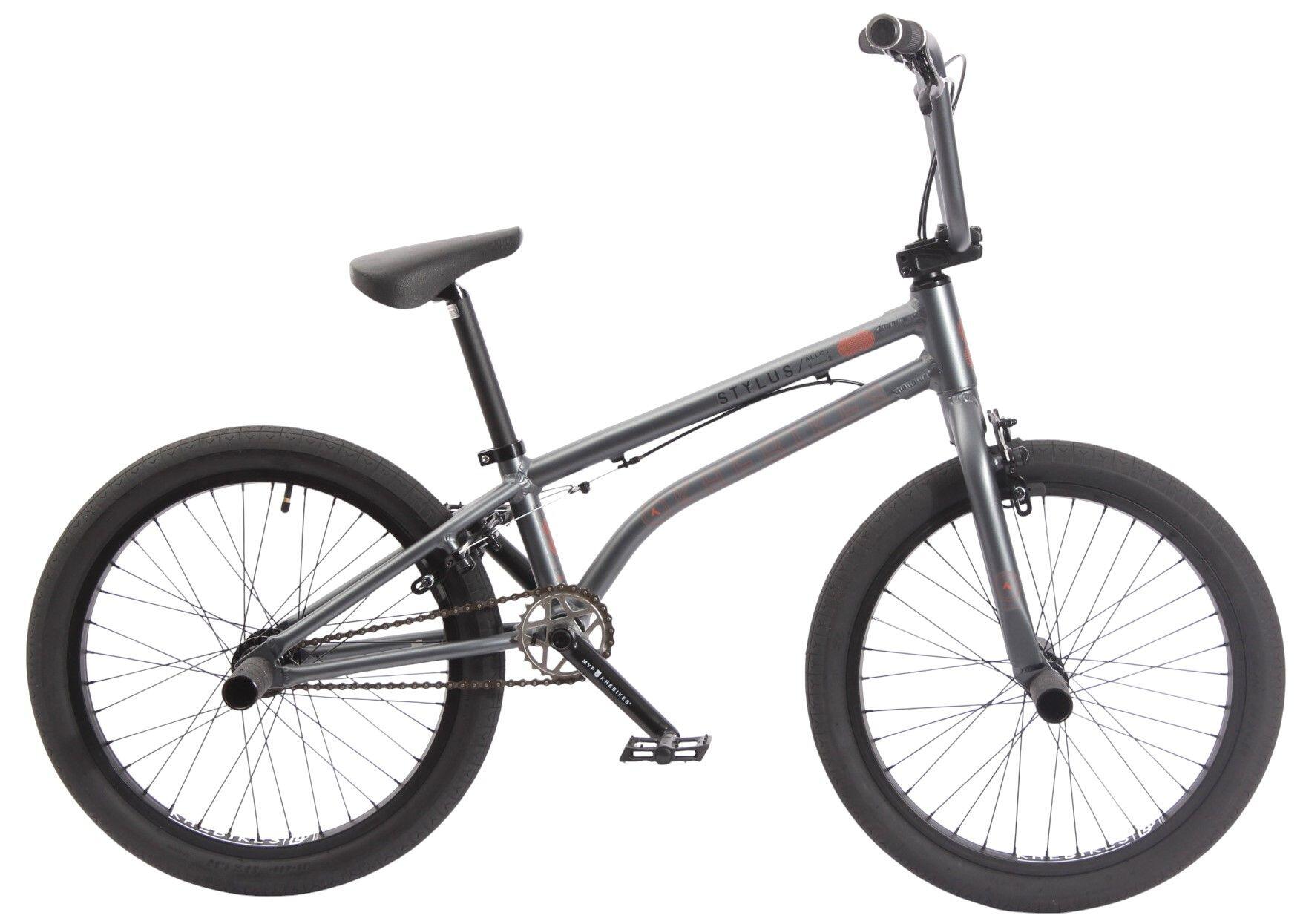
A BMX uses compact geometry, smaller wheels and a simple drivetrain to support quick handling, standing pedalling, jumps and tricks. Rigid forks reduce unnecessary movement and weight, while wide handlebars give the rider leverage when steering or lifting the front wheel. BMX tyres are usually wider than typical city or road tyres, adding grip and cushioning during landings. Comparing BMX models with other bikes can make the differences in riding purpose, geometry and handling easier to understand. It is generally less suited to long-distance commuting or sustained road riding because the riding position and gearing prioritise manoeuvrability rather than cruising efficiency. Pro tip: choose a BMX when the main goal is BMX practice, pump-track riding, street skills or freestyle progression rather than using one bike for every type of journey.

What safety equipment should you wear when riding a BMX bike?

Start with a correctly fitting helmet whenever you practise BMX skills, particularly on ramps, pump tracks or harder surfaces. A suitable option from the bike helmets range should sit level on your head and remain stable when you move without creating uncomfortable pressure points. BMX riding involves repeated changes in balance and can include falls while learning new movements, so secure helmet fit matters as much as choosing the correct size. Closed footwear with good pedal grip can also help your feet stay planted during standing riding. Pro tip: check your helmet adjustment before every session rather than assuming yesterday's setting is still correct, particularly for younger riders whose straps may have been loosened when taking the helmet on and off.

Which extra protection can help when learning BMX tricks?

As you progress from normal riding towards jumps, ramps and trick practice, additional protection can help cover common impact areas. Knee pads, elbow pads and body protection from the cycling protections range can be useful when repeated falls become more likely. Fit matters because a pad needs to stay over the joint while you bend your arms or knees; equipment that slides during normal movement may move away from the area it is meant to cover during a fall. Your BMX should also be checked regularly for tyre pressure, loose wheel fittings, handlebar movement, brake operation and drivetrain condition. Pro tip: learn one new movement at a time on a suitable surface, and inspect the bike after a heavier impact before continuing the session.