20 items
4.7/5 based on 3073 reviews collected online and in stores

Predator Fishing Swivels FAQs

How does a rolling swivel help a predator fishing rig?

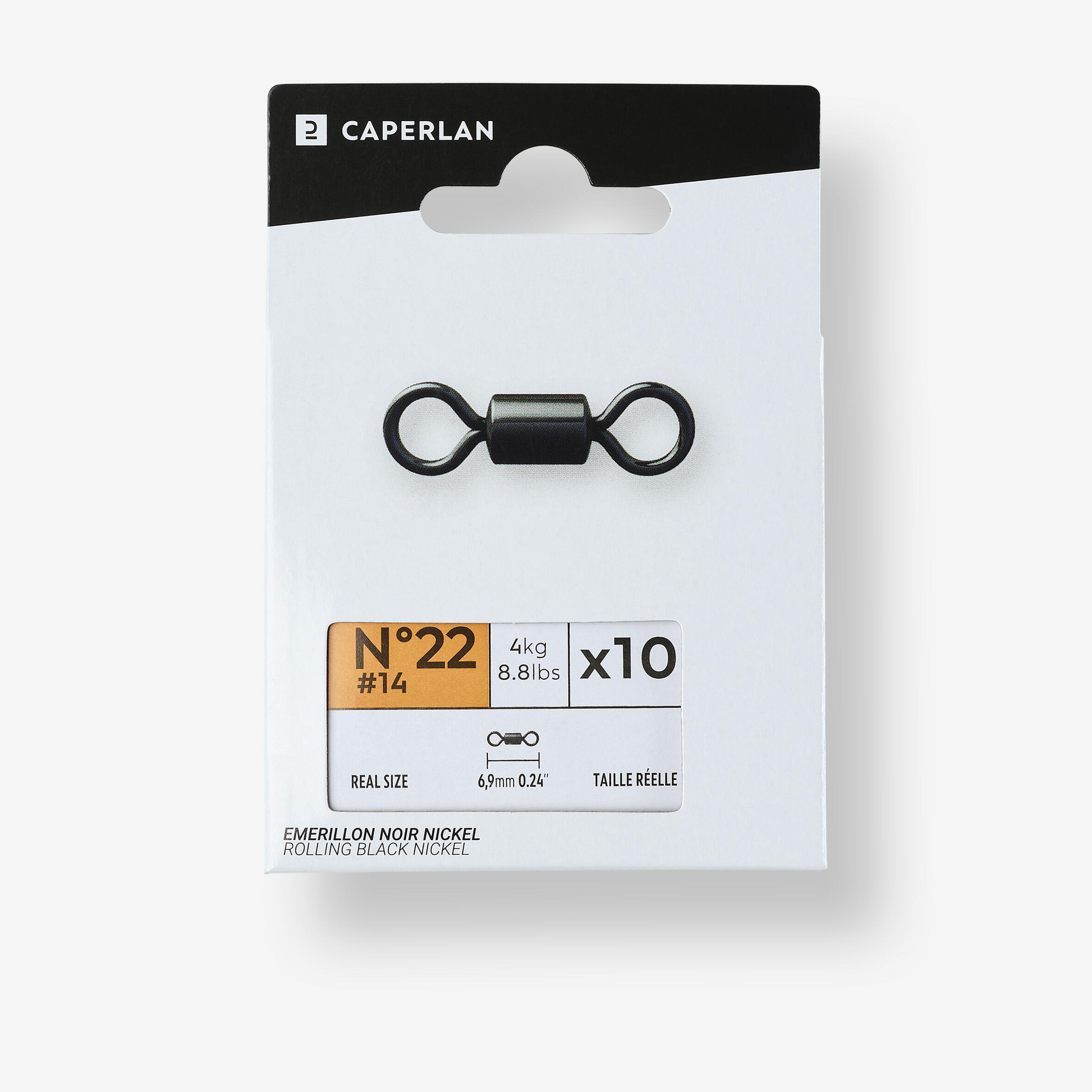
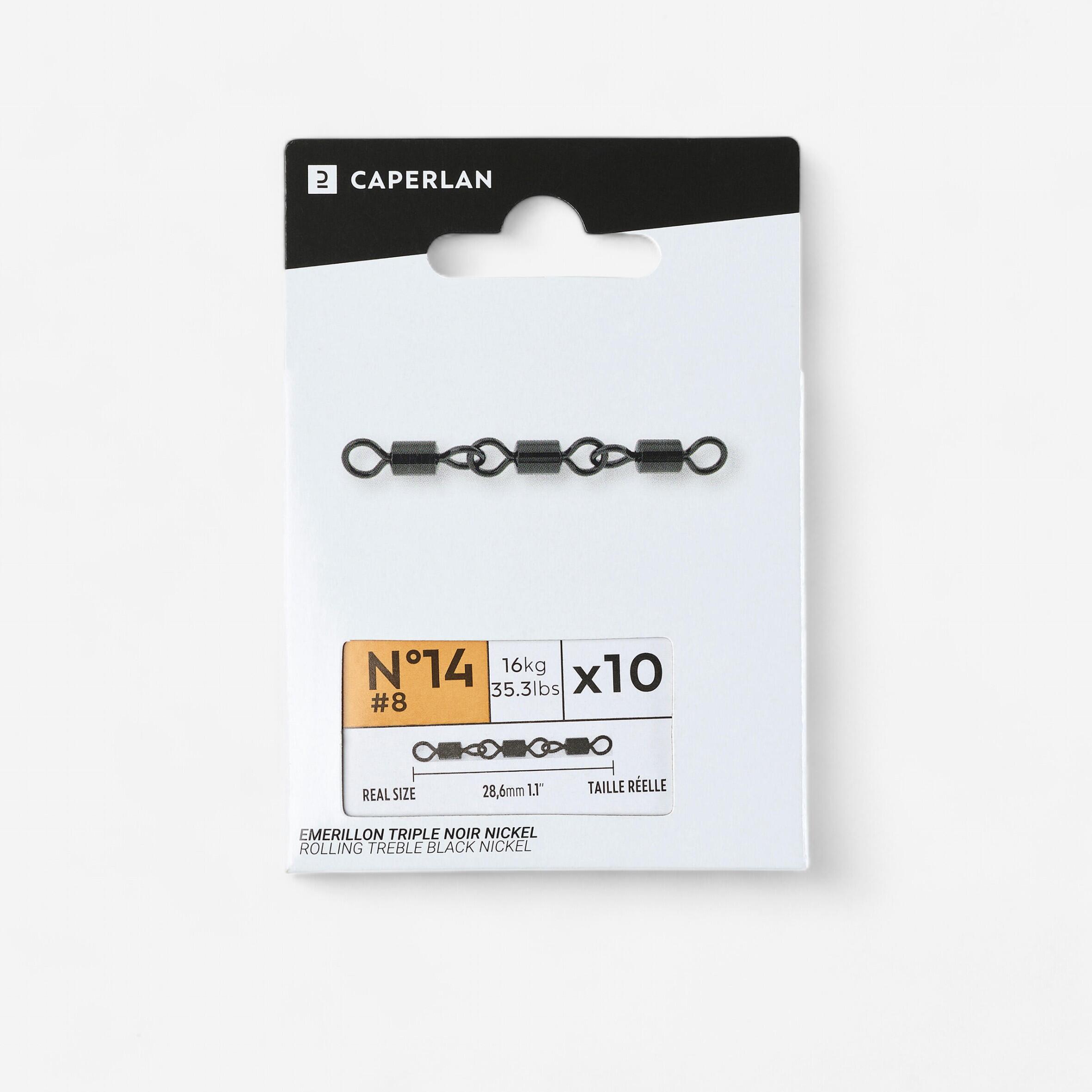
Repeated movement from bait, lures or the rig can twist the main line during a fishing session. A rolling swivel creates a rotating connection that lets the terminal set move with less line kinking. Caperlan offers black-nickel rolling swivels from small versions rated at 4 kg up to larger sizes rated at 47 kg, so you can match the connector more closely with the strength of the complete rig. The black-nickel finish also improves corrosion resistance. These rolling swivels for predator ledgering fishing work without adding a snap, making them useful where you want a straightforward rotating connection between sections of line or rig components.

When does a double snap swivel make rig changes easier?

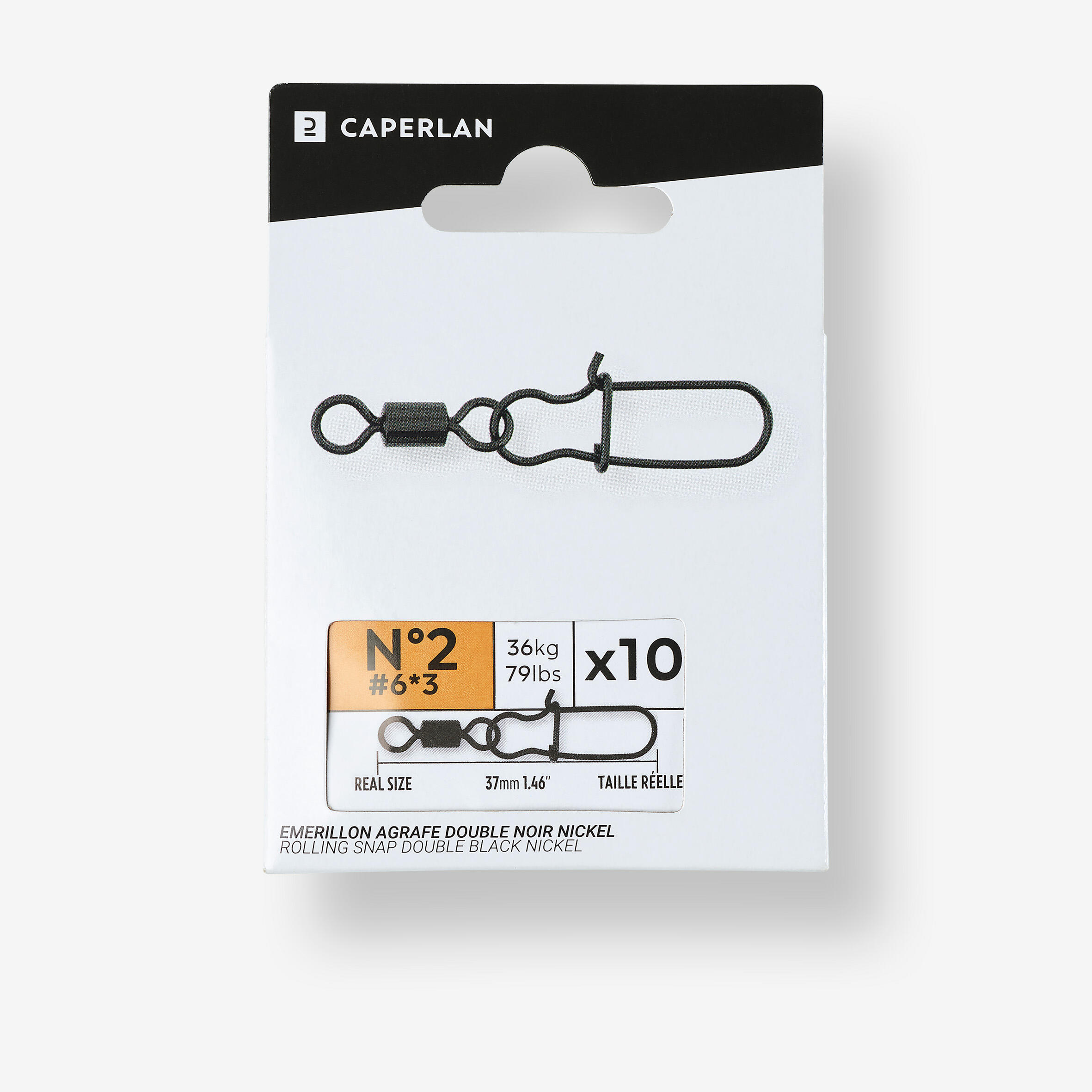
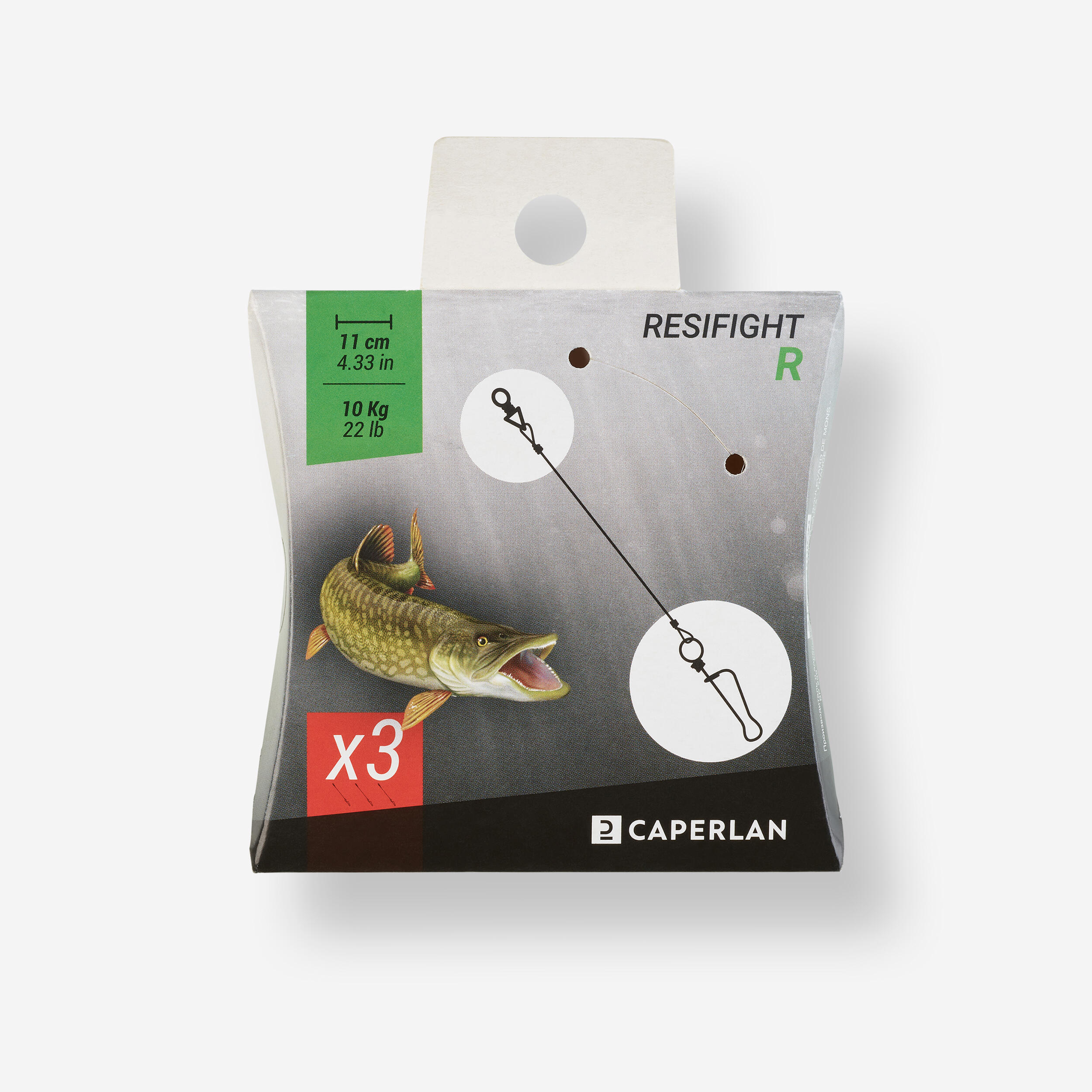
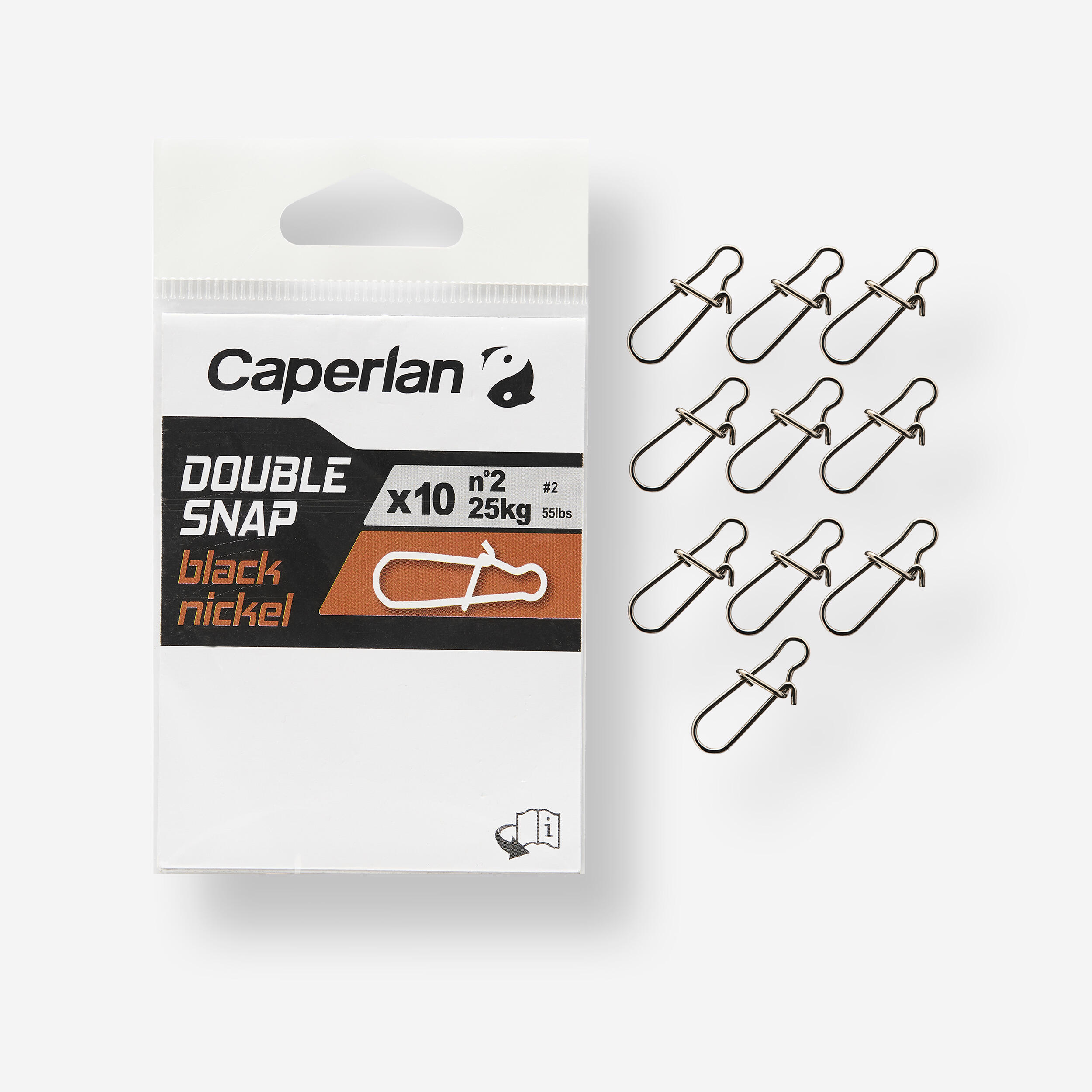
A wider snap can give a connected lure or rig more freedom to move while still allowing you to detach it without cutting and retying the line. Caperlan's double snap combines this wider attachment with an integrated rolling swivel, so the connector also works against line kinking. The available versions carry stated resistance figures of approximately 10 kg, 16 kg and 36 kg, allowing the hardware to scale with different configurations. These double snap fishing swivels combine brass and stainless steel with a black-nickel finish for additional corrosion resistance. Match the swivel strength with the rest of the terminal tackle rather than relying on an oversized connector as the strongest part of the rig.

What does a stainless-steel snap swivel add to a fishing rig?

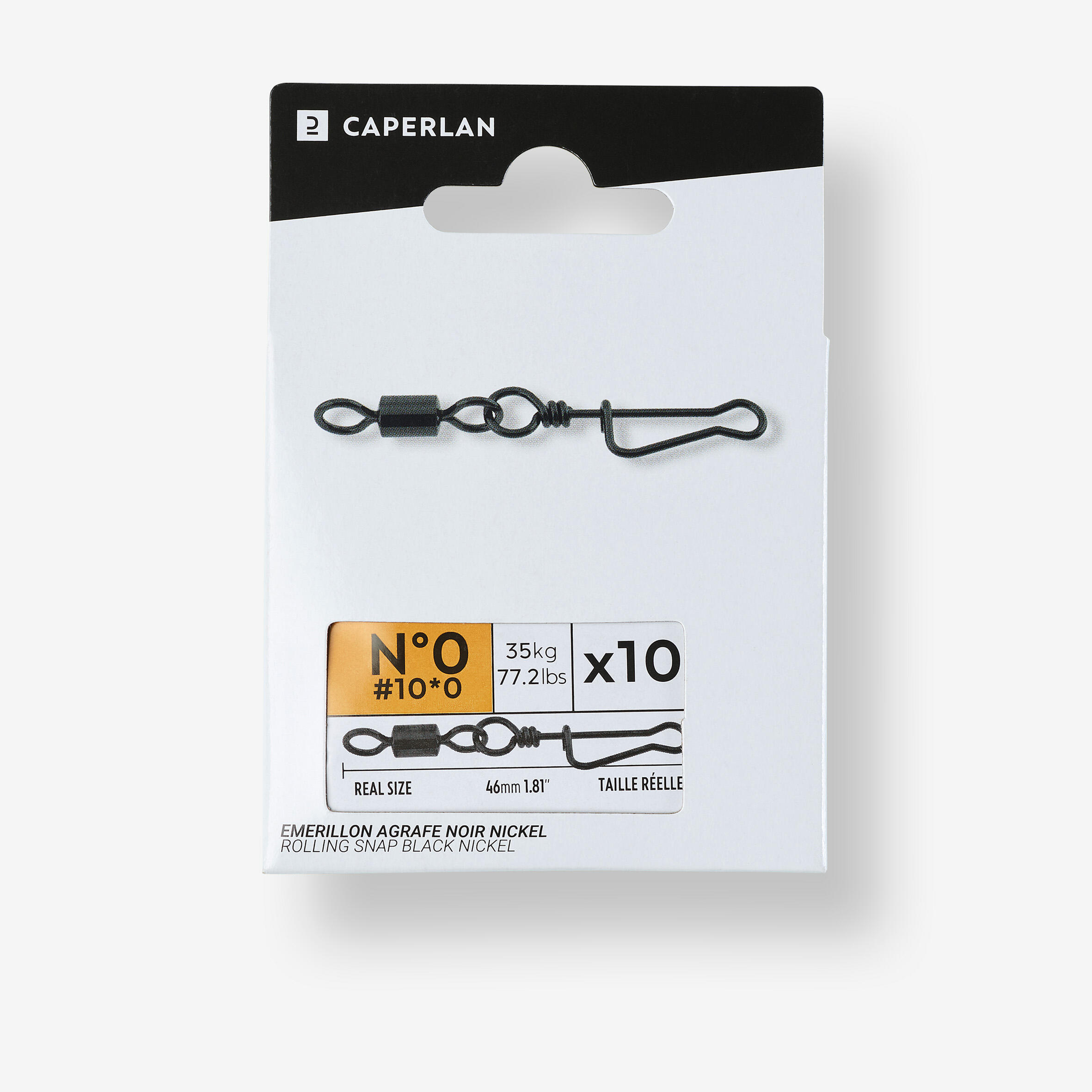
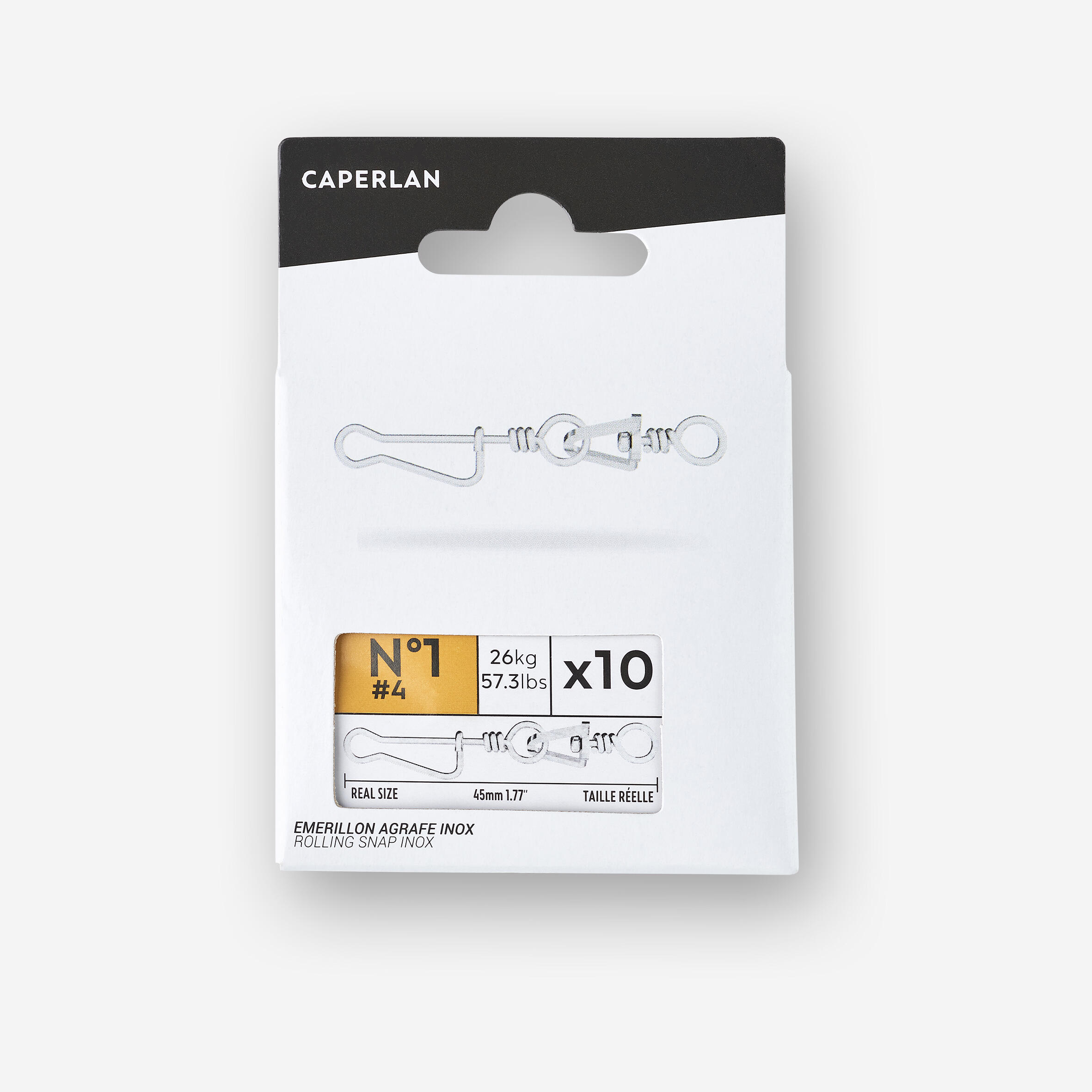
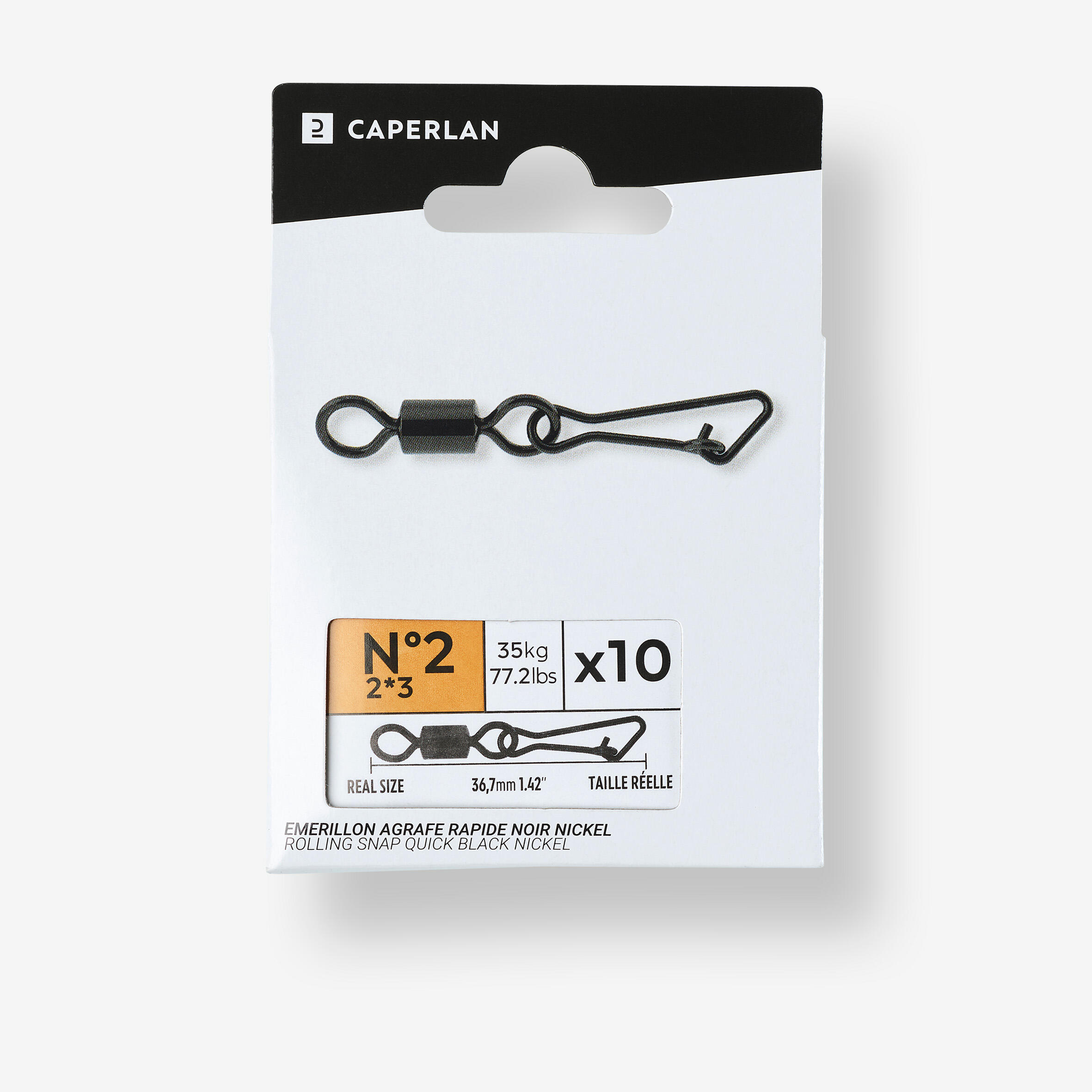
Full stainless-steel construction can make sense when oxidation resistance matters and you still want quick access to the terminal rig. Caperlan's Rolling Snap uses an integrated swivel to reduce kinking and a clip that lets you change lures or assemblies without rebuilding the connection. Depending on size, the published resistance runs from approximately 9 kg to 26 kg, with larger connectors also increasing in overall length. The stainless steel fishing swivels therefore give you another option alongside black-nickel brass and stainless-steel constructions. Use the smallest connector that provides suitable strength, as unnecessary terminal bulk can alter how a lighter rig moves through the water.

How do you match swivel strength to predator ledgering?

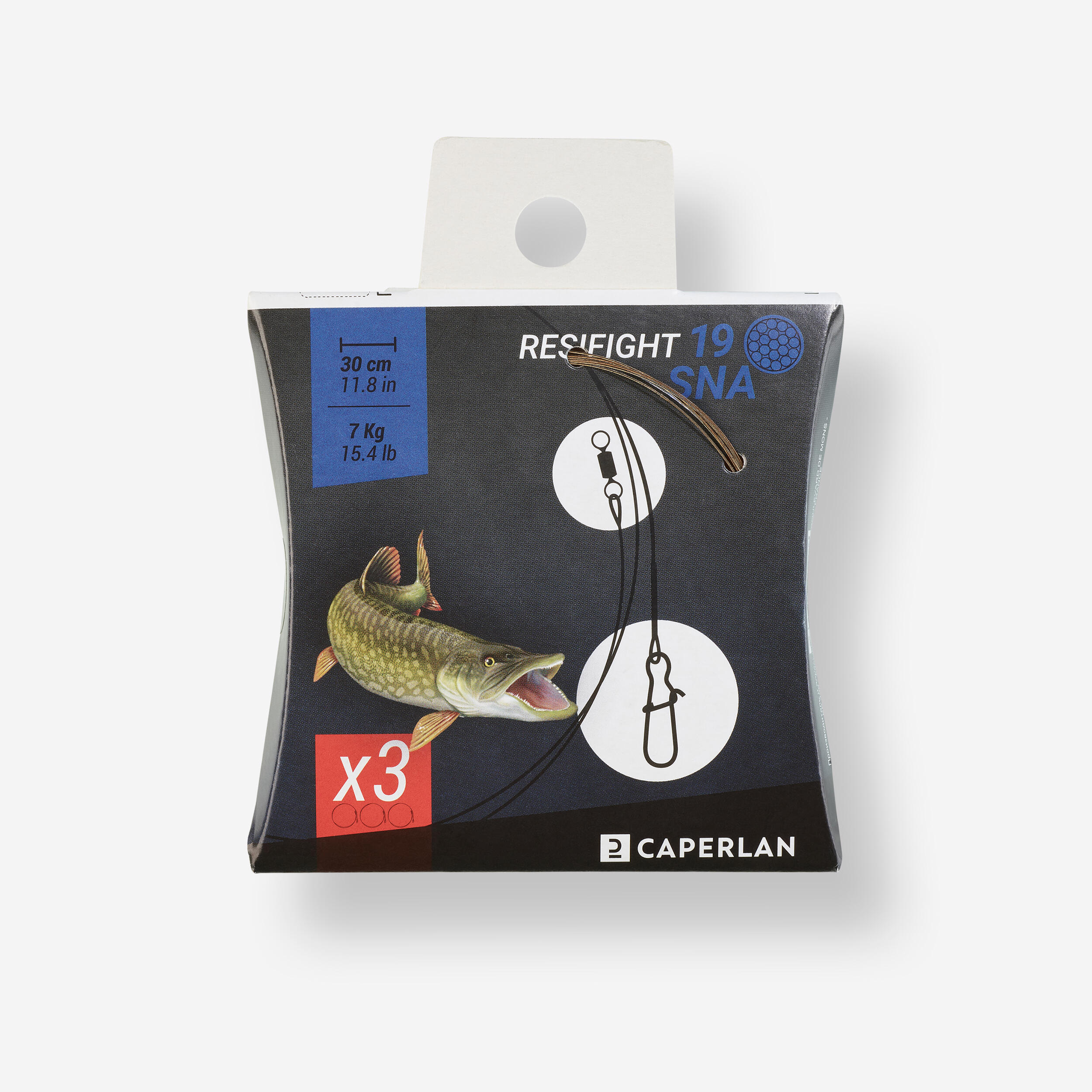
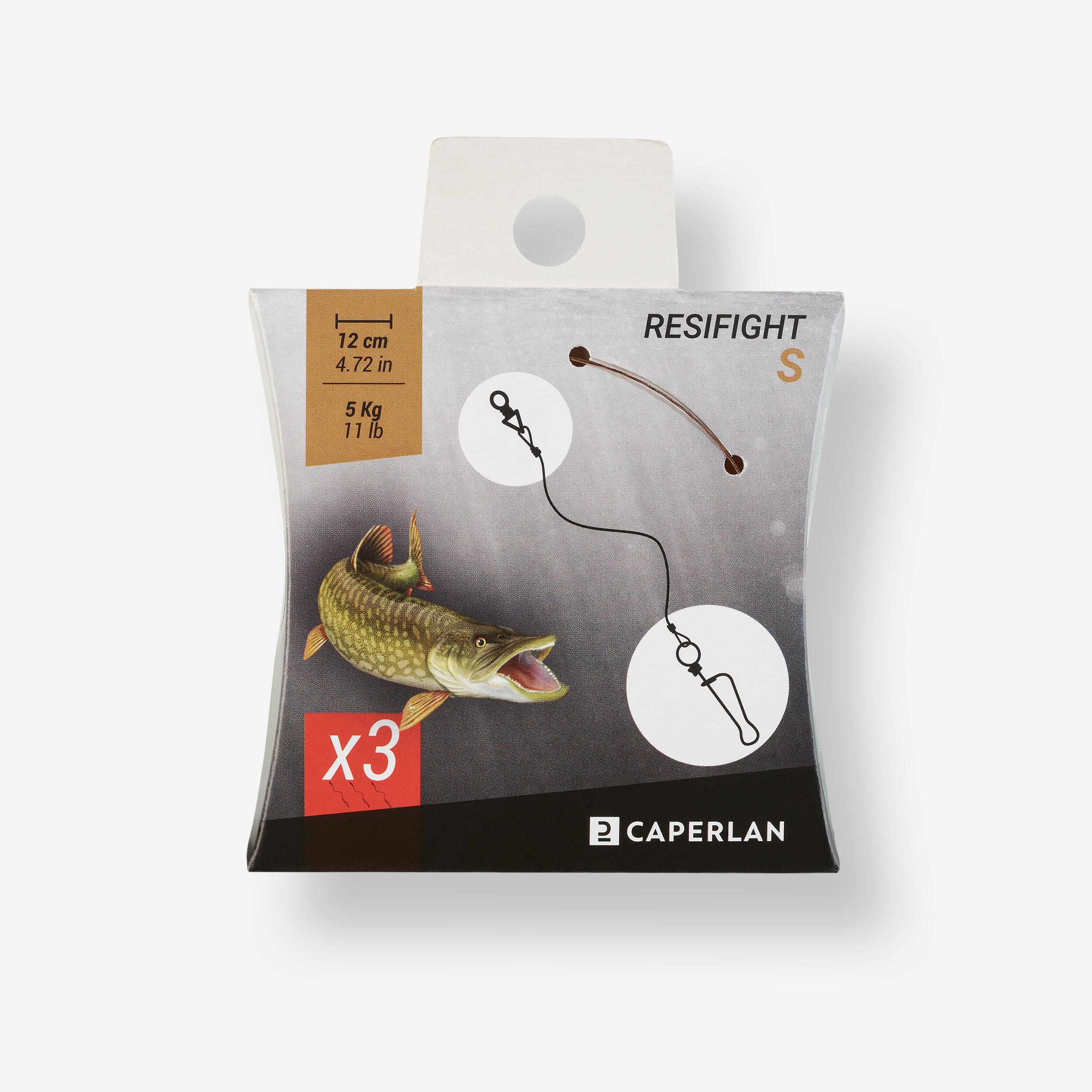
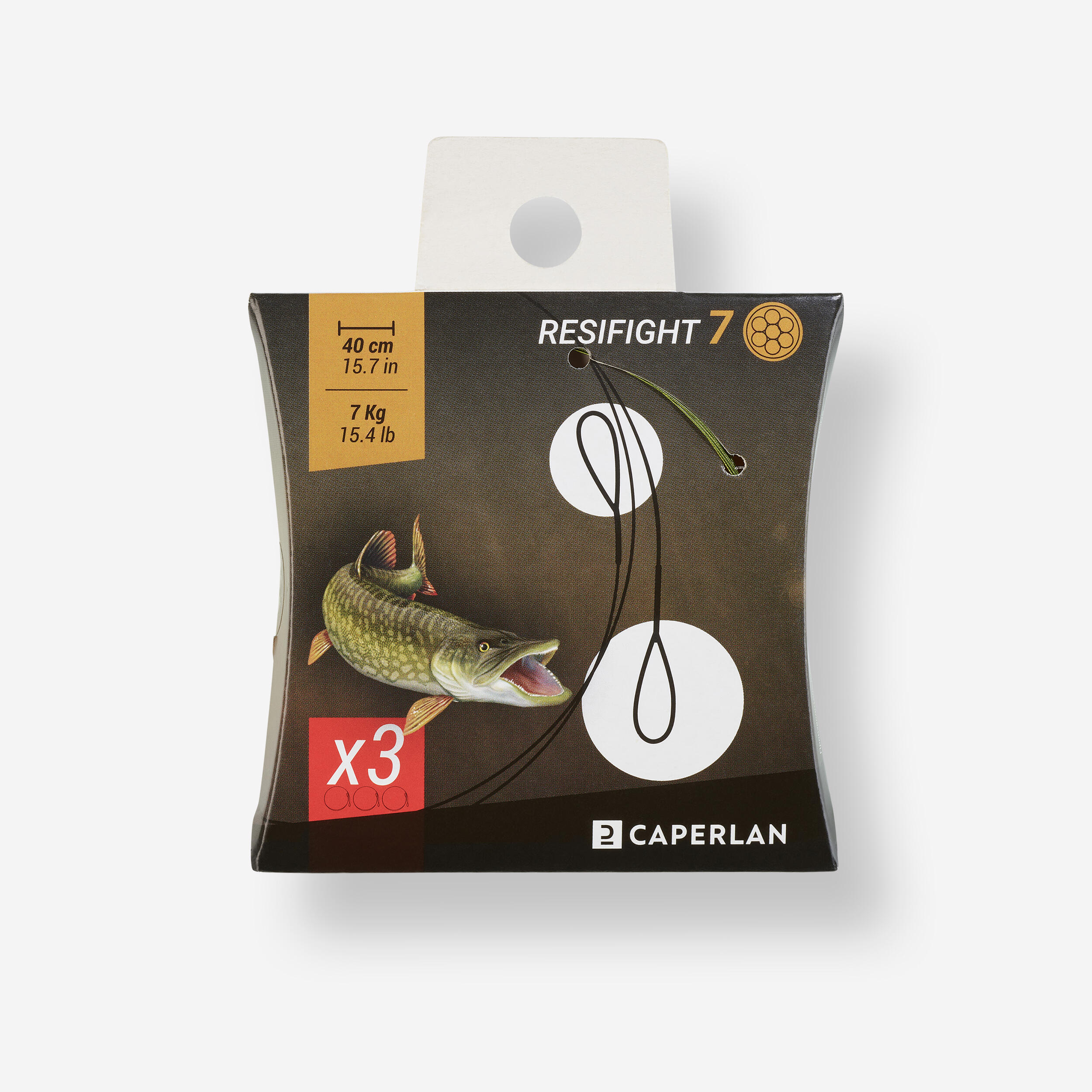
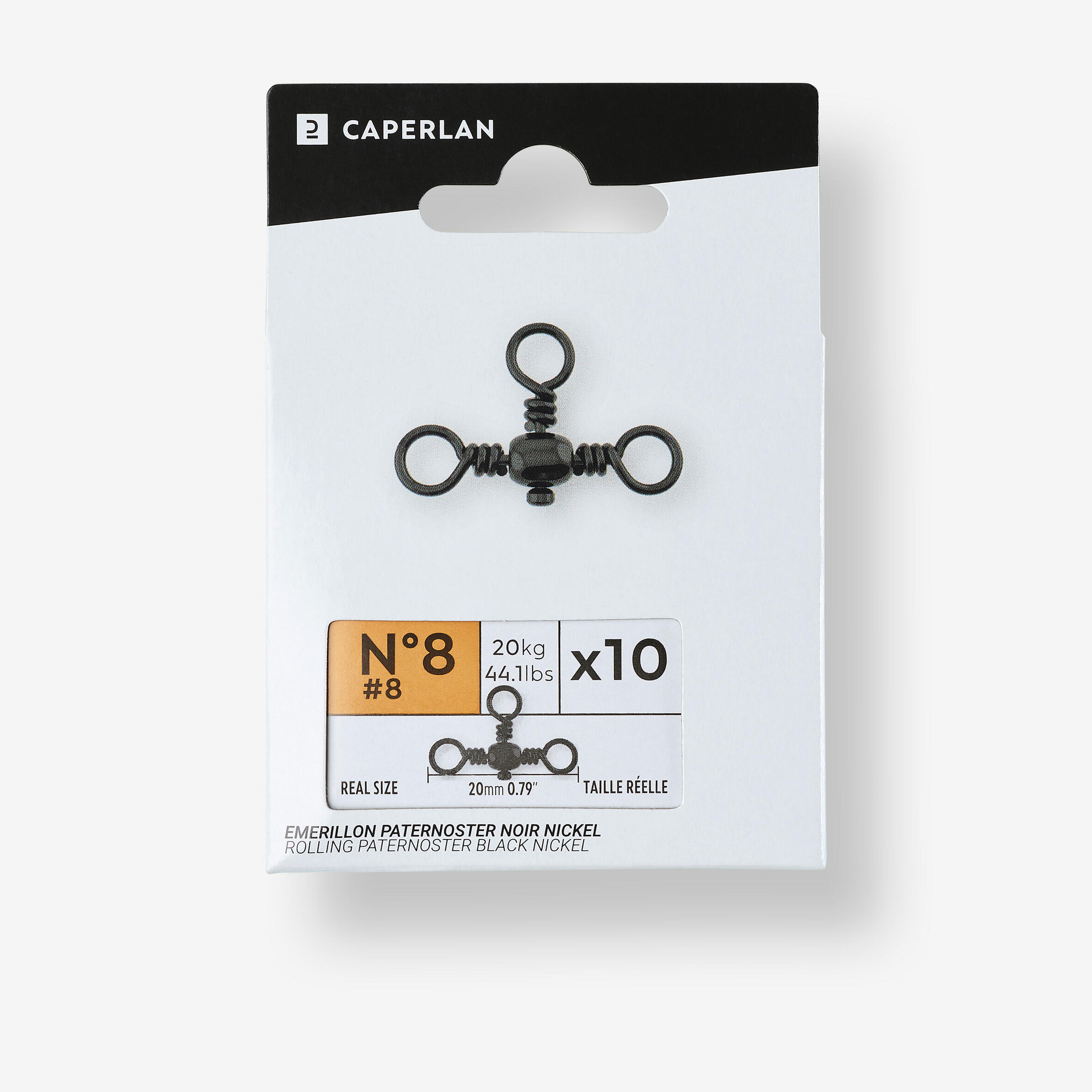
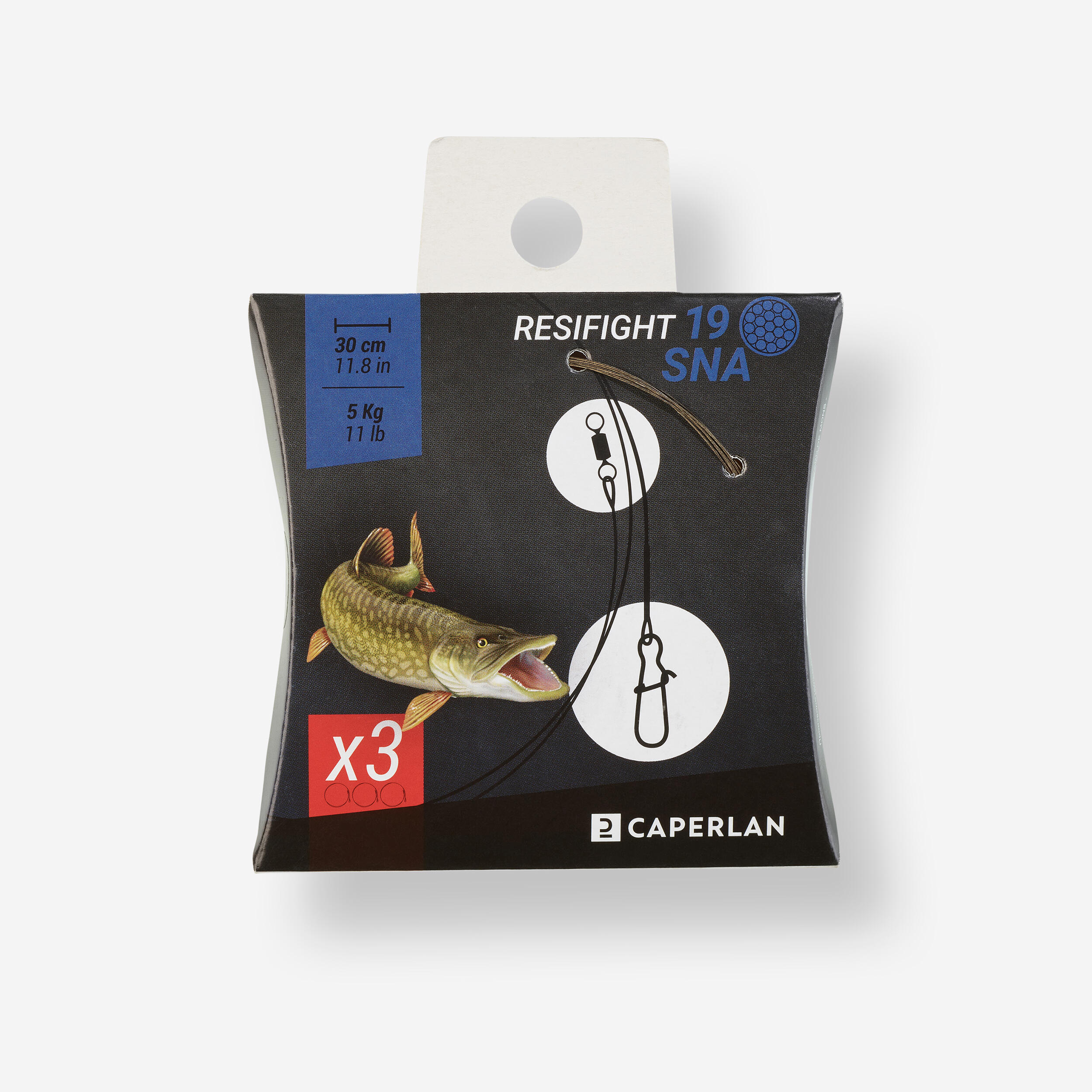
Base the connector on the complete rig rather than selecting it by size alone. Your main line, leader, hook, sinker and swivel all work together, so one extremely strong component does not compensate for a weaker knot or trace. Caperlan publishes resistance figures across its swivel sizes, helping you select hardware that fits lighter or heavier systems more precisely. When preparing for predator ledgering fishing, also think about how the rig needs to move. A plain rolling swivel provides rotation, while snap, rapid-snap and double-snap formats add quicker attachment options. Paternoster swivels provide another purpose-specific format when the rig construction requires an additional branch connection.

How do you care for predator fishing swivels after use?

Inspect swivels for bent snaps, rough rotation and visible corrosion before putting them back into your tackle box. Caperlan advises rinsing selected black-nickel swivels with fresh water after saltwater use, then allowing them to dry before storage. The coating improves corrosion resistance but does not remove the need for basic care. Keep swivels separated by size and strength so you can identify the correct connector quickly during your next predator fishing session. Replace clips that no longer close securely and discard swivels that feel damaged or rotate poorly. Regular inspection matters because a small terminal connector can become a critical load-bearing point once a larger predator puts pressure through the complete rig.