58 items
4.5/5 based on 6265 reviews collected online and in stores

Air Bed Pumps FAQs

What should I look for in an air bed pump for camping?

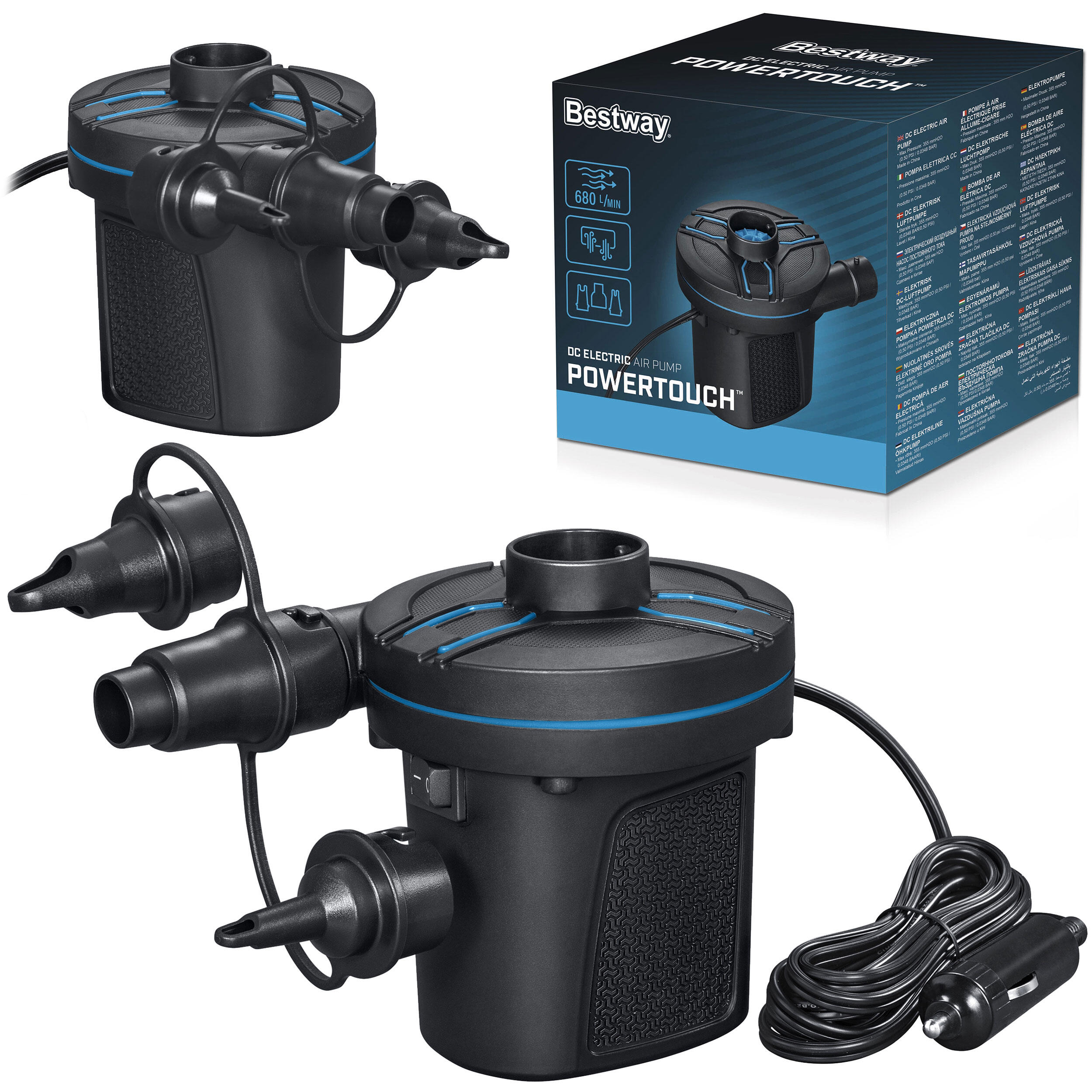
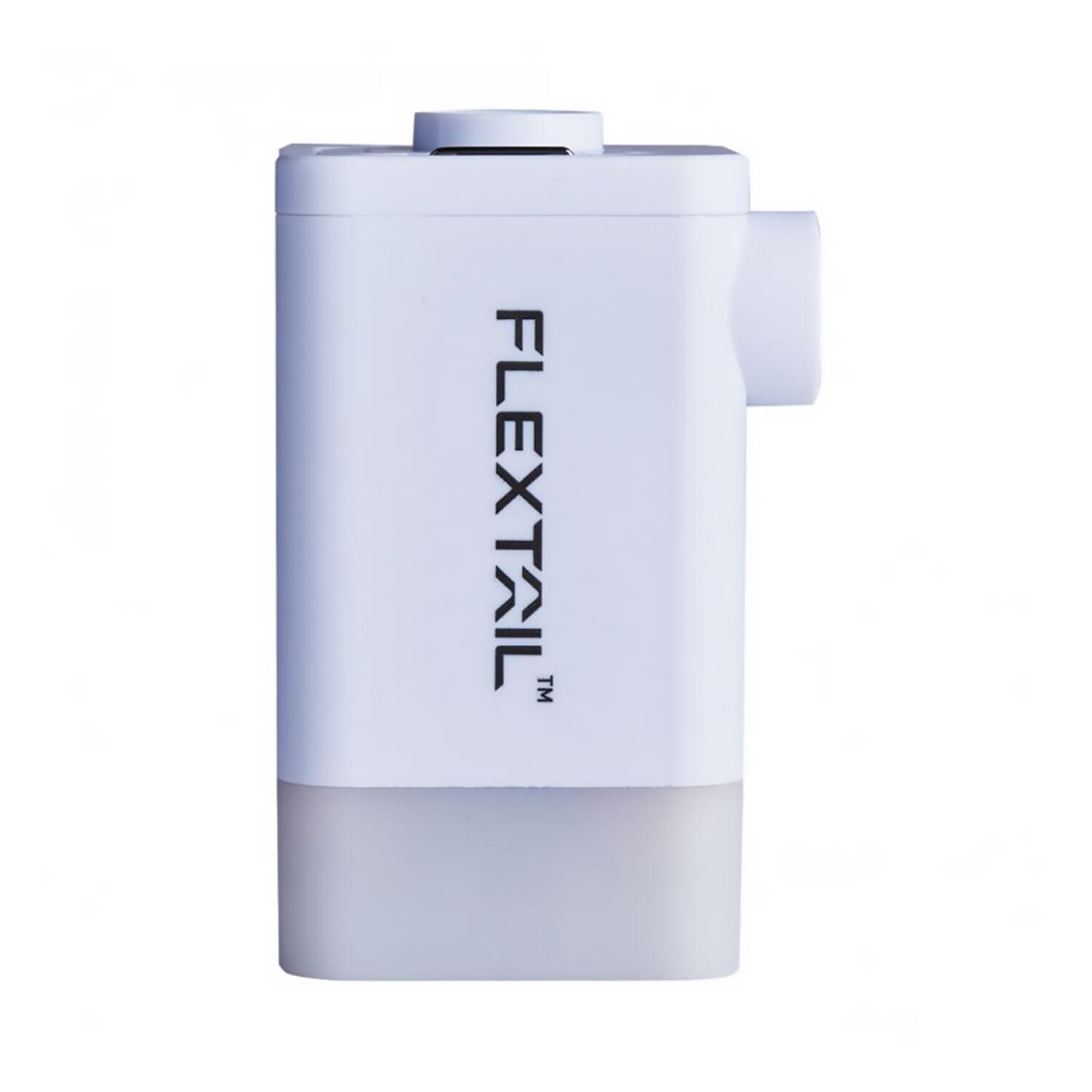
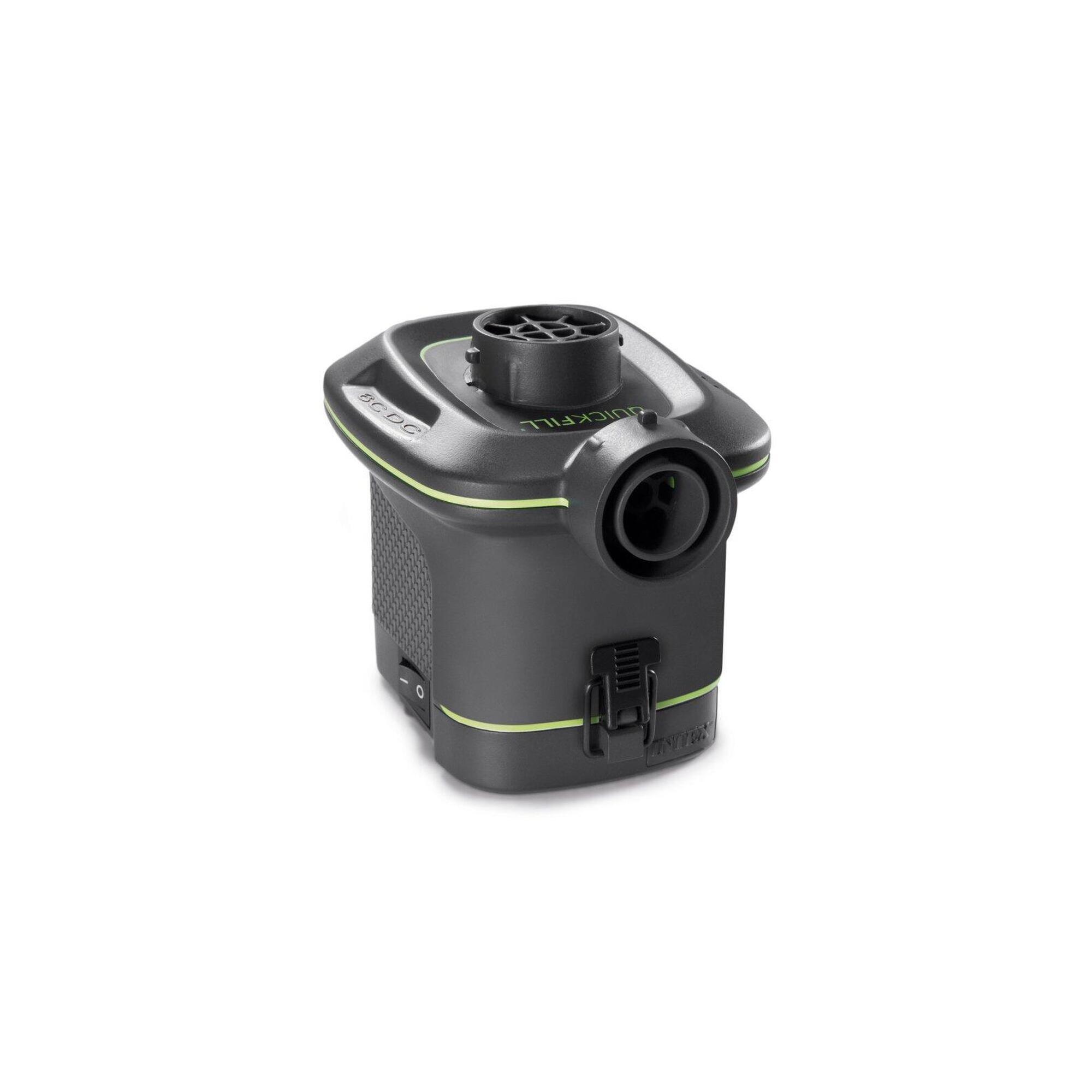
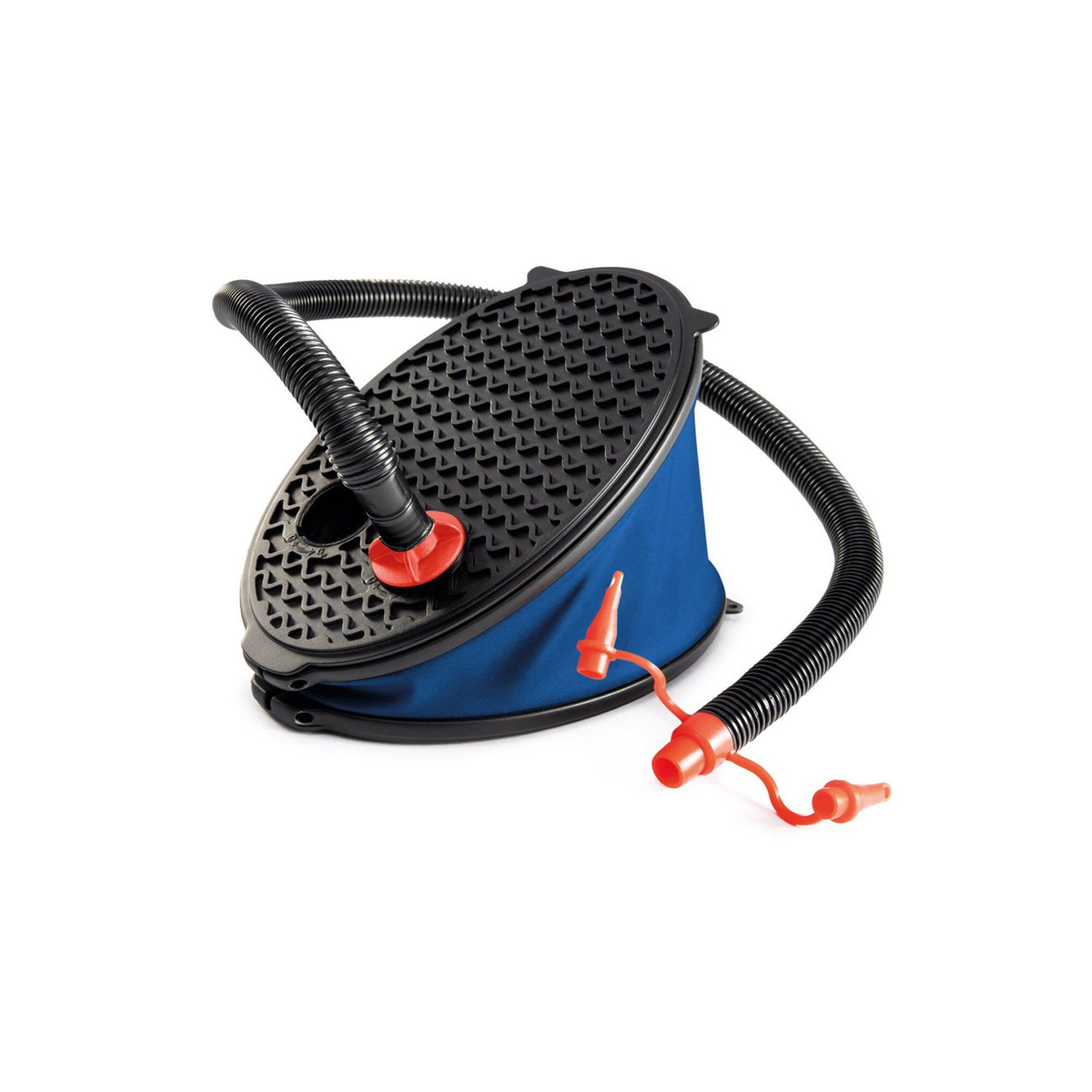
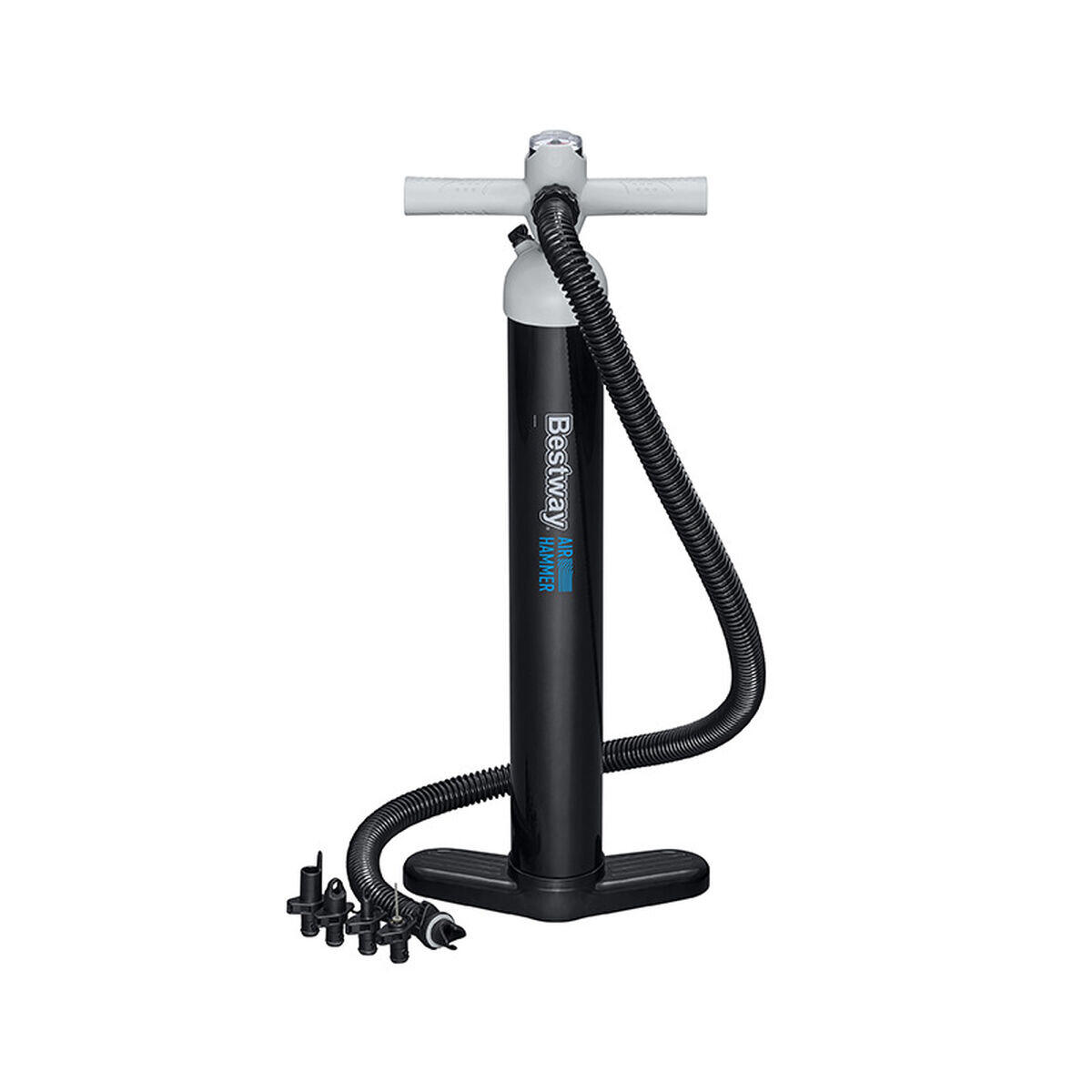
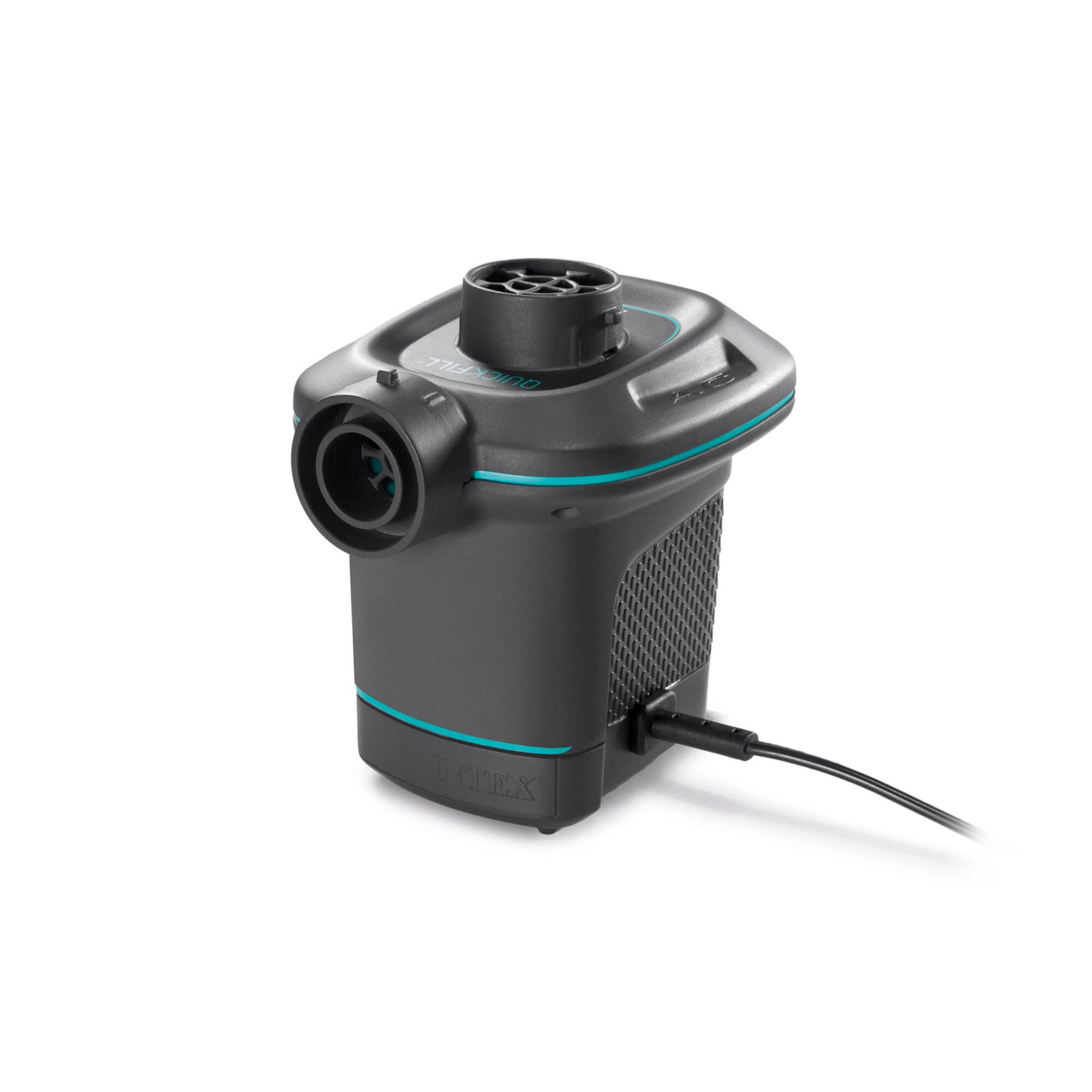
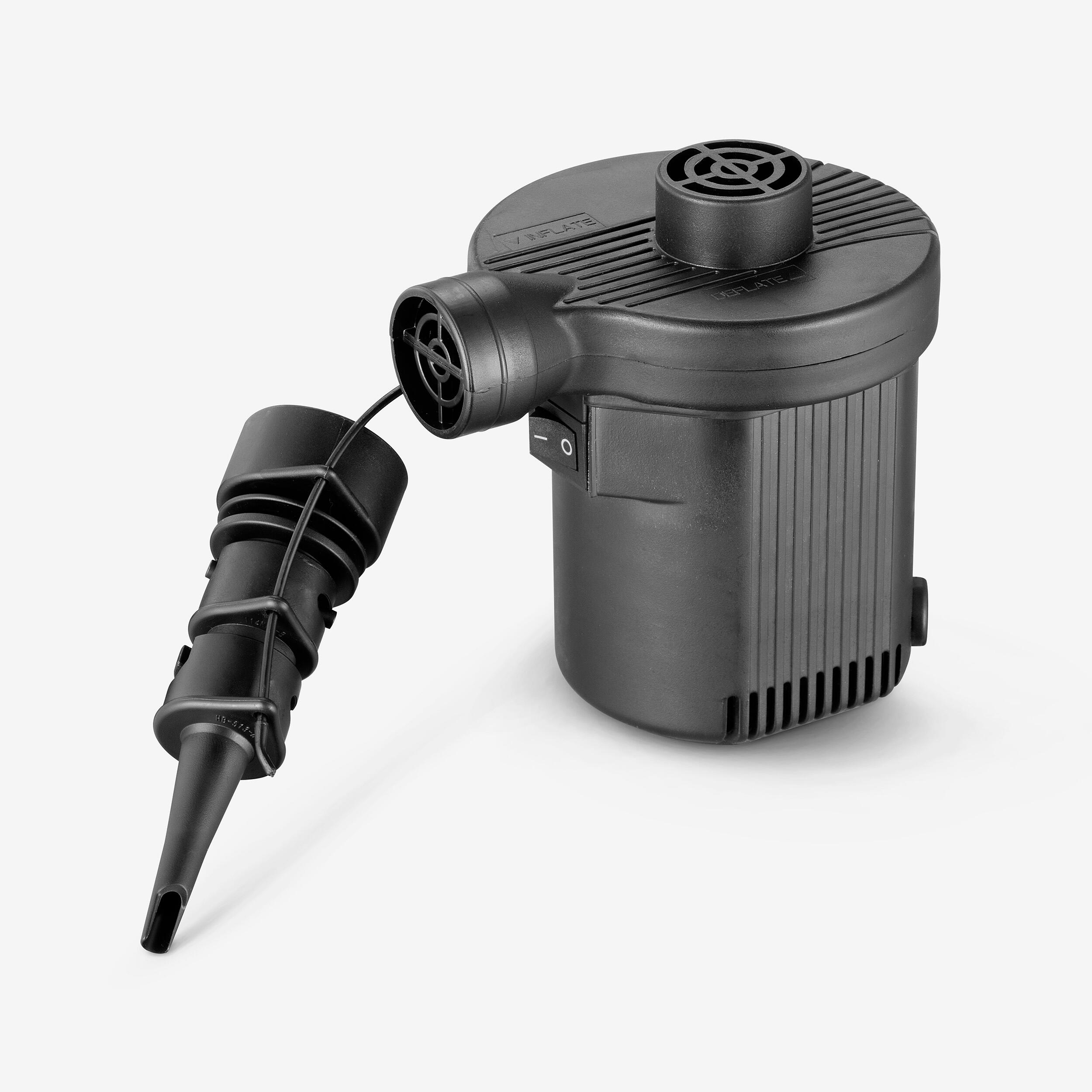
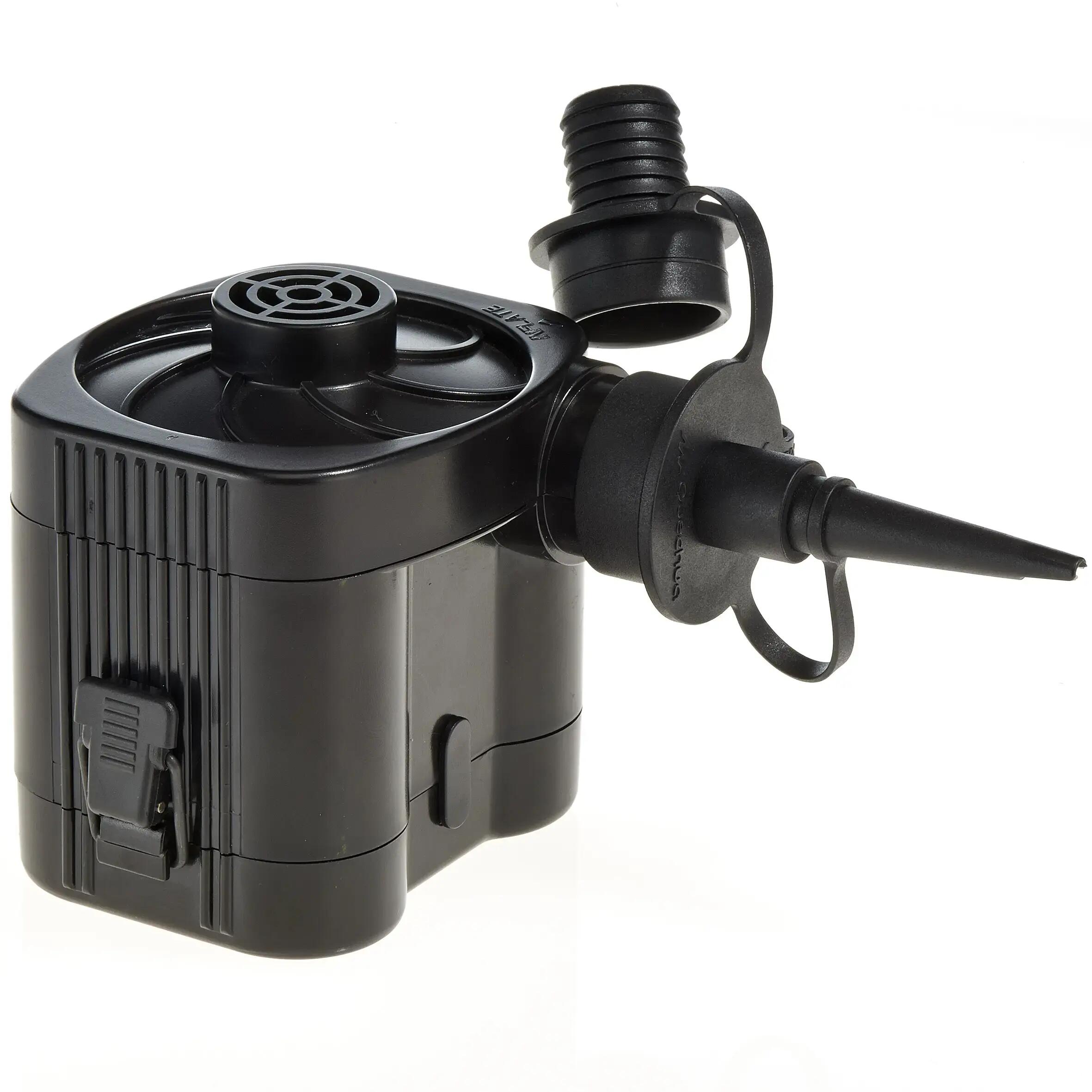
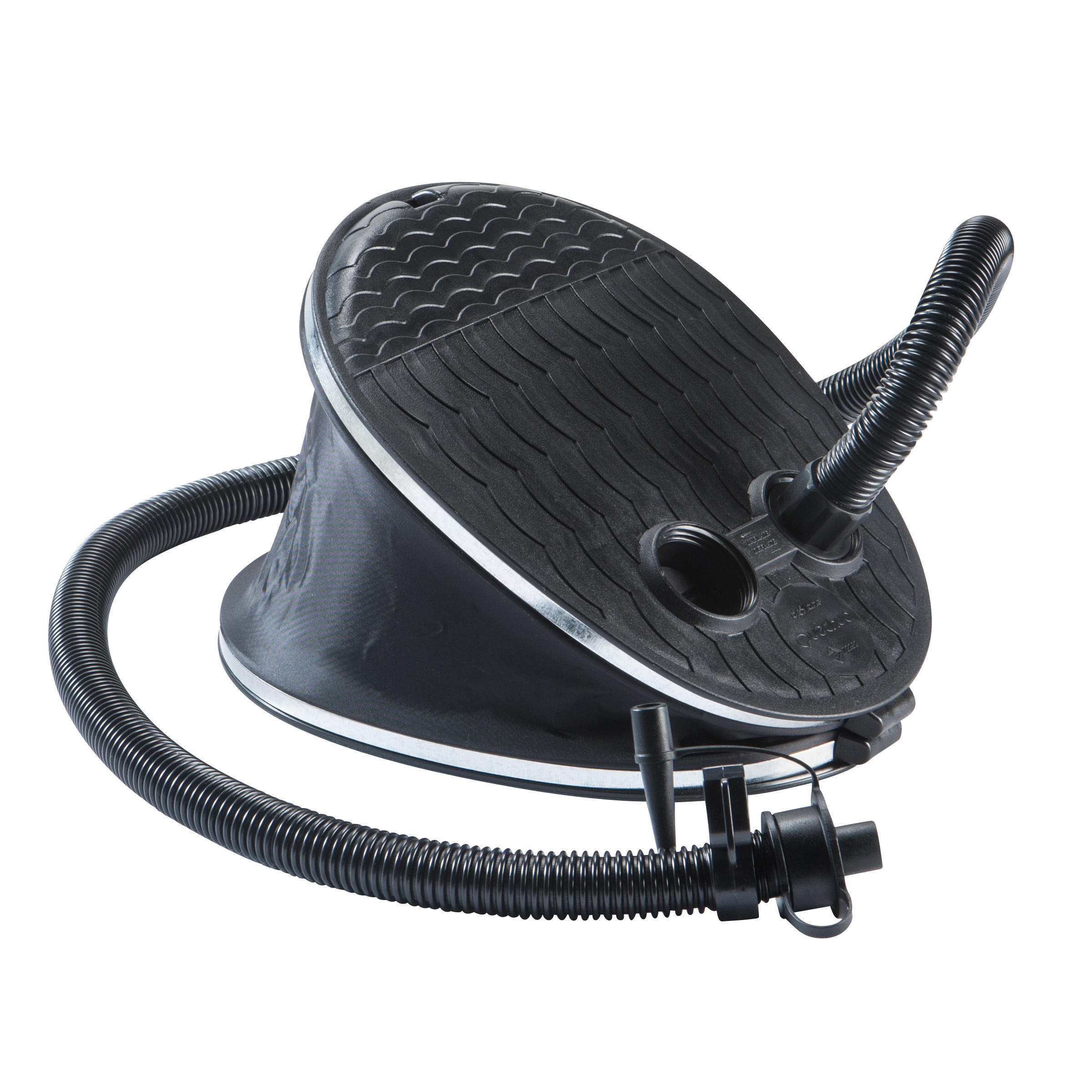
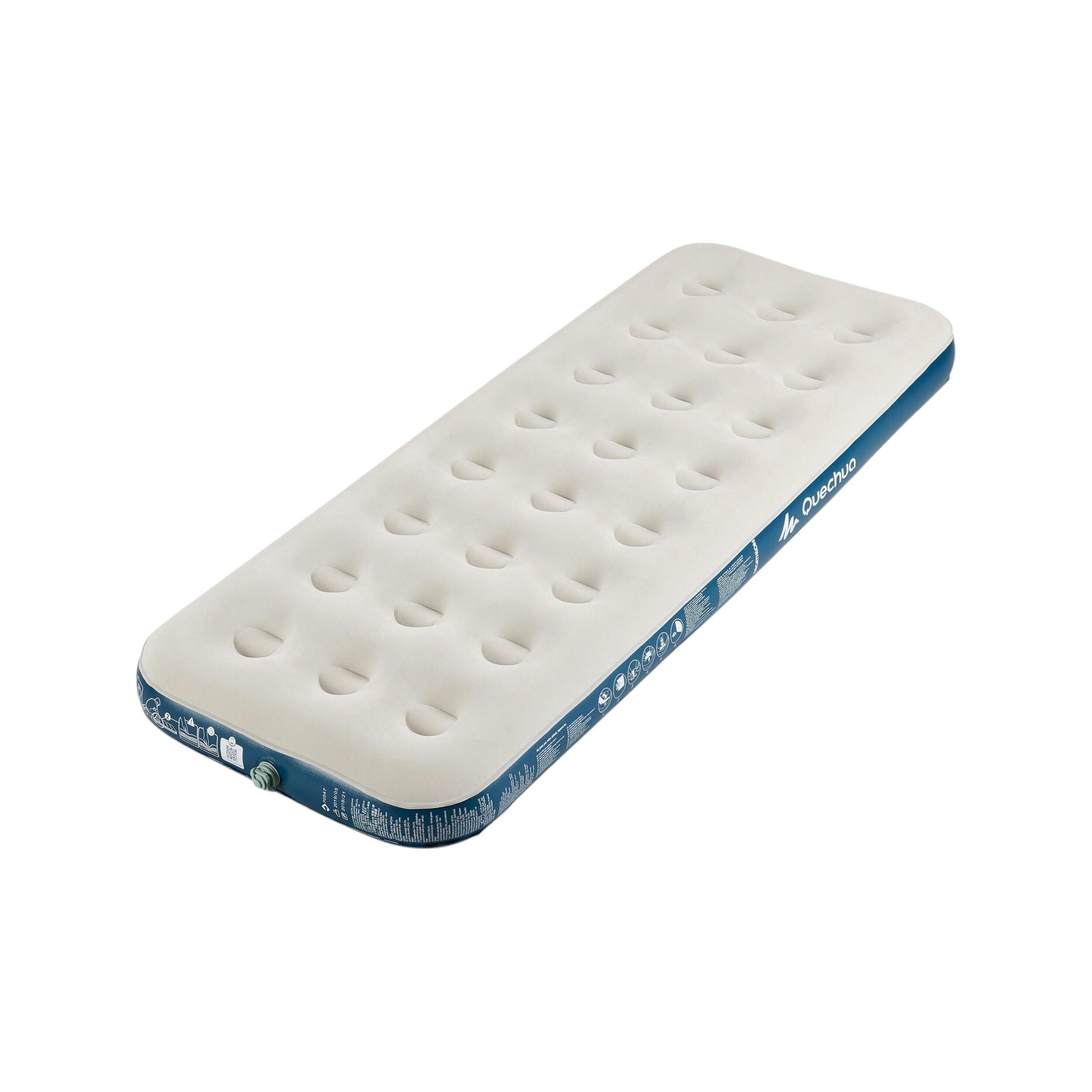
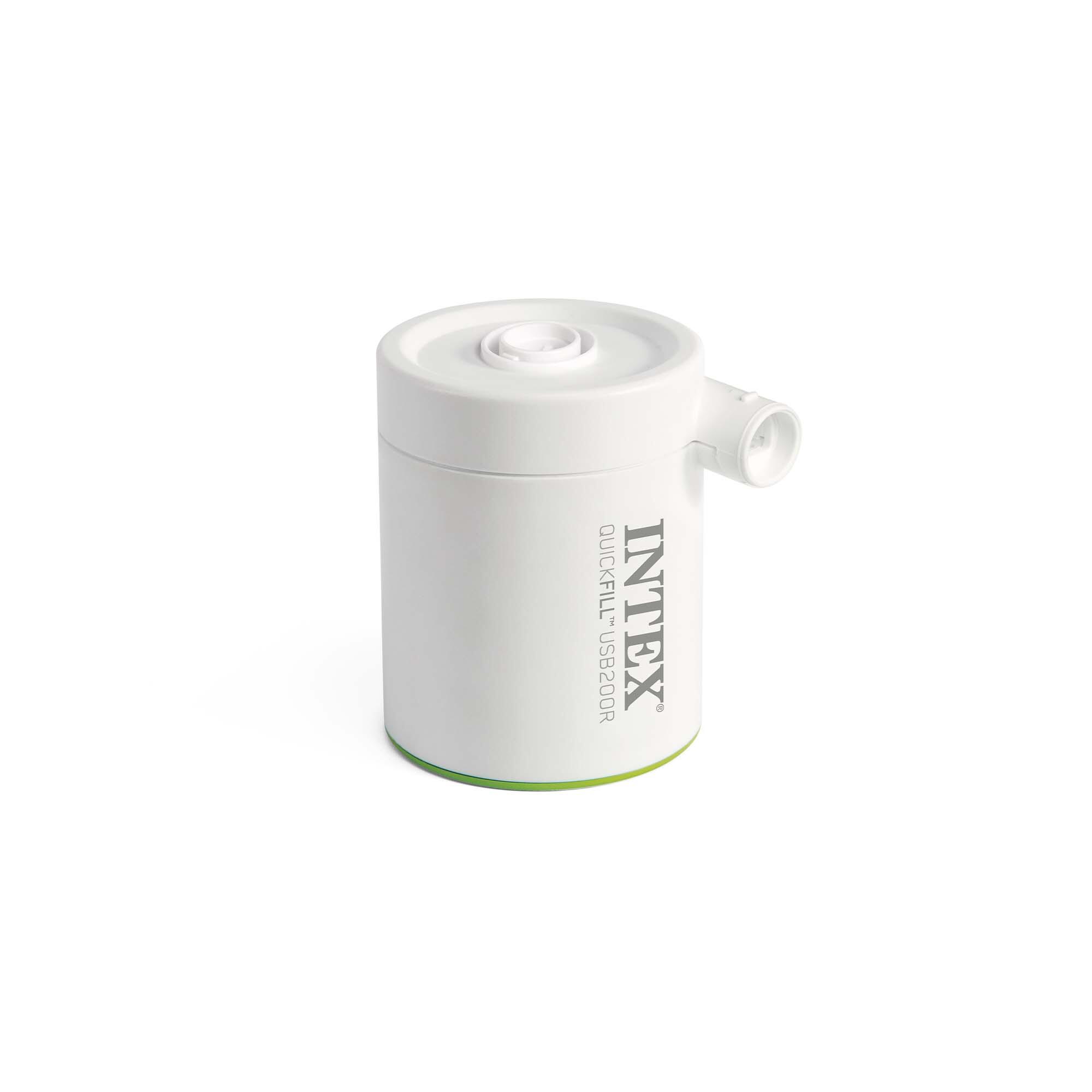
Choosing the right air bed pump comes down to the type of mattress, the power available at your pitch, and how fast you want the bed ready for sleep. Mains-powered electric pumps fill family-sized air beds and doubles in minutes, while rechargeable and battery models work anywhere, even on pitches with no hook-up. That first night at camp is where the difference shows: an undersized pump takes an age to fill a tall bed and may never quite reach full firmness, whereas a high-volume pump gets the air in fast and lets you climb in straight after a long drive. Lightweight hand and foot pumps suit trekking mats and trips where weight beats speed, packing small and needing no charge. One expert tip: charge a rechargeable pump fully the night before and pack a spare cable so it's always ready at the pitch. Because pump and bed work as a pair, the standard, raised, and family-sized inflatable mattresses in our range each call for a slightly different airflow to reach their best firmness.

Do I still need an air bed pump for self-inflating mattresses?

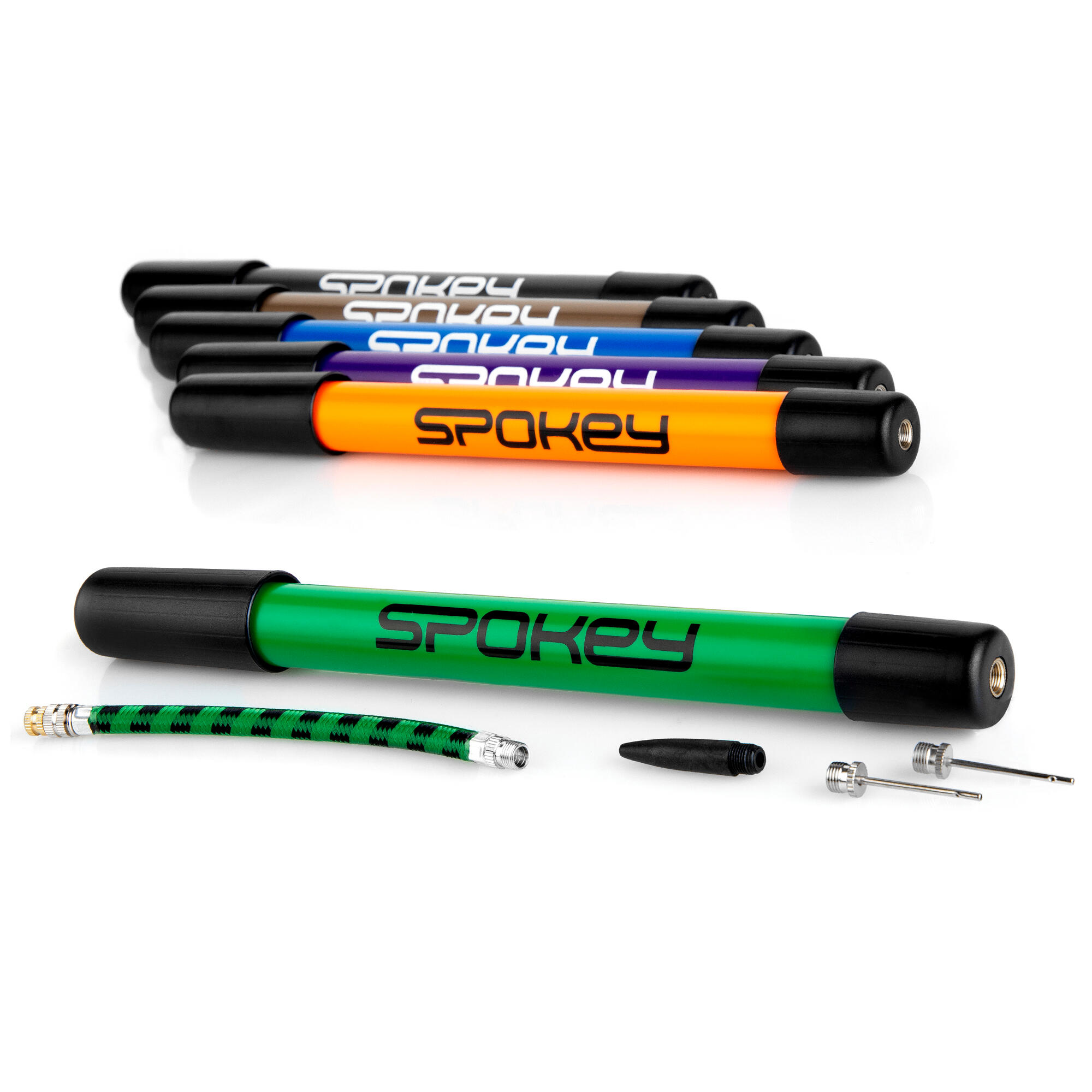
Self-inflating mattresses do most of the work on their own, yet a small pump still earns a spot in the kit for topping up the firmness once the foam has done the heavy lifting. Open the valve, and the open-cell core pulls in air automatically, reaching a usable sleeping firmness, while a few puffs from a hand pump take it to the firmer feel some sleepers want for the lower back and hips. That fine control is exactly why the standard, lightweight, and trekking-cut self-inflating mattresses from Quechua and Forclaz pair so well with a compact pump on longer trips.

What air bed pump should I pair with a double inflatable mattress?

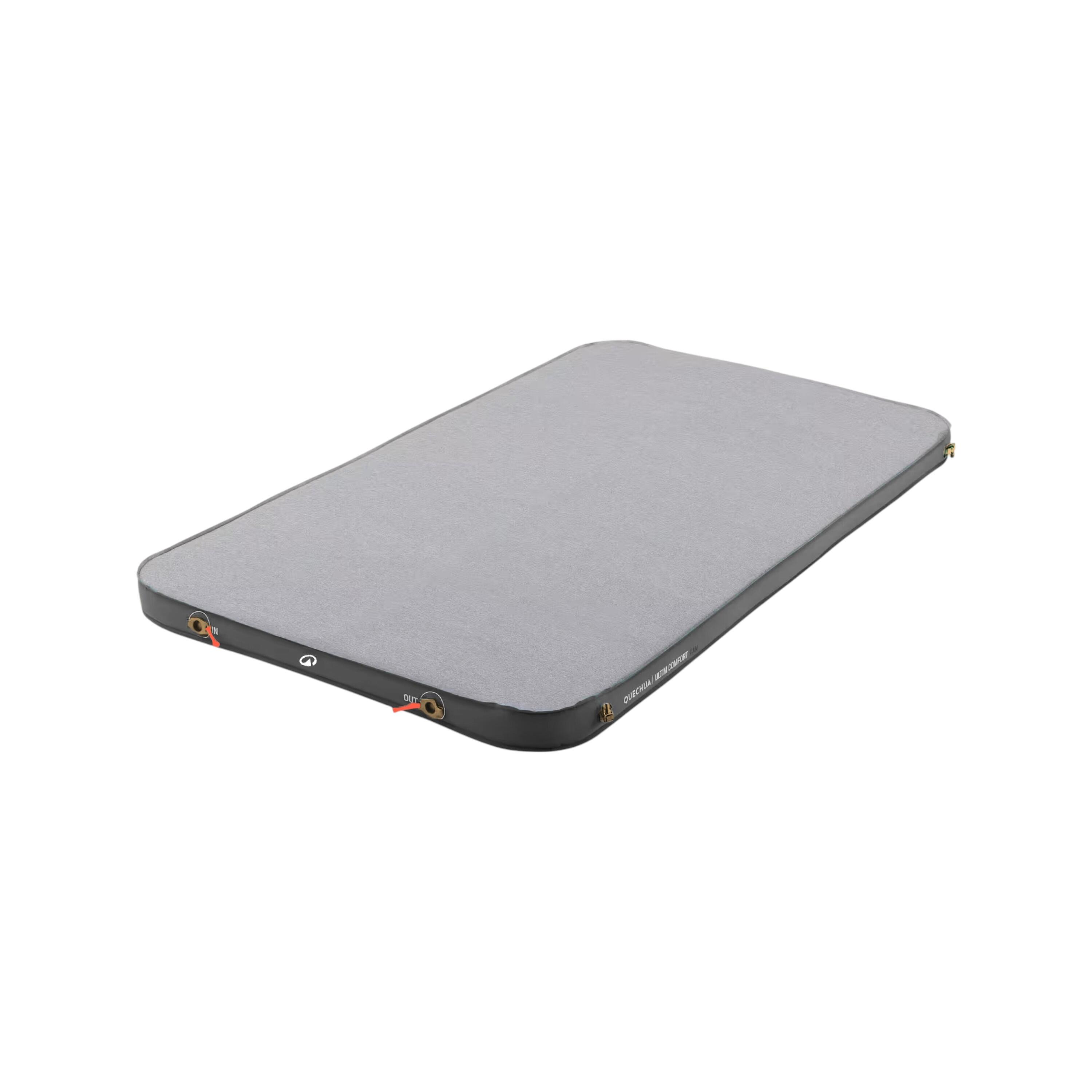
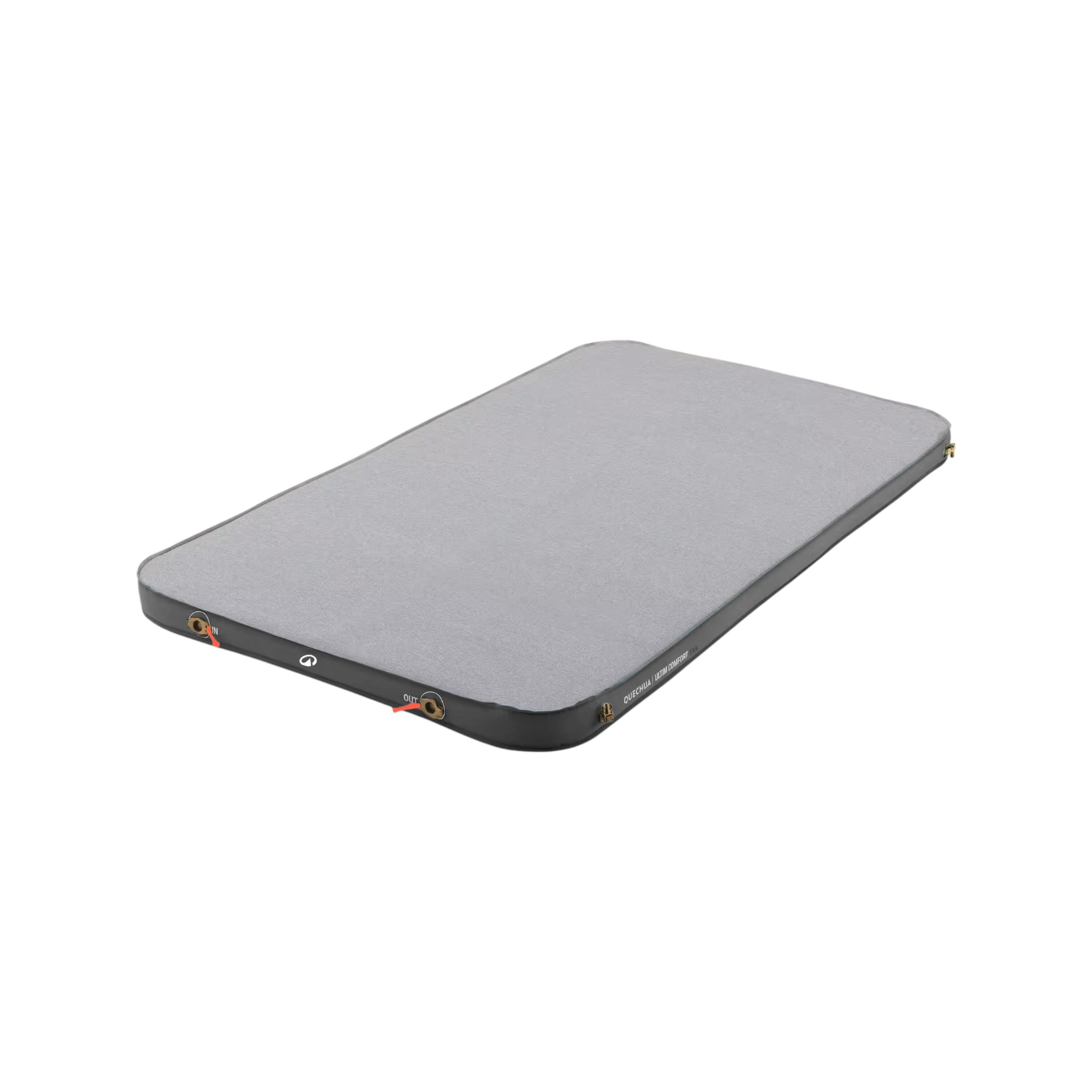
A wide double holds far more air, so it needs a pump that can shift real volume quickly and fully, without the lung-busting effort of filling a tall bed by mouth. Mains electric pumps and high-volume rechargeable models both manage it in minutes, while a built-in pump fitted to the bed itself removes the separate-pump step altogether. The arrival night counts most, since a fully inflated bed sleeps far better than a half-filled one; if you're still deciding on the bed, our standard-height, raised, and lightweight double inflatable mattresses each pair neatly with a high-volume pump.

What pump should I pair with a trekking mattress for hiking trips?

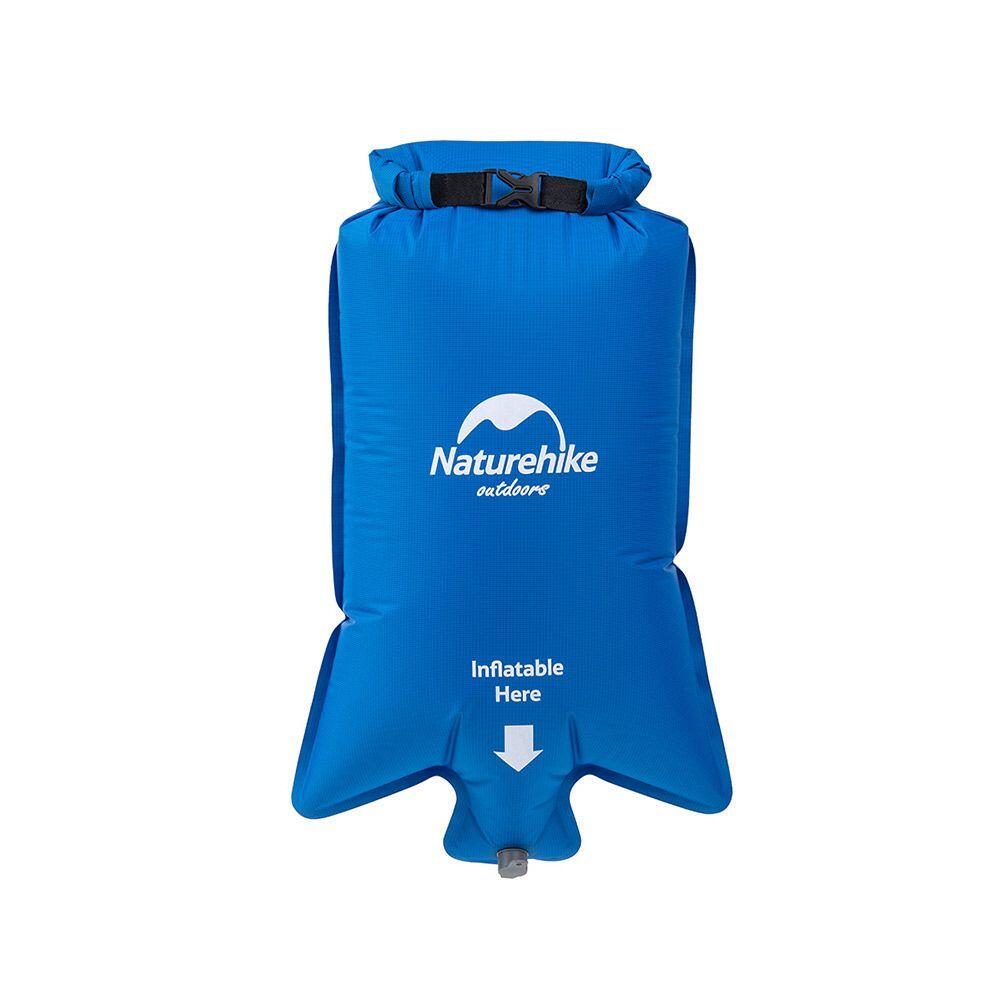
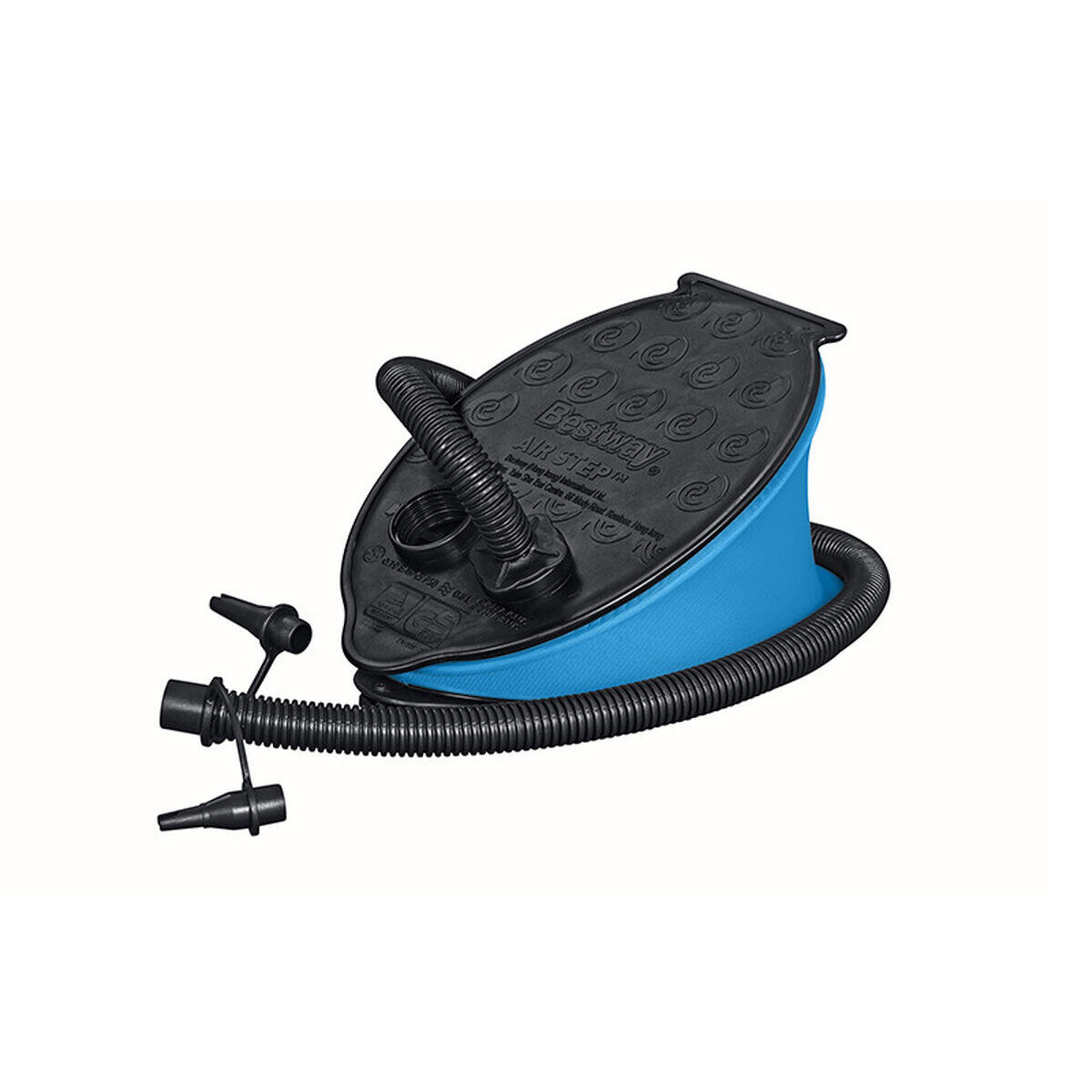
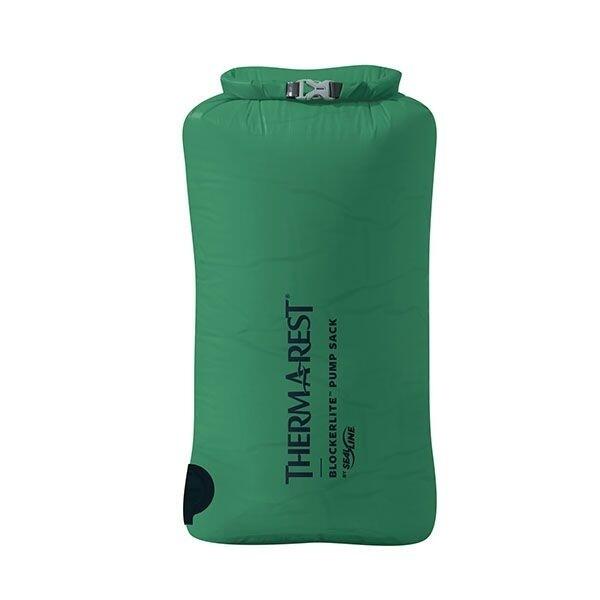
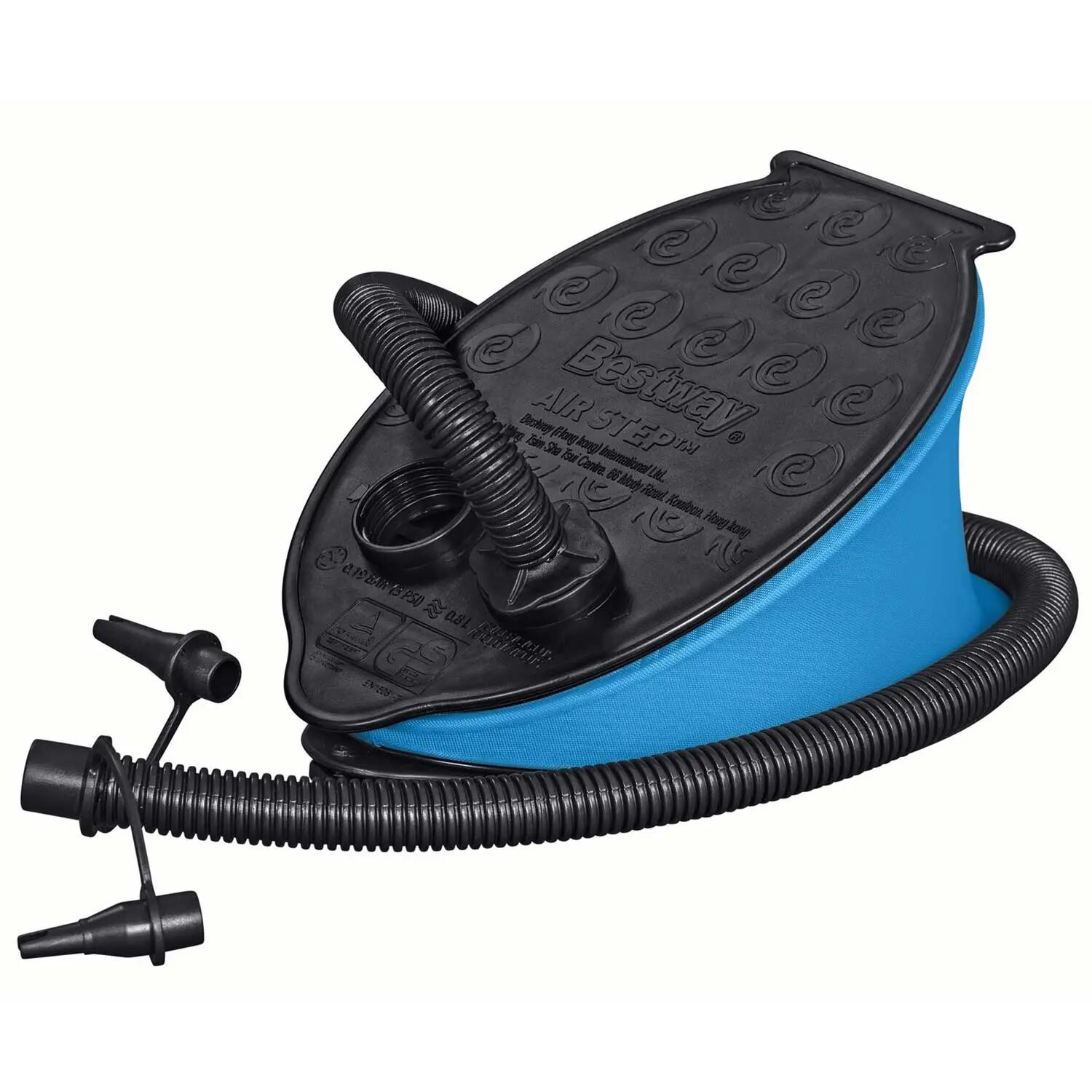
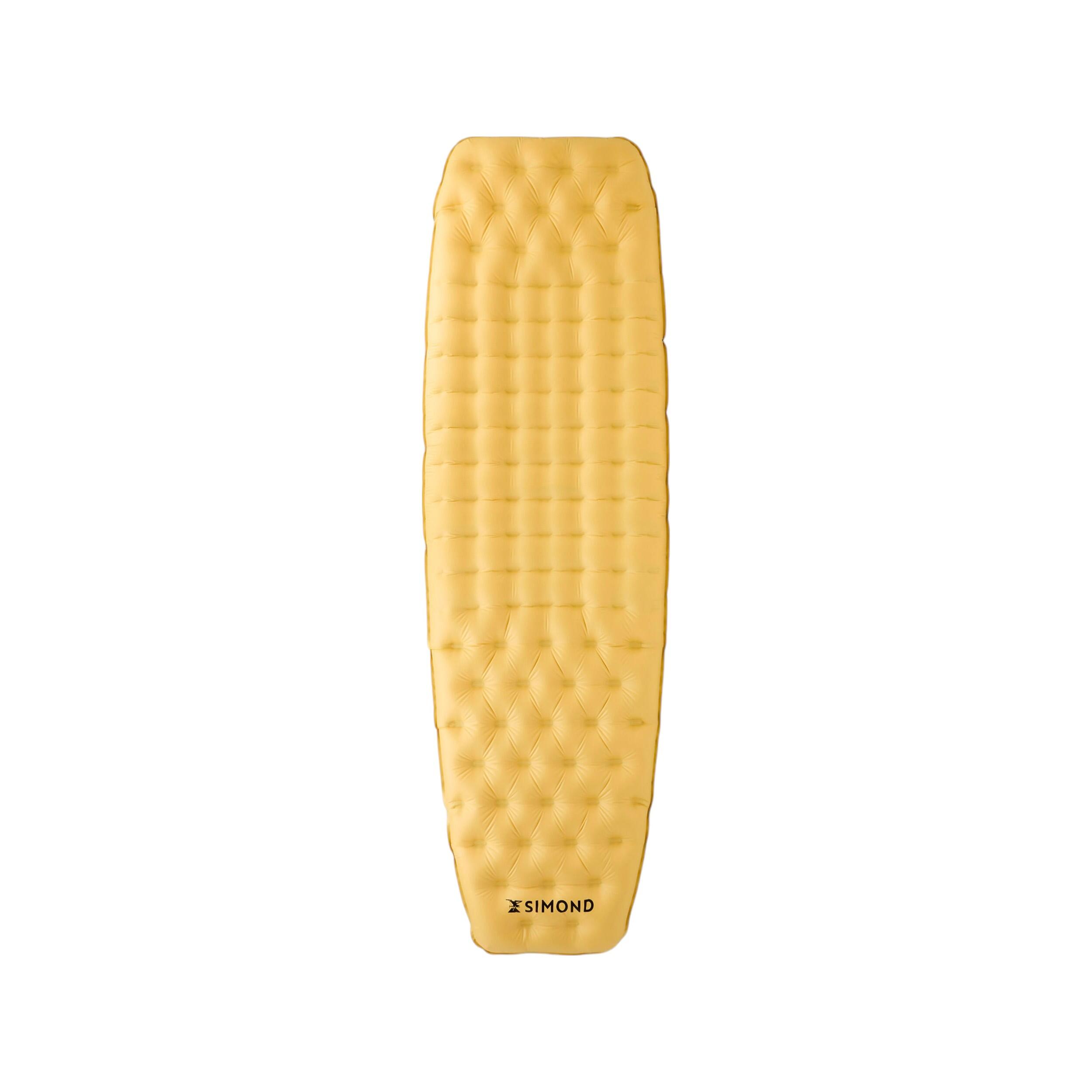
On the trail, weight, pack size, and the lack of mains power decide everything, so a trekking mattress calls for a very different pump than a car-camping bed. Compact hand pumps, foot pumps, and inflation sacks all squash down small enough to slot inside a rucksack for multi-day routes, while bulky mains units stay at home. A tiny hand pump barely adds to the load yet still fills the mat fully at the pitch, letting tired legs rest properly, which is why the three-season, four-season, and ultra-light trekking mattresses from Forclaz are built around this kind of go-light setup.

Do I need an air bed pump for sleeping mats?

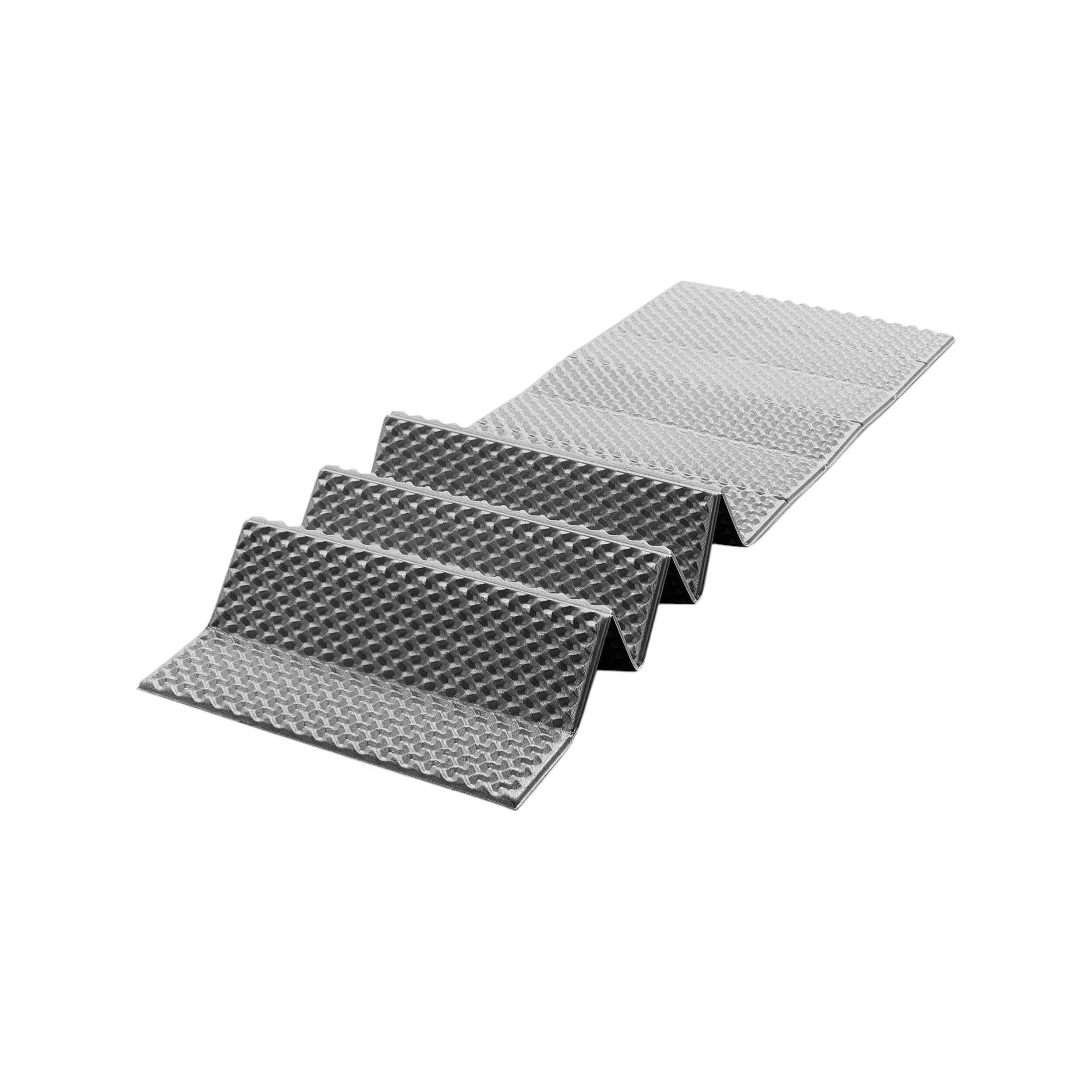
Sleeping mats rarely need a pump at all, since the most common ones use closed-cell foam and unroll in seconds at every pitch. Foam mats stay solid, never deflate, and work the moment they hit the tent floor, which keeps the pump off the kit list entirely. Knowing which mats need air and which don't keep your gear lean and the boot uncluttered for the rest of the family kit. The foam, closed-cell, and budget sleeping mats from Quechua and Forclaz cover all the no-pump options.