87 items
4.5/5 based on 4661 reviews collected online and in stores

SCUBA DIVING NEOPRENE FAQS

How do different neoprene densities affect underwater insulation during deeper descents?

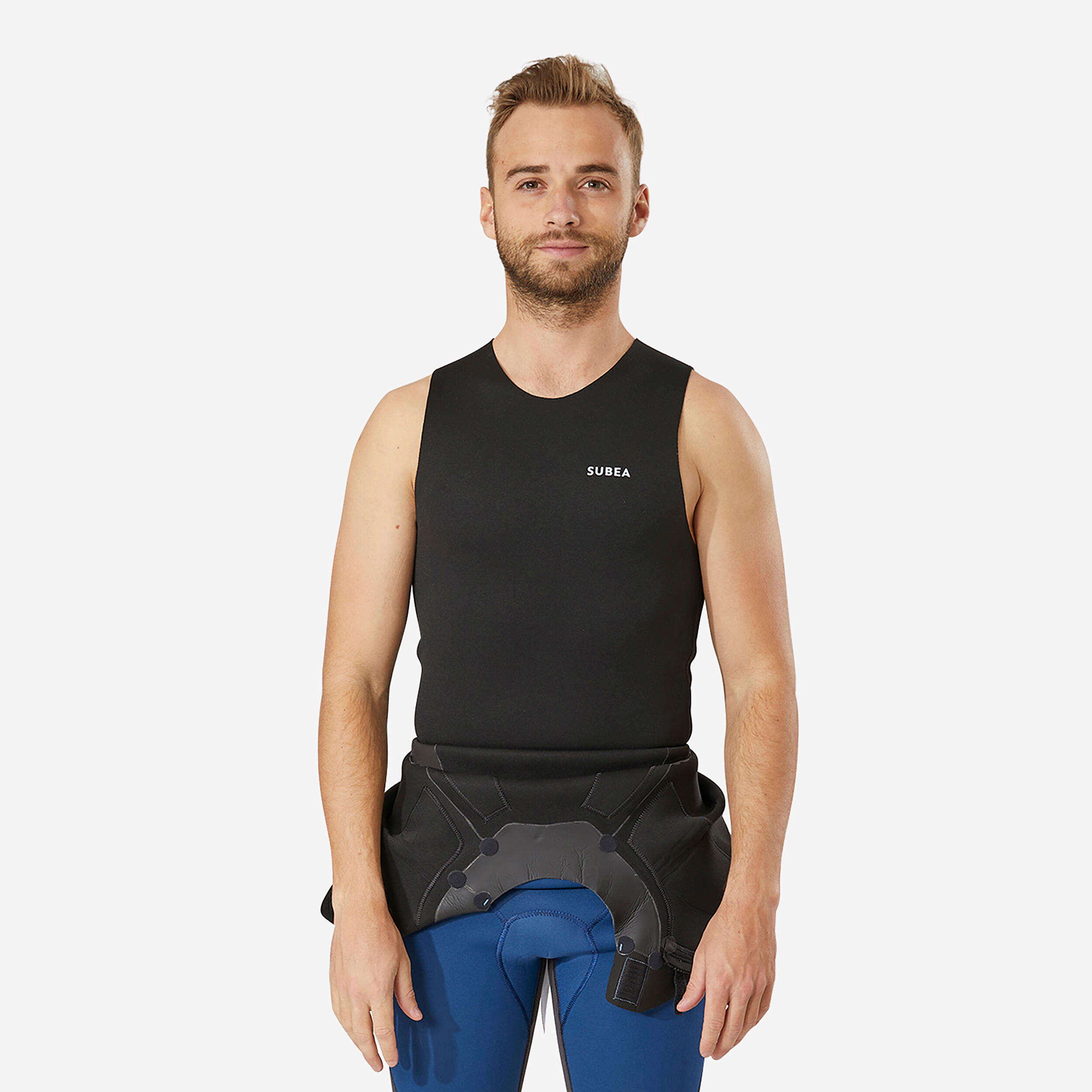
Selecting proper equipment requires understanding how air bubbles behave when under pressure. Standard gas-blown variations collapse significantly below 15 metres, whereas high-density pre-compressed variants maintain wall structural integrity to minimise rapid heat loss. To boost thermal efficiency in cold coastal currents, layering flexible scuba diving thermal tops underneath standard configurations blocks internal water circulation channels. The technical reason for choosing dense rubber formulations is that they resist crushing forces, keeping a stable boundary layer of water trapped against the skin. This structural resilience ensures uniform core warmth during extended periods at depth.
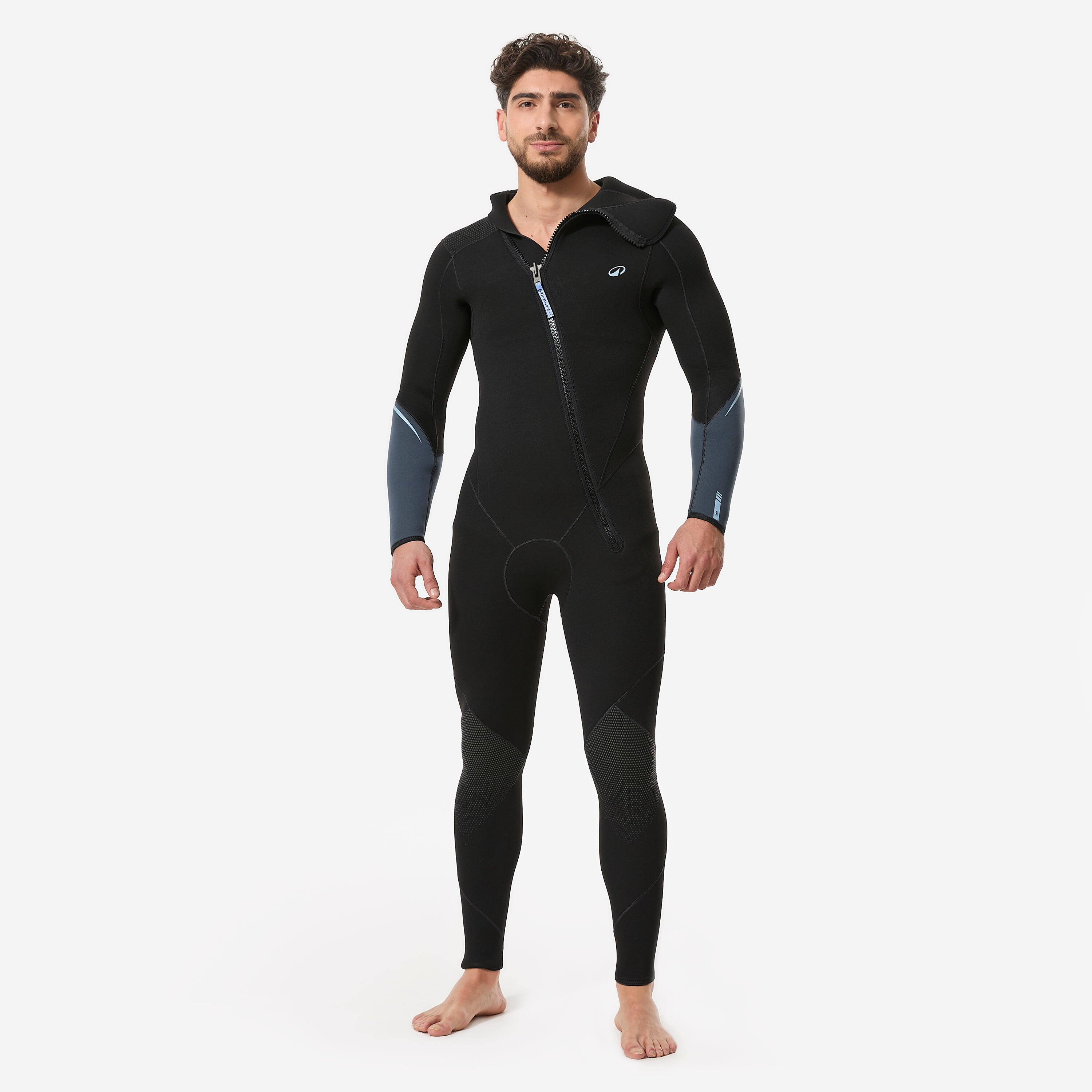
Which neoprene panel configuration works best for cold water diving?

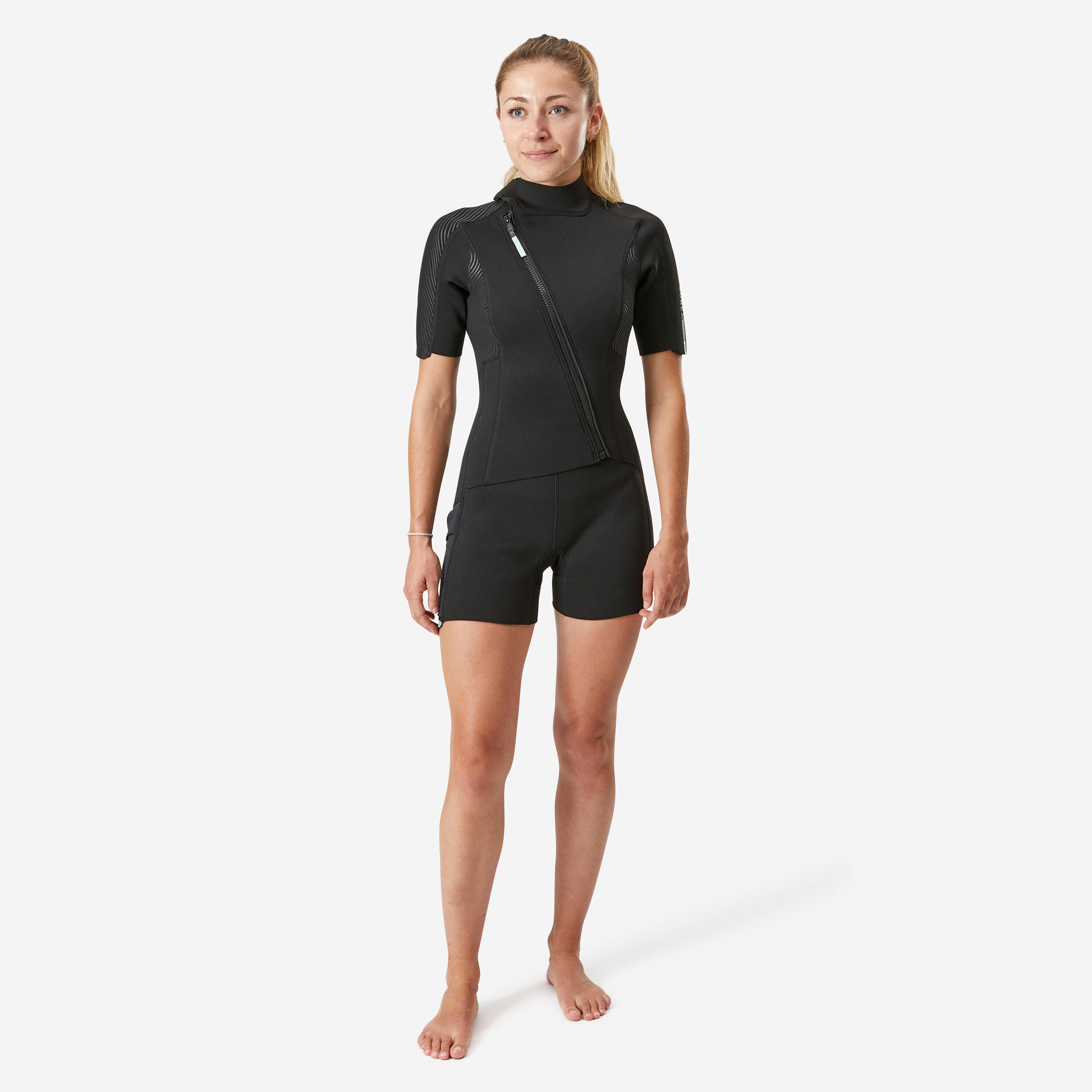
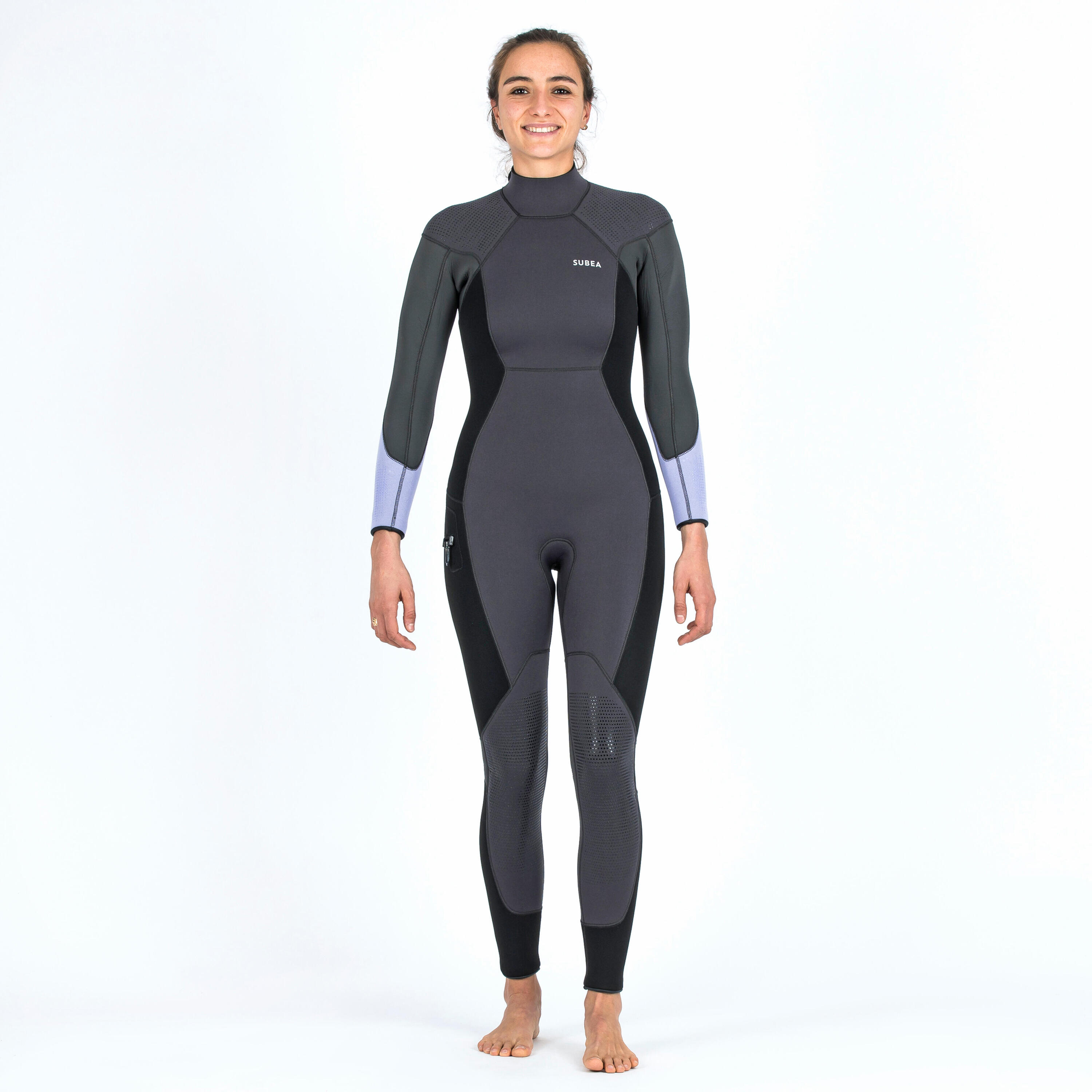
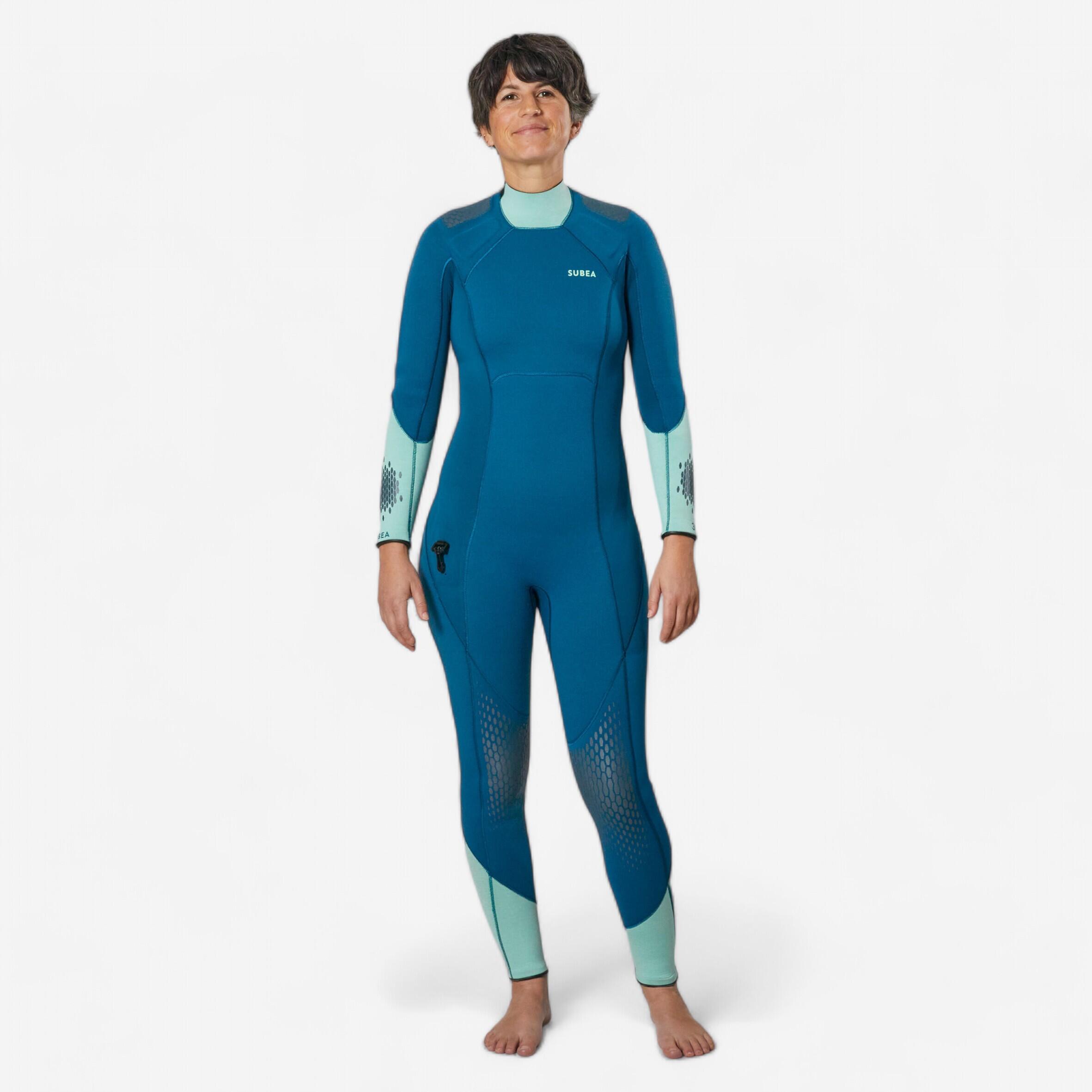
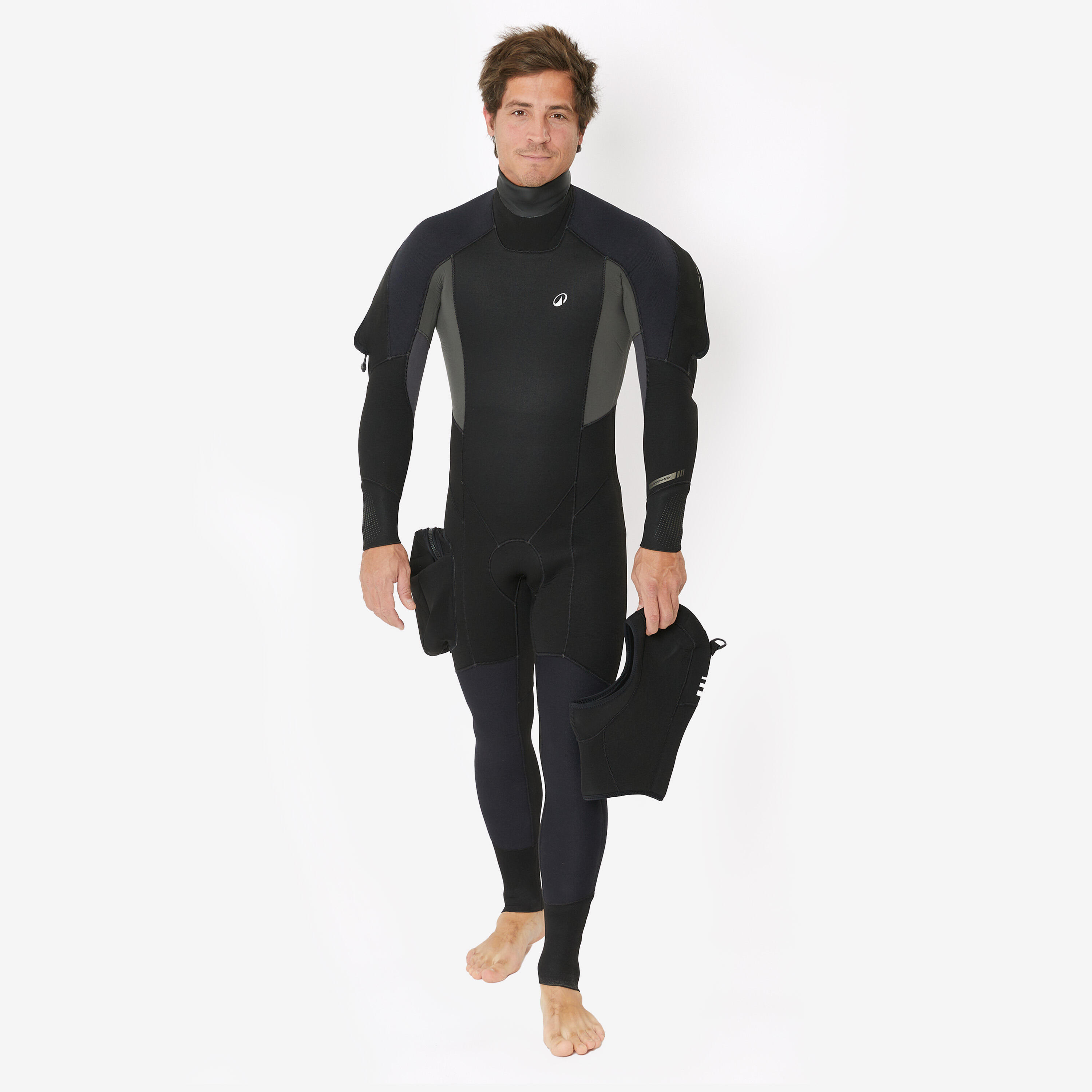
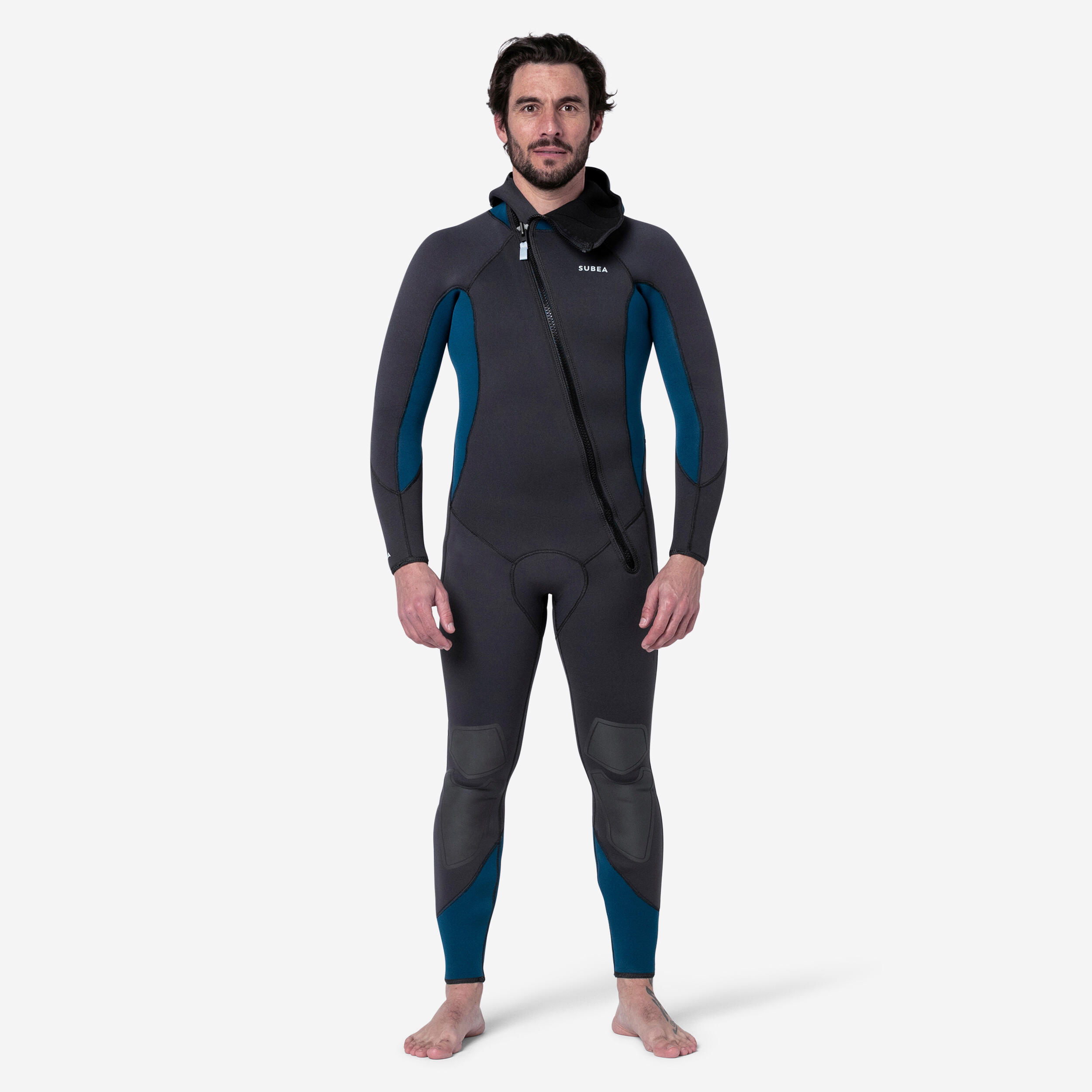
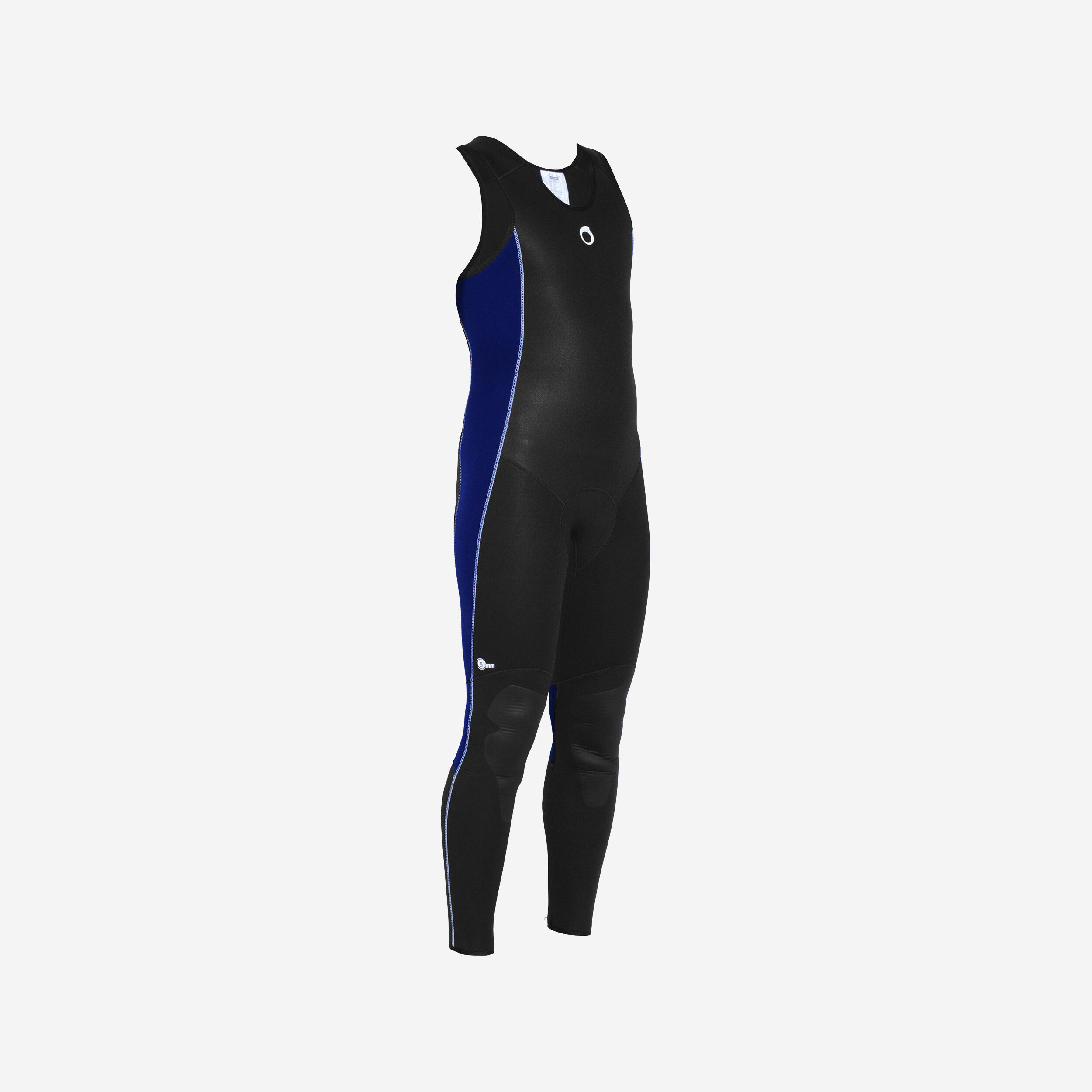
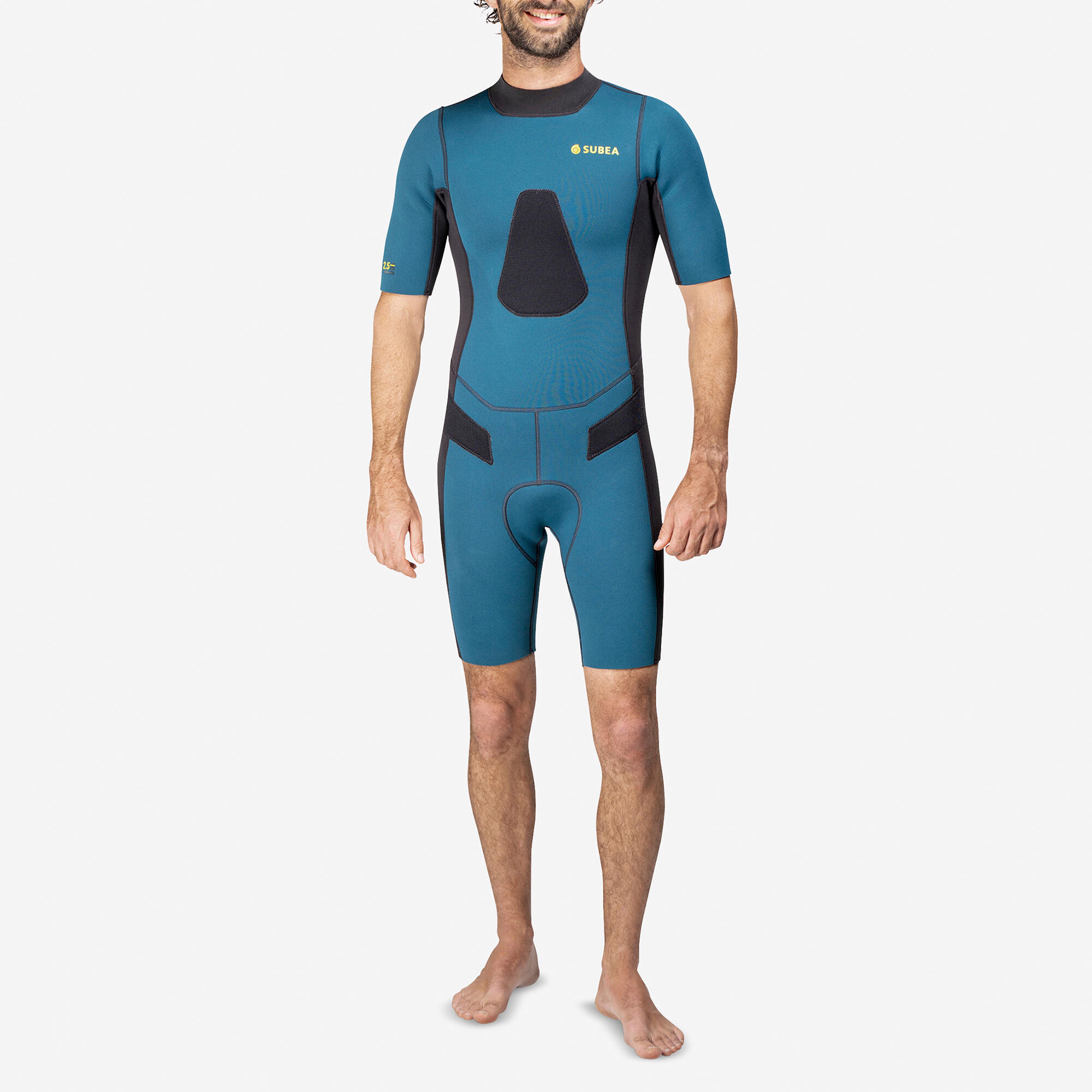
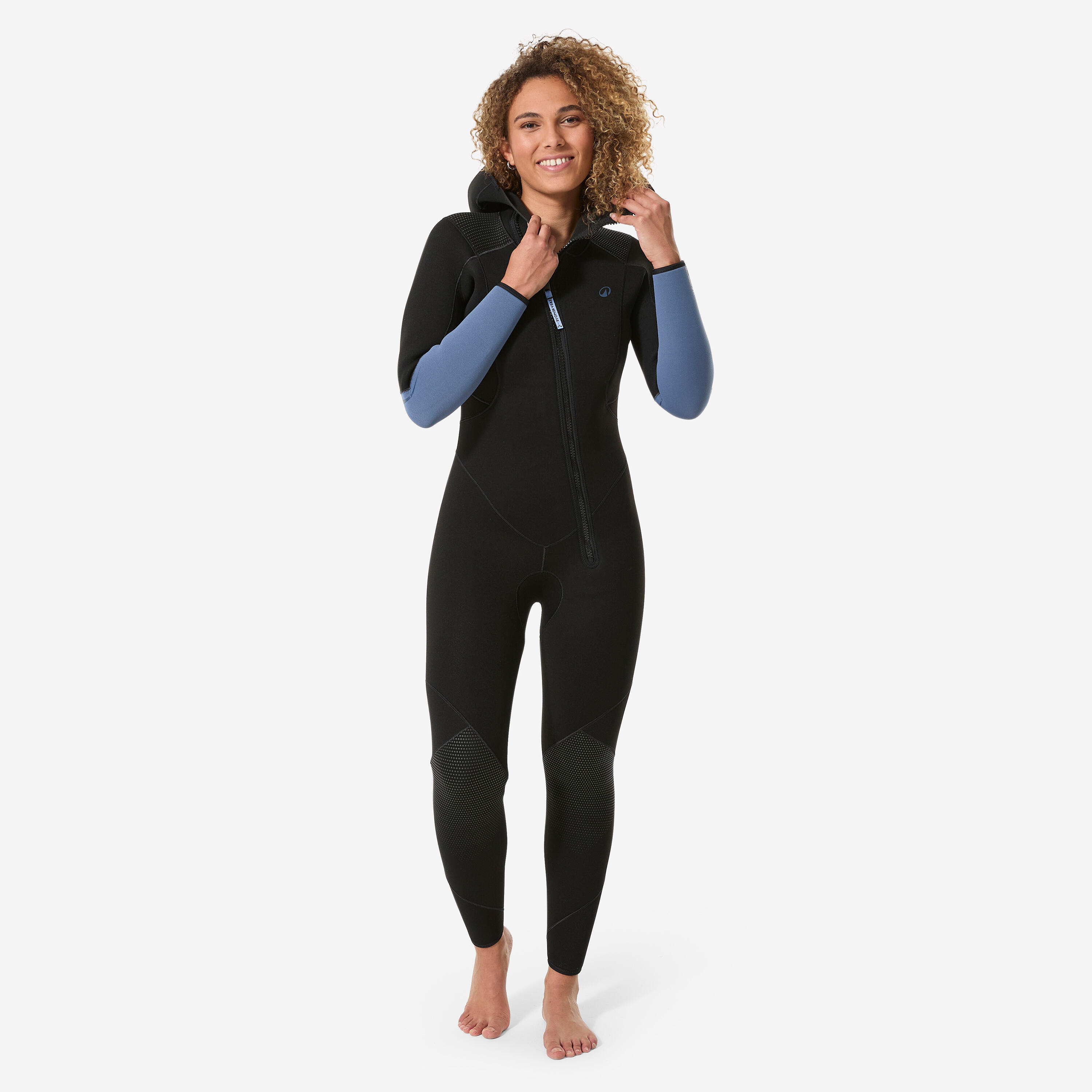
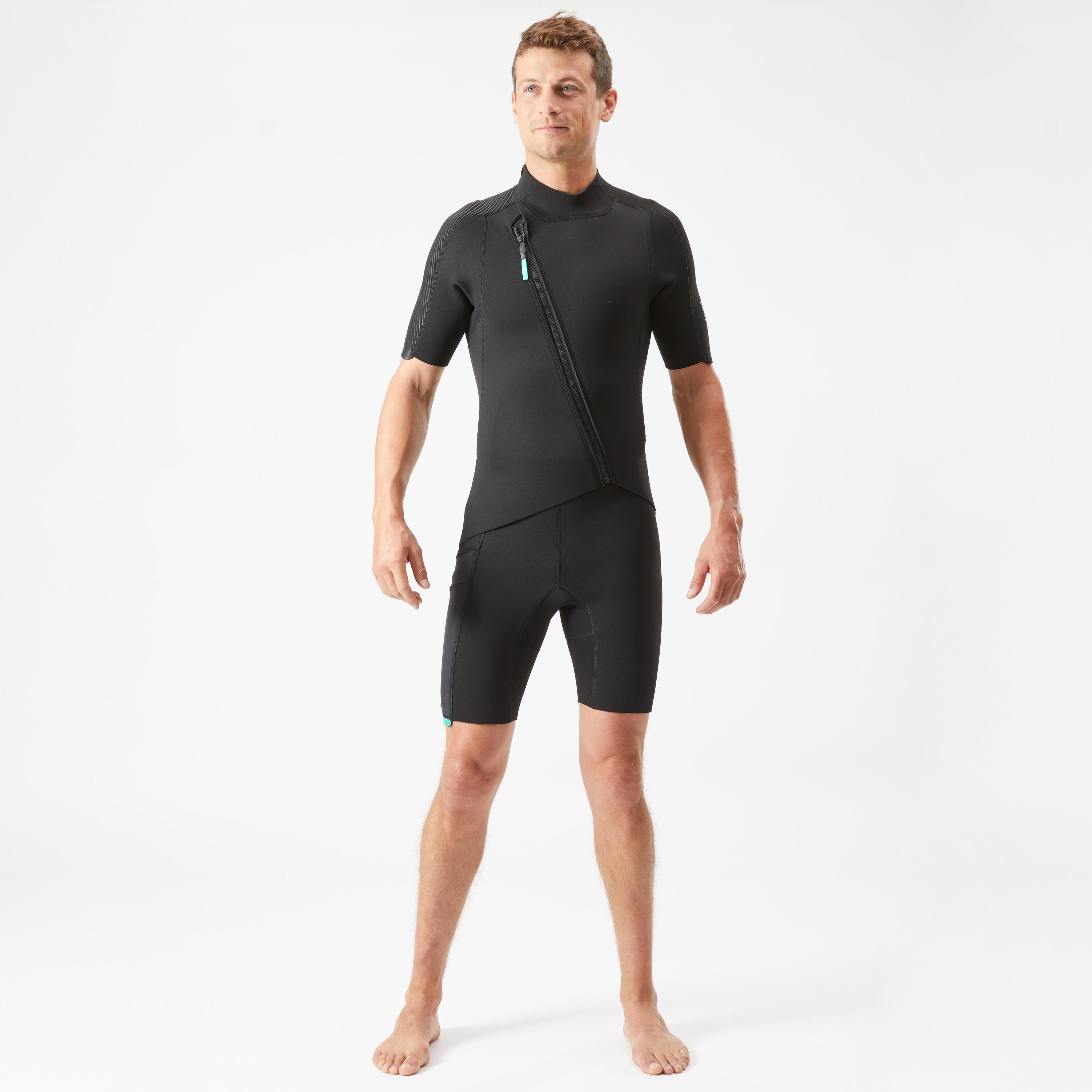
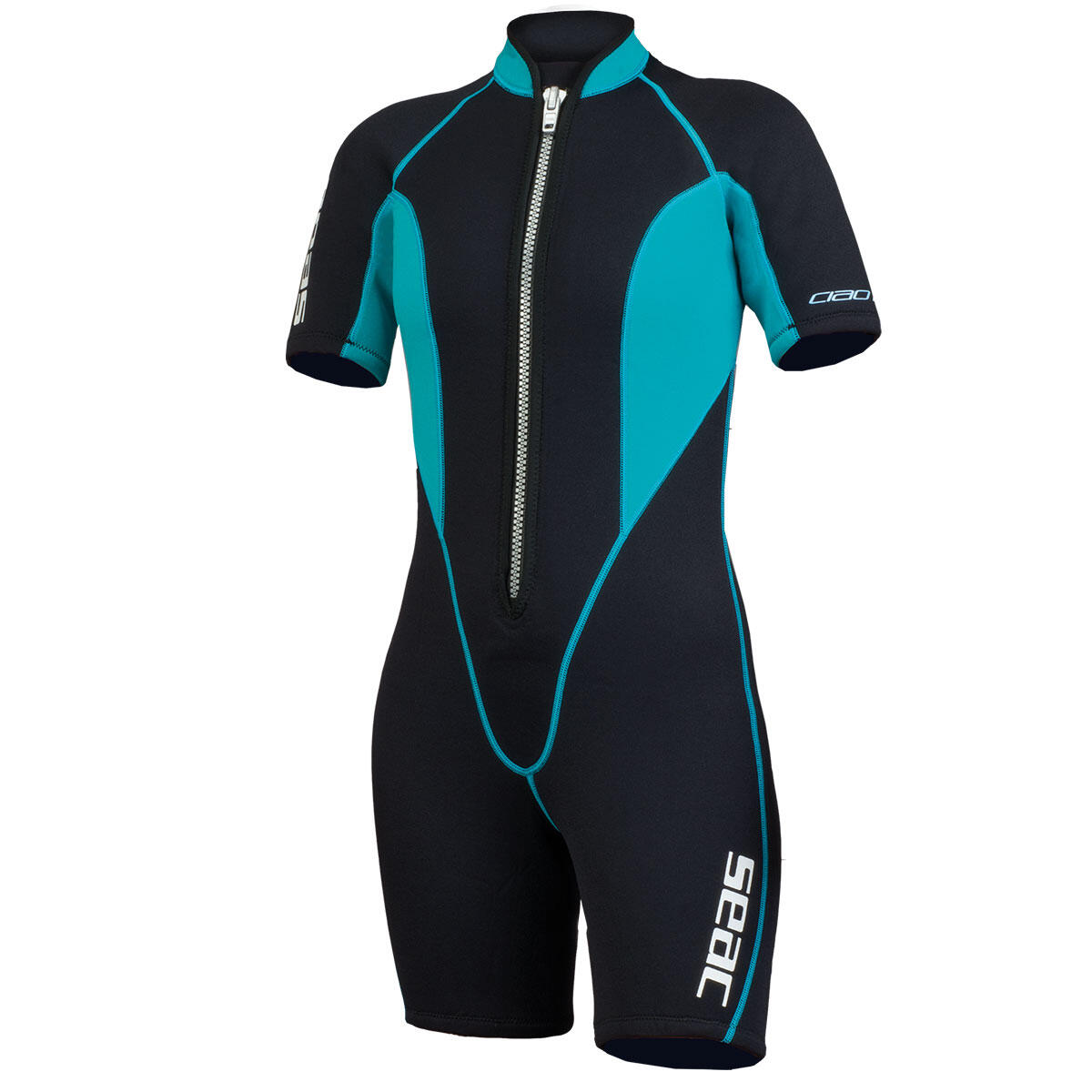
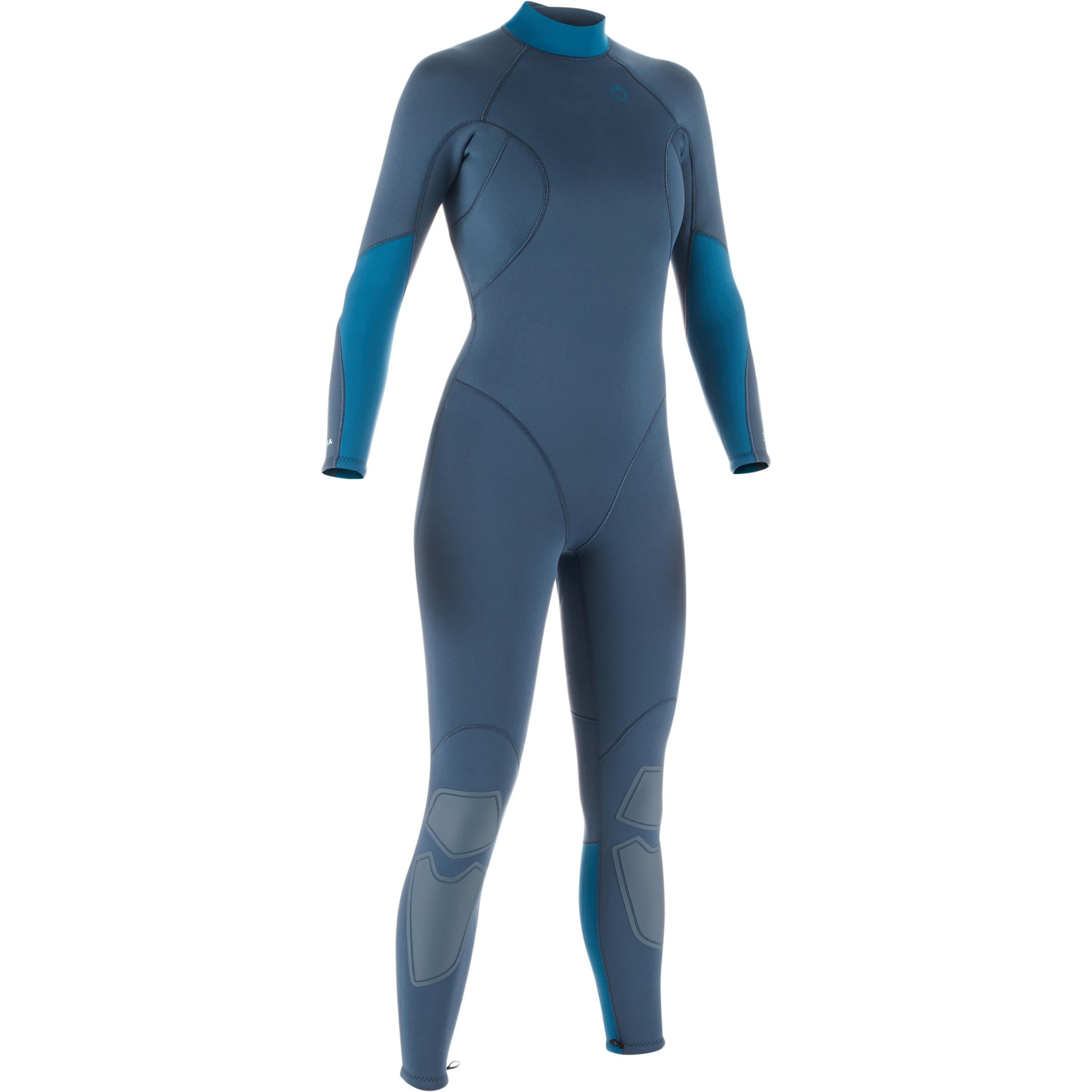
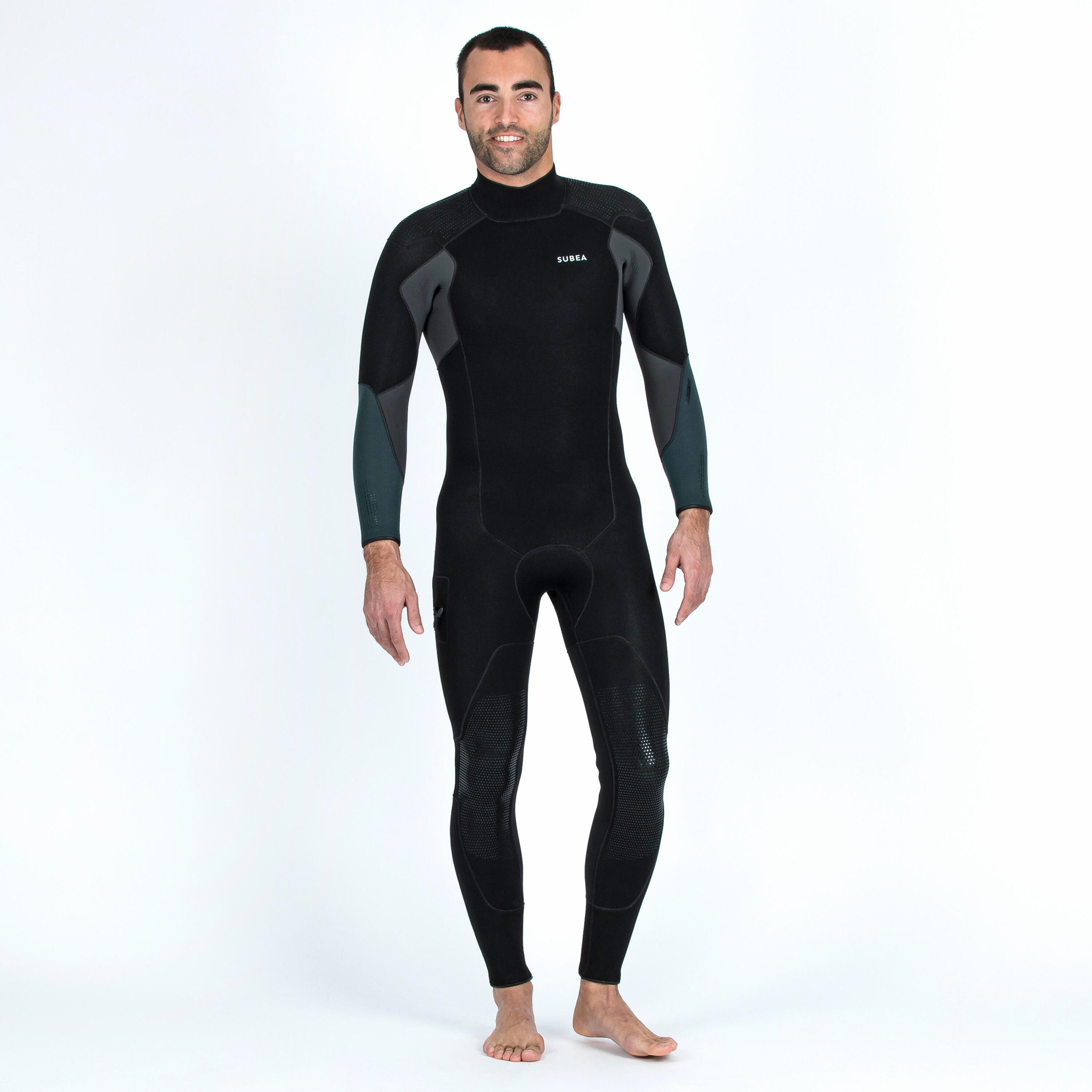
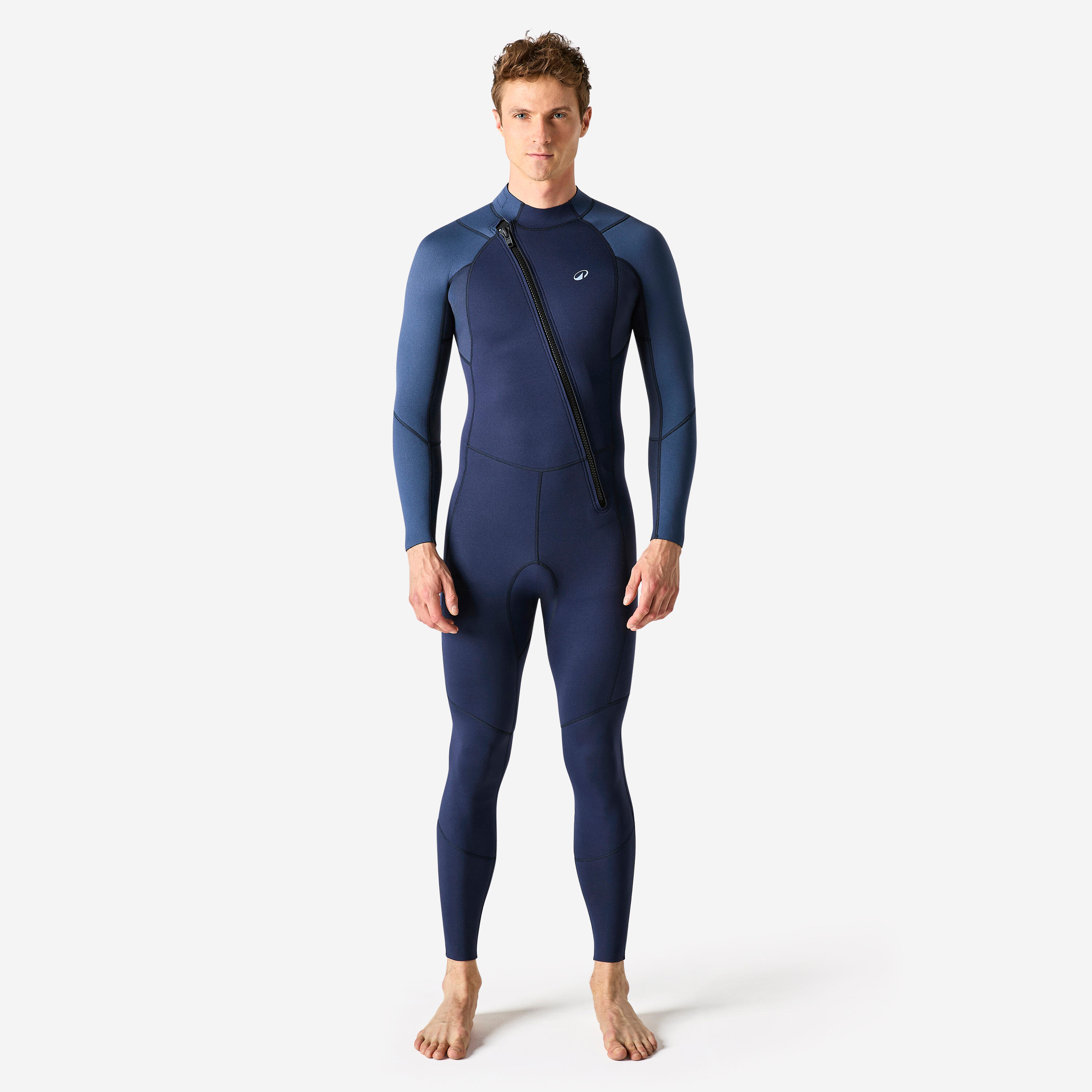
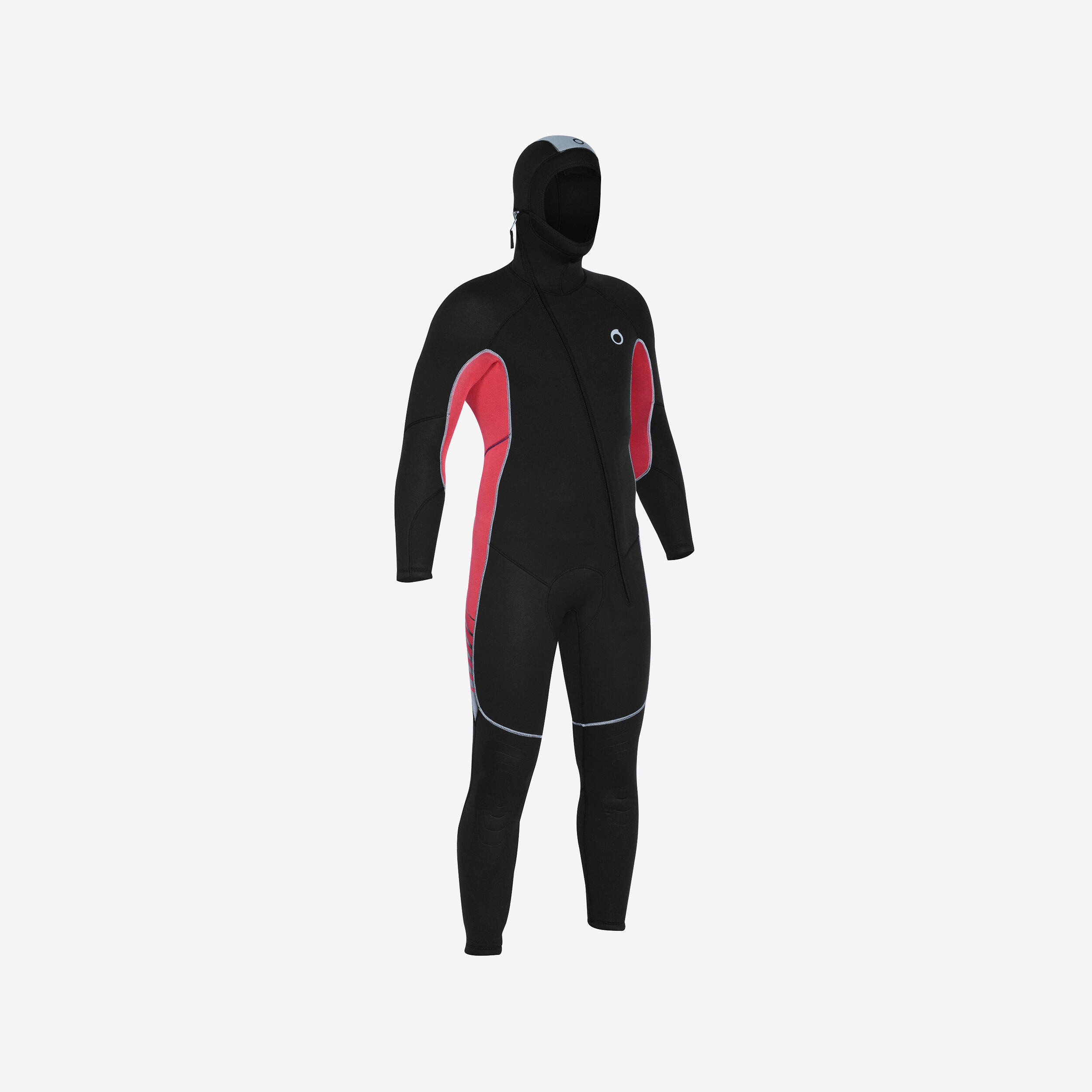
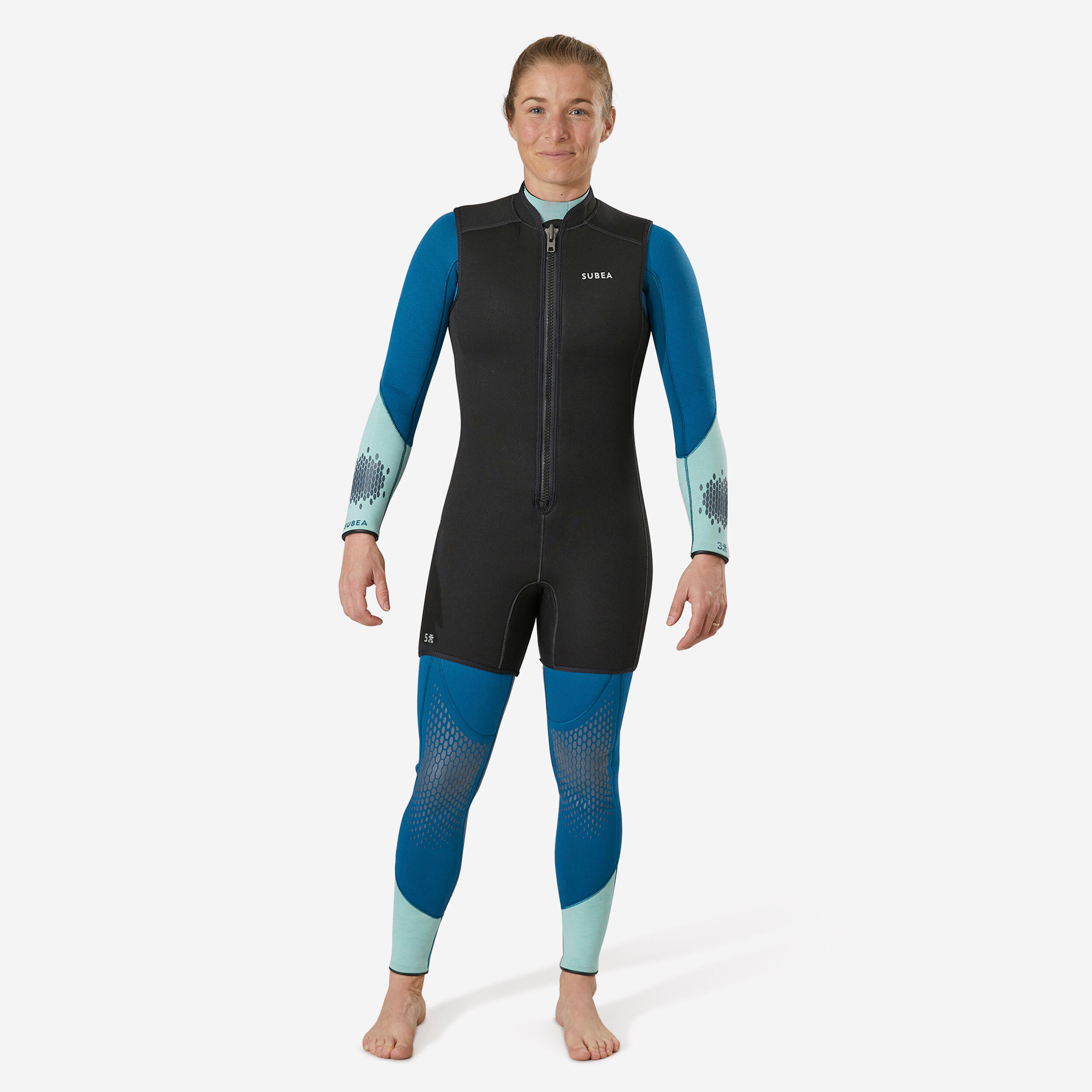
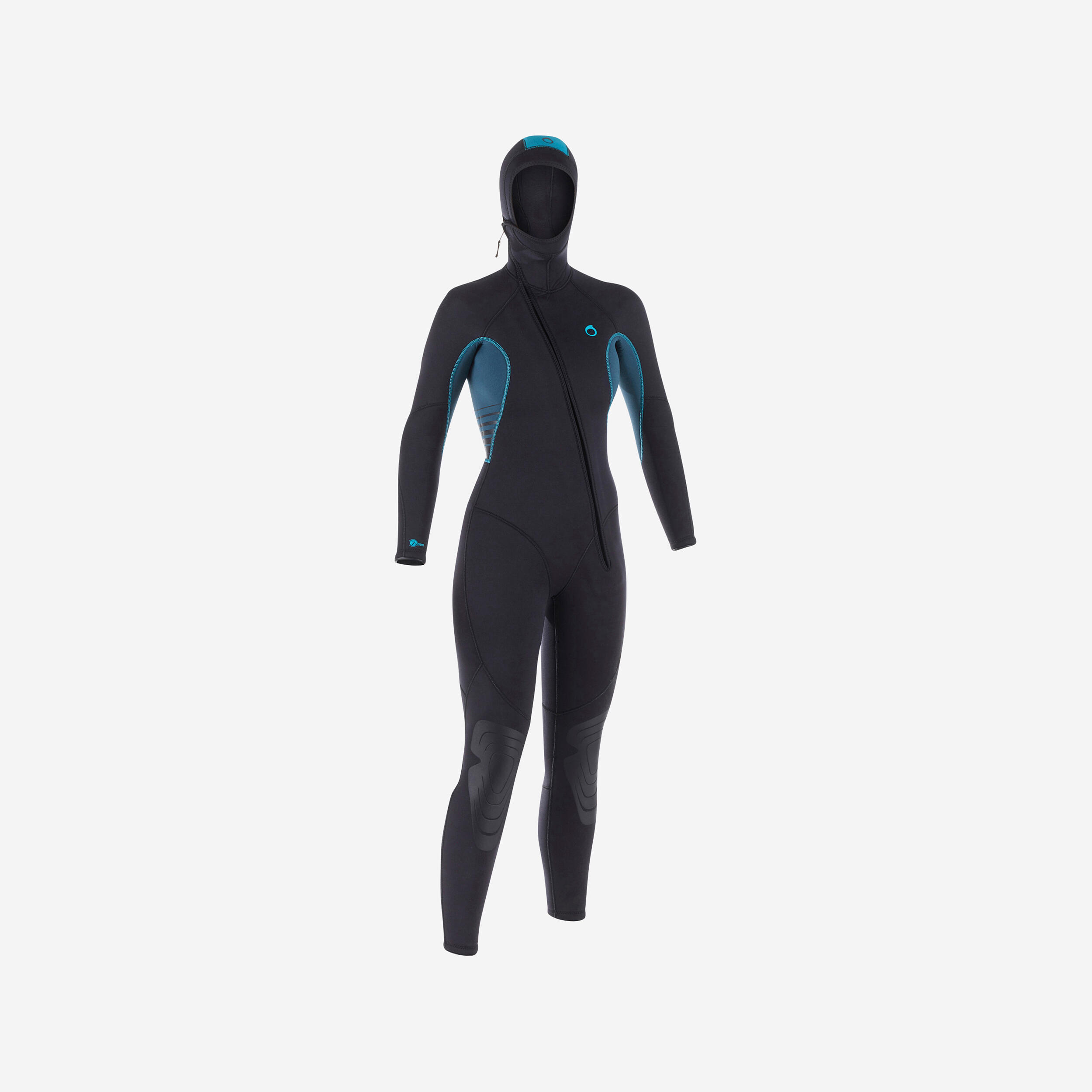
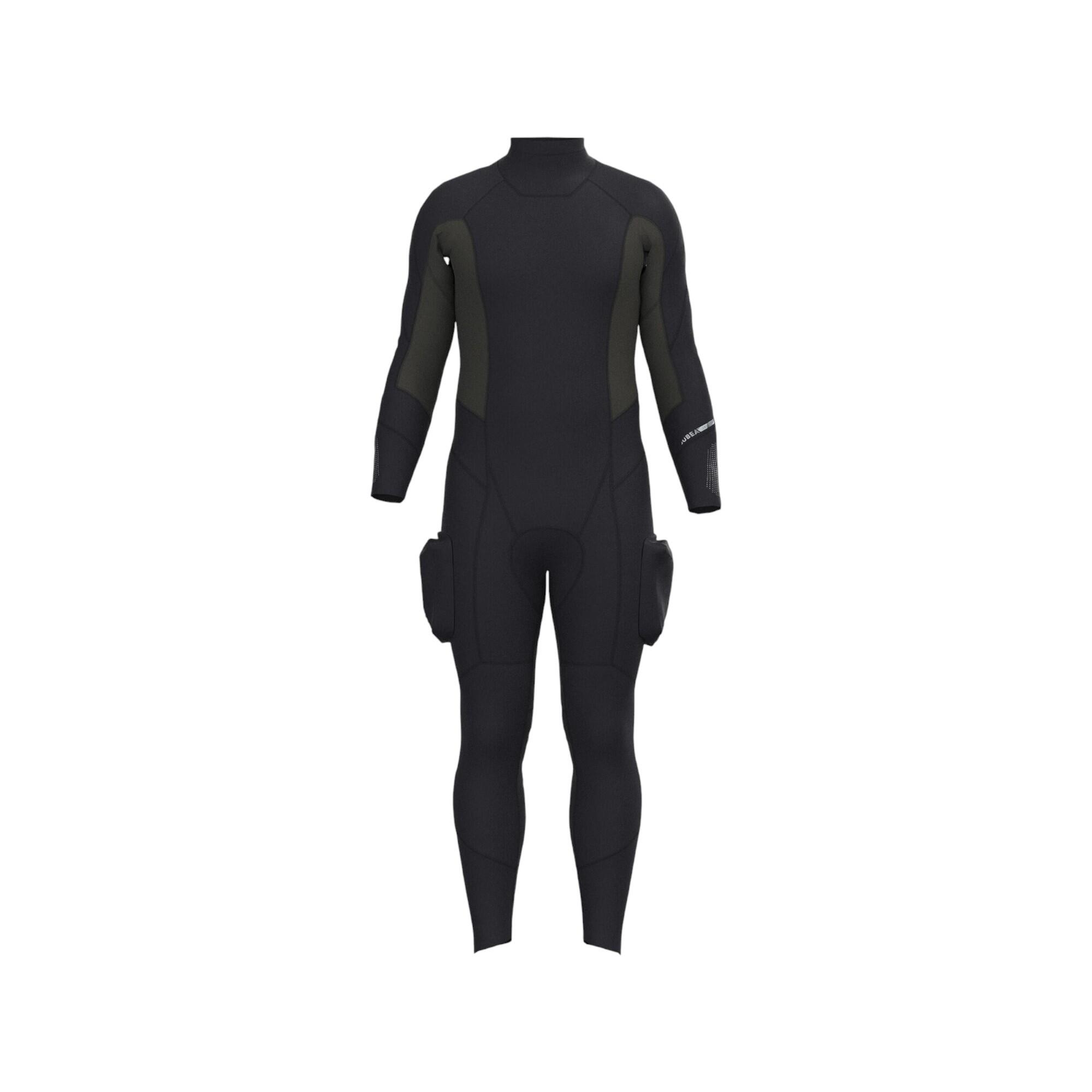
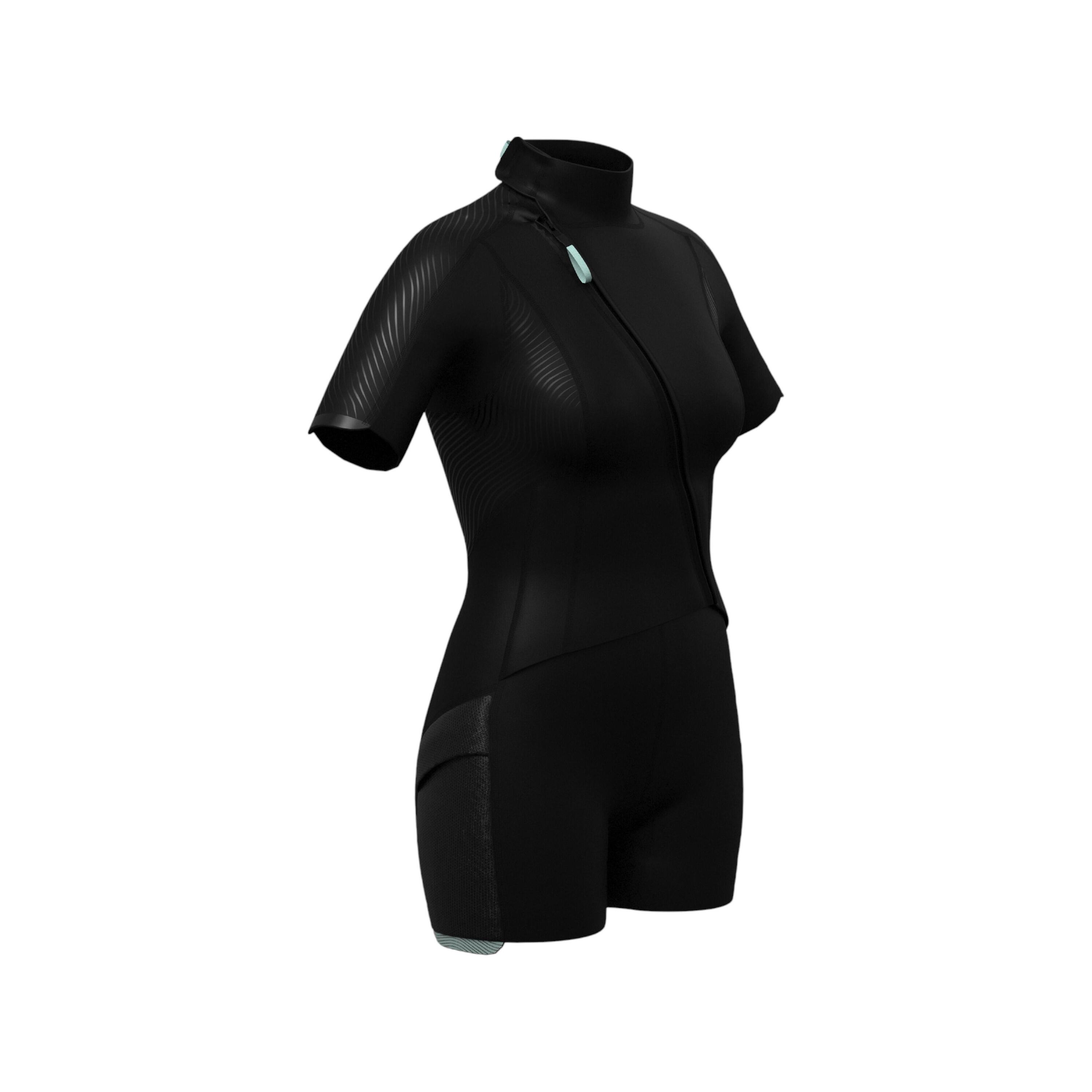
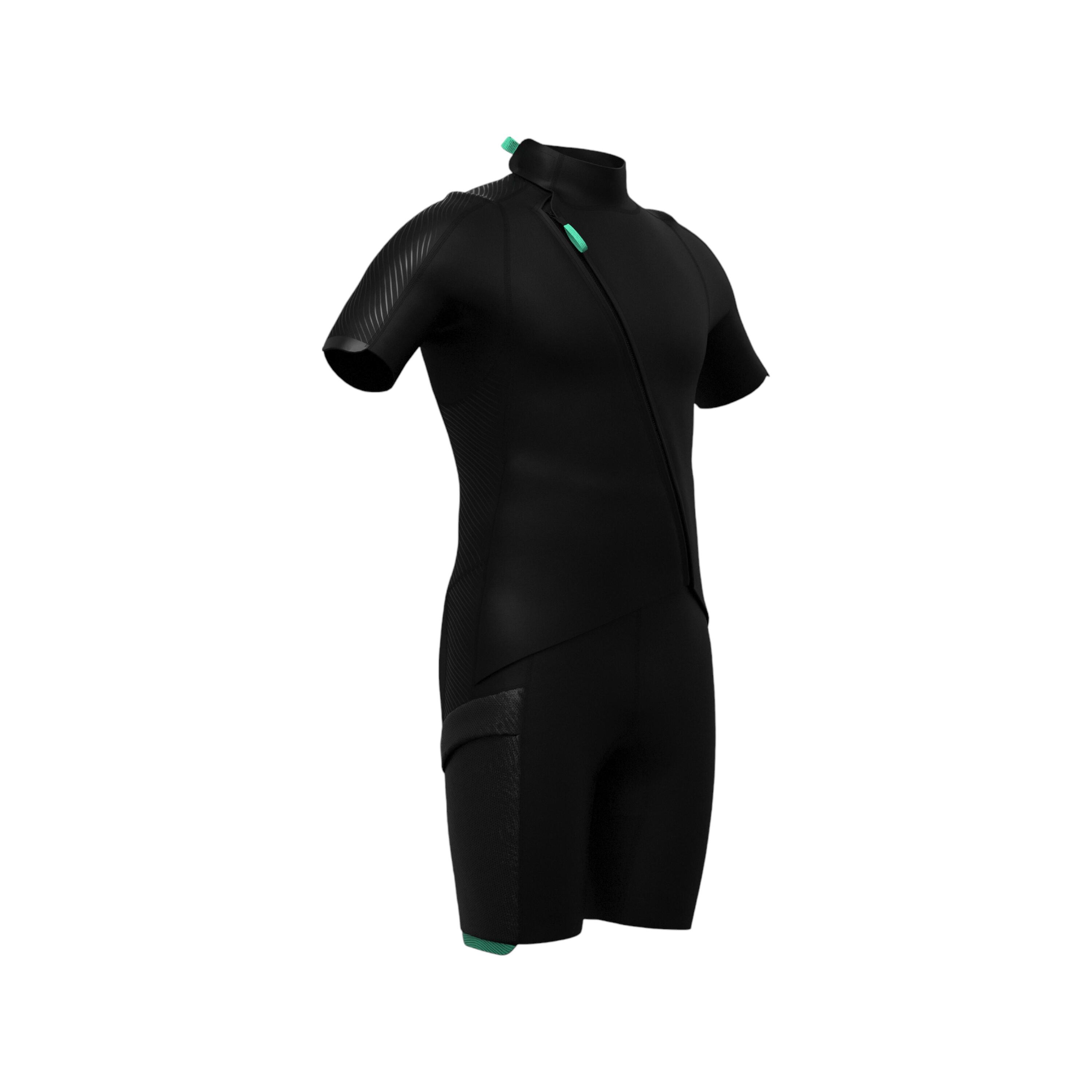
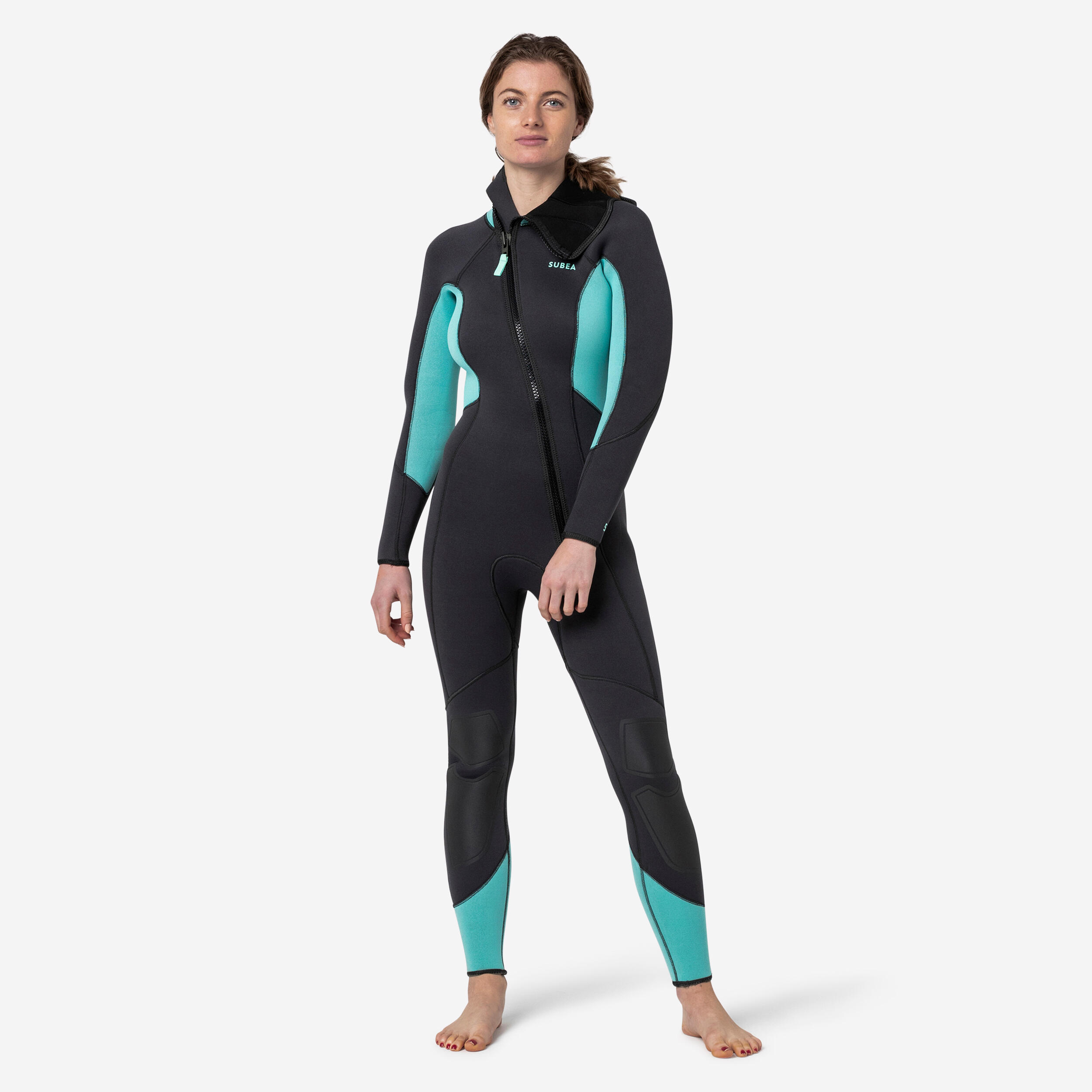
Maximising comfort in single-digit temperatures relies on choosing single-piece 7 mm or 8 mm setups featuring glued, blind-stitched seams. Robust scuba diving wetsuits containing plush interior wrist and ankle seals significantly restrict fresh water entry points. Stretchy composite variations over the shoulder joints allow unhindered arm rotation when operating buoyancy control inflation valves. Thick chest plates shield core areas from sudden thermocline drops during vertical descents.

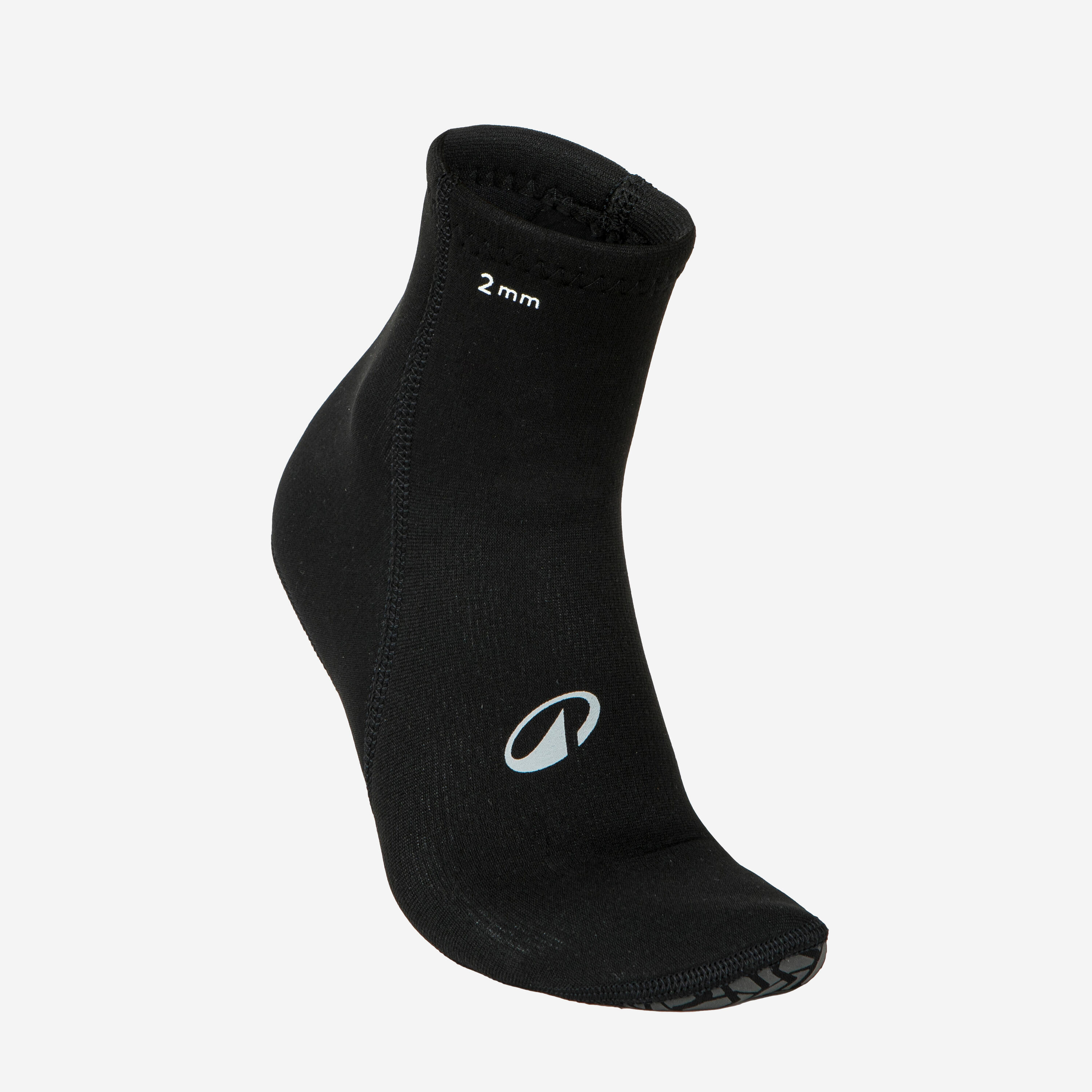
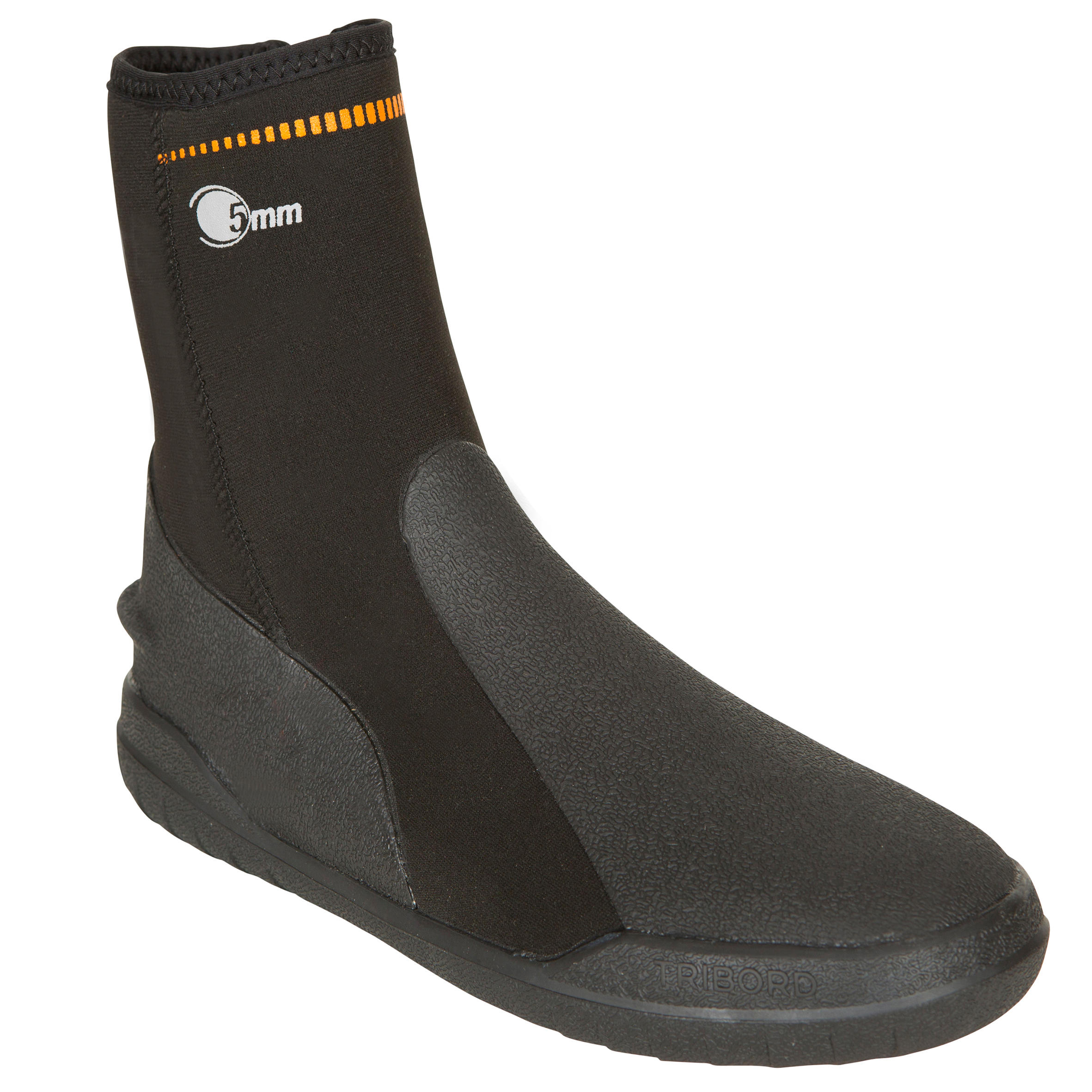
What tread patterns are necessary for scuba diving neoprene footwear on slick surfaces?

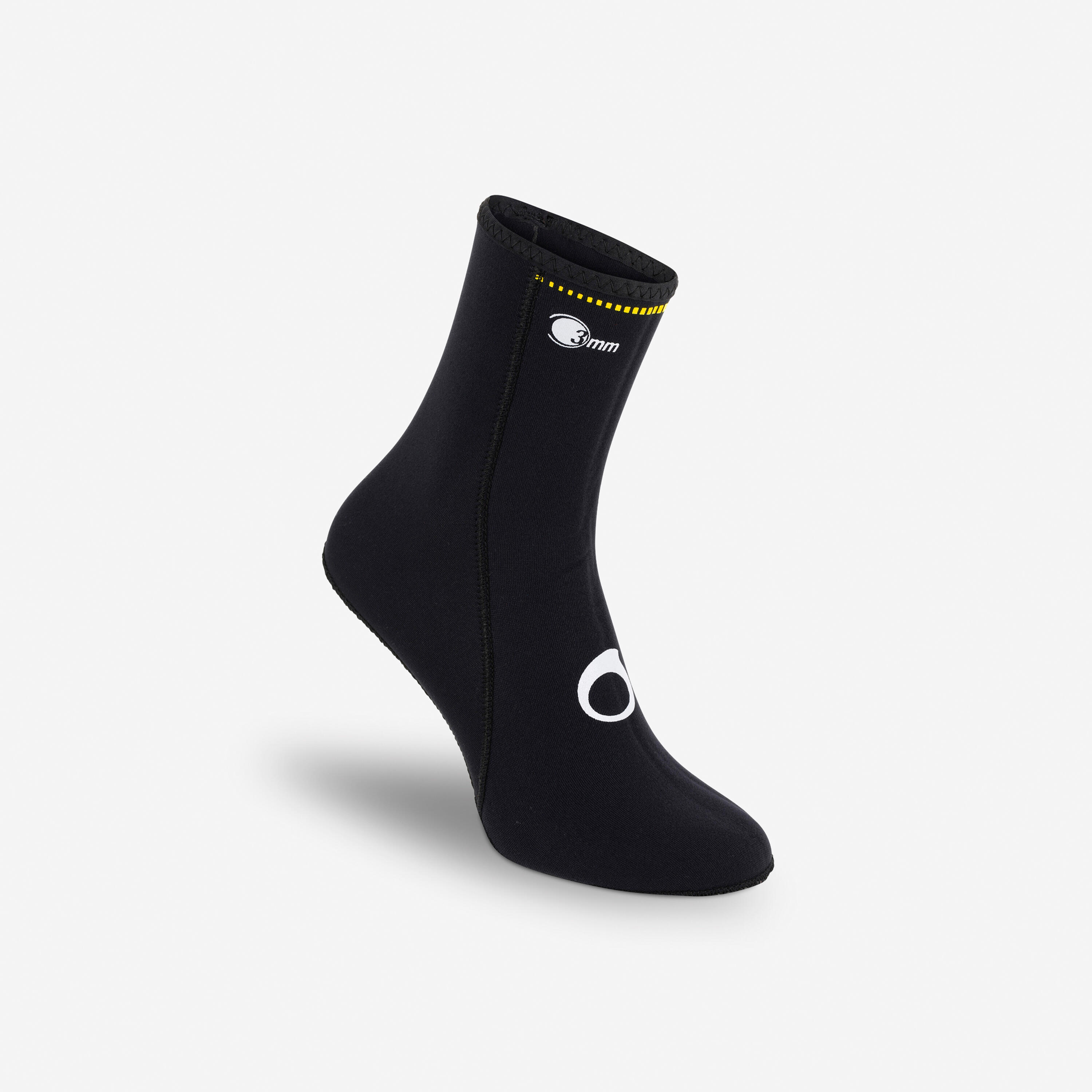
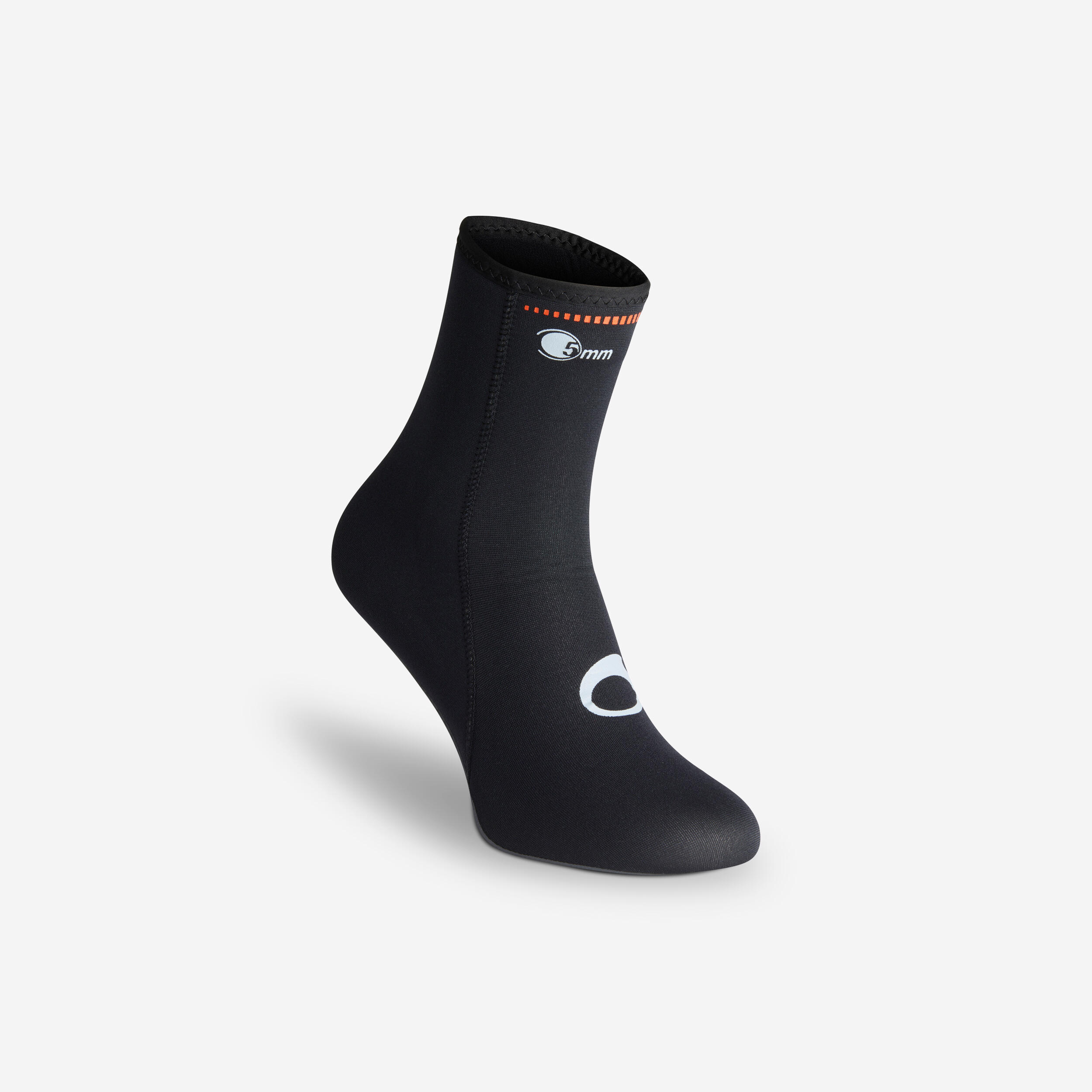
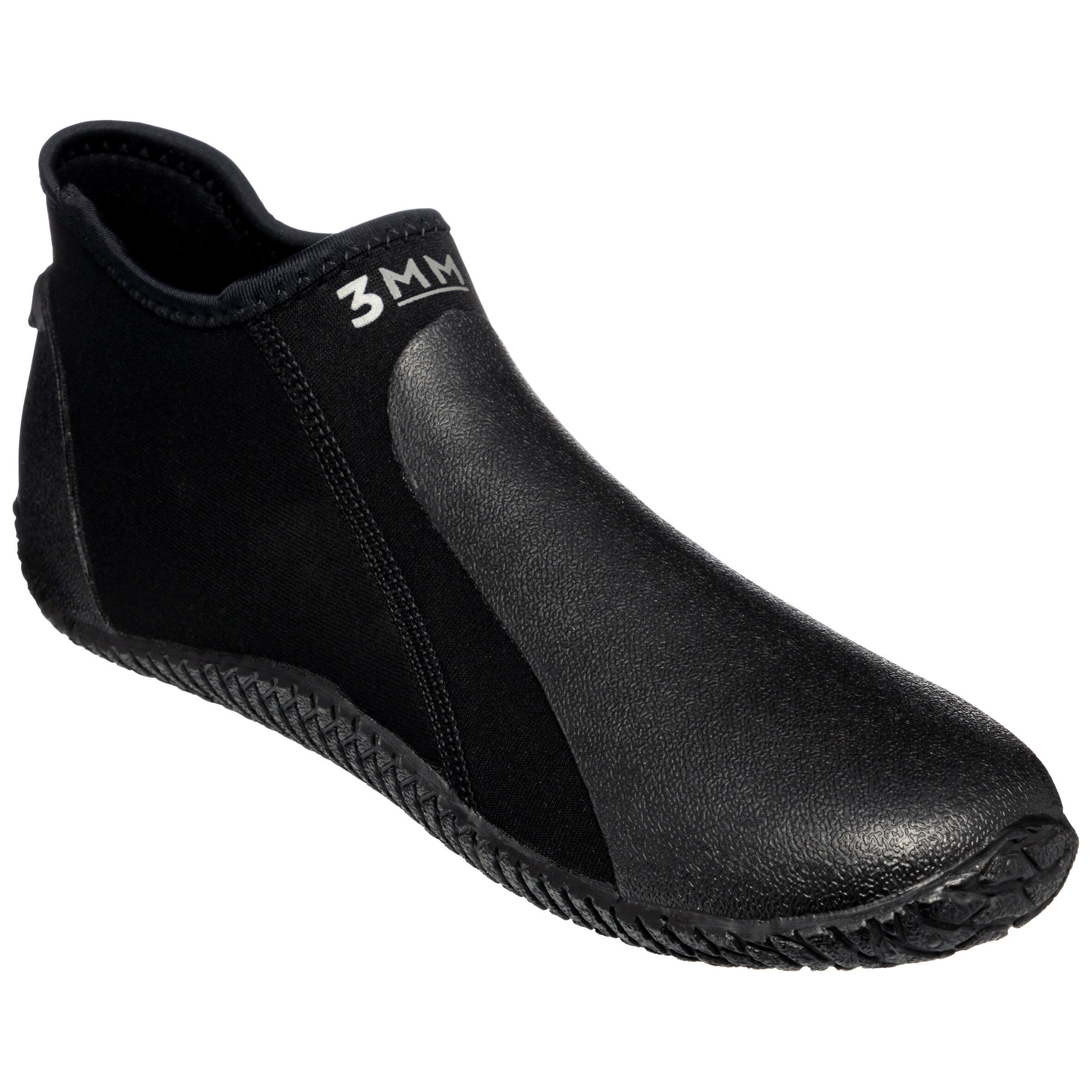
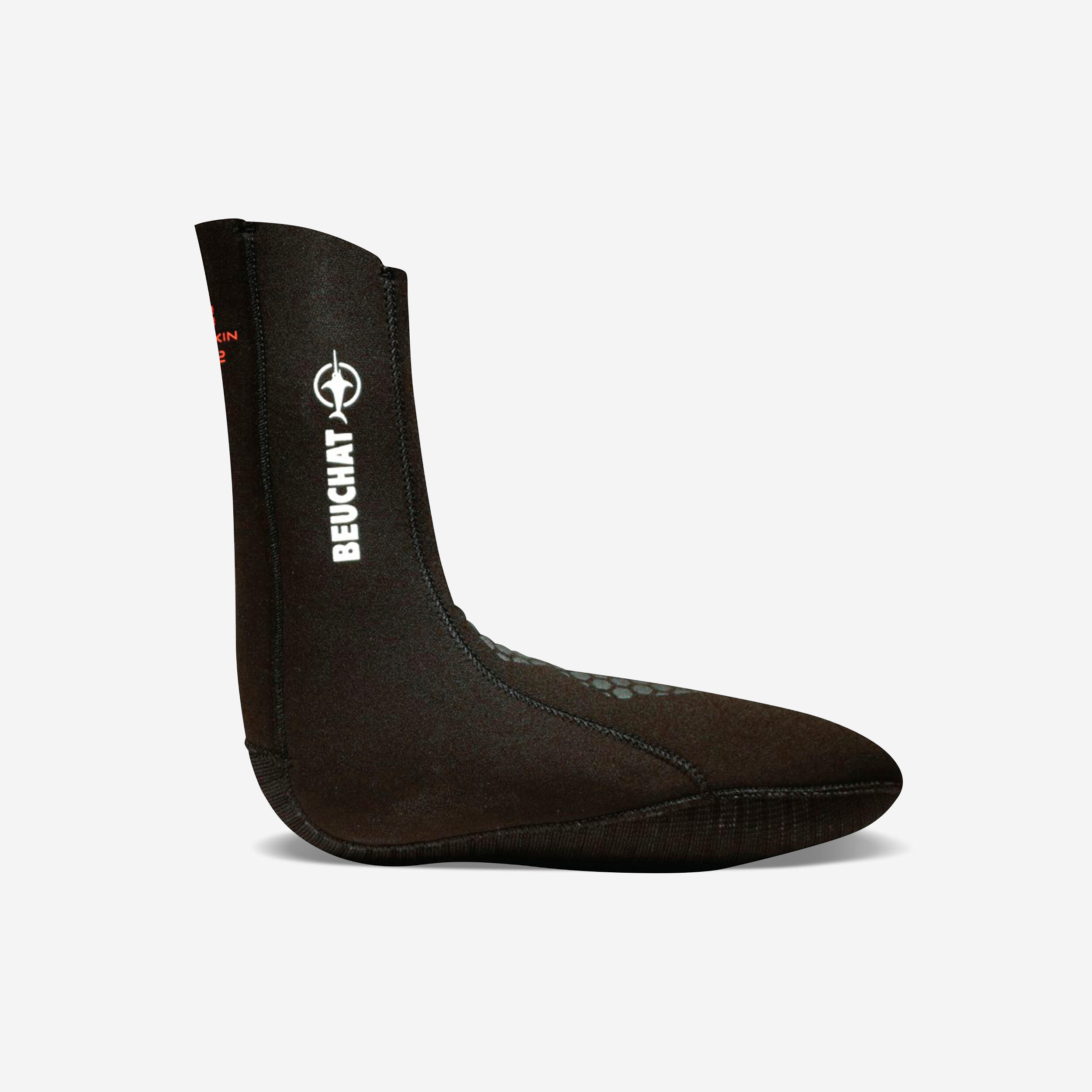
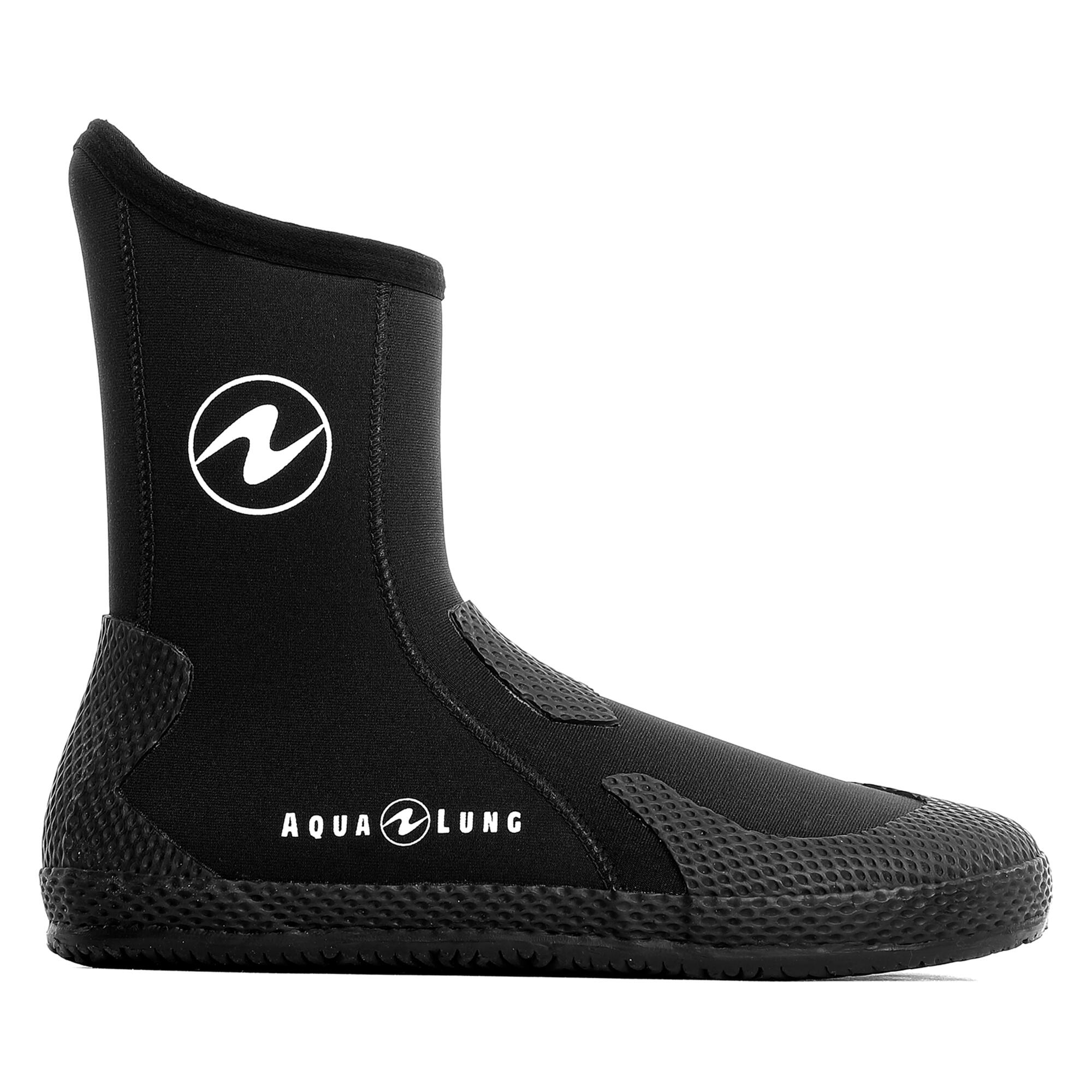
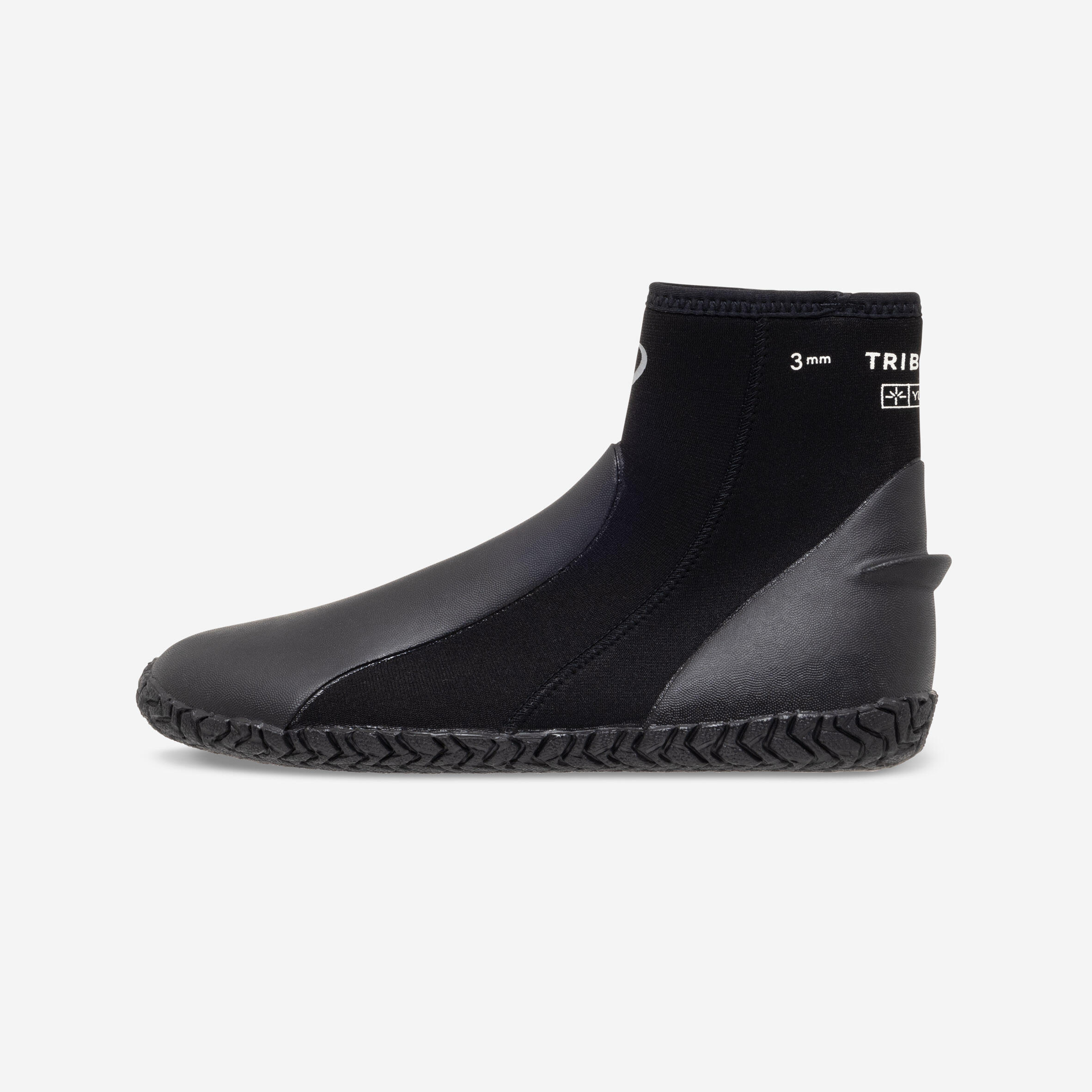
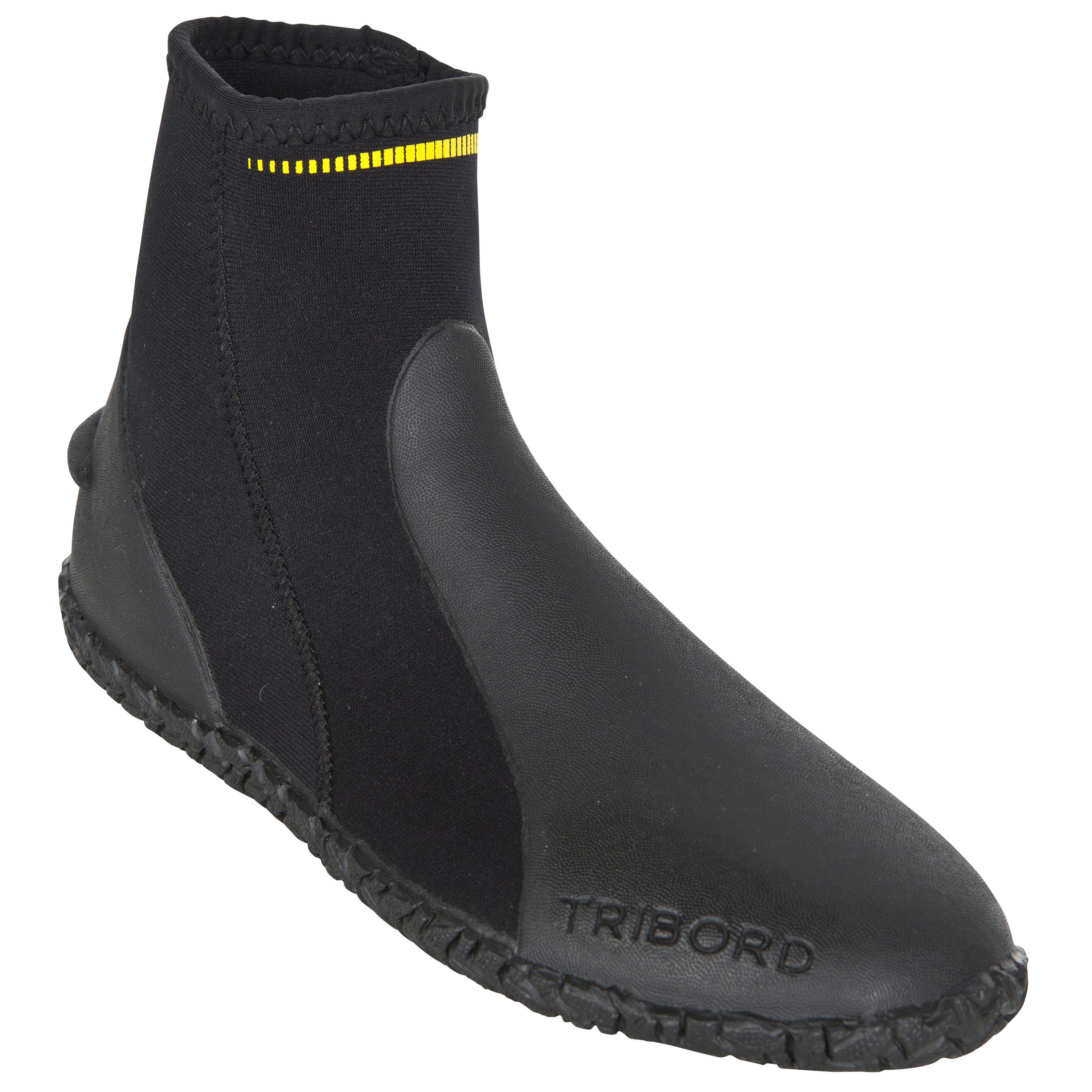
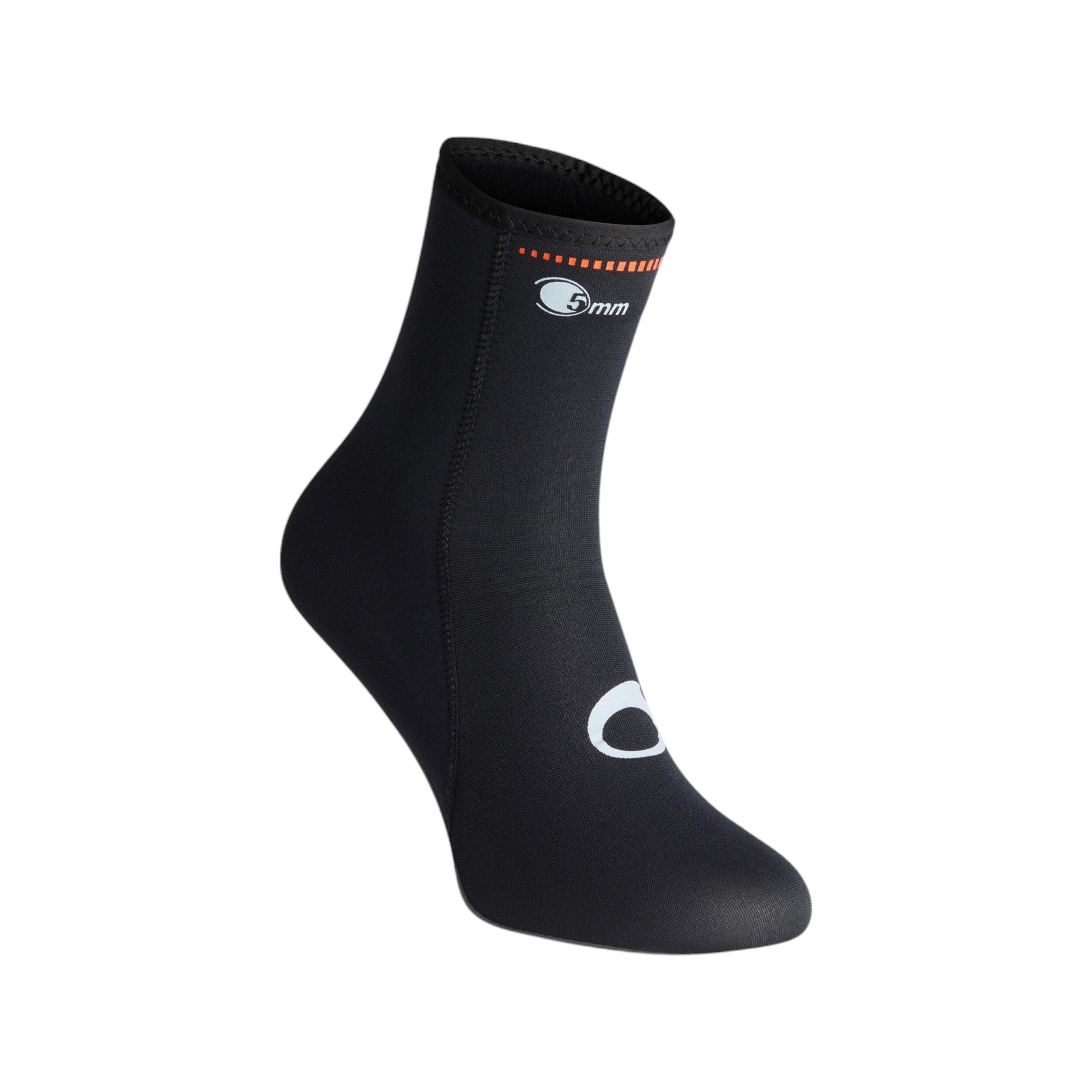
Navigating slimy, weed-covered concrete slipways or loose shingle shores demands vulcanised rubber soles featuring deep multi-directional tread patterns. Hard-soled scuba diving boots support the arches while shielding ankles from abrasive barnacle edges during surf entries. Stiff heel tabs secure heavy fin straps tightly, preventing slippage when generating propulsion. Integrated rubber toe caps prevent premature wear from rocky friction points.

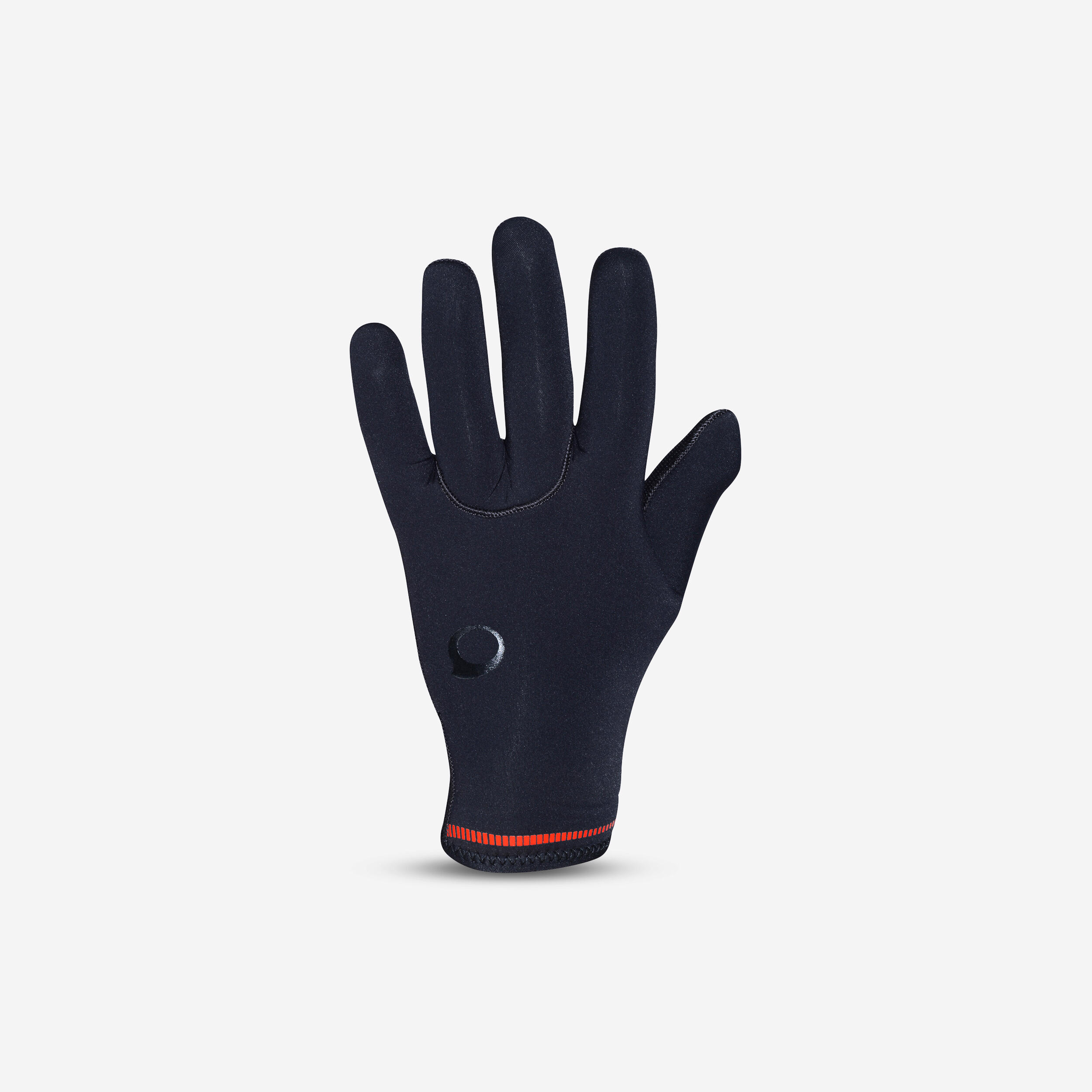
How do 5mm five-finger variations compare to mittens regarding manual dexterity?

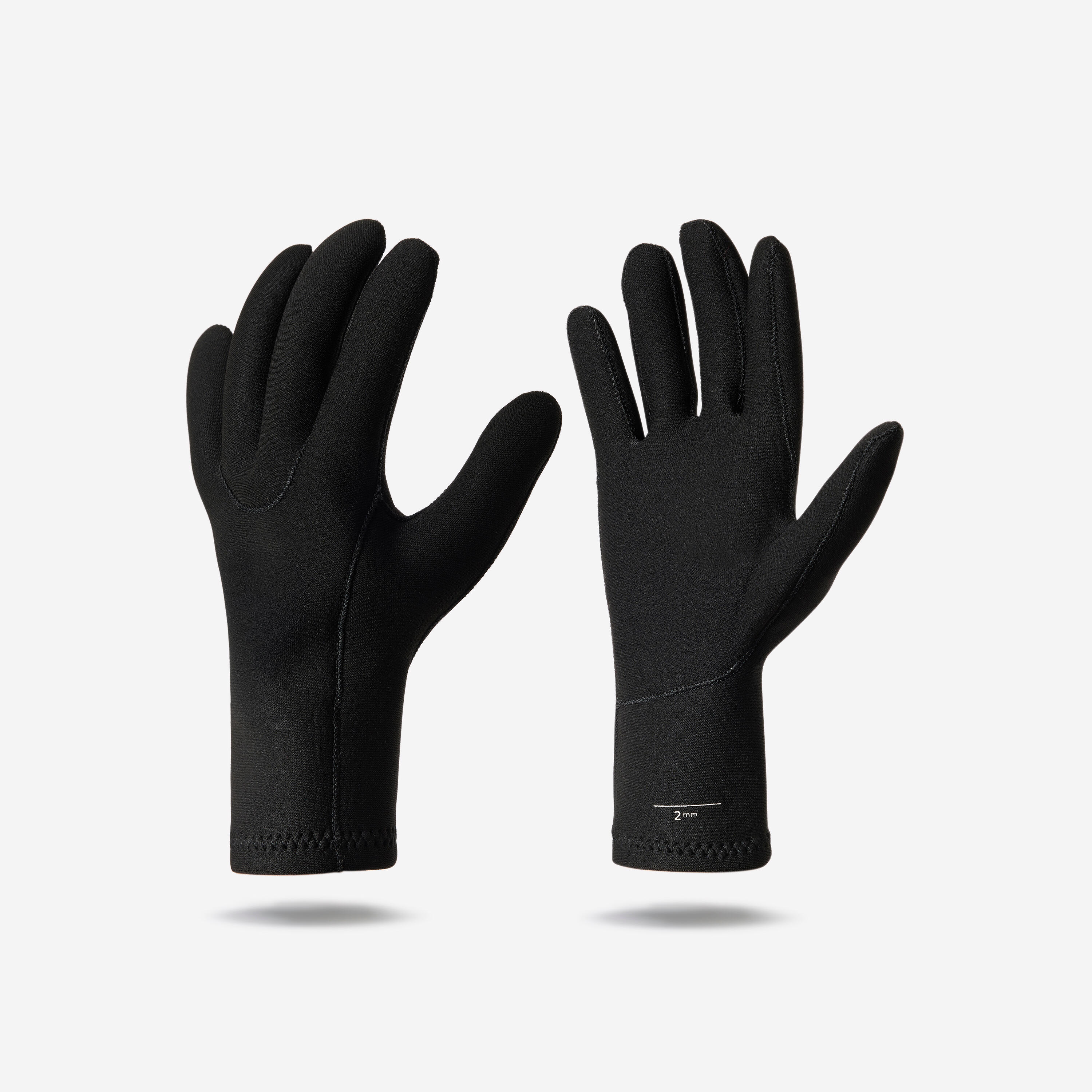
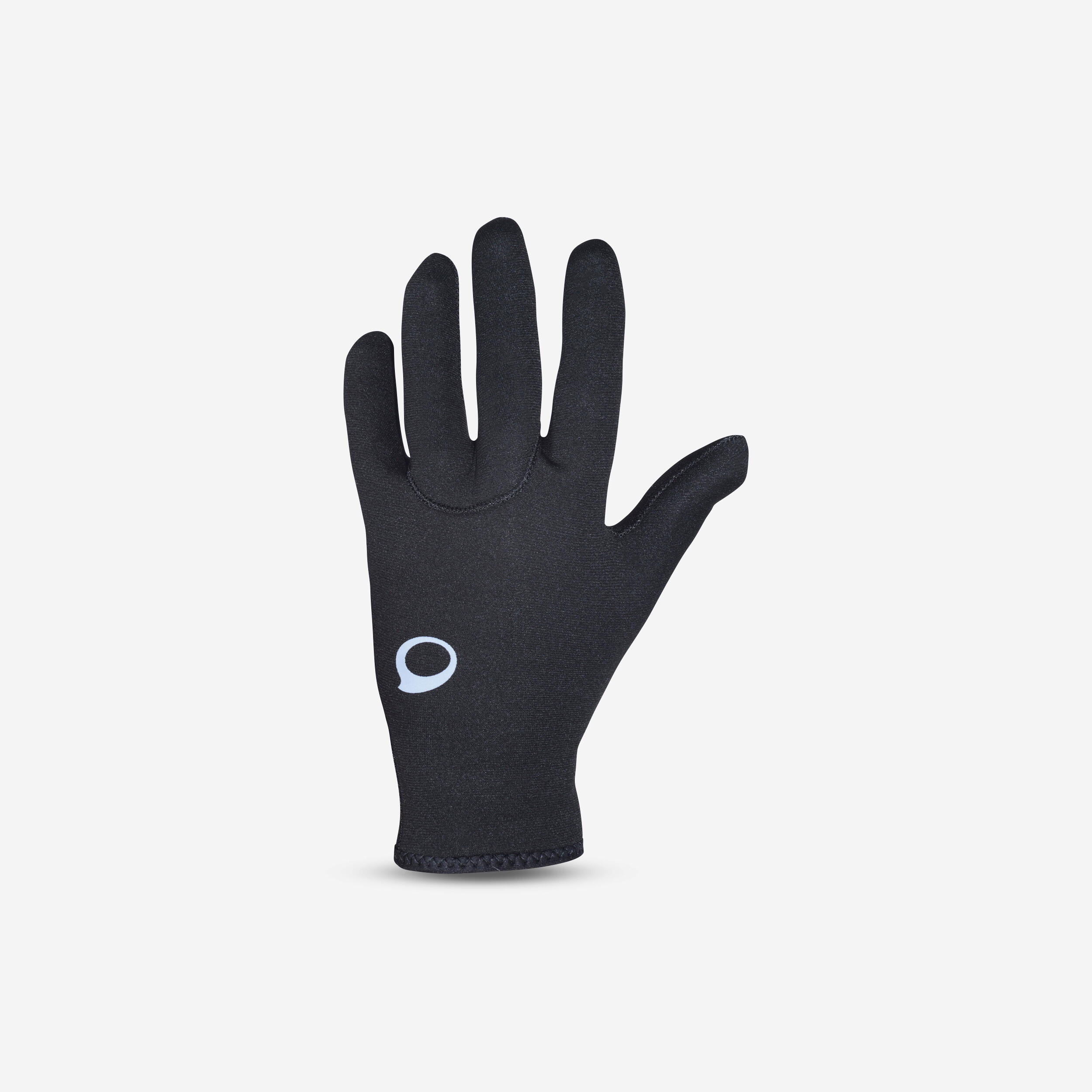
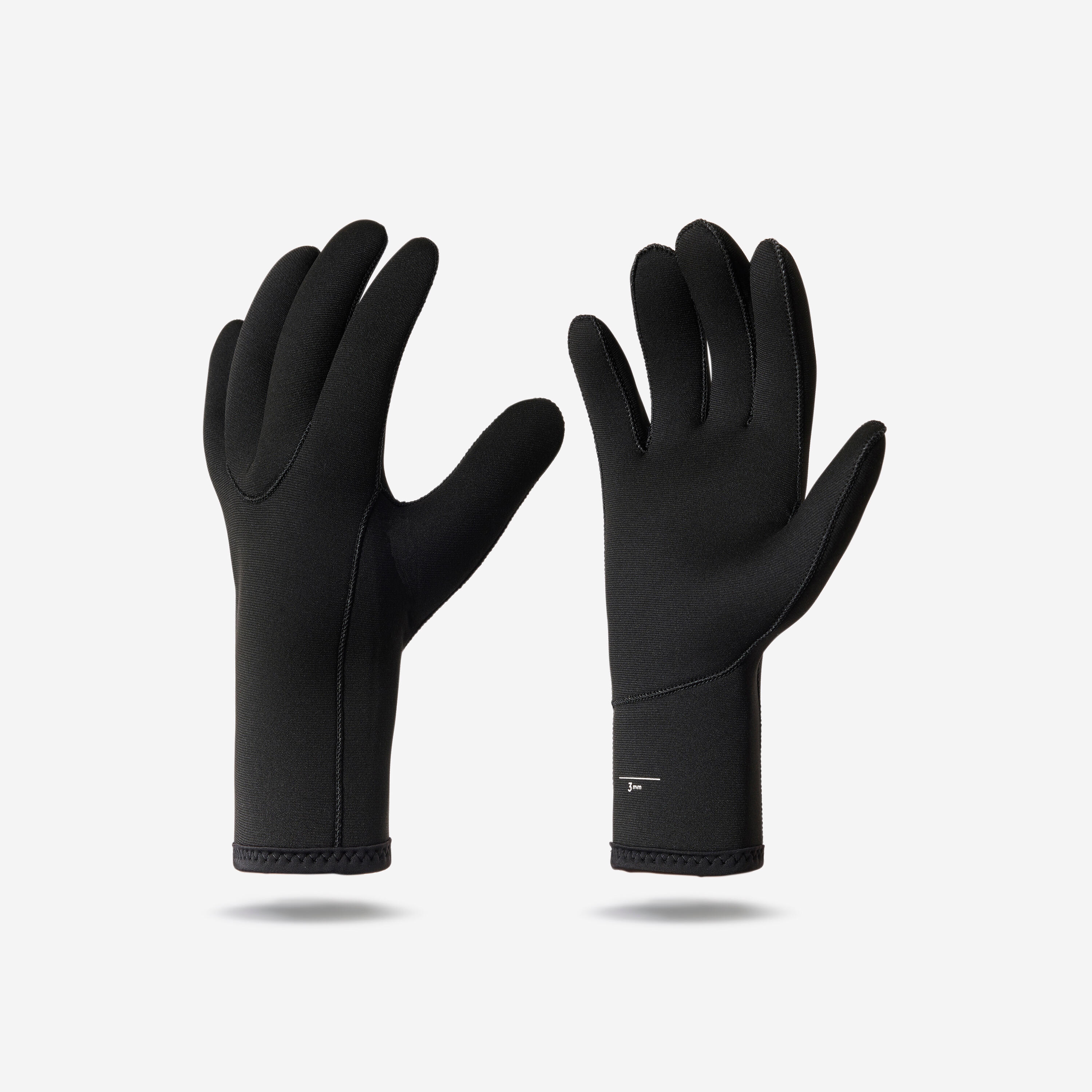
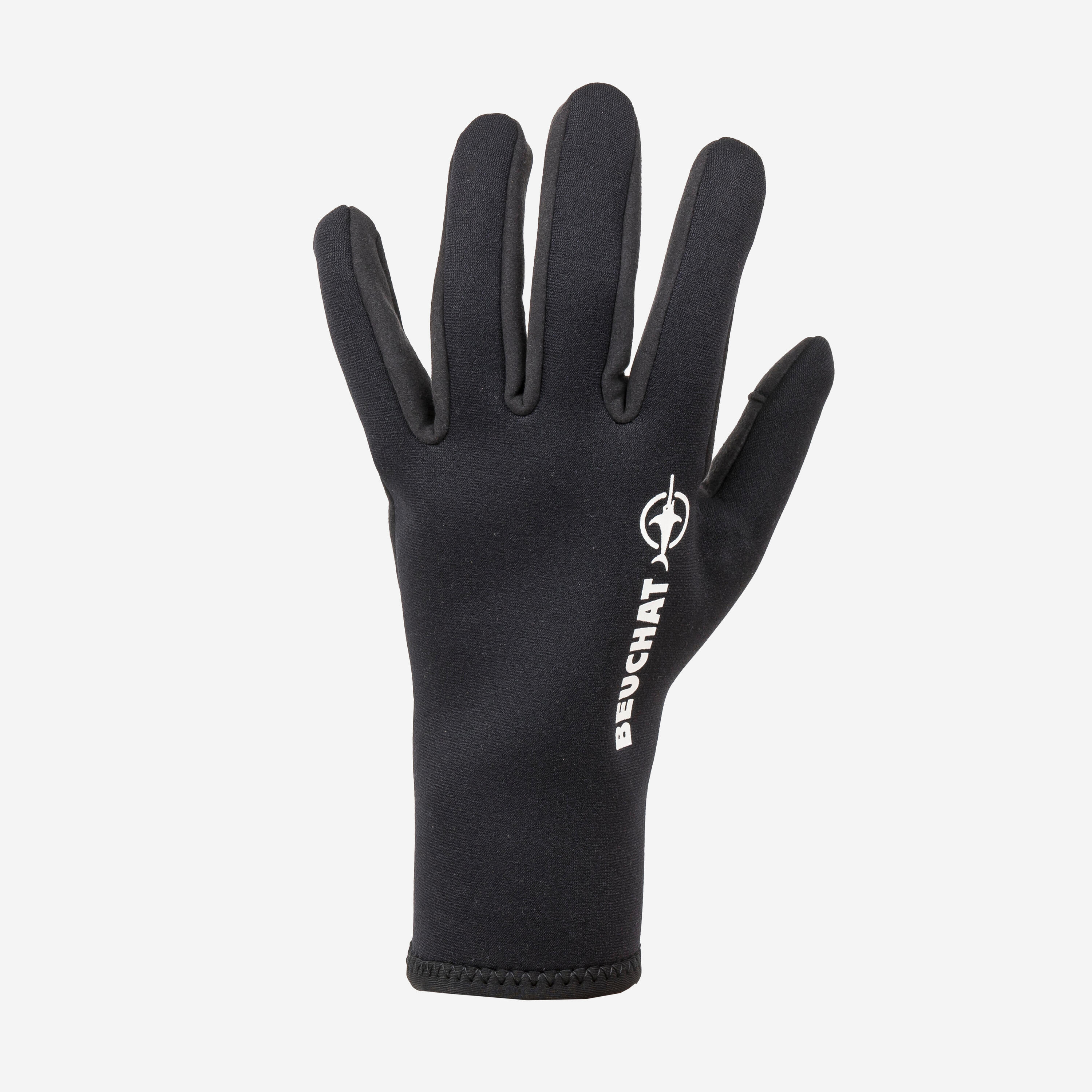
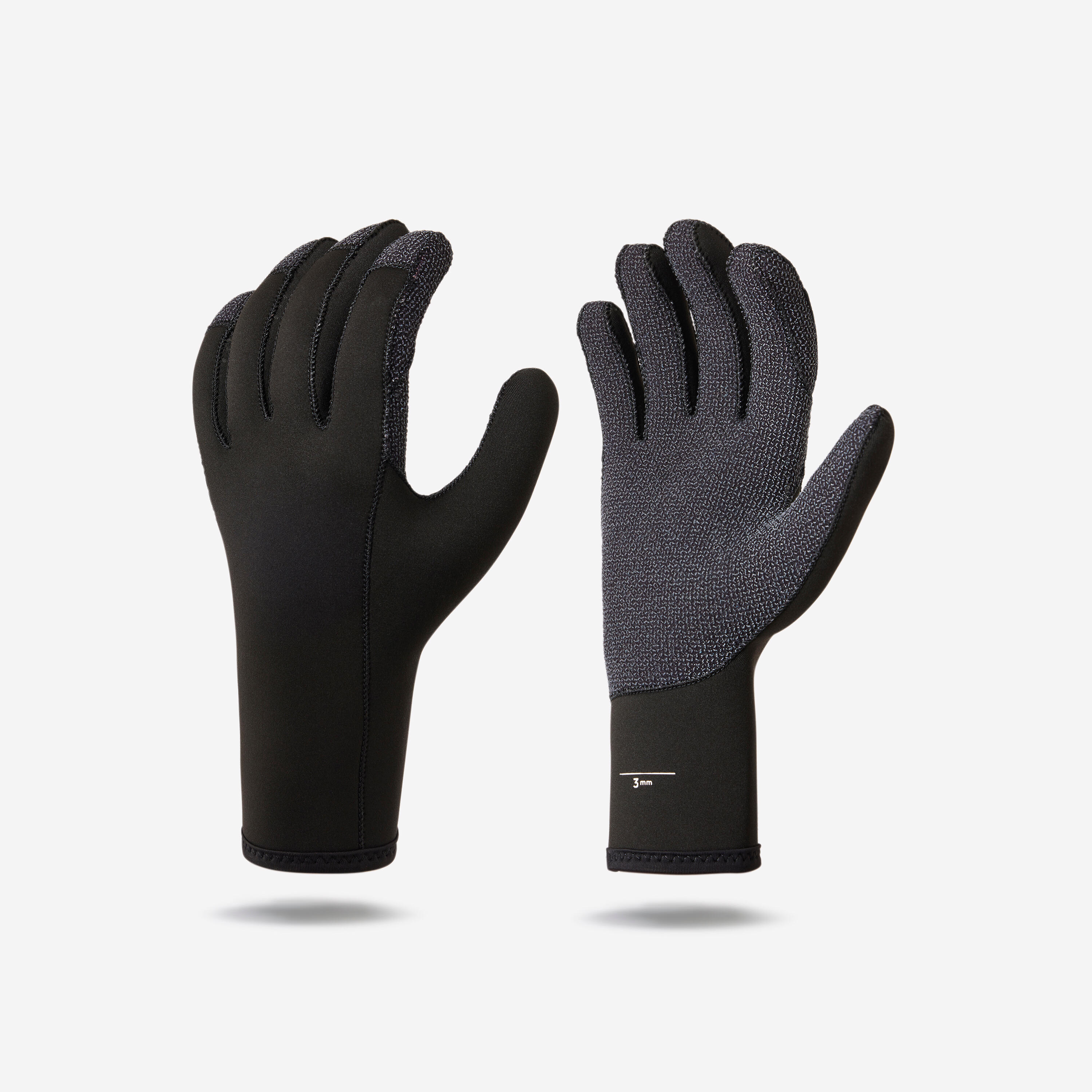
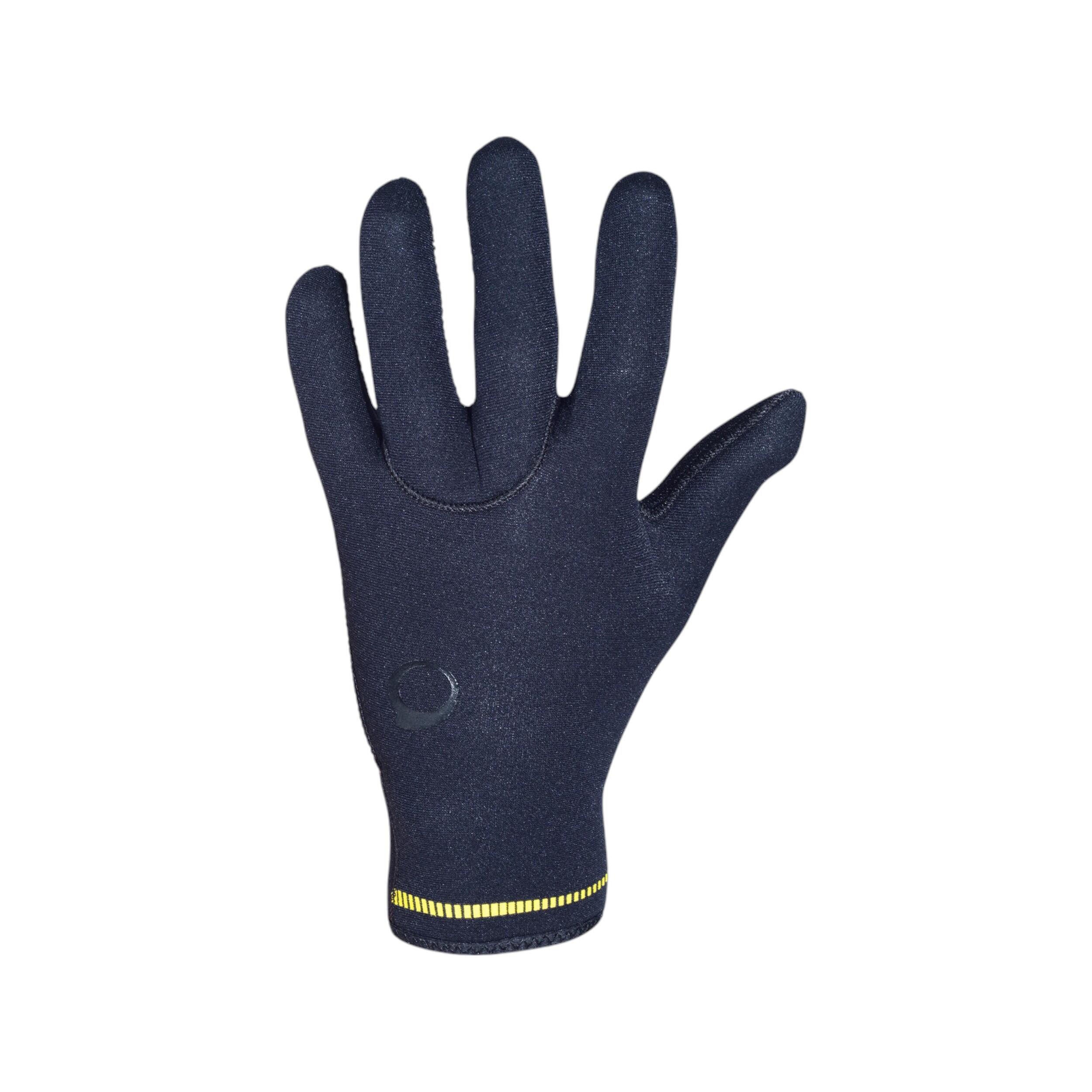
Thicker hand insulation provides excellent thermal protection but restricts the finger movement needed to manipulate small carabiners. Using specialised 5 mm scuba diving gloves with pre-curved fingers provides an effective balance between dexterity and insulation. Textured palm surfaces enhance mechanical grip on wet torch handles, heavy anchors, or emergency cutting shears. Choosing longer cuffs allows a snug overlap with sleeve ends to eliminate cold flushes.

Why do anatomical scuba diving hoods prevent significant body heat loss?

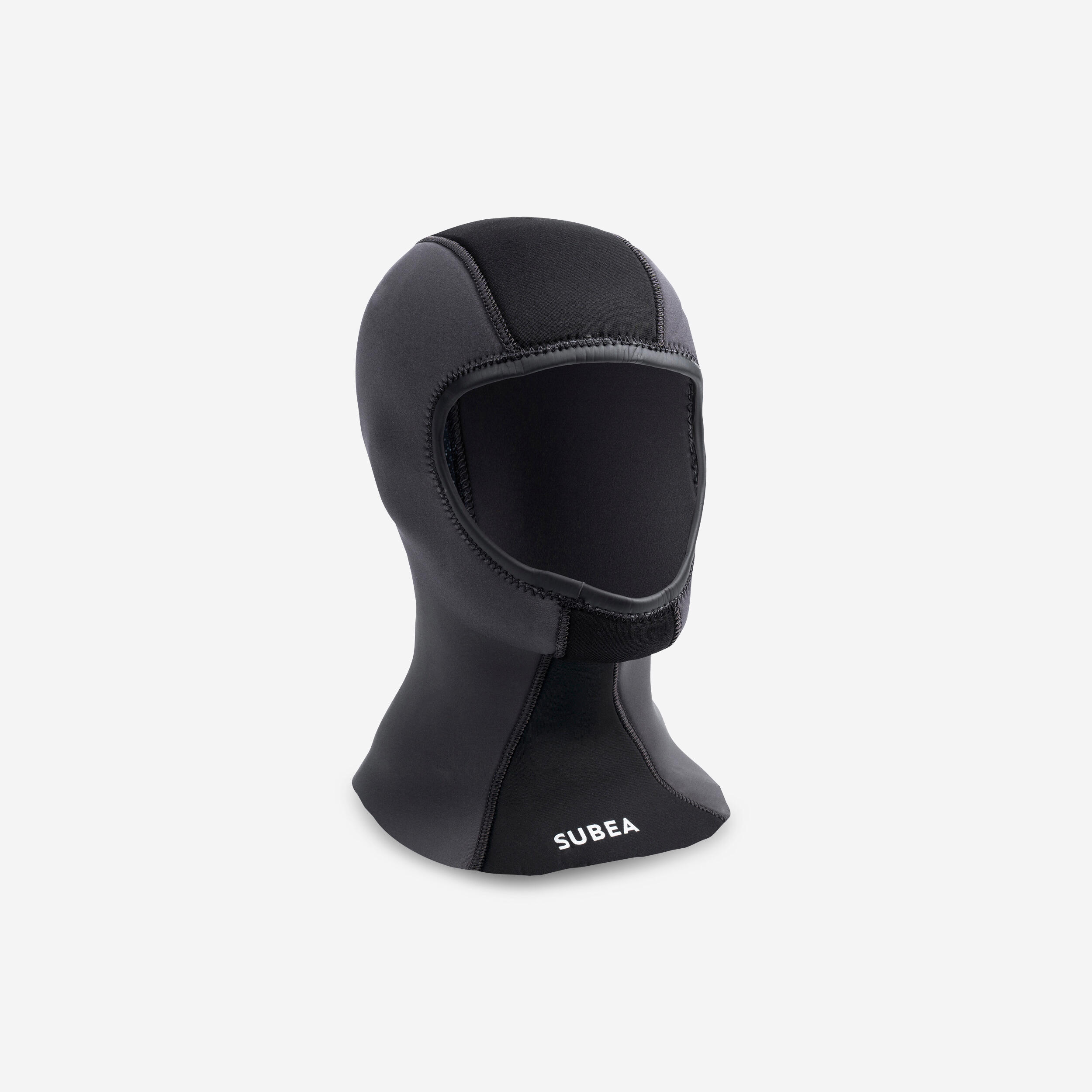
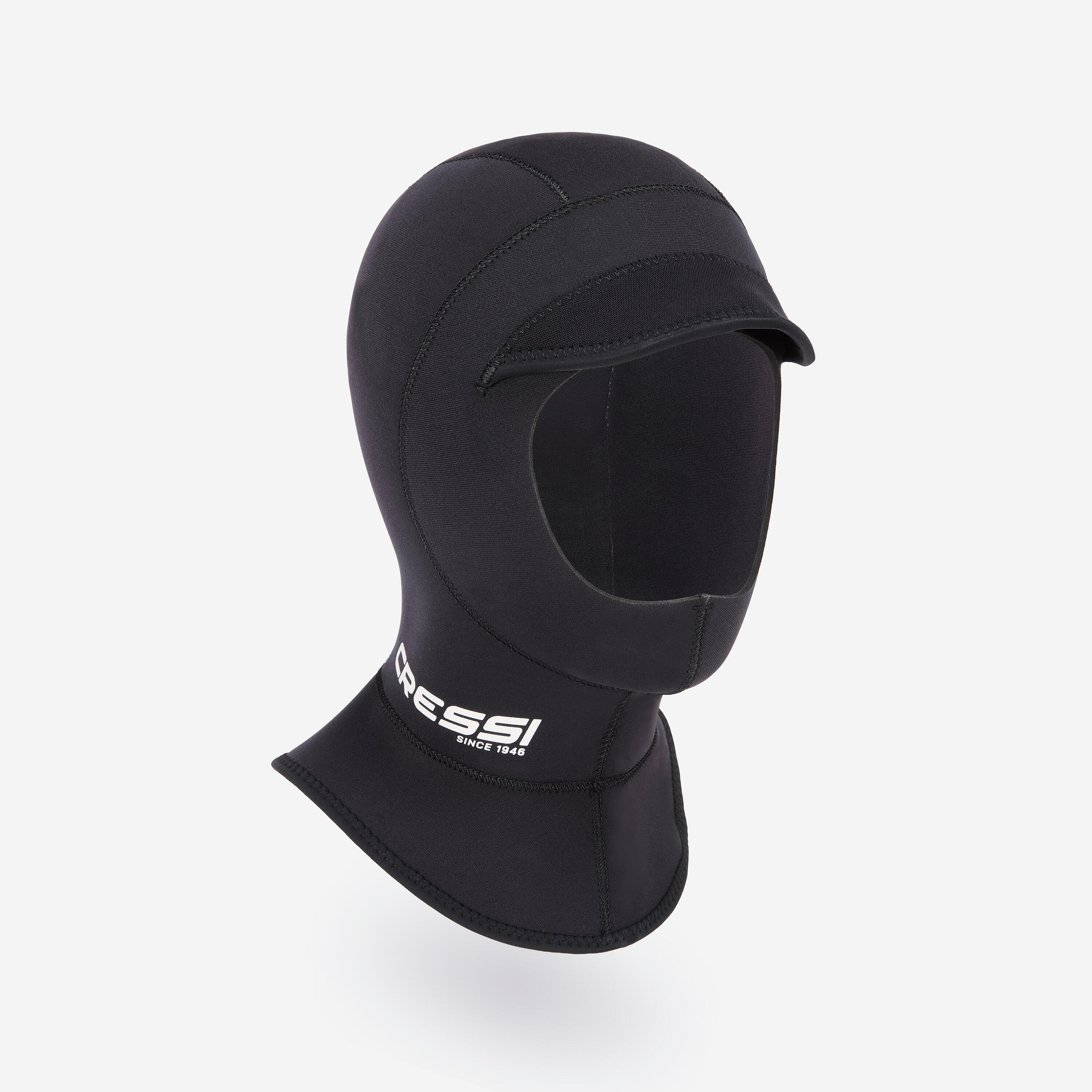
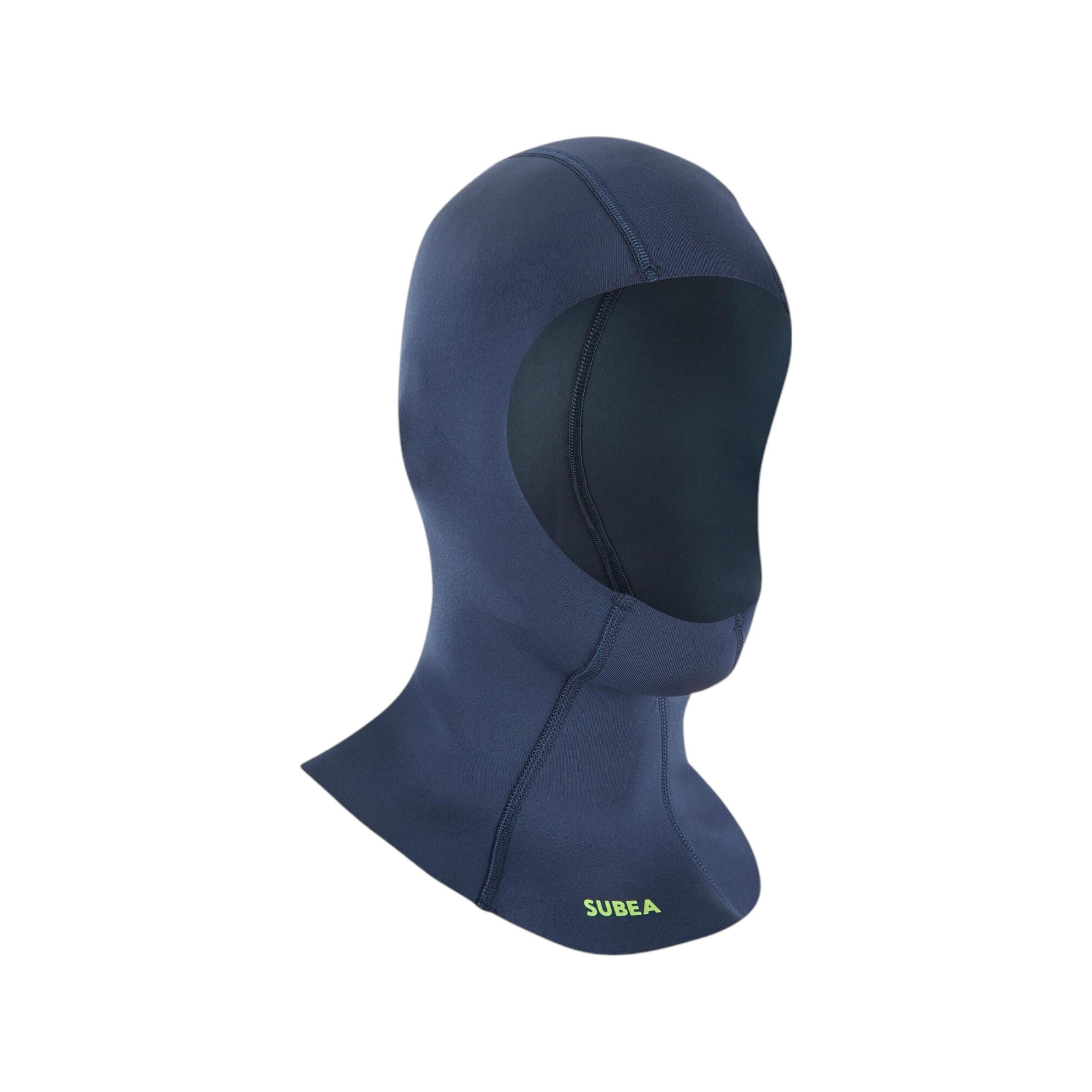
The cranium accounts for a high percentage of systemic cooling because blood vessels stay dilated even when exposed to severe chill. Incorporating custom-moulded scuba diving hoods with integrated micro-perforations prevents gas trapping by venting expanding exhaust bubbles safely from the crown. Smooth-skin neck skirts tuck underneath collars smoothly, sealing out coastal flushes without restricting neck mobility. This barrier prevents cold water from directly contacting the ear canals during descents.