139 items
4.2/5 based on 558 reviews collected online and in stores

Trail Running Smartwatches and Activity Trackers FAQs

What to look for in a trail running smartwatch?

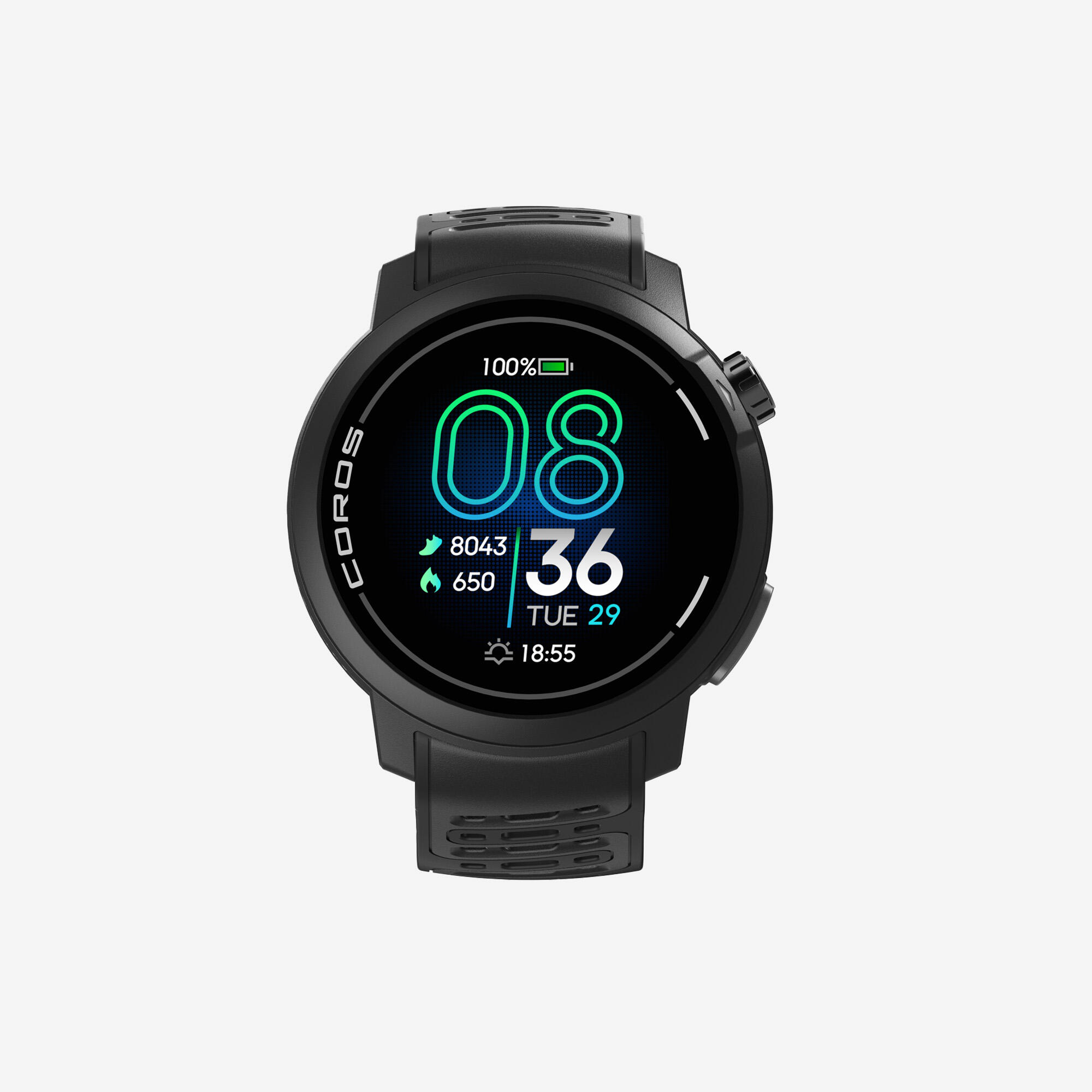
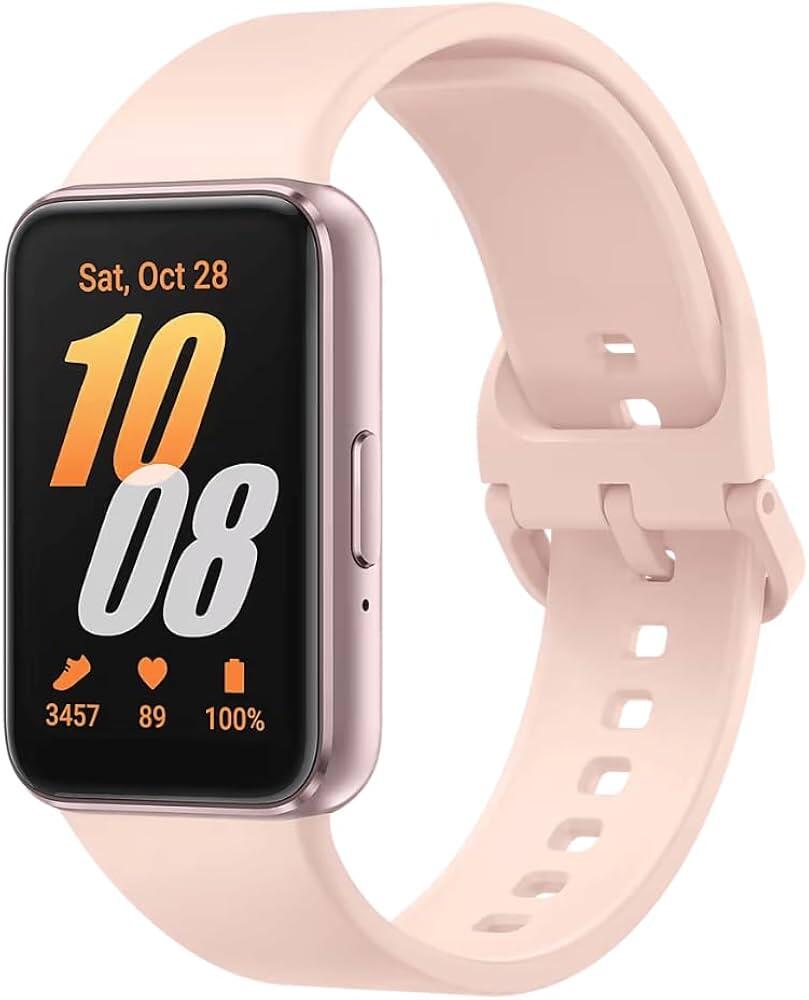
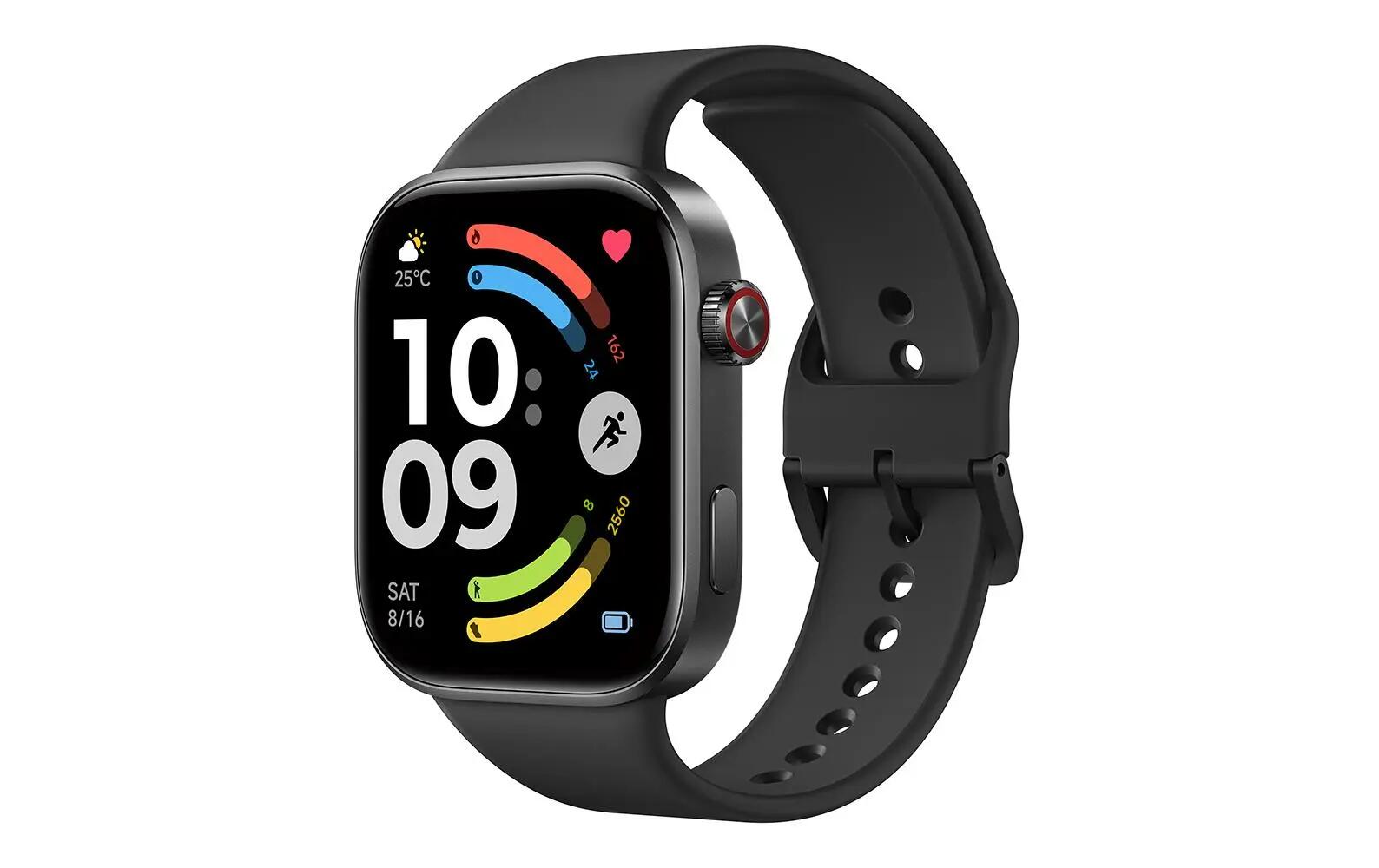
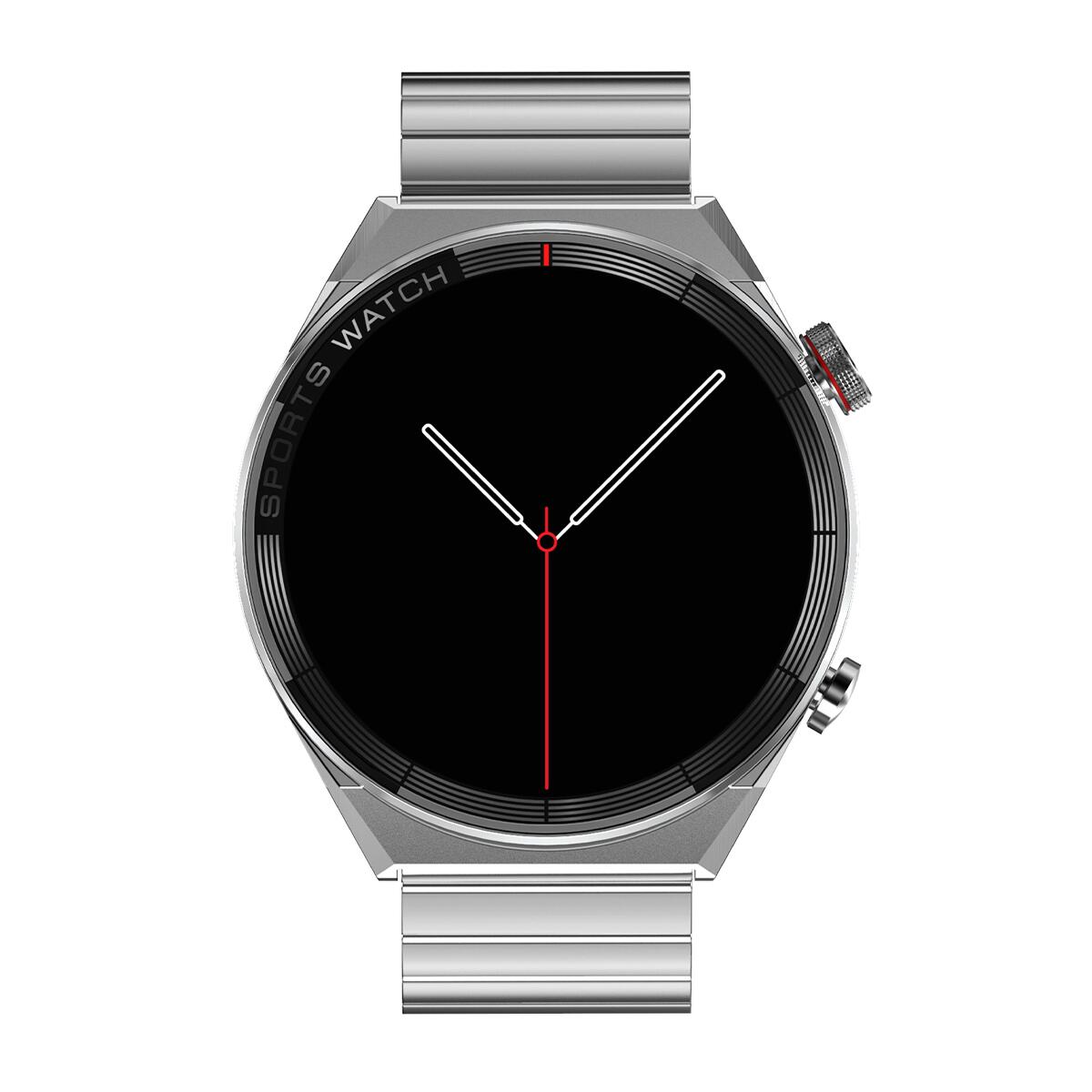
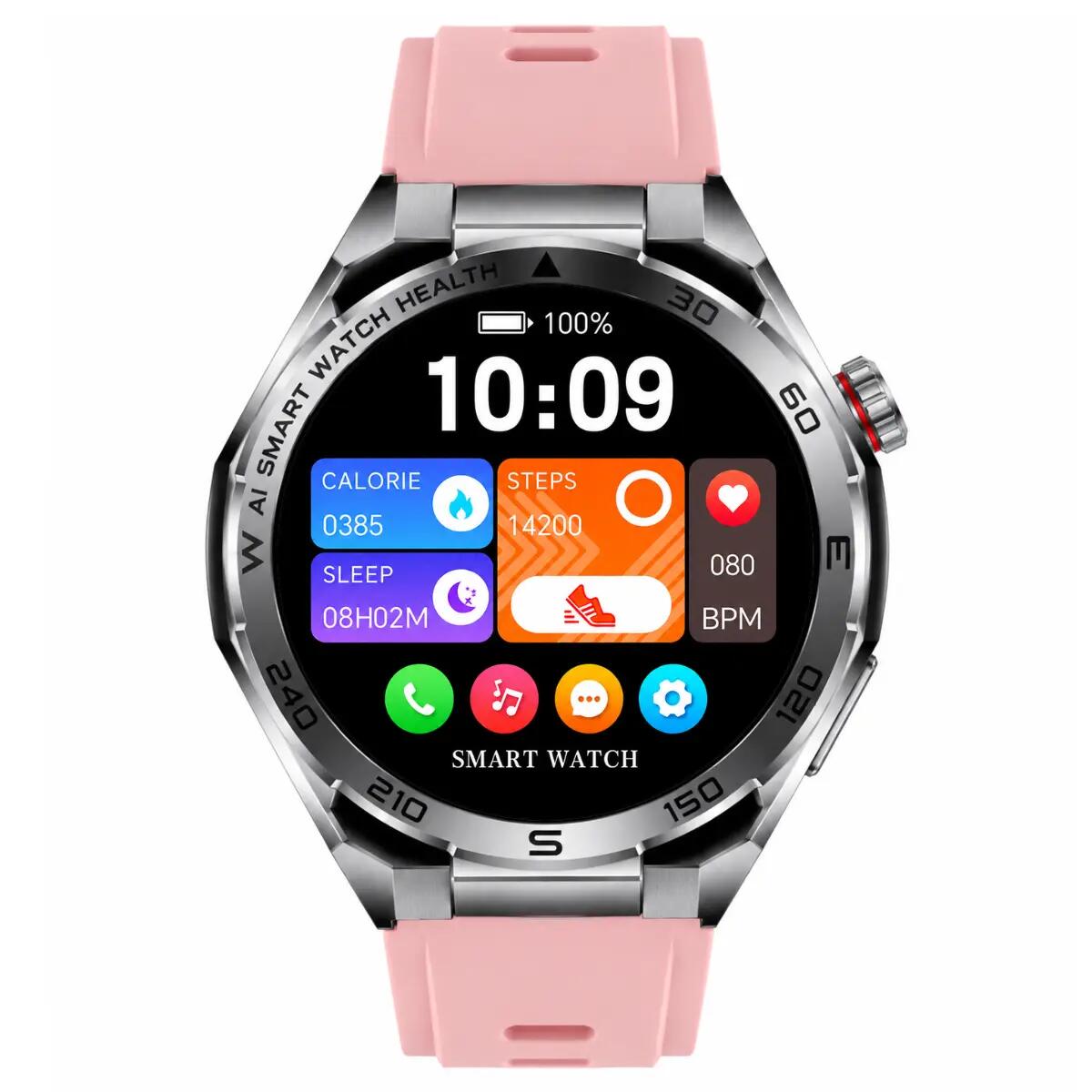
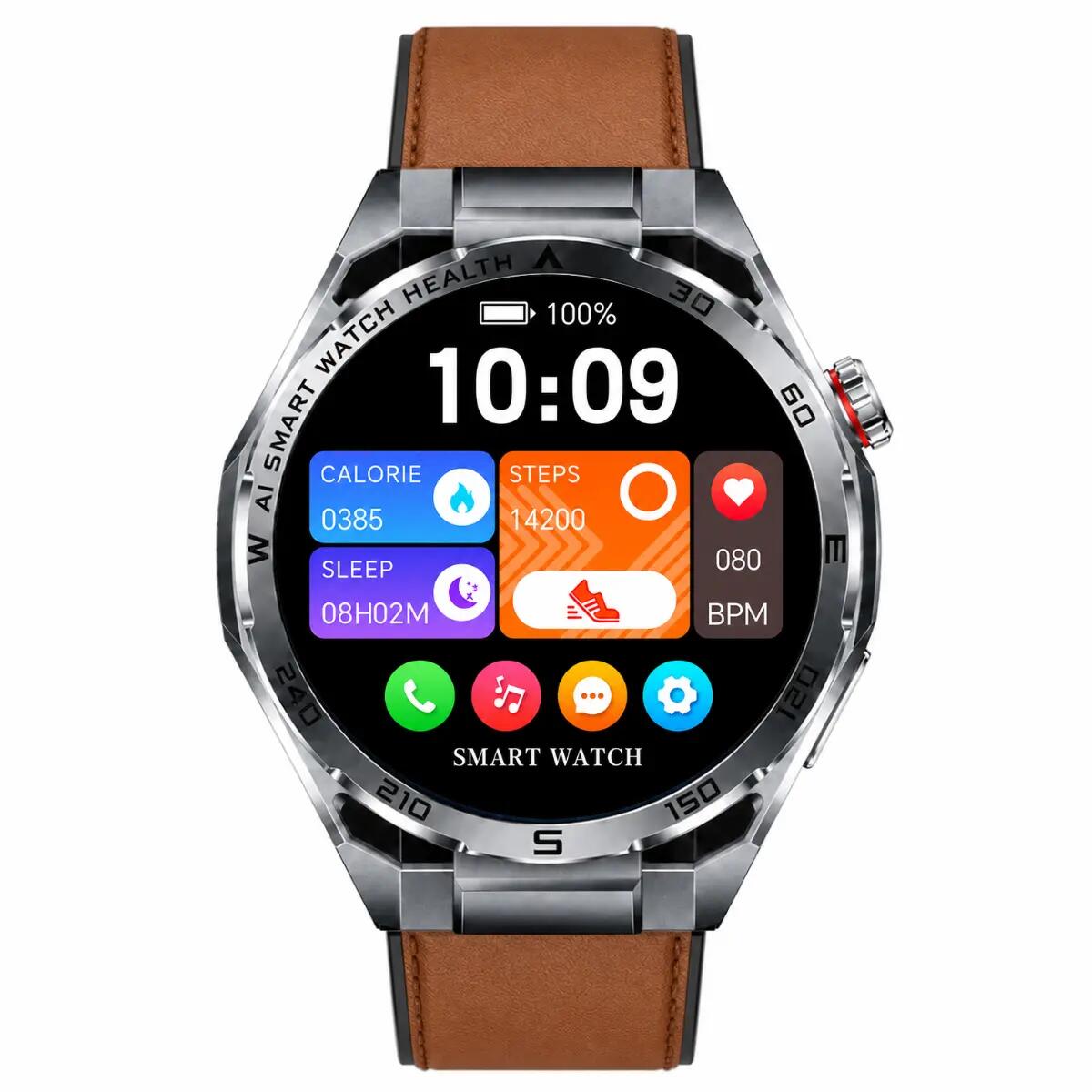
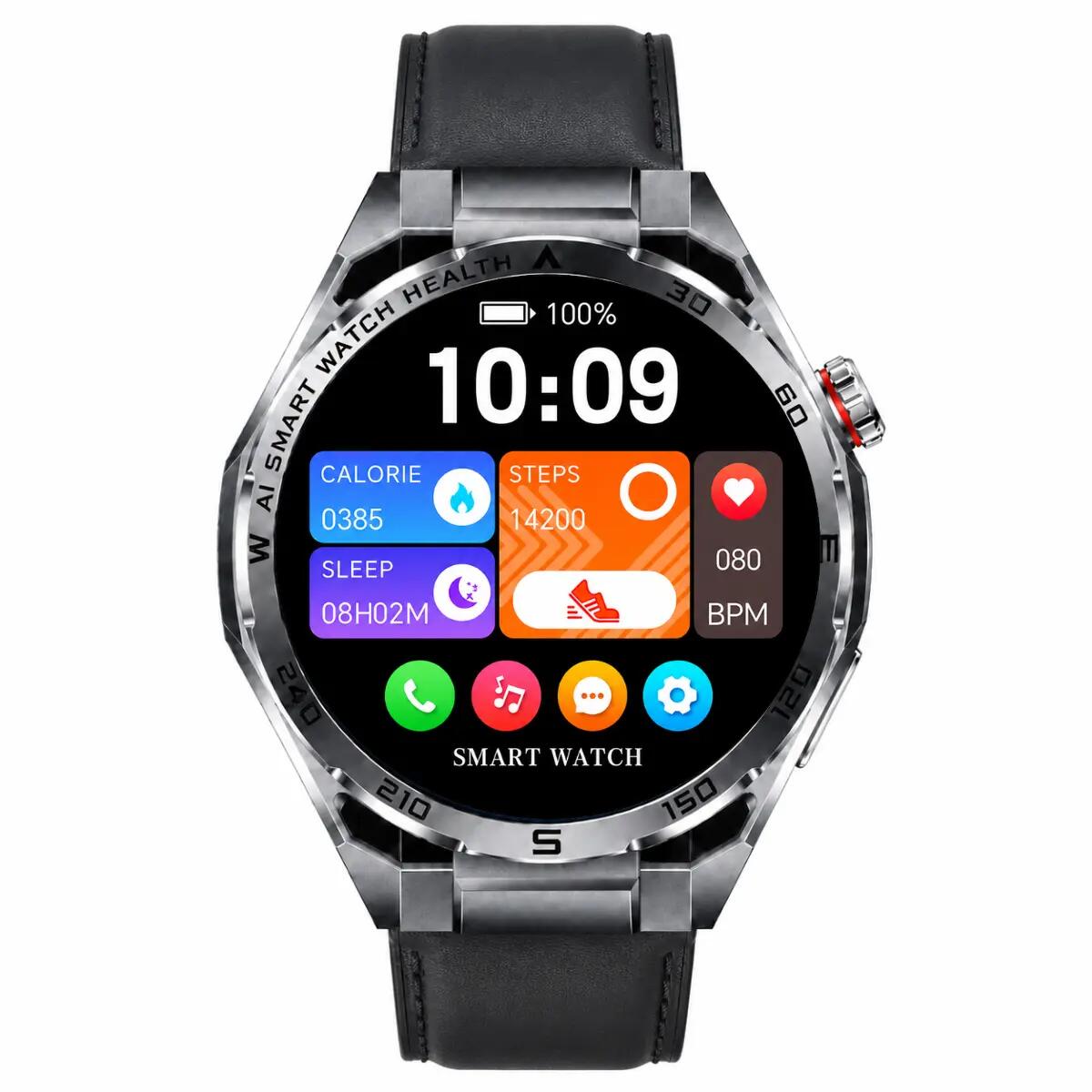
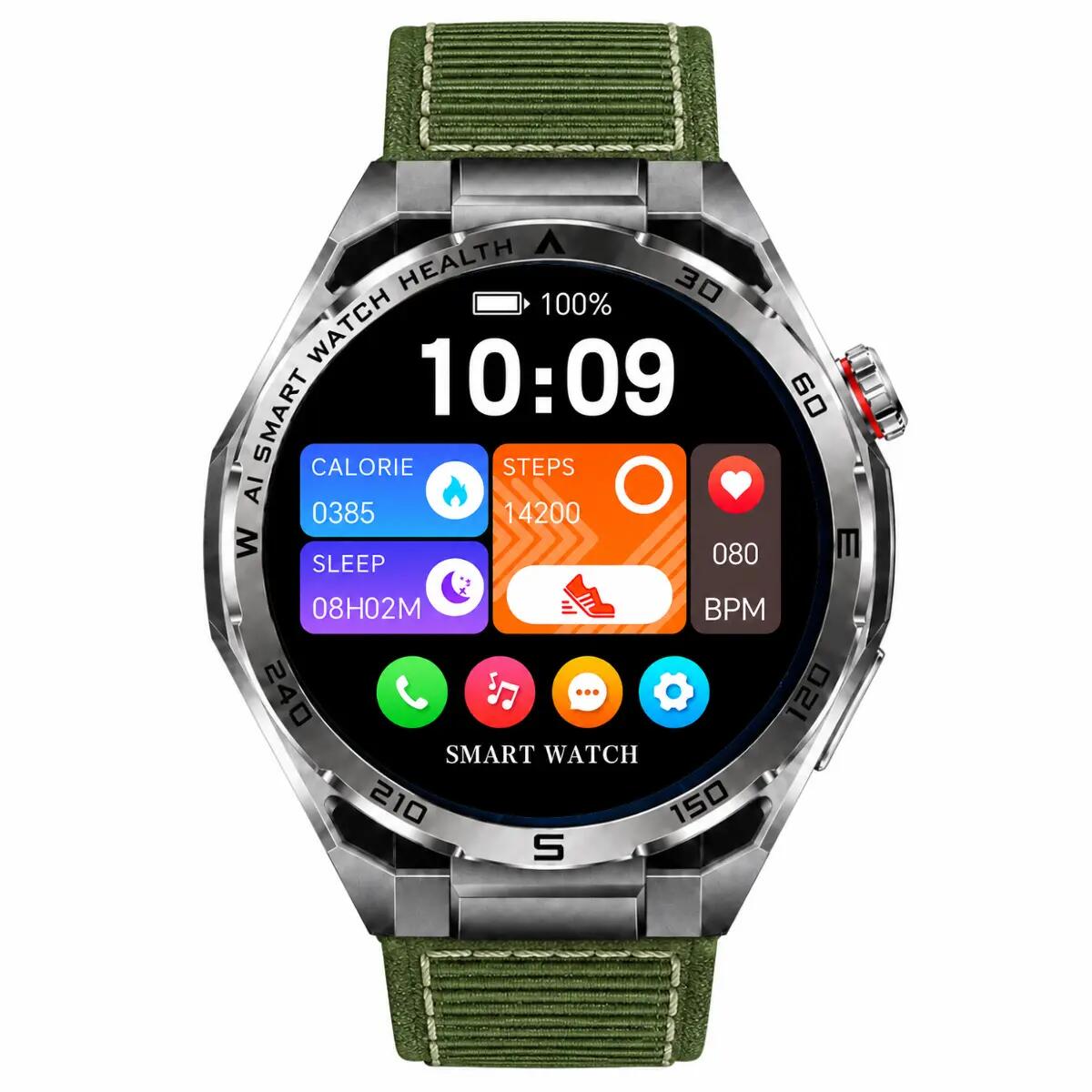
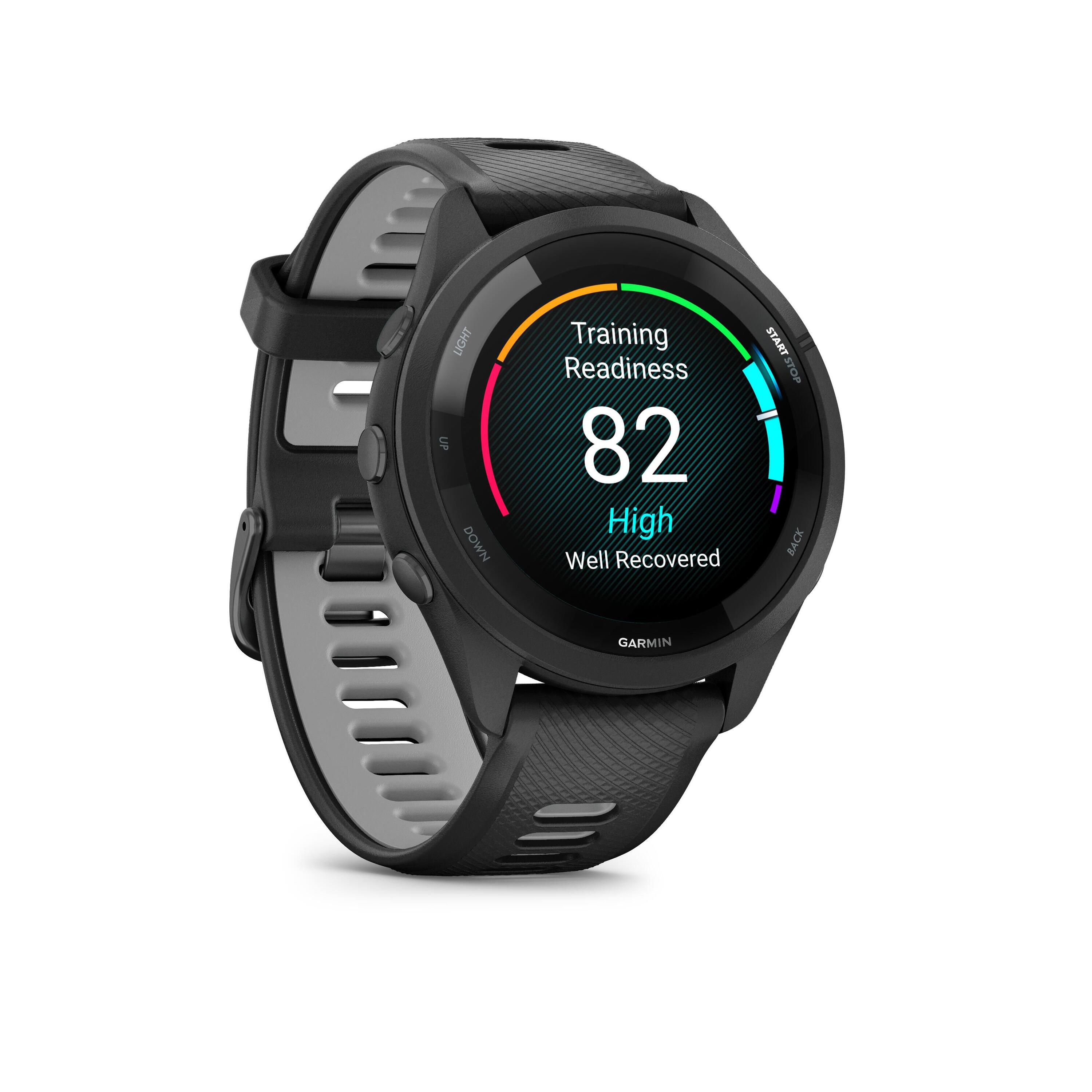
Start with the features that affect your route rather than choosing by phone notifications or everyday styling. A trail running watch should offer dependable route recording, a screen you can read while moving and enough battery for the full outing. Navigation tools such as breadcrumb routes, maps or return-to-start guidance become more useful on unfamiliar ground. An altimeter can help you understand climbing, while water resistance matters in rain and around wet kit. Some devices on this page are general activity trackers rather than specialist trail watches, so check each product's functions carefully. Compare trail running GPS watches when route recording and navigation are central to your training. Pro tip: practise using the controls on a familiar route before relying on them over technical terrain.

Do you need a GPS watch or a basic activity tracker?

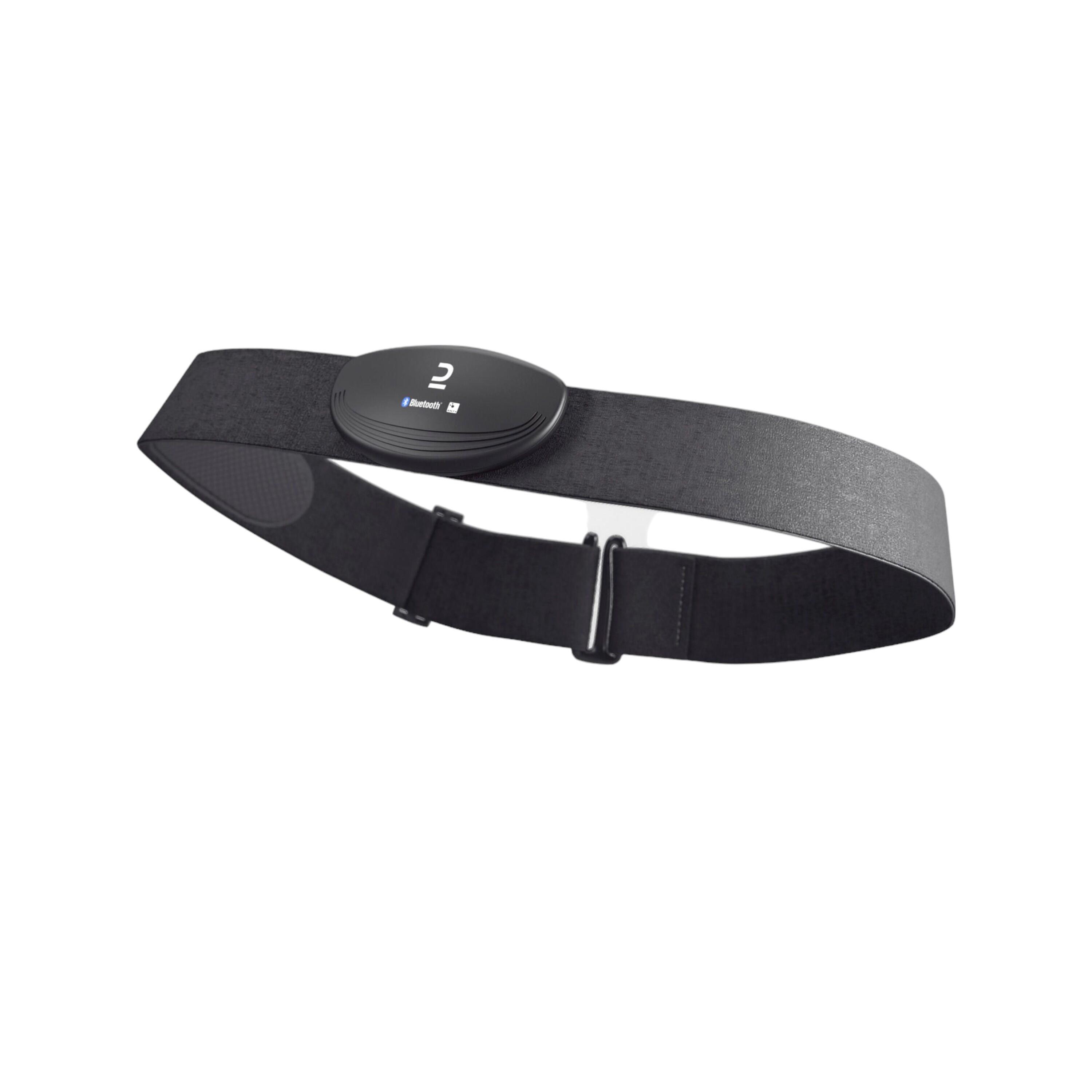
Choose according to the questions you want the device to answer. A basic tracker may record steps, everyday activity, sleep and estimated pulse, which can suit general fitness and short, familiar runs. A GPS watch records pace, distance and route outdoors without relying entirely on step calculations, making it more useful when gradients and uneven ground affect your speed. Advanced training metrics can support planning, but they remain estimates rather than medical measurements. Runners who want steadier effort data during intervals or sustained climbs can pair a compatible watch with a trail running heart rate monitor. Check sensor compatibility before buying because not every smartwatch or activity tracker accepts an external monitor.

How much battery life should a trail running watch have?

Use the GPS-mode figure, not the longer everyday smartwatch figure, when planning your run. Continuous satellite tracking, navigation, a bright screen, music and frequent sensor readings all increase power use. The watch should comfortably outlast your planned route, including stops, slower descents and navigation errors. Cold conditions may also reduce battery performance. Multi-band satellite modes can support positioning around steep slopes, dense trees or buildings, but they often use more energy than standard GPS settings. For sessions where you only need simple lap timing, trail running stopwatches provide a less complex alternative. Charge the watch fully, disable unused functions and carry another navigation method on remote routes.
How accurate is wrist heart-rate tracking on trails?

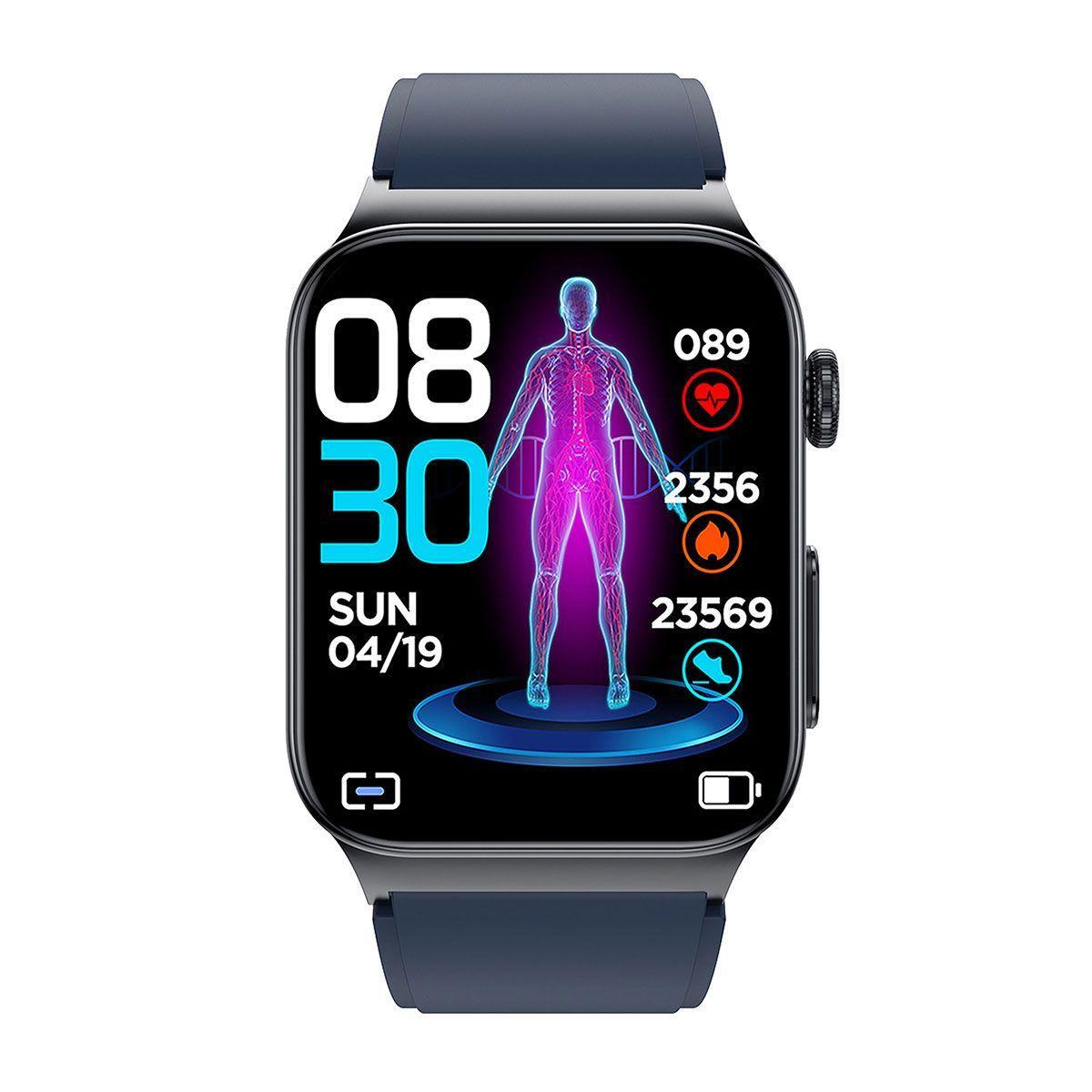
Wrist sensors estimate your pulse by shining light into the skin and measuring changes in blood flow. Readings can become less consistent when the watch moves, the strap is loose, your hands are cold or vibrations increase on rough descents. Wear the watch slightly above the wrist bone and tighten it enough to remain stable without restricting circulation. Treat sudden spikes or drops as possible sensor errors, particularly when your breathing and perceived effort have not changed. When you use trail running poles, repeated wrist movement and pressure from the straps may also affect the reading. Use heart-rate data alongside breathing, effort, gradient, temperature and how your body feels.
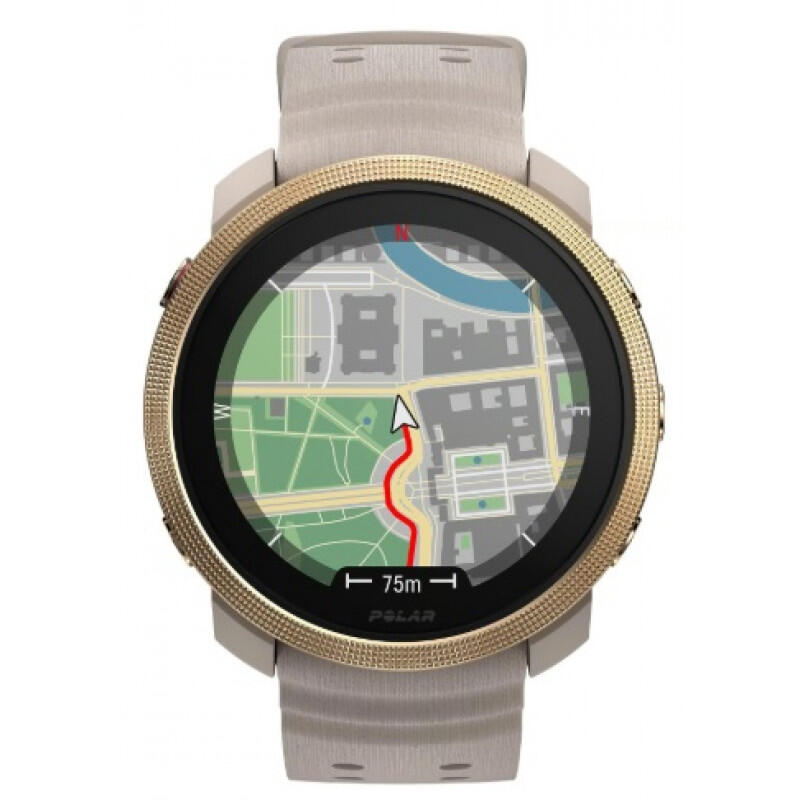
How should you use and care for a smartwatch on the trail?

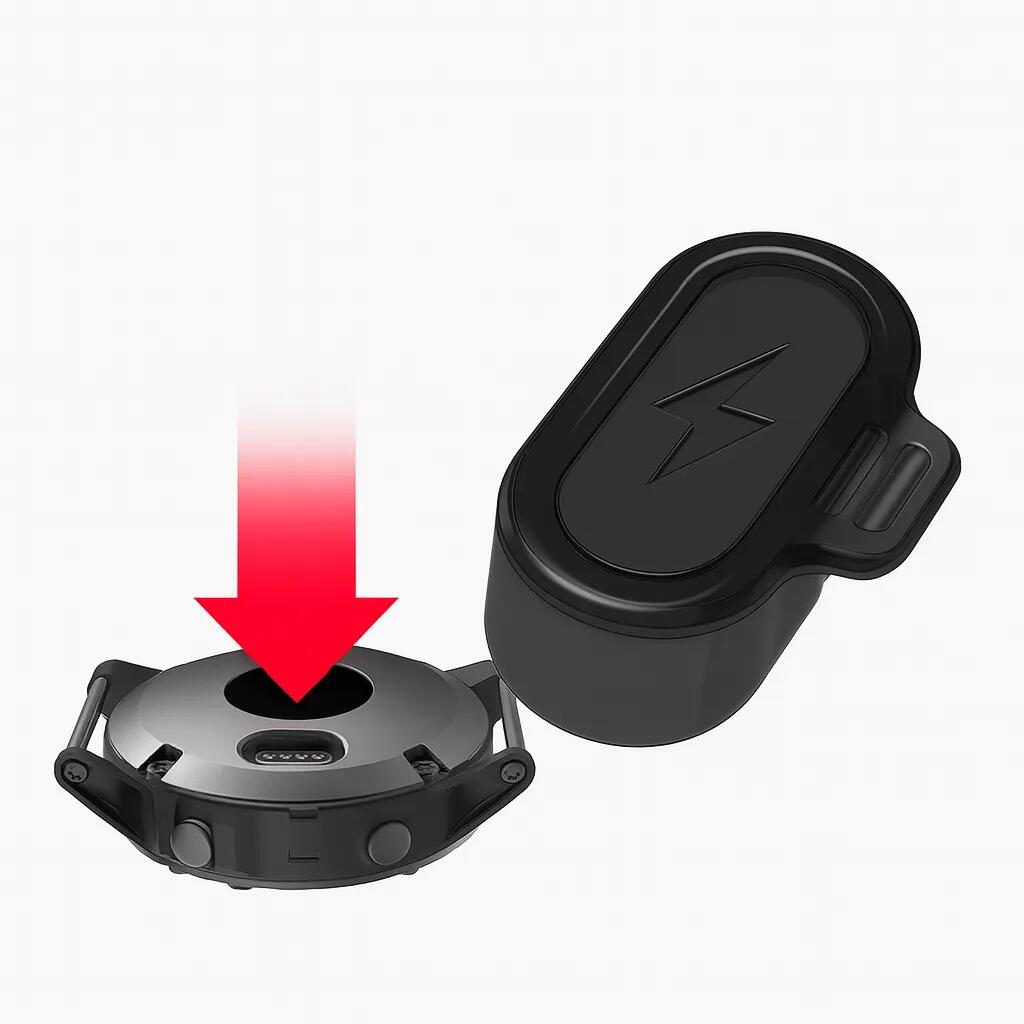
Set up your data screens, alerts and navigation before the run so you are not operating small controls on a steep or rocky section. Lock the touchscreen when rain, sleeves or accidental contact could change the settings. A bright display improves readability, but lowering unnecessary brightness can extend battery life. Pair the watch with trail running sunglasses that maintain useful contrast as you move between open ground, shade and woodland. After the run, follow the manufacturer's care instructions, wipe away sweat and mud, and dry the strap and charging contacts before connecting power. Check software and route files before an important event, but avoid unfamiliar updates immediately before race day.