14 items
4.5/5 based on 2843 reviews collected online and in stores

Trail Running Heart Rate Monitor FAQs

Is a chest belt or arm heart rate monitor better for your training?

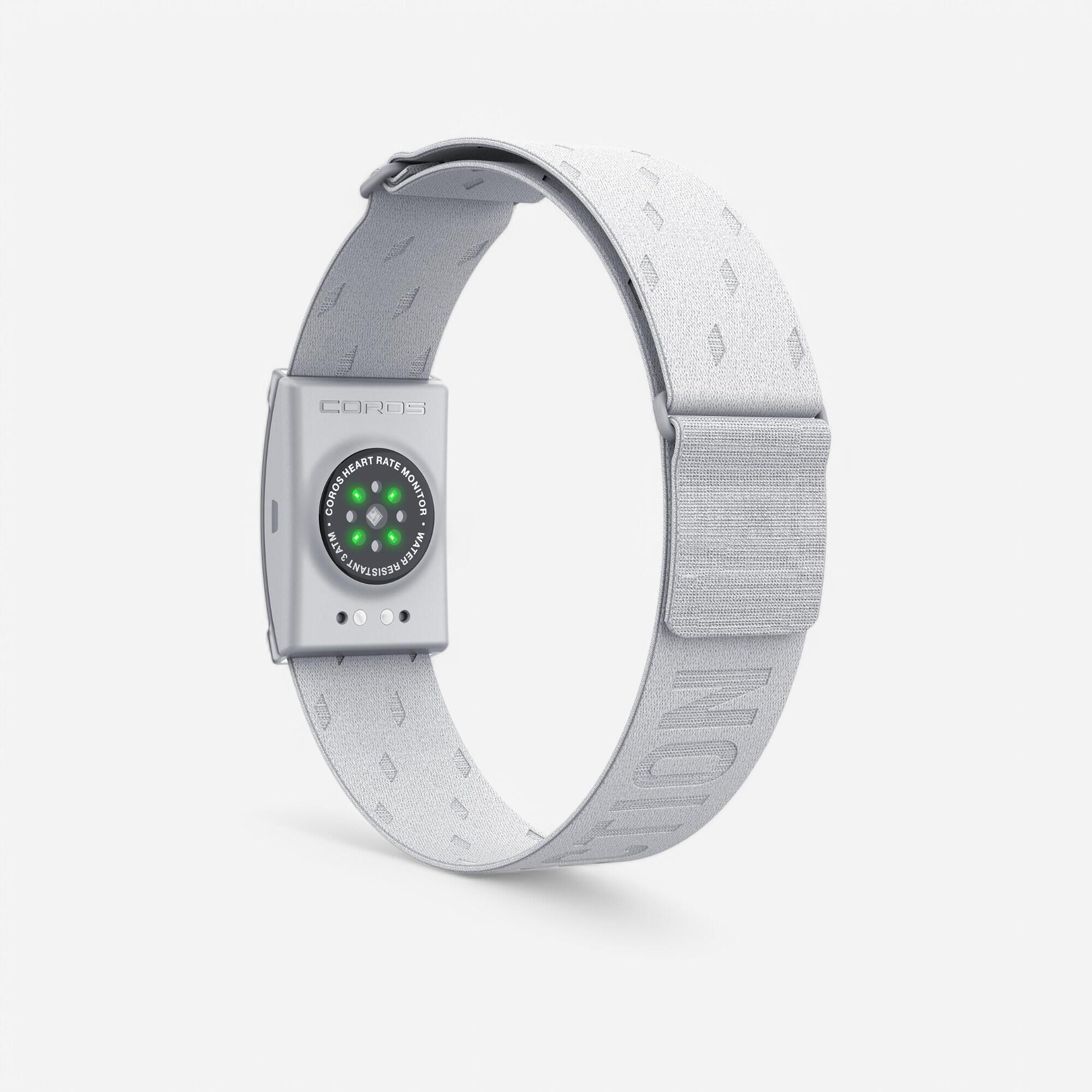
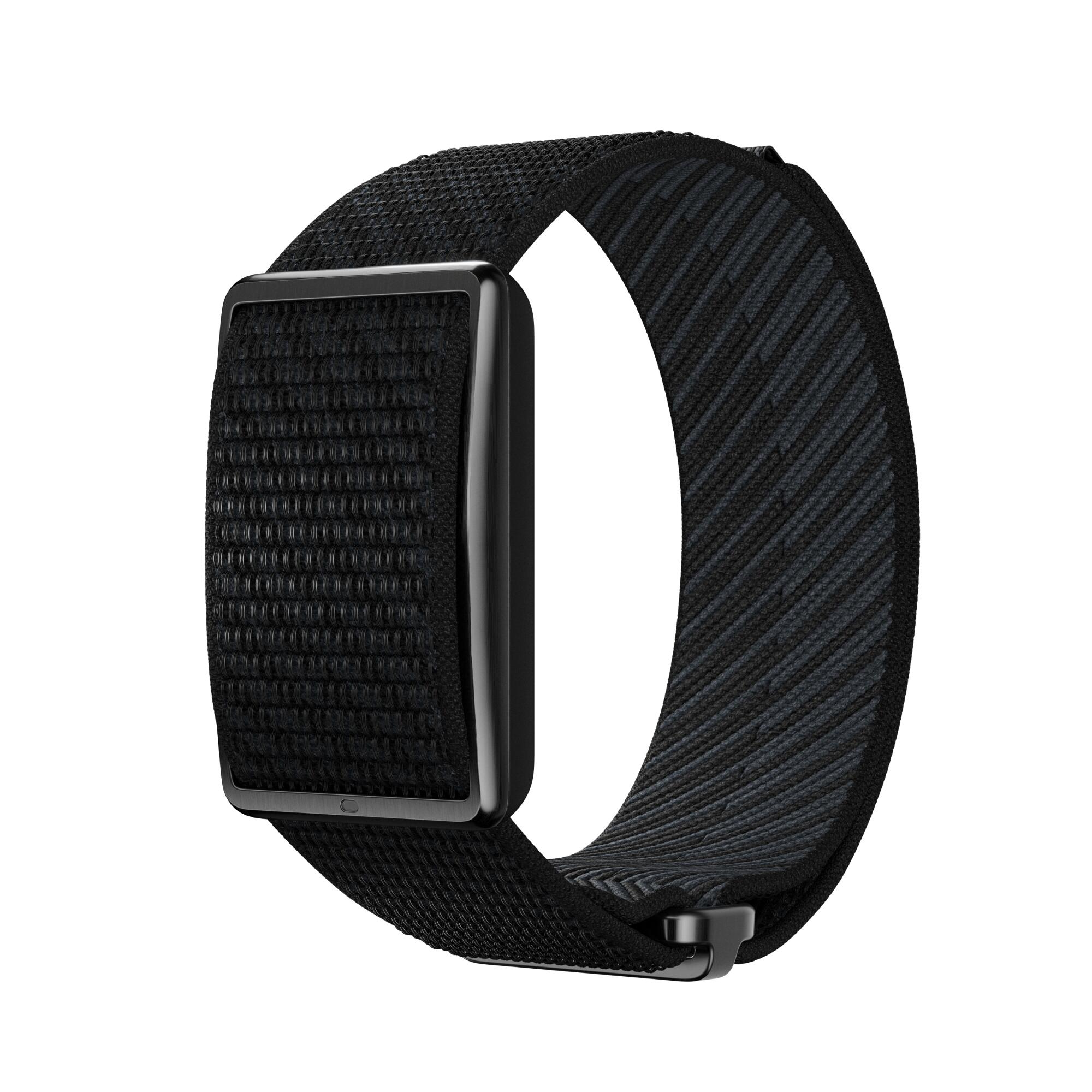
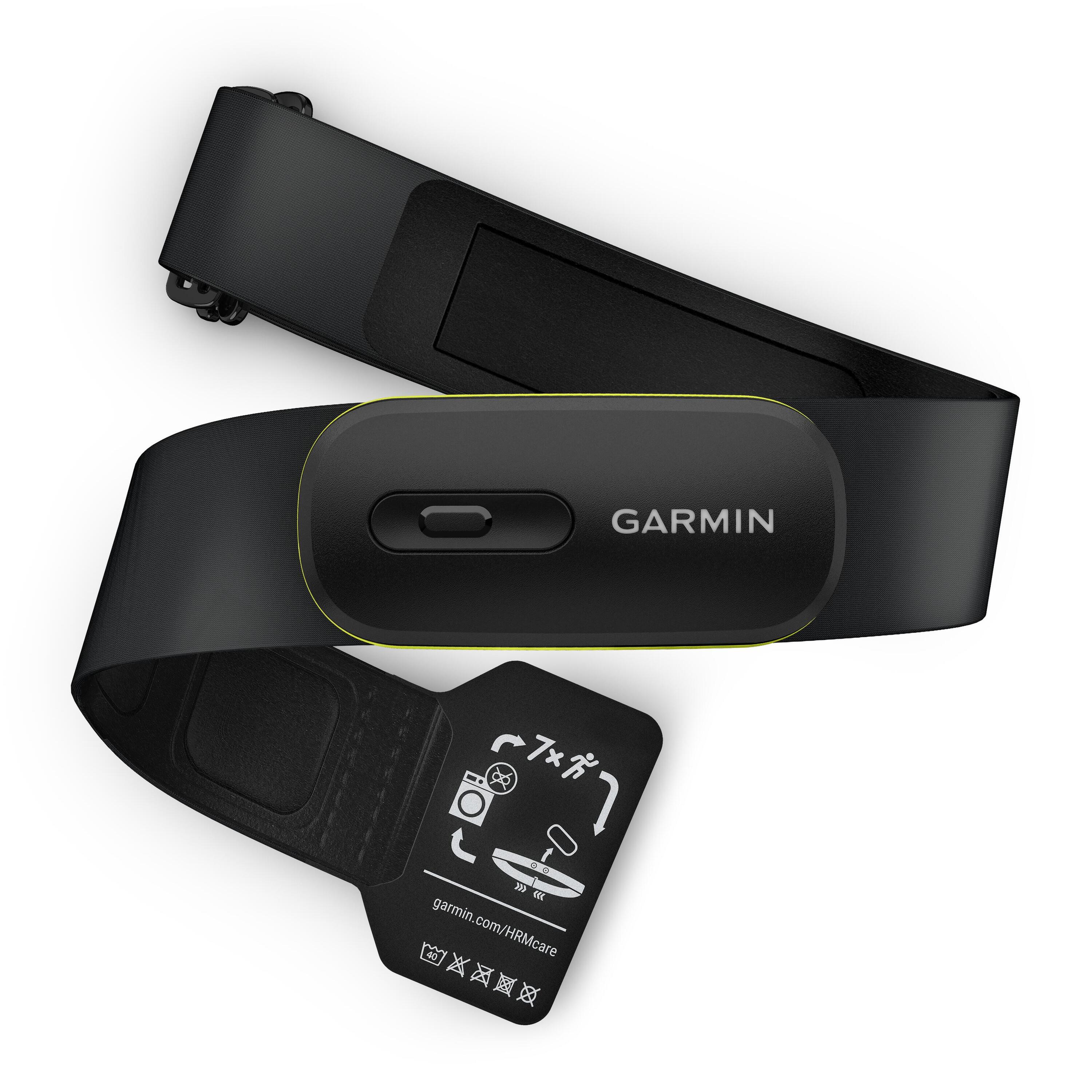
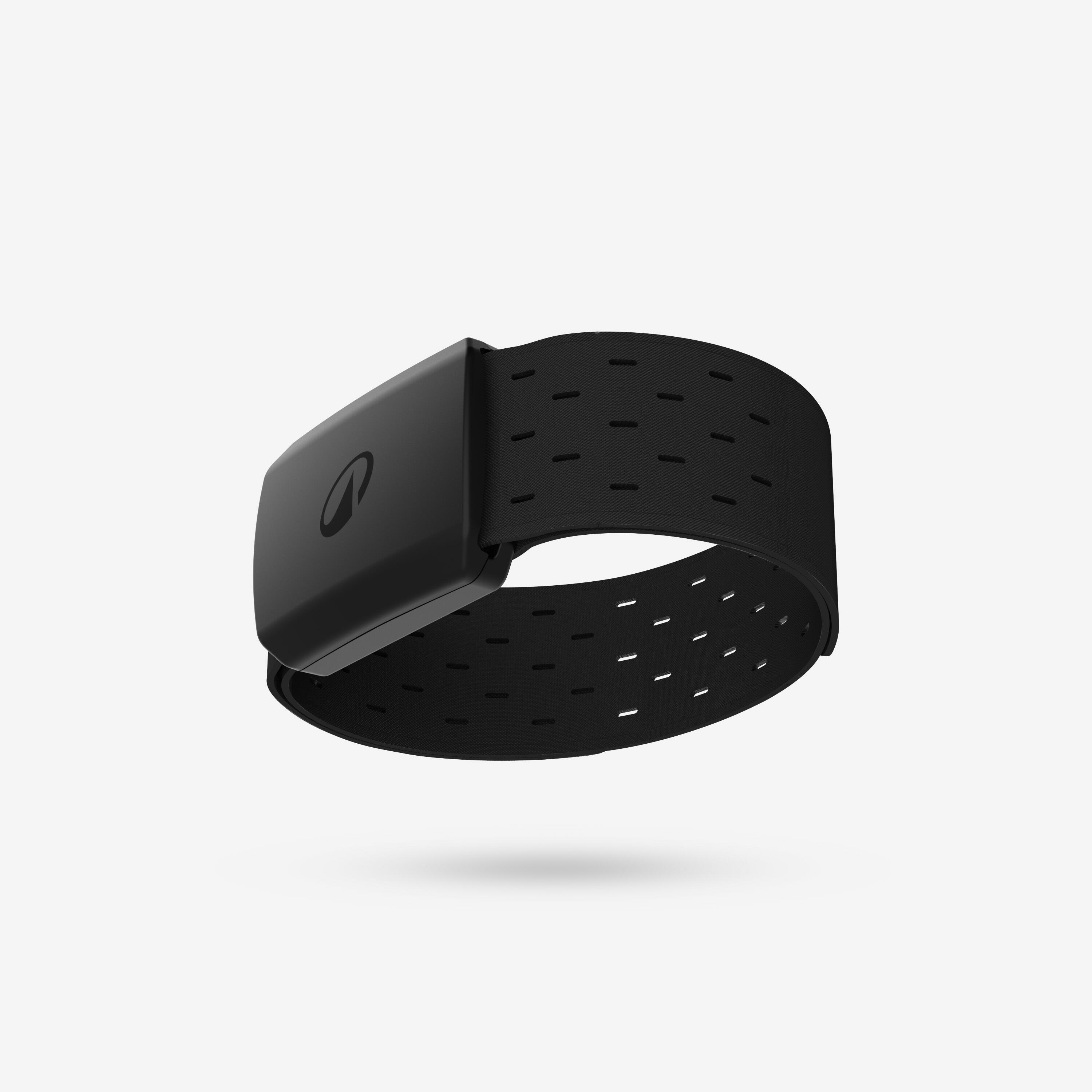
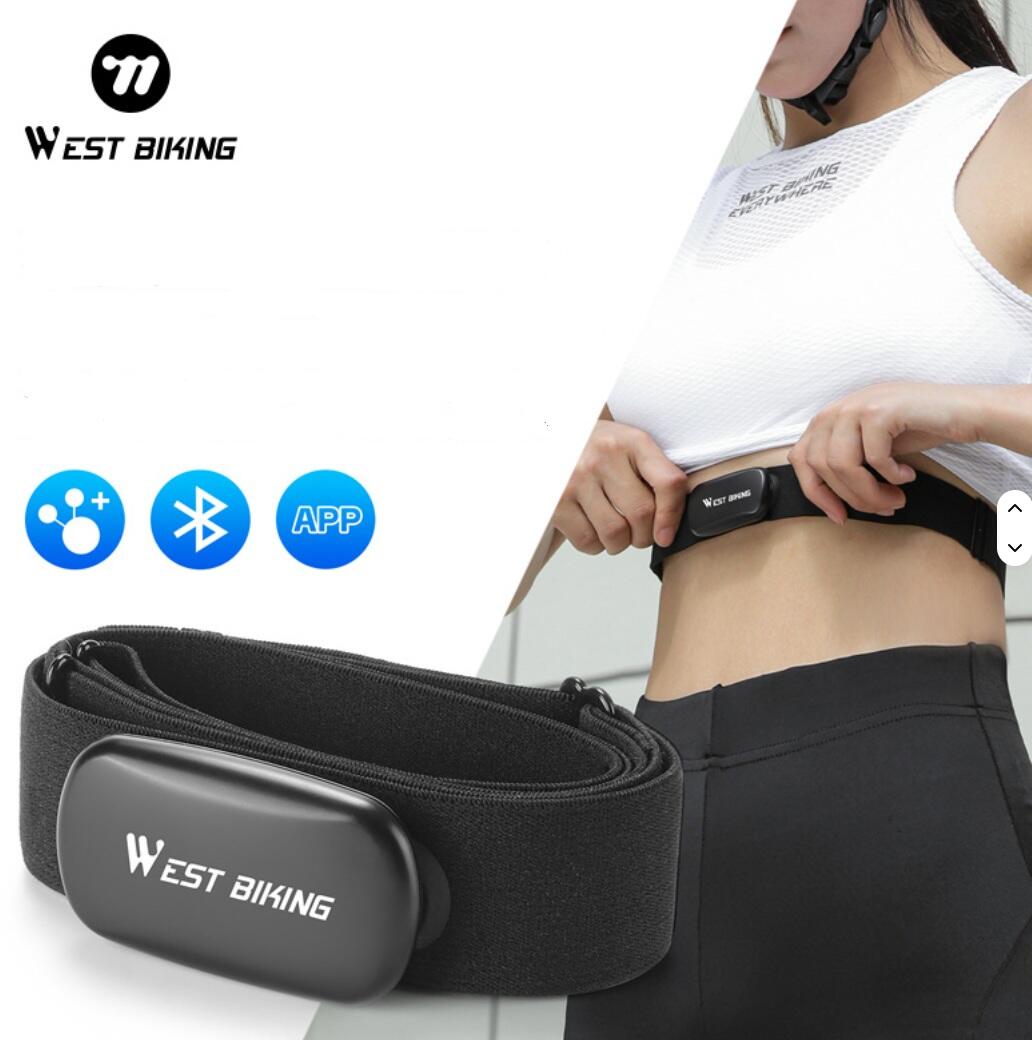
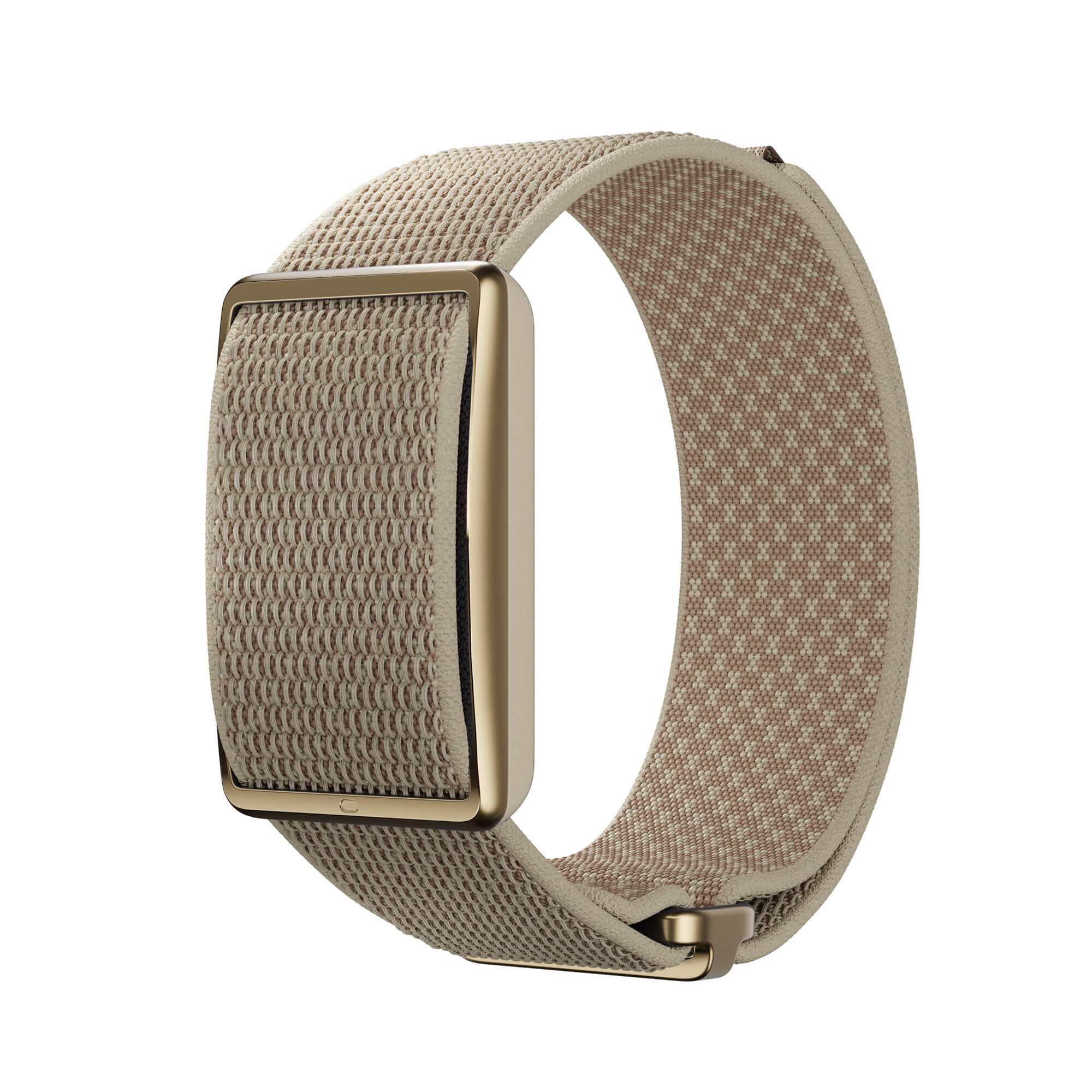
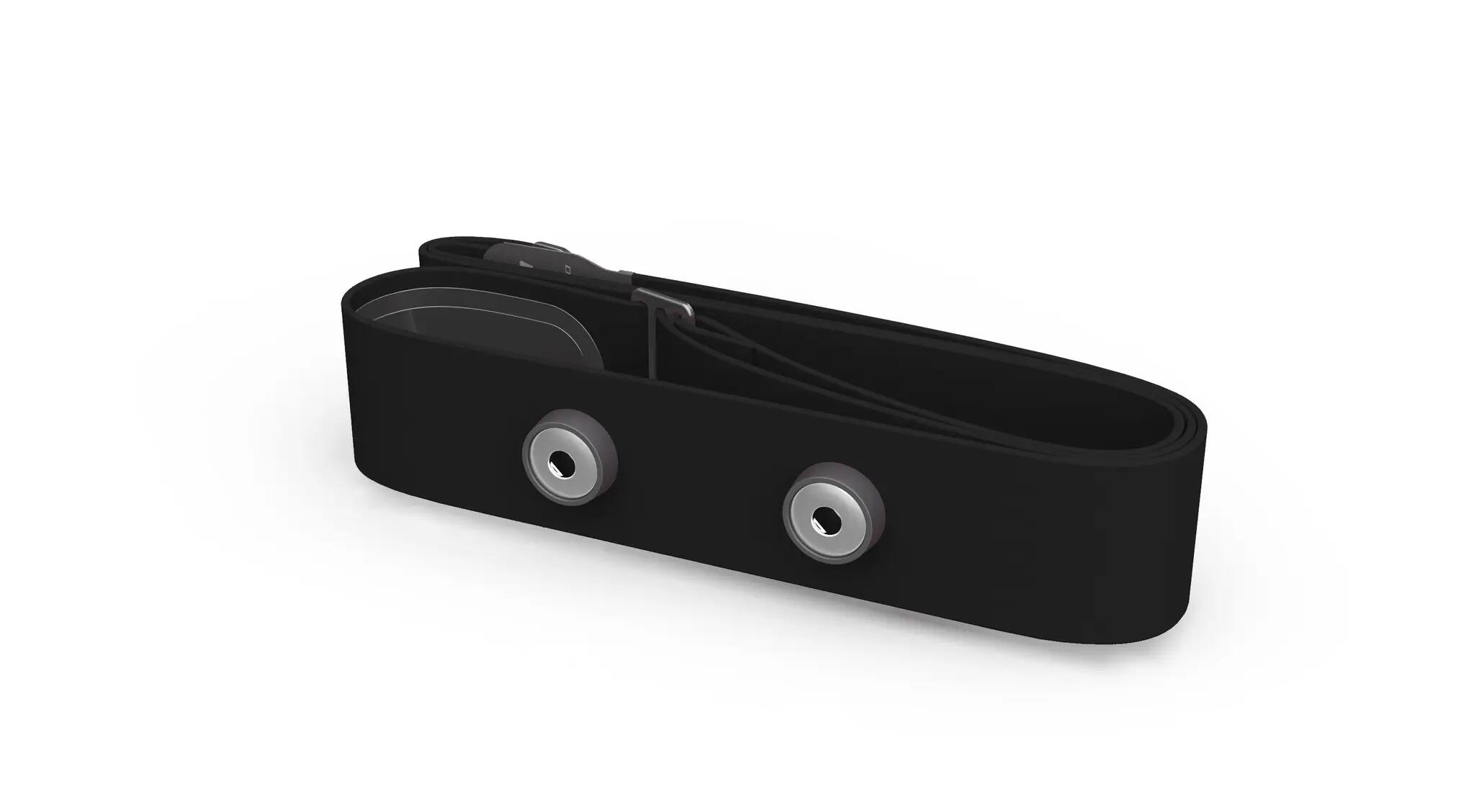
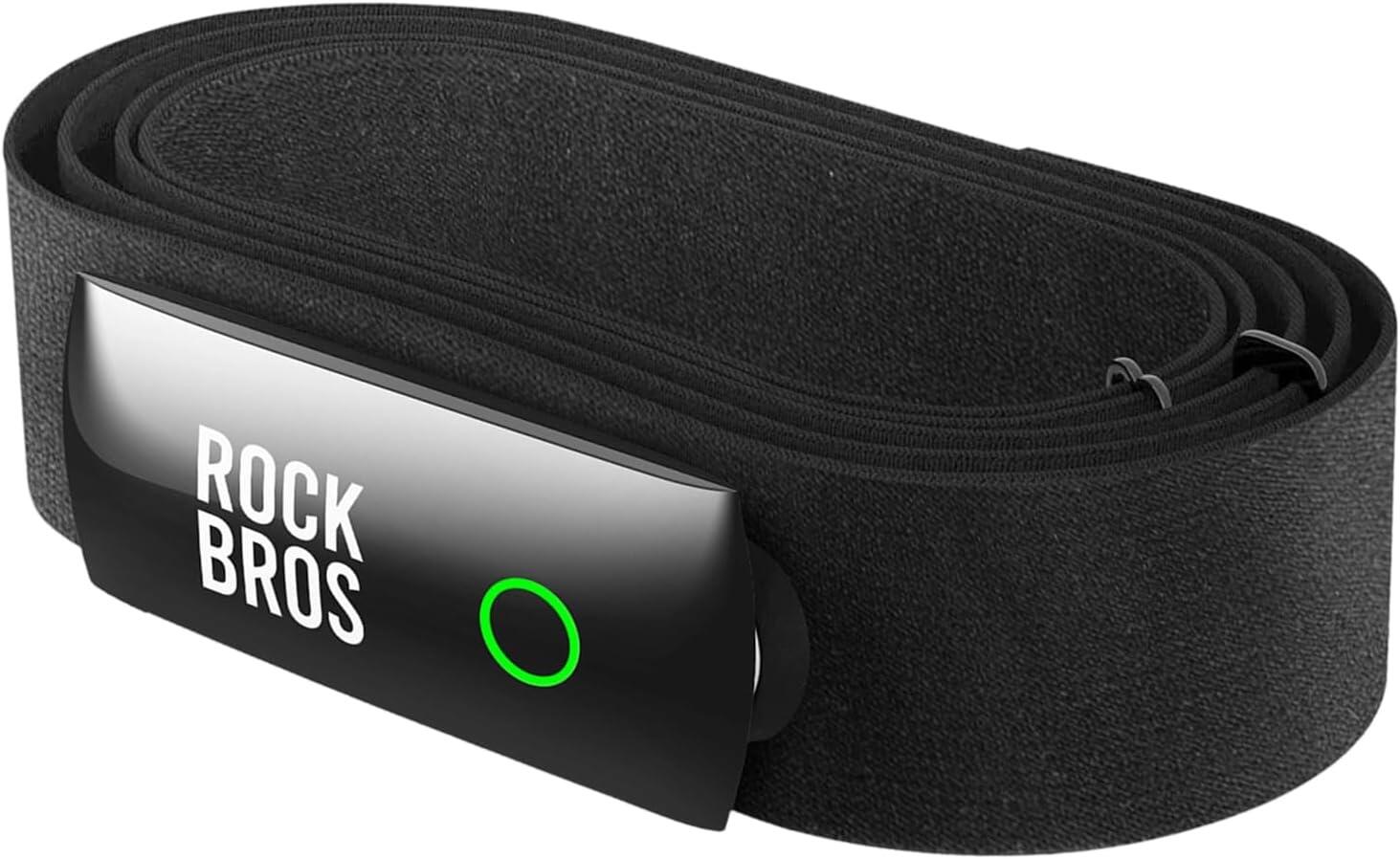
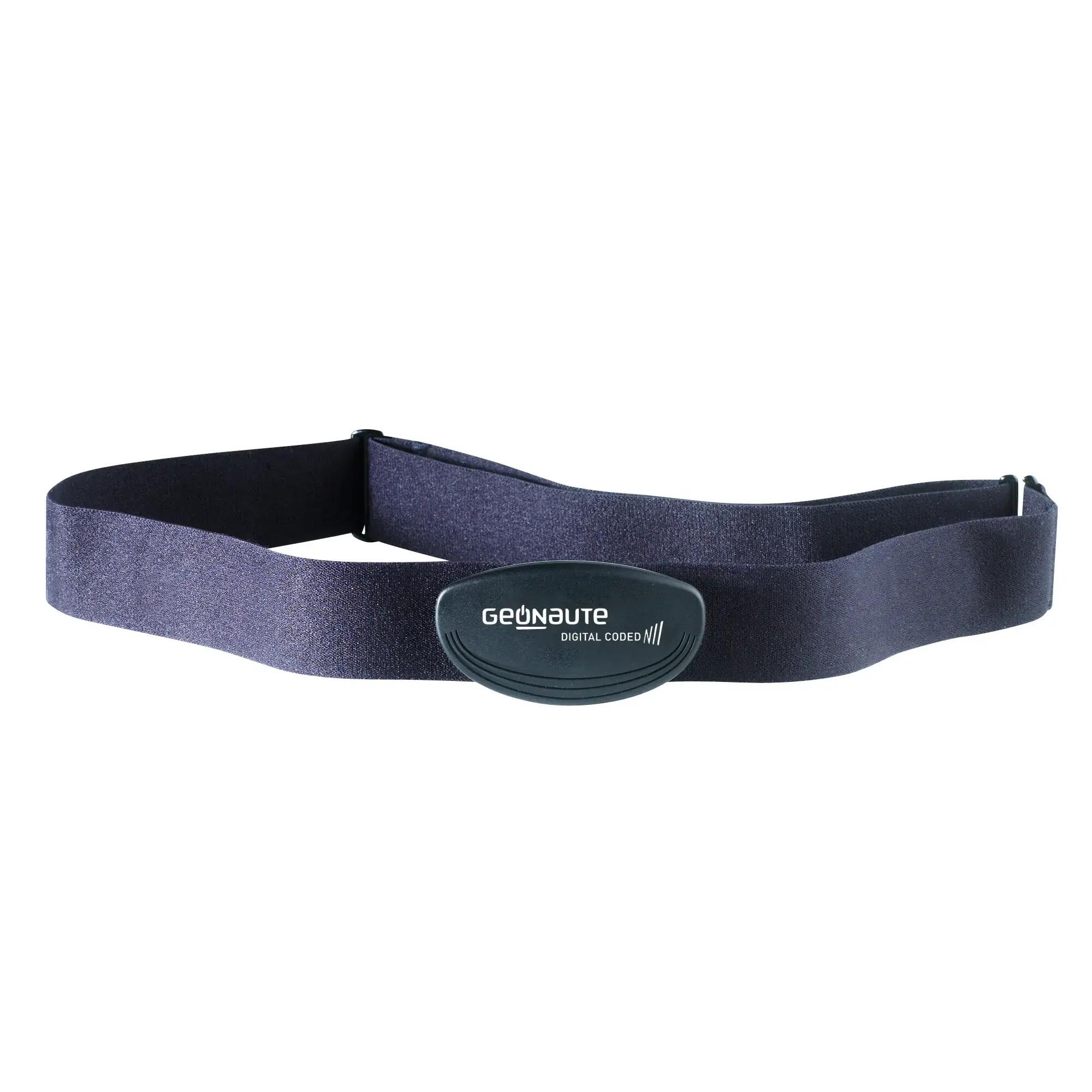
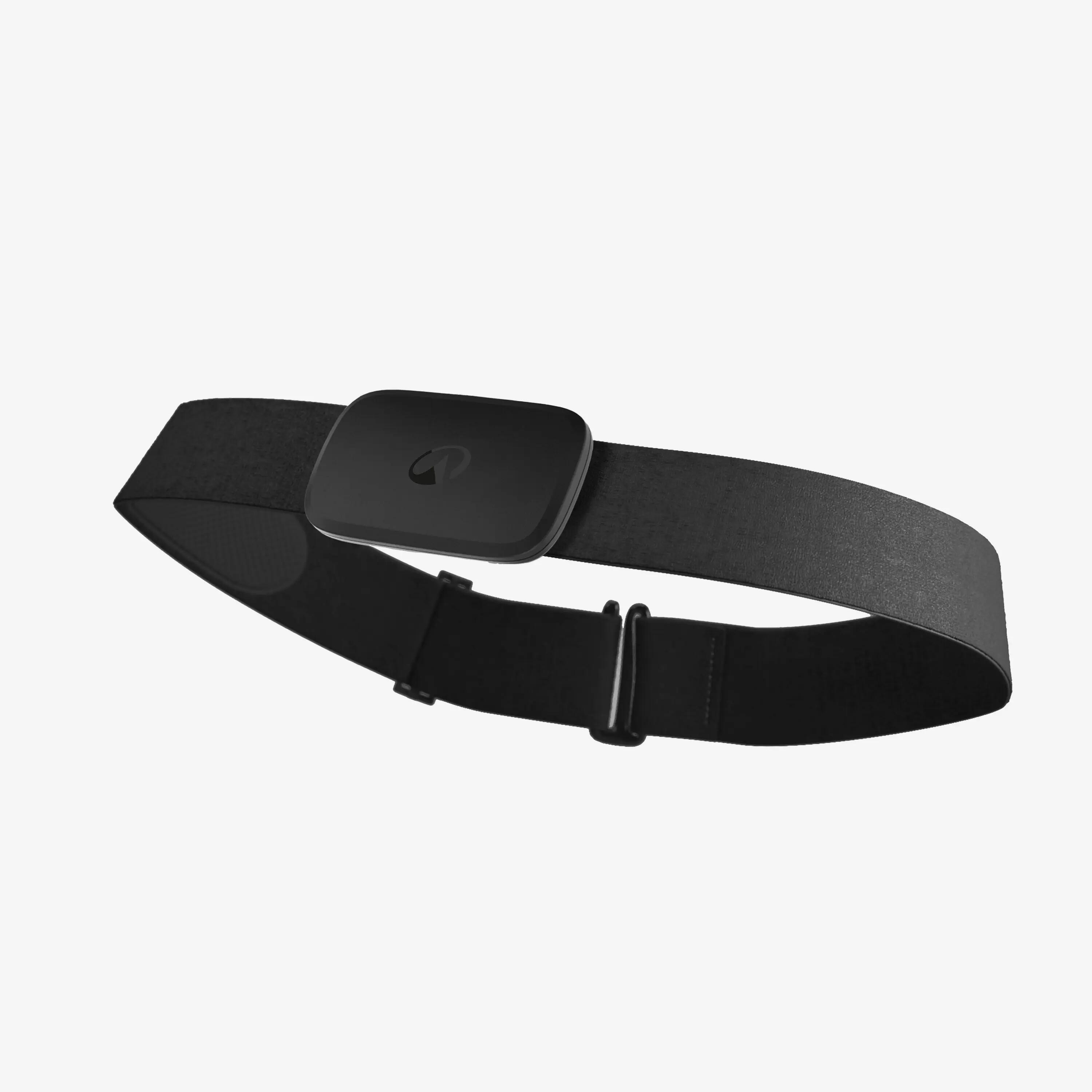
Choose according to your preferred sensor position, power system and the equipment you want to connect during trail running. A heart rate monitor belt for running measures from direct contact around the chest and responds to changes in heart rate while transmitting data to compatible equipment. The Decathlon chest model uses Bluetooth Smart and ANT+, includes a replaceable CR2032 battery and has a soft textile strap. An optical arm monitor avoids pressure around the chest and can be placed on the forearm, biceps or triceps. Both formats are broader sports products rather than trail-exclusive devices. Test your preferred option during ordinary training before relying on its readings for pacing decisions on a longer route.

How does a trail running heart rate chest belt fit around the torso?

Position the sensor against your chest as shown in the product instructions, then adjust the textile strap so it remains stable without restricting breathing. The Decathlon belt adjusts from approximately 64 to 86 cm, so check your chest measurement rather than assuming one setting suits every runner. The sensor should maintain consistent skin contact during climbs, descents and faster efforts without sliding or creating painful pressure. Pair it before leaving home and confirm that a live reading appears on the receiving device. Remove the sensor from the textile strap after each session to help preserve battery life. Keep the belt with your other trail running accessories, but store electronics separately from damp clothing and leaking flasks.

How do you wear a trail running HRM arm band?

A trail running HRM band can be positioned around the forearm, biceps or triceps. Use its two adjustable fastenings and elastic fabric to create close, stable contact without causing numbness or restricting arm movement. The Decathlon optical monitor weighs 21 g, provides up to 30 hours of use and recharges through USB in approximately one hour. Its IP67 rating provides resistance to sweat, dust and water exposure, but this should not be expanded into an unsupported swimming claim. Once positioned, move your arms naturally and confirm that the band does not slide. After the initial connection, compatible watches and phones can recognise it automatically during later sessions.

How do you connect a heart rate monitor for trail running?

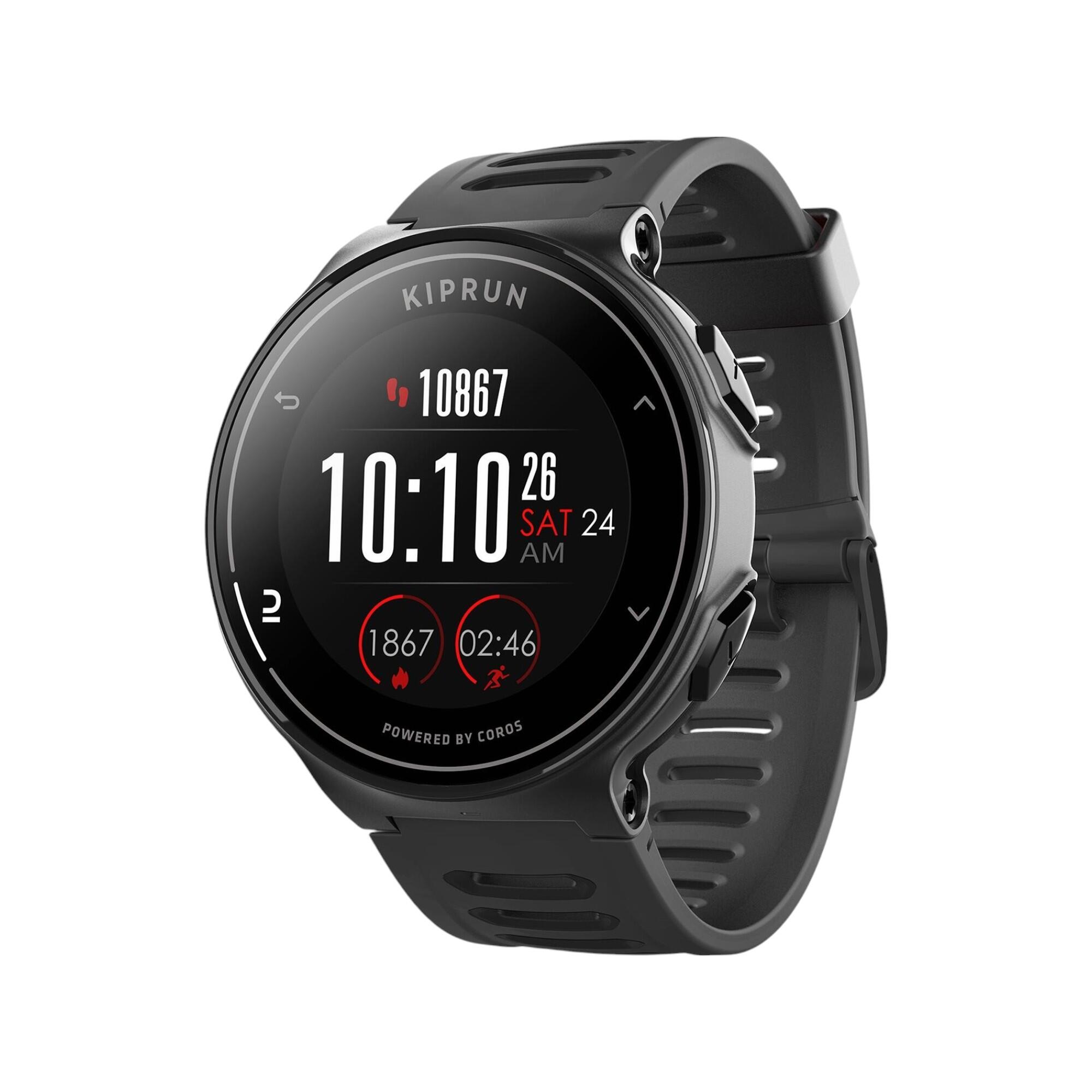
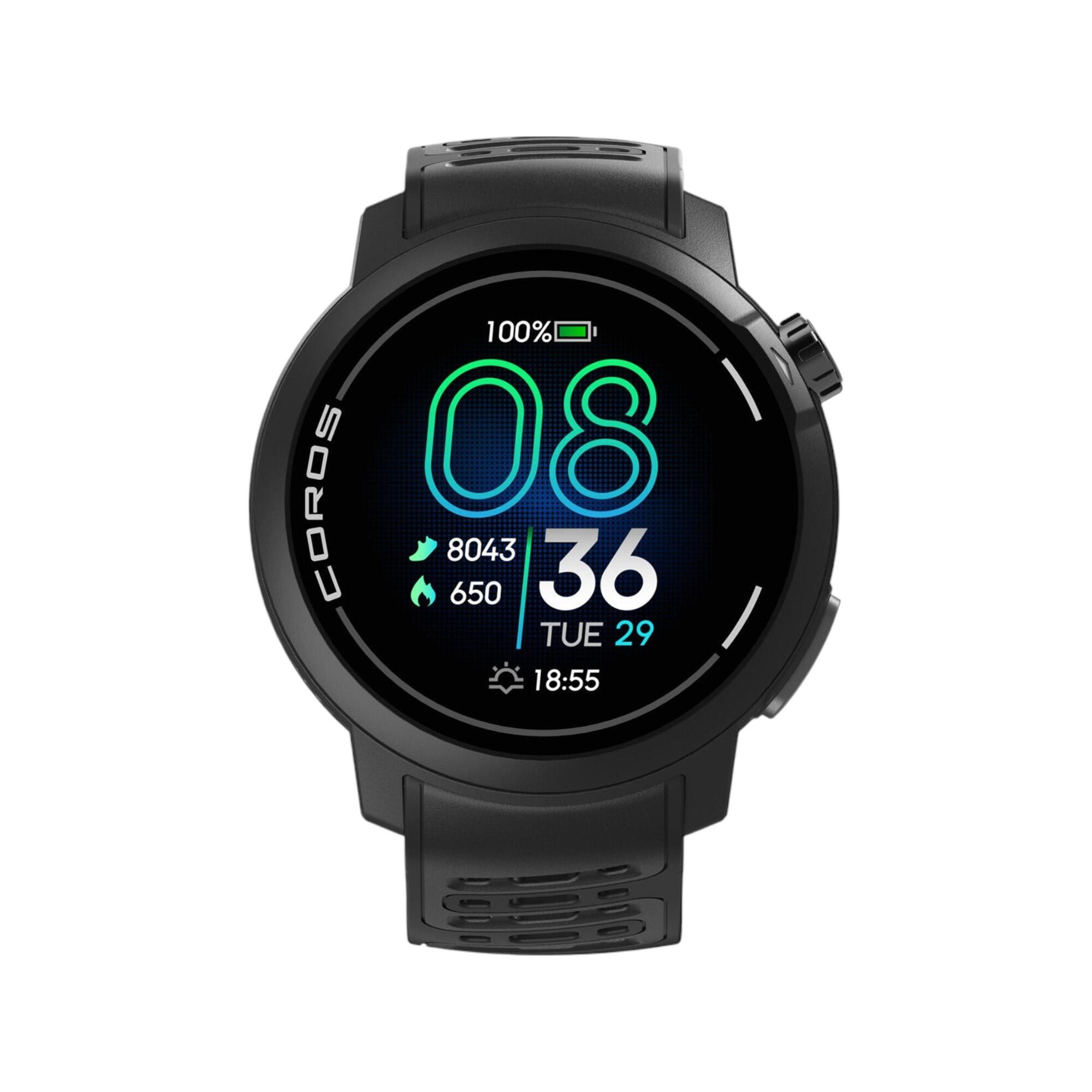
Turn on the monitor, wear it in the correct position and open the sports application or watch settings you intend to use. Pair the device from within the application or watch menu rather than relying only on the phone's ordinary Bluetooth screen. Both Decathlon monitors use Bluetooth Smart and ANT+, so they can transmit real-time heart-rate information to compatible smartphones, GPS watches, fitness equipment and sports applications. Compatibility still needs to be checked for the individual app or watch. Suitable trail running smartwatches and activity trackers can record heart-rate data alongside distance, pace or route information. Complete a short test session to confirm that the connection remains stable before entering remote terrain.

Can a heart rate monitor replace a stopwatch or medical device?

No. A heart rate monitor provides sporting information and should not be used to diagnose illness, monitor a medical condition or replace professional healthcare advice. The Decathlon chest belt is intended for sport and leisure rather than continuous all-day or overnight use. Stop exercising and seek appropriate advice if you feel chest pain, dizziness, unusual breathlessness or other concerning symptoms, regardless of the displayed number. For simple interval timing without heart rate data, trail running stopwatches may provide a more straightforward option. Clean and store each monitor according to its instructions. Remove electronic sensors before washing any permitted textile section, avoid extreme storage temperatures and inspect straps, fastenings and charging components regularly for damage.