135 items
4.6/5 based on 81000 reviews collected online and in stores

Ultra Trail Nutrition FAQs

How should you plan nutrition for ultra trail running?

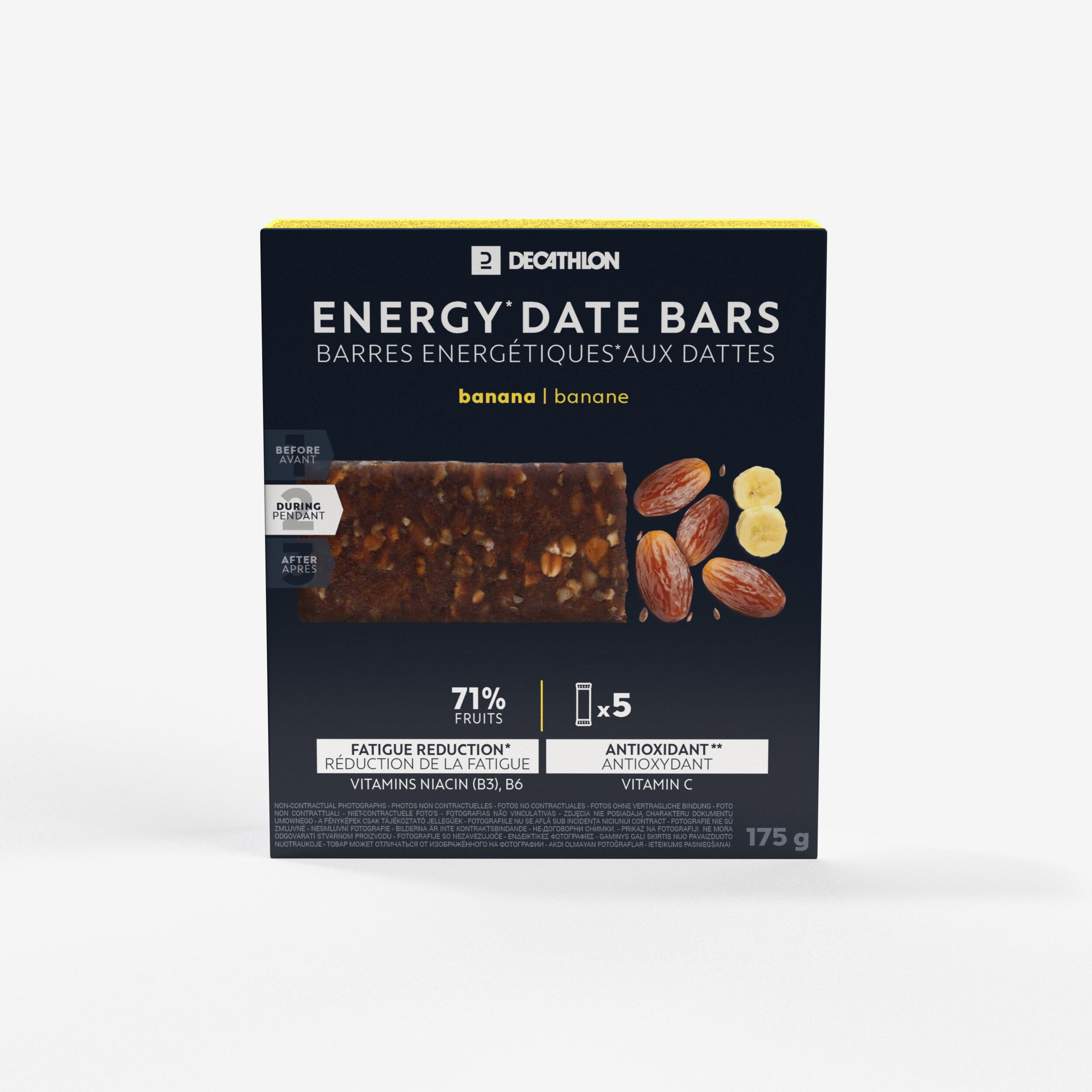
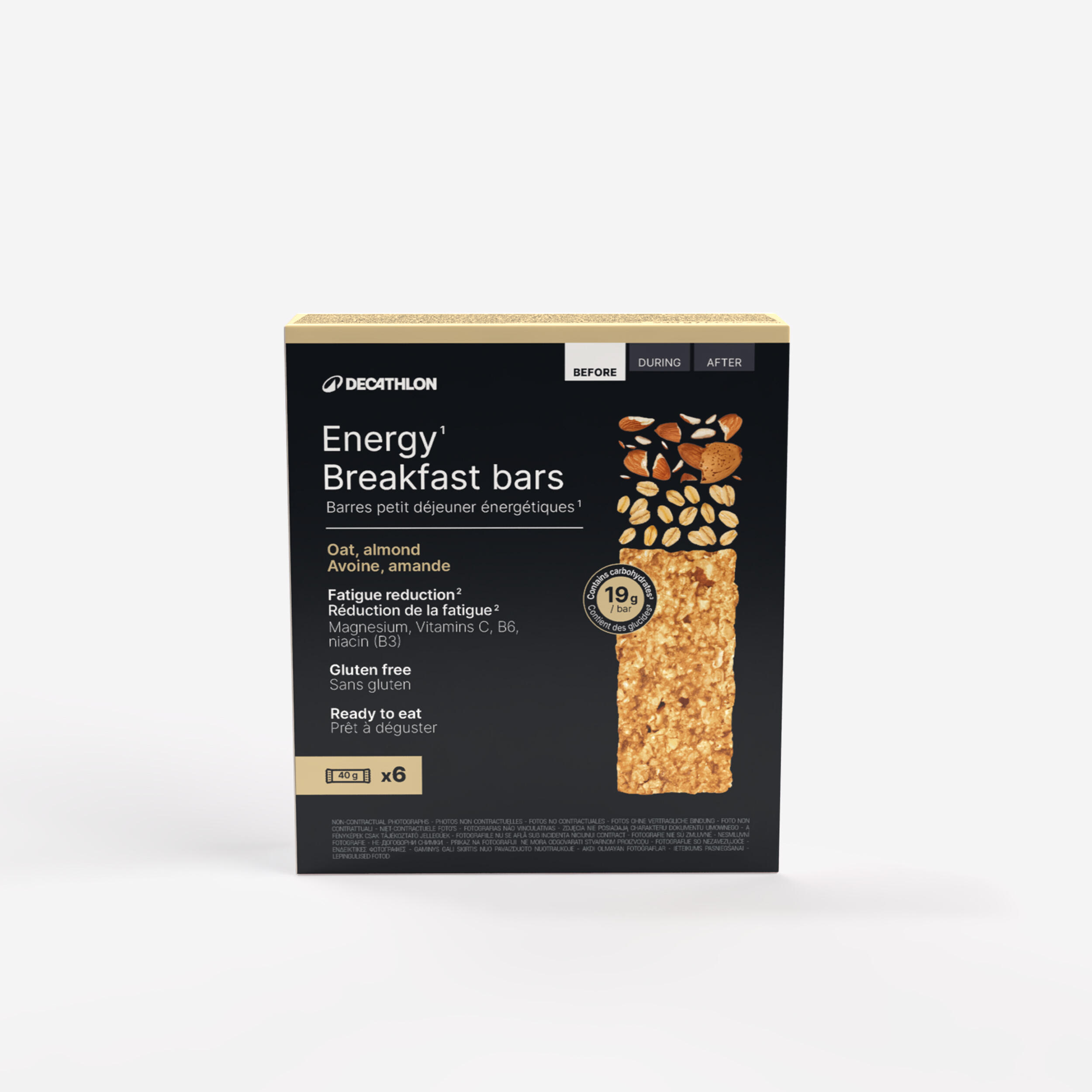
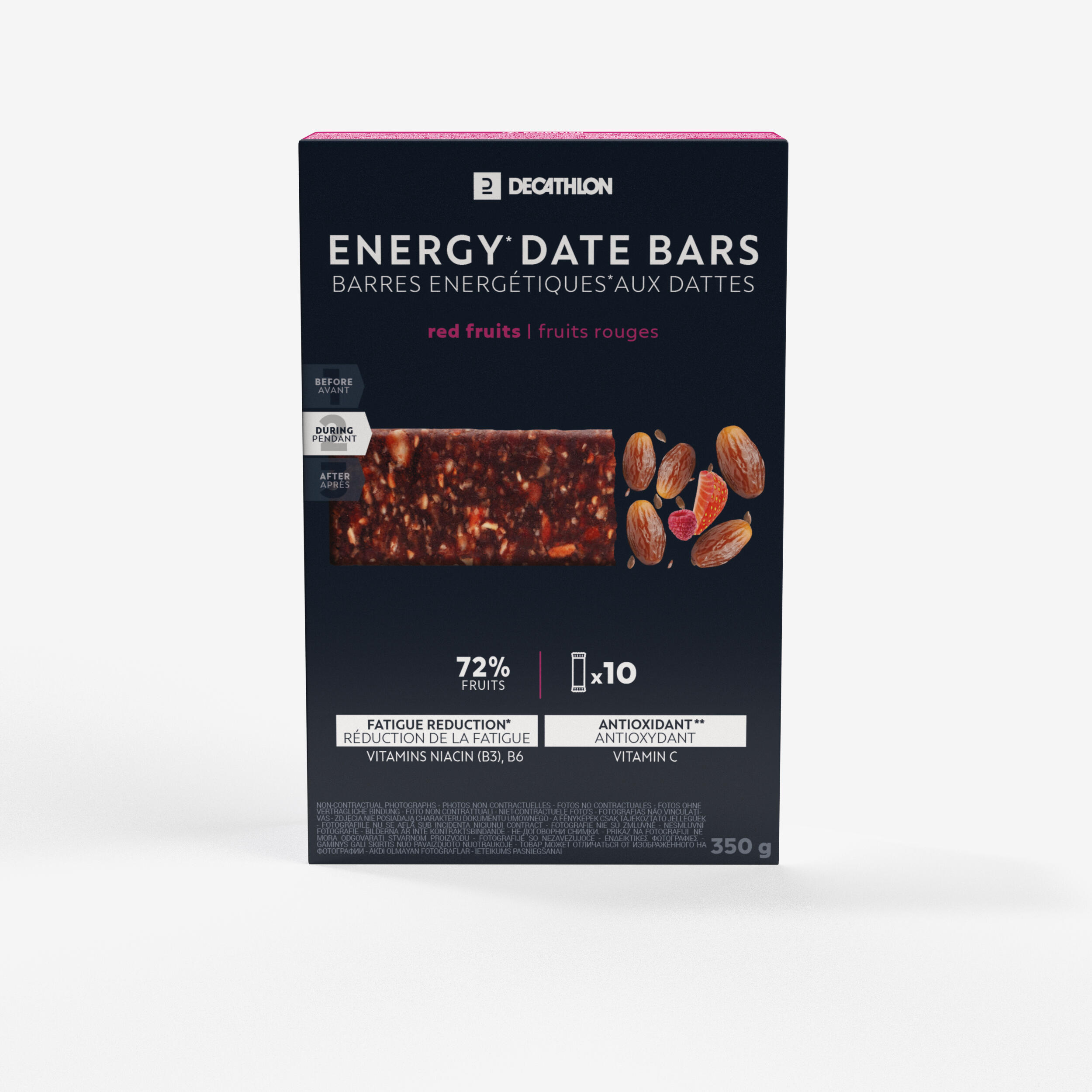
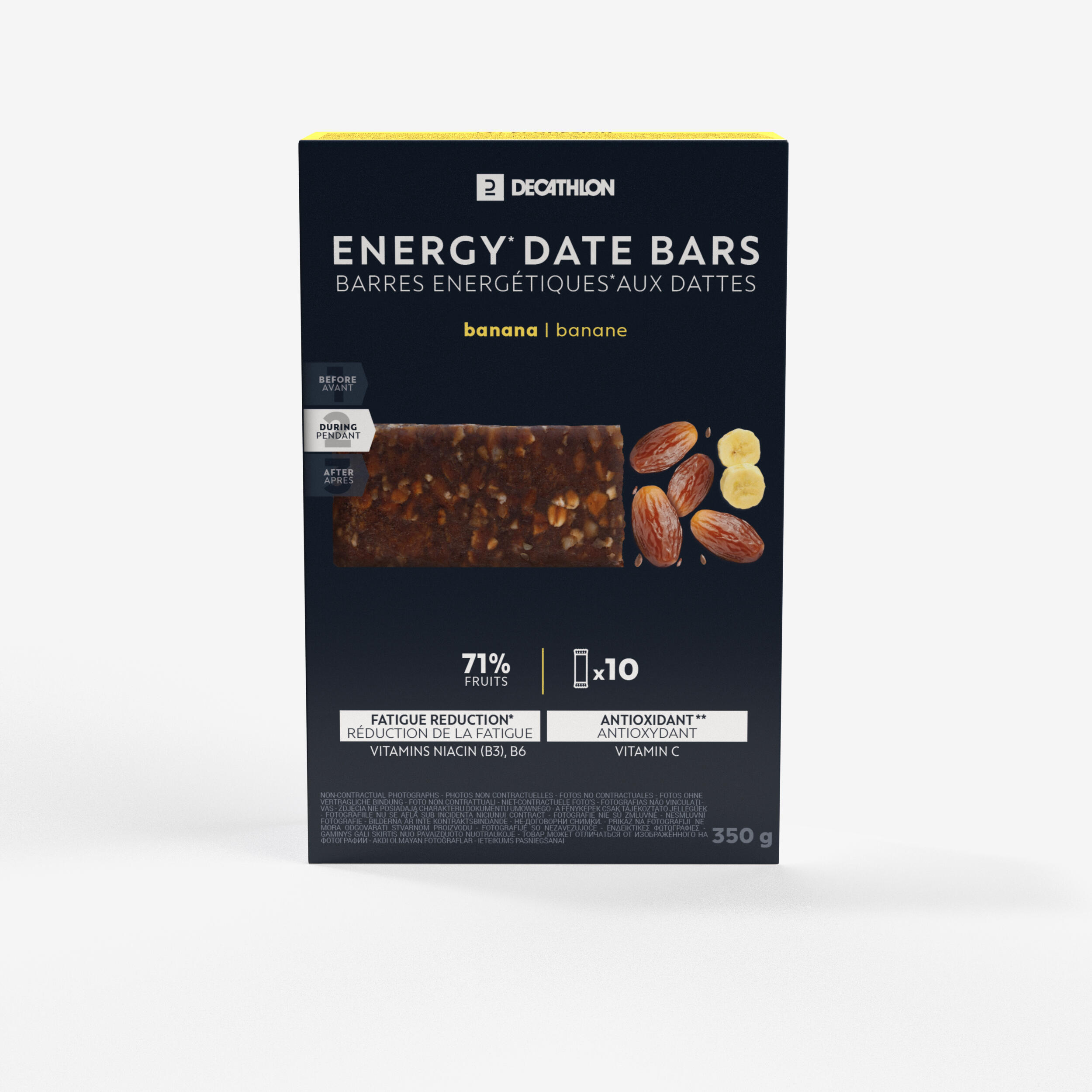
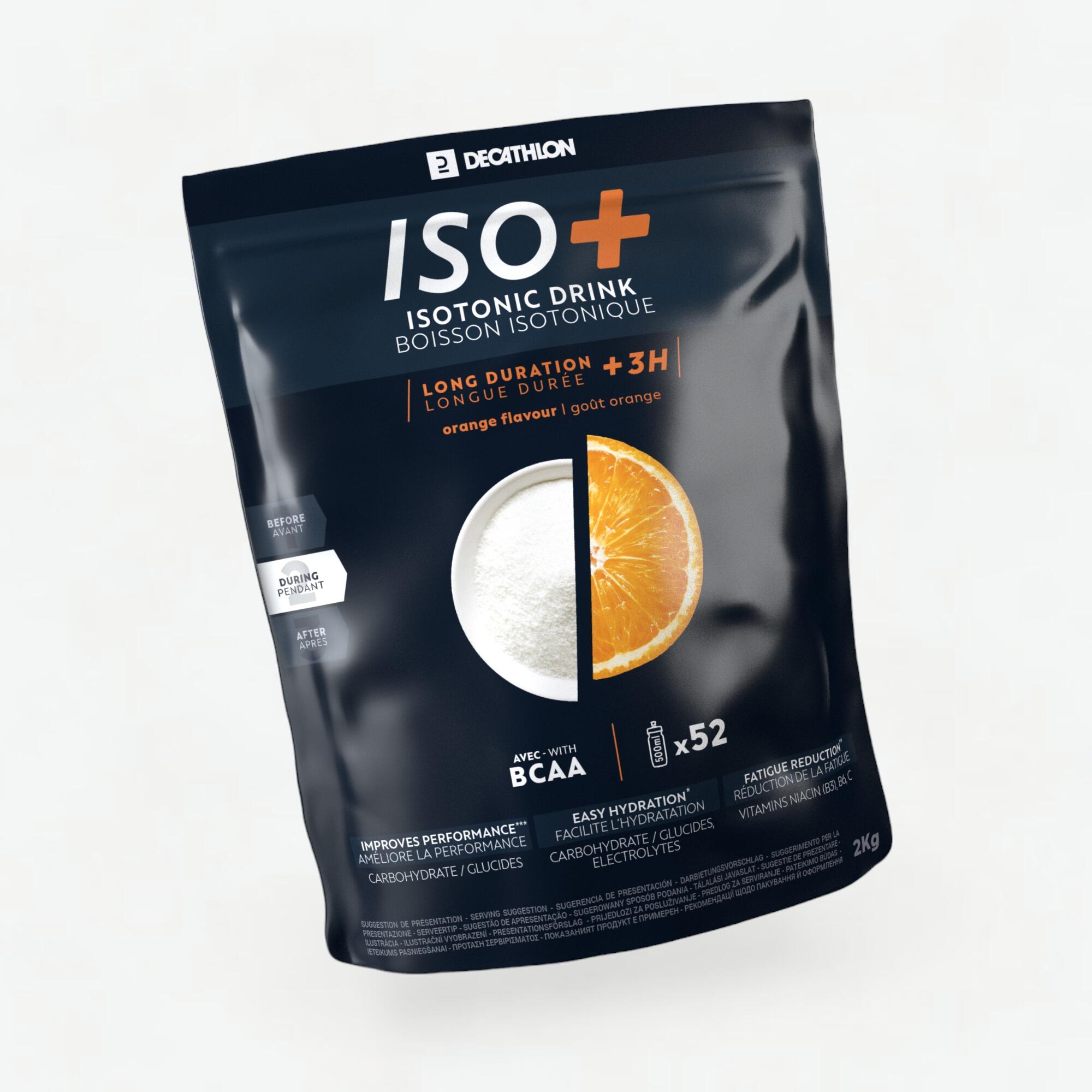
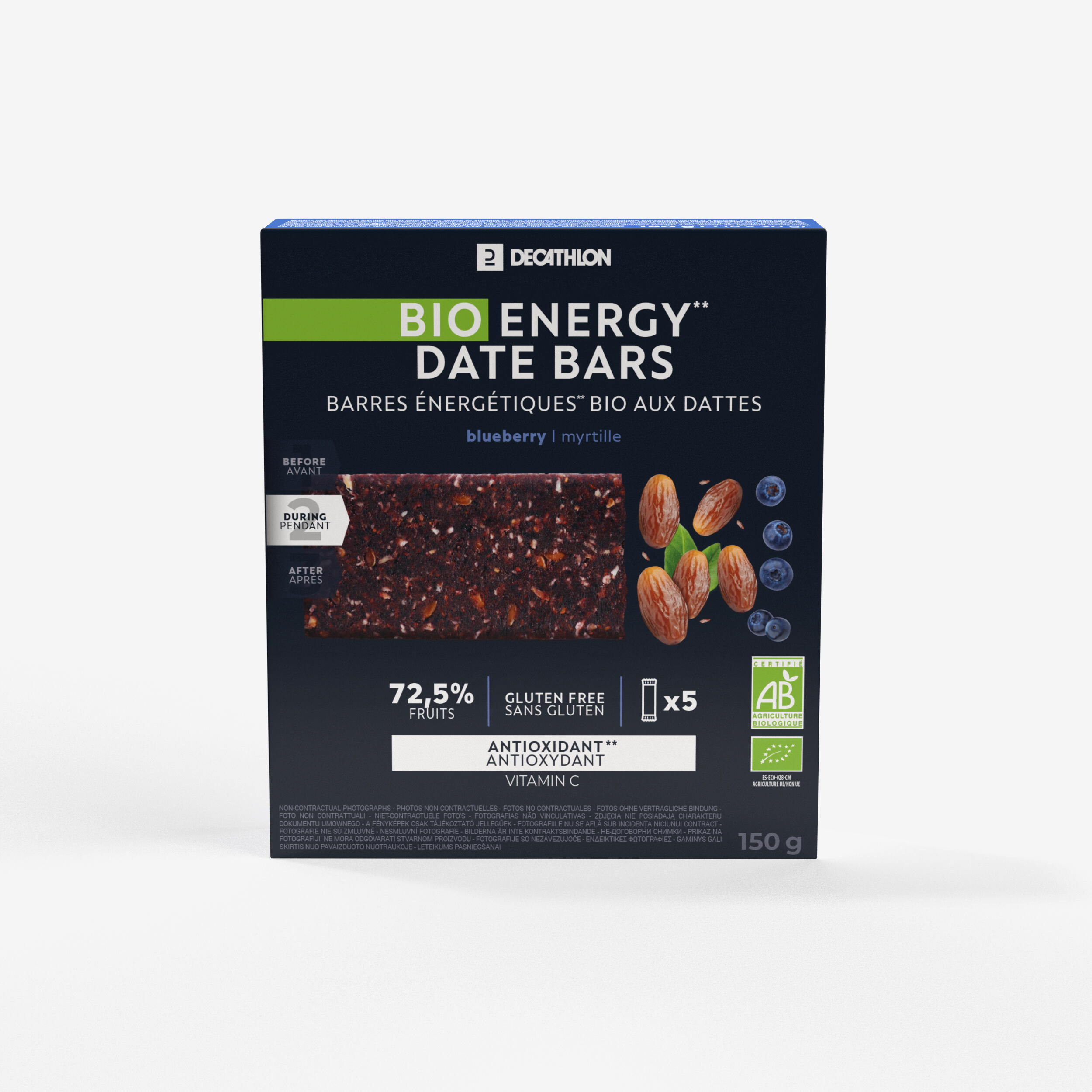
Plan your intake around expected running time, elevation, temperature, sweat rate and aid-station access rather than distance alone. Ultra trail nutrition should provide carbohydrate for energy, fluid for hydration and suitable electrolytes without overwhelming your stomach. Use a mixture of drinks, jellies and solid foods so you are not relying on one flavour or texture for several hours. Decathlon's date-based bars provide a more recognisable food consistency when repeated gels become difficult to tolerate. Test mixed energy bars with dates during long training sessions before adding them to your event plan. Pro tip: organise food into hourly portions so you can quickly check whether you are eating as planned rather than guessing from what remains in your vest.
Should ultra trail runners use bars, jellies or energy gels?

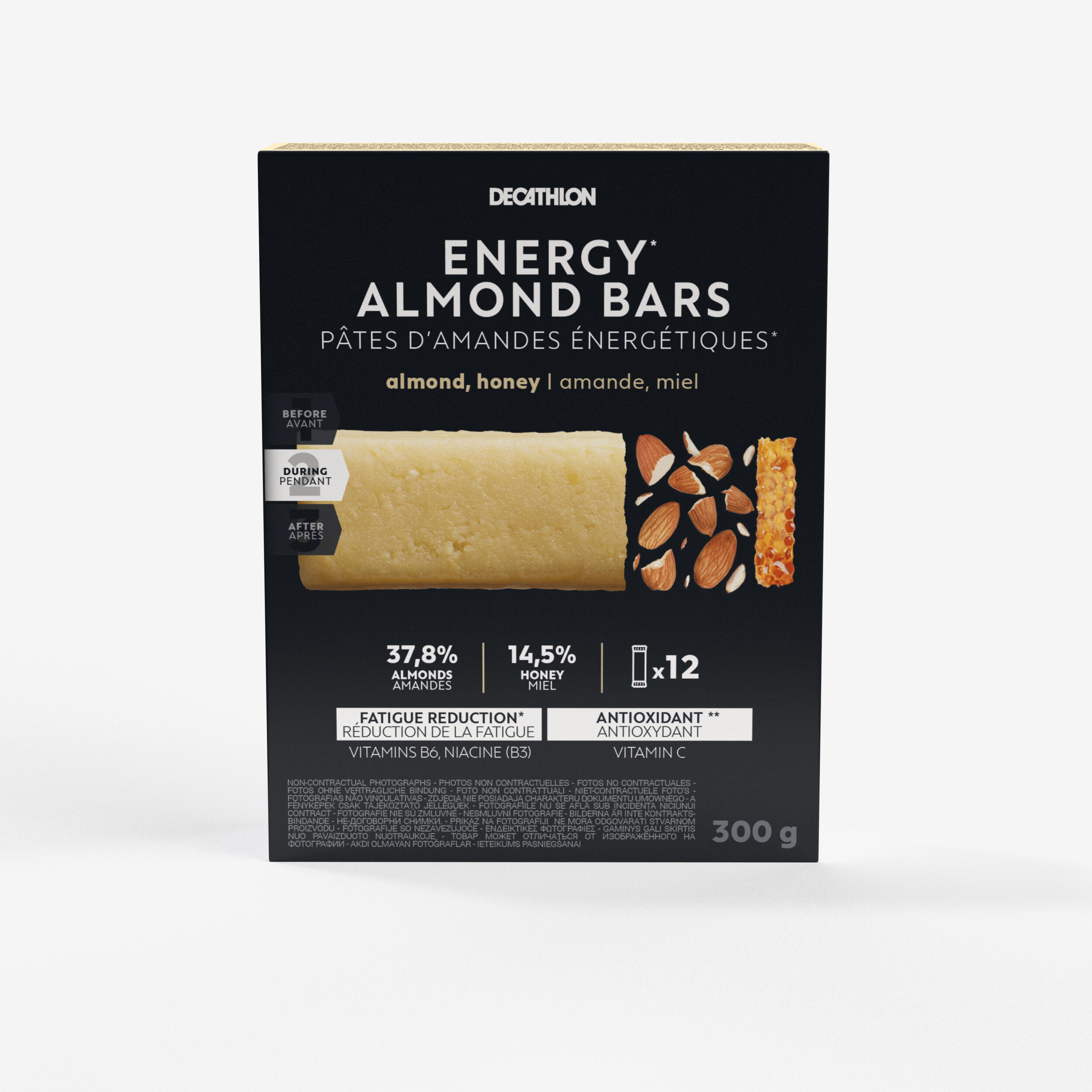
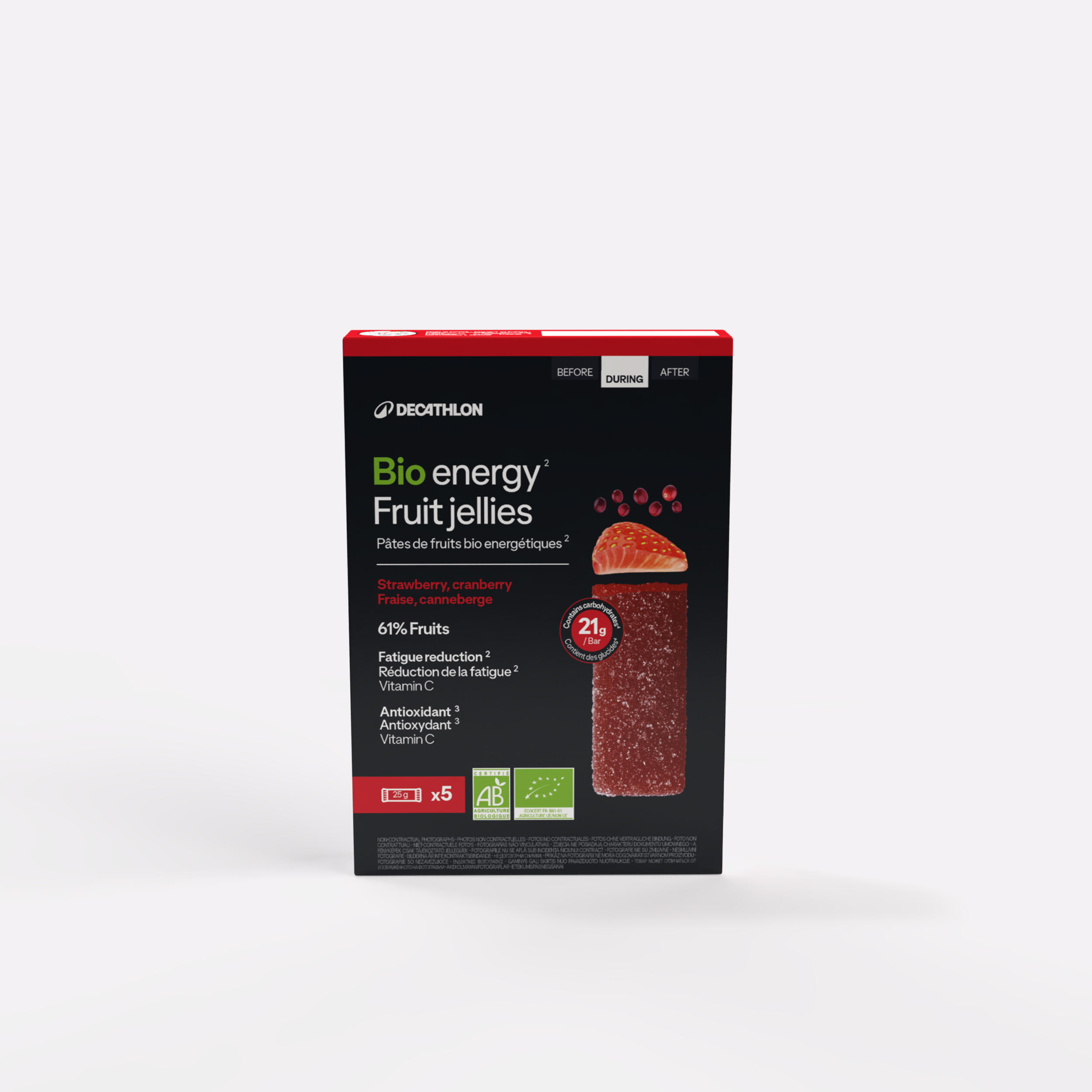
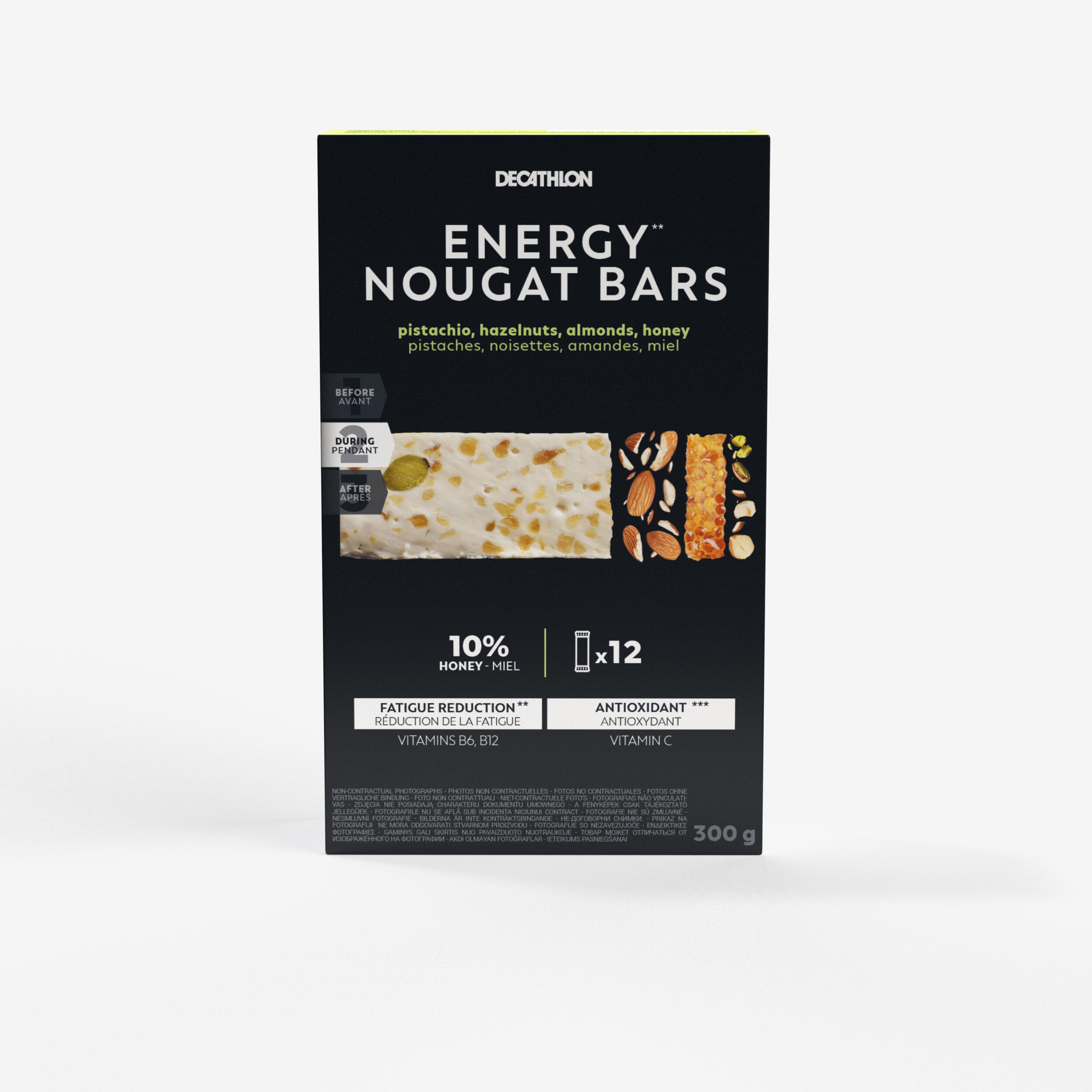
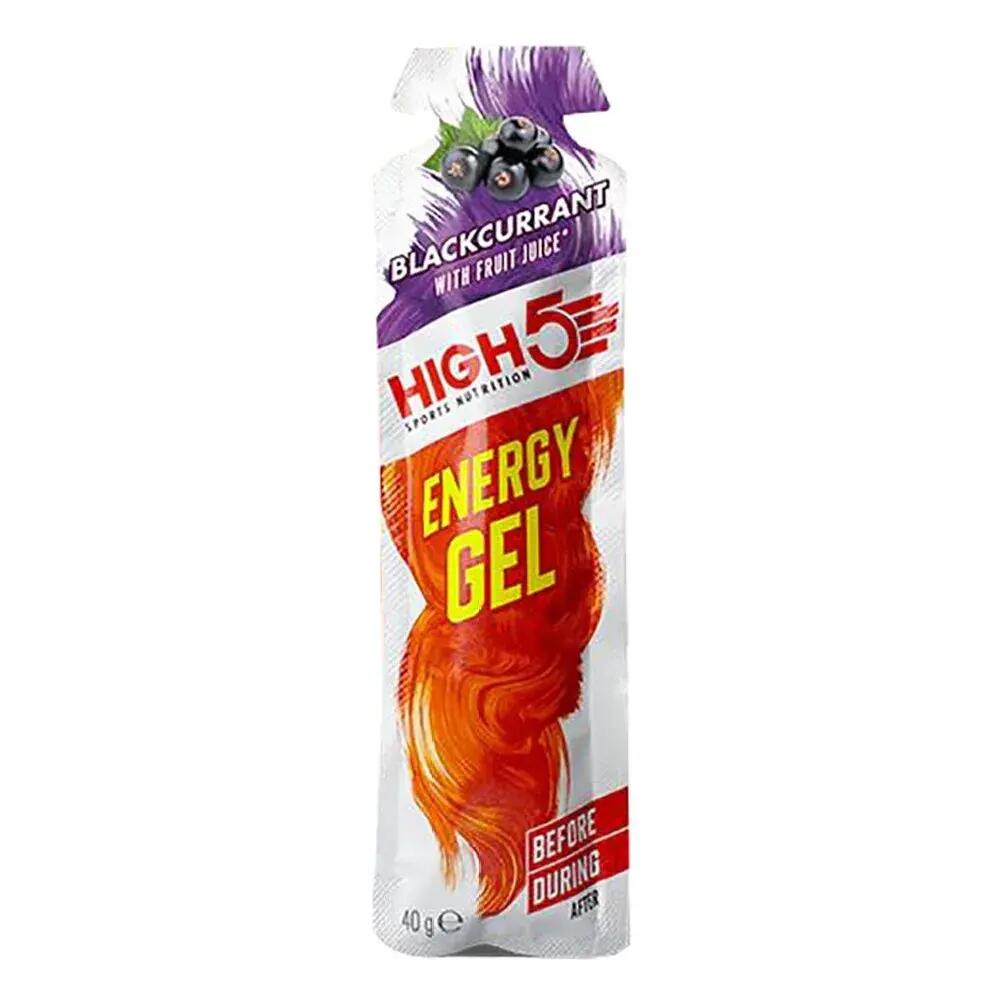
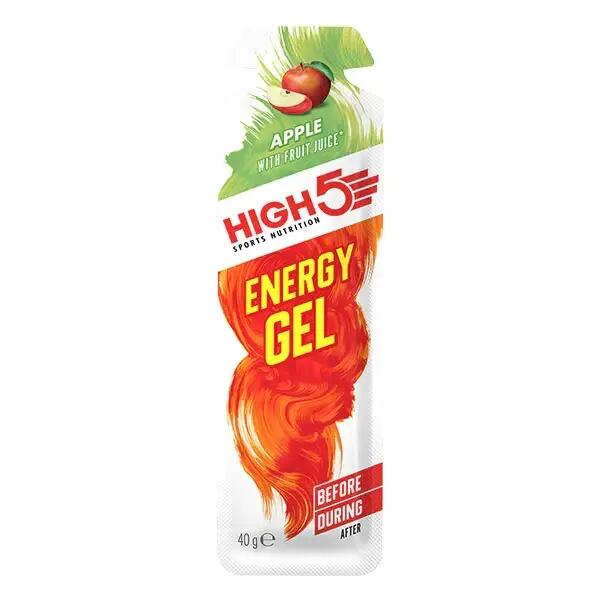
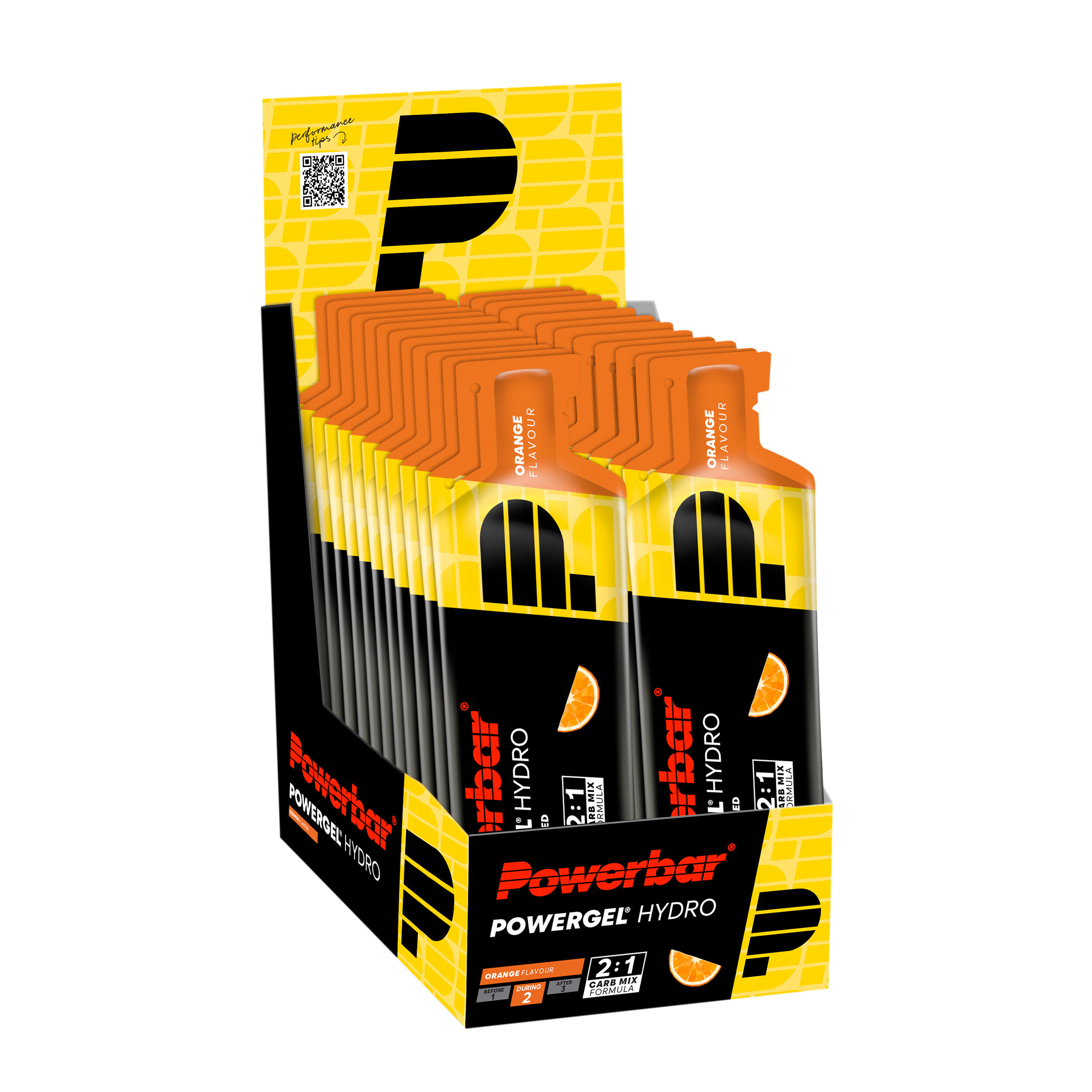
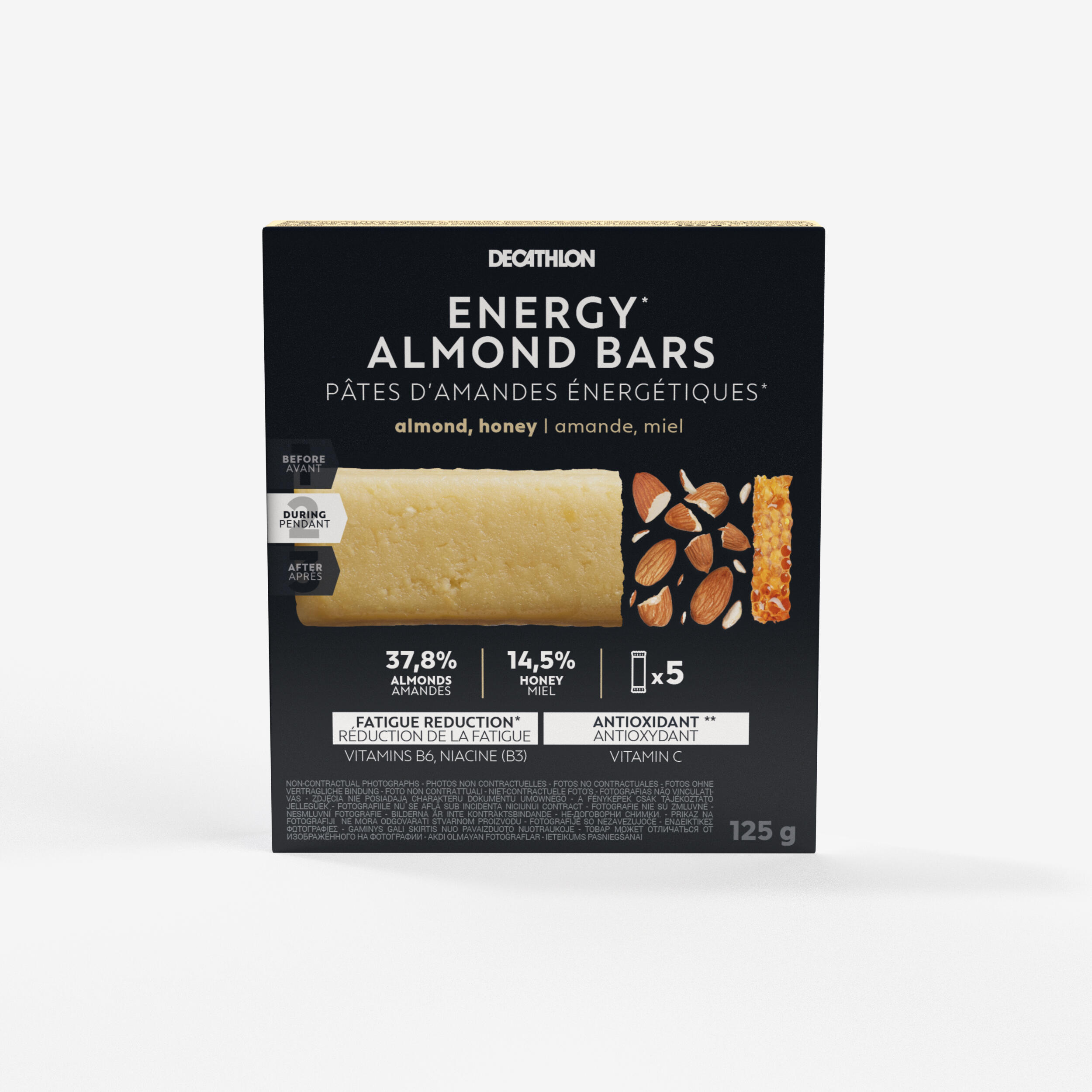
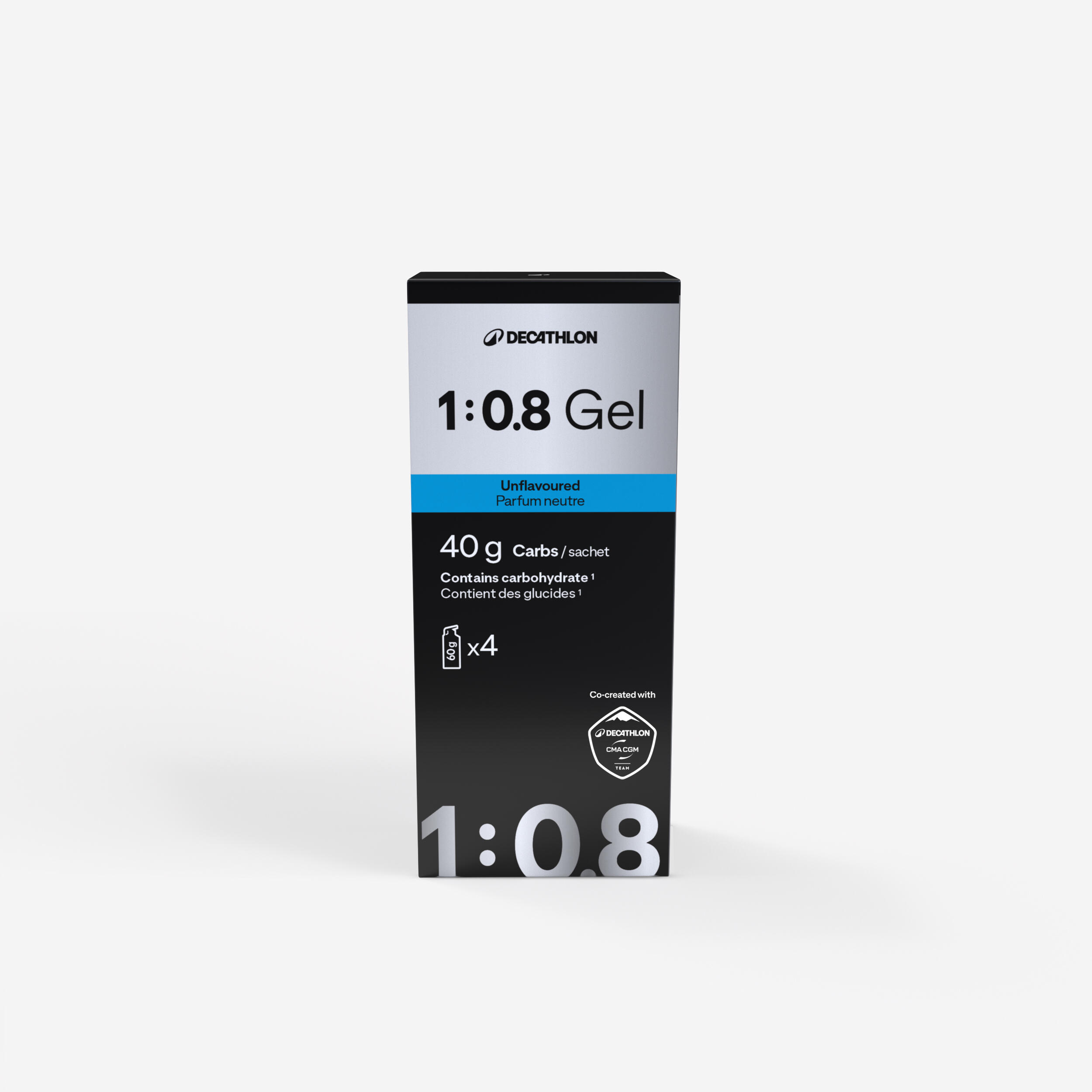
Each format suits a different stage of a long event. Gels and soft fruit jellies can be easier to consume when your pace is high or chewing feels difficult. Bars provide a more substantial texture for slower sections and aid-station stops. Decathlon fruit jellies supply measured carbohydrate portions, and their resealable wrappers let you eat part of one without leaving sticky residue in your pocket. More solid options such as nougat energy bars can add variety when you no longer want liquid or fruit-based fuel. Eat firmer foods on smoother terrain where breathing and foot placement require less attention. Practise alternating textures during training because appetite and tolerance often change as an ultra continues.
Do sugar-free electrolyte tablets provide enough ultra trail nutrition?

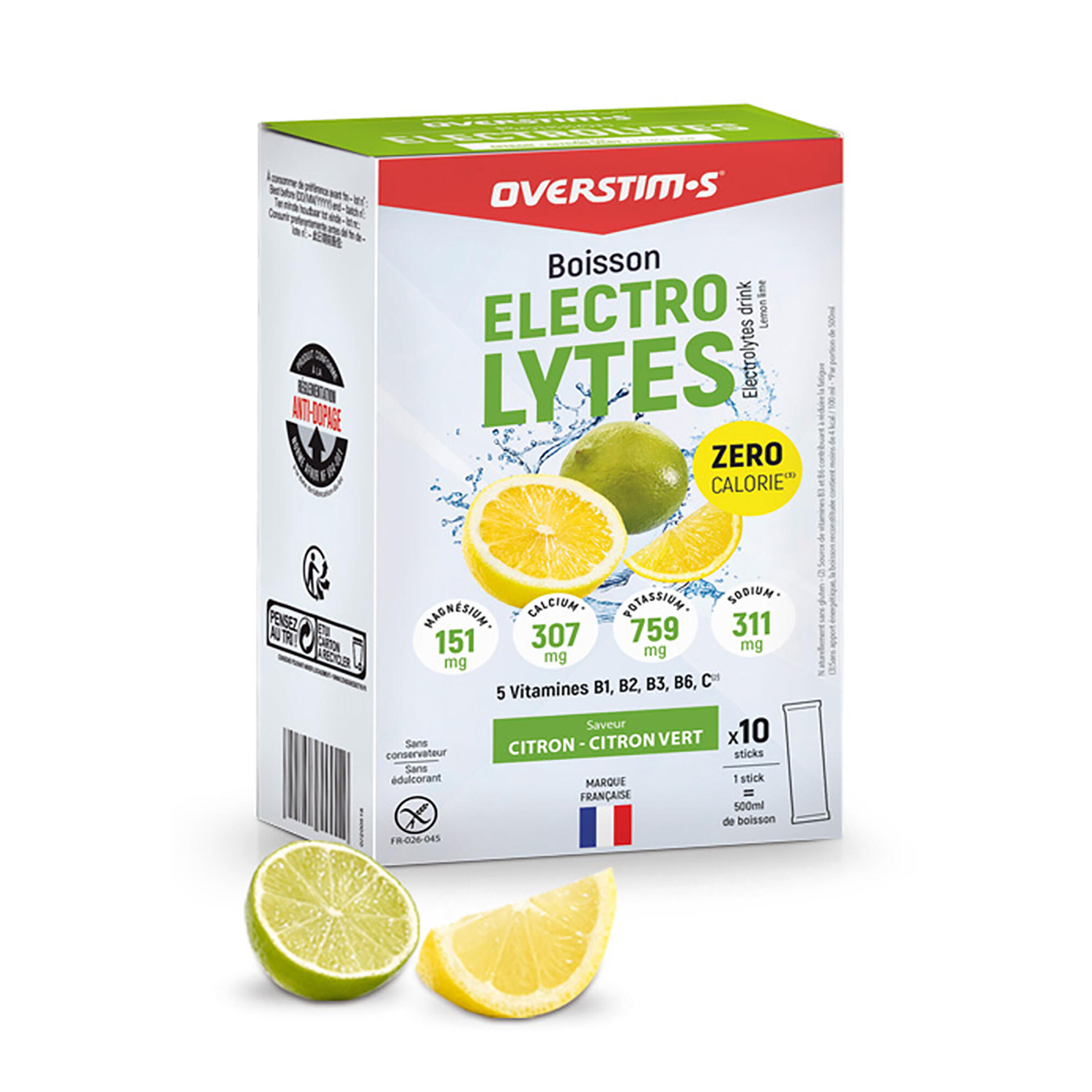
Sugar-free electrolyte tablets help replace minerals but provide little or no carbohydrate energy, so they should not form your complete nutrition strategy. They can be useful when you want to separate hydration from fuelling, allowing you to drink an electrolyte solution while taking carbohydrate from bars, jellies or gels. Products such as sugar-free electrolyte drink tablets are compact enough for preparing fresh bottles at aid stations. Follow the mixing instructions because adding extra tablets does not automatically improve hydration and may create an unpleasant or overly concentrated drink. Pro tip: label separate flasks for water and electrolyte drink so you always know what you are consuming and can adjust according to temperature, sweat and food intake.

When should you use maltodextrin for an ultra trail?

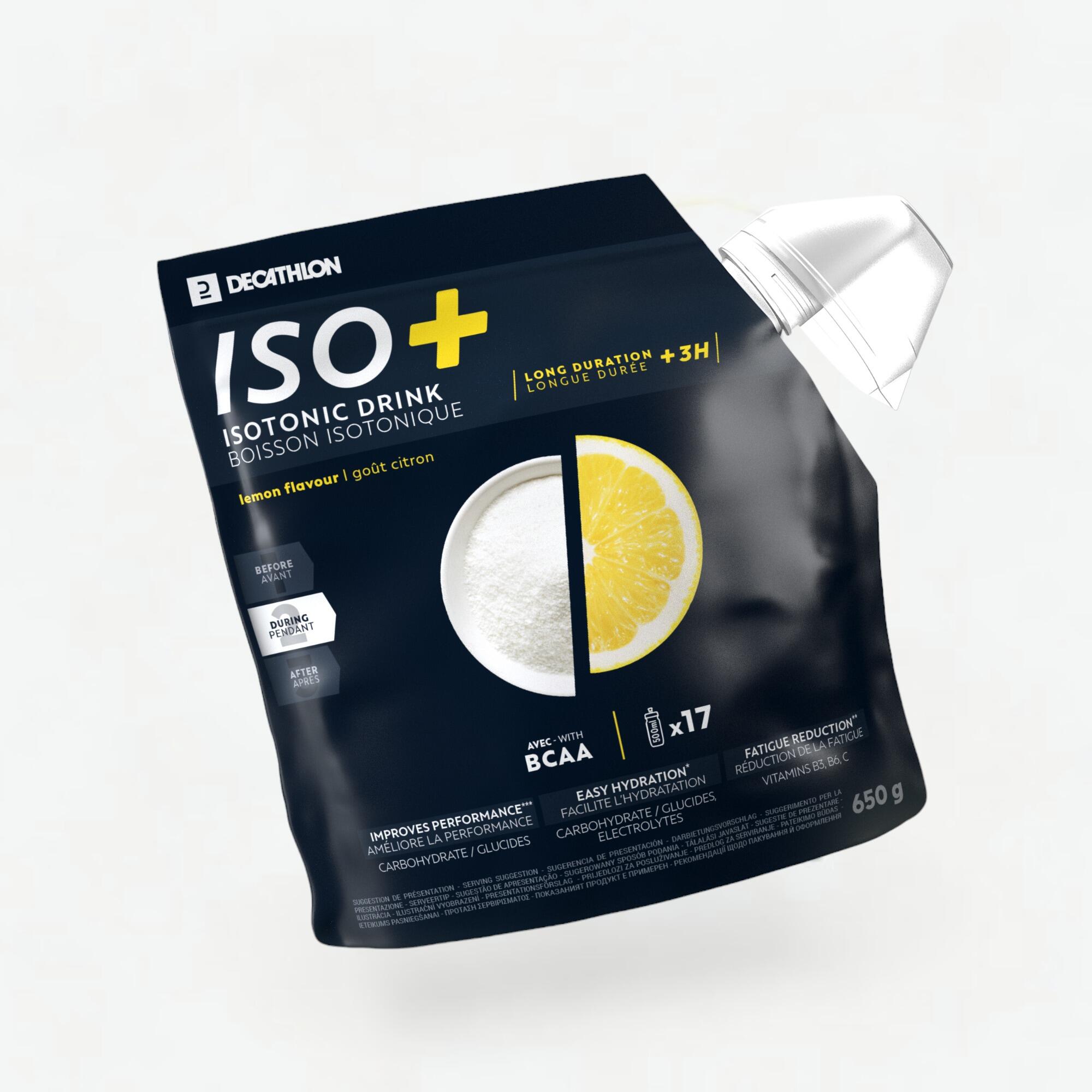
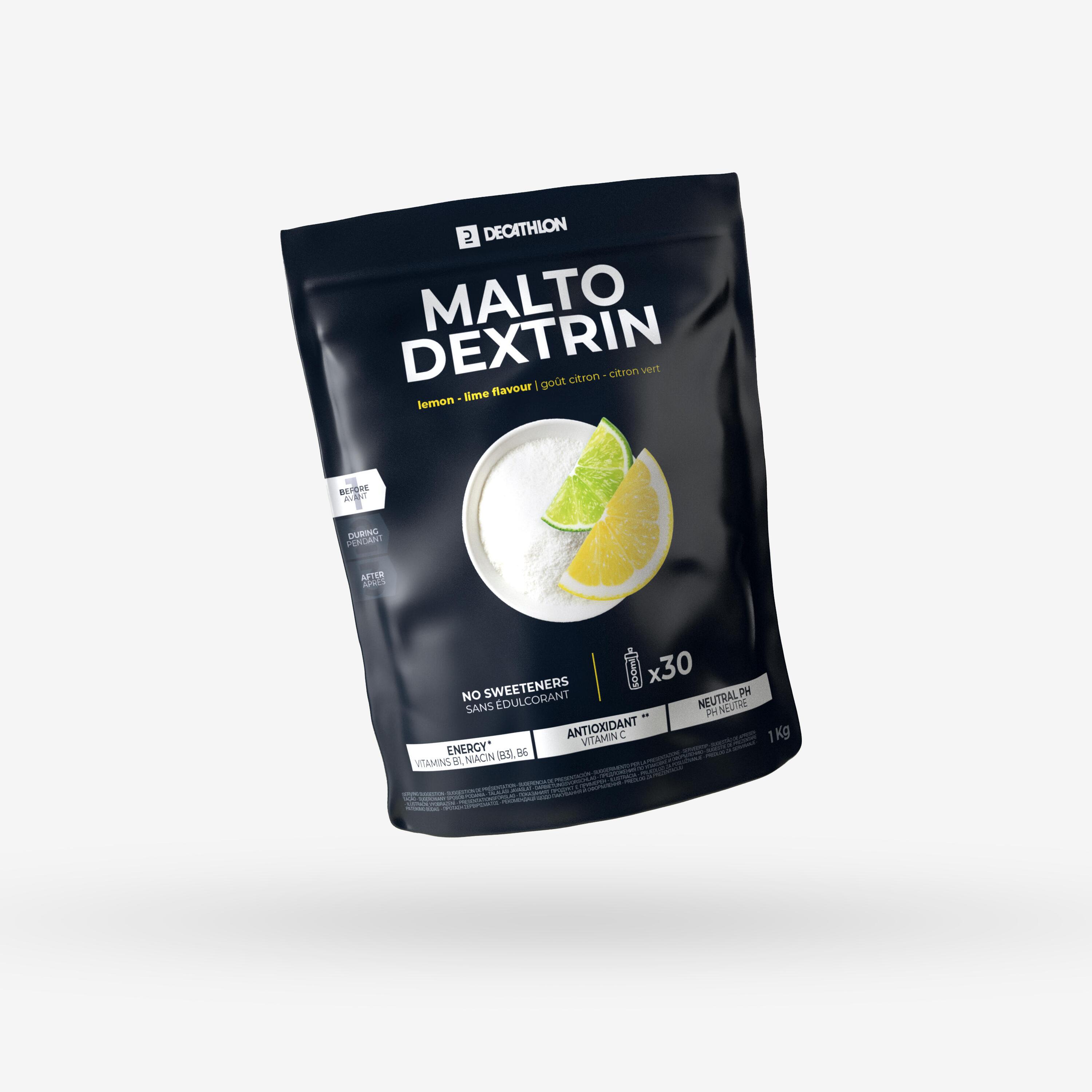
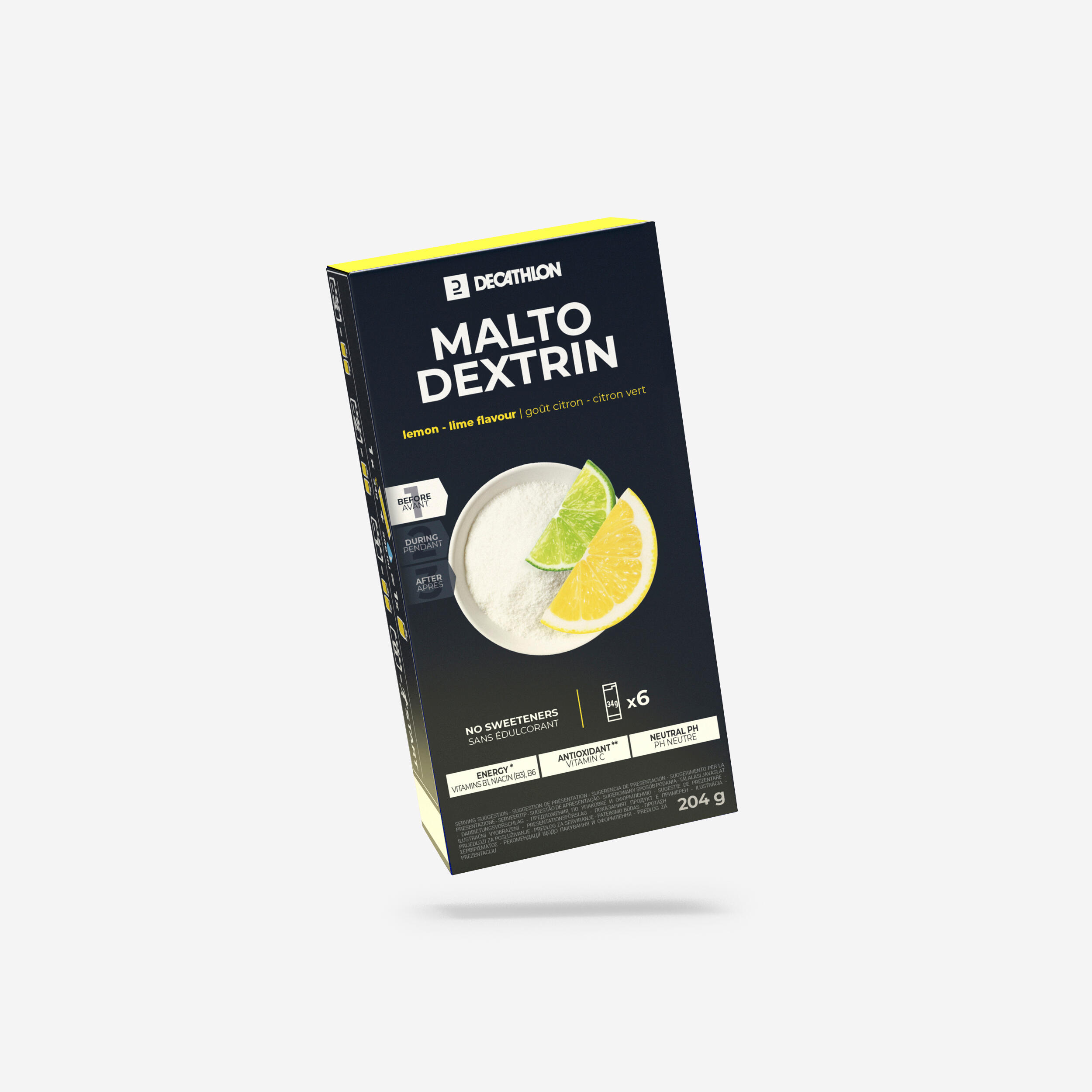
Maltodextrin can support carbohydrate preparation before a prolonged endurance event, but it should not be confused with a complete during-race nutrition plan. Decathlon positions its low-sweetness maltodextrin drink mainly for the days leading up to exercise lasting more than three hours, helping increase carbohydrate availability alongside normal meals. Prepare lemon powdered maltodextrin drinks according to the measured serving guidance rather than adding extra powder. During the ultra, you will still need a tested combination of carbohydrate, fluid and electrolytes suited to your pace and stomach. Once mixed, consume the drink within the period stated on the packaging. Trial the full preparation strategy before a training event rather than introducing carbohydrate loading immediately before your main race.

How can you manage ultra trail nutrition throughout a long race?

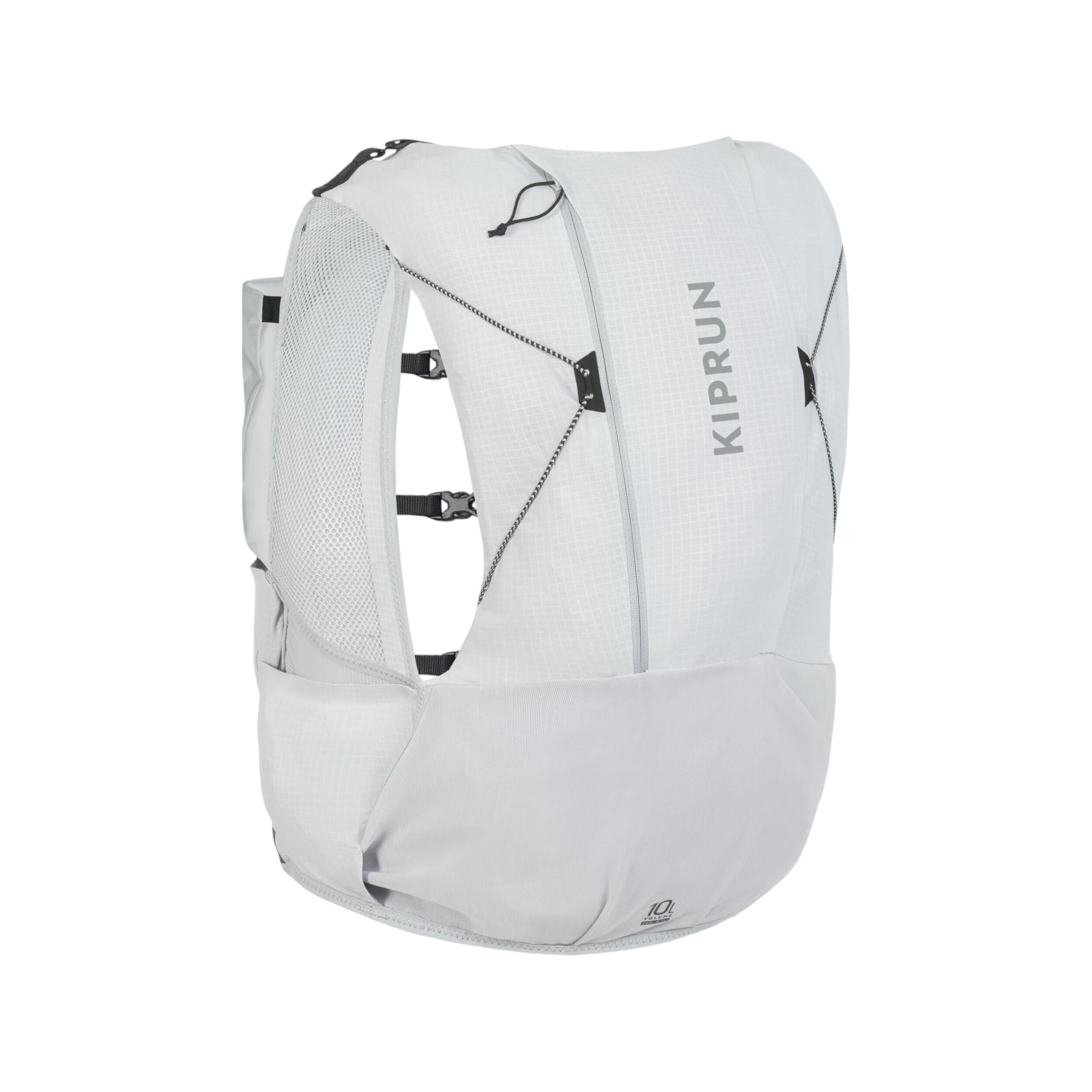
Organise ultra trail nutrition into manageable portions based on your expected race duration, effort level and access to aid stations. Keep regularly used food within easy reach so you can maintain a steady intake without removing your vest or stopping on difficult terrain. Separate soft flasks, solid bars, gels and empty wrappers to reduce the risk of leaks or damaged packaging. Use ultra trail accessories with enough stable storage for your nutrition, drinks, mandatory equipment and weather layers without creating excessive bounce. Include a backup portion for unexpected delays, route changes or missed aid stations, and check expiry dates, packet seals and flask valves before leaving. Mixing sweet products with less-sweet foods and different textures may also make your nutrition easier to consume during the later stages. Keep the final plan straightforward enough to follow when fatigue begins to affect concentration.