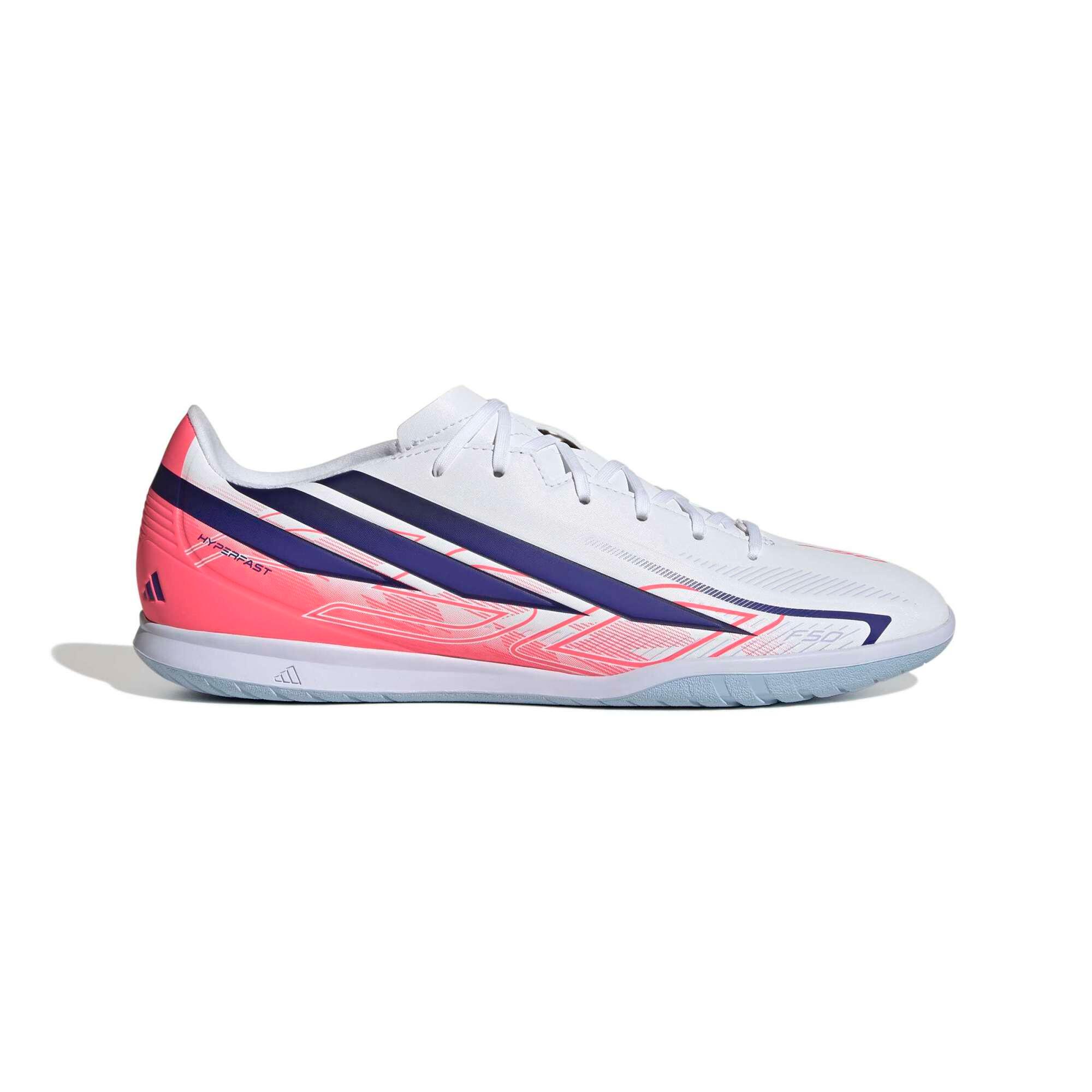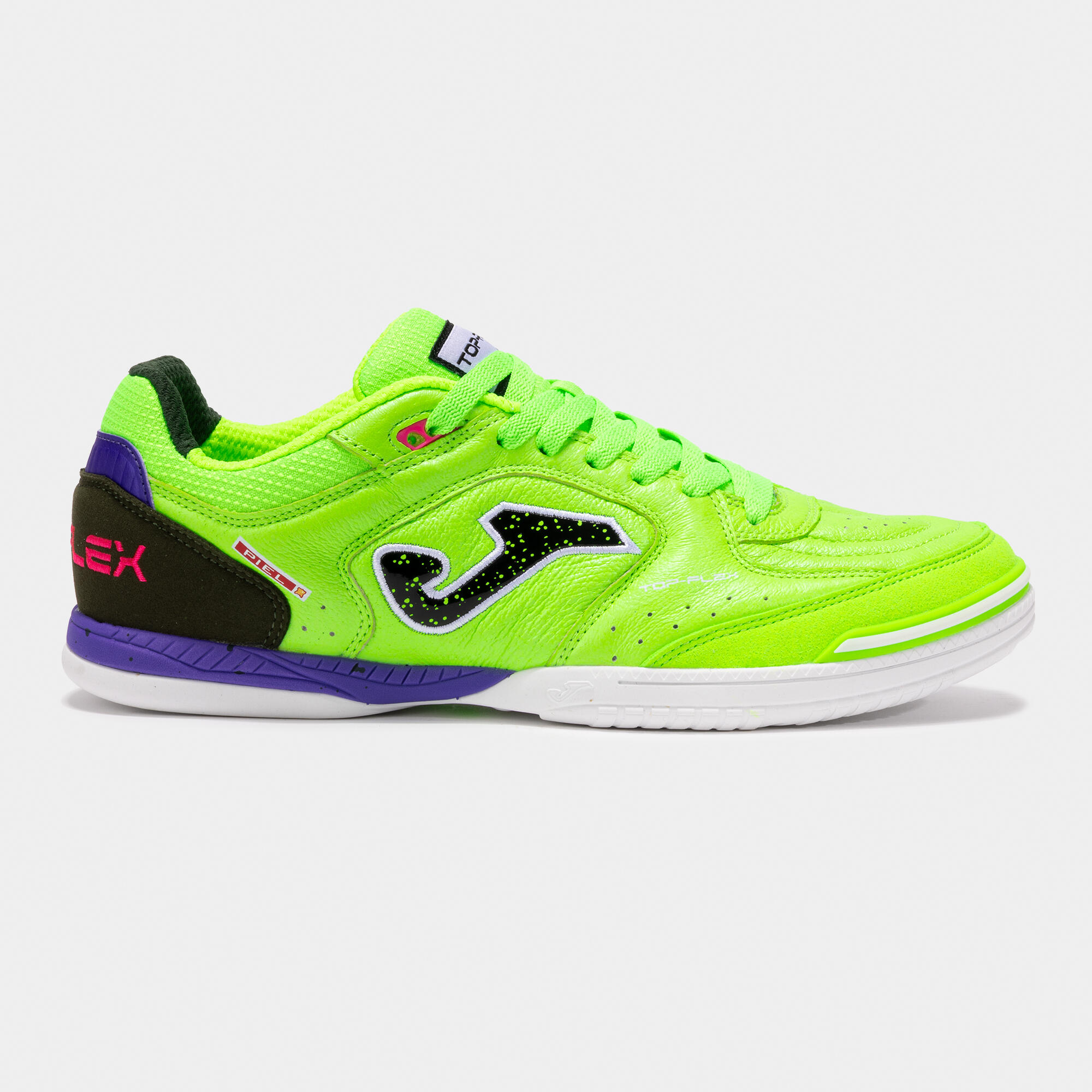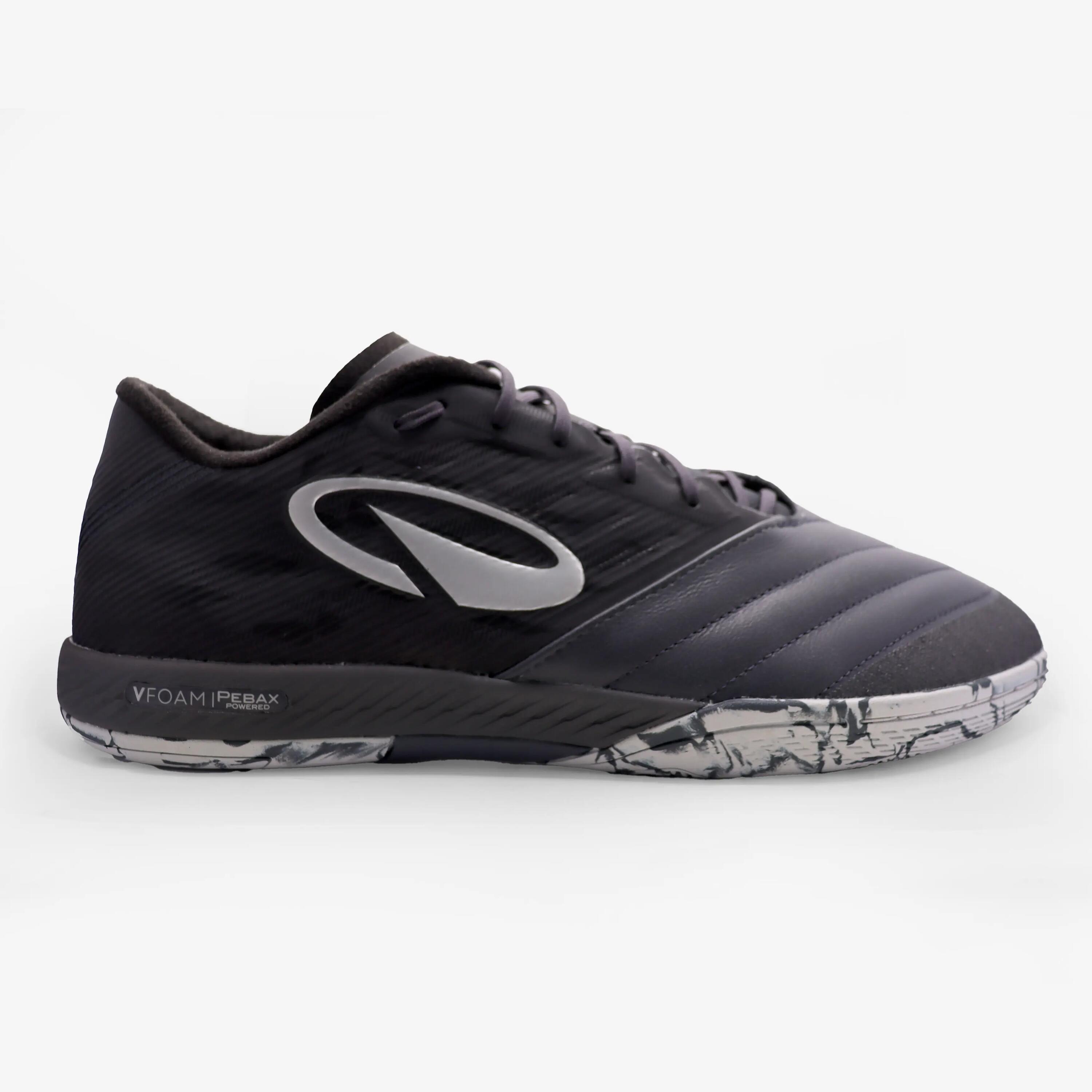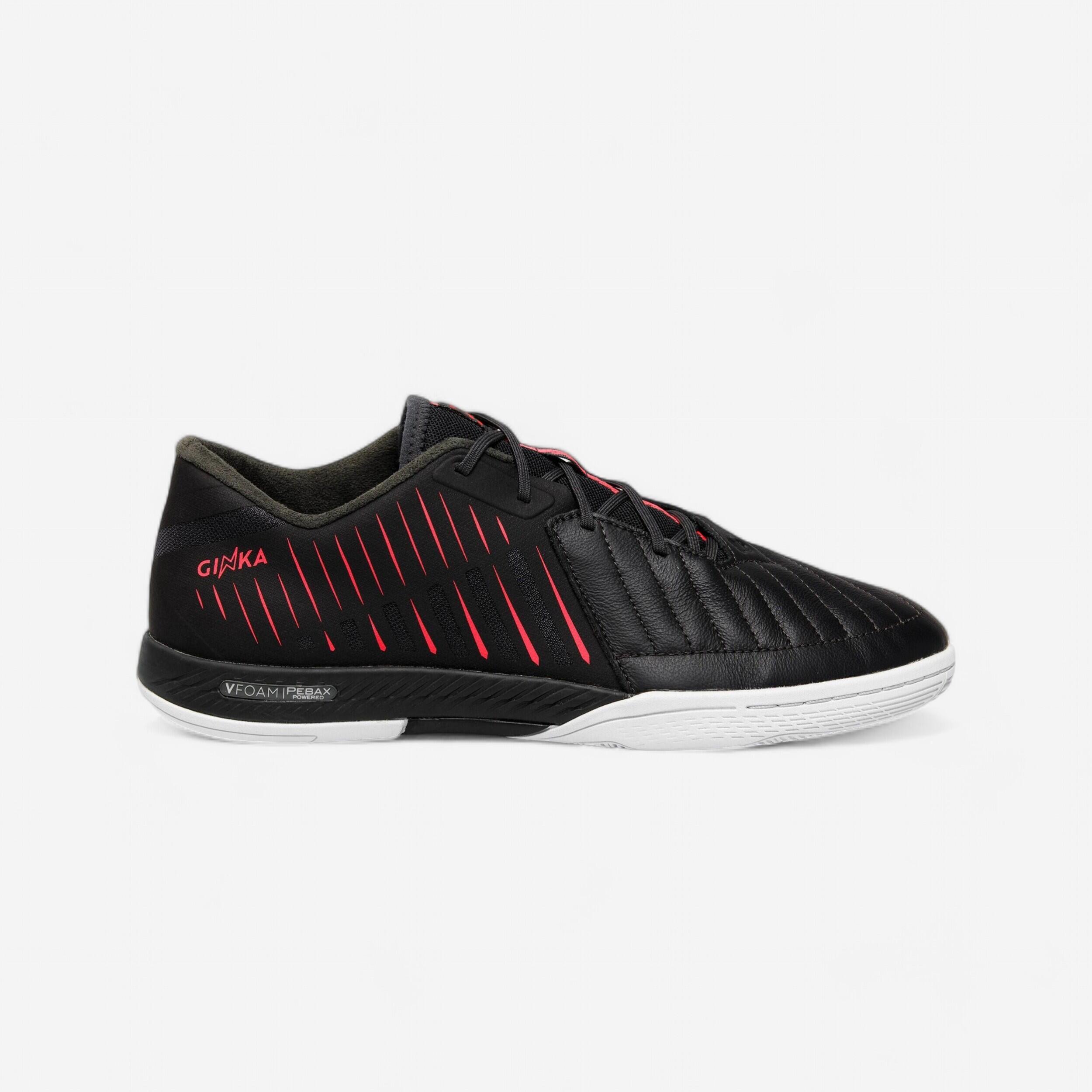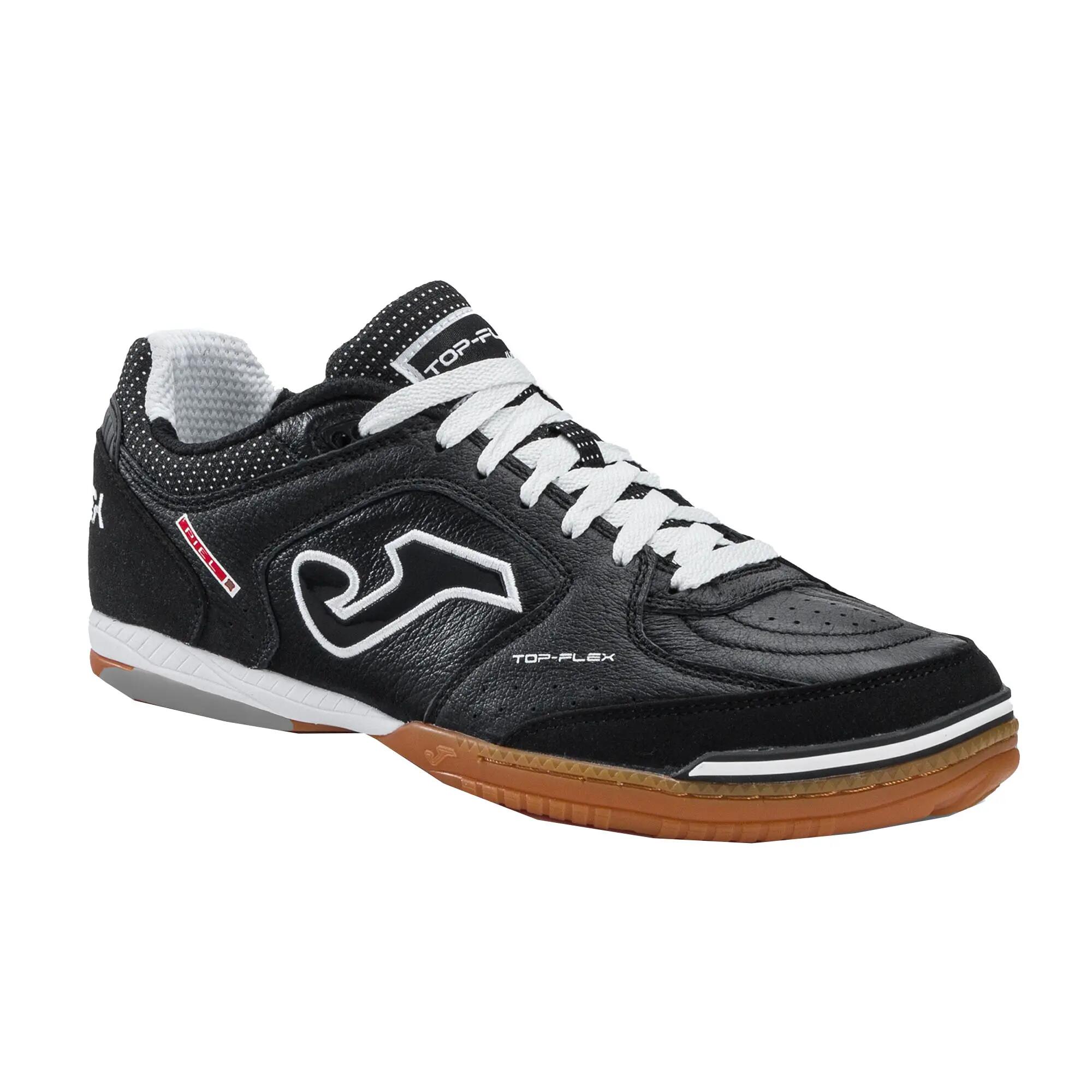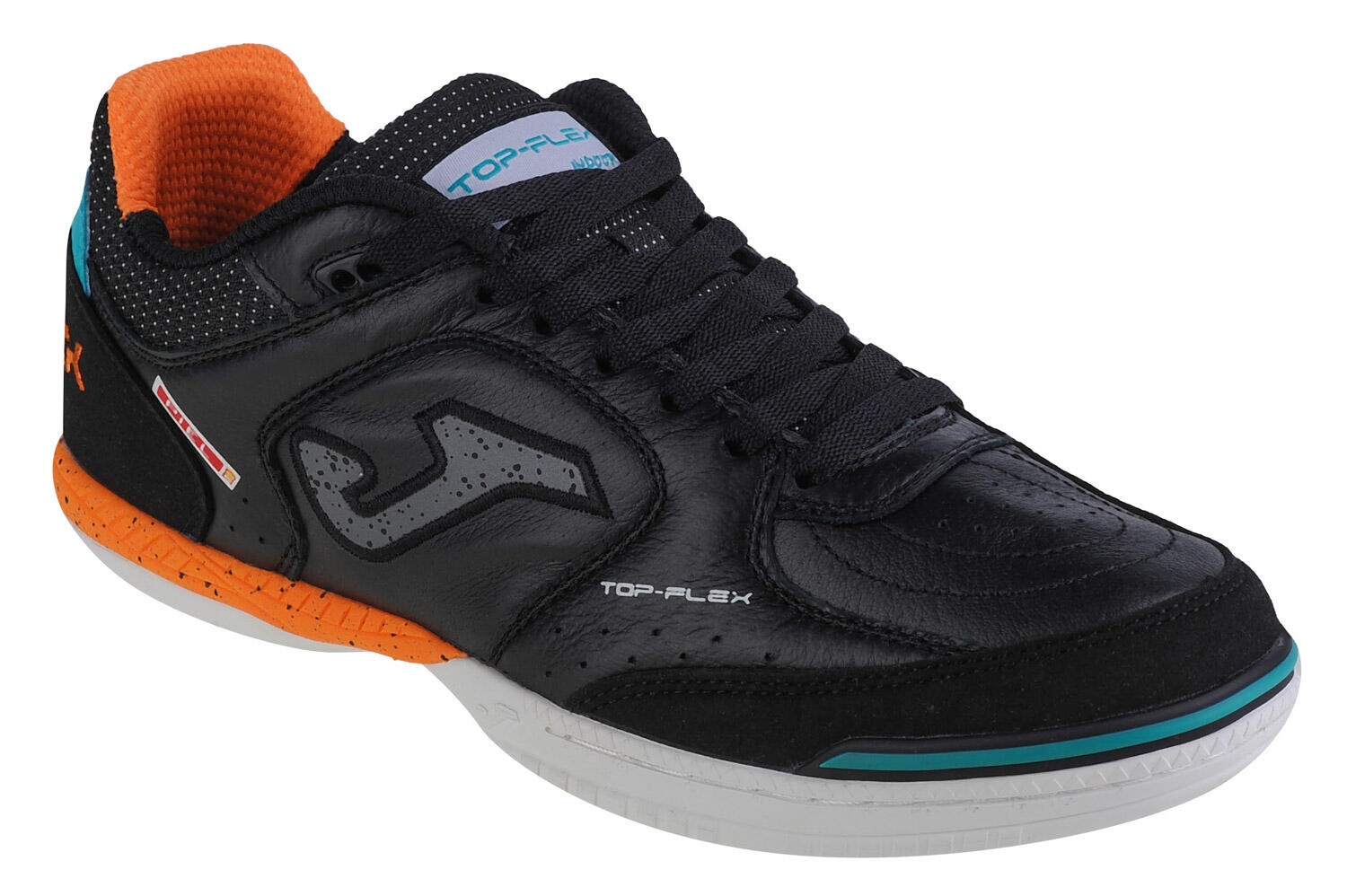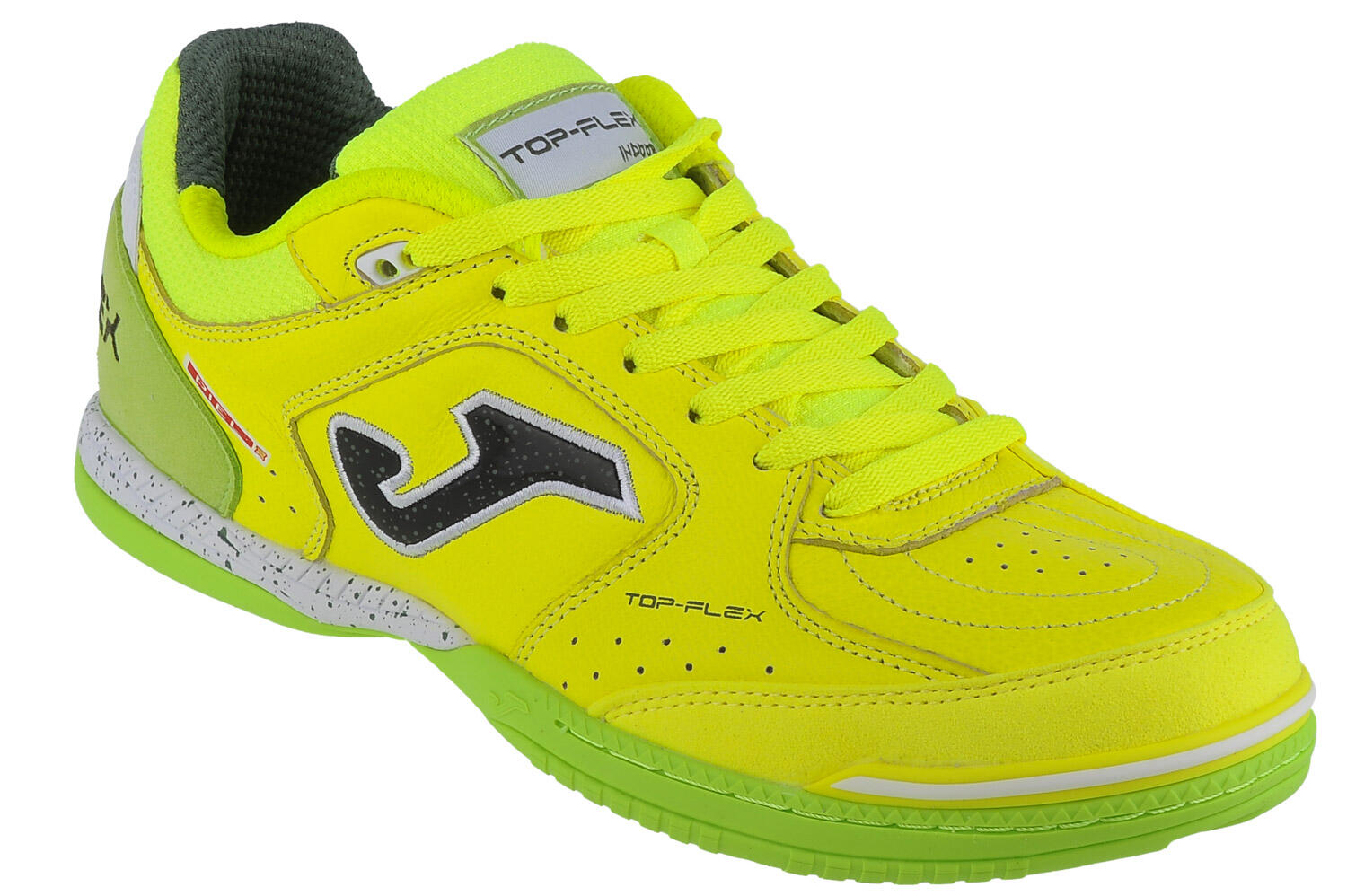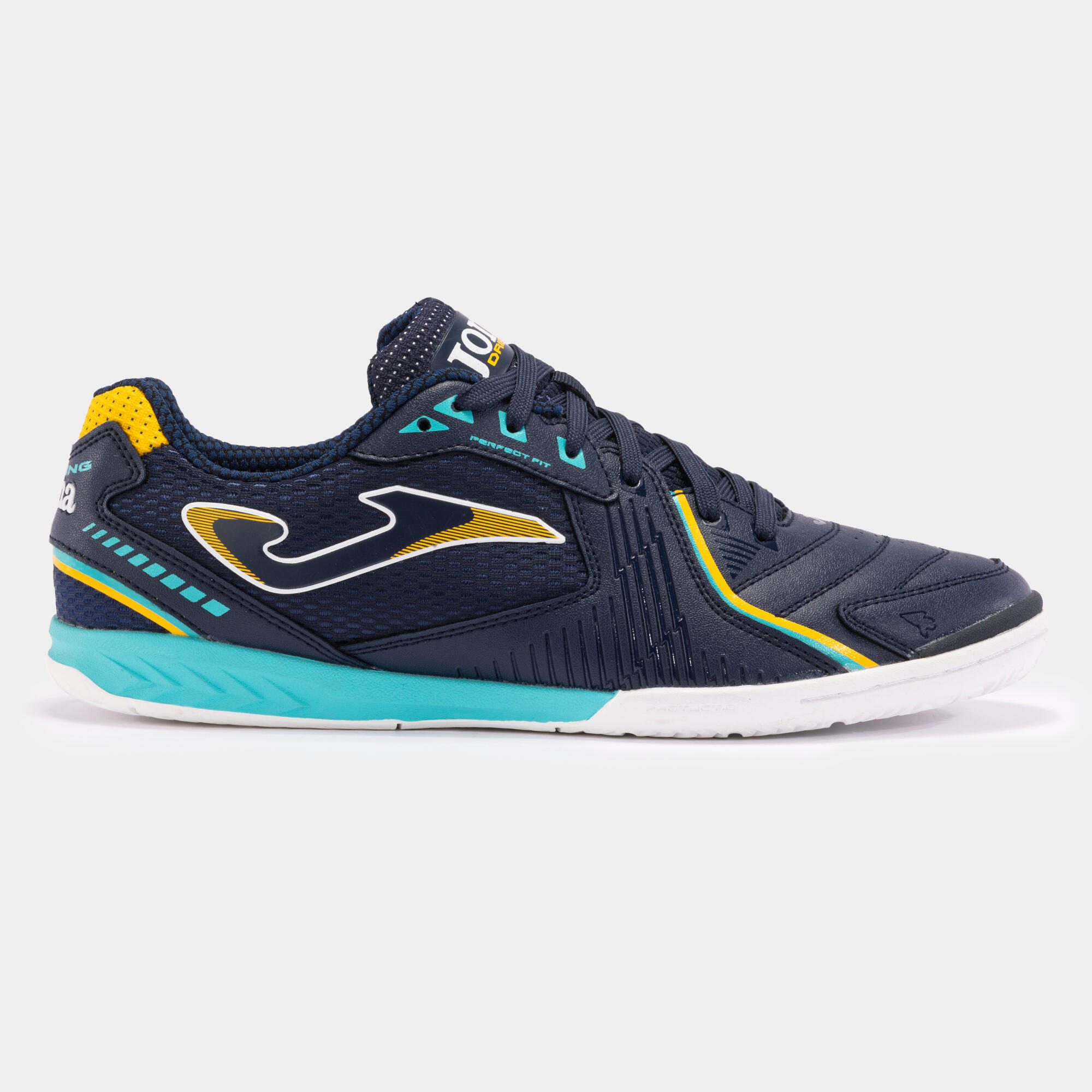
138 items
4.5/5 based on 5089 reviews collected online and in stores

Adults Indoor Football Boots FAQs

How do adult football boots fit indoors?

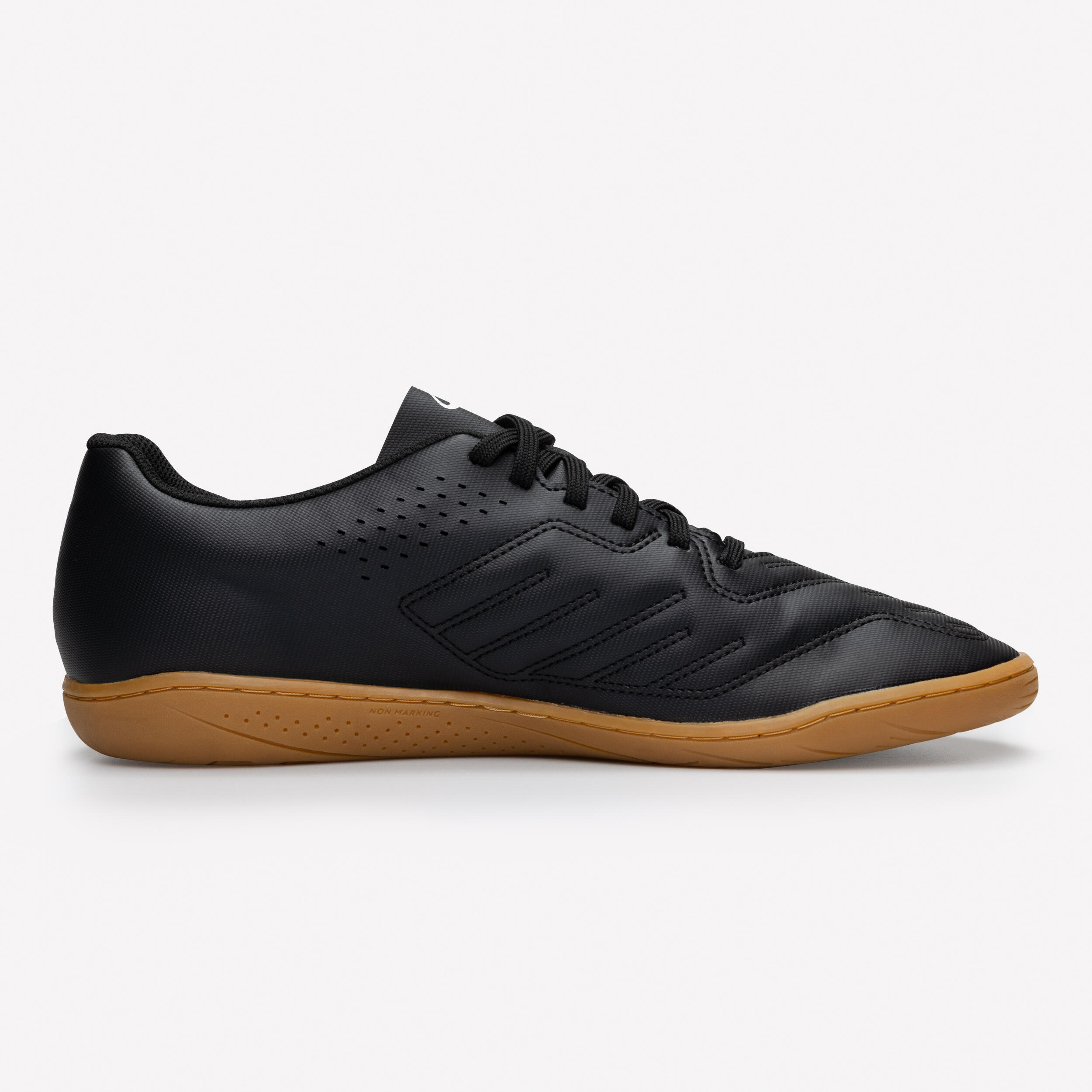
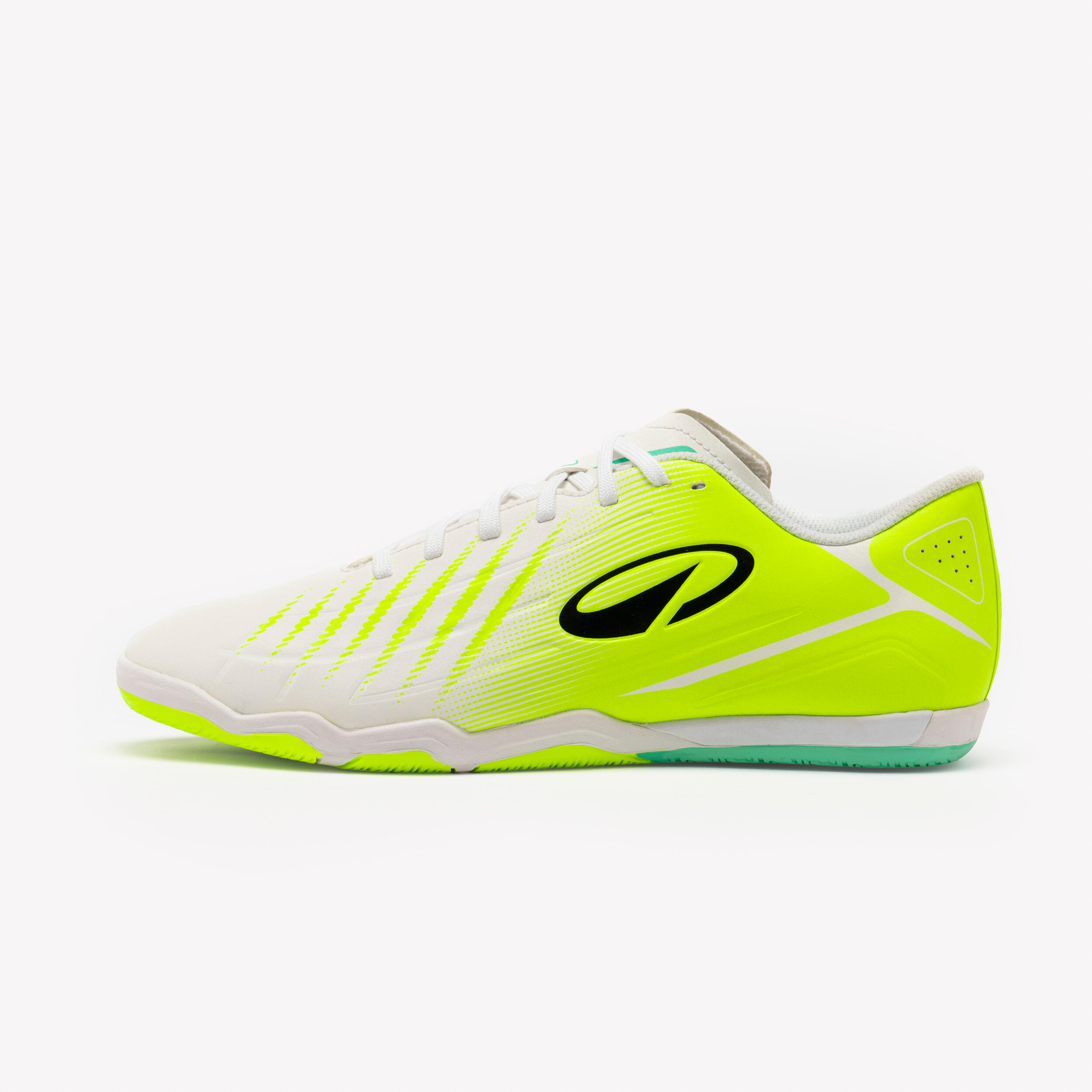
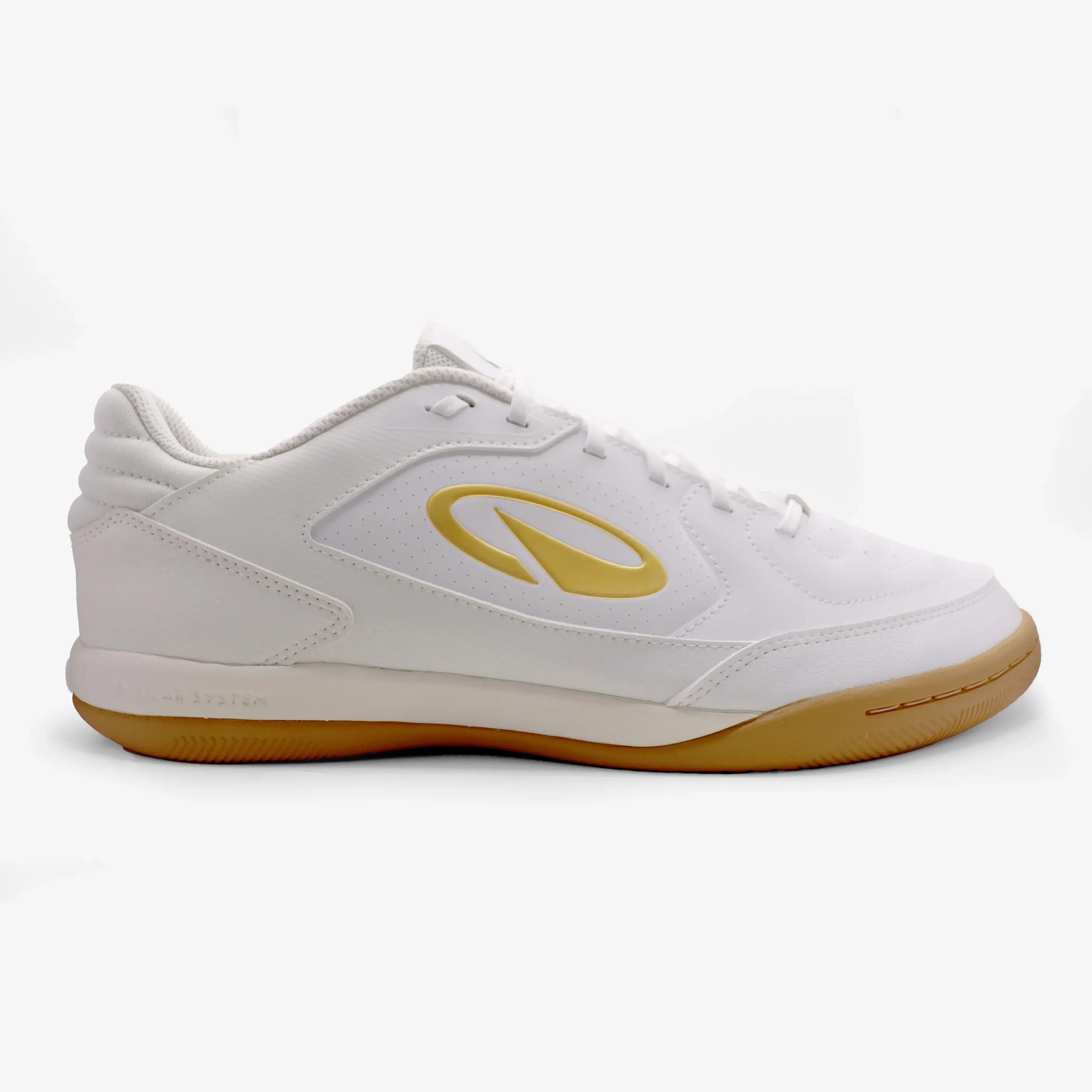
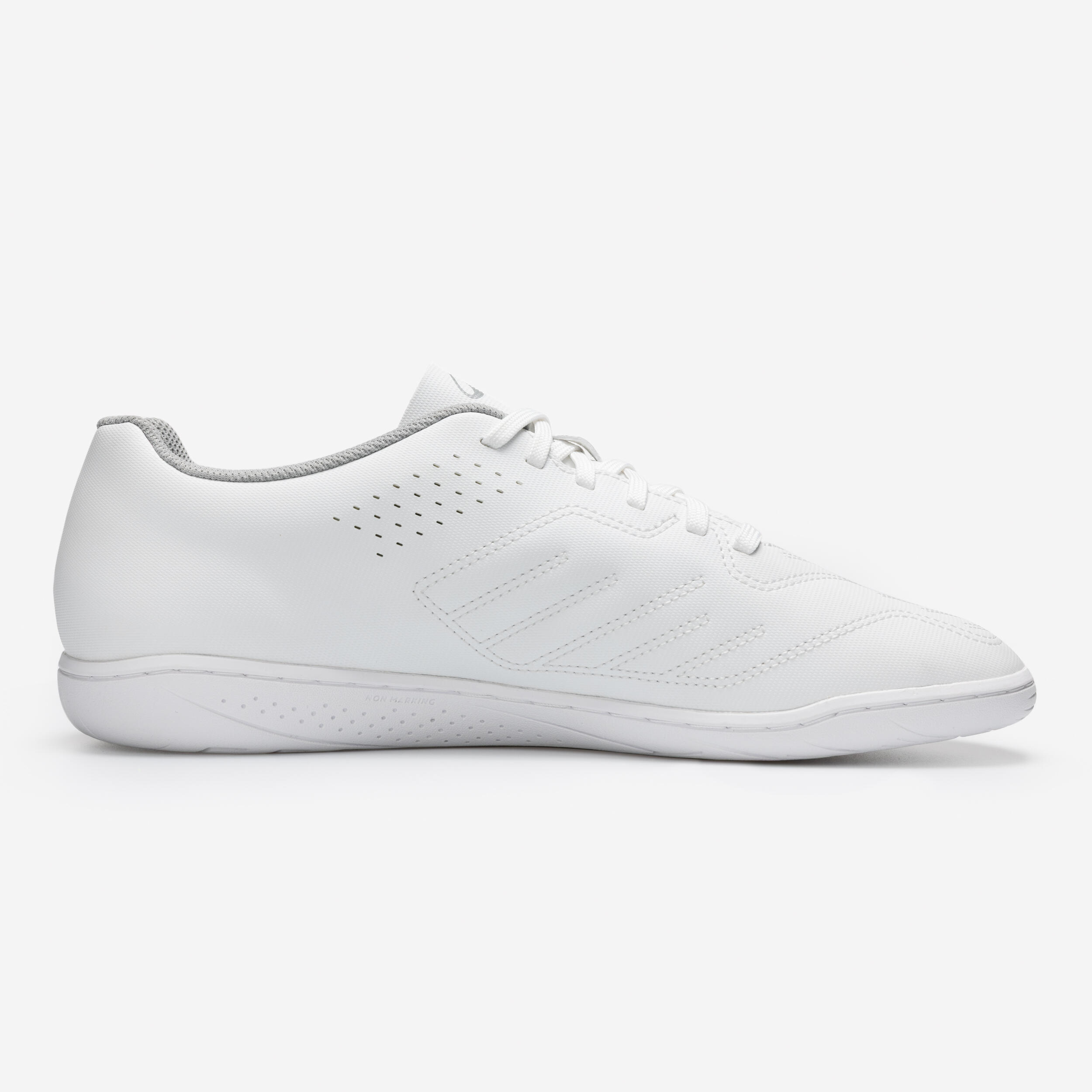
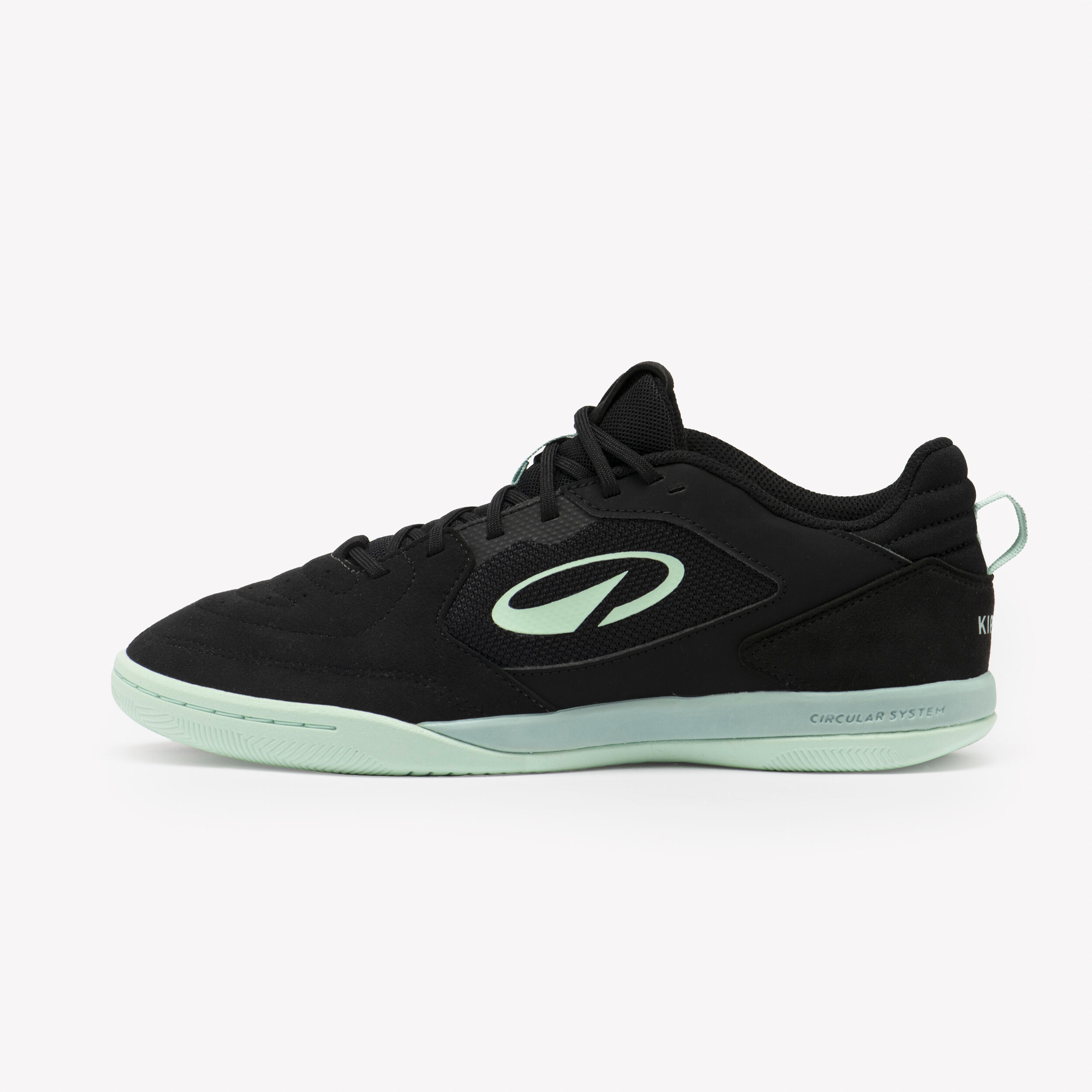
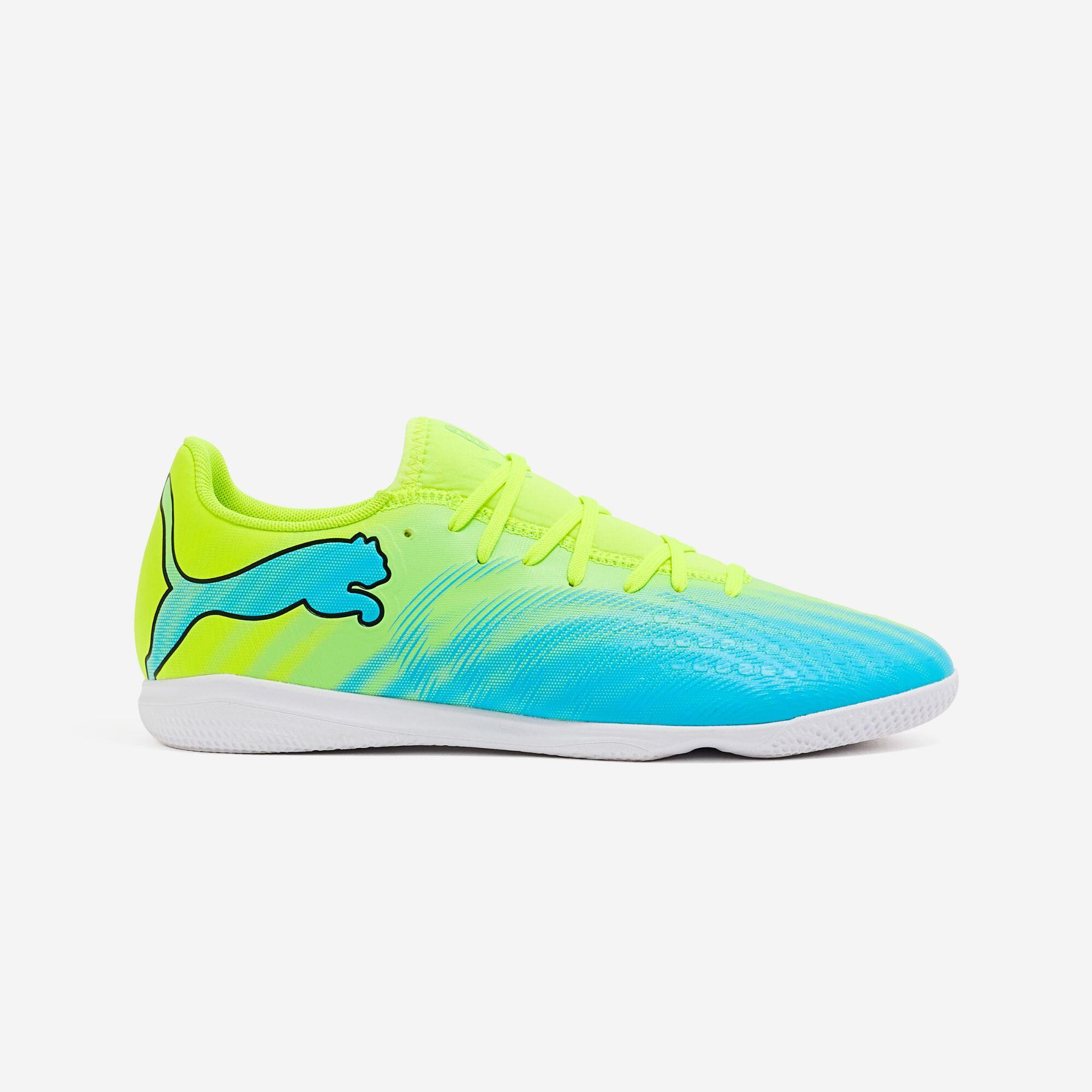
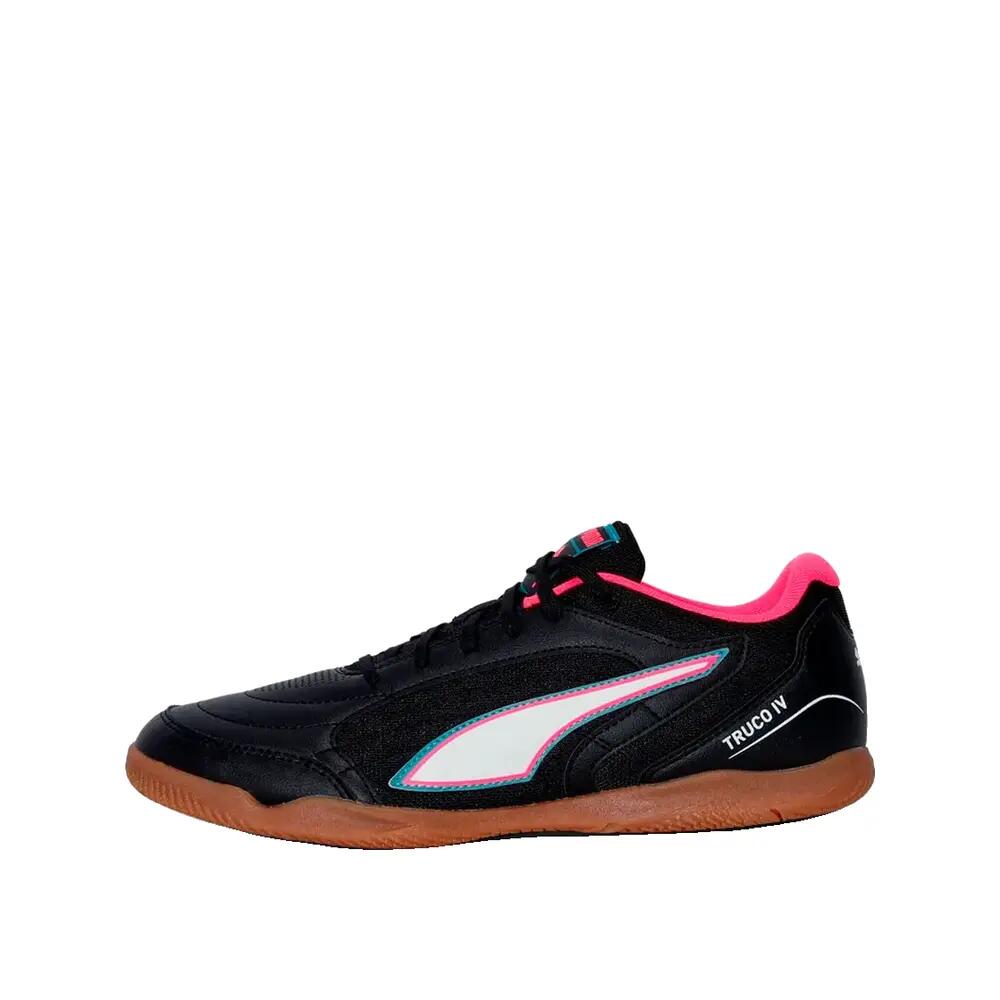
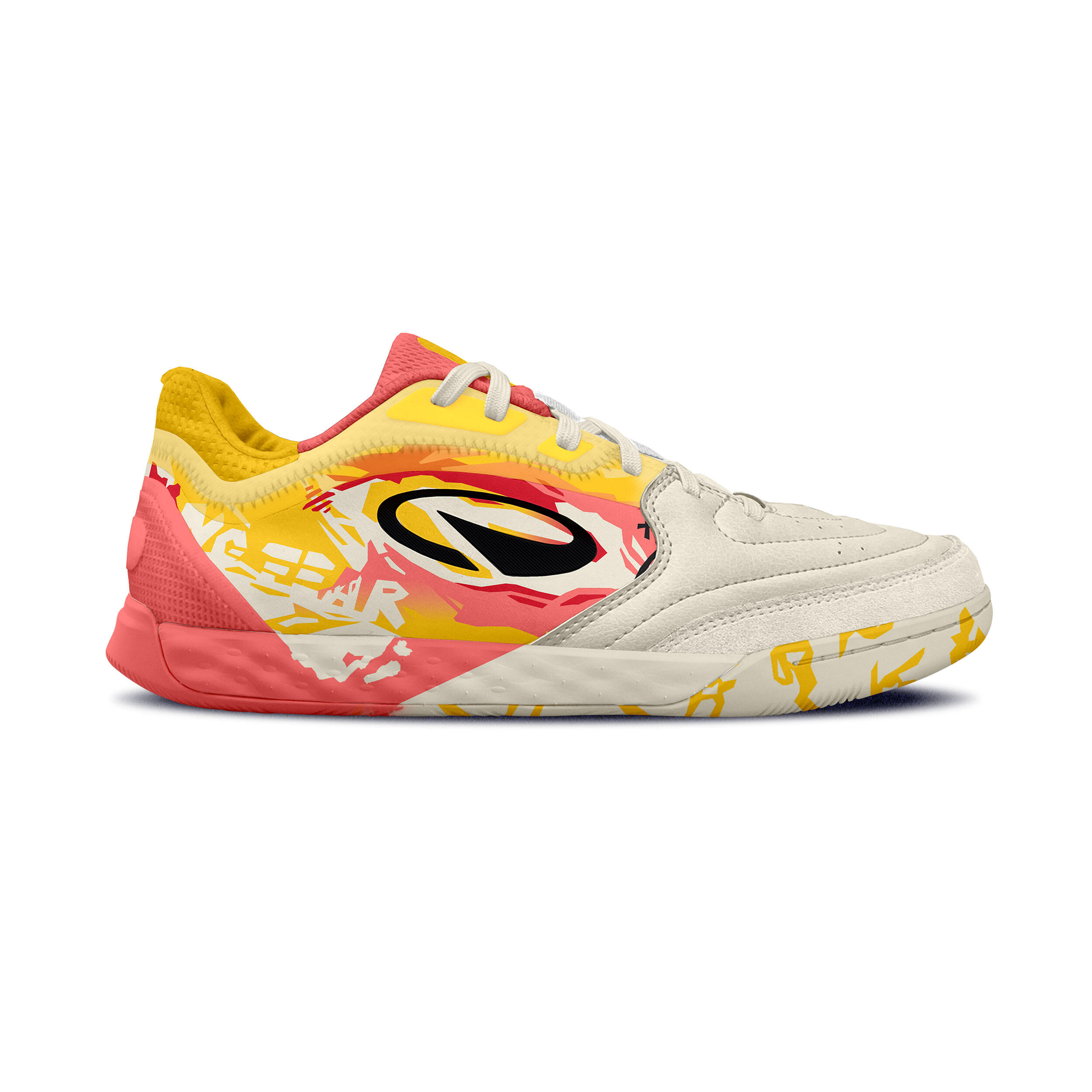
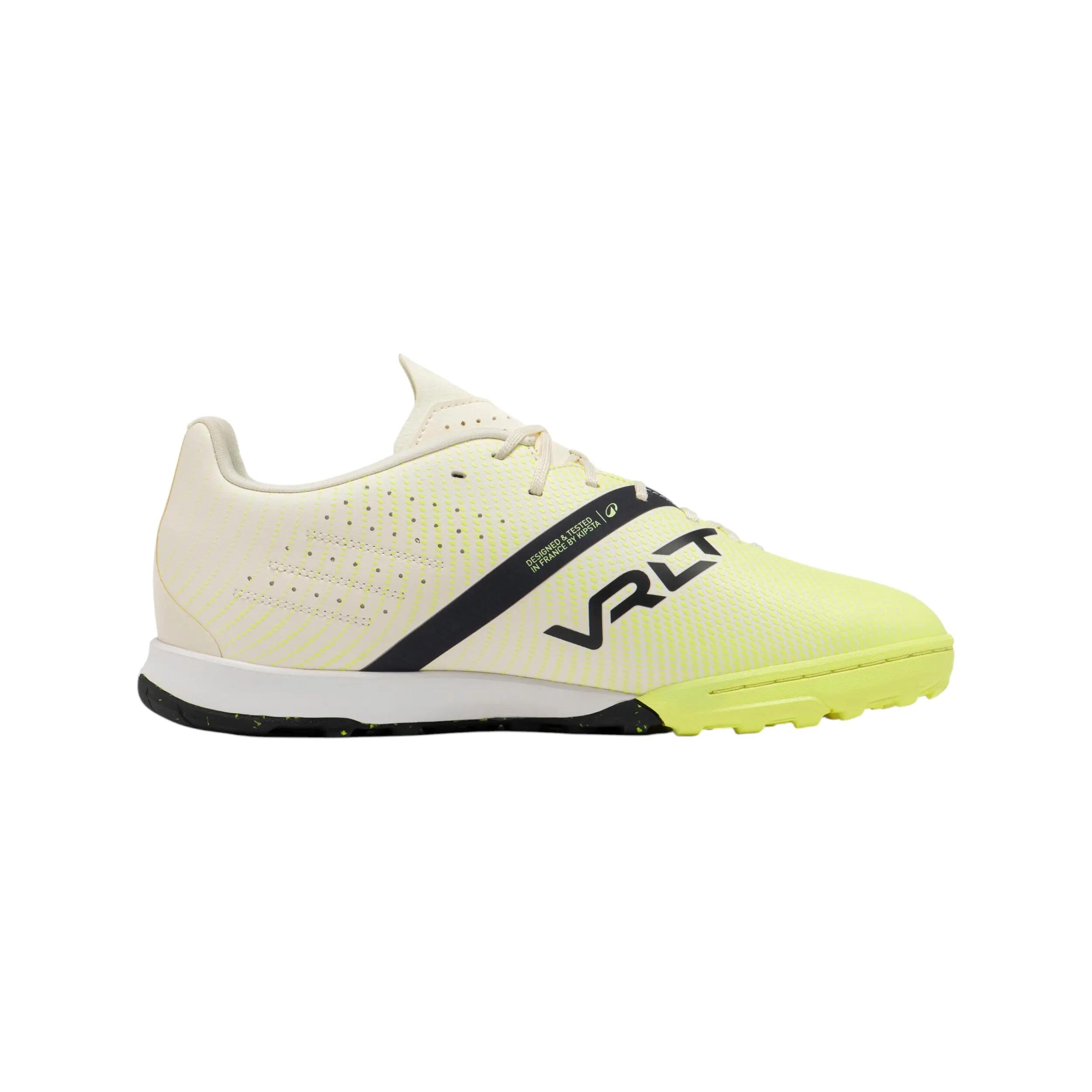
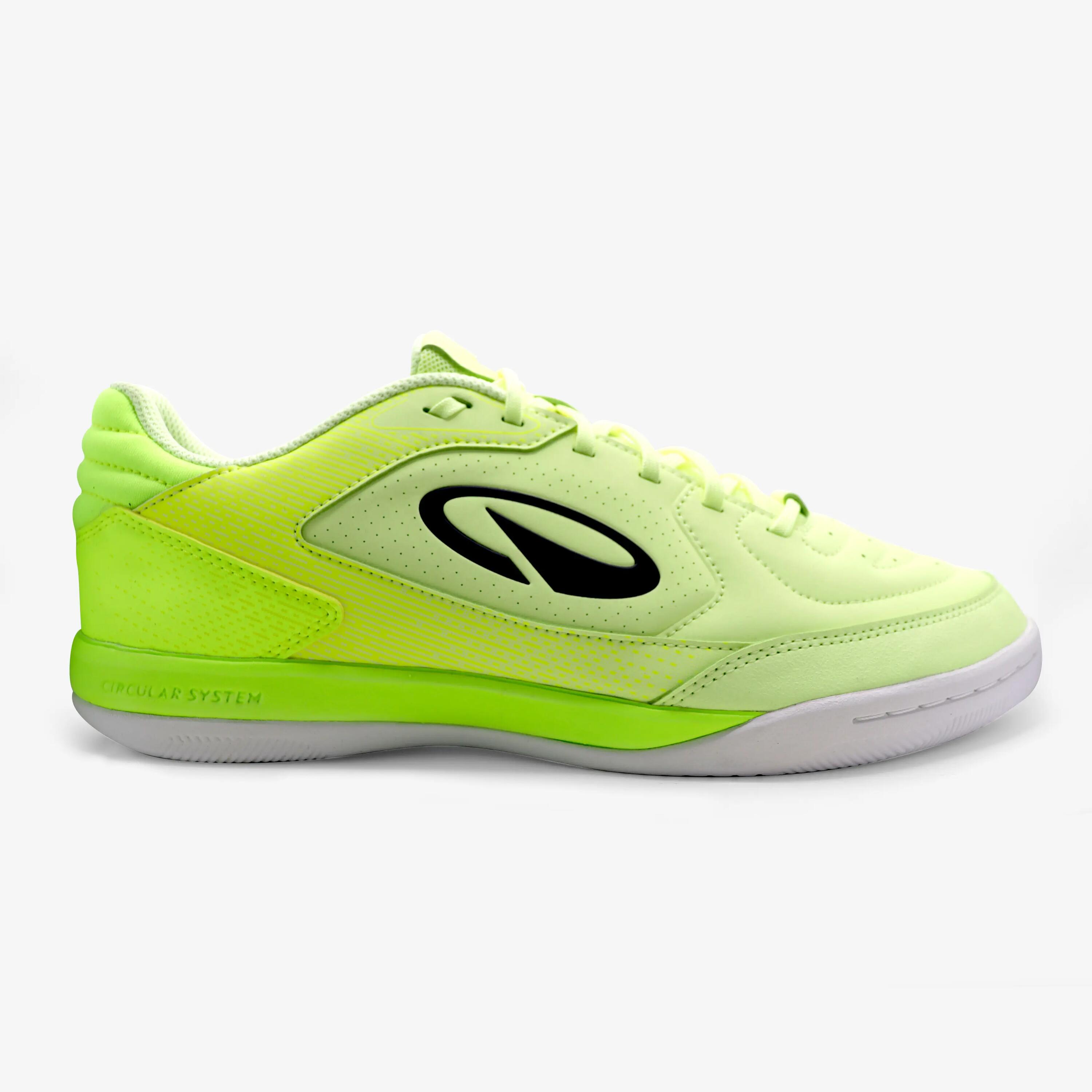
Indoor football boots should hold your heel and midfoot securely while leaving enough room for your toes to move during quick stops and changes of direction. Try them with your normal football socks and complete several side steps, short accelerations and controlled turns. The heel should not lift, but the upper should not cause numbness or painful pressure. Low-profile adults futsal shoes for football such as the KIPSTA Sala Club keep the foot close to the floor for ball contact and use an EVA insole for heel cushioning. A practical pro tip is to test both feet because one may be slightly larger. Choose the size that fits the larger foot without allowing excess movement inside the shoe.
Which adults indoor football shoes suit beginners?

Beginners should prioritise a stable fit, straightforward cushioning and an outsole suited to the playing surface. Entry-level adults futsal trainers use a broad outsole and rigid heel counter to support the foot during stops and direction changes. Their stitched sole and polyurethane upper are intended to withstand repeated abrasion during regular play. The wider internal volume can also accommodate a variety of foot shapes. More advanced models may add lighter materials, stronger rebound or closer ball contact, but those features are useful only when the shoe remains comfortable. Begin with a dependable fit, then consider more specialised cushioning or flexibility as your playing frequency and movement demands increase.

Are women's indoor football shoes shaped differently?

Some indoor football shoes are unisex, while selected women's constructions use a narrower last based on female foot measurements and player feedback. The women's futsal trainers in the Eskudo 500 line were developed using scans of women's feet rather than simply changing the colour of a unisex model. They also use a softer mesh tongue, lace-integrated support straps and a pre-shaped, perforated insole. Foot shape varies between individuals, so choose whichever model provides secure heel retention, comfortable forefoot space and stable lateral support. Do not assume a women's or unisex label guarantees the correct fit. Test quick turns and stopping movements before deciding.

Why do indoor football boots use non-marking rubber soles?

Indoor sports halls require flat rubber outsoles that grip smooth flooring without leaving visible marks. Unlike outdoor football boots, indoor shoes do not use projecting studs because the outsole needs broad contact with wood, PVC or similar hard courts. KIPSTA models use non-marking rubber compounds, while selected shoes add Flex-H grooves that allow the forefoot to bend during acceleration and changes of direction. Check the venue rules before playing because a clean indoor outsole may be compulsory. Remove grit from the tread before entering the hall, as trapped stones can mark the floor and reduce stable contact. Replace the shoes when worn tread begins to affect grip.

Can you wear indoor football boots on outdoor pitches?

Indoor shoes may be suitable for occasional use on some clean, hard courts, but their flat soles are not intended for natural grass, muddy ground or long artificial turf. They cannot penetrate soft surfaces or provide the pitch-specific traction offered by studded adults football boots. Using indoor trainers on unsuitable ground may reduce grip and wear down the rubber outsole more quickly. Match FG, SG, AG or turf soles to the relevant outdoor surface instead. After indoor play, remove the shoes from your sports bag, take out the insoles where possible and allow both sections to air in a dry place. Avoid machine washing, tumble drying and direct heat, which may affect adhesives, cushioning and upper materials.