175 items
4.5/5 based on 43603 reviews collected online and in stores

Open Water Swimming FAQs

How do I choose the right wetsuit thickness for open water swimming?

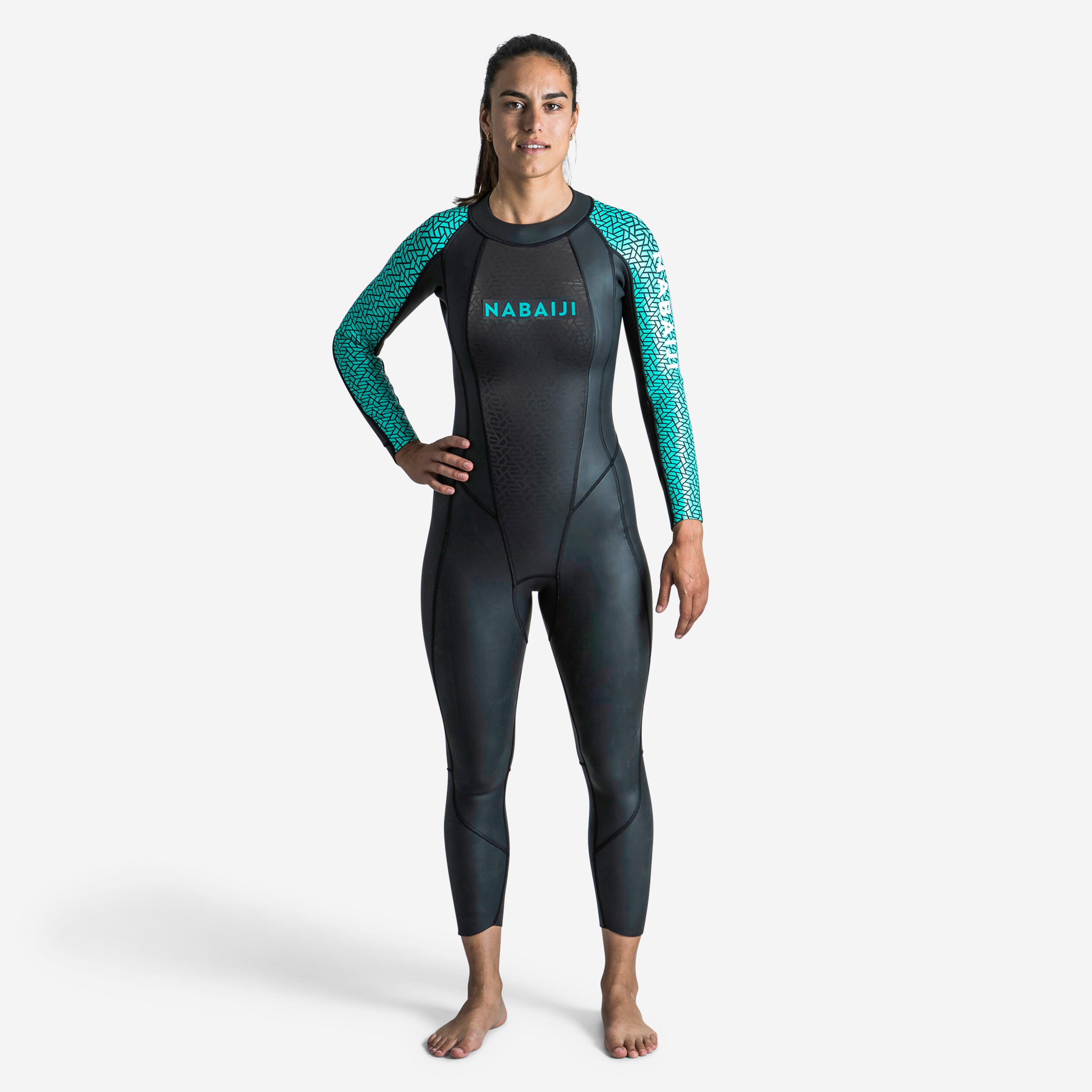
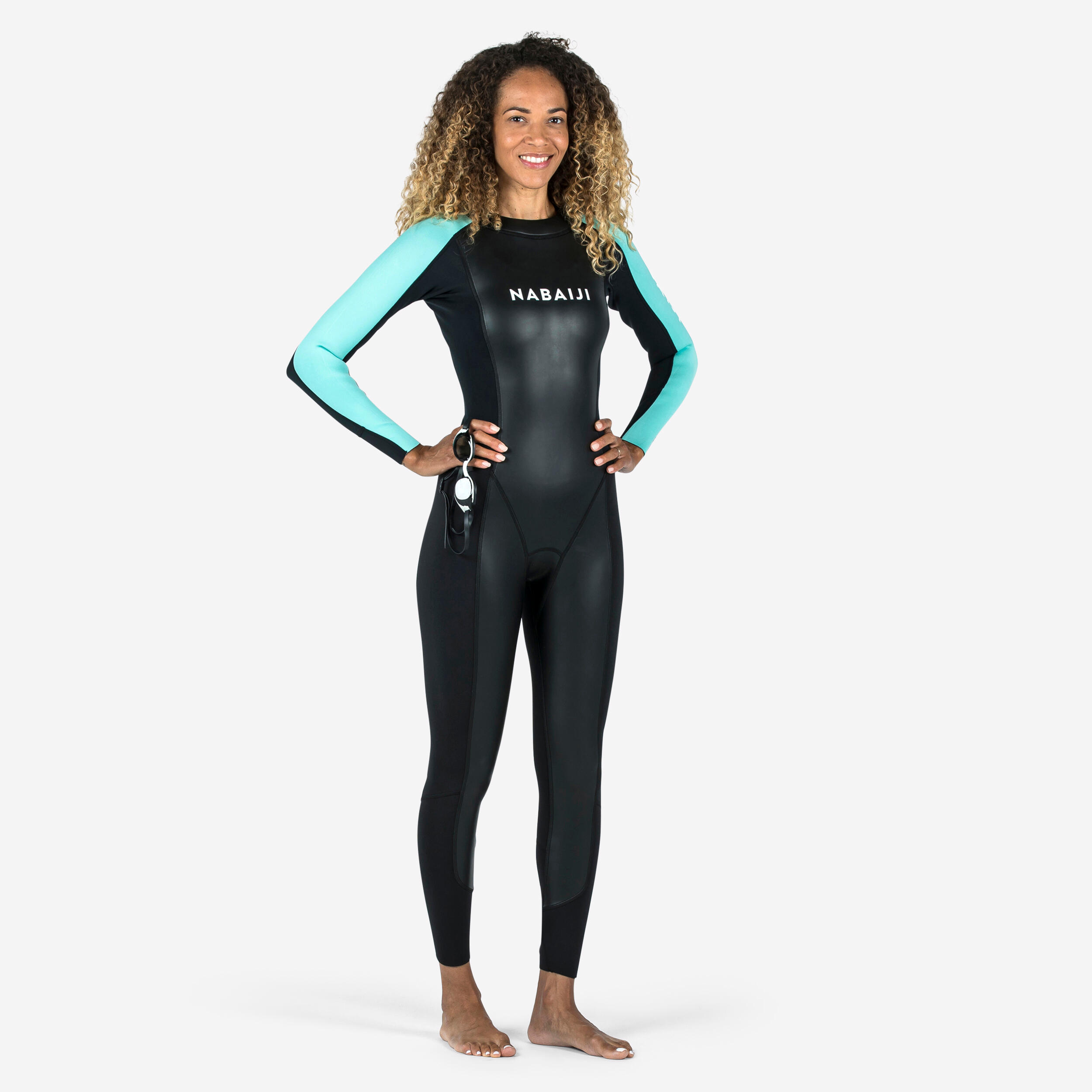
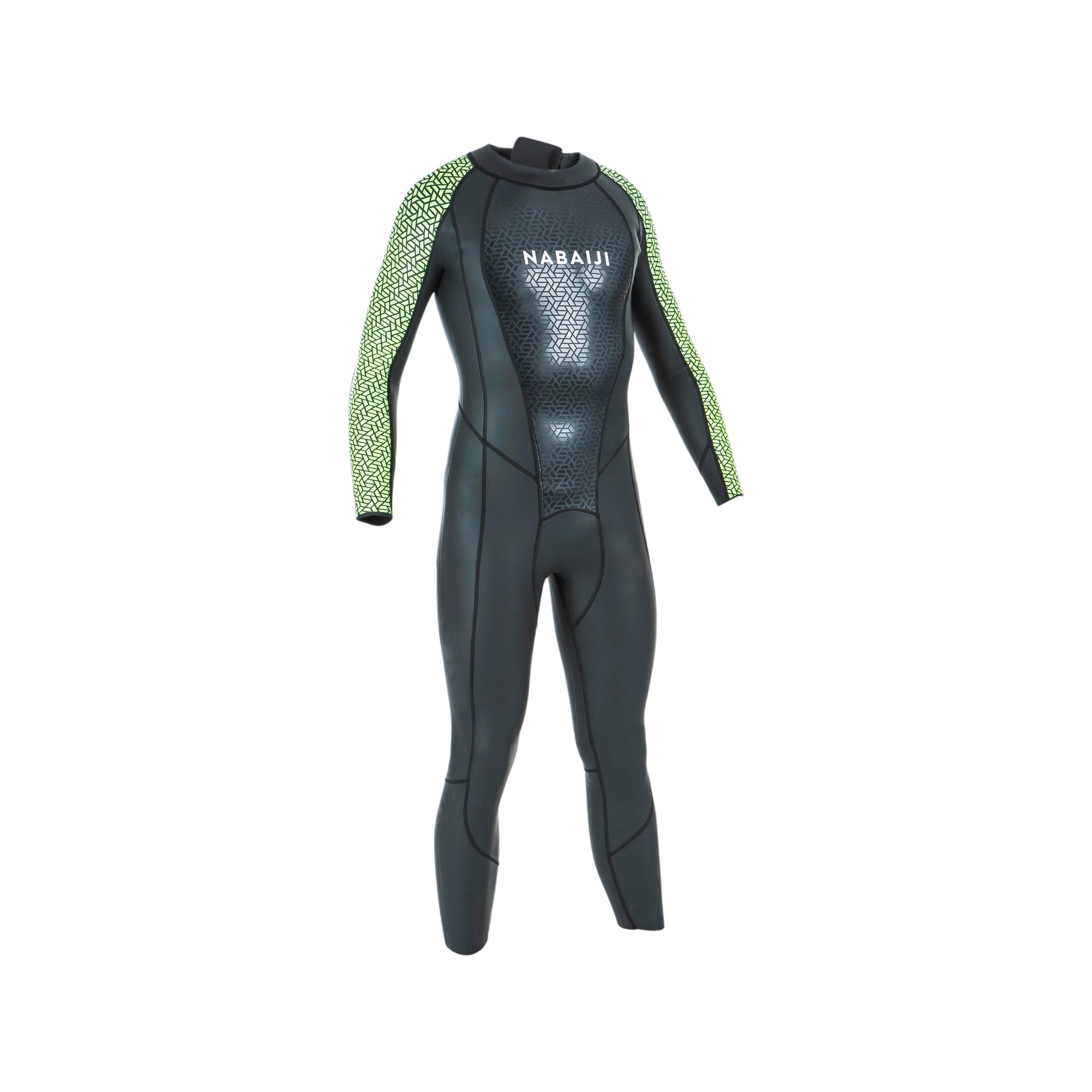
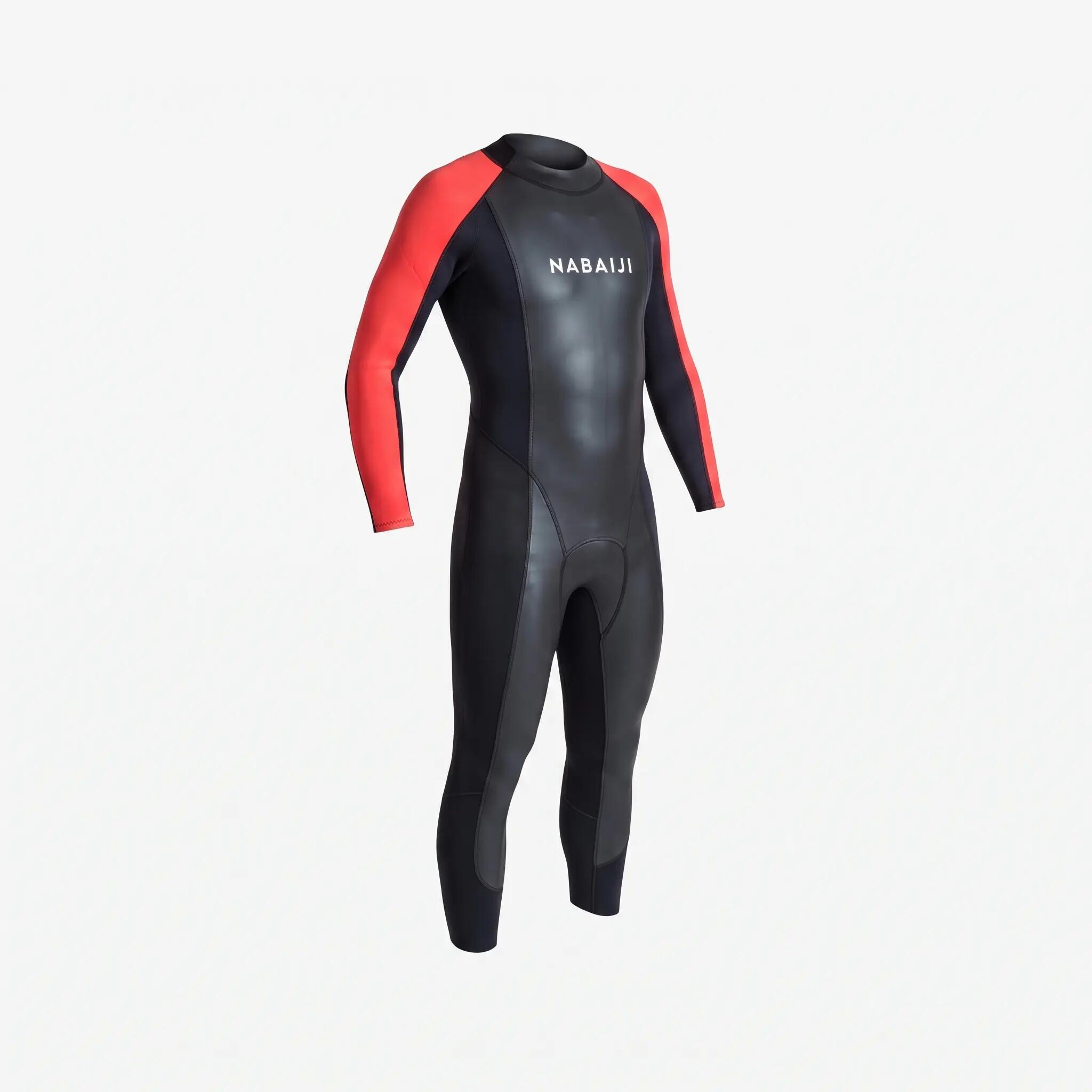
Wetsuit thickness is the single most important spec for open water swimmers because it determines both thermal protection and buoyancy. Neoprene panels are measured in millimetres, with thicker panels on the torso for warmth and thinner panels on the arms and shoulders to allow stroke mobility. A 2 to 3 mm suit suits water temperatures above 16 degrees Celsius, while a 4 to 5 mm suit is the appropriate choice for colder conditions. Buoyancy is a secondary benefit of a thicker neoprene torso panel: the foam cell structure in neoprene traps air and lifts the hips higher in the water, which improves body position and reduces drag without any additional effort from the swimmer. Swimming tip: always try a wetsuit on before buying. It should feel snug across the shoulders and chest with no excess material at the lower back, as a loose fit allows water to flush through and negates the thermal benefit. The full range of thickness and cut options for open water use is listed under swimming wetsuits.

Why do open water swimmers use a changing poncho after a swim?

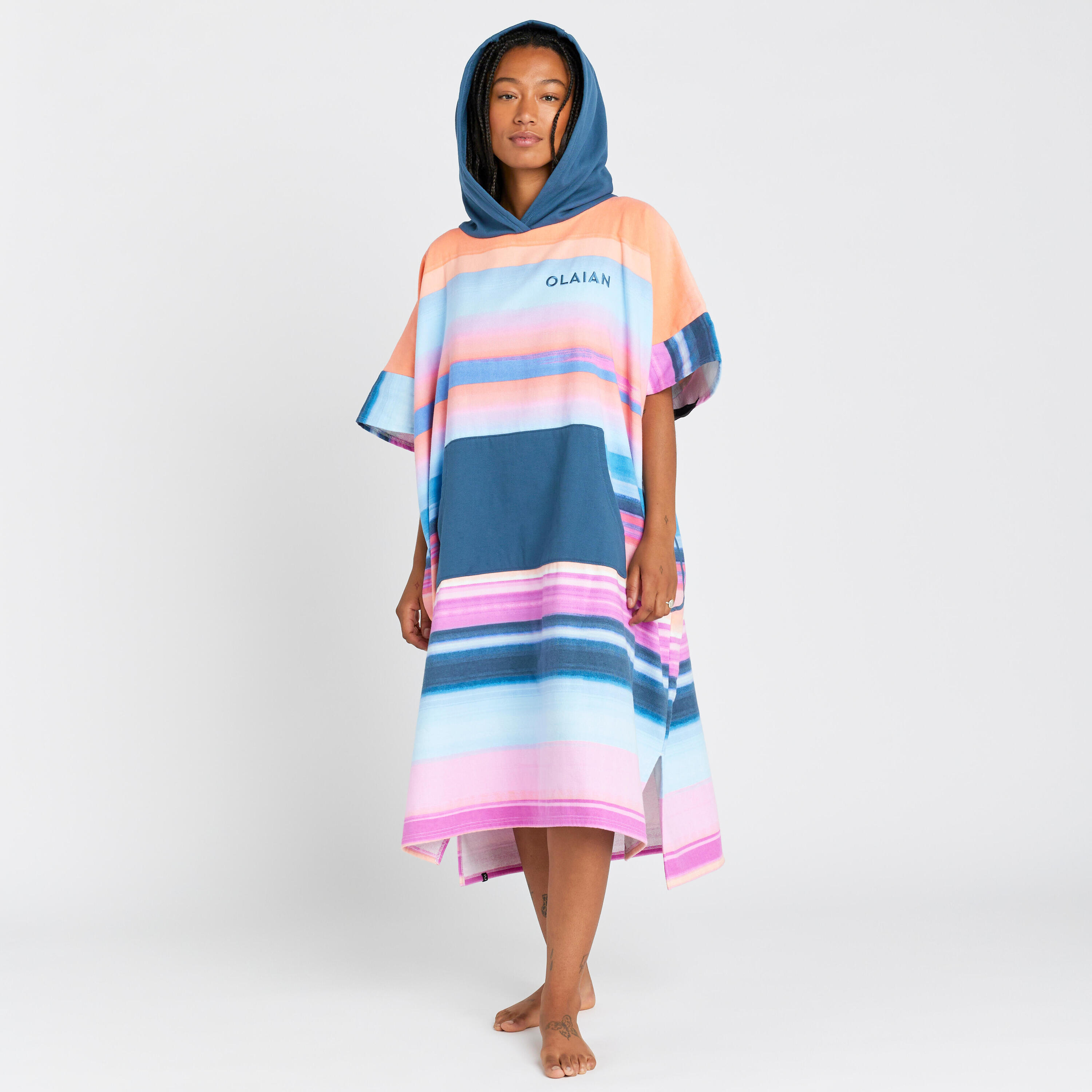
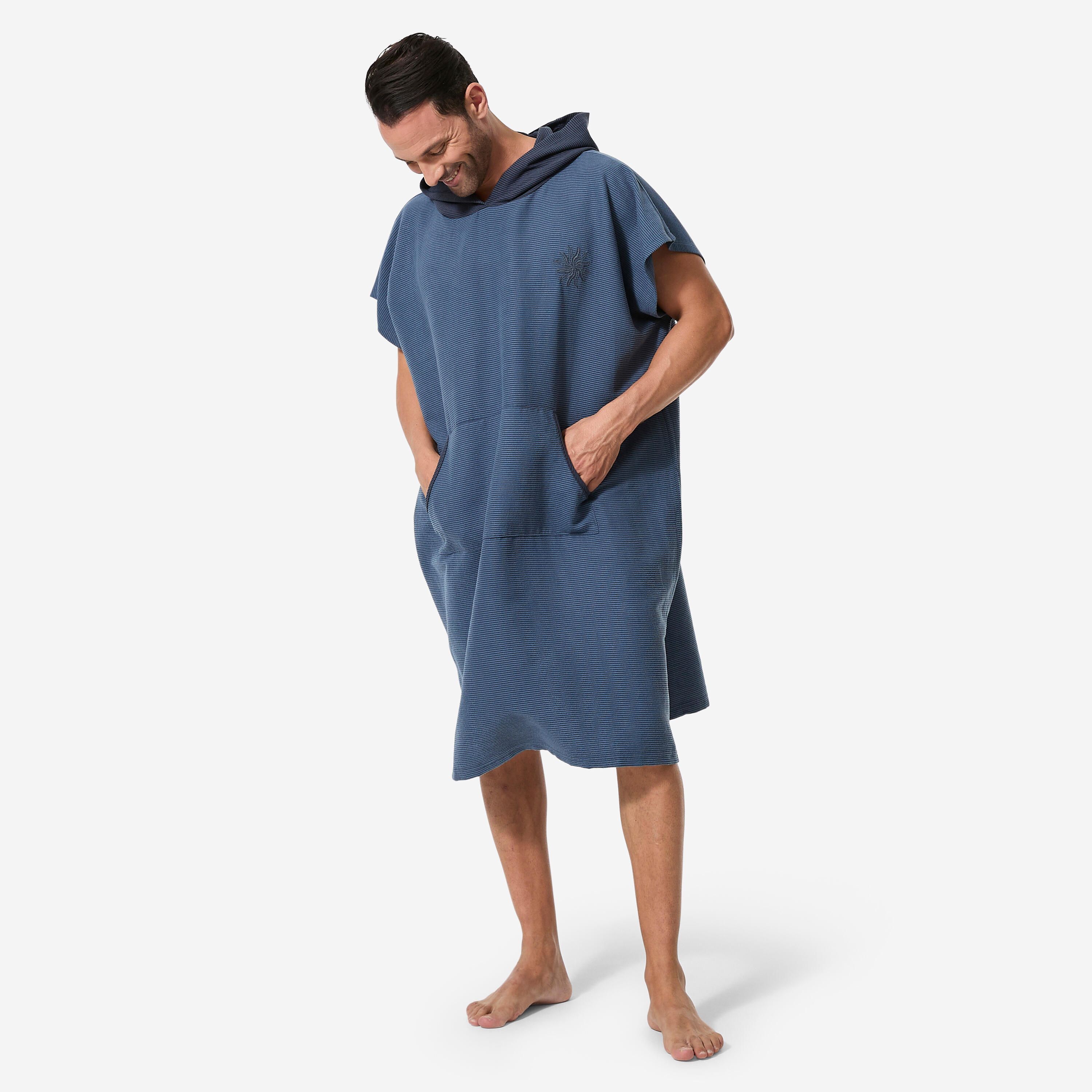
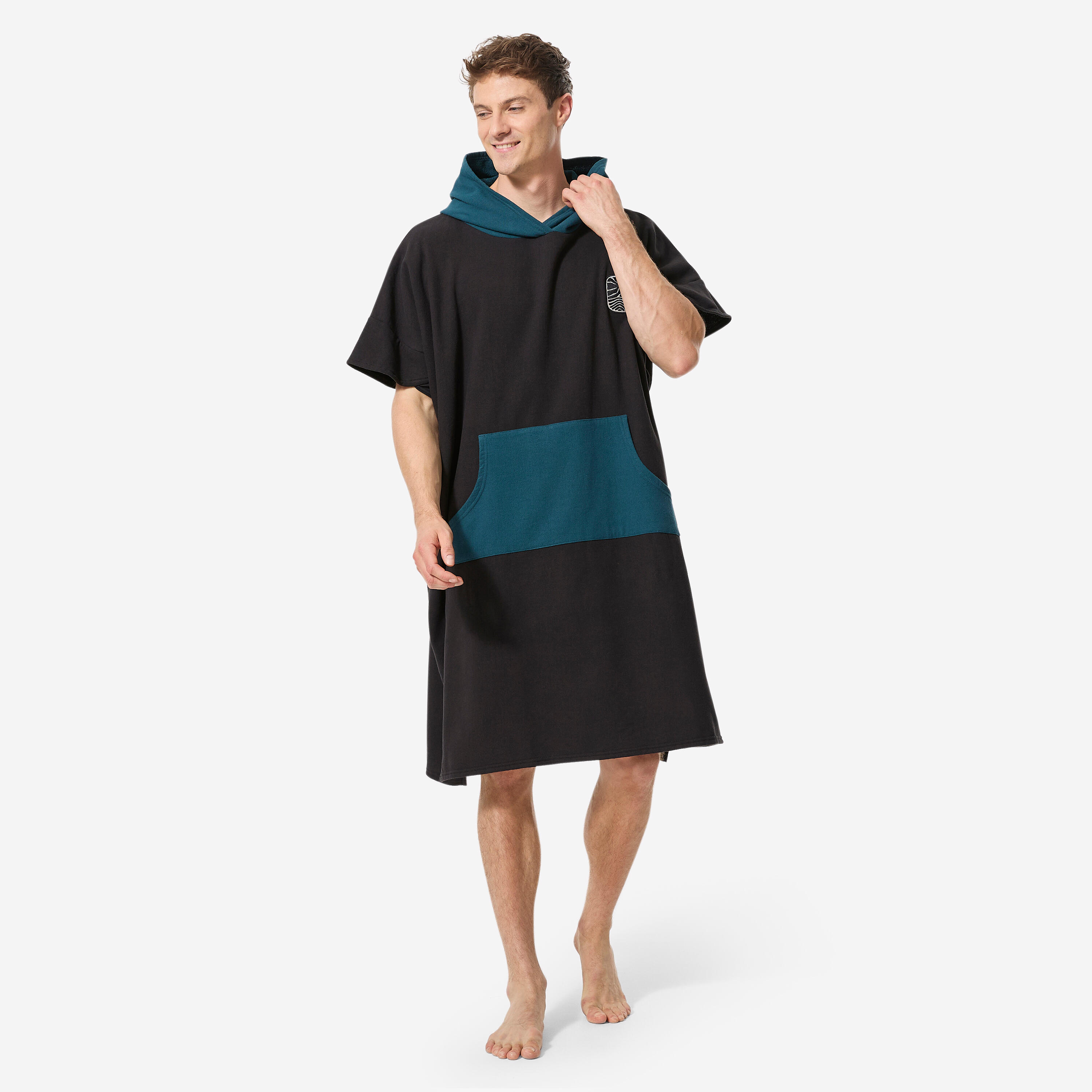
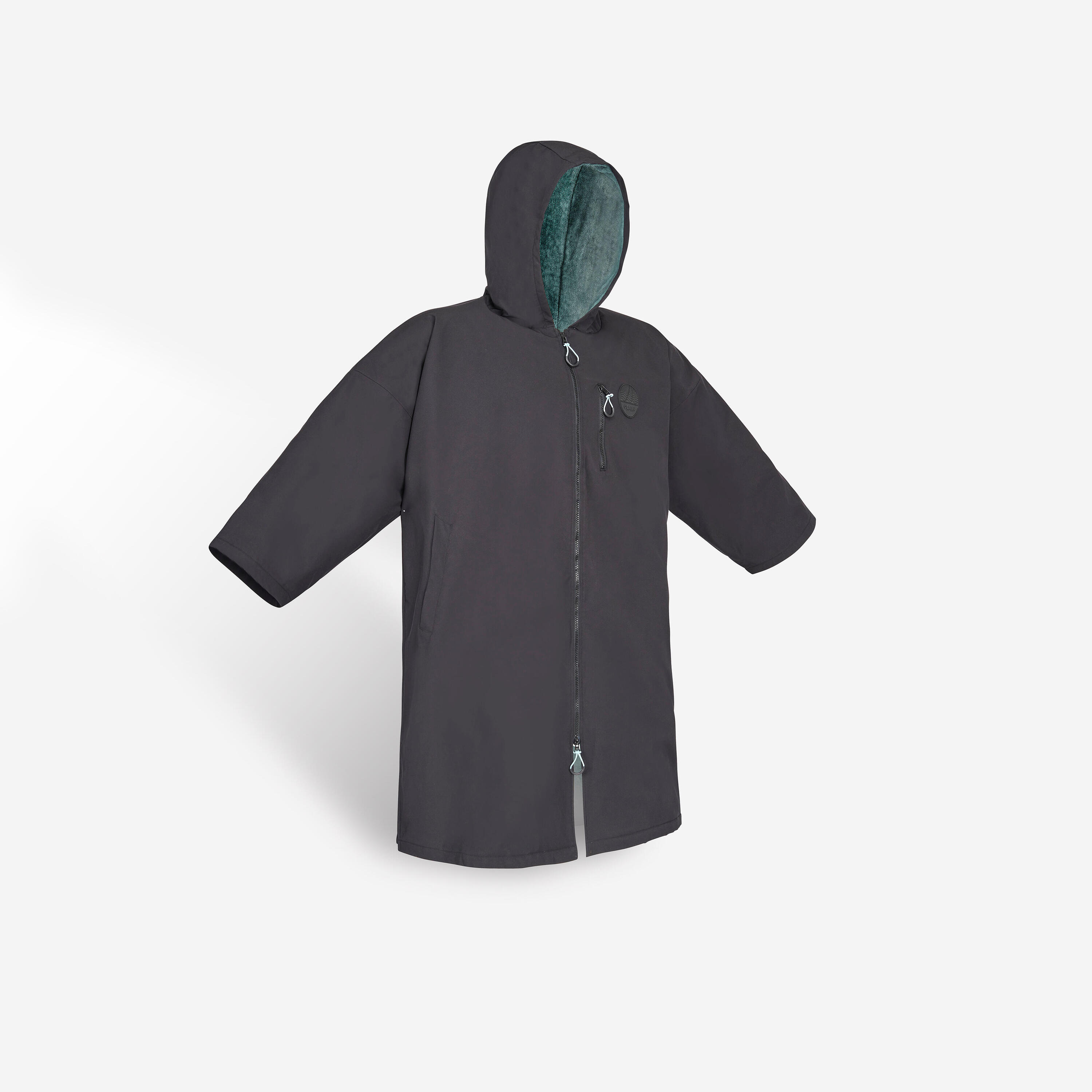
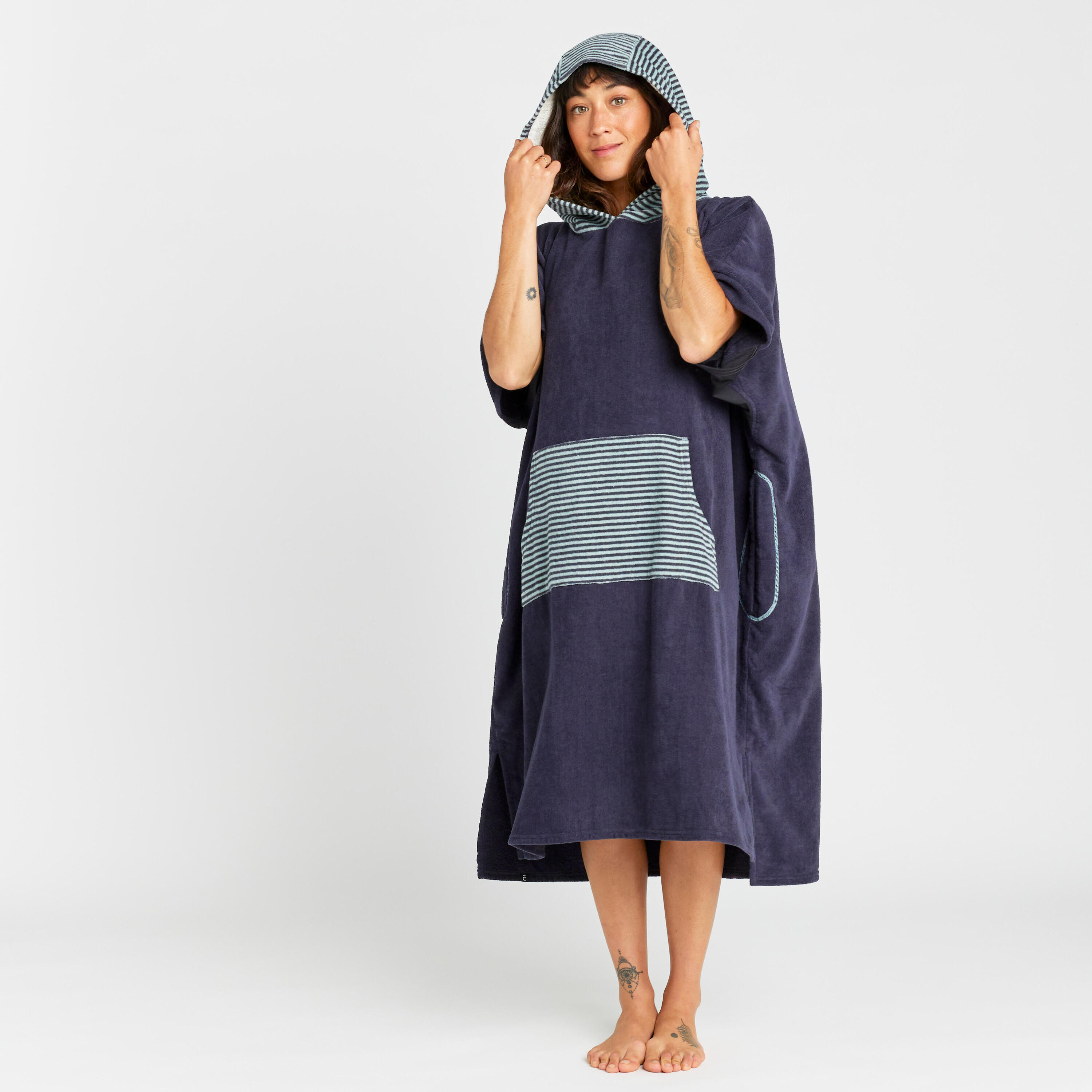
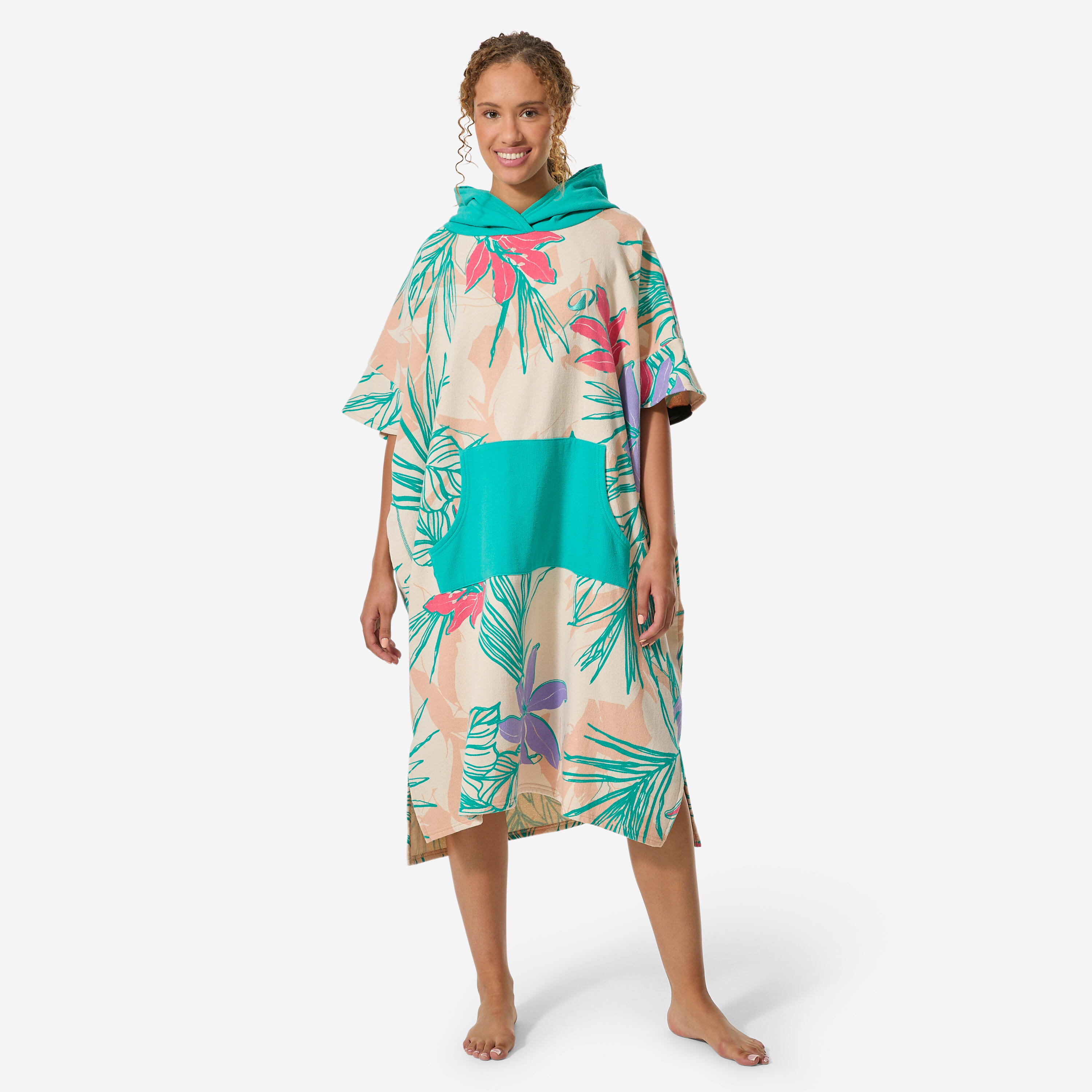
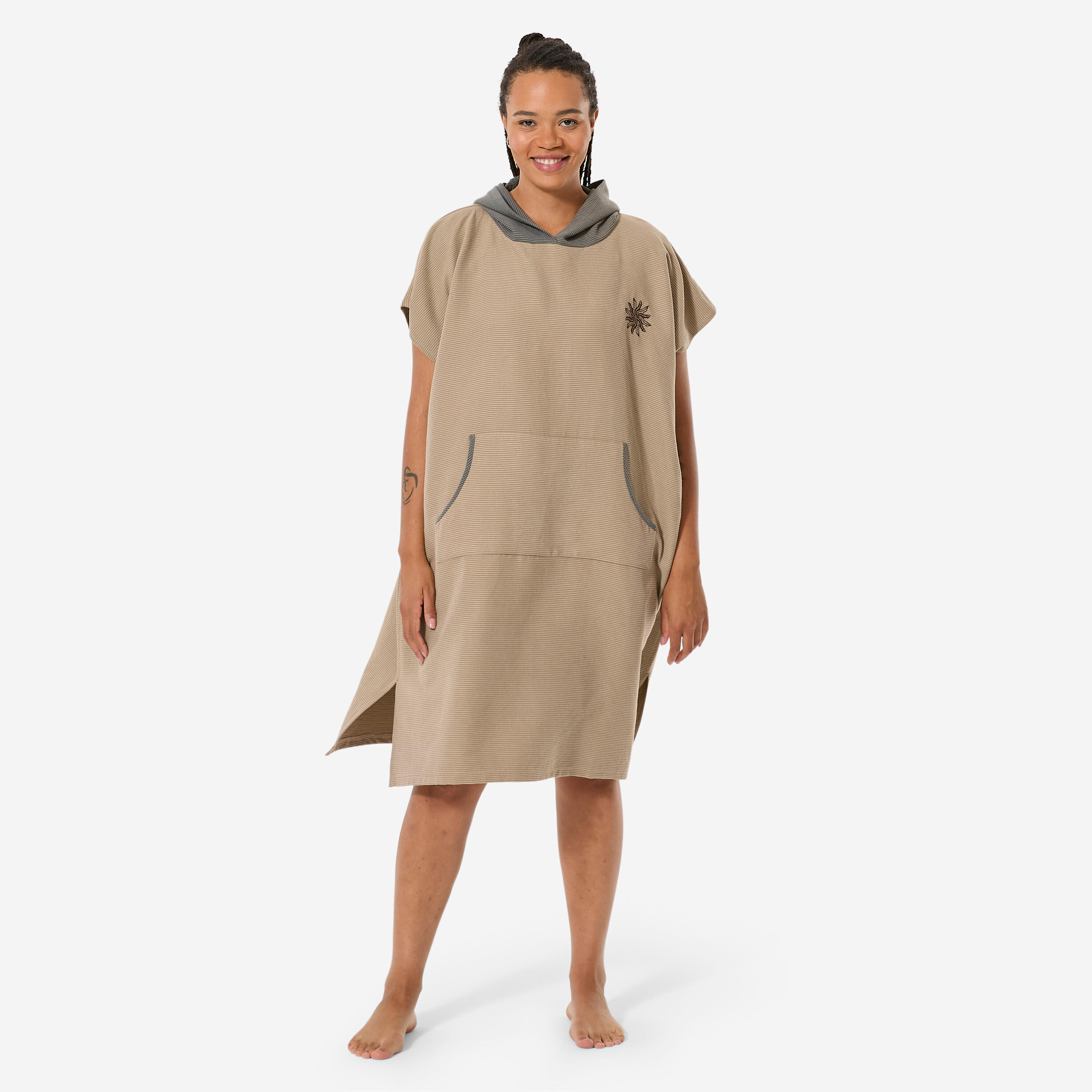
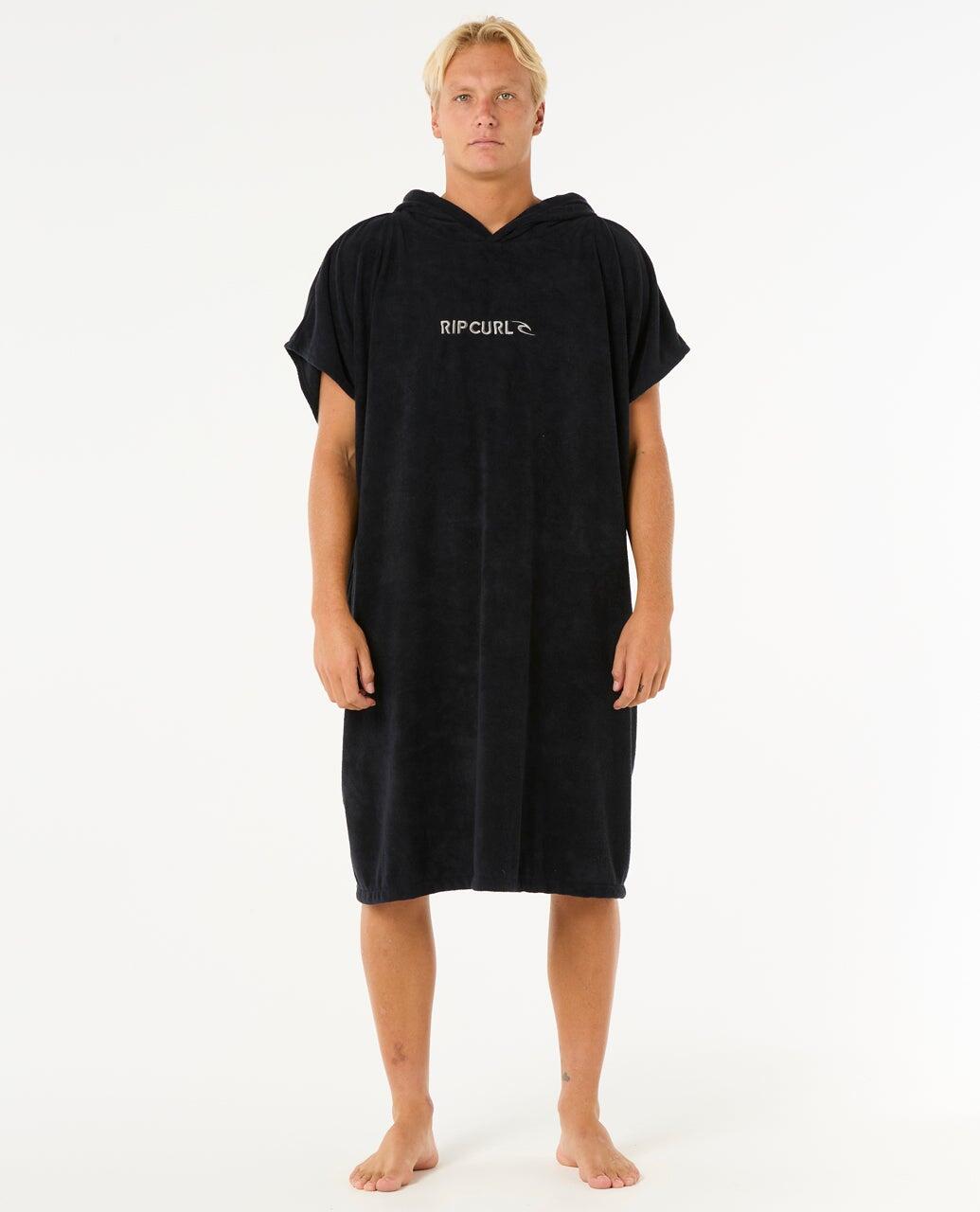
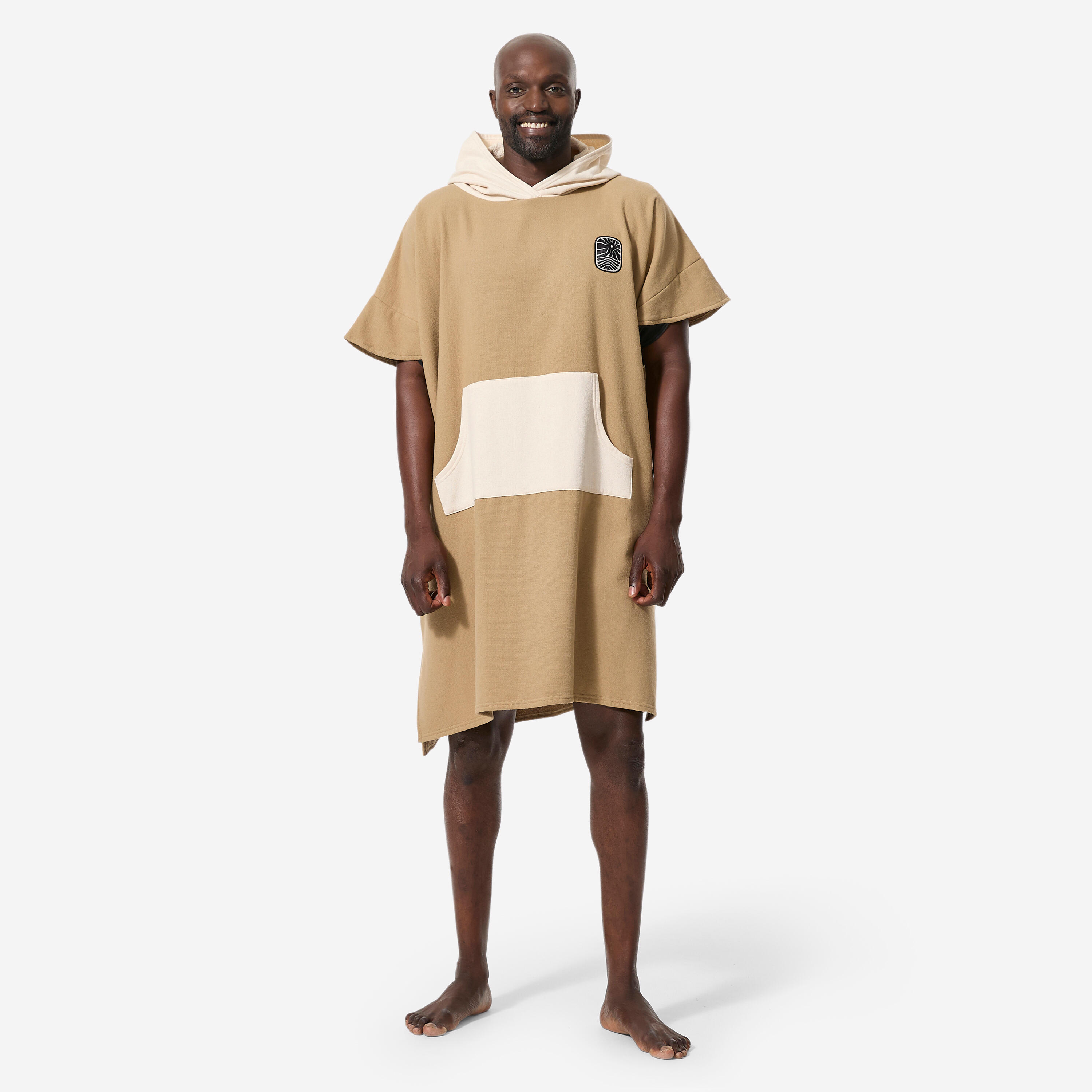
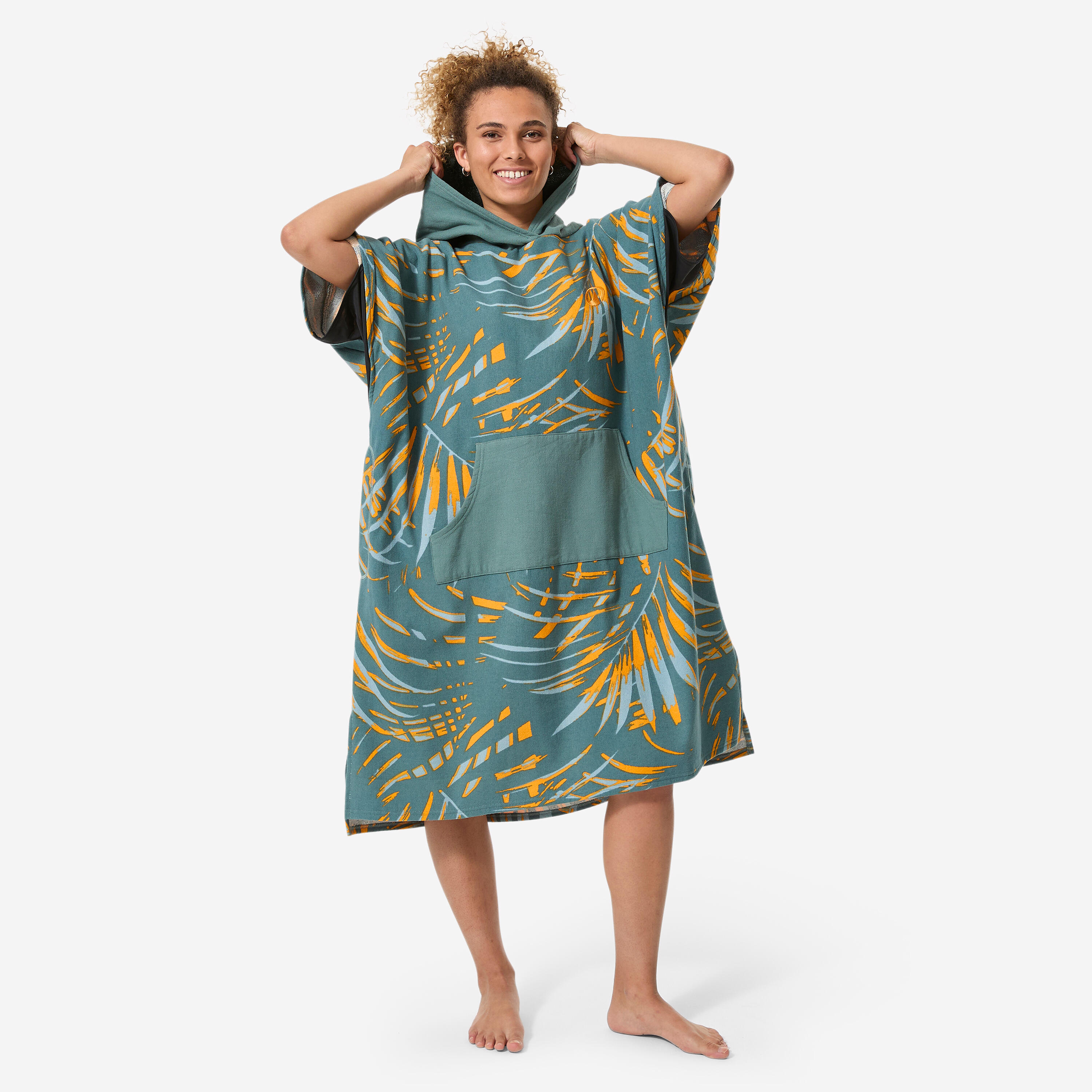
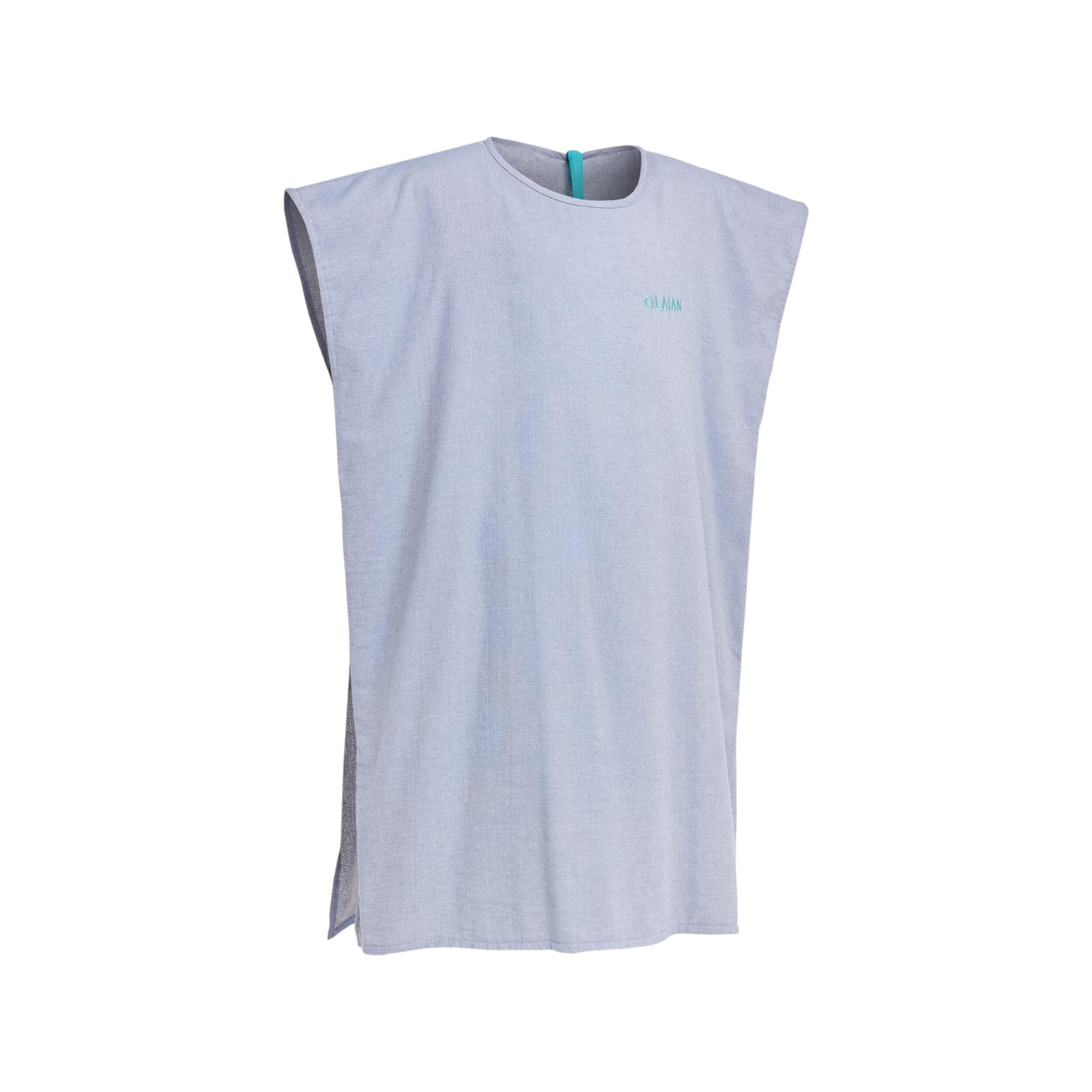
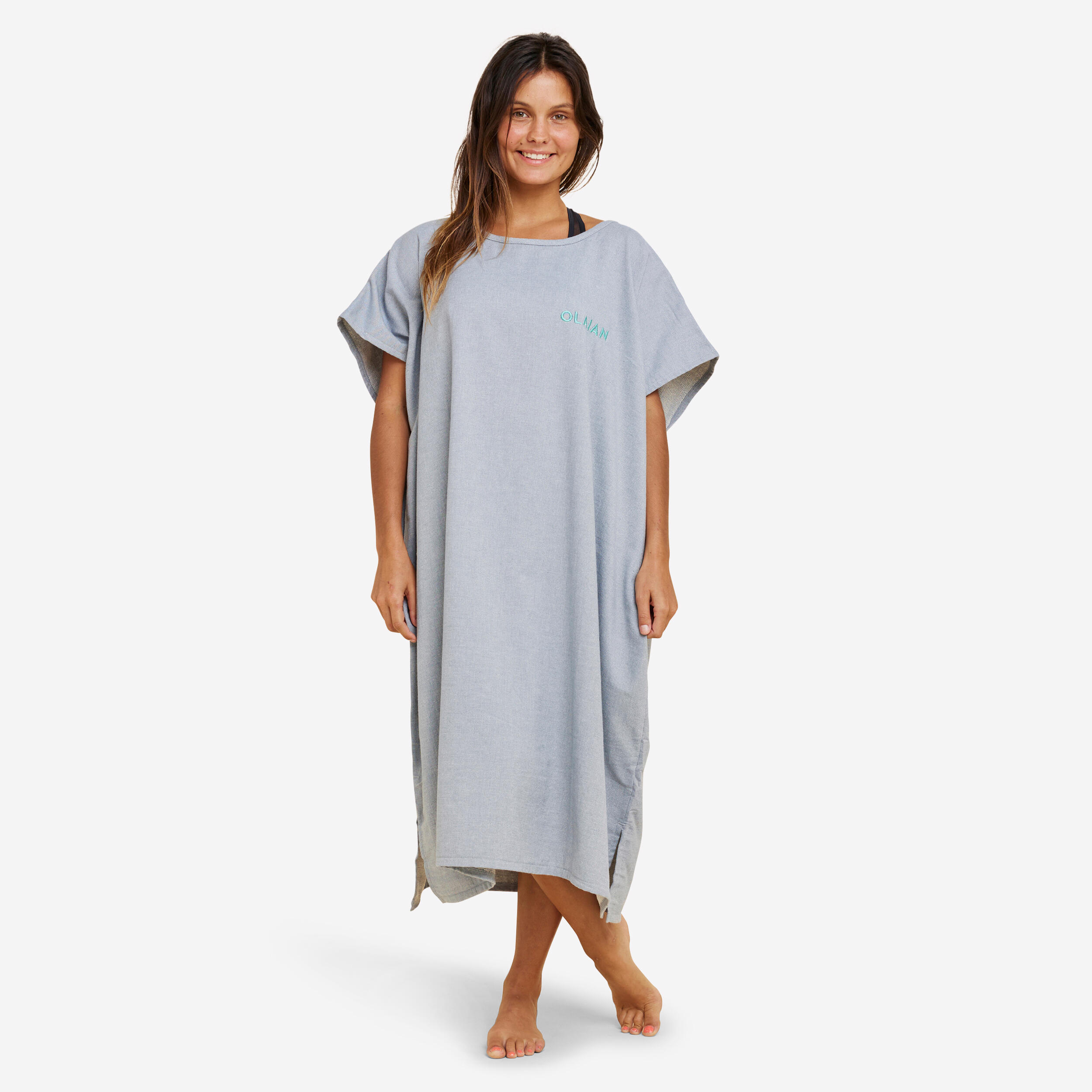
A changing poncho allows a swimmer to remove a wetsuit and change clothes in a public location without exposure, which is a practical necessity at most open water venues where dedicated changing facilities are limited or absent. Beyond privacy, a poncho also acts as a windbreak immediately after exiting the water, when evaporation from wet skin causes rapid heat loss even in mild air temperatures. Wetsuits are time-consuming to remove when cold fingers are involved, and a poncho provides a warm enclosure that makes the process significantly faster. Microfibre and fleece-lined options absorb surface water quickly and restore body temperature faster than a standard towel. Check out our range of open water ponchos for a better post-swim changing experience.
When do open water swimmers need neoprene gloves?

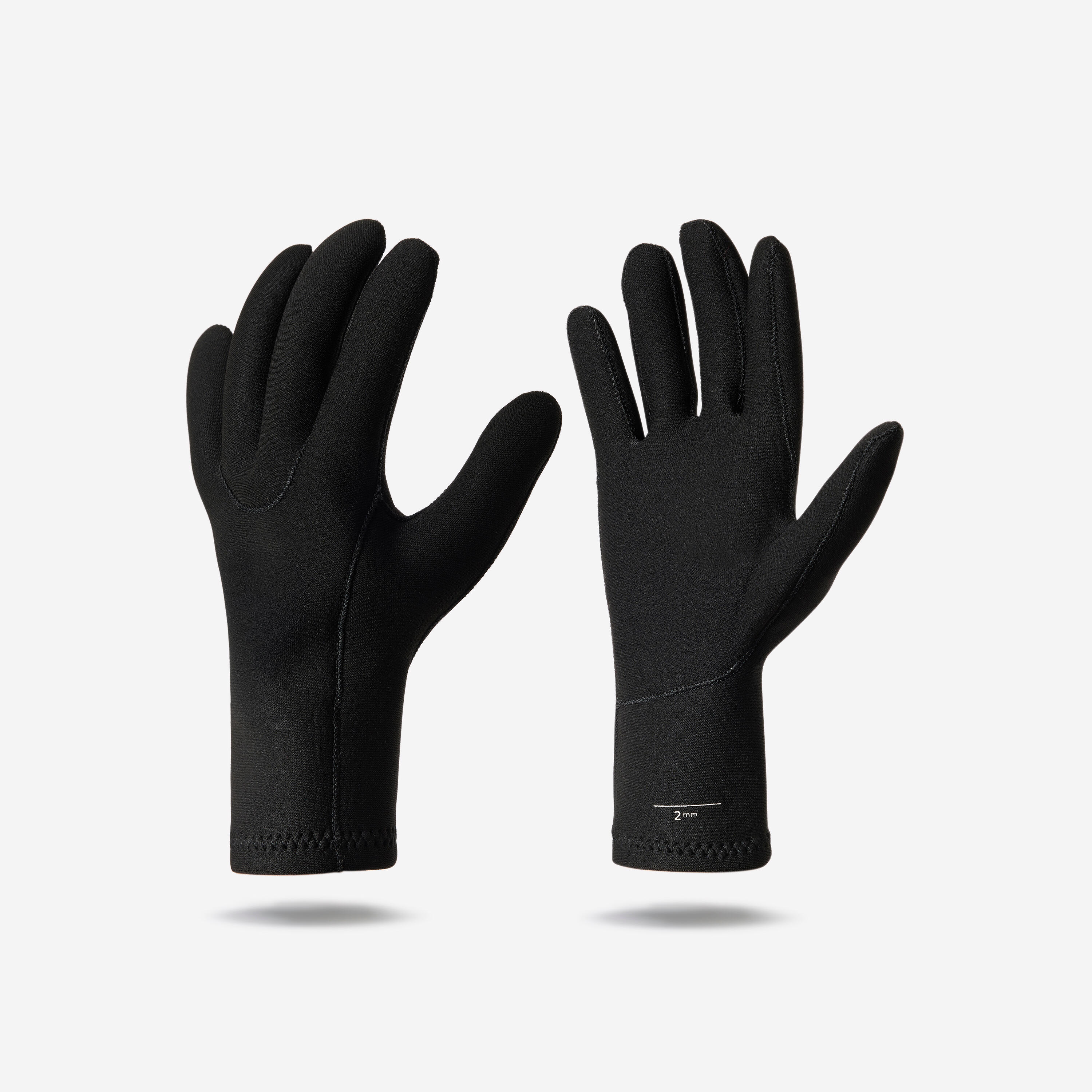
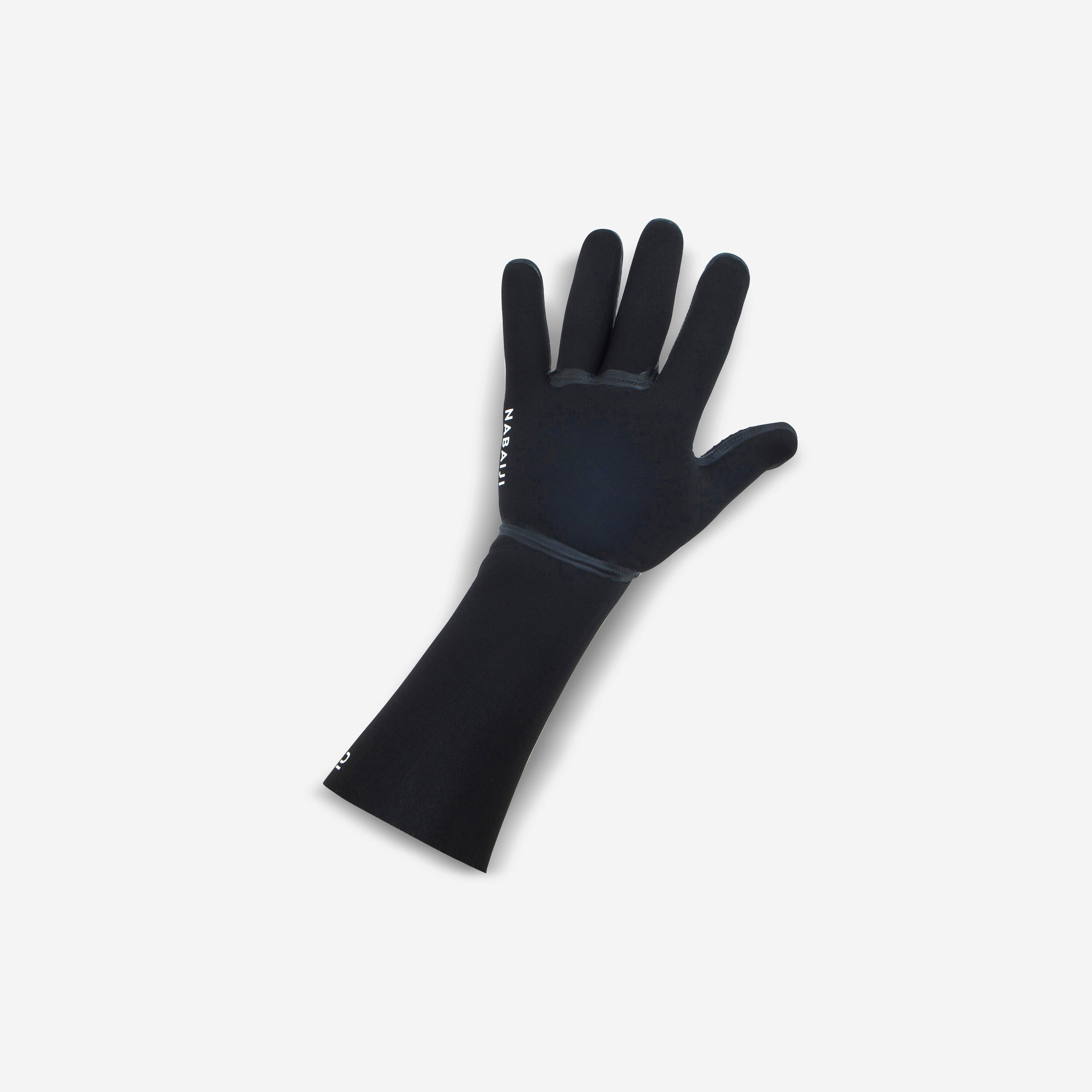
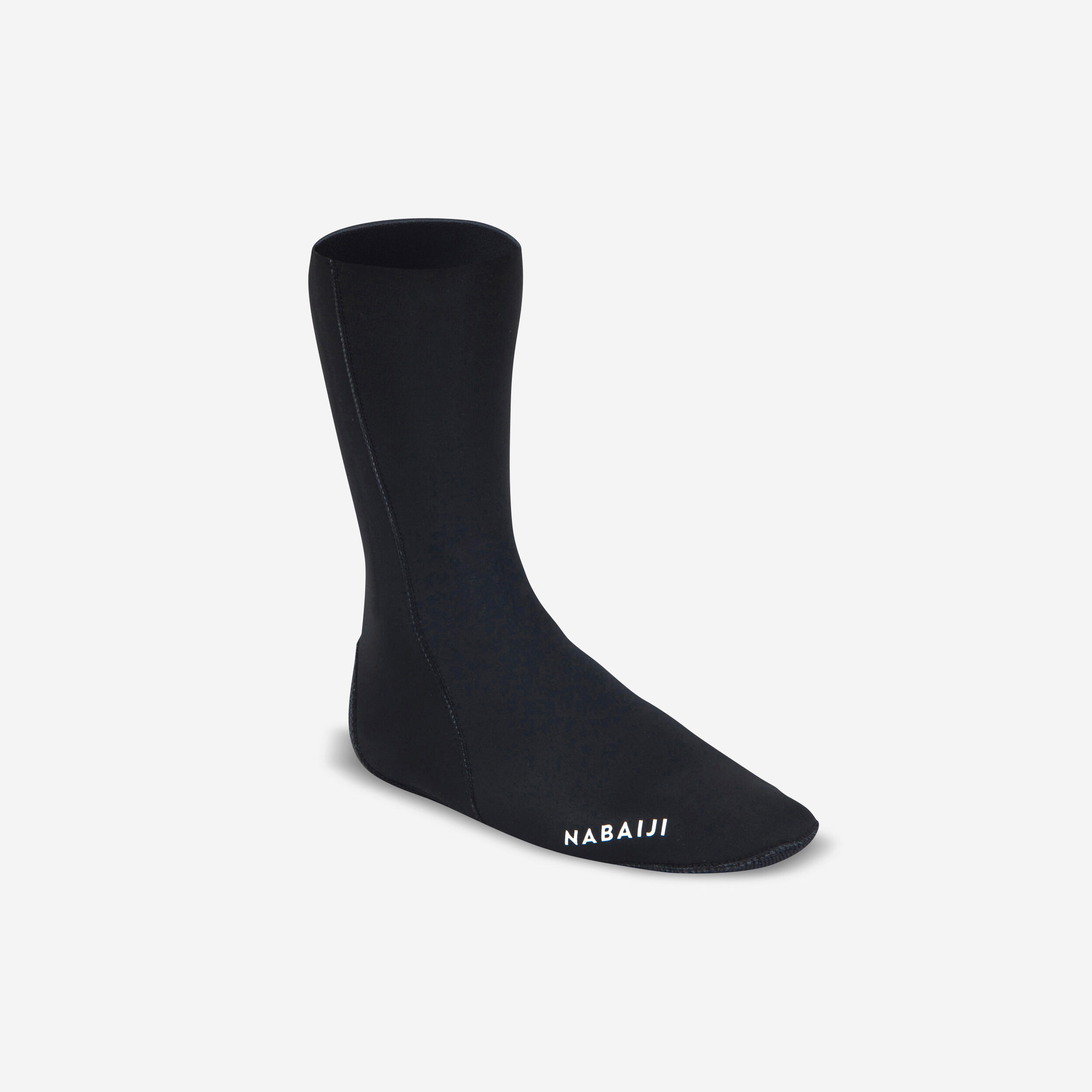
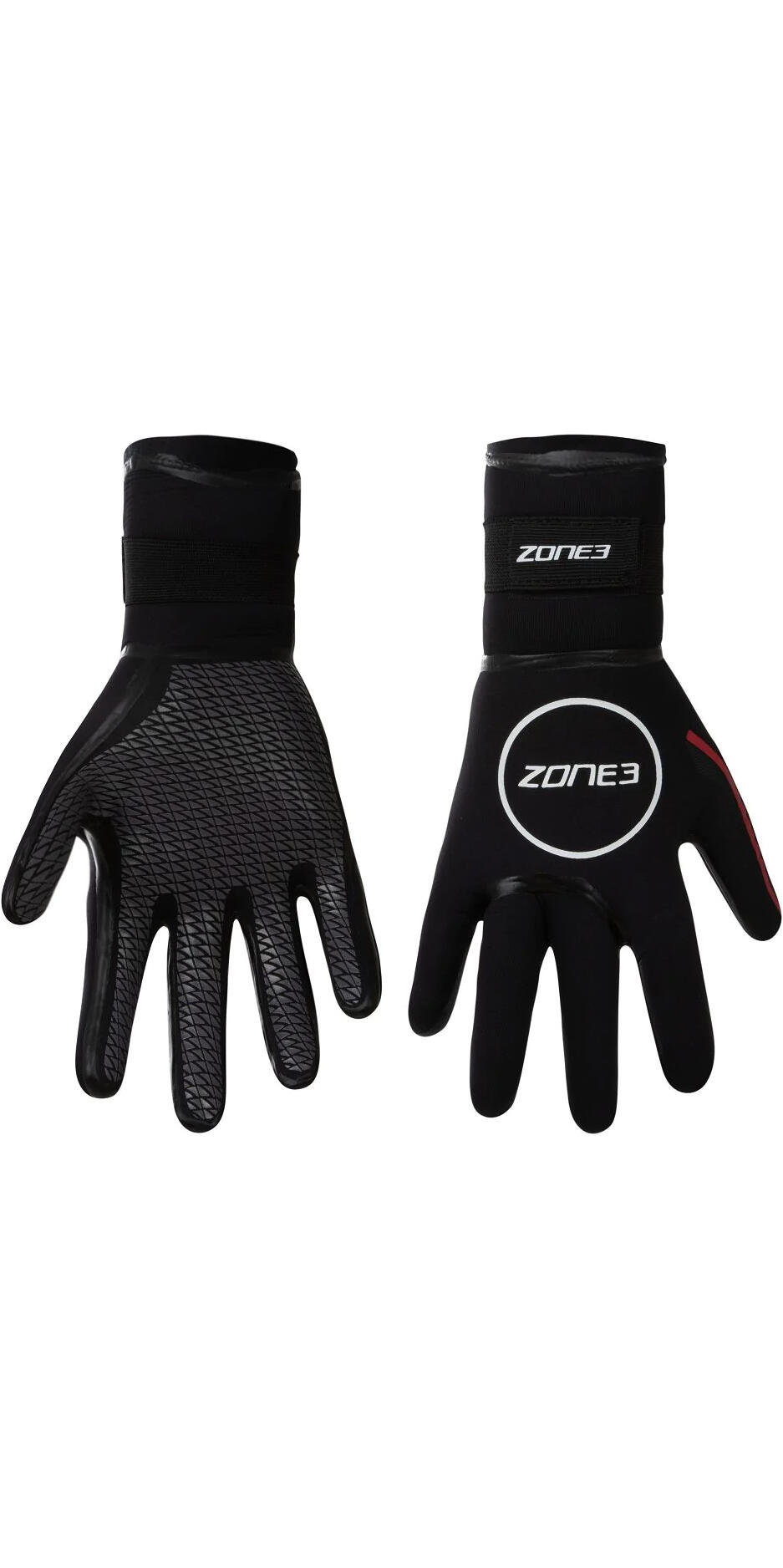
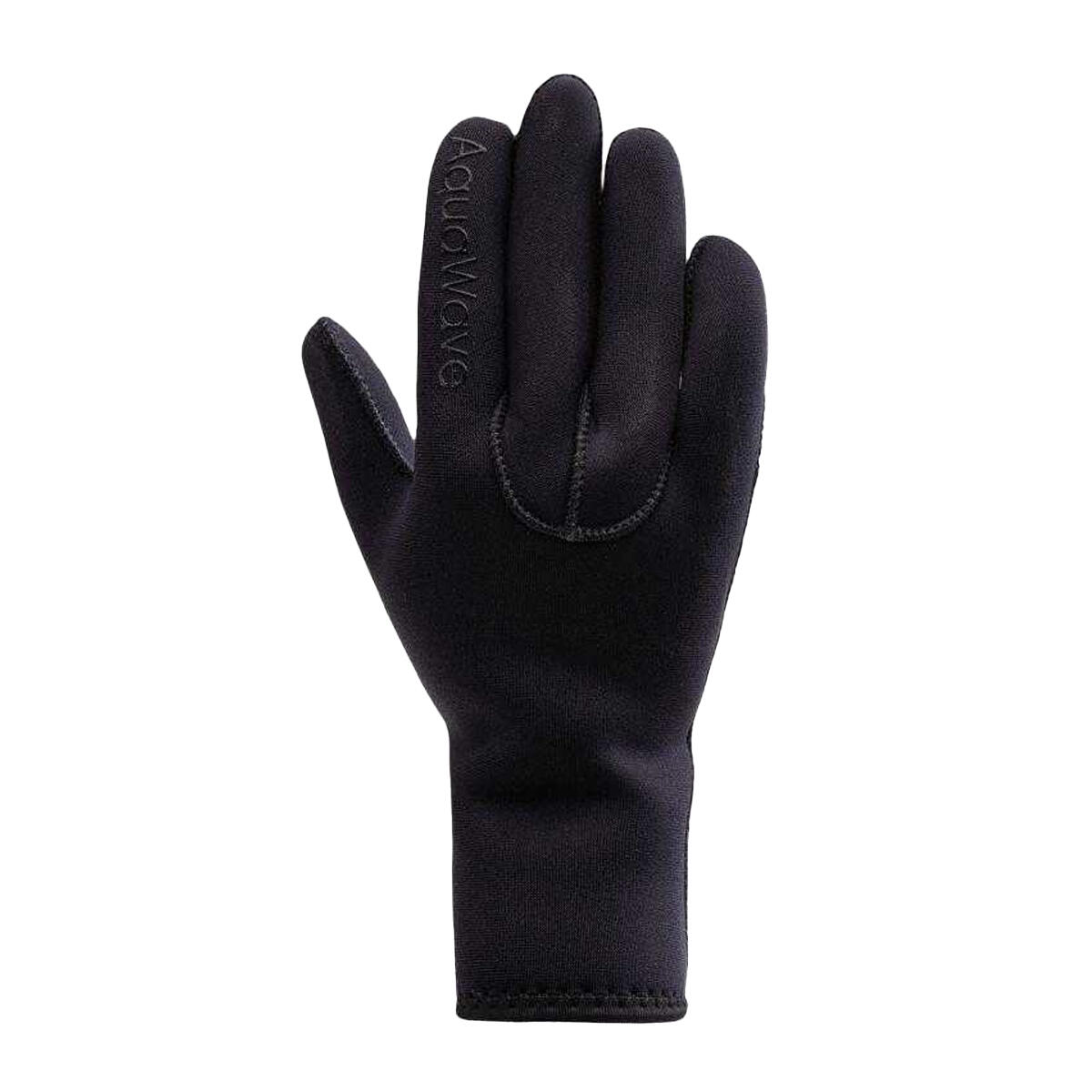
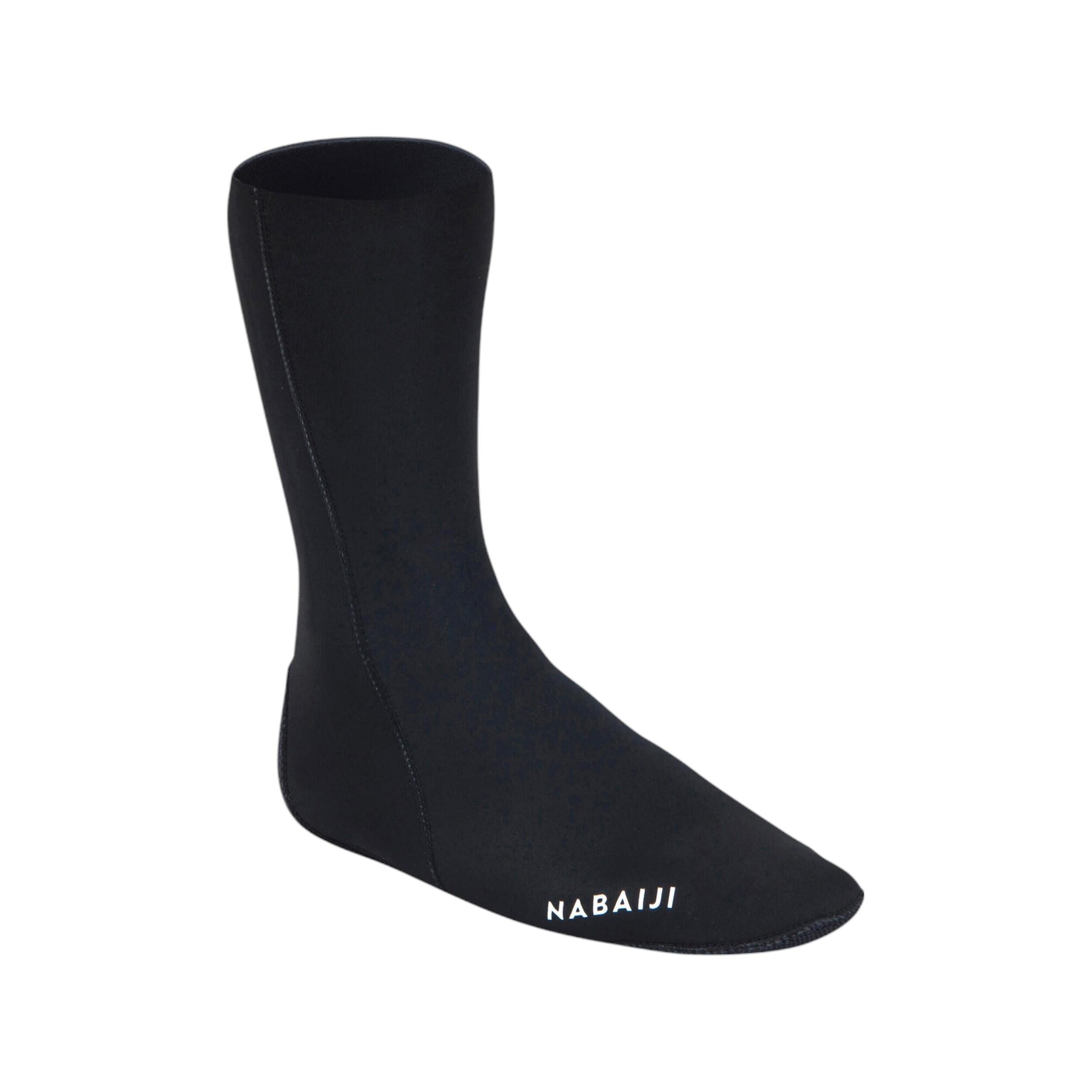
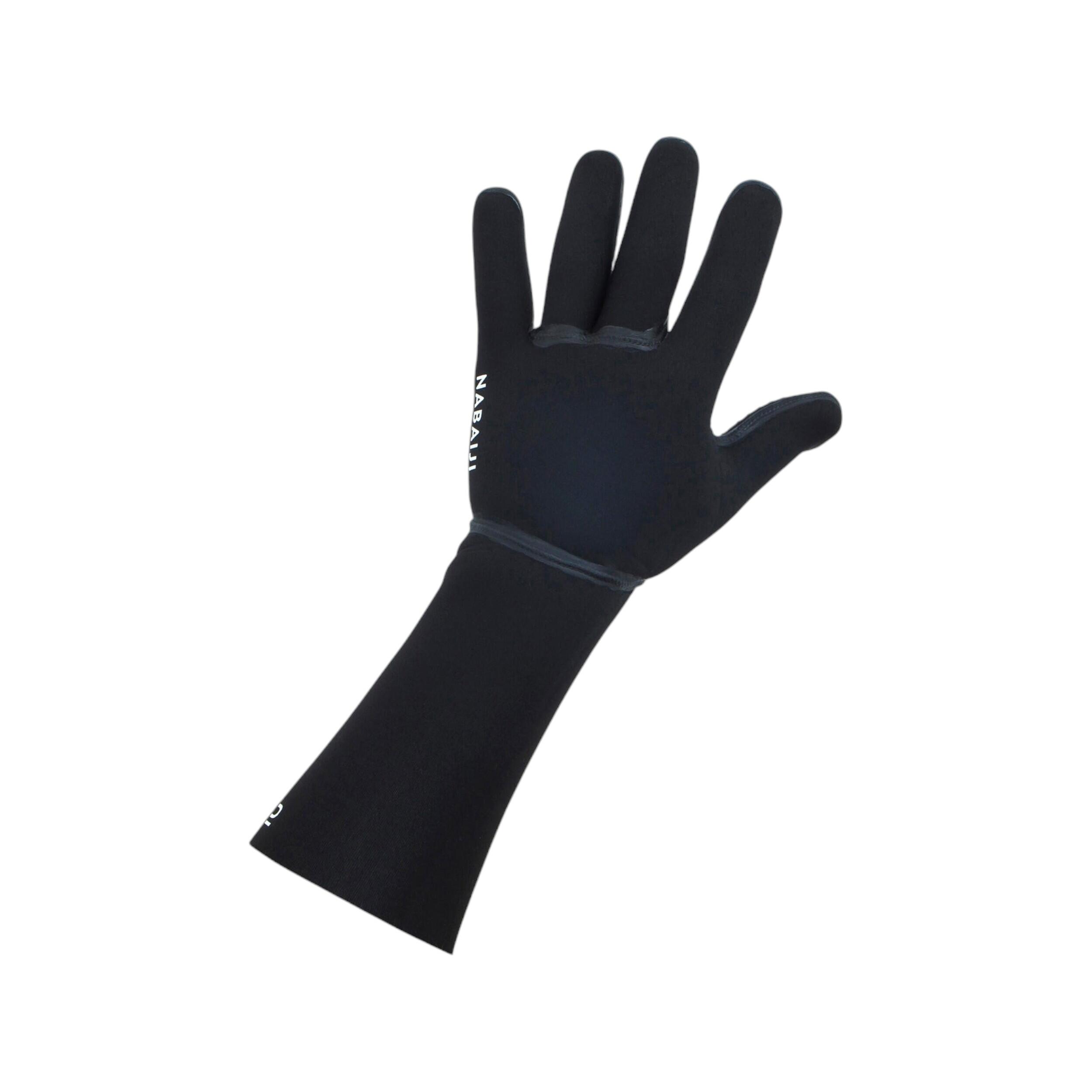
Neoprene gloves become necessary when water temperature drops to a point where hand numbness affects stroke technique, typically below twelve degrees. The hands lose dexterity faster than the core because blood is redirected away from the extremities to protect vital organs in cold water, and numb hands cannot maintain a cupped position for an effective pull phase. A 2-millimetre glove provides enough insulation for most cold-water conditions while keeping enough tactile feel to maintain stroke control. For swimmers who also experience cold feet during longer sessions, pairing gloves with neoprene socks covers both extremities without significantly increasing resistance. Cold water sessions feel far more comfortable with open water swimming gloves built to keep your hands warmer during longer swims.
What is an open water swim buoy, and when should I use one?

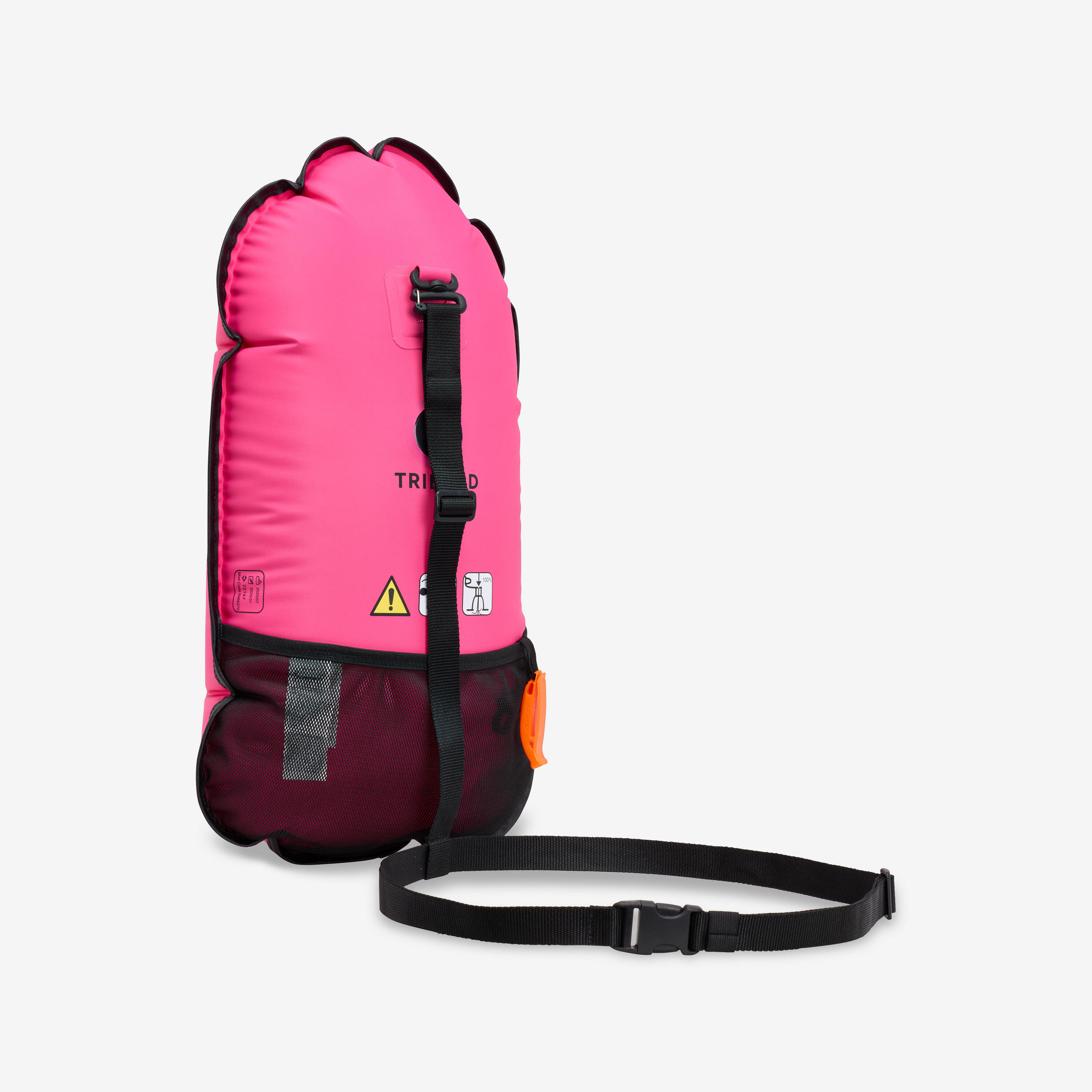
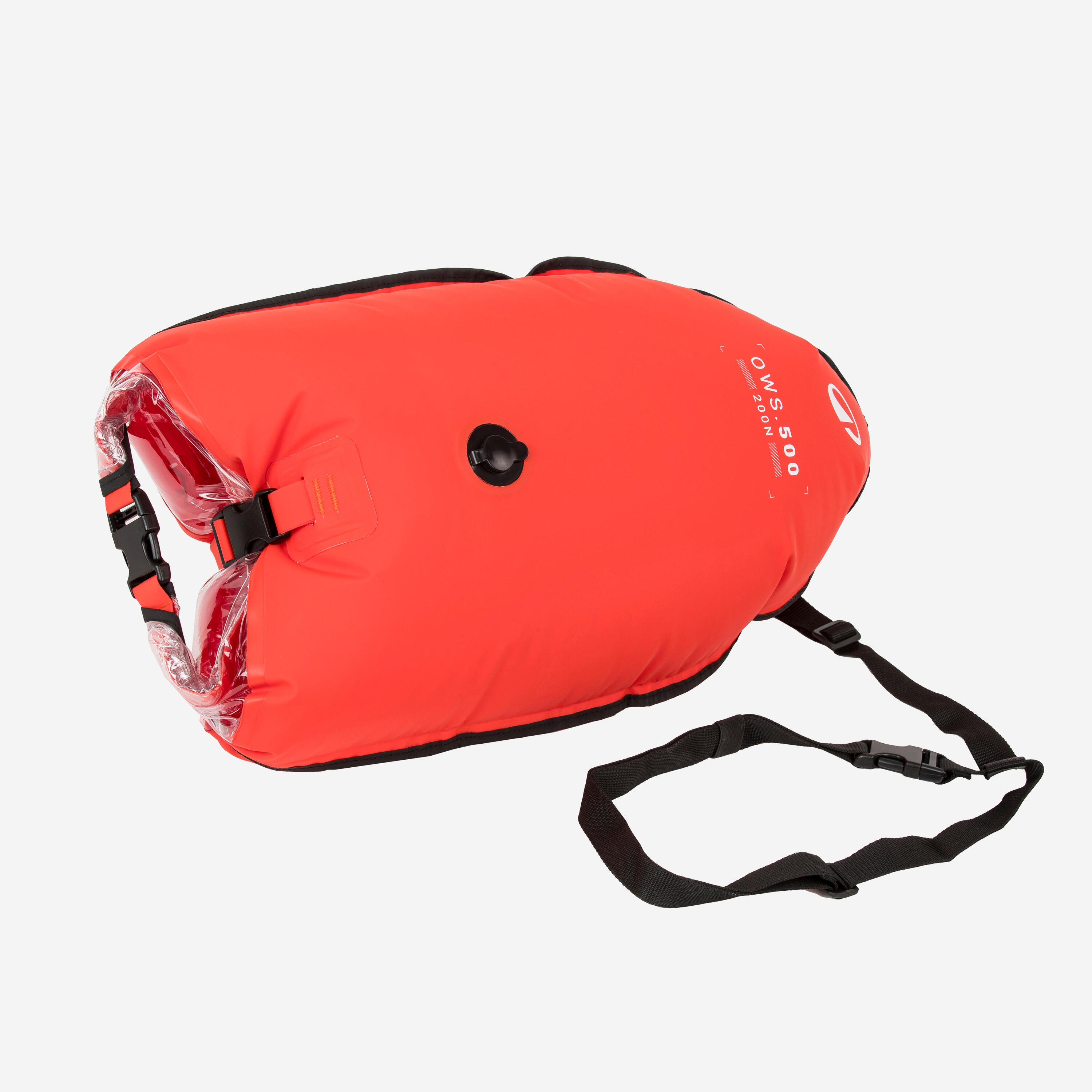
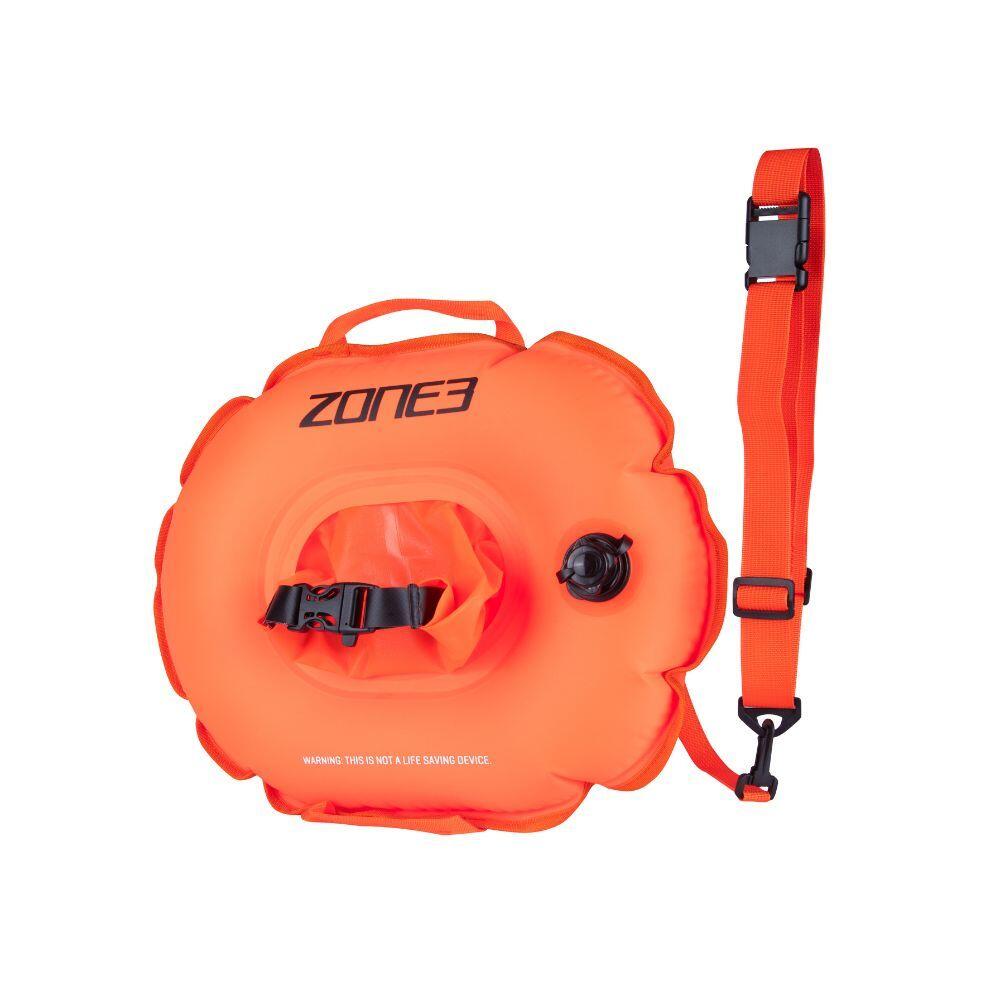
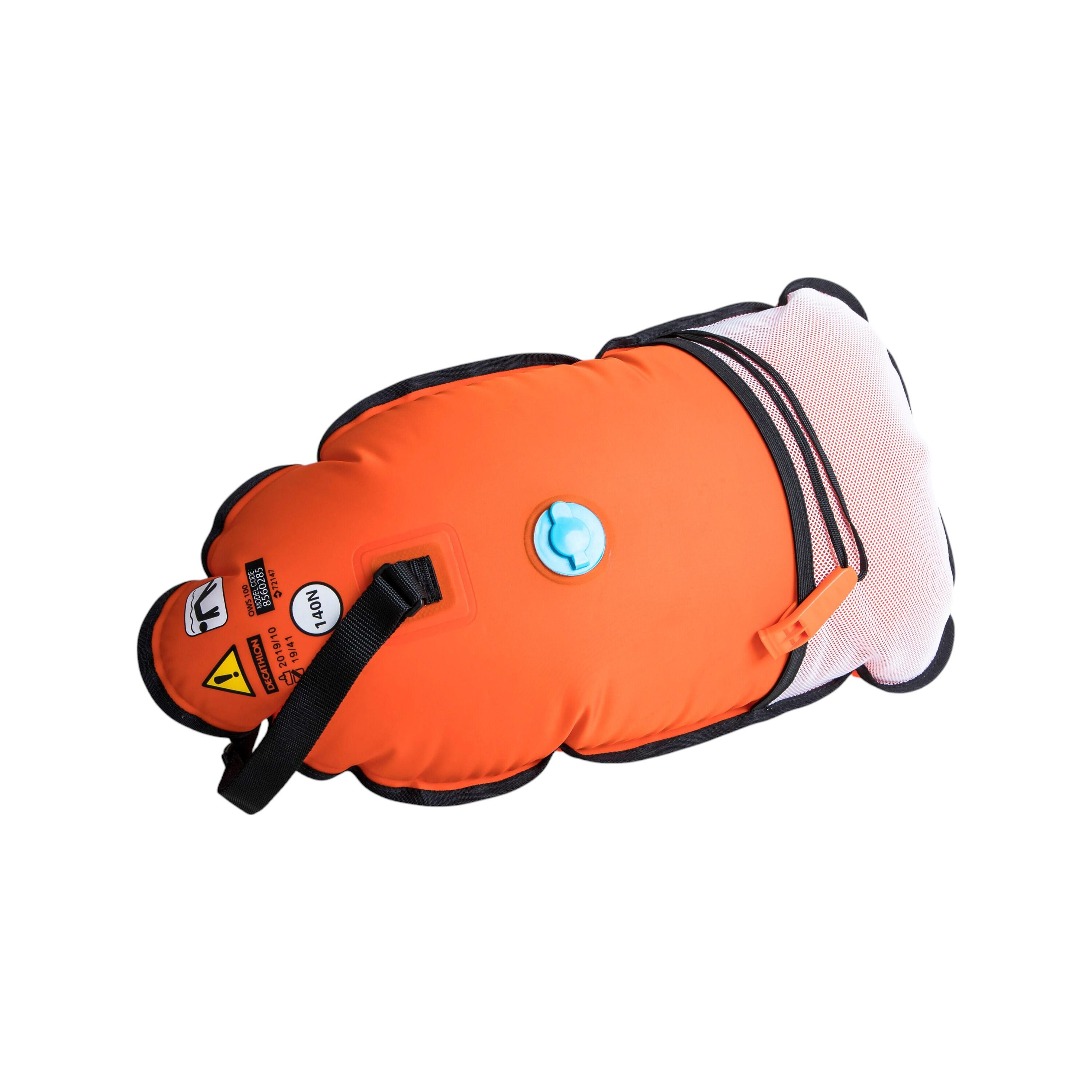
An open water swim buoy is an inflatable tow float that attaches to a swimmer's waist via a leash and trails behind during the swim. Its primary function is visibility; the brightly coloured float makes the swimmer visible to watercraft, other swimmers, and safety personnel on shore, which is a safety requirement at many organised open water events. A secondary use is as an emergency float. If a swimmer becomes fatigued or distressed, the buoy can be gripped or leaned on to provide temporary support while waiting for assistance. Most buoys also include a waterproof pocket large enough to store a key, phone, or small nutrition item. Bright tow floats and race-ready storage options from our open water buoys range help keep training sessions safer and easier to spot.

How does swim cap choice affect performance and safety in open water?

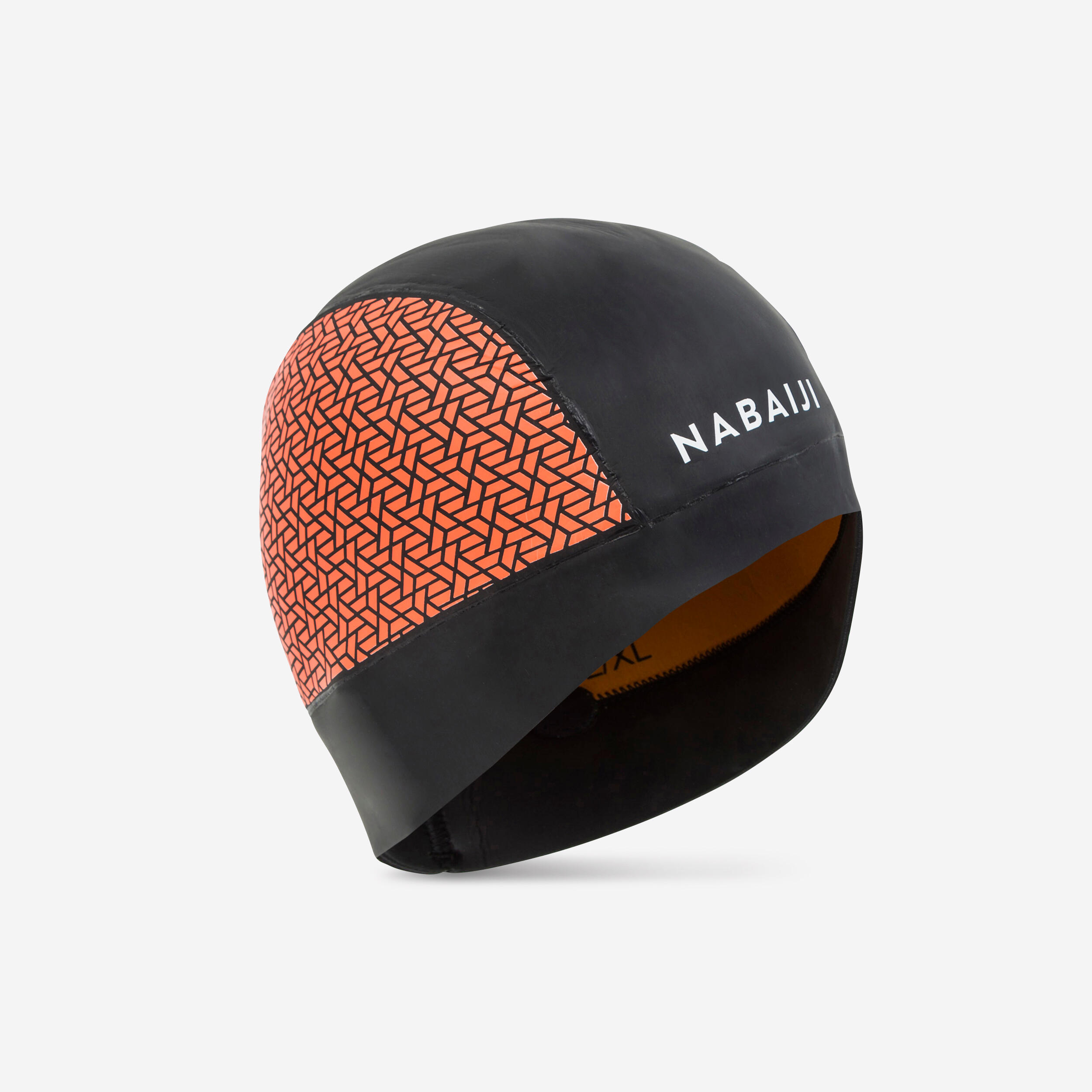
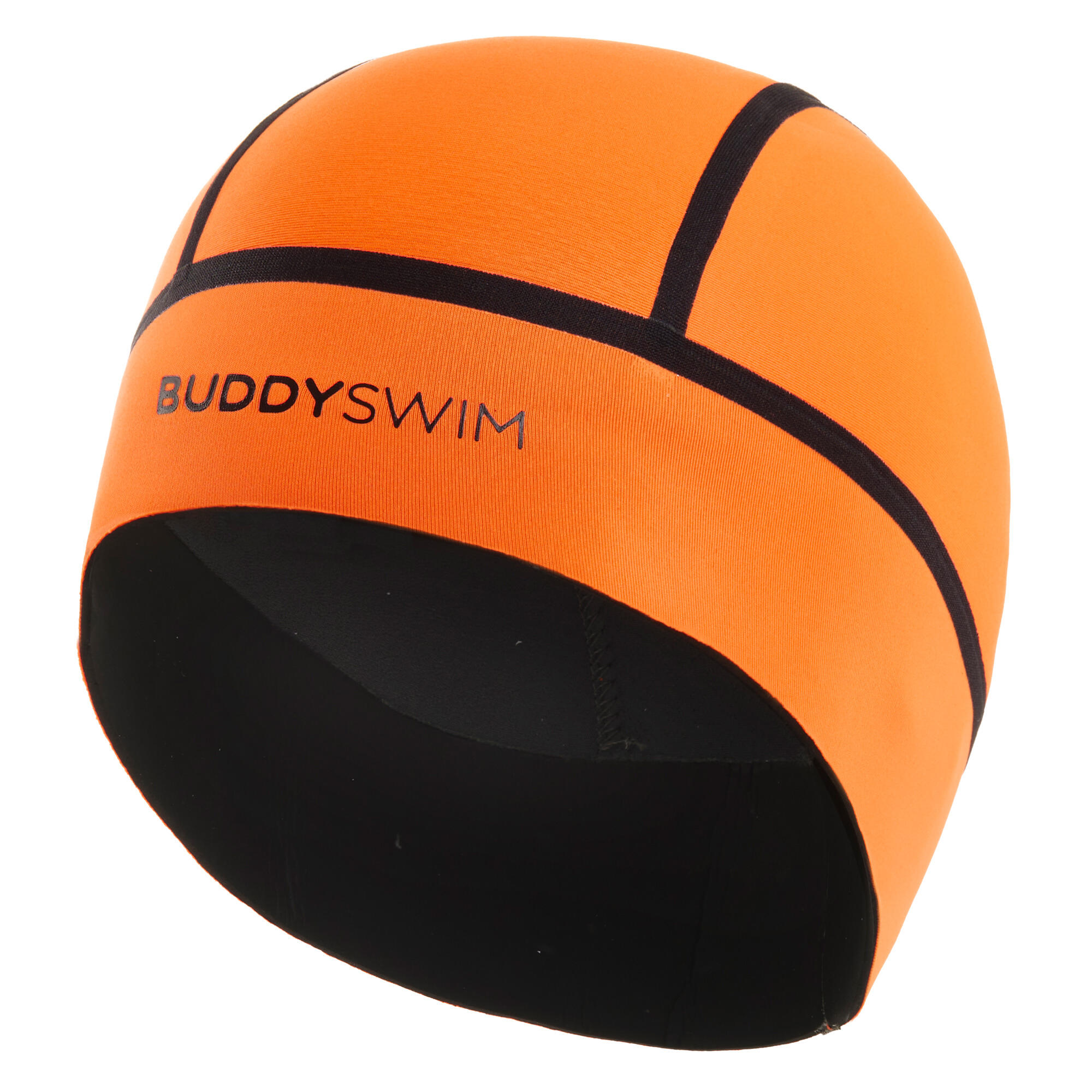
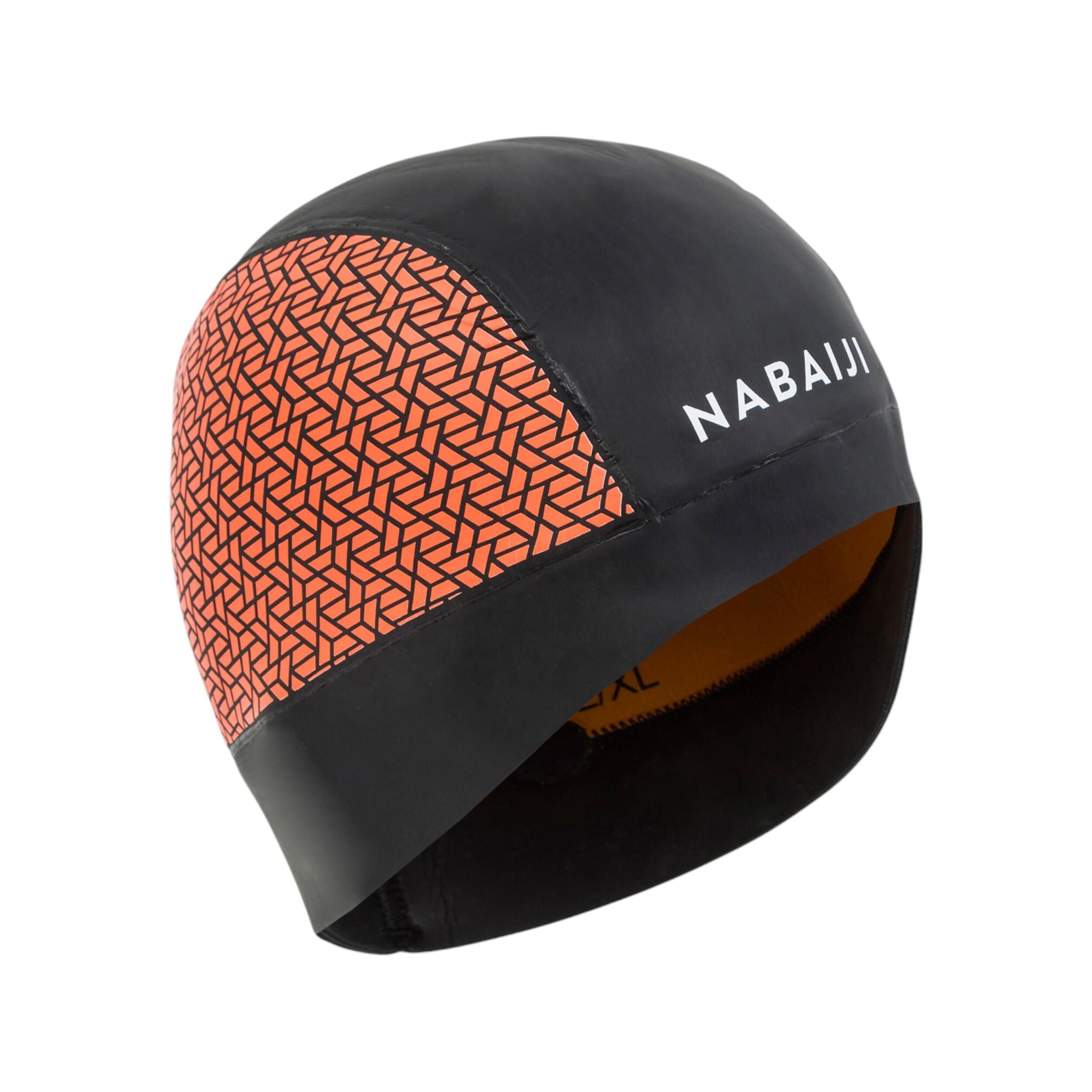
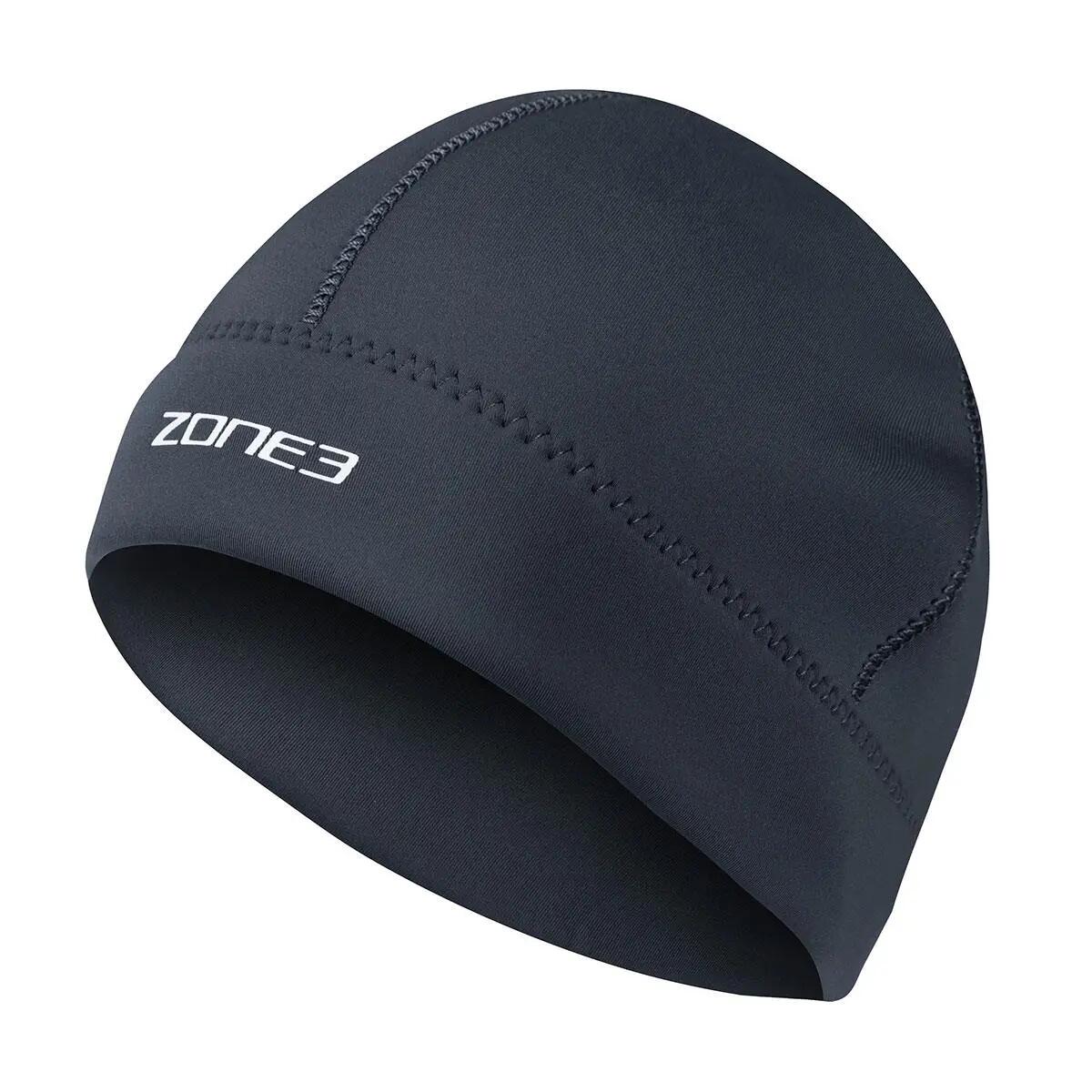
In open water, a swim cap serves three functions that go beyond its pool use: thermal protection, visibility, and hydrodynamics. A silicone or neoprene cap reduces heat loss from the head, which is significant given that the head accounts for a disproportionate share of overall body heat loss during cold-water immersion. Brightly coloured caps improve a swimmer's visibility from the shore and from safety boats, which is why many open water events specify a cap colour for participant identification. Neoprene caps provide more thermal protection than silicone but add more drag, making them the better choice for colder conditions where warmth outweighs speed. Explore our range of open water swimming caps designed for colder conditions and organised events.