What is a camber?
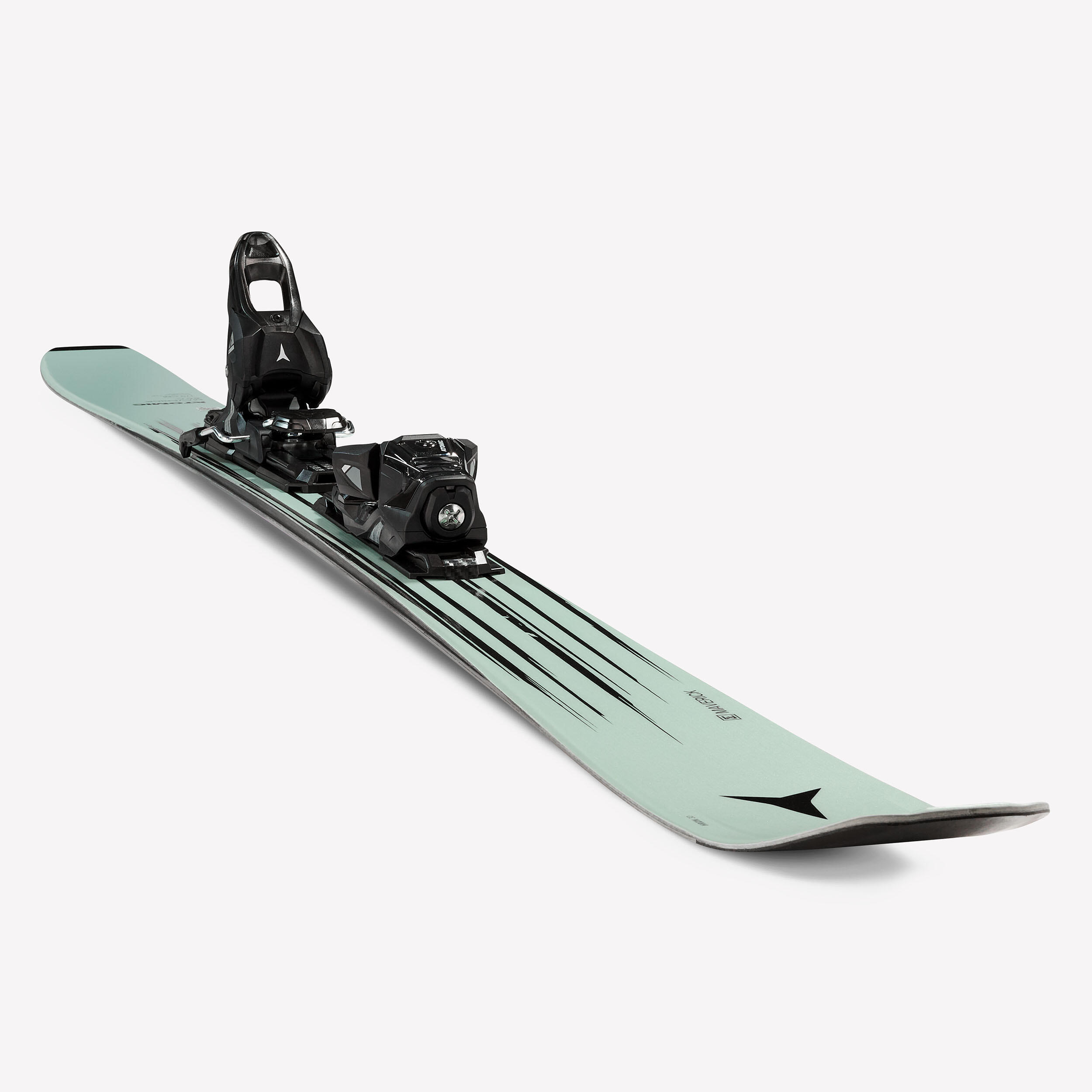
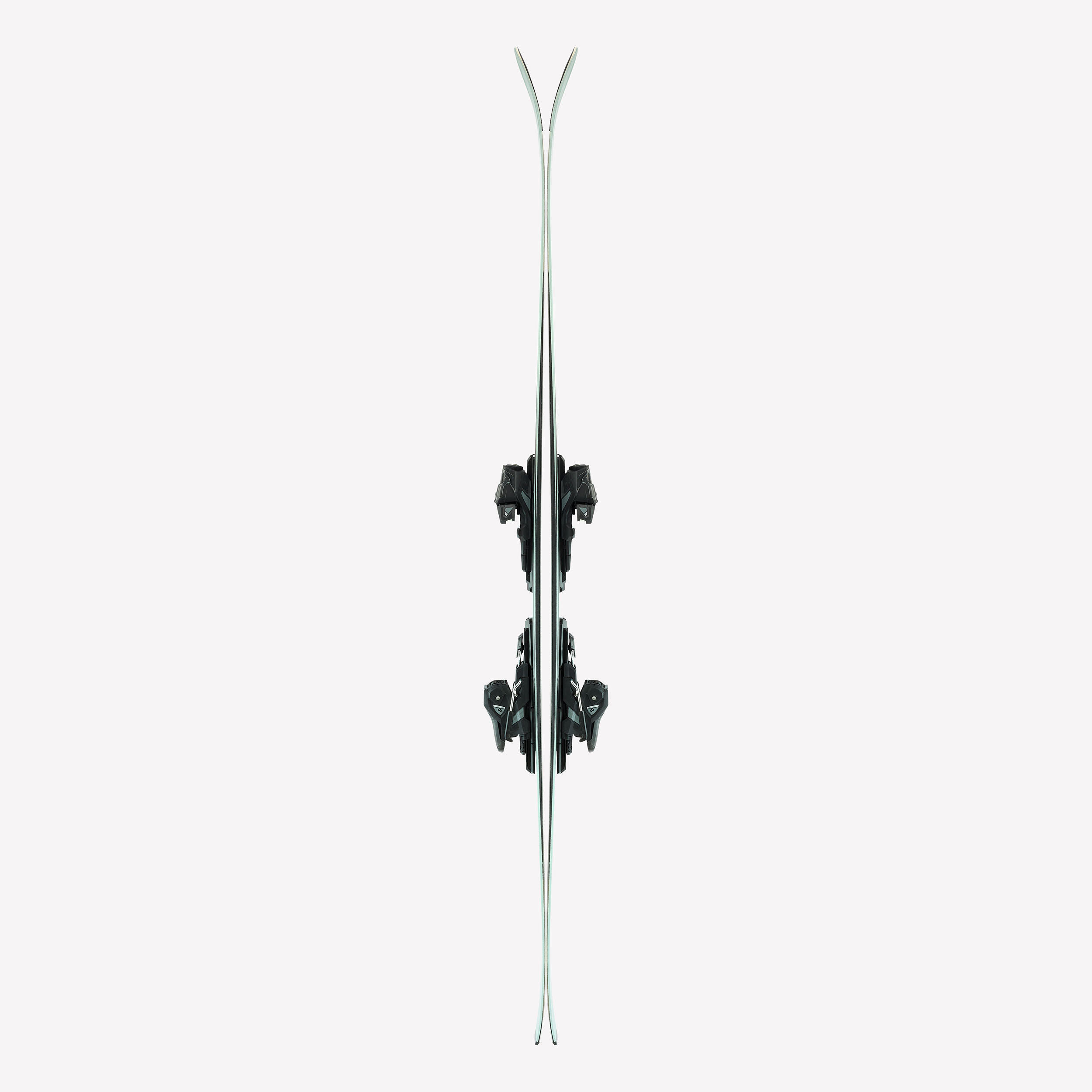
On the ground, the points of contact between the ski and the snow are near the tip and tail, while the centre (under the bindings) rises slightly (this is the camber). The longer and higher the camber, the greater the edge grip and more responsive the ski. The lower the camber, the more forgiving the skis and the better the handling.
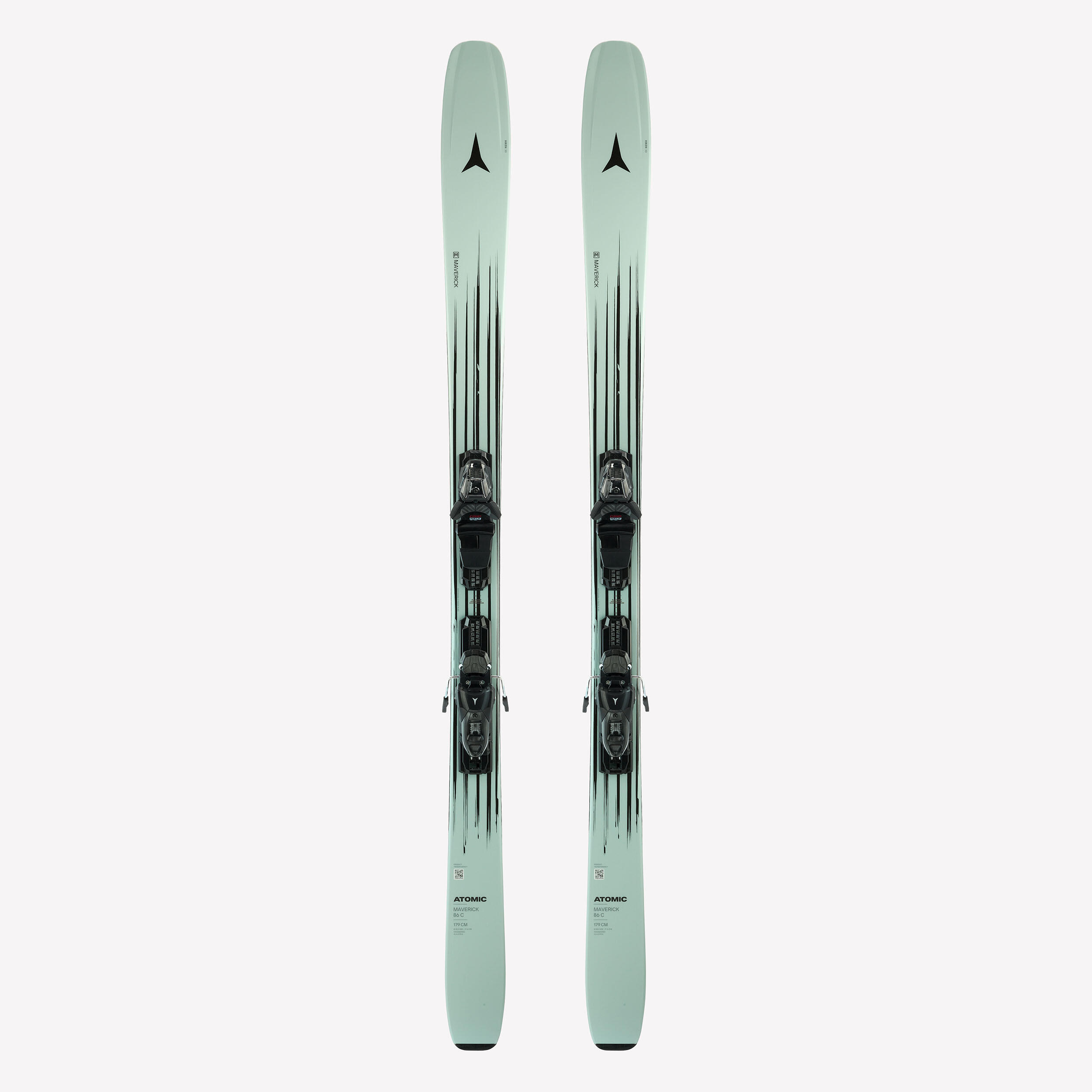
An all-mountain ski designed by and for all-mountain skiers.
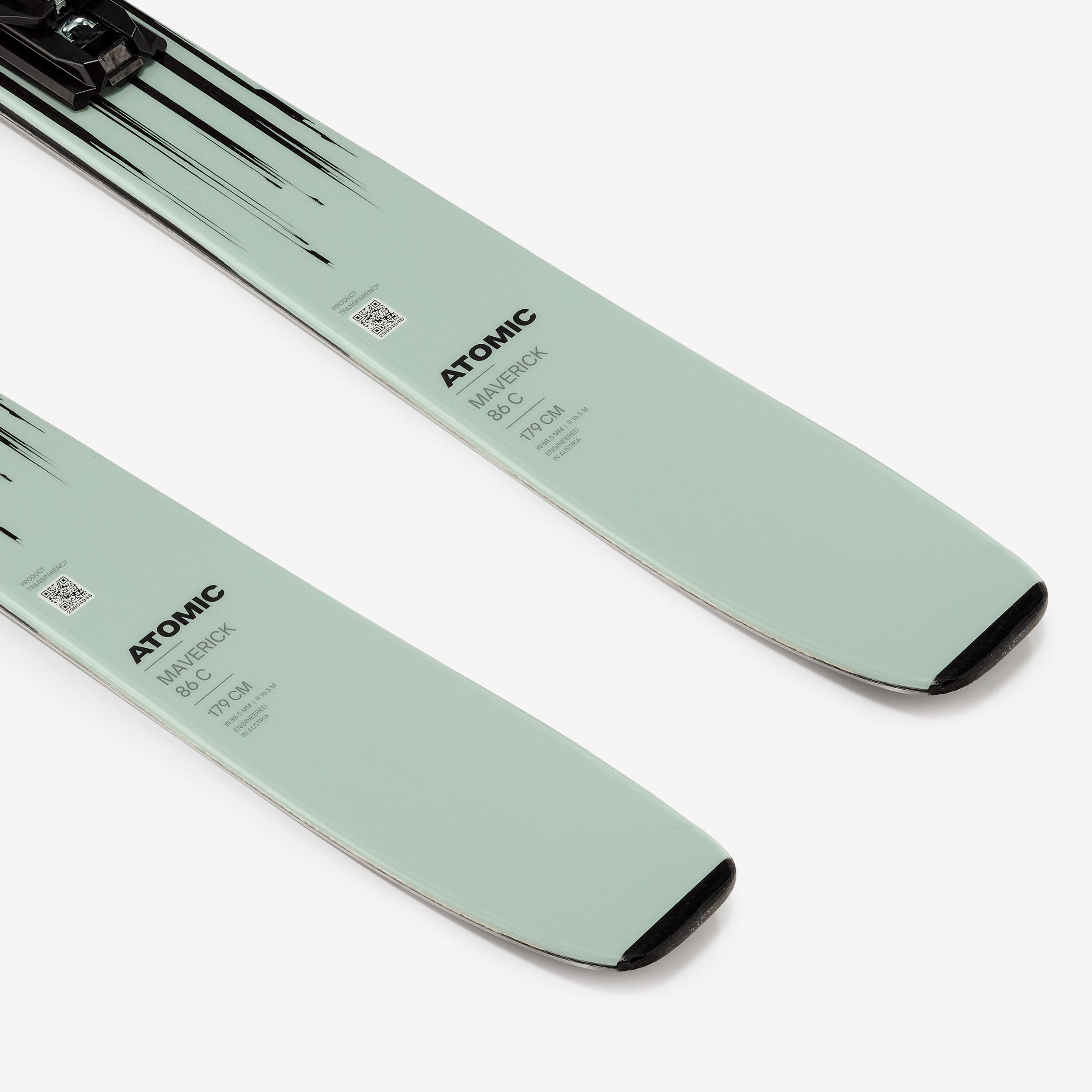
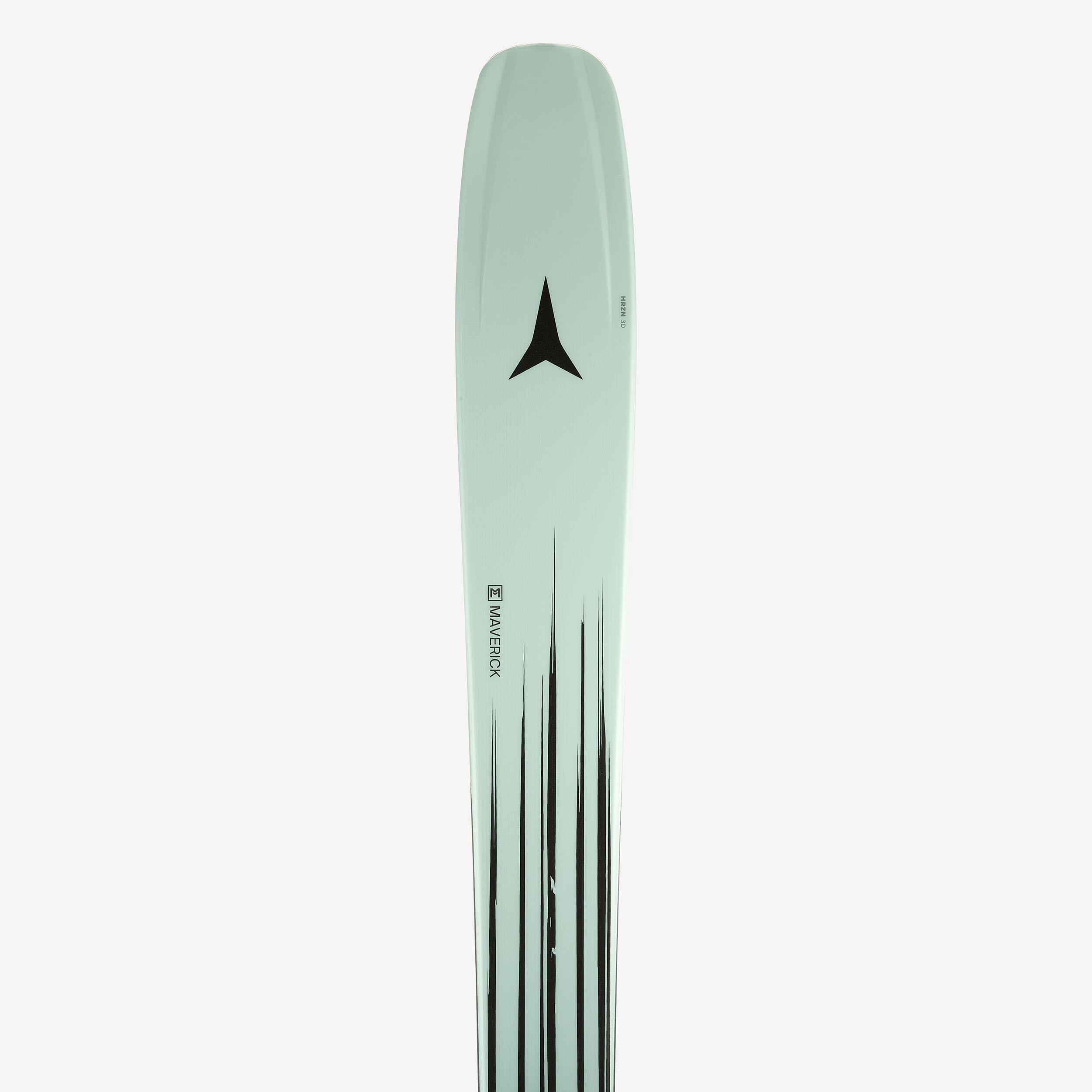
This ski delivers performance and smoothness all the way through, thanks to its construction using the finest materials: precision-milled poplar wood, light layers of fibreglass and carbon inserts. Its LOW PROFILE form allows the ski to float in fresh snow and to have maximum grip on compact snow: the perfect balance to ski everywhere effortlessly.
Caring for your skis: before, during and at the end of the season?
Maintenance is essential to keep your skis in good condition! Ideally, it should be done before you put them away in the garage at the end of the season: a good coat of wax before putting them away for the summer makes them last longer. Find out more about our advice on our website or from our in-store teams.
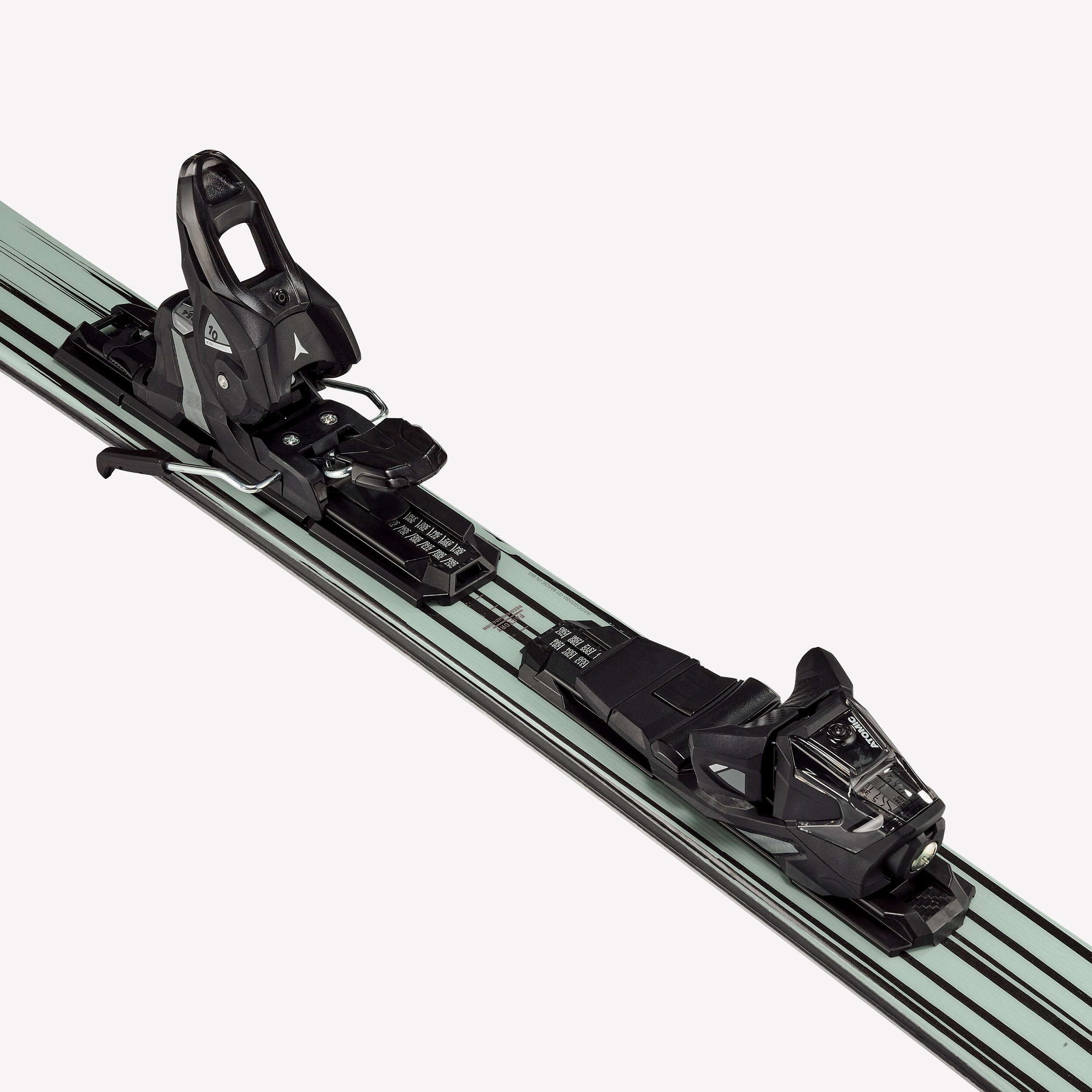
BINDINGS
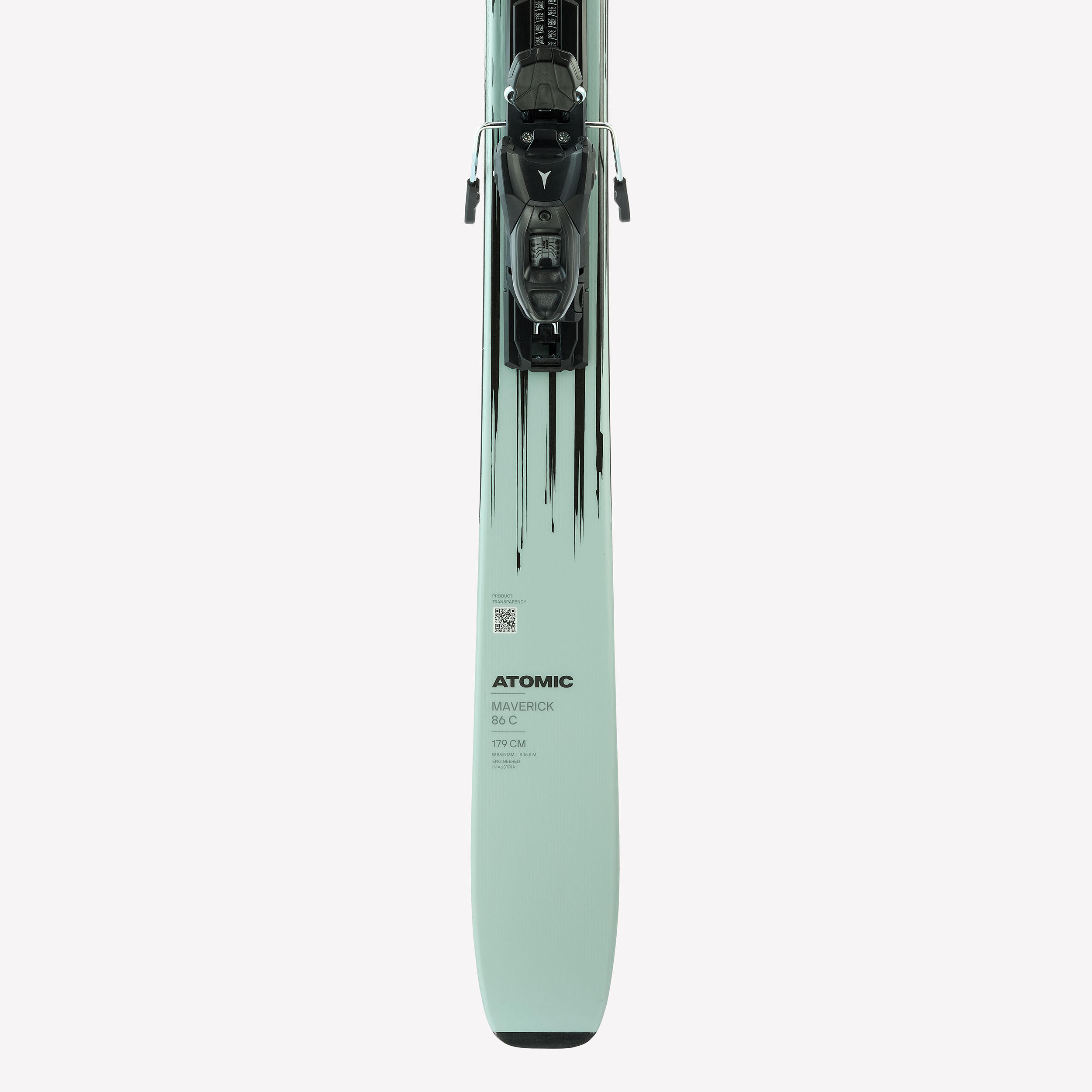
ATOMIC brand binding model M10 GW
Compatible Grip Walk
DIN 3.5 to 10.
Fits ski boots with a sole length between 257mm and 380mm.
What is a rocker?
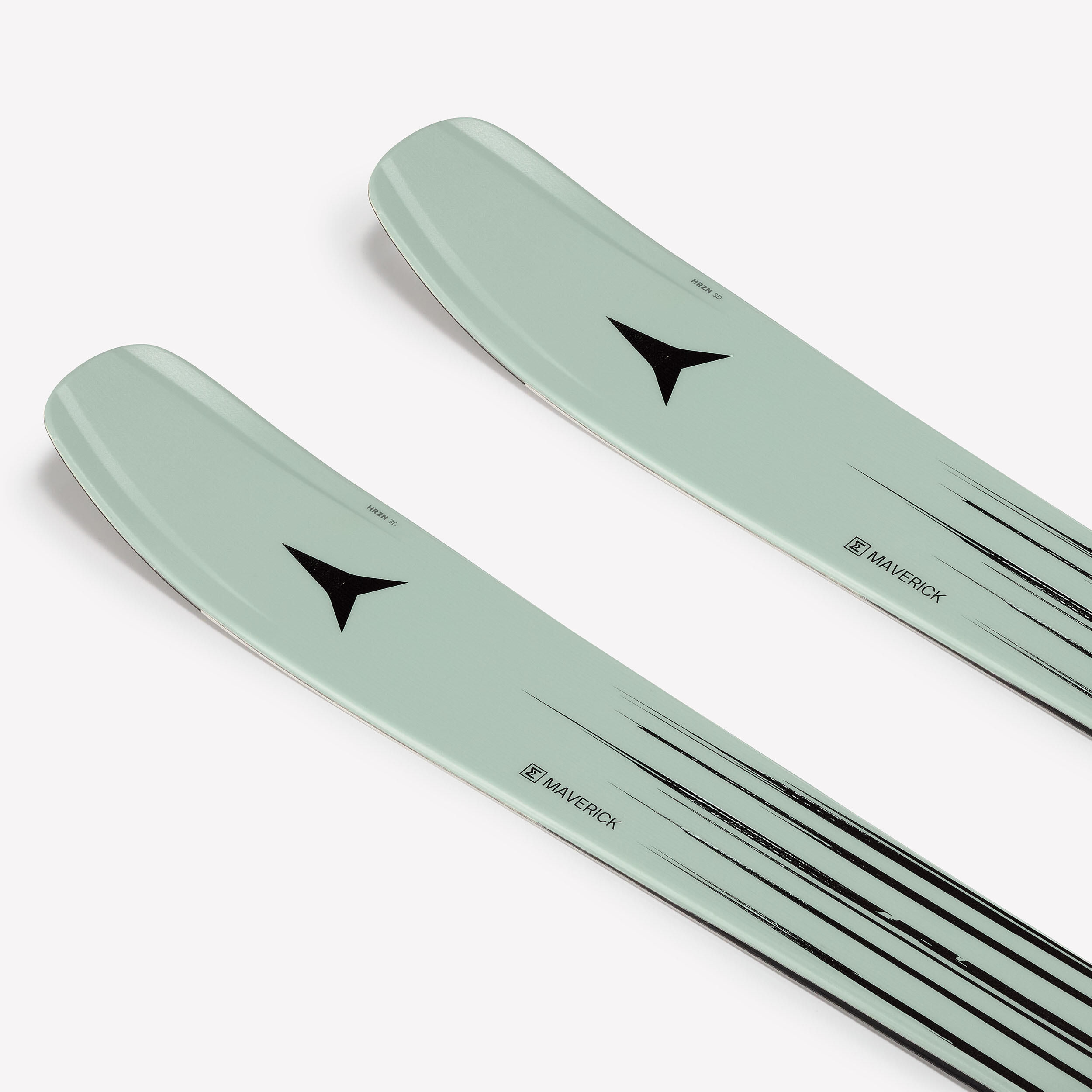
It is the tip and tail that lift off the ground. By recentering the points of contact between the skis and the ground, this shortens the amount of time that the skis touch the snow and improves handling / lift in soft snow. The longer the rocker, the better the handling of the ski.
Durability
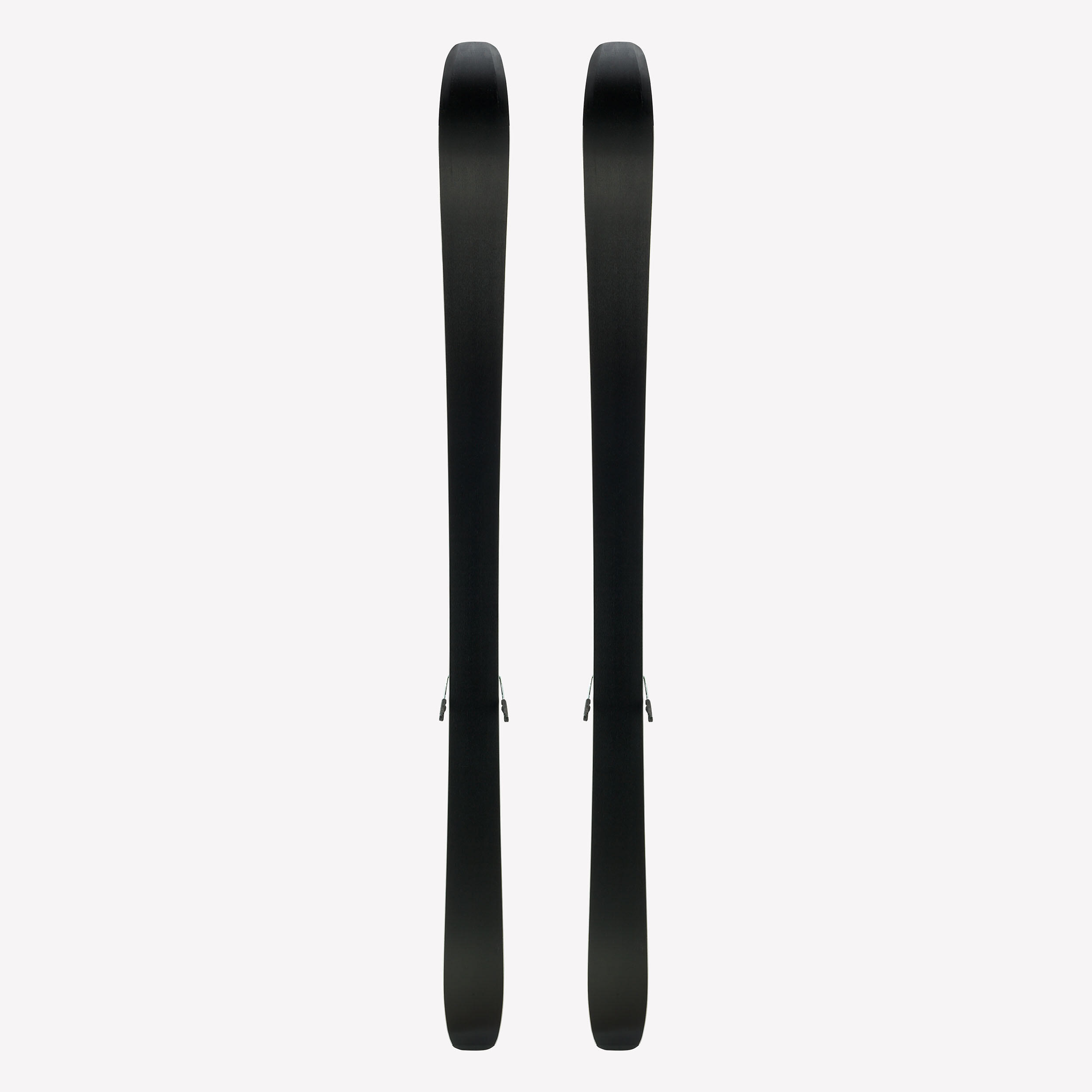
ABS heel reinforcement.
Structure
The construction (poplar wood, fibreglass and carbon) provides good torsional rigidity for good edge grip and real stability at high speeds.
Low profile, Dura cap semi-cap, lightweight Omatic wood core, carbon, classic camber and double rocker.
HorizonTec spoon-shaped tips for lightness and flotation in powder snow. Multi-size binding with tool-free adjustment.
Sidecuts
125/88/110 mm in 172 cm, radius: 18.2m.
These are the widths of the tip (front of the ski), the waist (middle) and the tail (back). A wide nose makes it easy to initiate turns and float in powder snow, whilst a narrow waist provides traction on hard snow.