45 items
4.4/5 based on 762 reviews collected online and in stores

Fly Fishing FAQs

What makes a balanced setup useful when learning fly fishing?

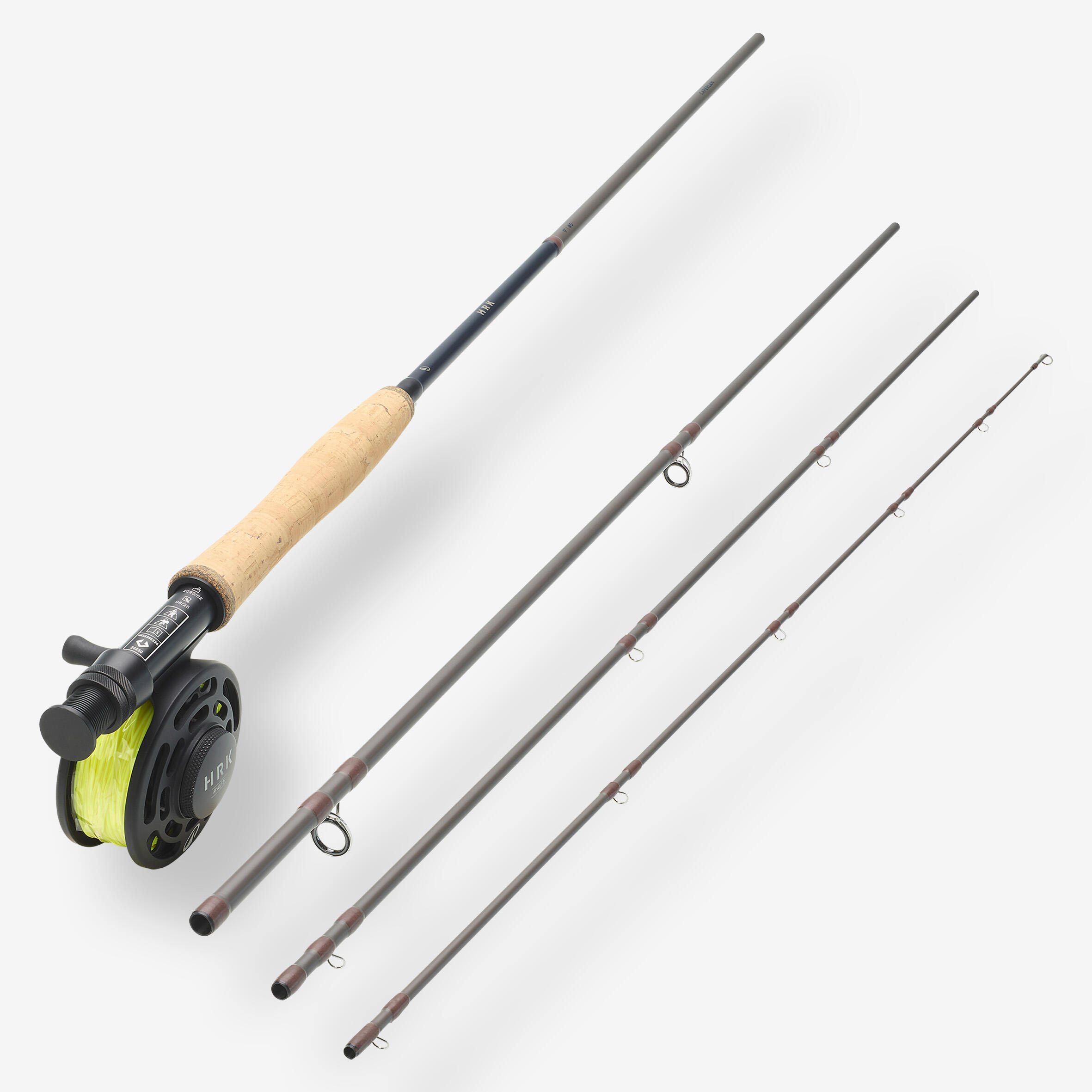
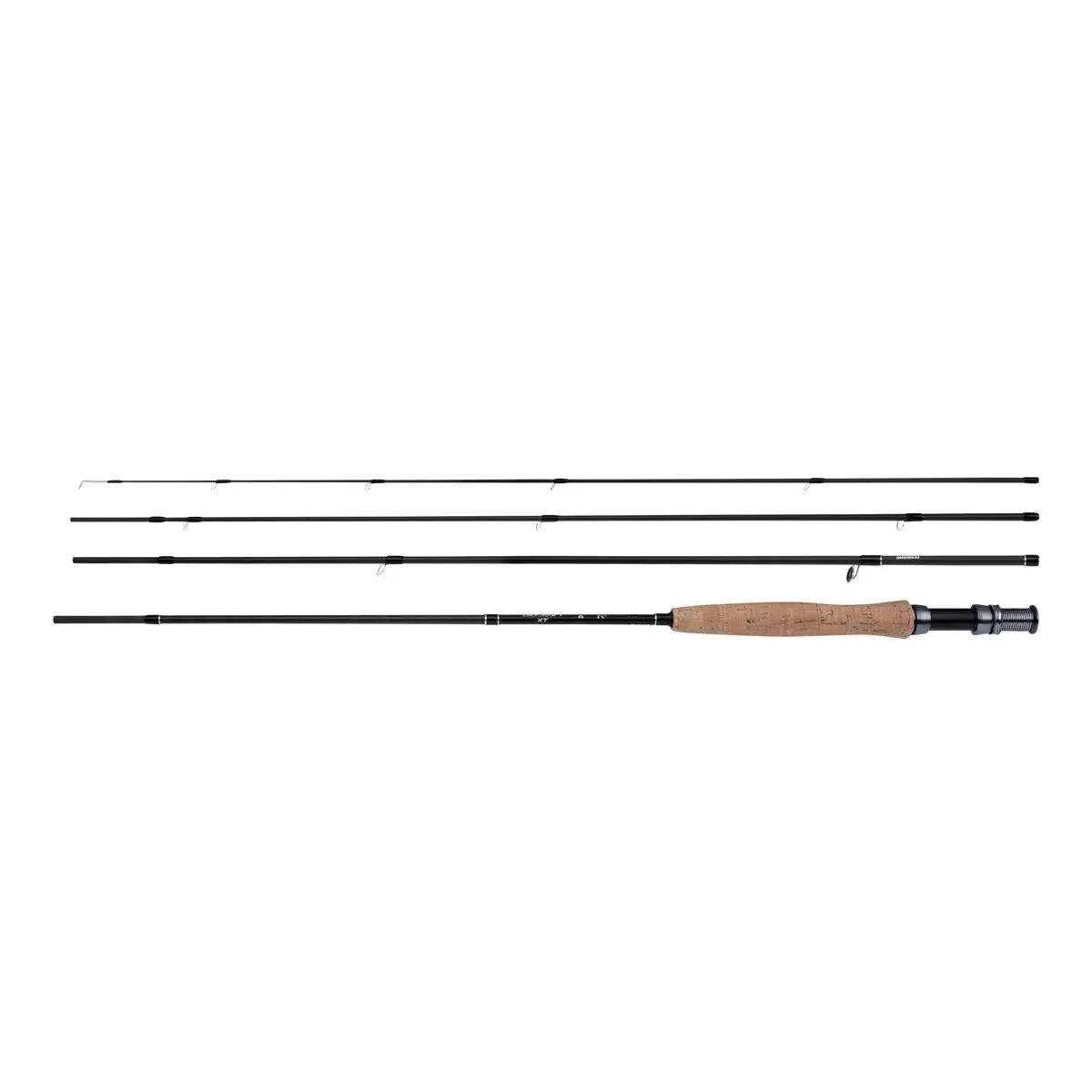
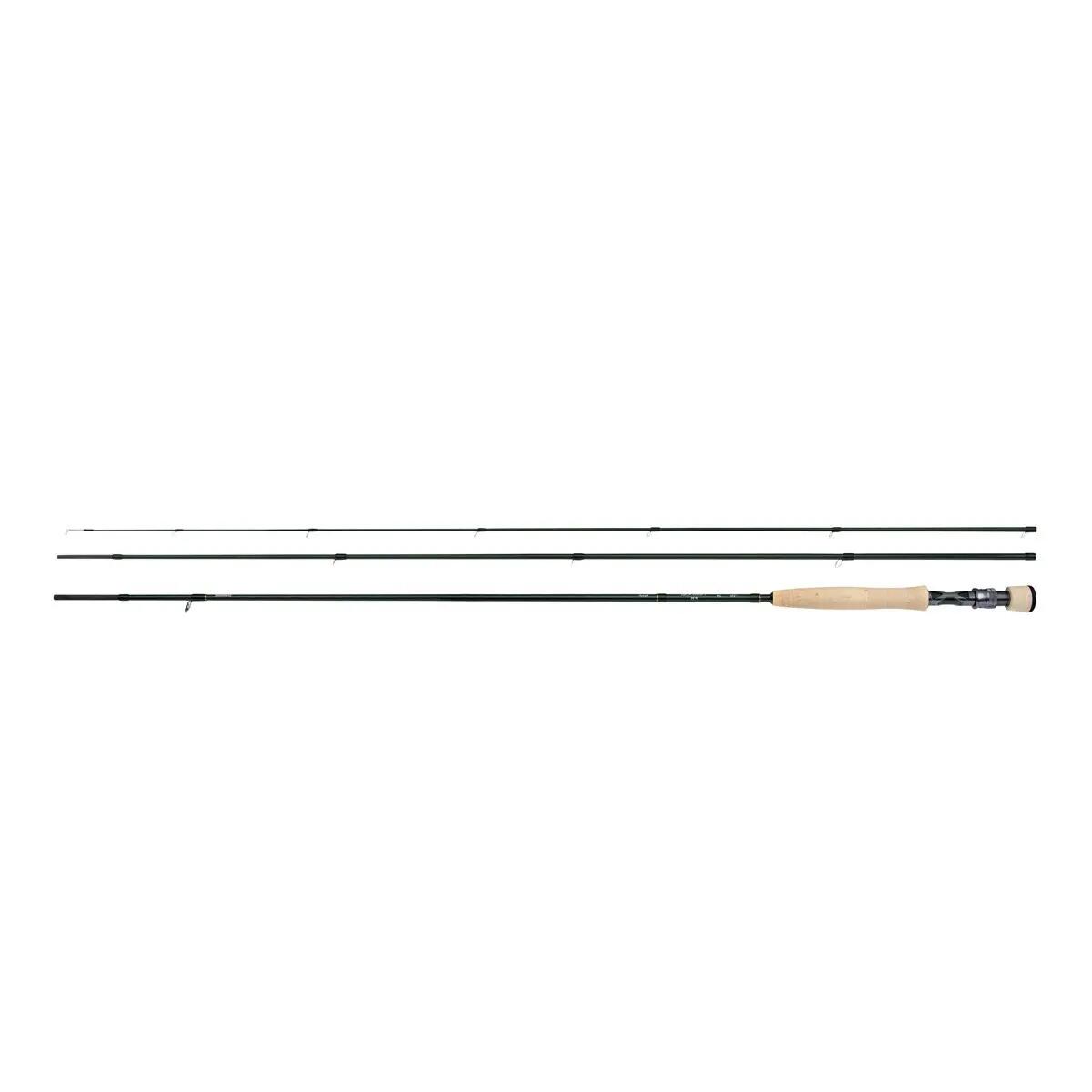
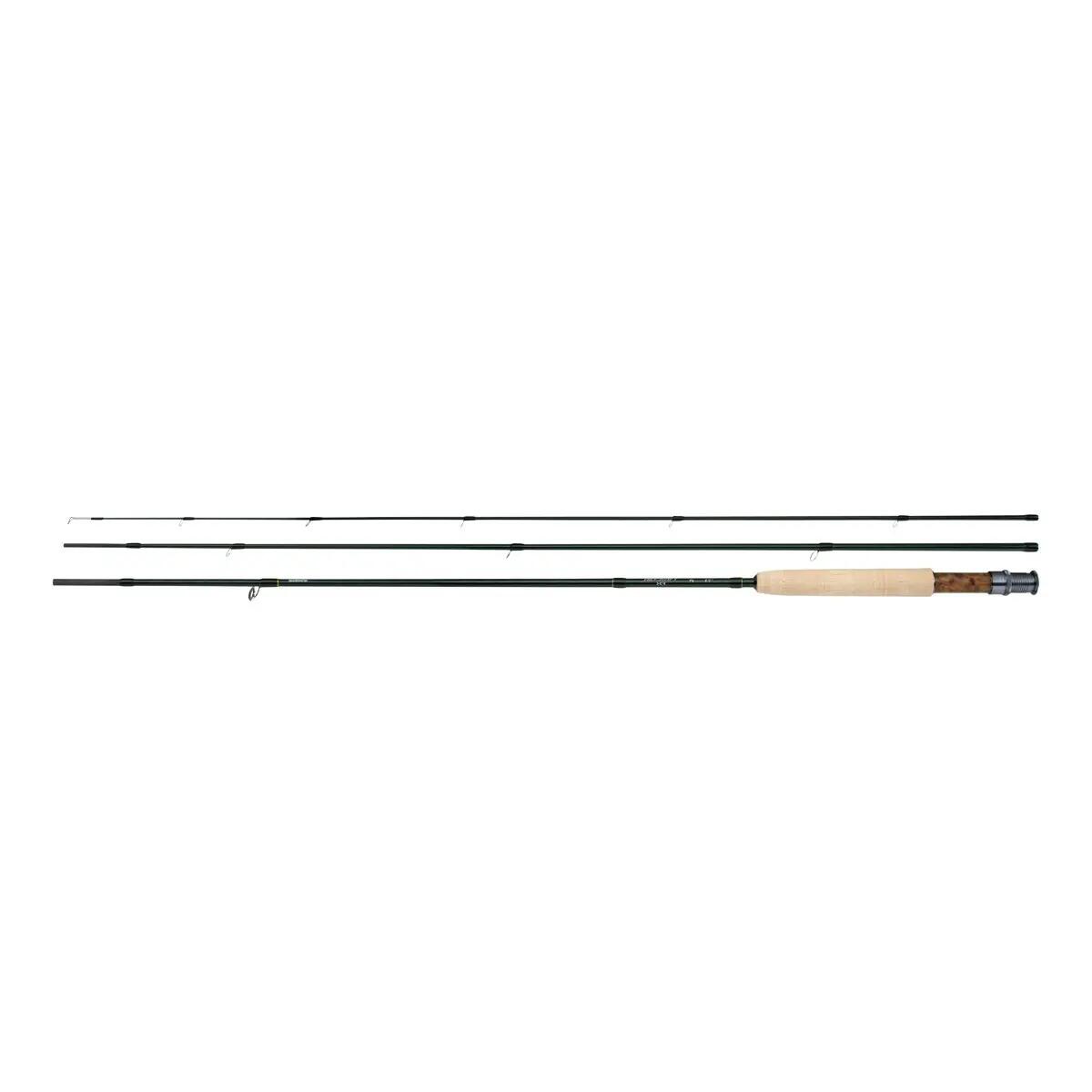
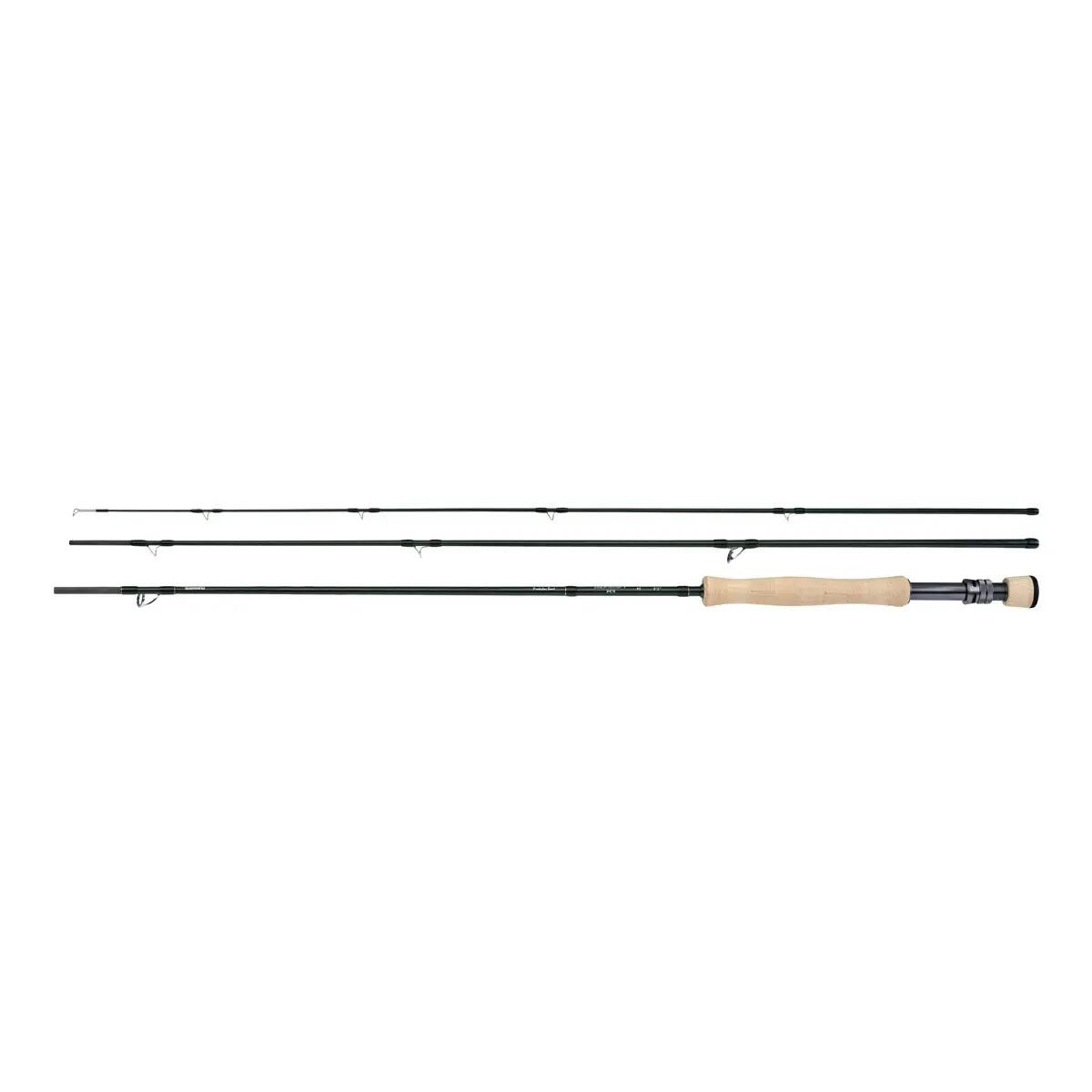
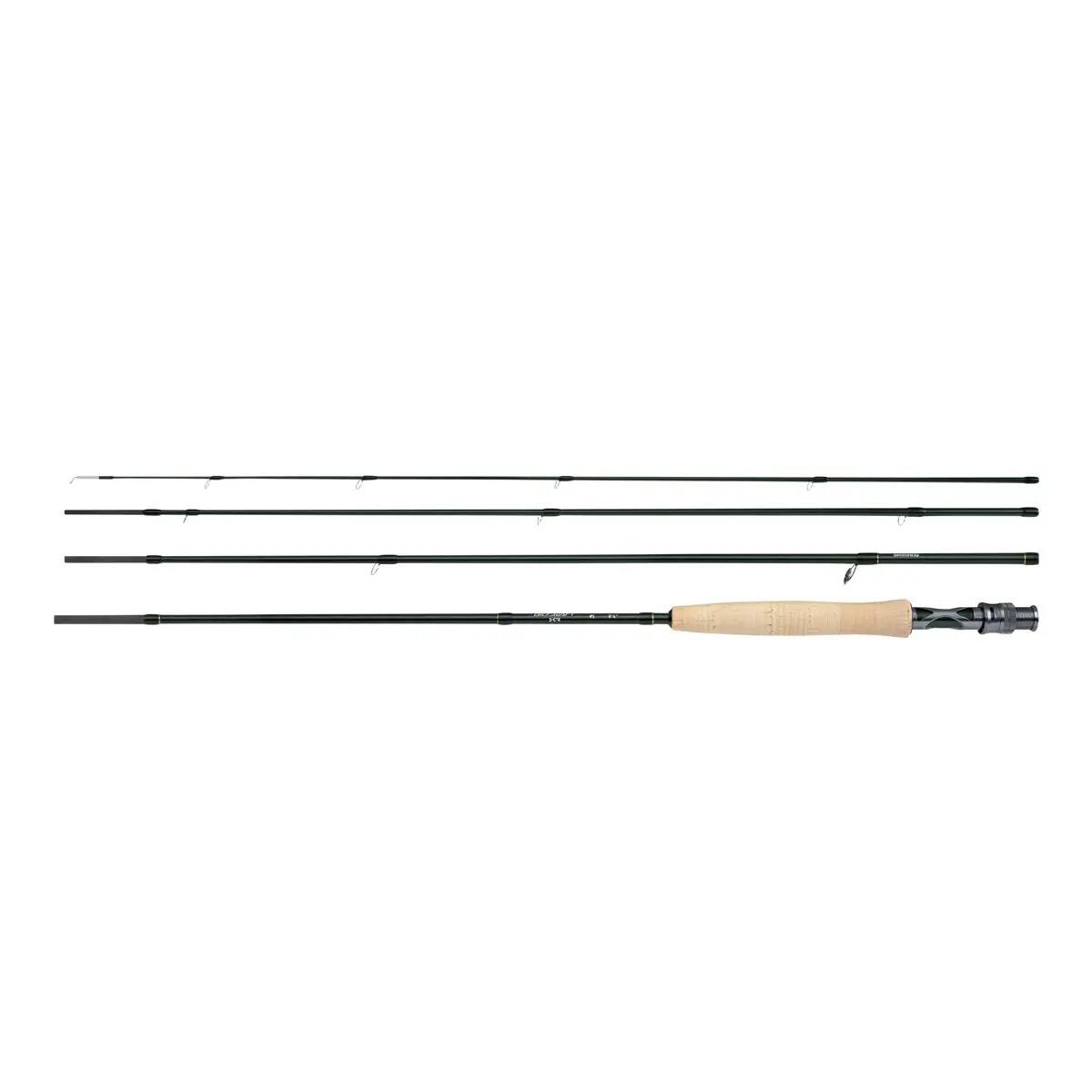
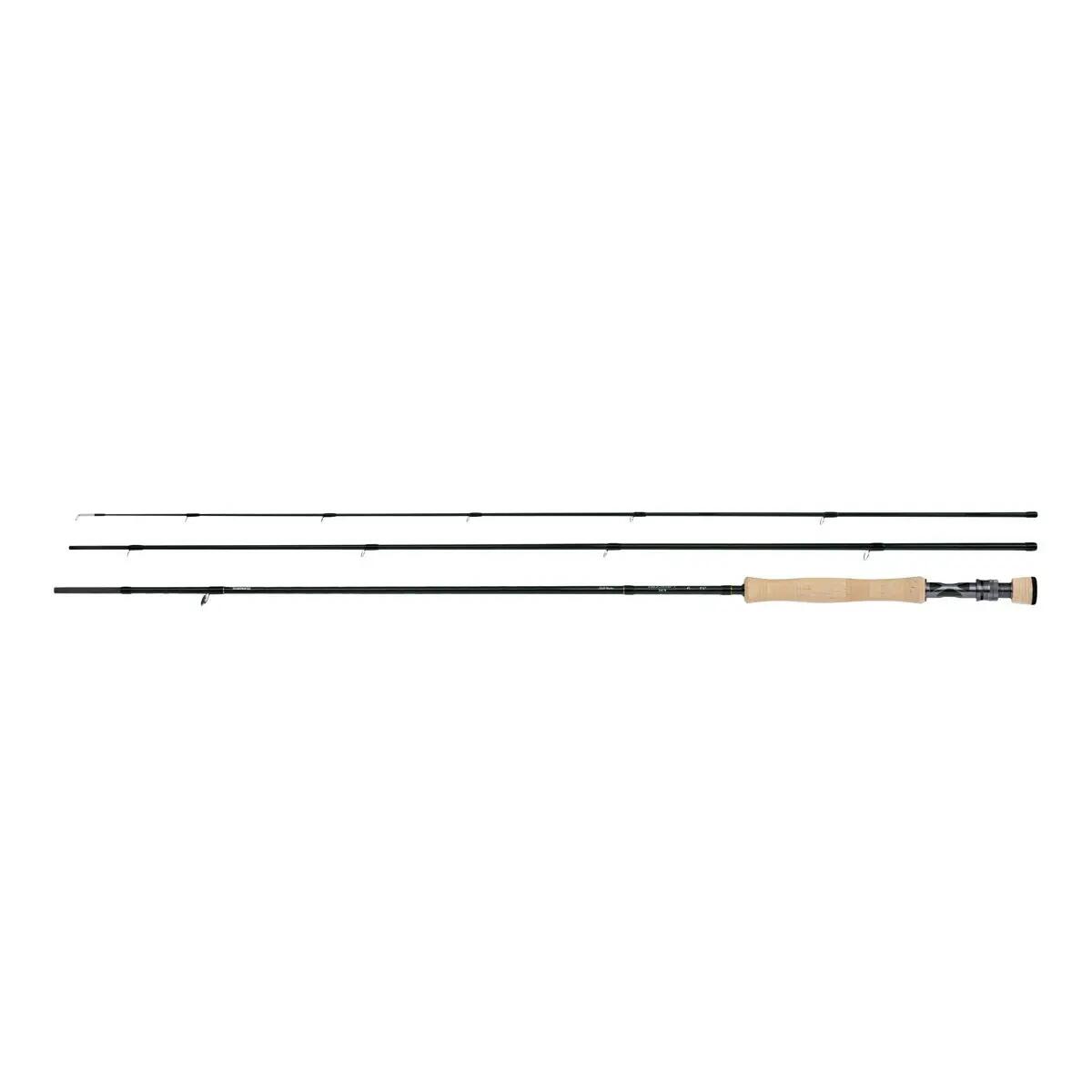
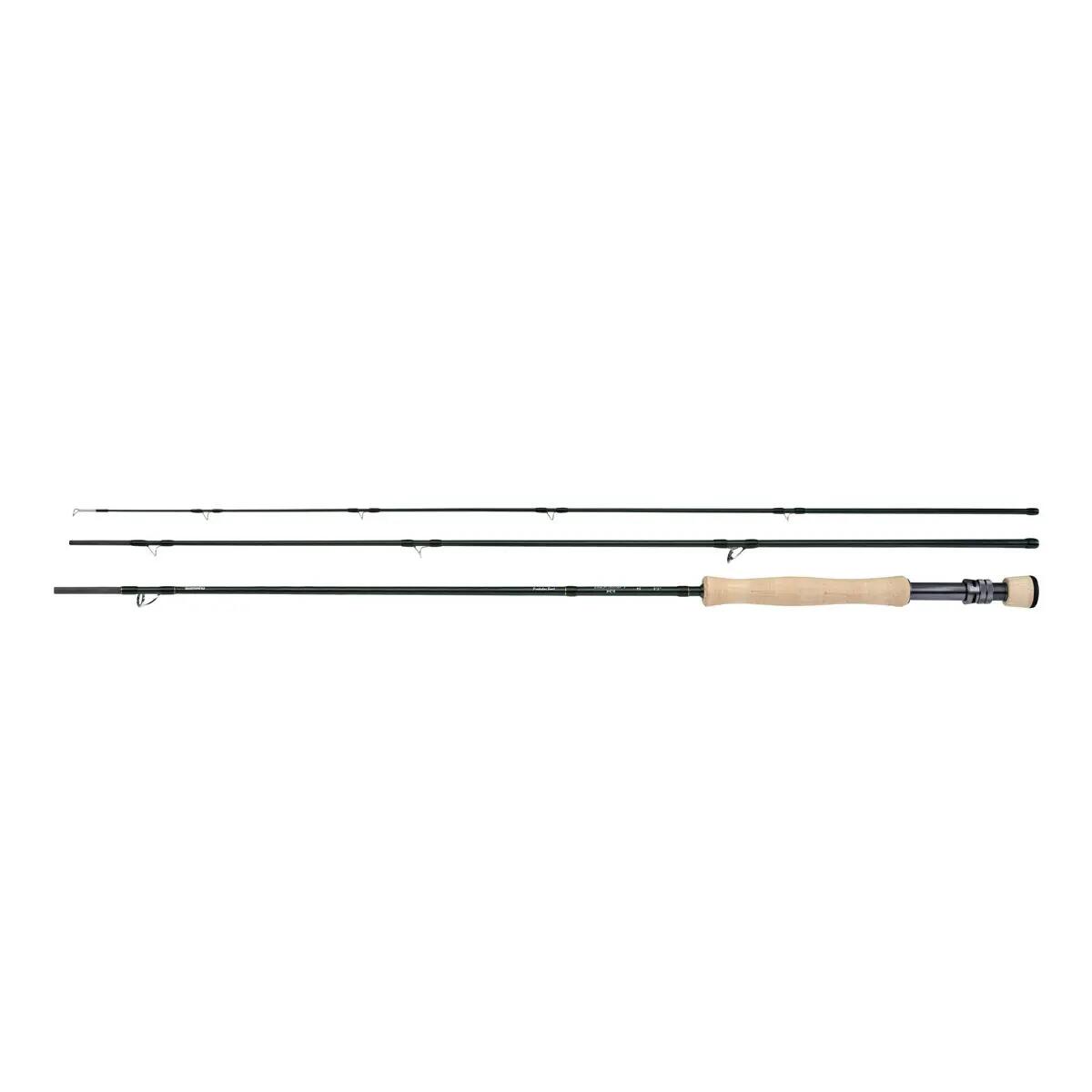
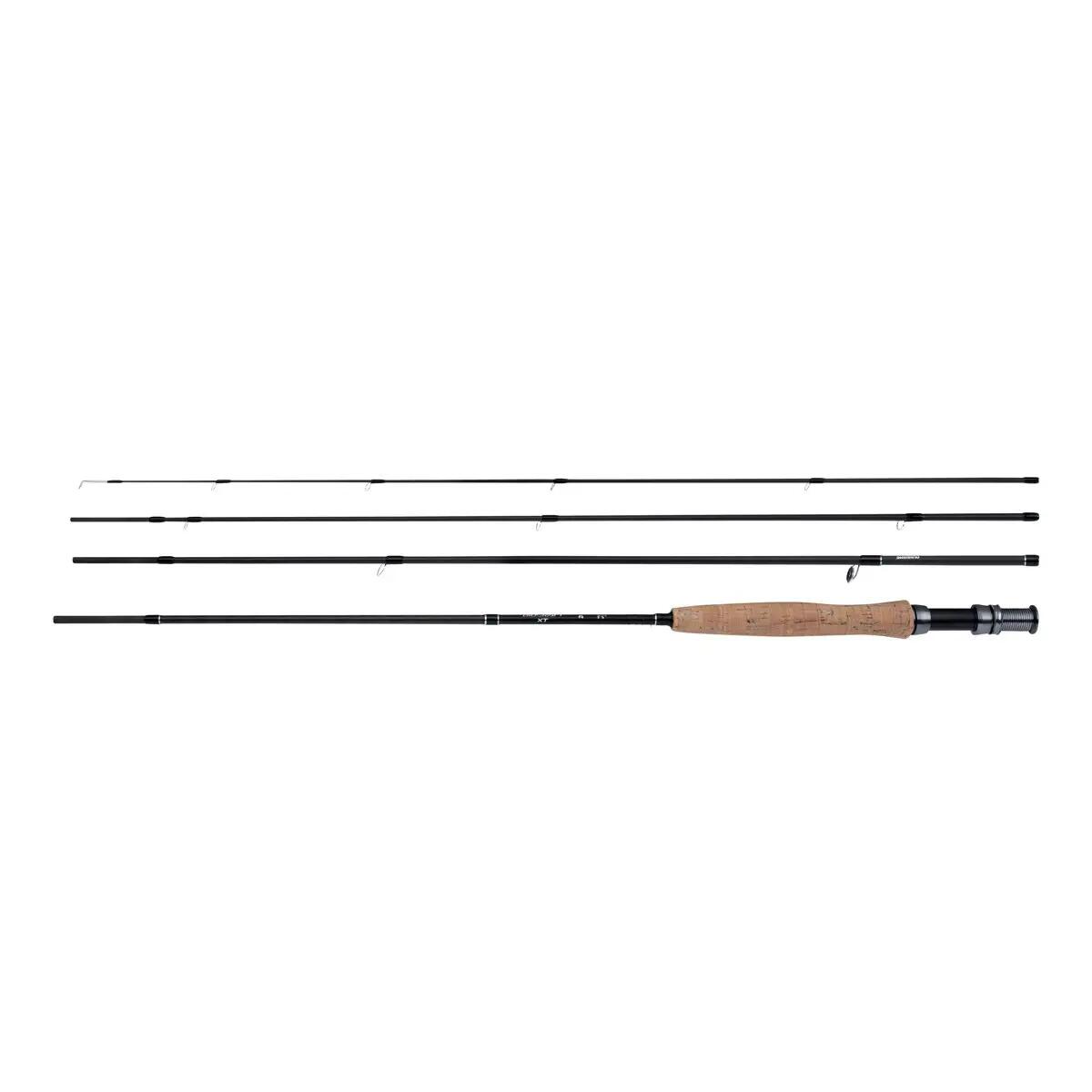
A balanced rod, reel and fly line can make casting easier to learn because each part of the setup is intended to work with the others. Caperlan's HRK 9 ft #5 combo uses a semi-fast carbon rod with a WF5 floating line whose first 11 metres are thicker than the following section. This front-weighted profile helps load the rod during early false casts and can also make larger flies, multi-fly rigs and headwind casting easier to manage. A #5 setup remains versatile enough for dry flies, nymphs and small streamers in rivers or lakes. Within wider game fishing, match the fly-line rating to the rod rather than choosing line weight independently, as the taper and weight distribution affect how efficiently the rod loads during the cast.
When is hard fluorocarbon suitable for a fly-fishing leader?

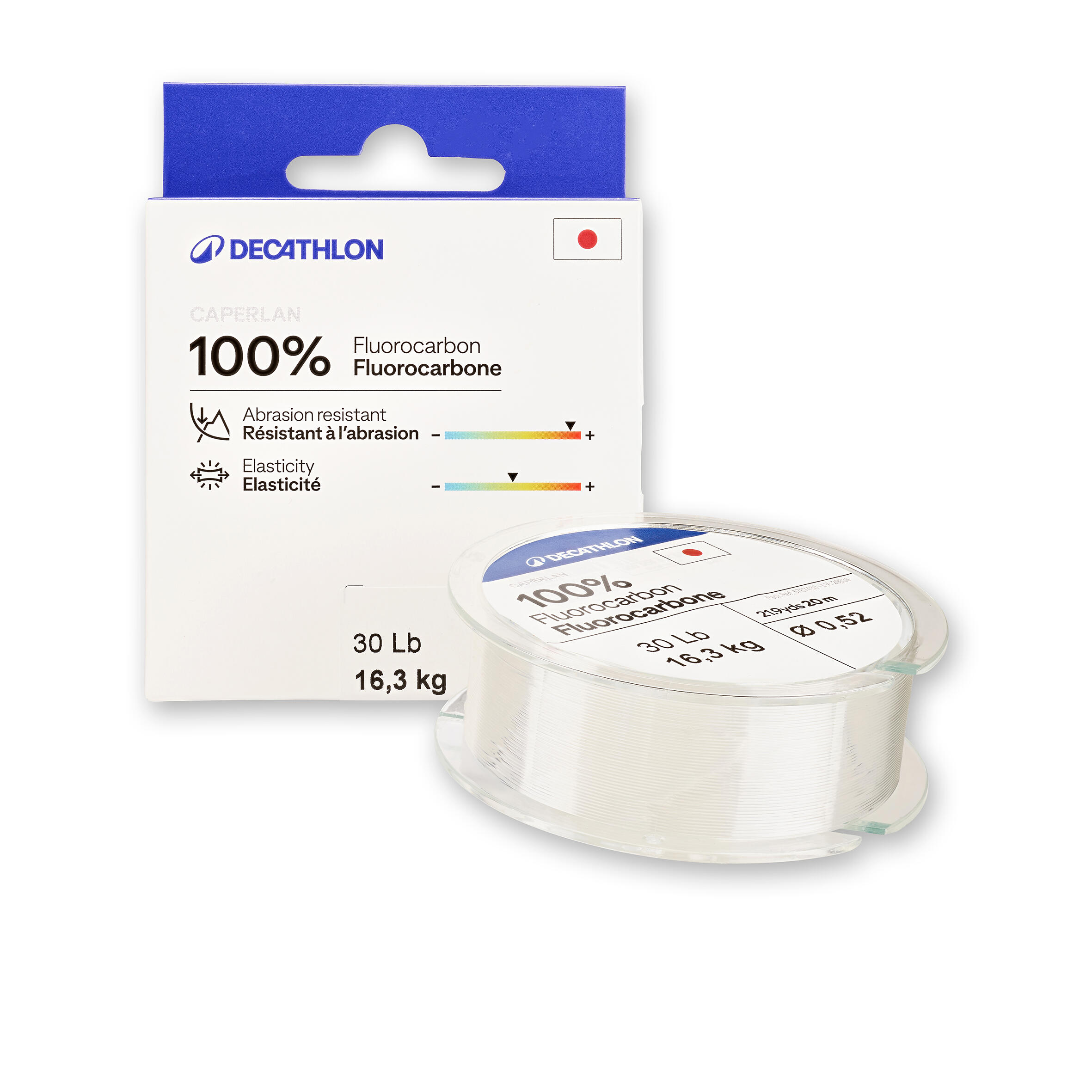
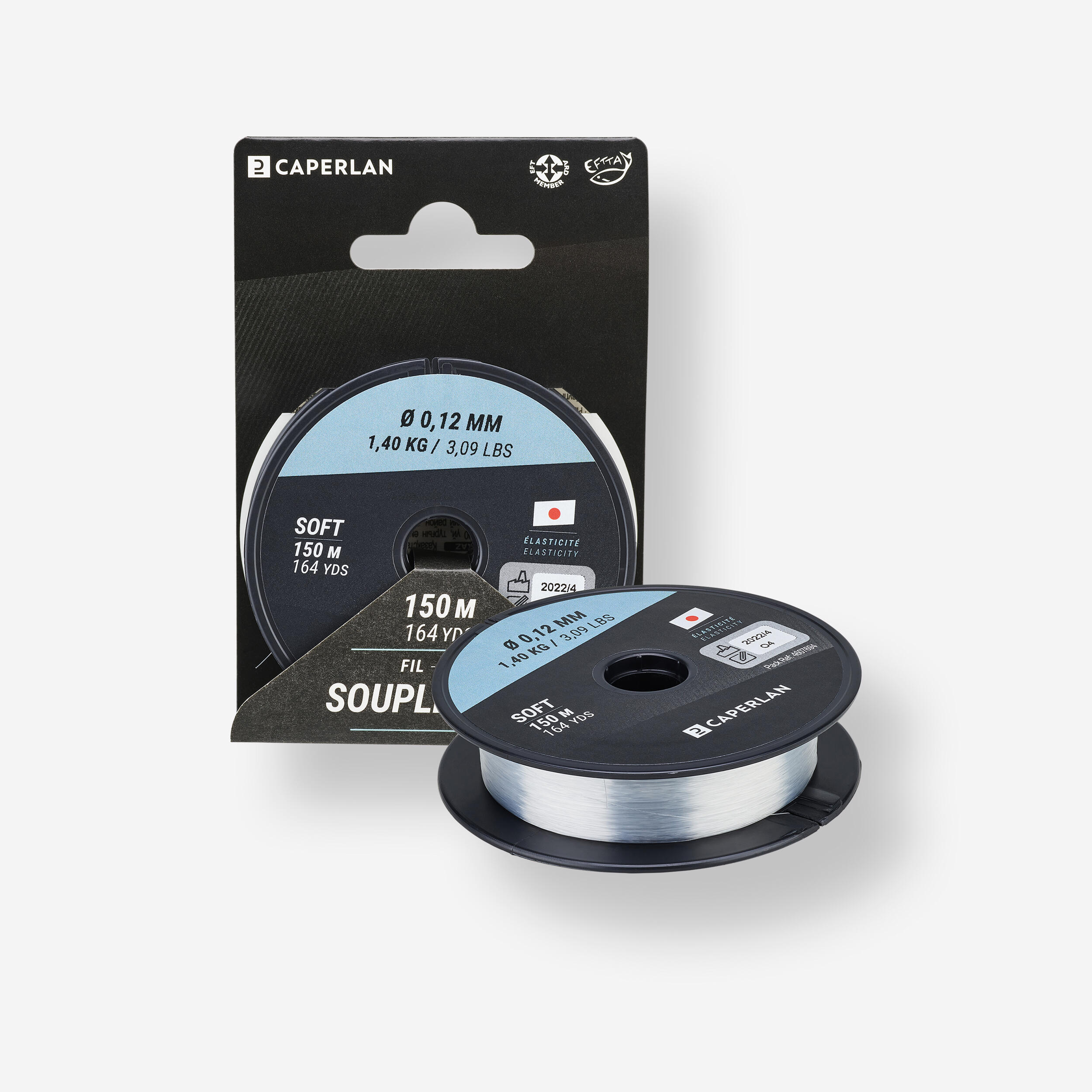
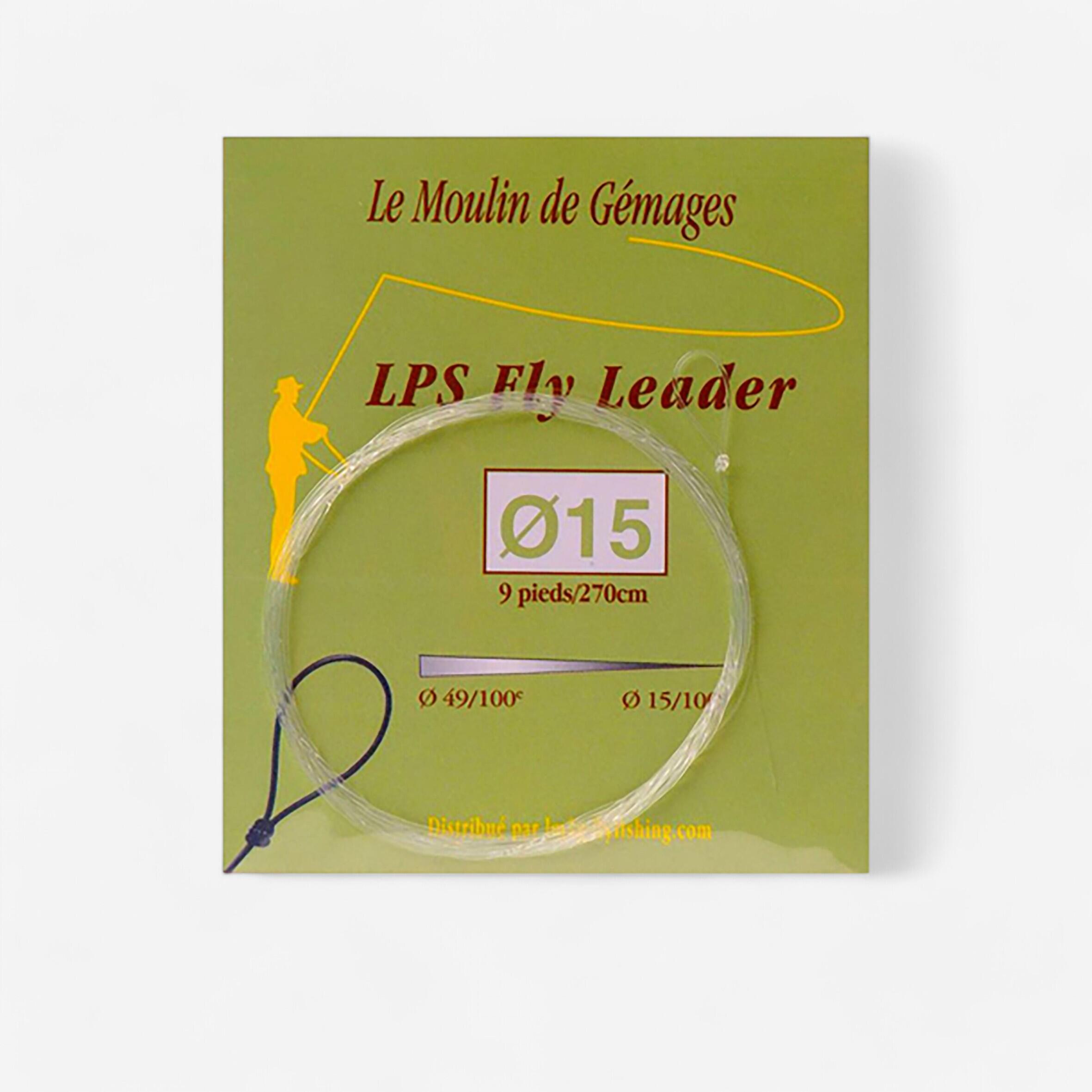
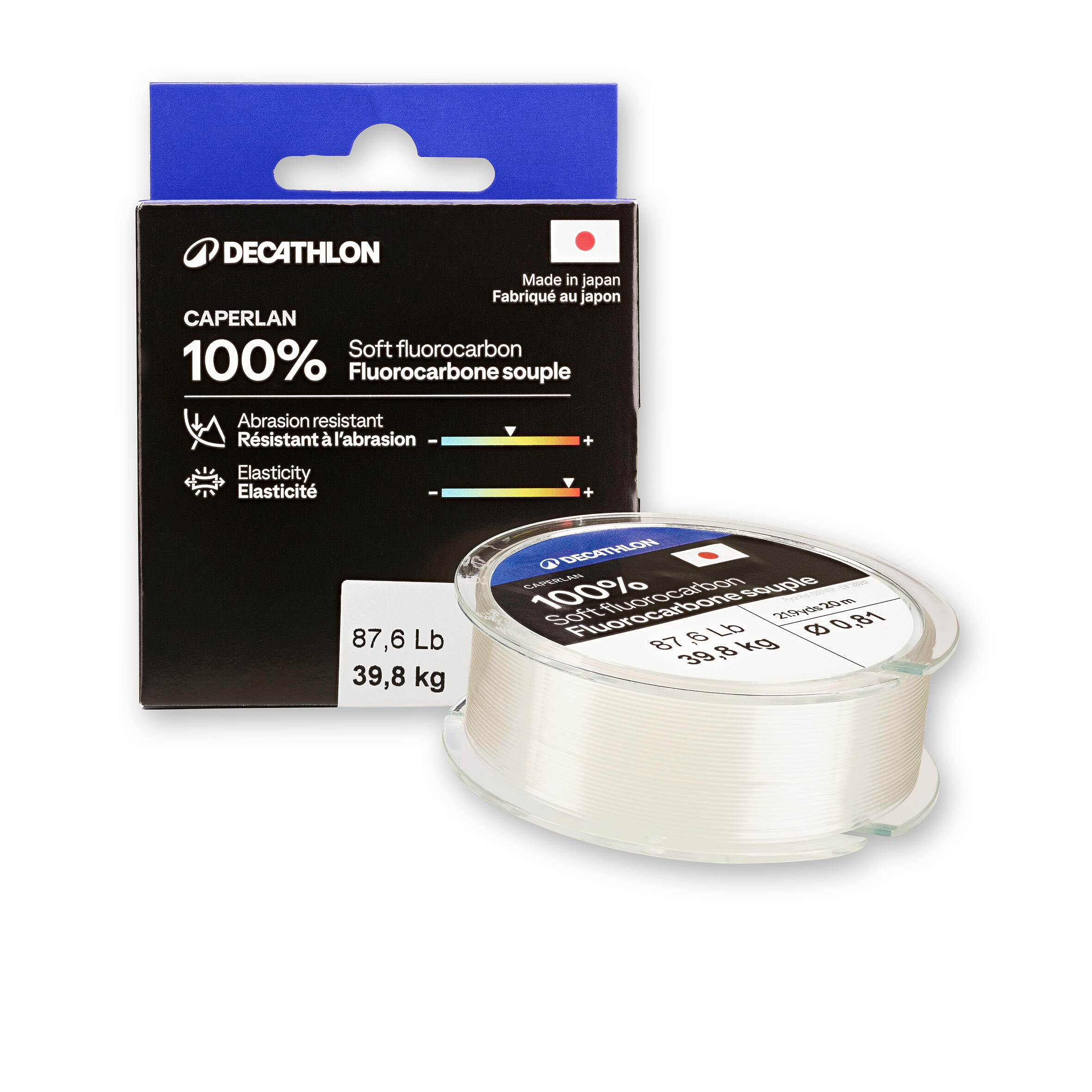
Hard fluorocarbon is useful when abrasion resistance and leader control matter more than maximum flexibility. Caperlan's fly fishing fluorocarbon hard lines use 100% Japanese fluorocarbon with greater rigidity than the SOFT version, helping the leader stay straighter and resist contact with rocks, submerged timber or other abrasive features. The trade-off is that extra stiffness can restrict the movement of flies that need more freedom and can retain more spool memory. For subtle presentations, a softer fluorocarbon may therefore be more suitable. When joining fluorocarbon to another line, choose the knot based on the diameter difference, and moisten it before tightening so friction heat doesn't weaken the material.

How can a fly box protect dry flies and nymphs differently?

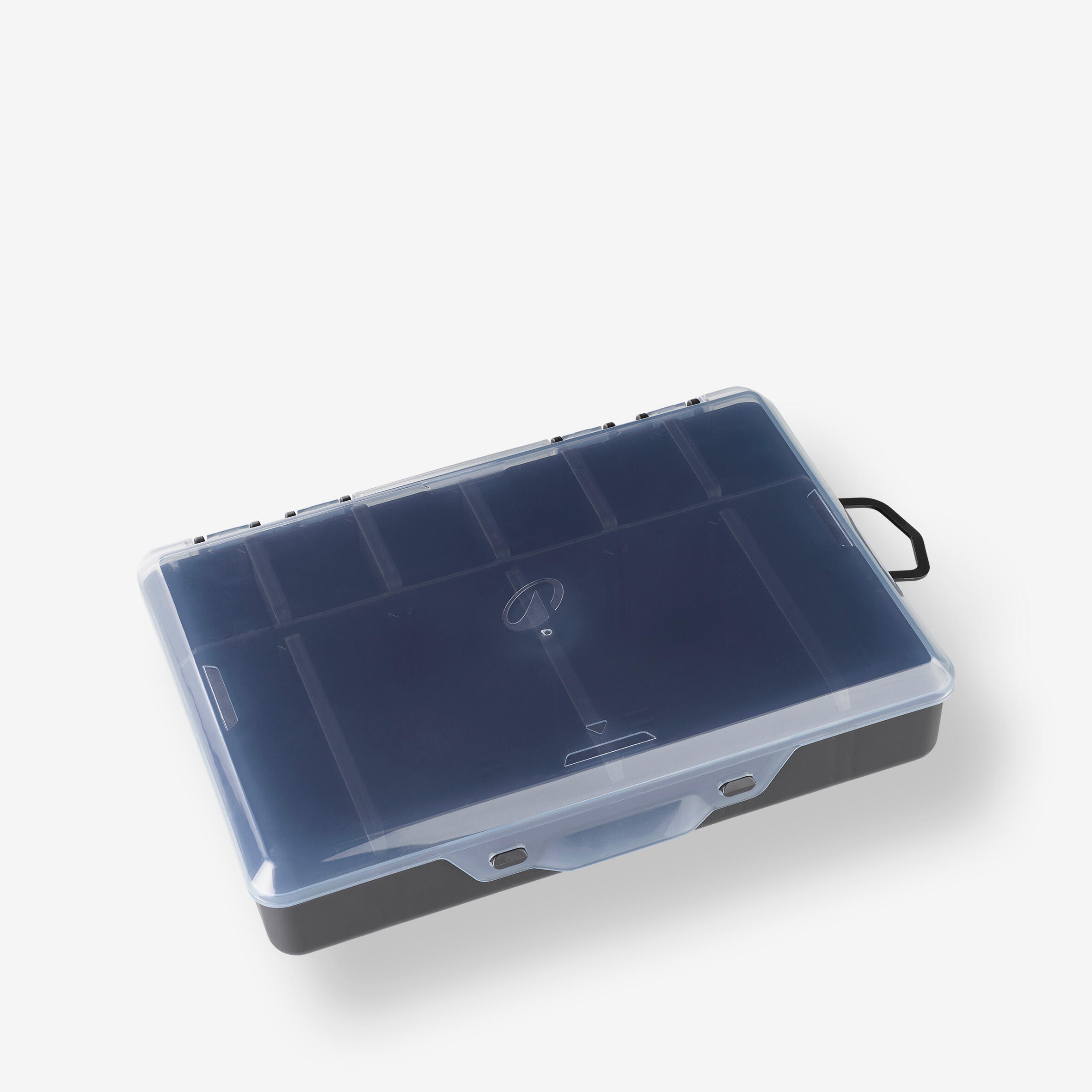
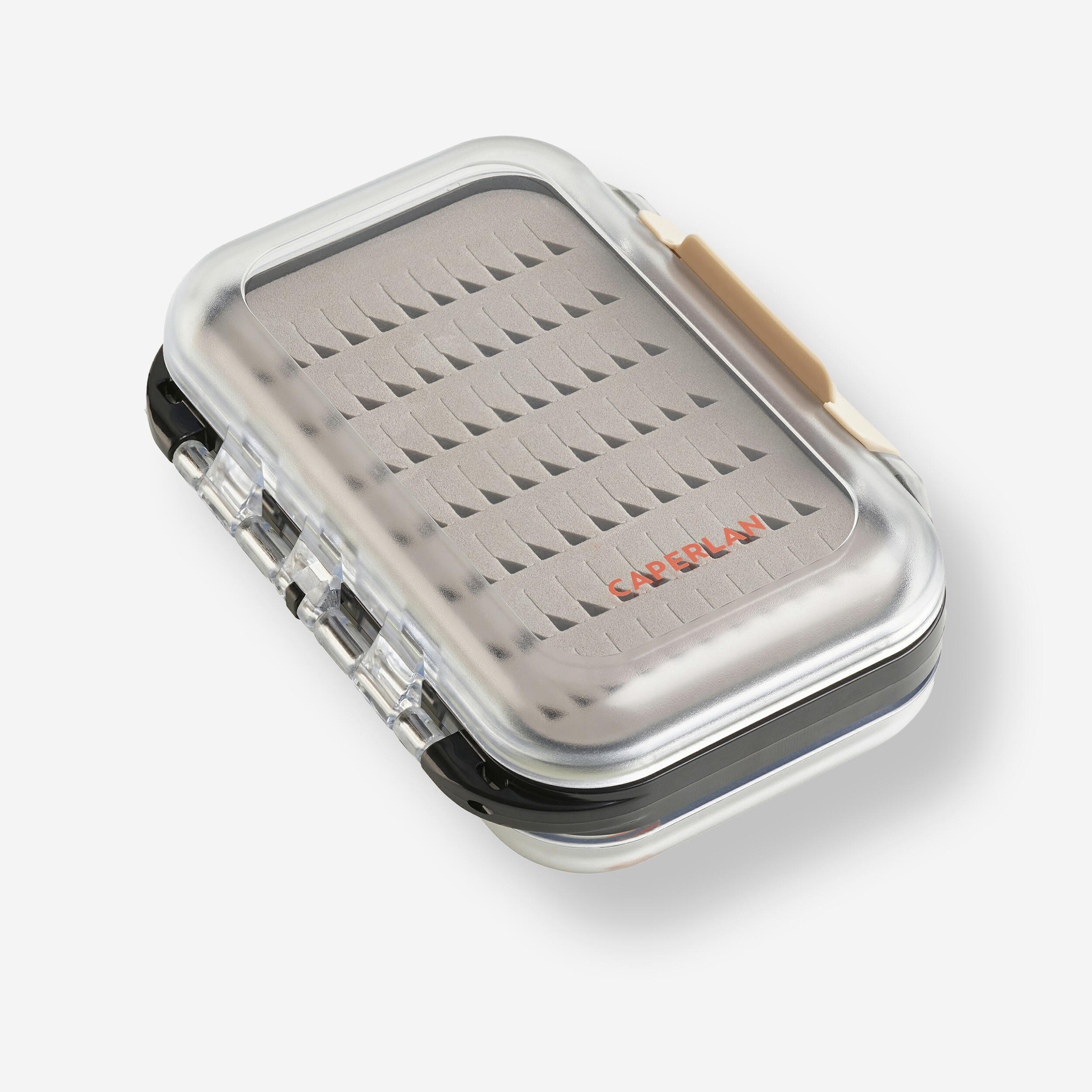
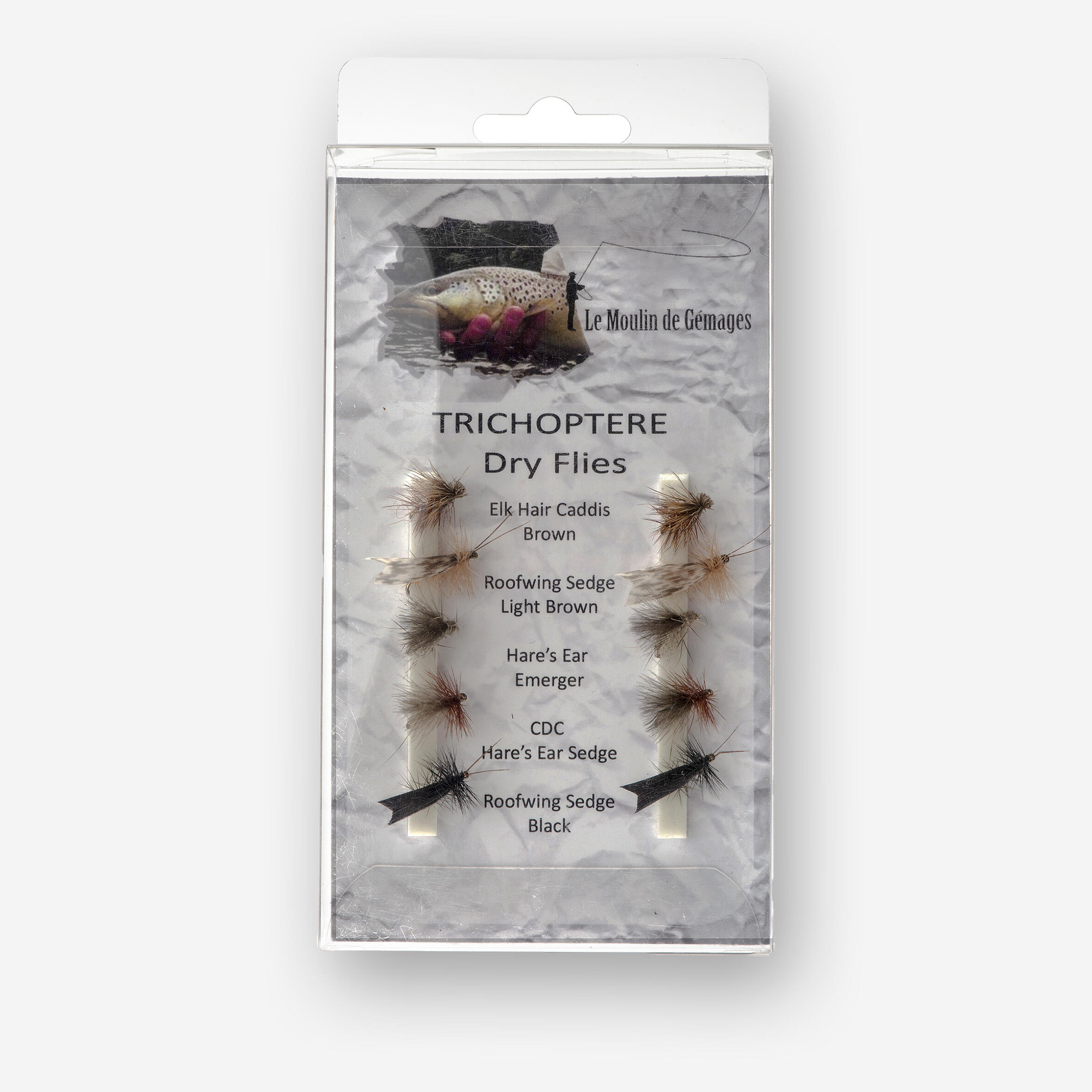
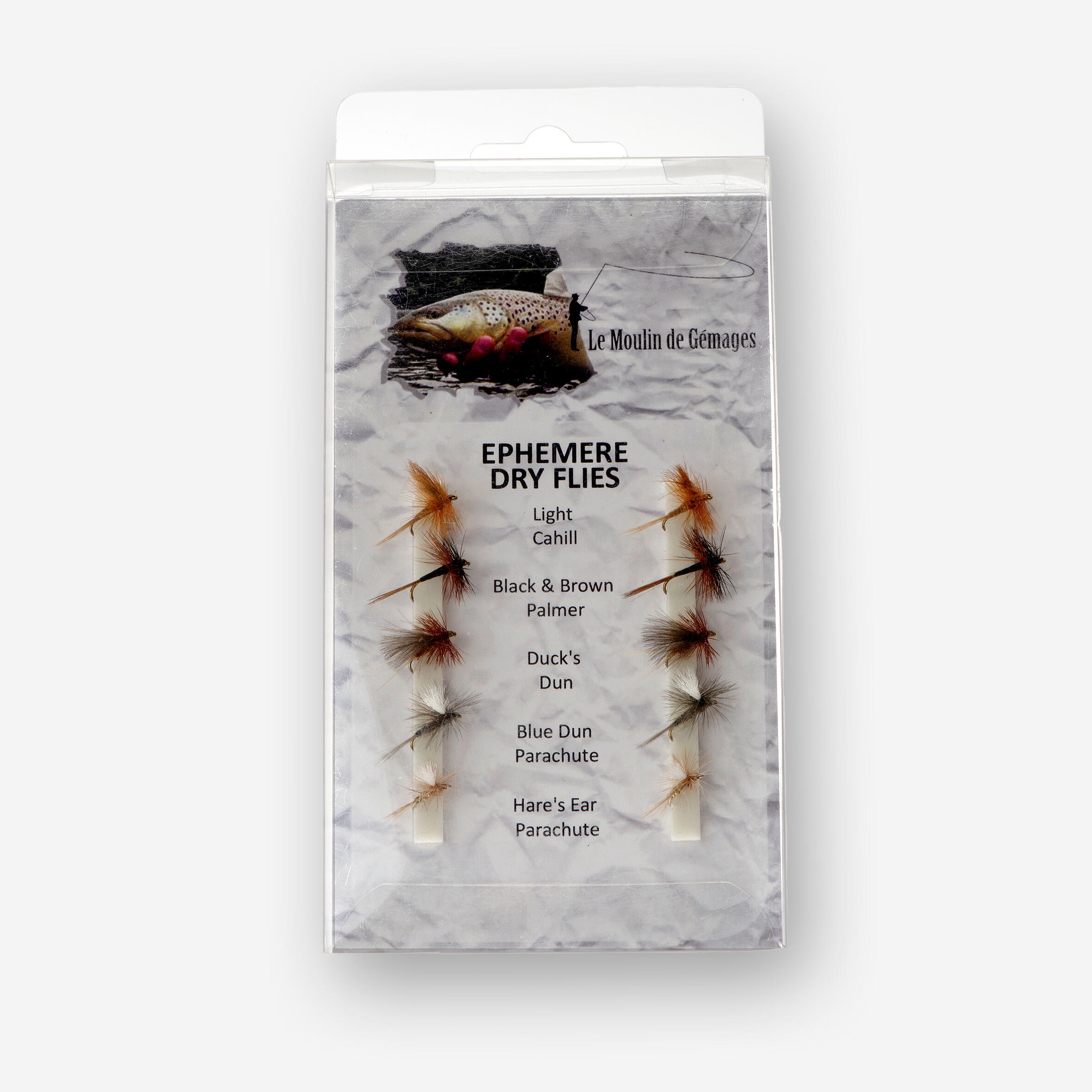
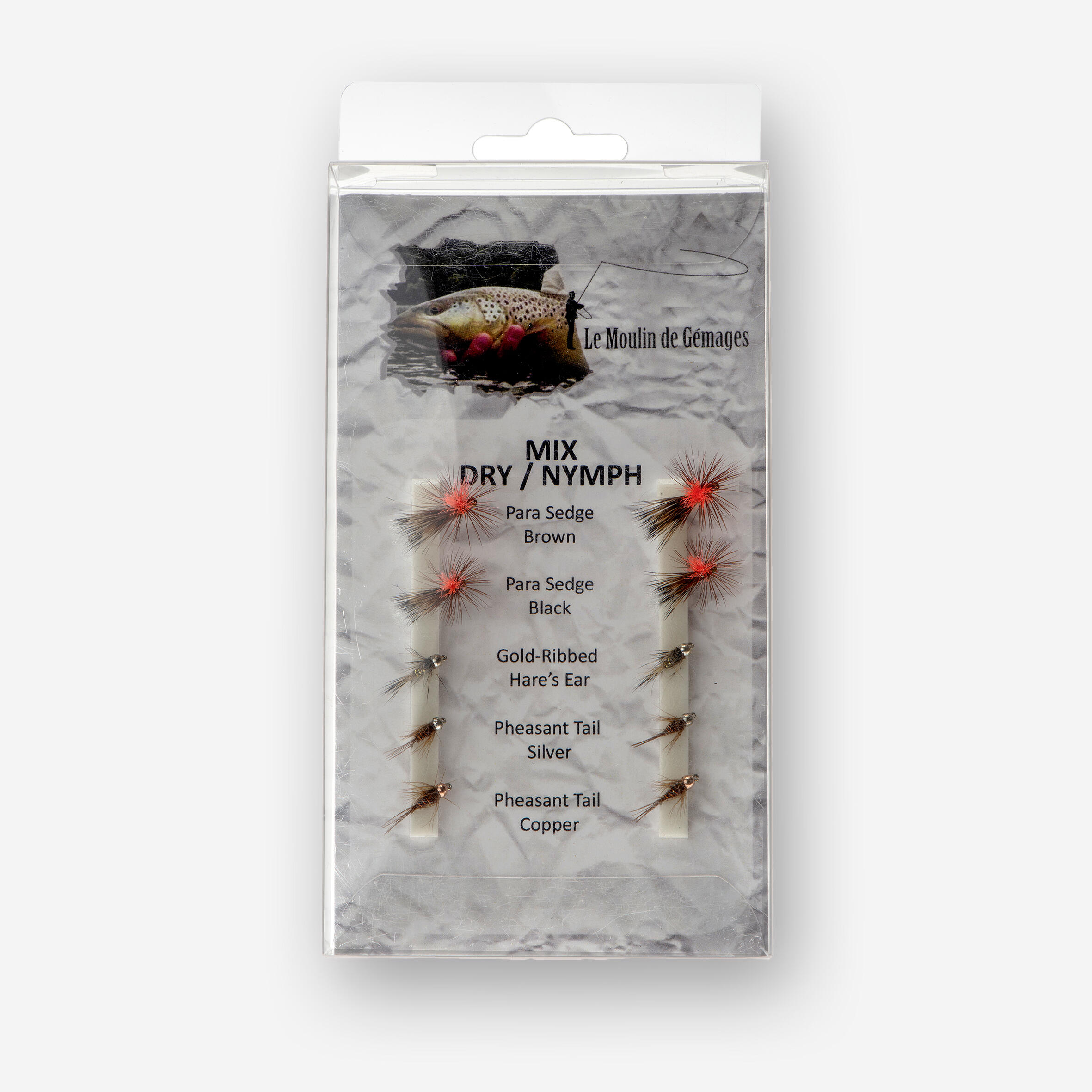
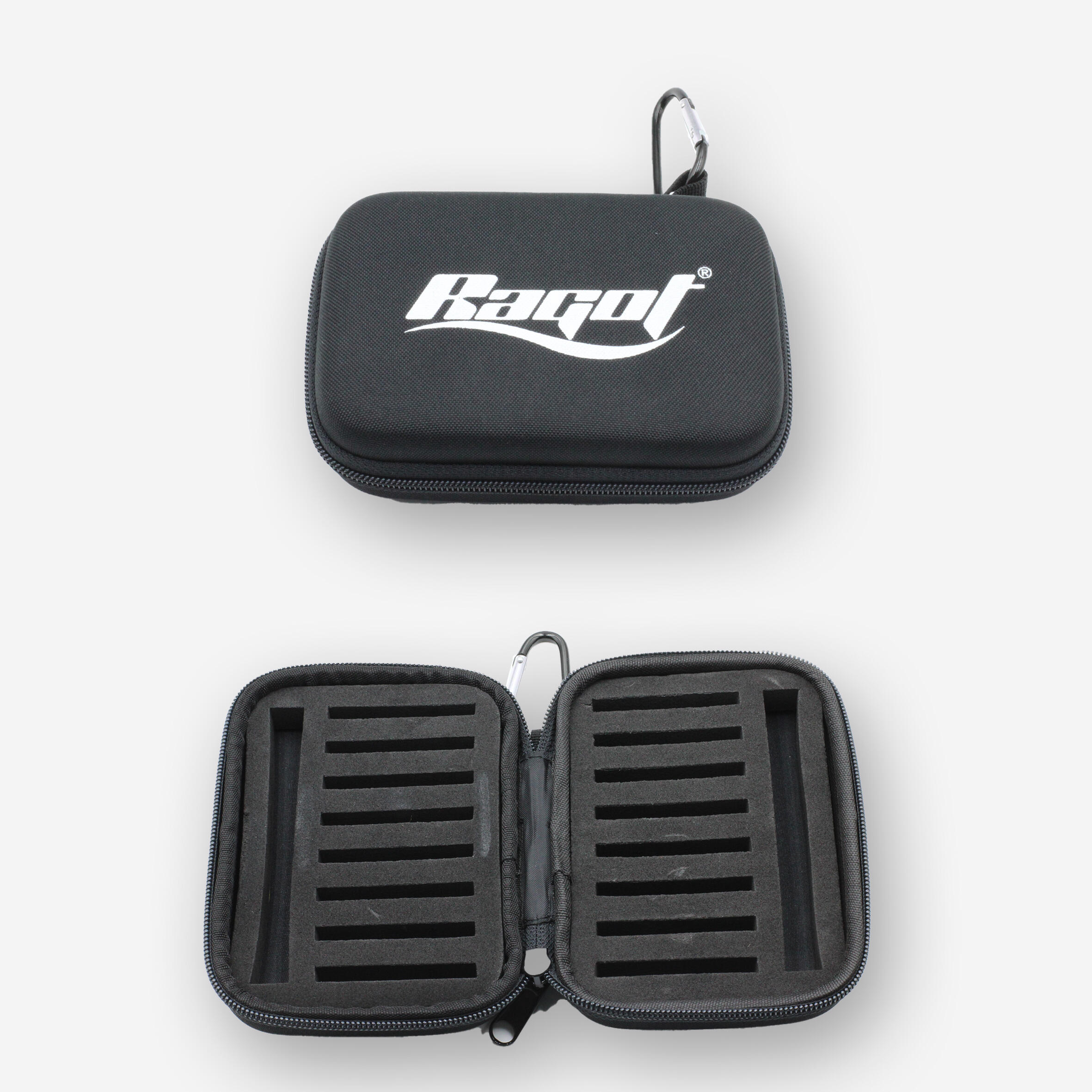
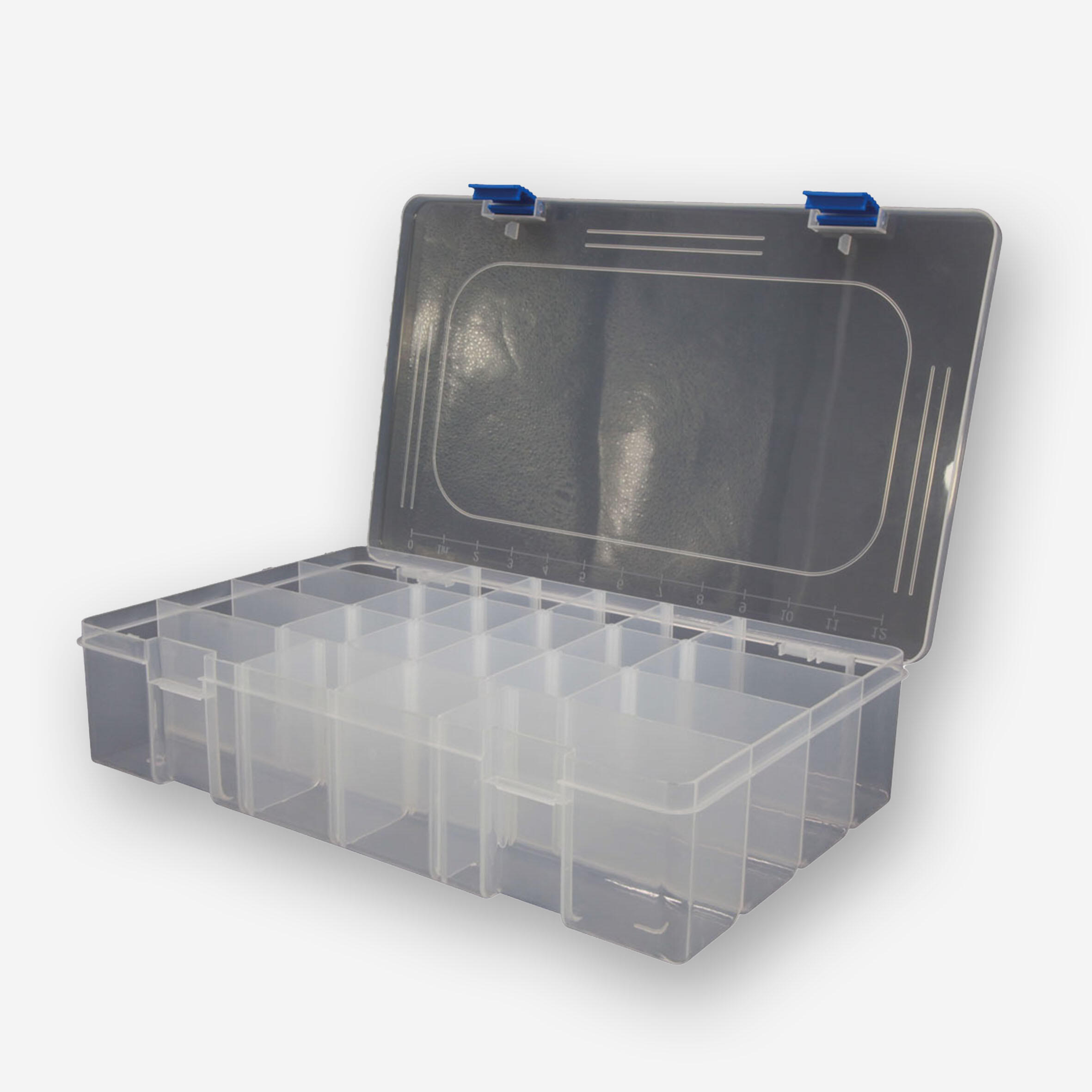
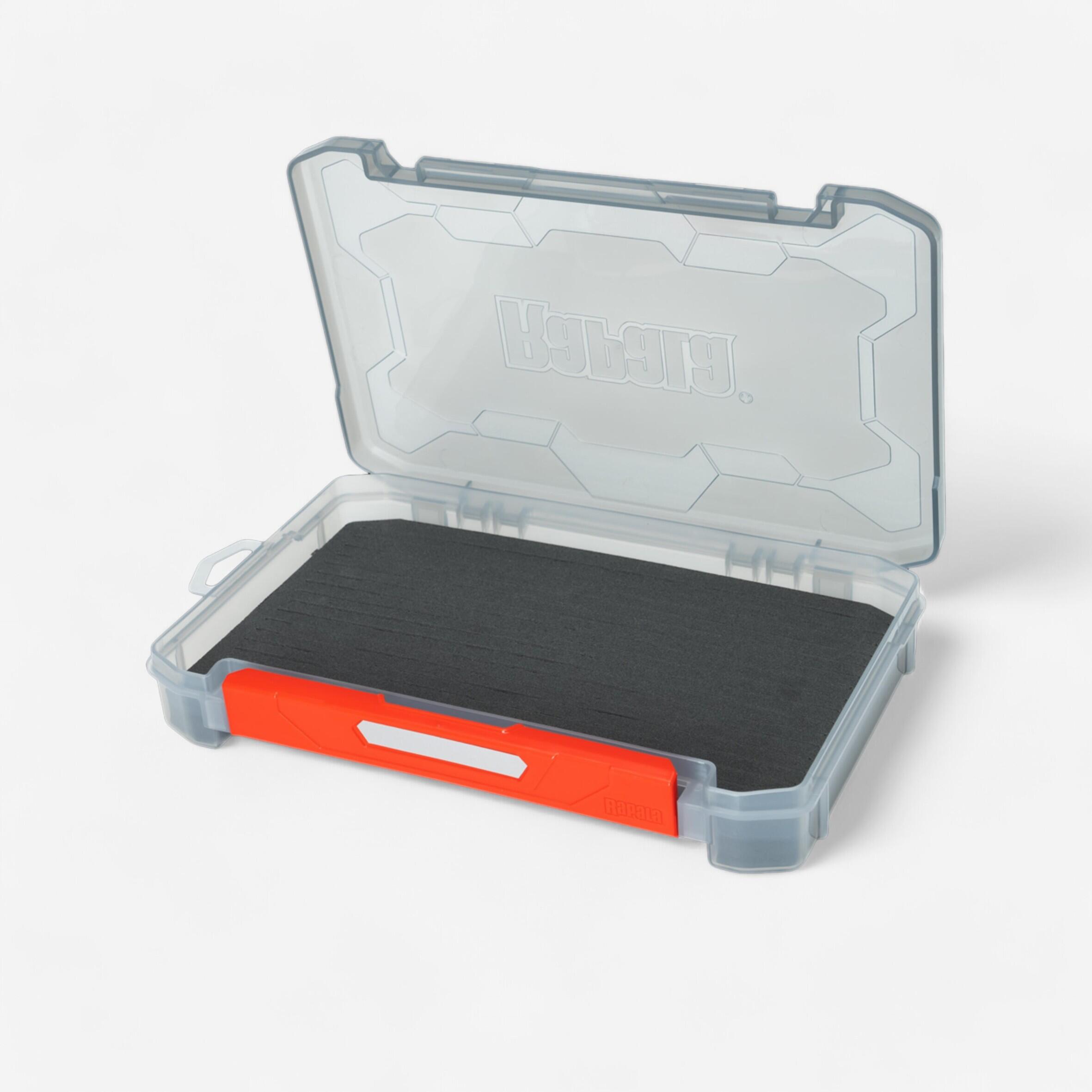
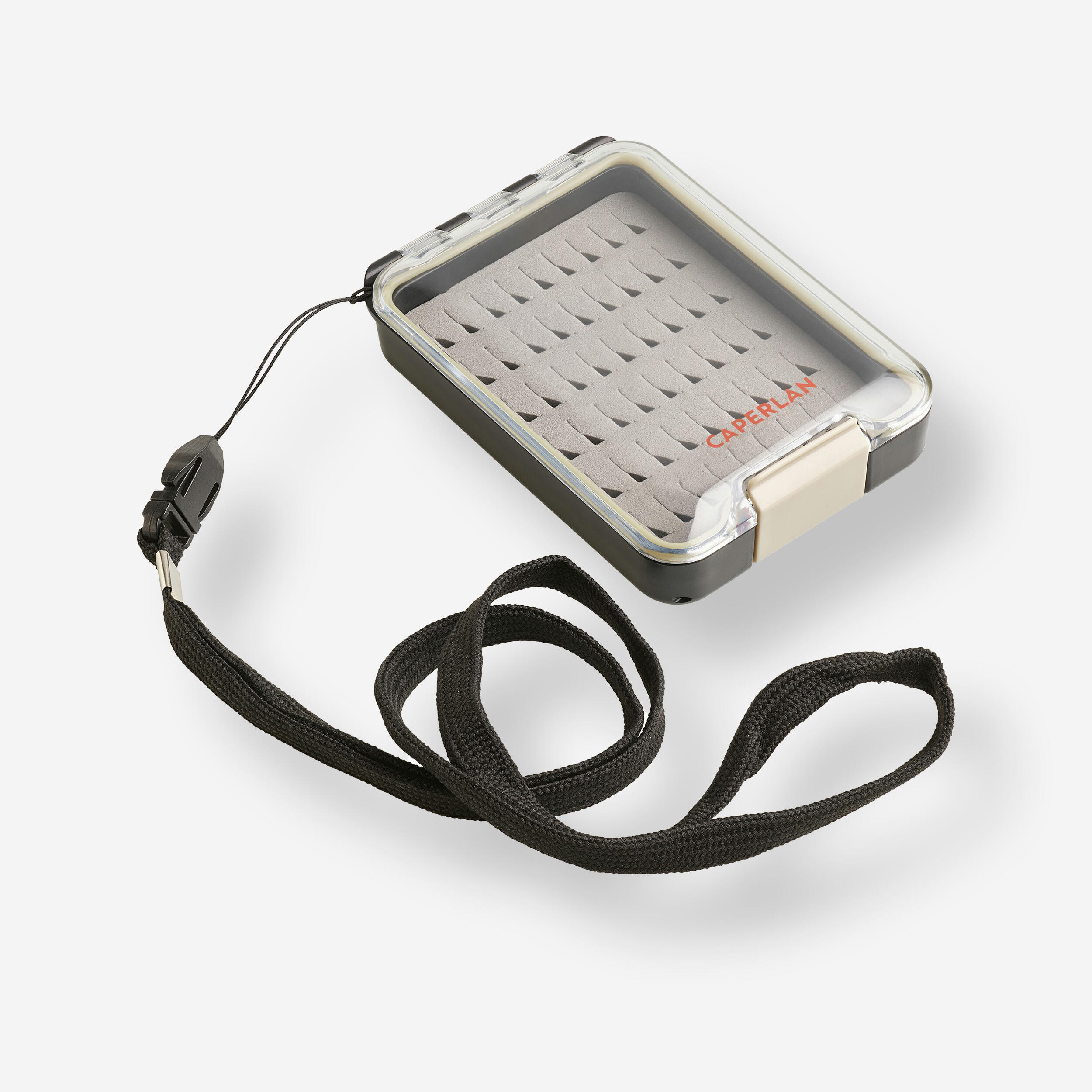
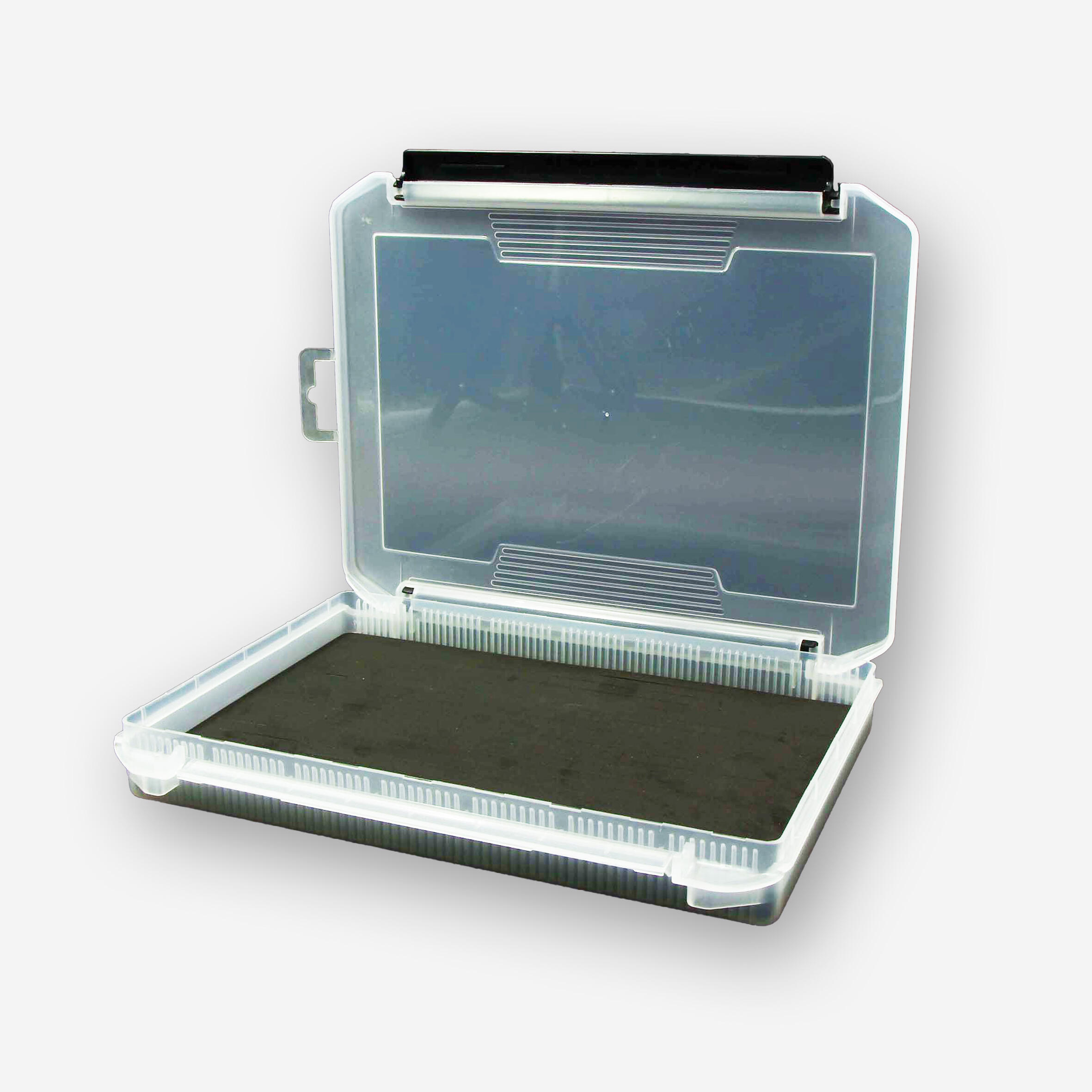
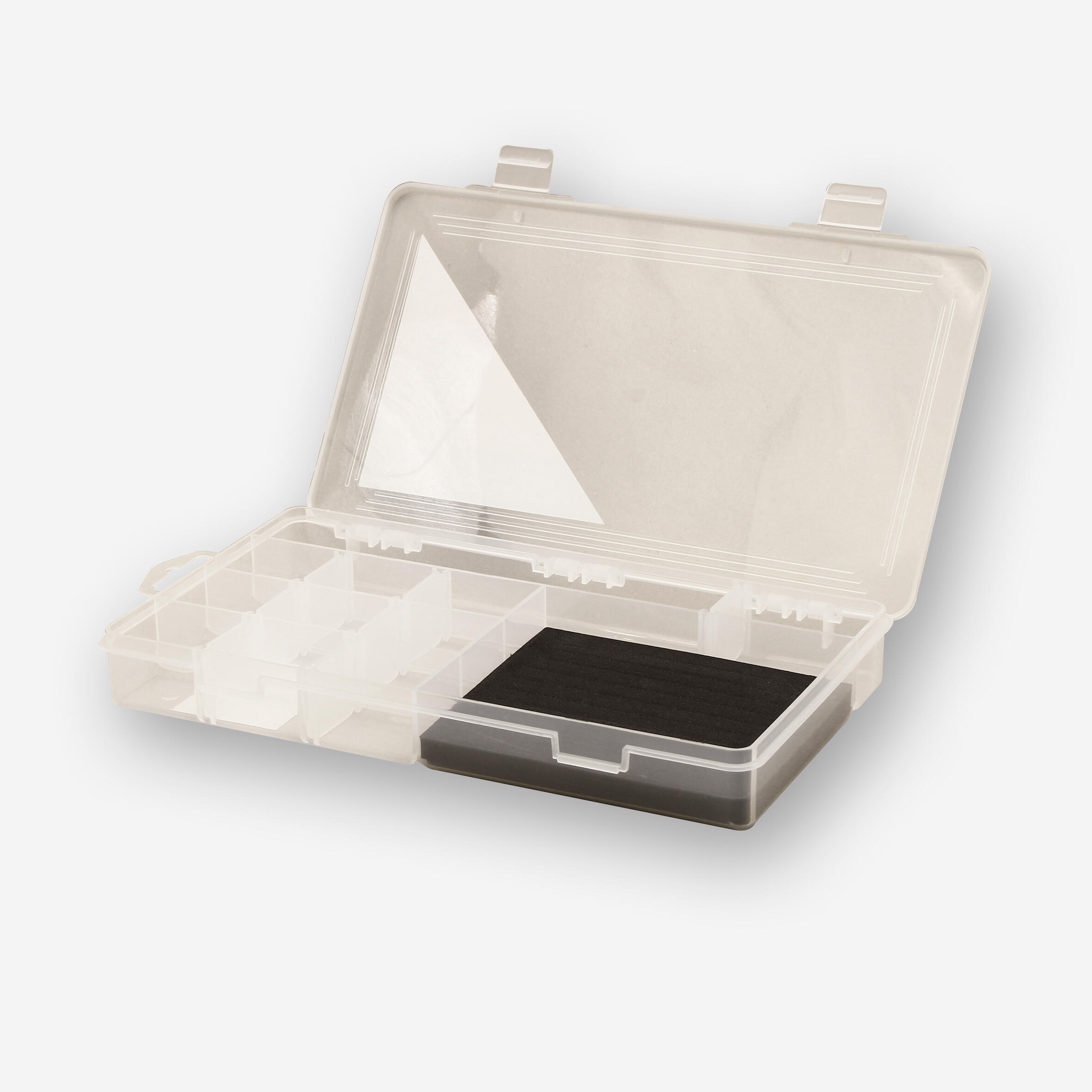
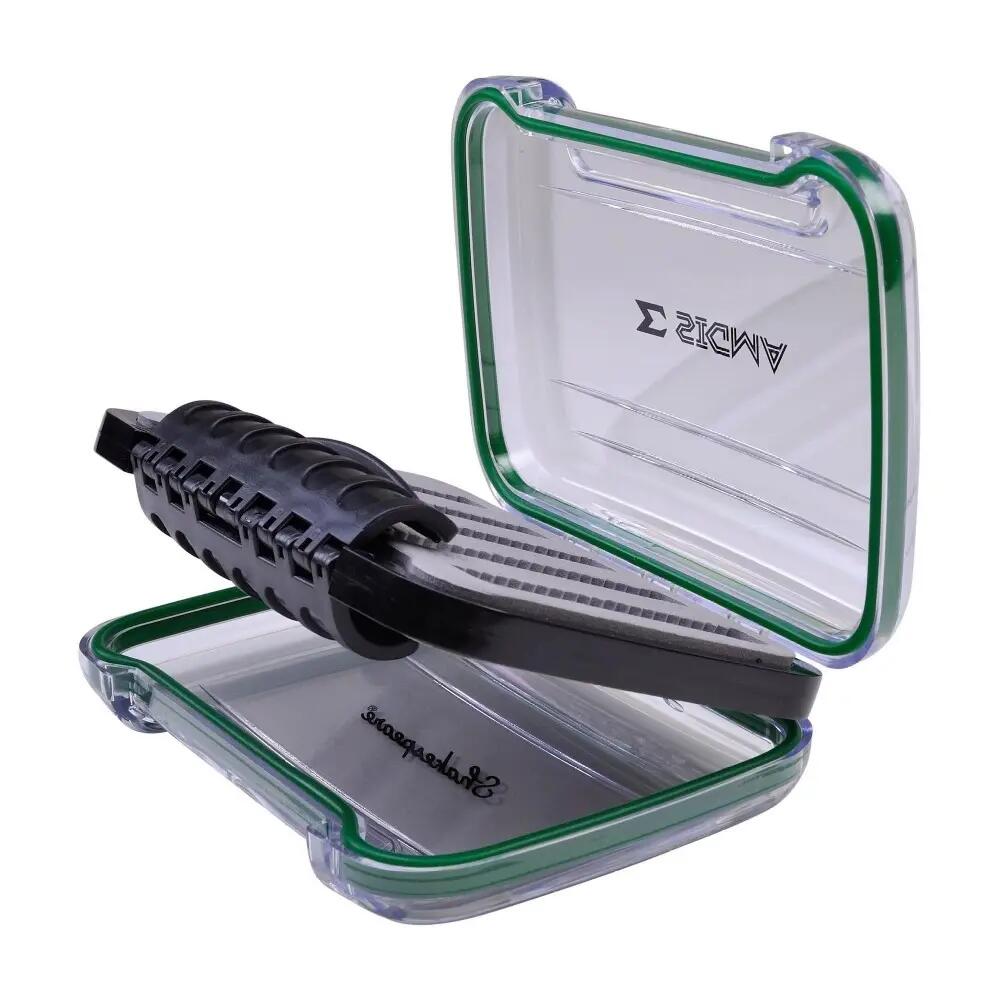
Dry flies and nymphs do not always benefit from the same storage layout. Caperlan's larger boxes separate the two, using solid slit foam for nymphs and grooved foam strips for dry flies to help prevent delicate hackles from being crushed. A compact fly fishing box uses slit foam and a transparent sealed lid, allowing you to see the contents while helping protect flies from ordinary water exposure. Keep wet flies out of the box until they have dried, as closing damp patterns into storage can leave moisture around hooks and materials. Organise flies by type or size so you can change presentation at the water without repeatedly handling every pattern in the box.

How can foam-eyed streamers work near the bottom?

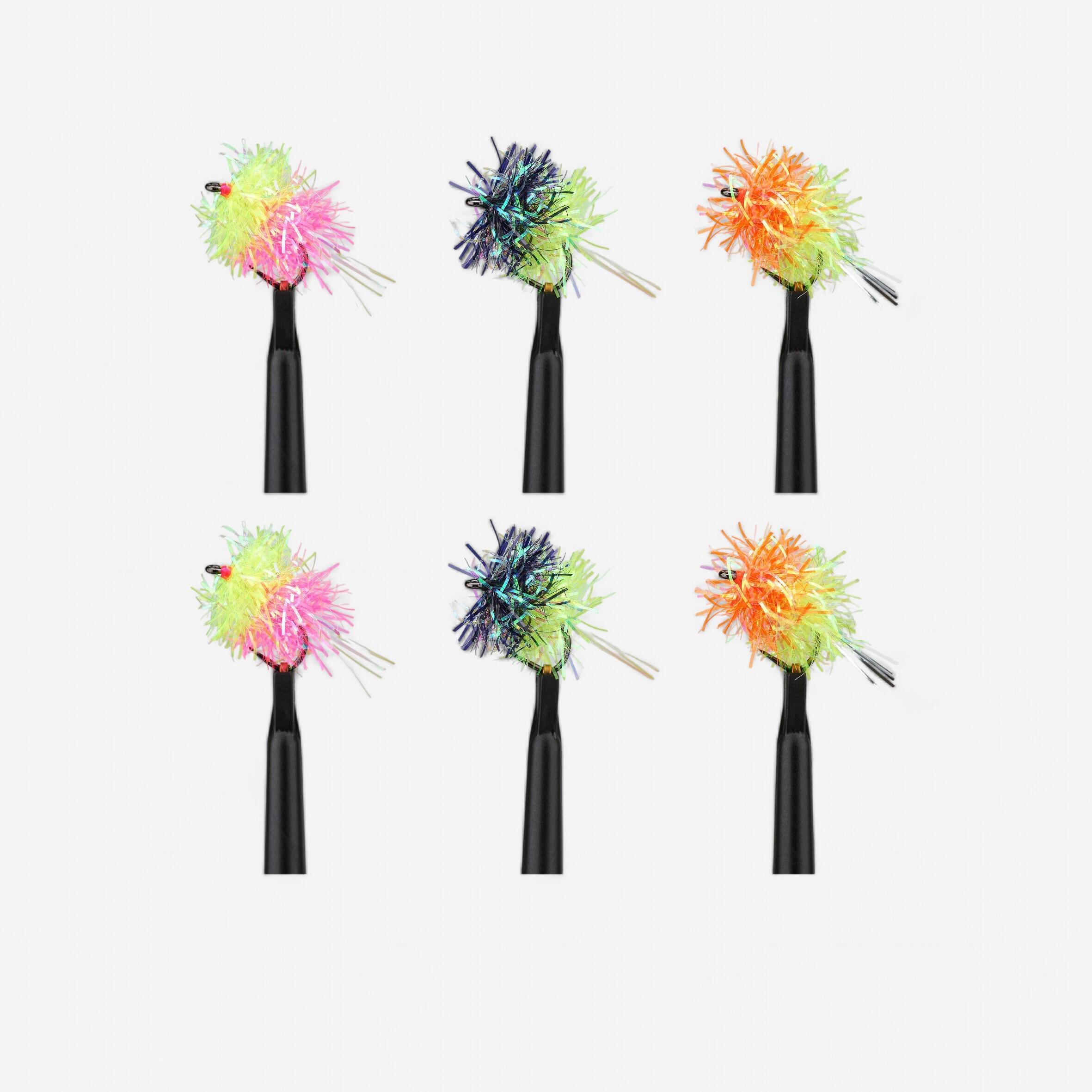
Caperlan's fly fishing streamers use water-repellent foam eyes to keep the fly suspended above the lake or reservoir bottom rather than allowing it to lie flat on the substrate. Caperlan recommends pairing them with a Type III sinking fly line, preferably Type V, for this style of fishing. Pulling the sinking line draws the streamer down; when you stop retrieving, the foam helps it rise slowly again. This creates a repeated rise-and-fall presentation that can help when fish are less active near the bottom. The HRK42 patterns use barbless hooks and were developed with fishing guides, competitors and enthusiasts before being tested on French lakes and reservoirs.

When can chironomids complement a streamer presentation?

Chironomid nymphs can add a smaller, more restrained presentation when you are already working flies close to the bottom. Caperlan specifically notes that its foam-eyed streamers can be combined with fly fishing chironomids using a loop knot, giving you another way to vary the rig without changing the complete fly setup. Keep spacing controlled so the flies do not tangle during casting, and make sure the rod and line remain suitable for a multi-fly presentation. After fishing, allow both streamers and nymphs to dry before returning them to the box. Store them in a cool, dry place rather than sealing wet flies away immediately, helping protect hooks and dressing materials between sessions.