Product Description
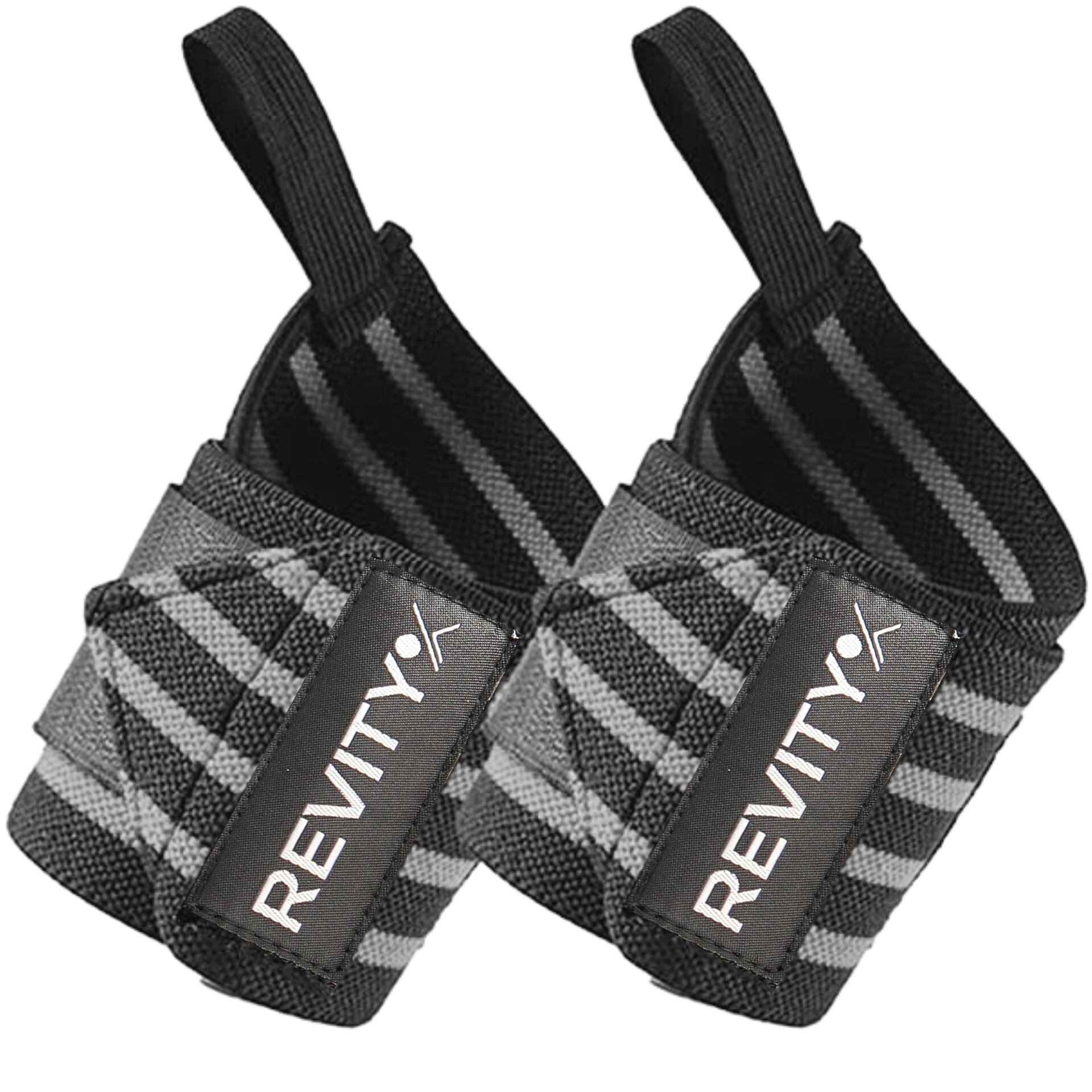
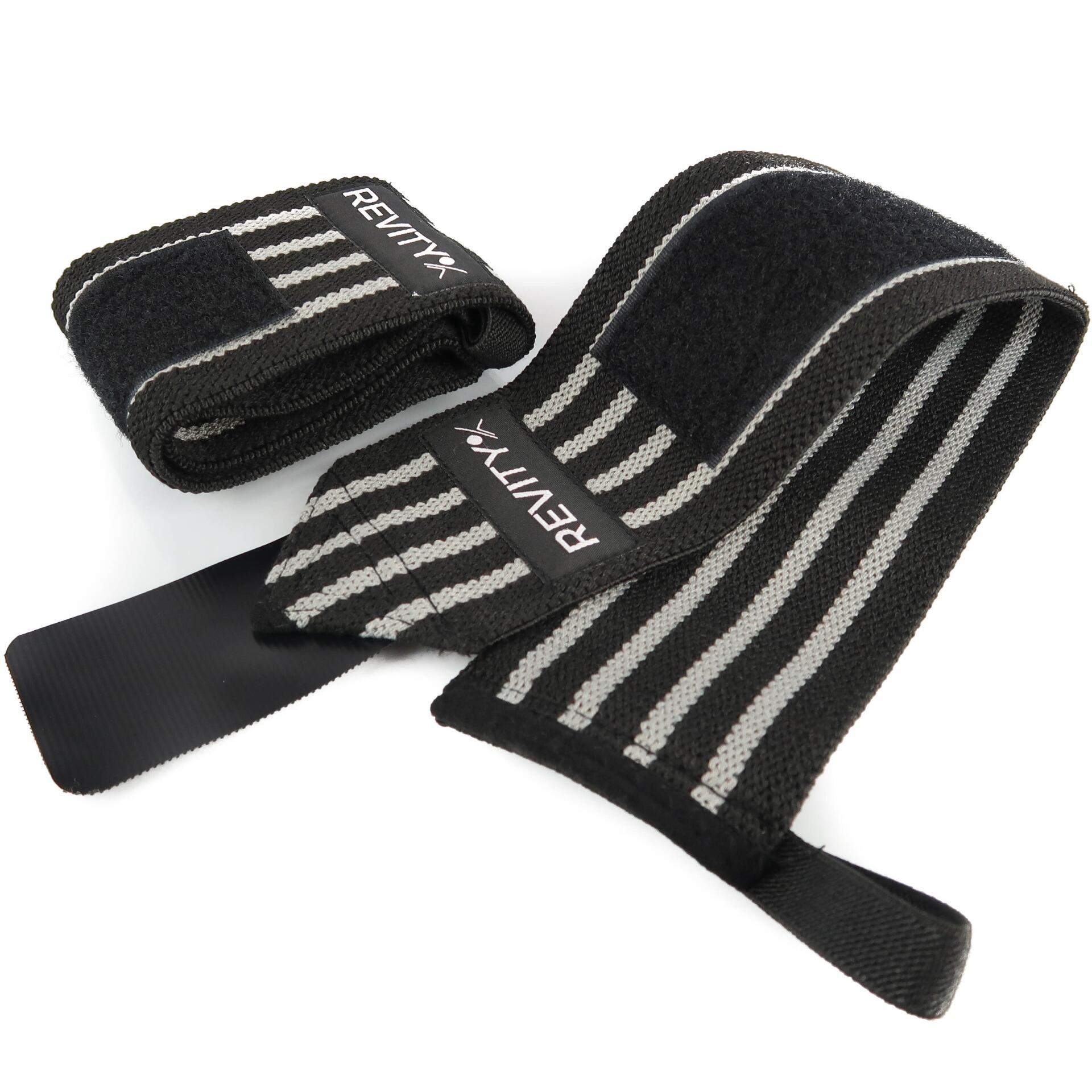
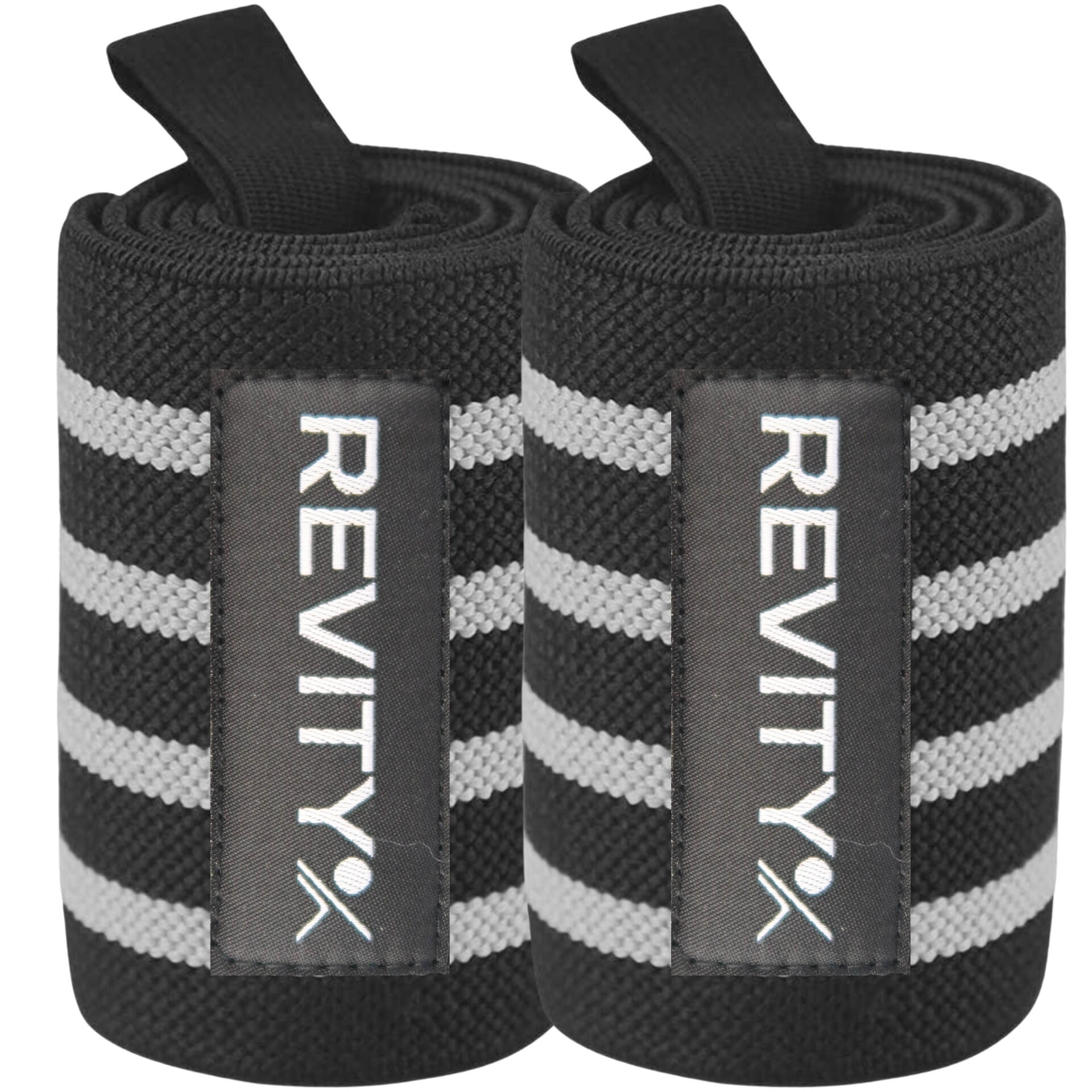
Weightlifting Wrist Wraps – Hero Wraps
1. What are Hero Wraps wrist supports?
Wrist supports may seem like a minor accessory at first, but they can be very useful
- for experienced athletes and regular gym/fitness users,
- for anyone who wants to prevent wrist discomfort before it starts,
- or for those returning to training after an injury.
They help keep the wrists in a more stable position during heavy, demanding lifts and can reduce discomfort caused by overload.
They can also be helpful for people who need longer-term support (e.g. after a sprain, dislocation, or certain fractures) when the wrist should be stabilized without being fully immobilized.
2. Key information
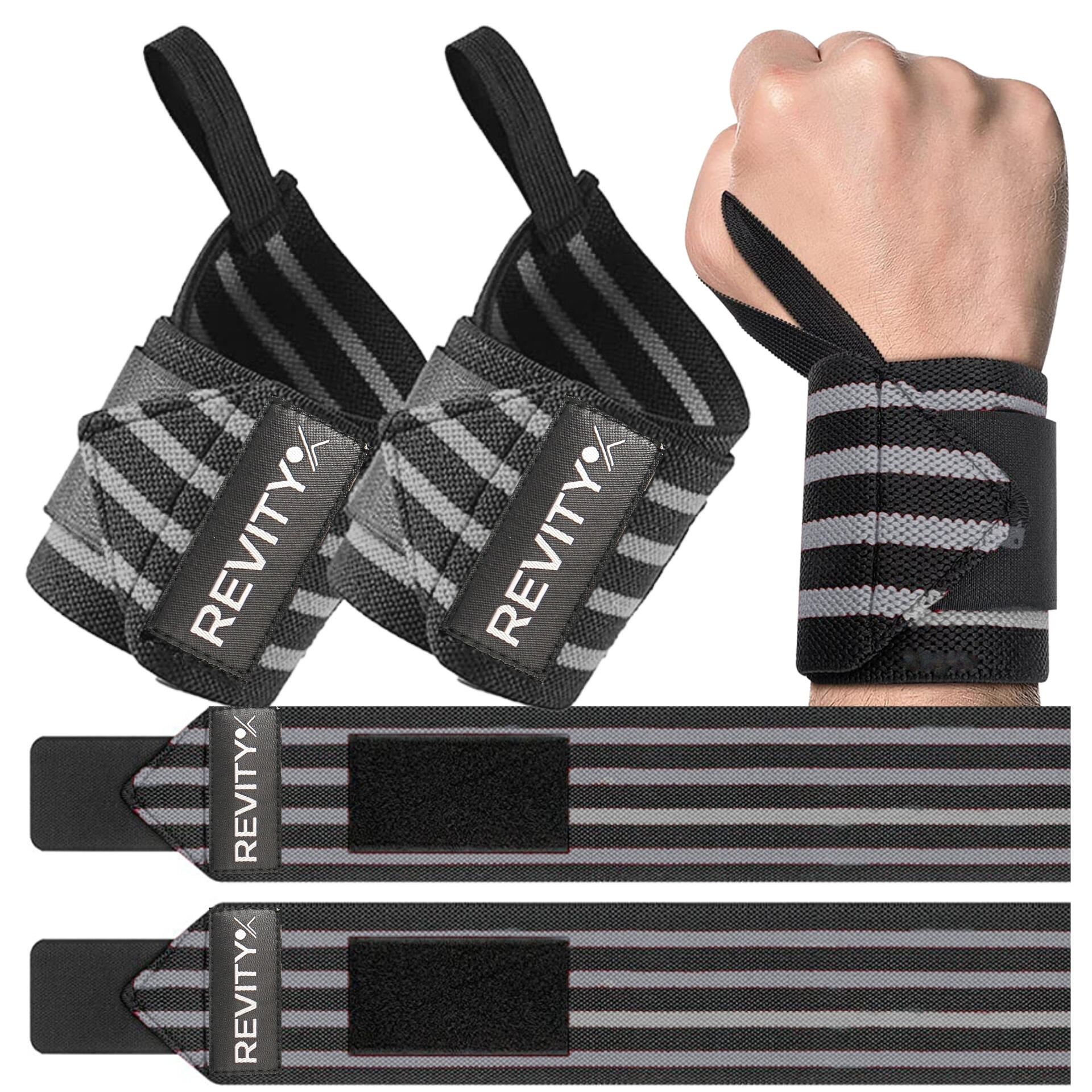
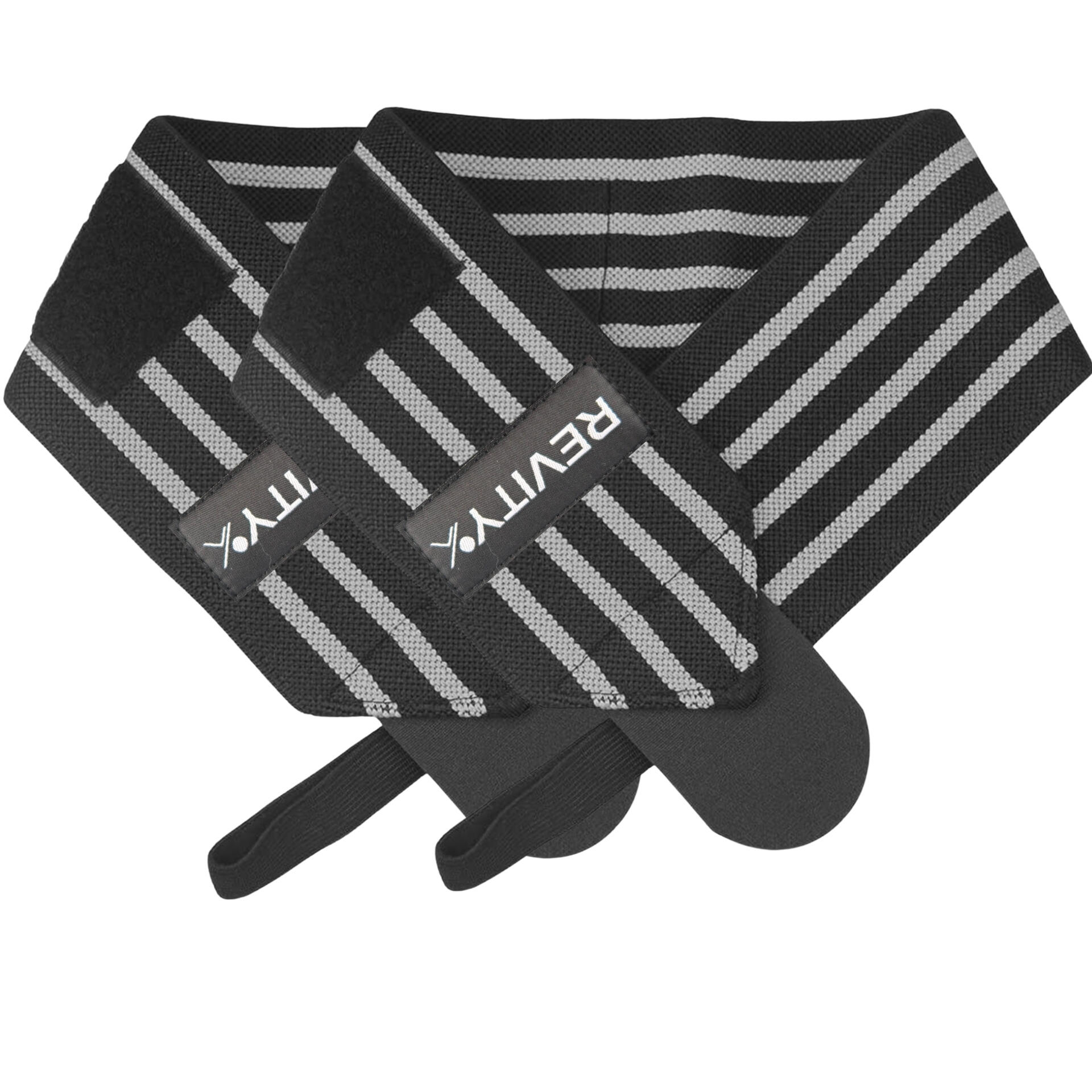
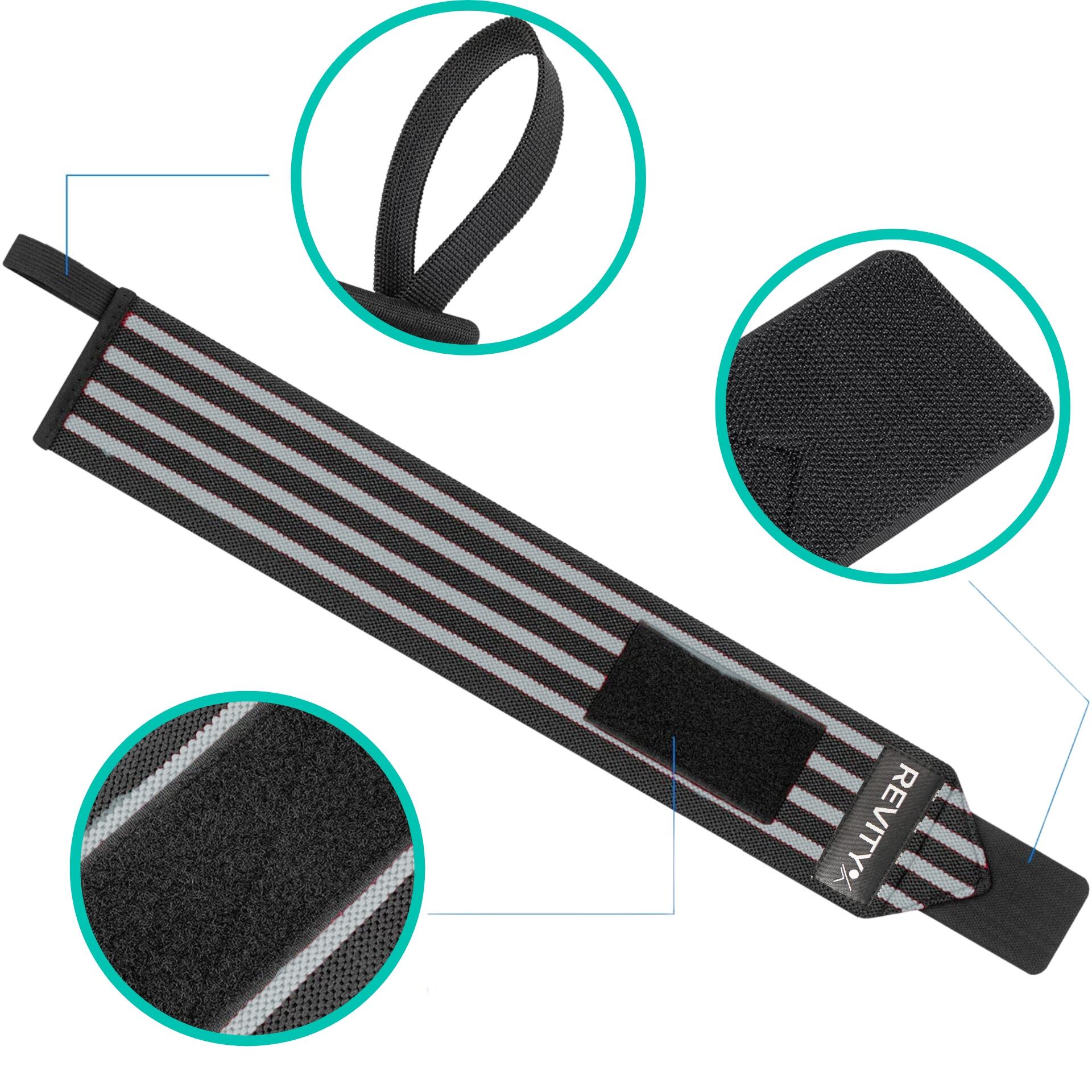
- One size with Velcro fastening: suitable for women and men.
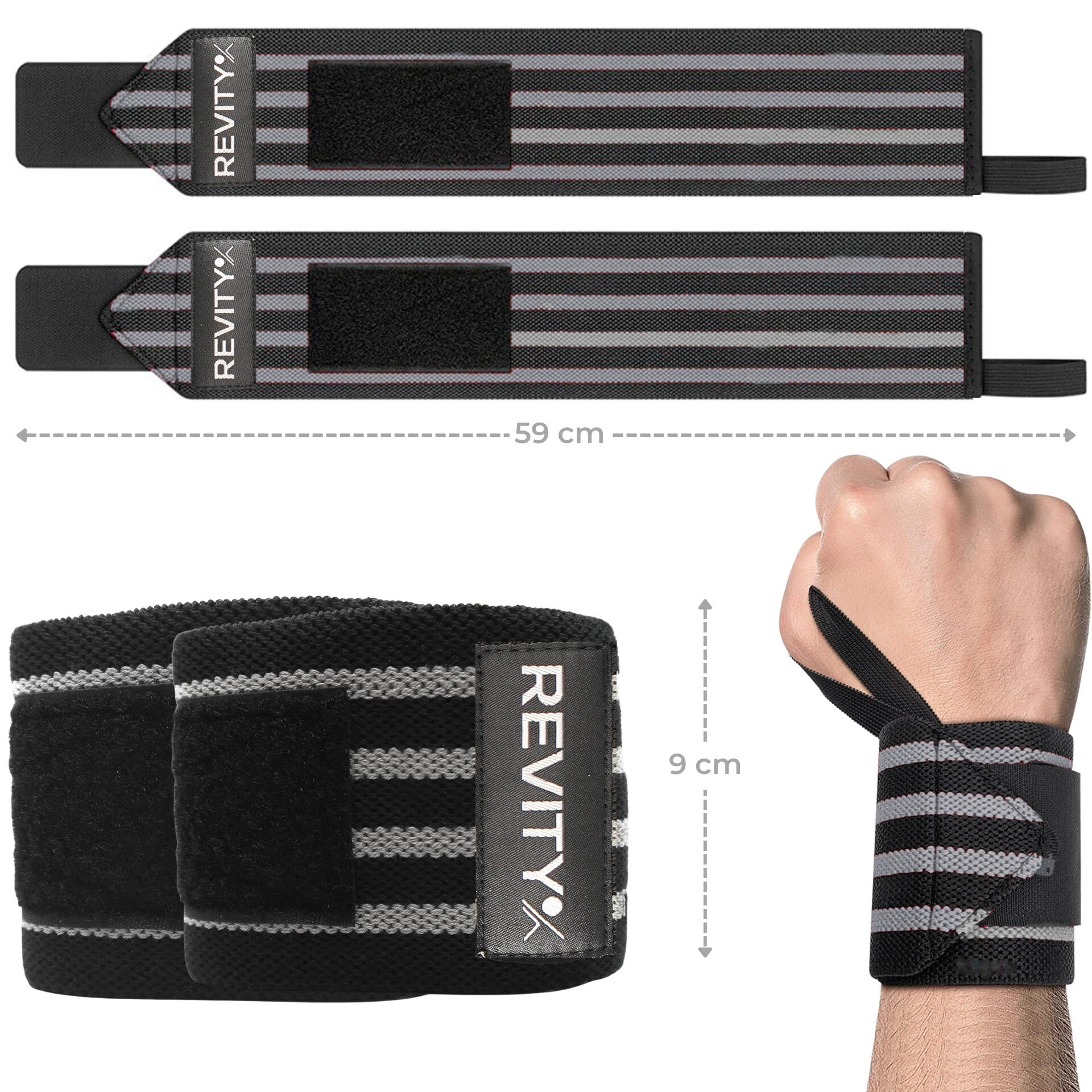
- 9 cm width for solid support of the wrist and the forearm junction.
- Approx. 60 cm length: wraps around multiple times without excessive extra layers.
- Elastic material: easy adjustment and adjustable compression for secure support.
- Breathable cotton + latex blend: comfortable, helps reduce odors, and is easy to clean.
- Machine washable at 30°C with technical/sports clothing.
- Thumb loop: makes it easier to put on and helps ensure consistent stabilization.
- Skin-friendly: thick fabric helps reduce irritation and rubbing.
- Quality materials: wide, durable Velcro designed to stay effective over time. Latex woven into the cotton improves wear resistance.
3. FAQ
3.1. I don’t have pain—are they still useful?
Prevention is better than cure. If you put heavy load on your wrists, the risk of discomfort or injury increases. Using wraps regularly is a good habit for safer training.
3.2. Are they suitable for serious injuries?
These wraps stabilize but do not fully immobilize the wrist. If you need to block movement, you’ll need a different solution. They are best for support and for the later stages of returning to training.
3.3. What if I only do light exercises?
Even with moderate loads, they can help reduce discomfort risk, especially in wrist-loaded positions (planks, push-ups, etc.). The wrist is complex and sensitive—prevention is often the best approach.