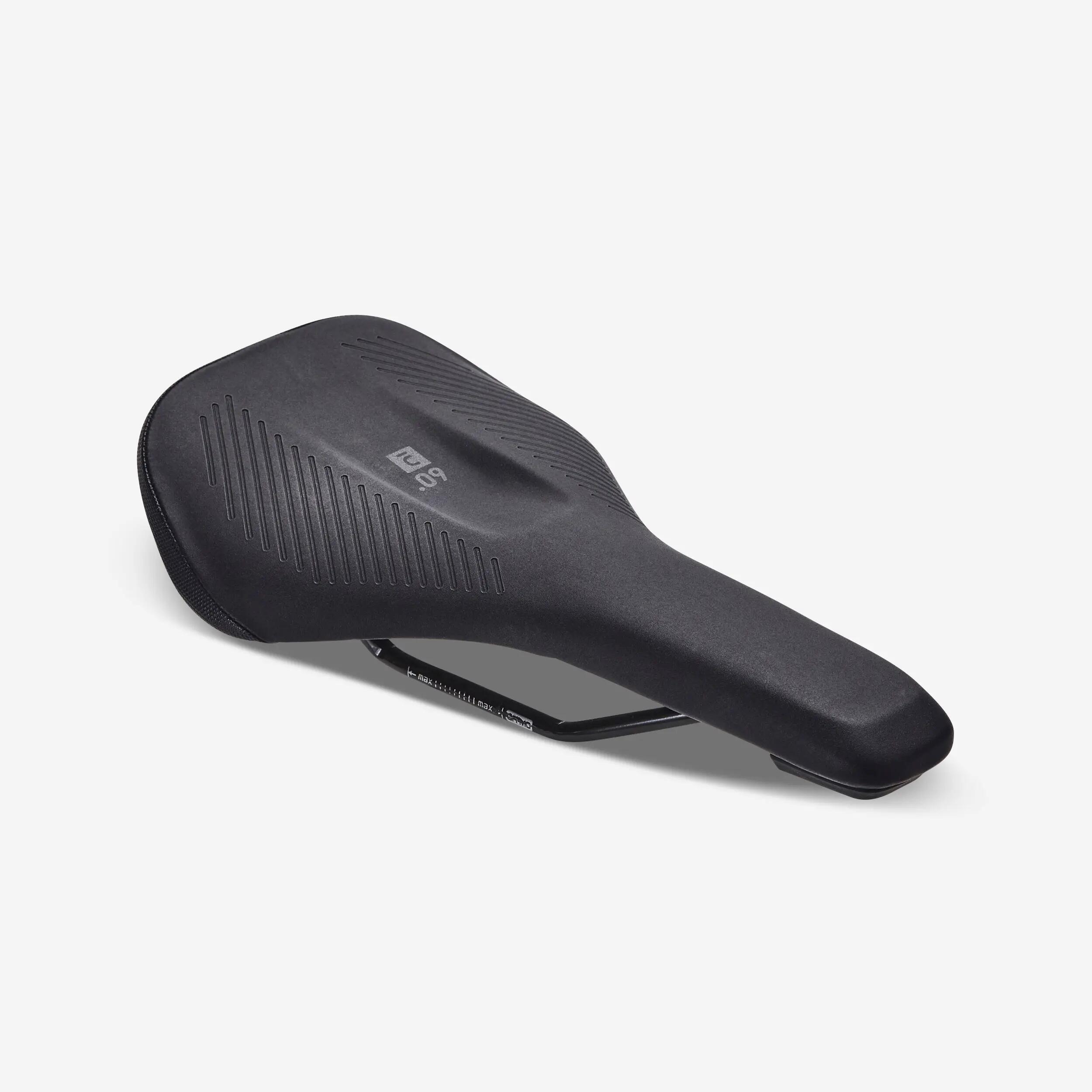
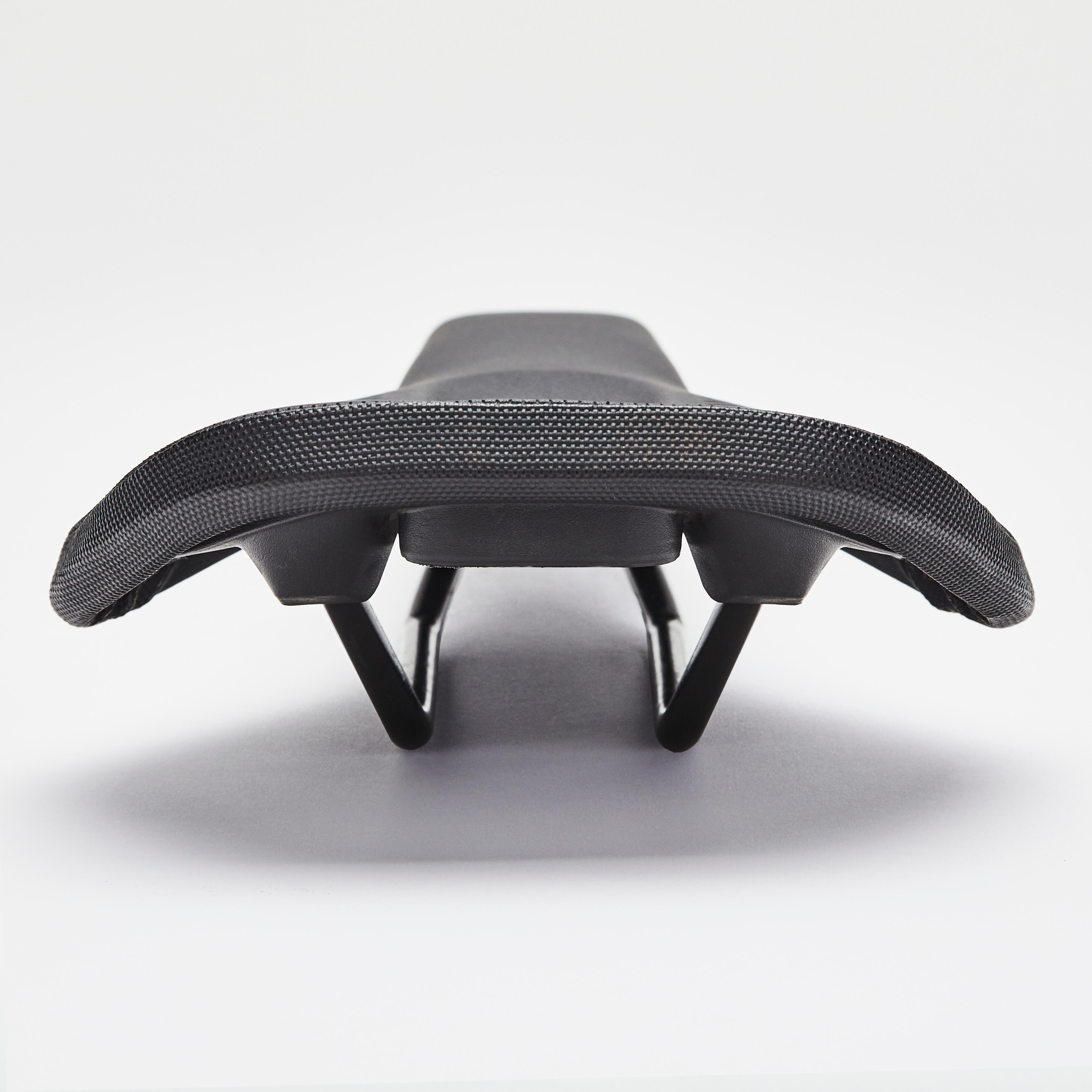
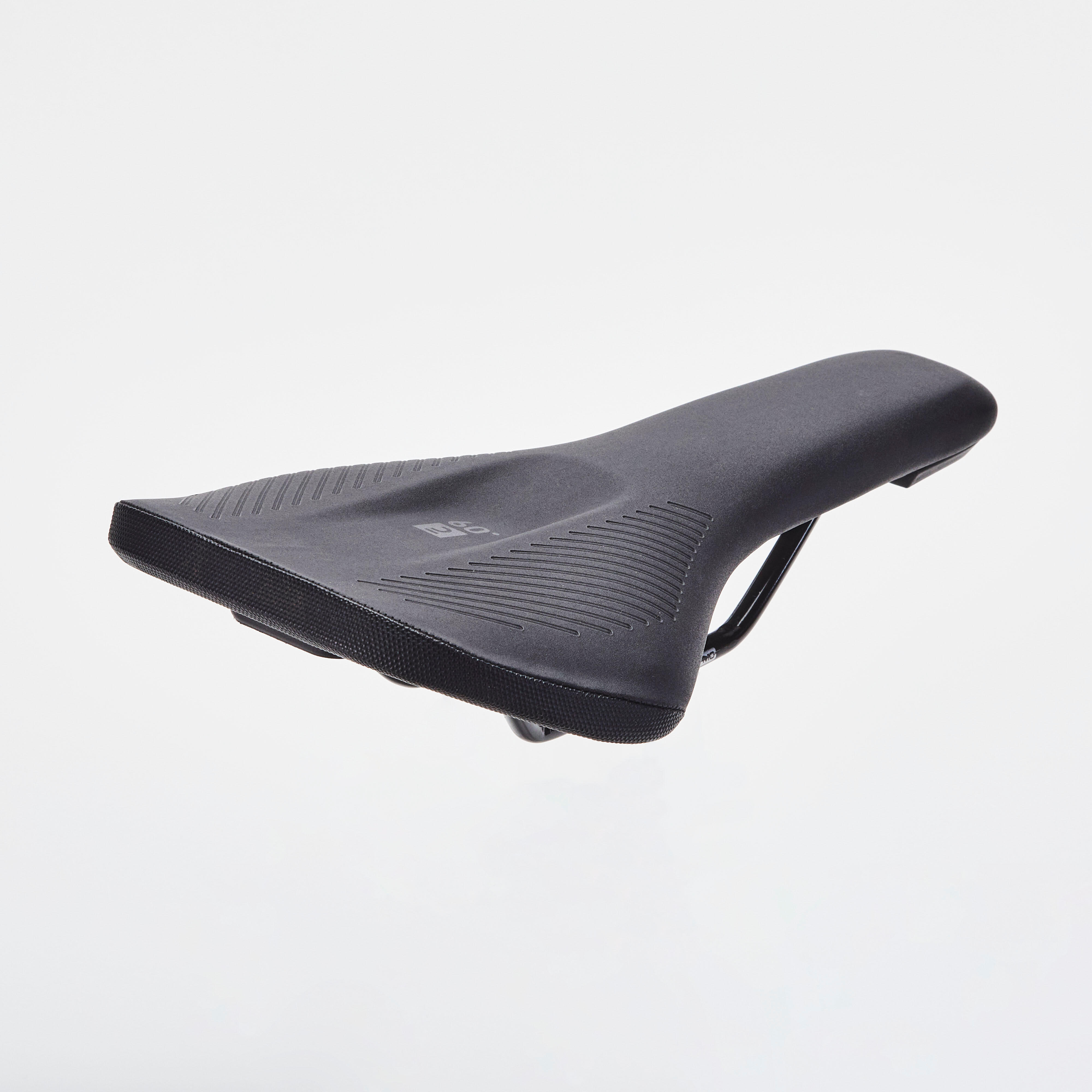
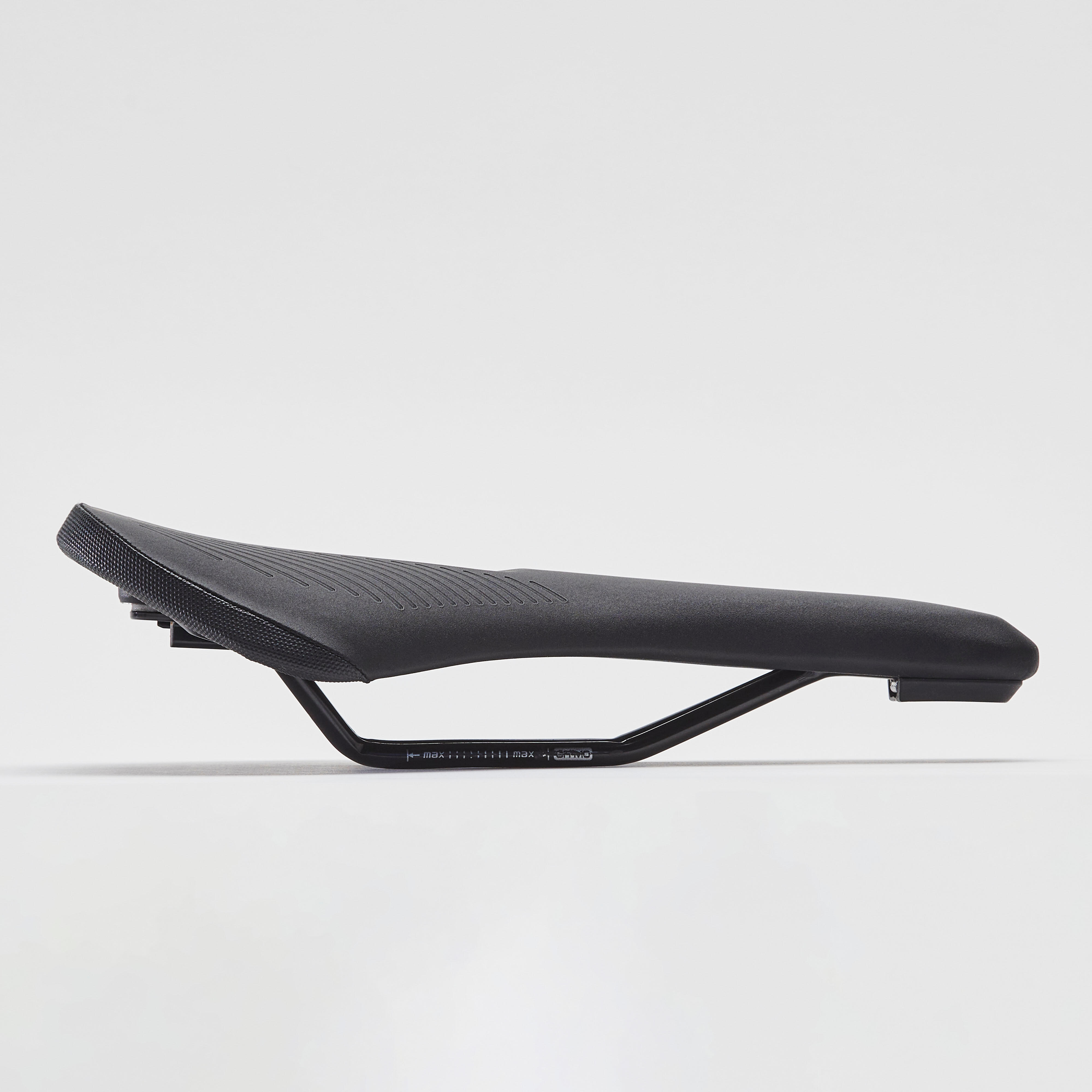
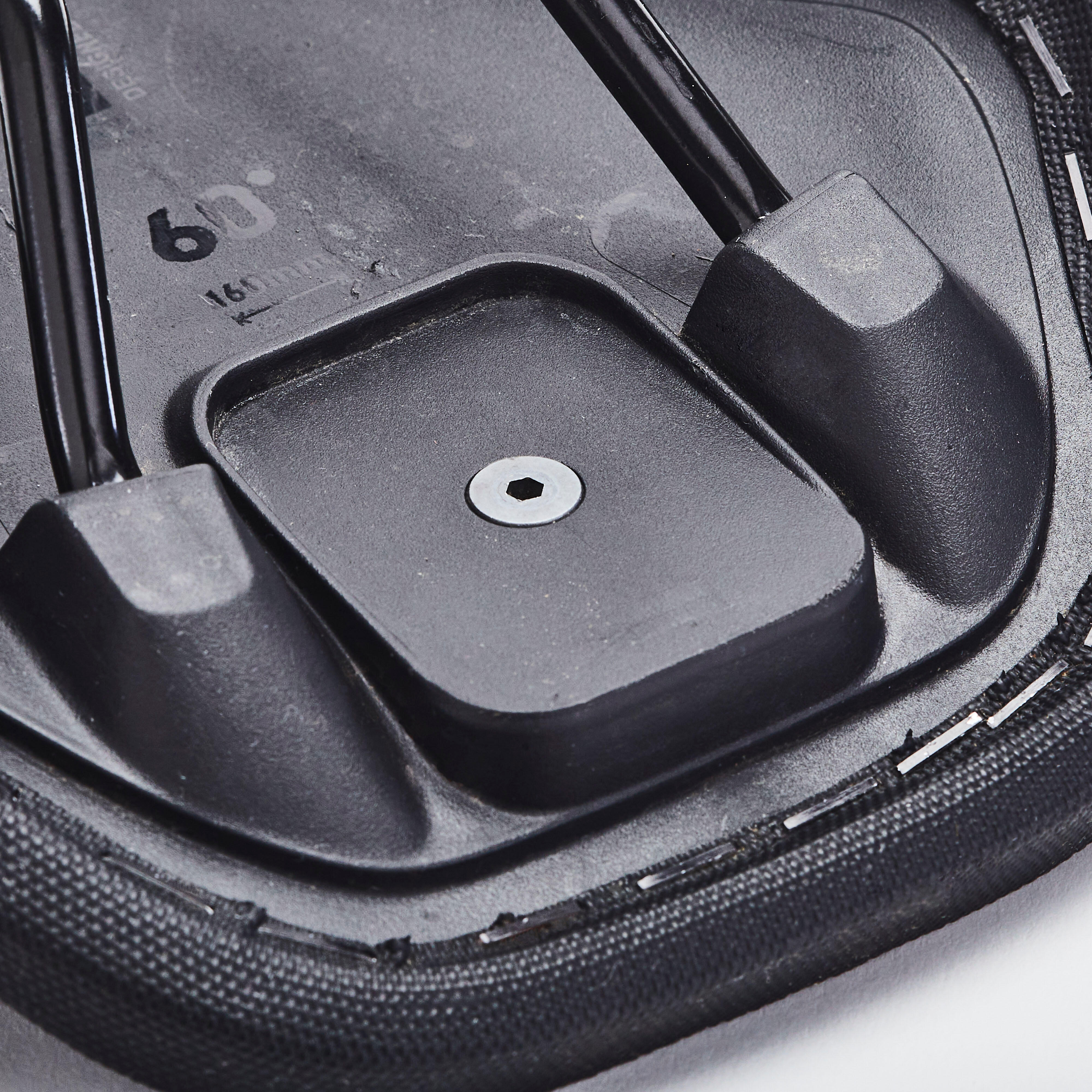
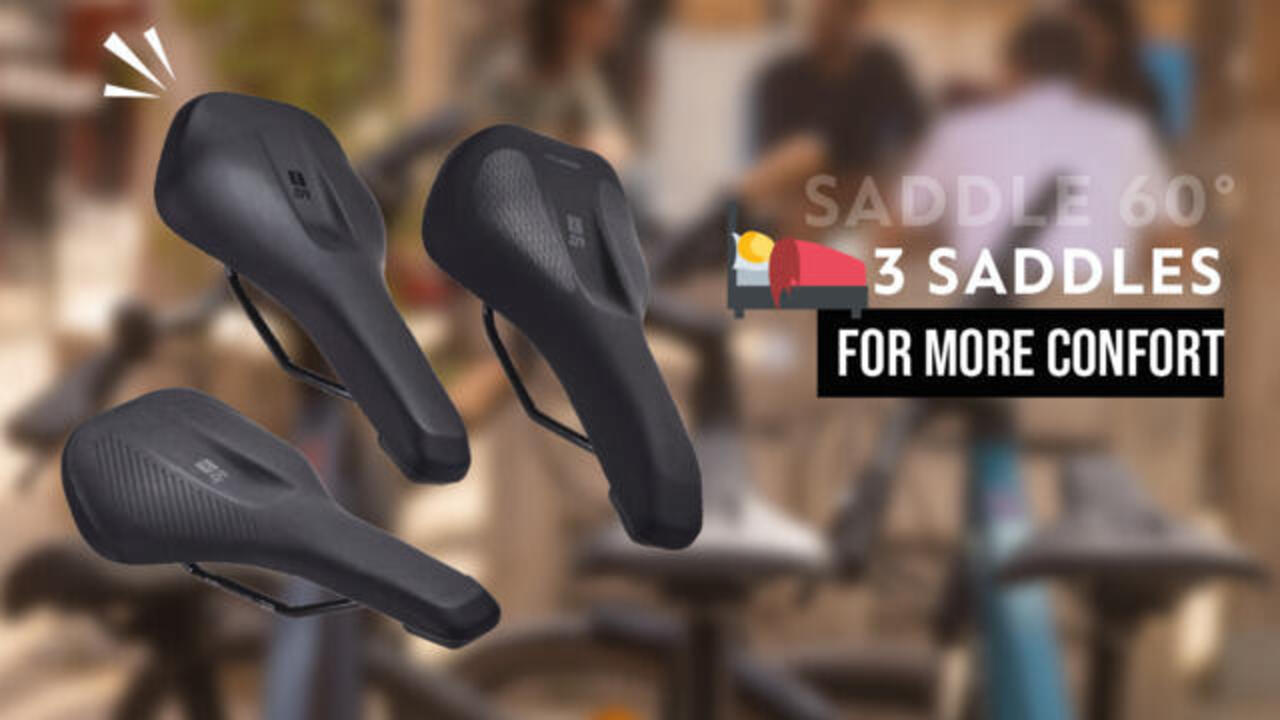
Features:
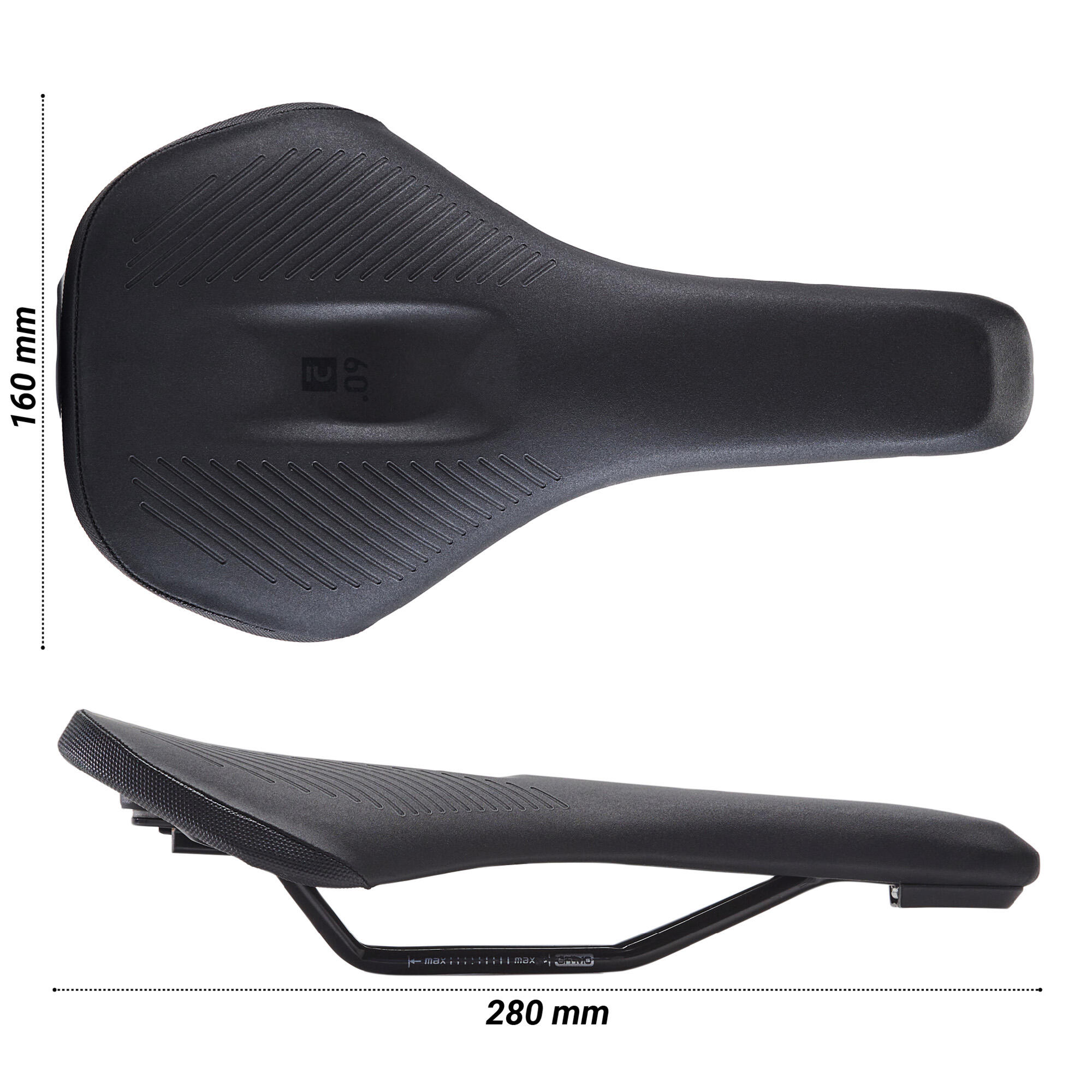
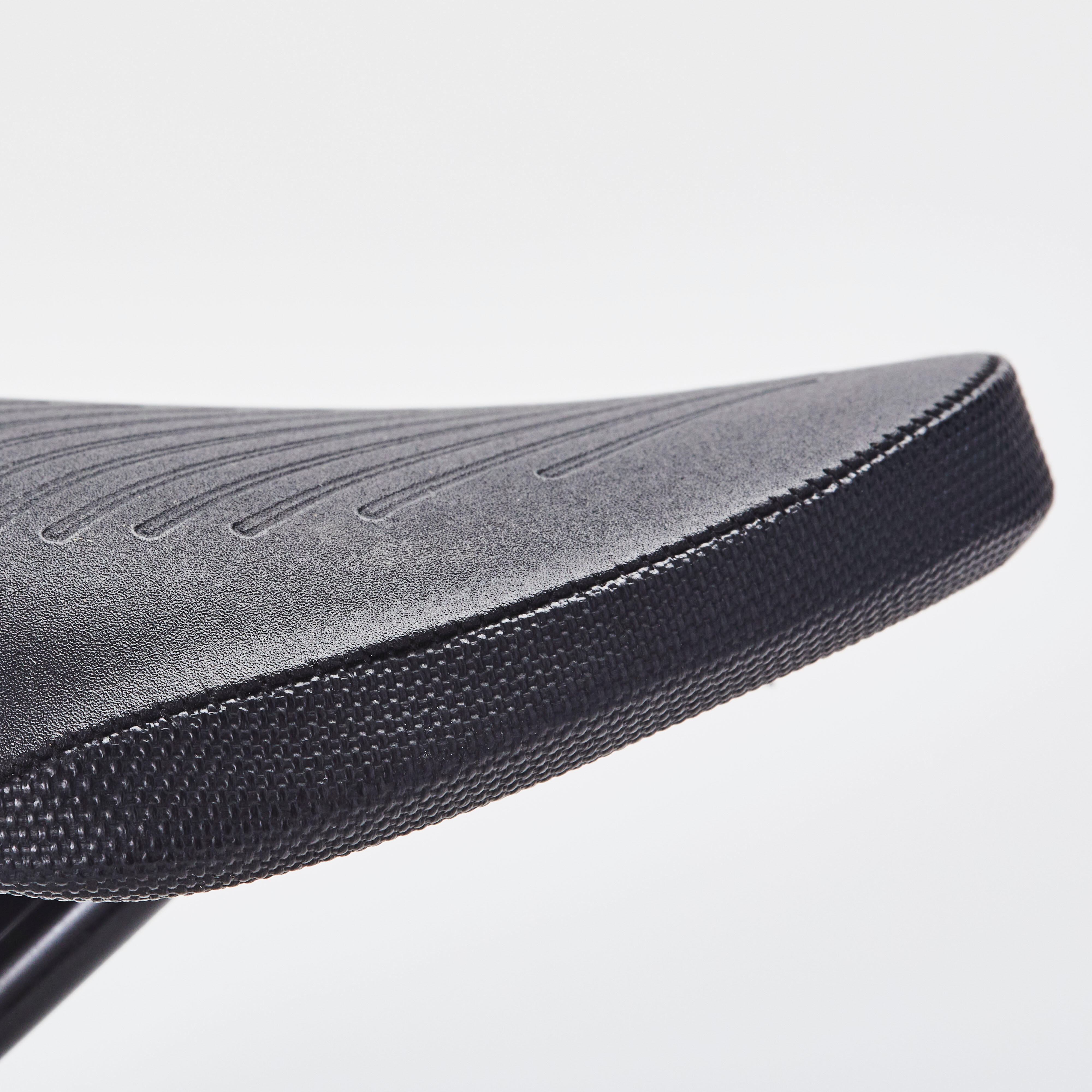
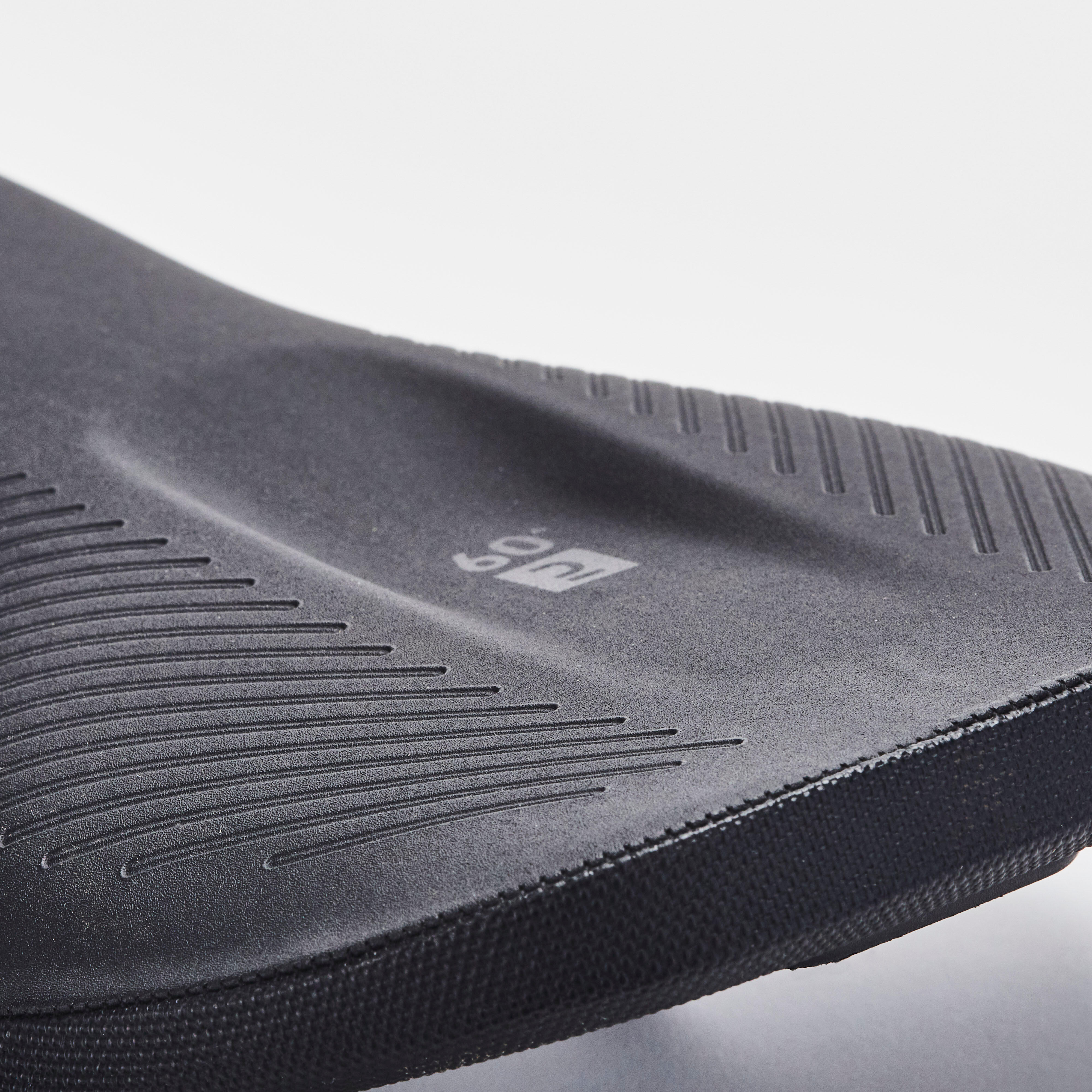
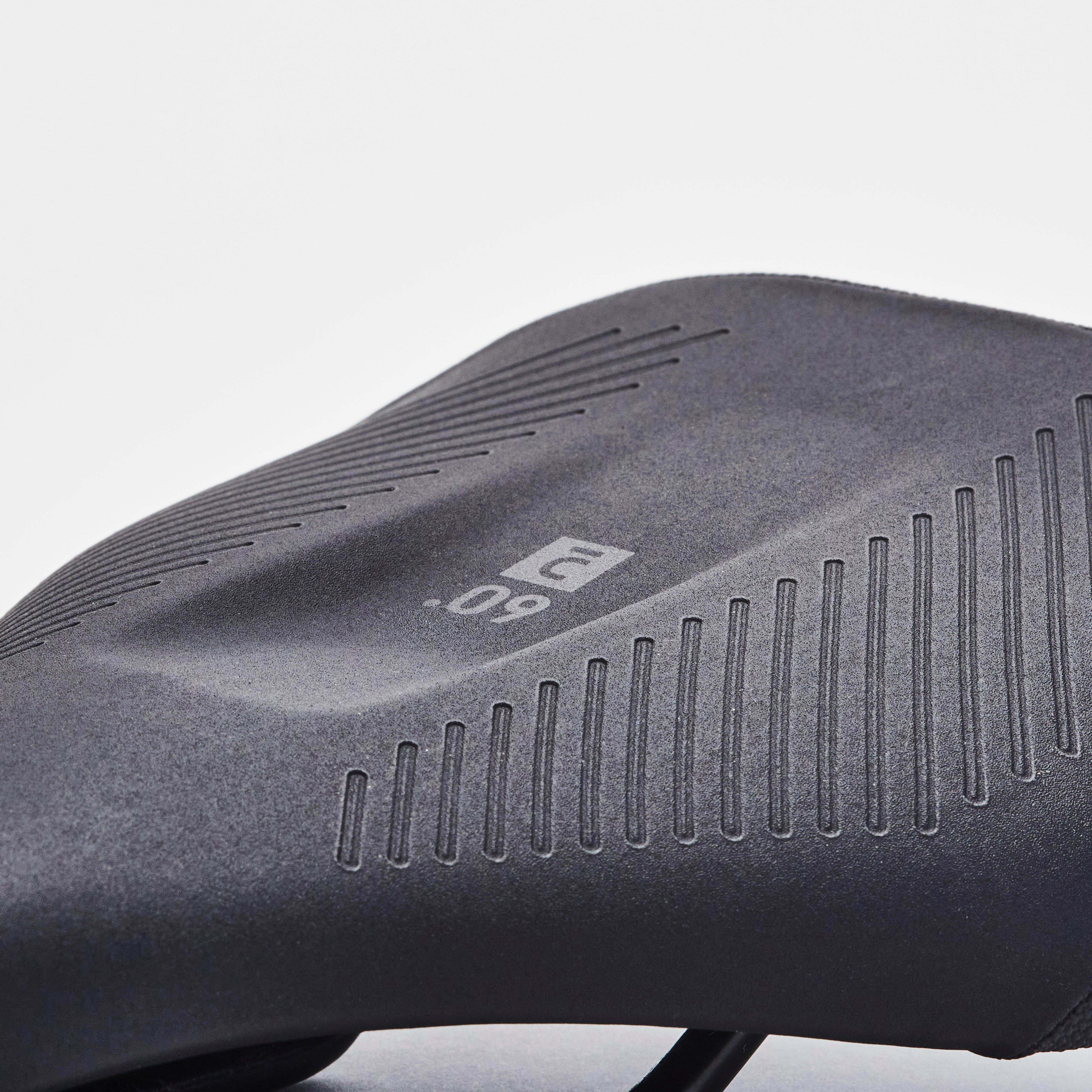
270 mm x 160 mm
Compatibility:
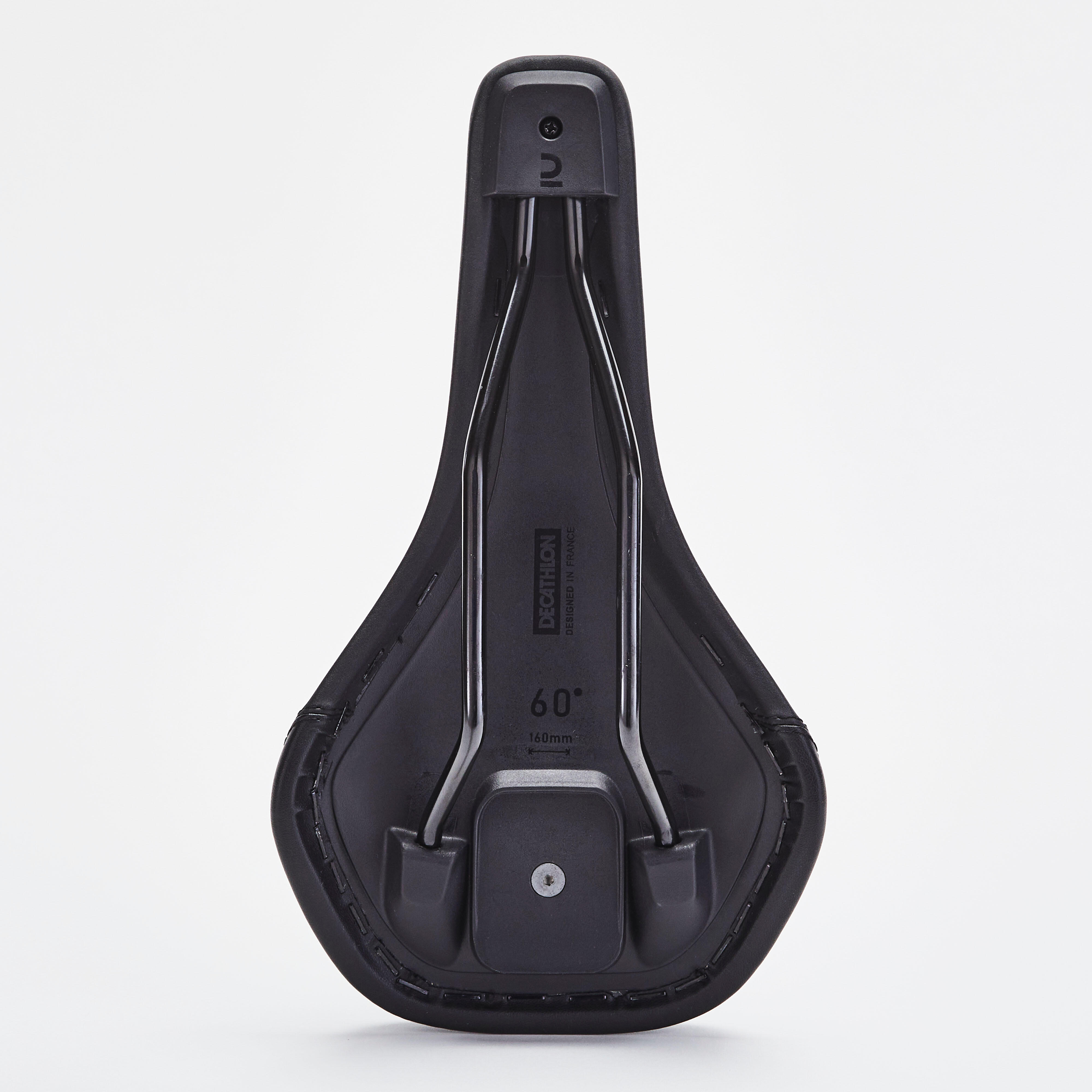
Compatible with all brands of seatpost with 7 mm rails.
How to choose your saddle according to your riding style
A saddle adjusted to your position for guaranteed comfort.
Straight back (90°): Wide padded saddle for greater comfort
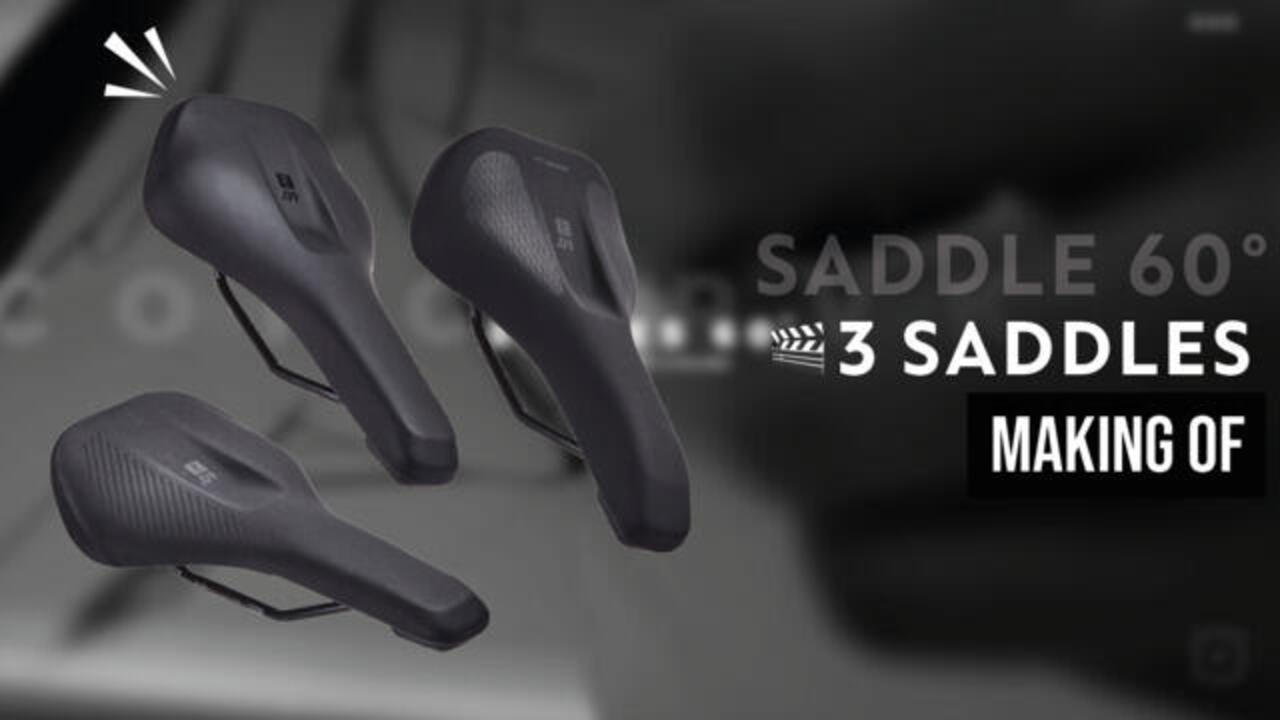
Inclined position (60°): Versatile saddle
Low position (30°): Thin, profiled saddle to improve your performance
CHOOSING YOUR SADDLE WIDTH
Two saddle sizes, which one should I choose?
- If the space between your ischial bones is between 90 and 120 mm: choose145 mm
- If it is between 120 and 140 mm: choose 155 mm
And if you pedal with your back fairly straight, even with a narrow ischial bone space, the 155 mm can improve your comfort.
Advice approved by our SportsLab specialists!
Watch the tutorial video to measure your sit bone width:
You can also watch our tutorial video which will explain all the steps described above: https://players.brightcove.net/3415345270001/DOHosj6Wy_default/index.html?videoId=ref:p2575062_1
TO MAKE THE MOST OF YOUR BIKE RIDE:
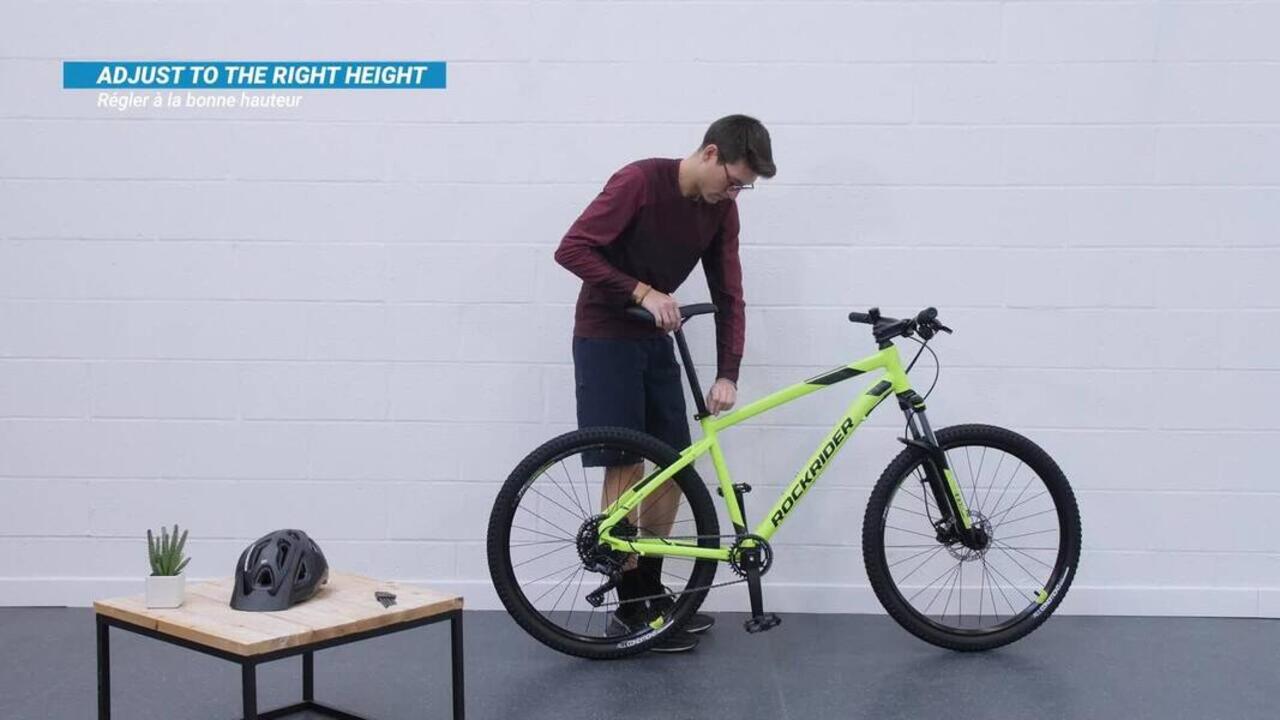
For greater riding comfort, it is essential to adjust your saddle correctly. Firstly, choose a model suited to your posture (for example, back angled at 60°). Then adjust the height so that your leg stretches naturally without your pelvis moving. Adjust the angle for comfortable support, a neutral position is often ideal. Finally, position the saddle so your knees are aligned with the middle of your pedals, this will improve your pedalling efficiency.
1. Determining the saddle height (part 1):
- Stand barefoot, back against a wall, feet apart (15-20 cm).
- Take a hardback book and move it up slowly between your legs.
- Mark where the book touches the wall.
- Measure from the ground to this mark: this is your inside leg measurement.
This measurement will help you to choose a really comfortable bike saddle.
1. Determining the saddle height (part 2):
Good adjustment starts with a reliable measurement:
Inside leg x 0.883 = ideal saddle height.
A simple guide to cycling freely and enjoyably.
2. Adjusting the saddle angle:
Your comfort in the saddle also depends on the angle.
Place a spirit level on the top, from the centre to the tip.
Adjust to achieve a completely flat surface, then test on the road to fine-tune.
3. How to measure your sit-bone width
To measure the spacing between your ischial bones, follow this simple protocol:
- Stack two pieces of corrugated cardboard on a flat stool.
- Sit down and put lots of pressure on it for 1 minute.
- Two dents will appear when you get up.
- Find their centre, join them together, and measure.
This distance is an essential indicator in determining the saddle best suited to your body shape.
3. Adjusting the saddle setback:
Find the balance between comfort and performance
- In position, horizontal crank, knee bent
- Your kneecap should be just above the centre of the pedal
→ This good alignment reduces tension and optimises each turn of the pedal.