Product Description
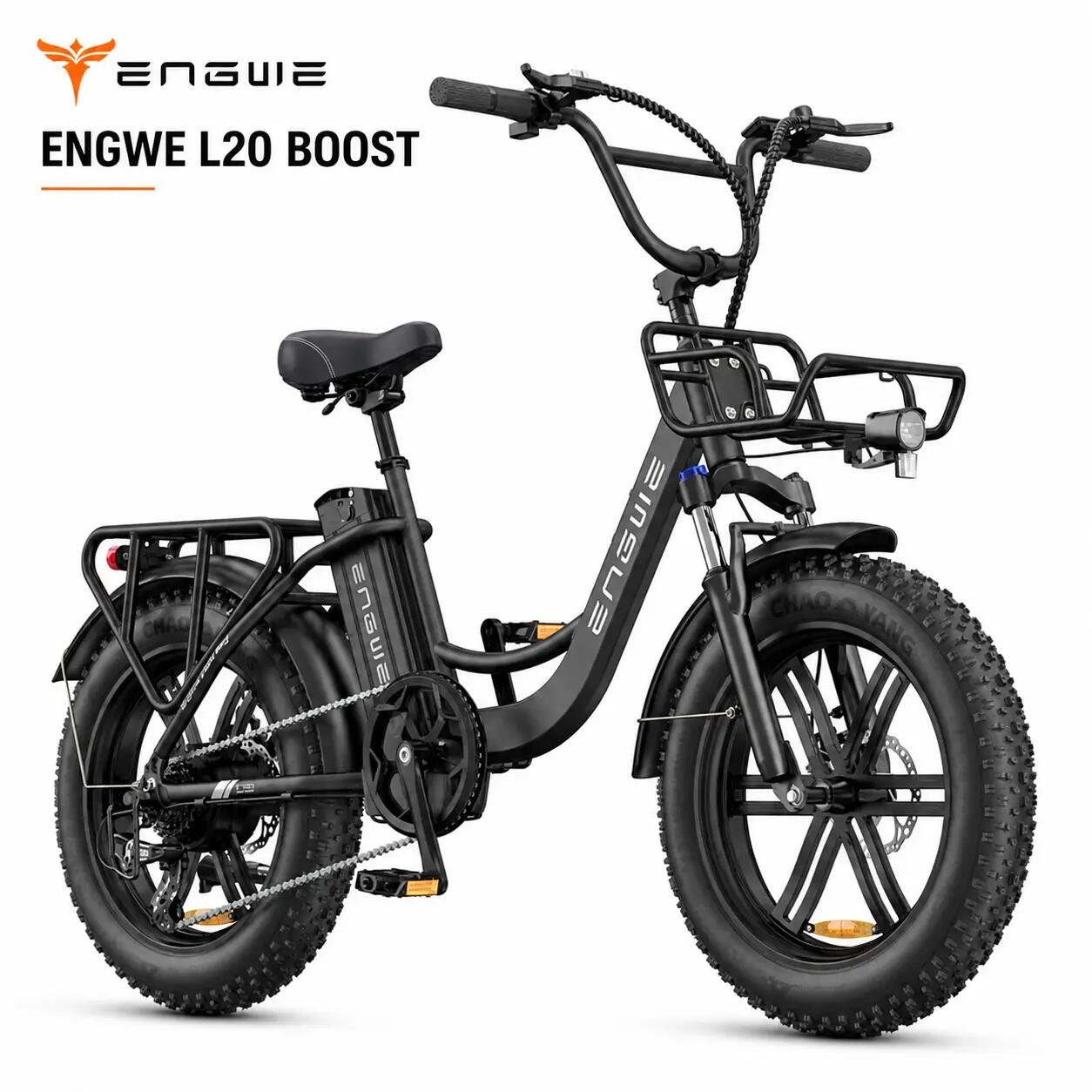
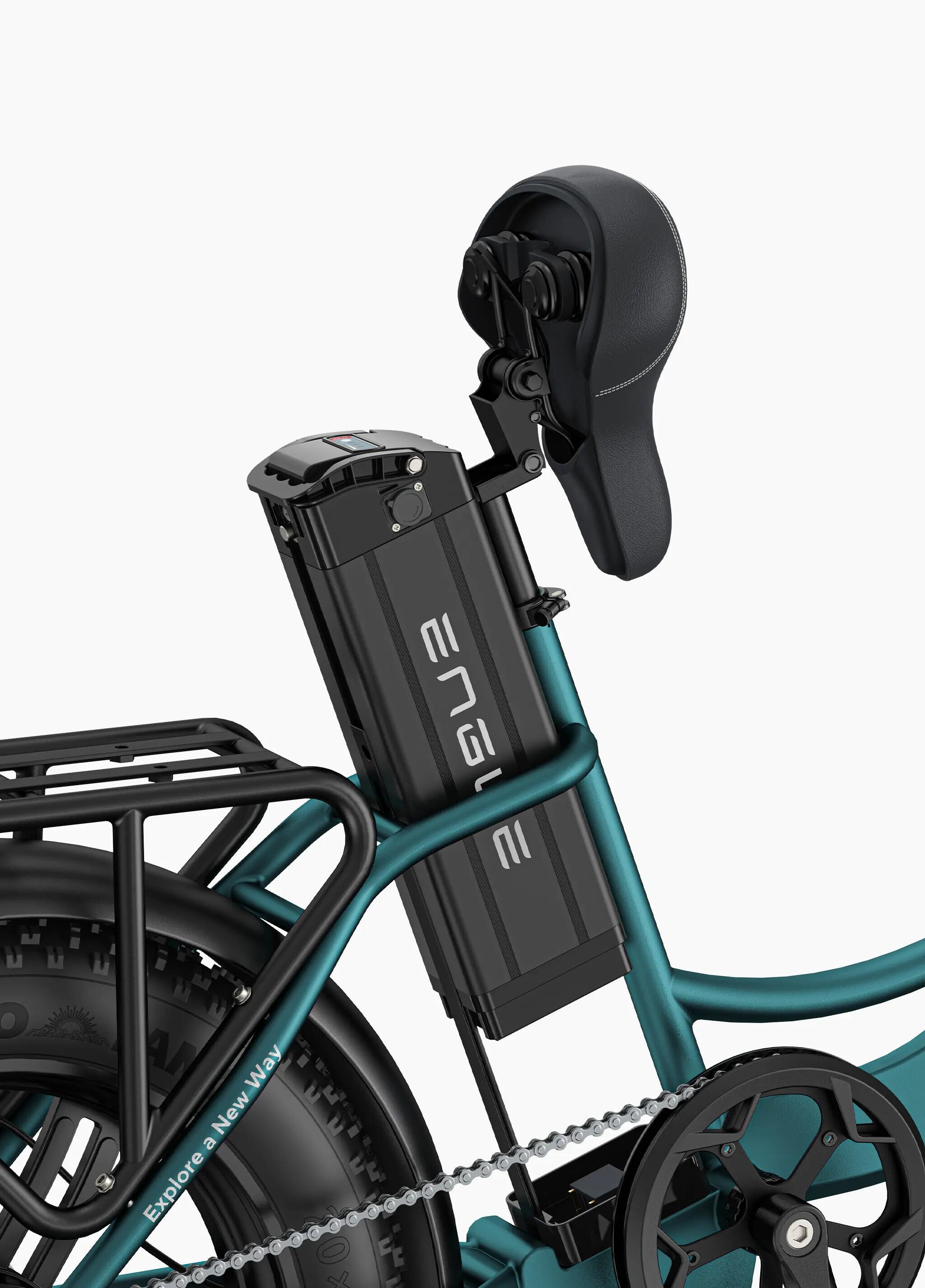
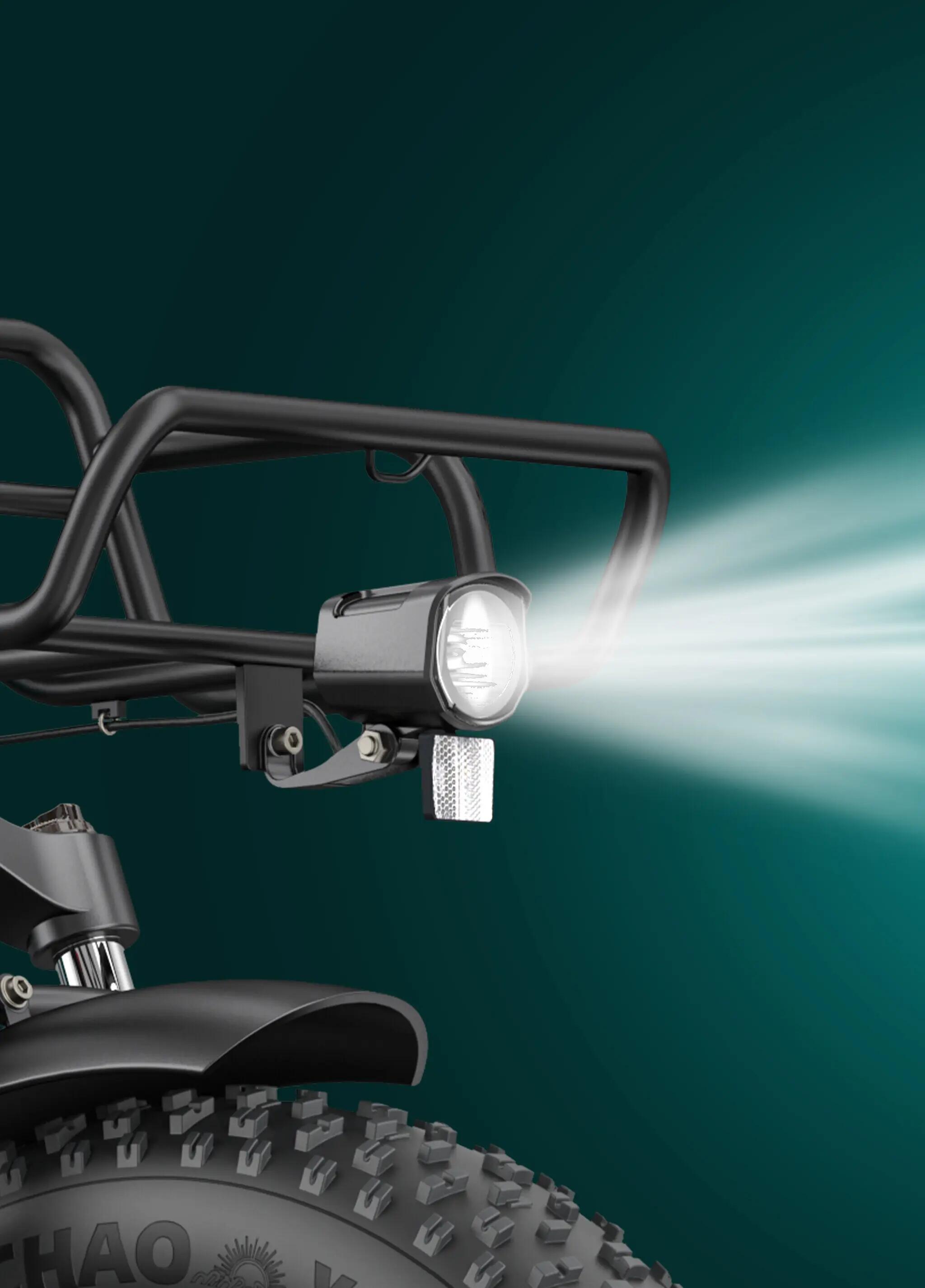
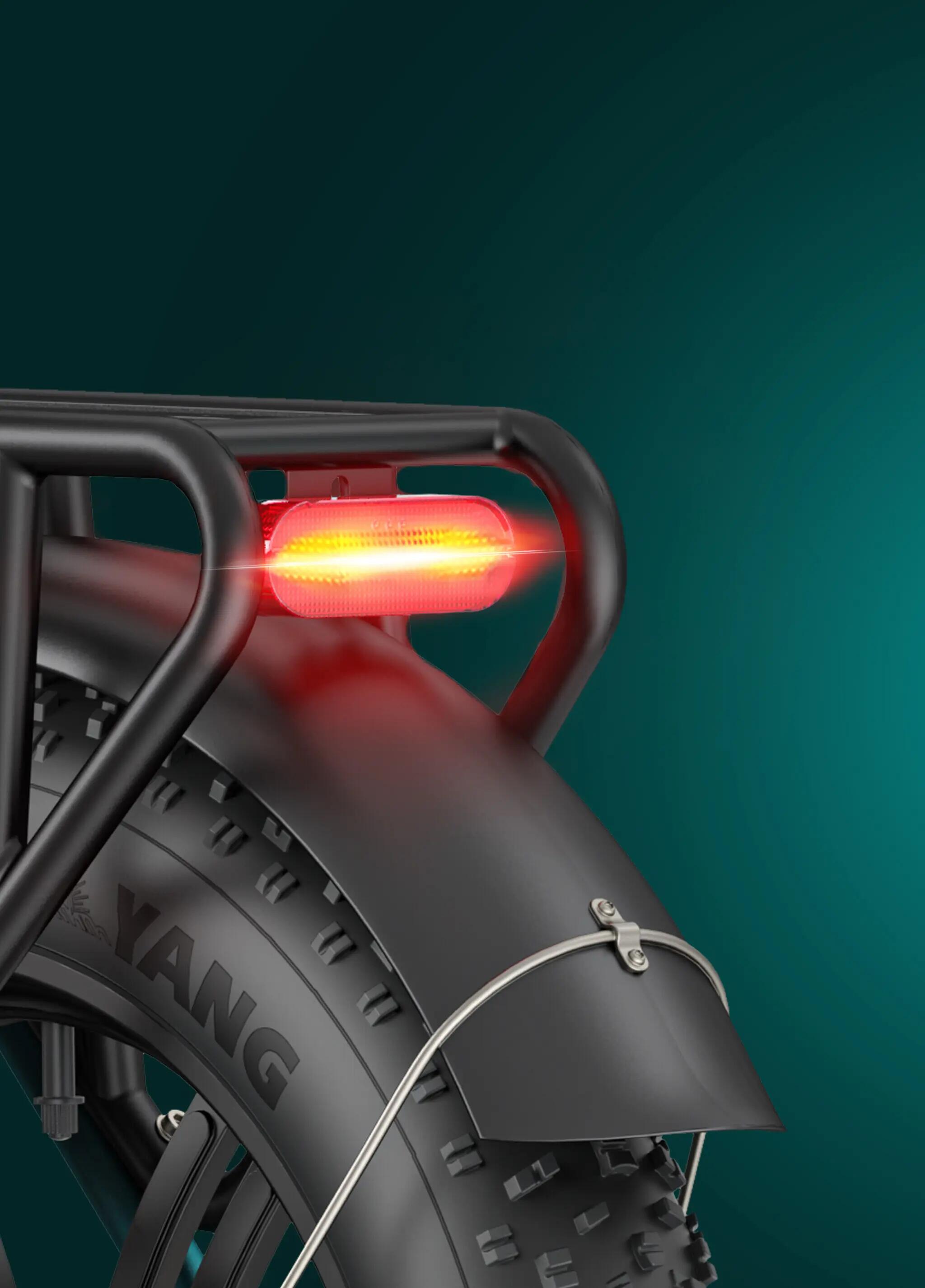
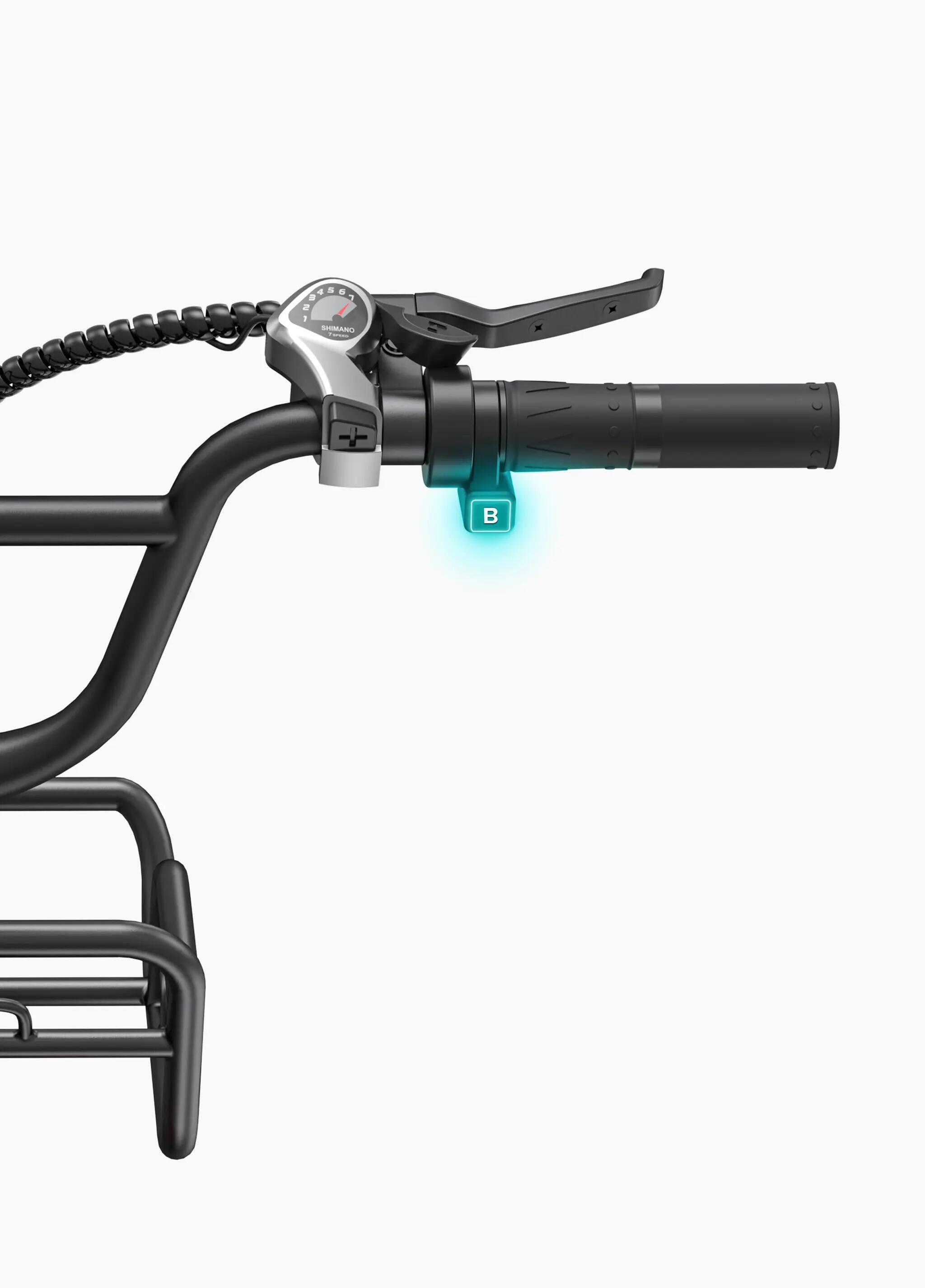
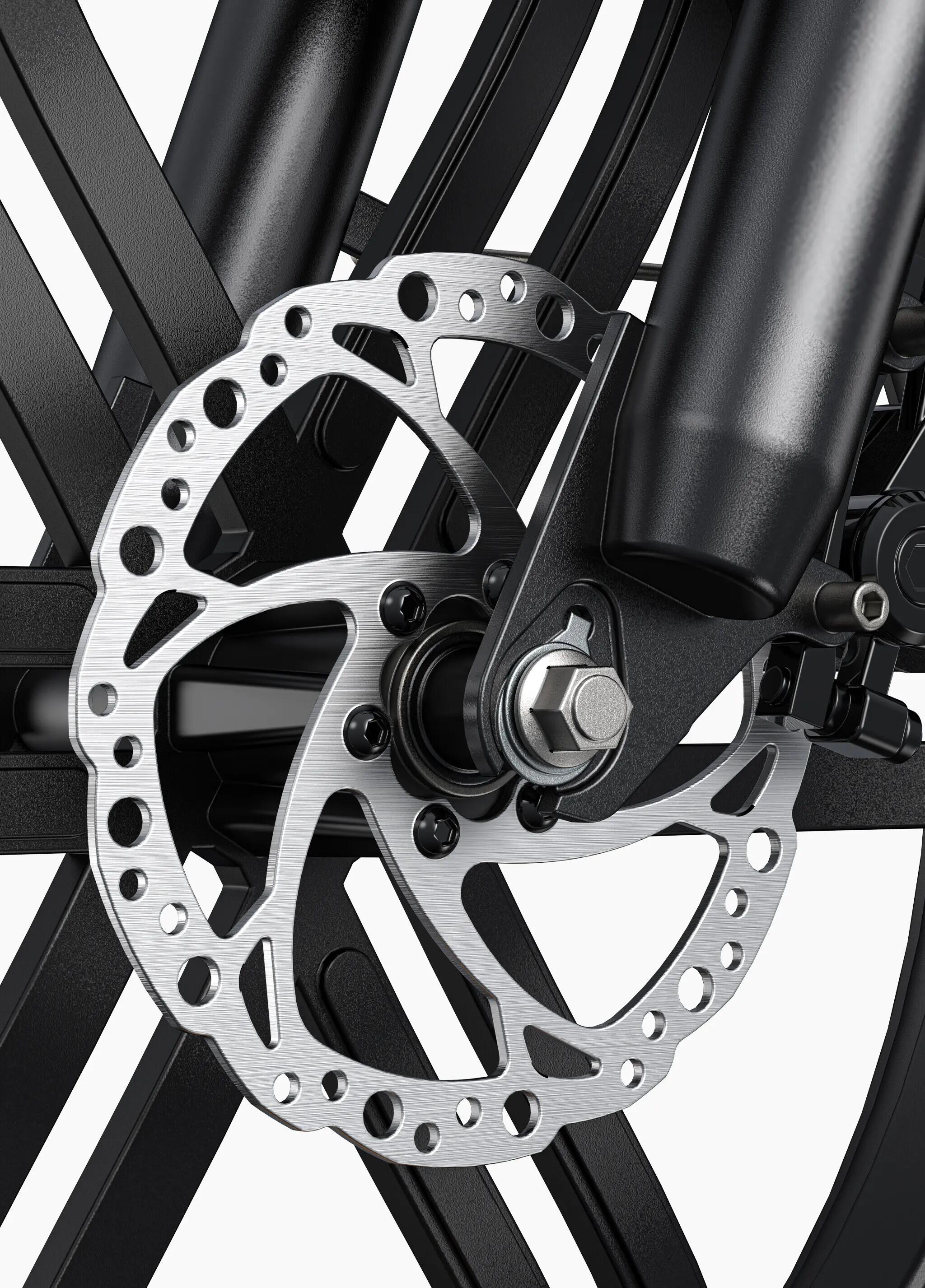
Motor assistance and drivetrain controlThe ENGWE L20 BOOST electric city bike uses a 250W motor operating at 48V and has a stated assisted speed of 25 km/h. Assistance works with Shimano 7-speed drivetrain with torque-sensor assistance so the rider can select an appropriate cadence and response for starts, level streets and moderate gradients. Motor output supports pedalling and does not replace responsible control. Select a speed suited to traffic, surface grip, visibility and local rules. Published performance is based on reference conditions; rider mass, luggage, tyre pressure, temperature, gradients, wind and frequent stops can change acceleration, speed and energy use during an actual journey.Battery capacity and practical riding rangeEnergy is supplied by a removable 48V 13Ah lithium-ion battery, providing 624Wh of nominal capacity and a stated assisted range of 126 km under the product reference conditions. The battery is mounted behind the seat tube and removable for charging, and a normal charge takes about 6.5 hours with the specified charger. Range is not a fixed guarantee because assistance level, payload, hills, wind, road surface, temperature, tyre pressure and stop-start use all influence distance per charge. Charge in a dry, ventilated place, inspect the connector before use and keep the charging area clear. During storage, check and recharge the battery periodically in accordance with the user manual.Braking performance and visibility equipmentFor speed control, the ENGWE L20 BOOST is equipped with front and rear 160 mm mechanical disc brakes. The front and rear systems give the rider balanced control when they are applied progressively and maintained correctly. Visibility and ride-information equipment are included in a low step-through frame, front and rear mudguards, rear carrier, colour LCD display, boost button, LED headlight, automatic brake light and side stand. Before every ride, check brake lever response, pad and rotor condition, cable or hose routing, wheel security and the operation of each light. Actual stopping distance changes with speed, total load, tyre grip, rain, loose material and road contamination. Reduce speed early, leave a safe margin and follow the traffic regulations that apply to electric bicycles in the riding area.Tyres, suspension and supported load20 x 4.0-inch fat tyres work with a suspended front fork to manage normal road vibration and uneven urban or mixed surfaces. Product data gives a bike weight of 34 kg and a maximum supported load of 120 kg. These values help the rider judge handling, parking and transport requirements without overstating performance. Maintain the recommended tyre pressure for grip, efficiency and braking, and secure luggage so it cannot interfere with steering, wheels, suspension or brakes. Inspect tyre tread and sidewalls, rims, spokes, axles and suspension fasteners regularly, particularly after rough-surface use or transport.Everyday design, setup and maintenanceDaily practicality comes from a low step-through frame, front and rear mudguards, rear carrier, colour LCD display, boost button, LED headlight, automatic brake light and side stand. The design is intended for commuting, errands and mixed urban routes while retaining the normal controls and responsibilities of a bicycle. Adjust the saddle and handlebar within their marked limits, make sure quick releases and all frame, stem and seat adjustment fasteners are completely locked, then test steering and brakes before setting off. Keep loose clothing and luggage away from the chain and wheels. Clean the bike with a soft damp cloth, never pressure-wash electrical components and follow the inspection intervals in the manual. Correct setup and routine care preserve predictable handling and reliable assistance over repeated journeys.