What does the weight per unit area in g/sqm mean, and how does it affect the level of warmth?
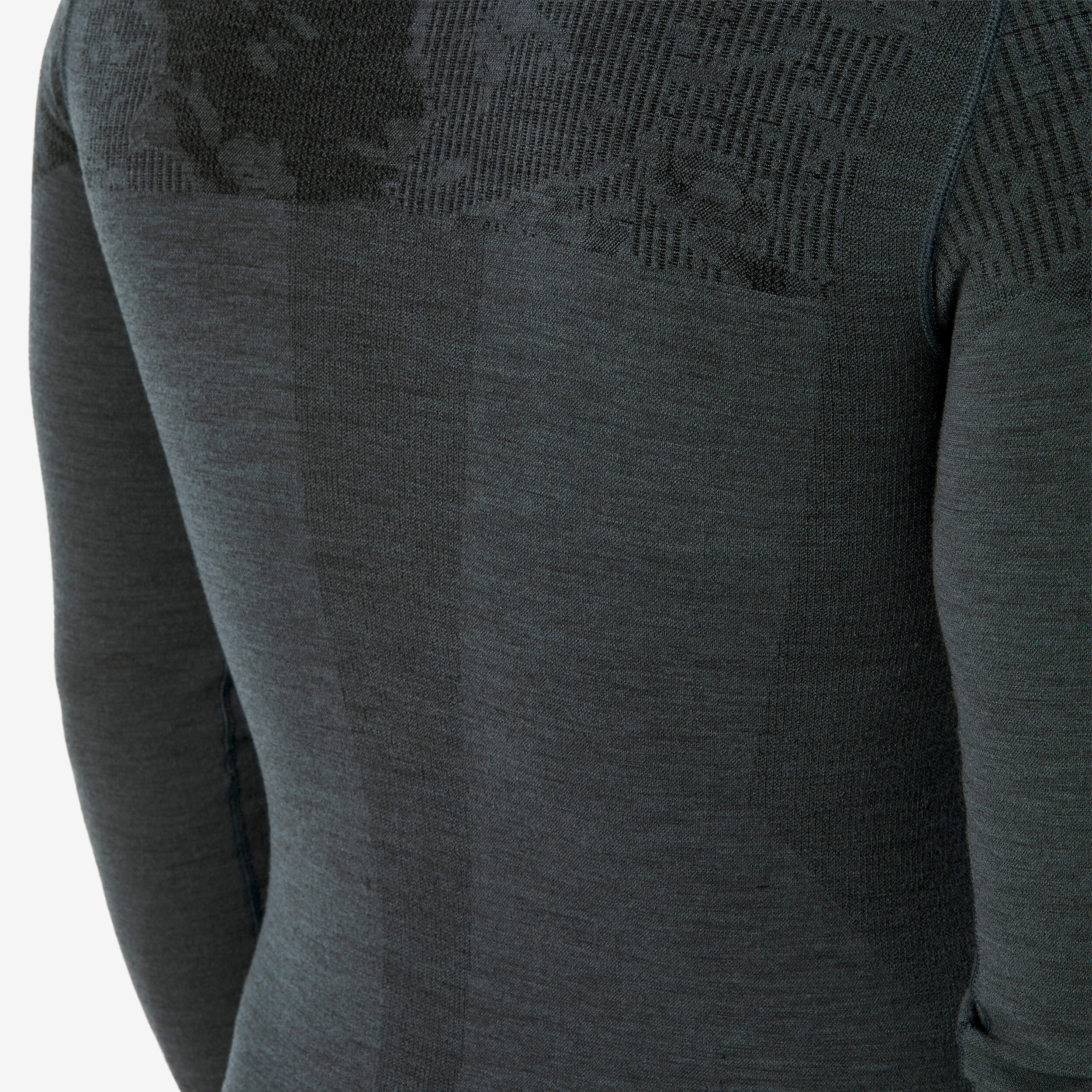
The weight per unit area (expressed in g/sqm) is used to measure the density of the wool and therefore its thermal capacity: the higher the number, the thicker and more protective the knit.
Light knit (low figure): For spring or summer.
Thick knit (high figure): For winter and harsh conditions.
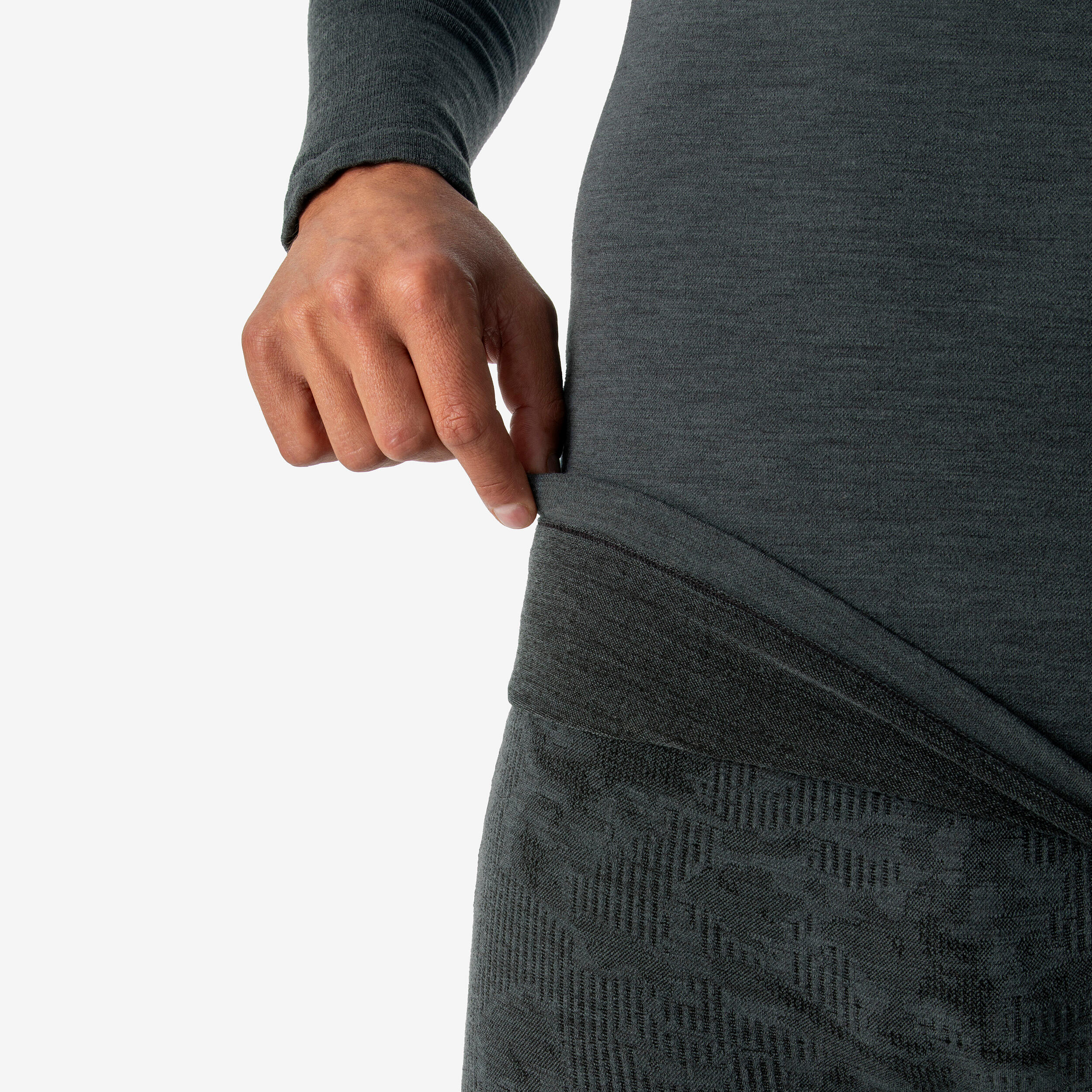
With a weight per unit area of 340g/sqm, this product falls into the category of thick knits. It is specifically designed to provide plenty of warmth, making it the ideal choice in very cold weather.
Is merino wool suitable for intense physical activity without the risk of overheating?
Yes, because merino wool (48.3% in this base layer) is thermoregulatory: It absorbs moisture in the form of vapour before it turns into sweat.
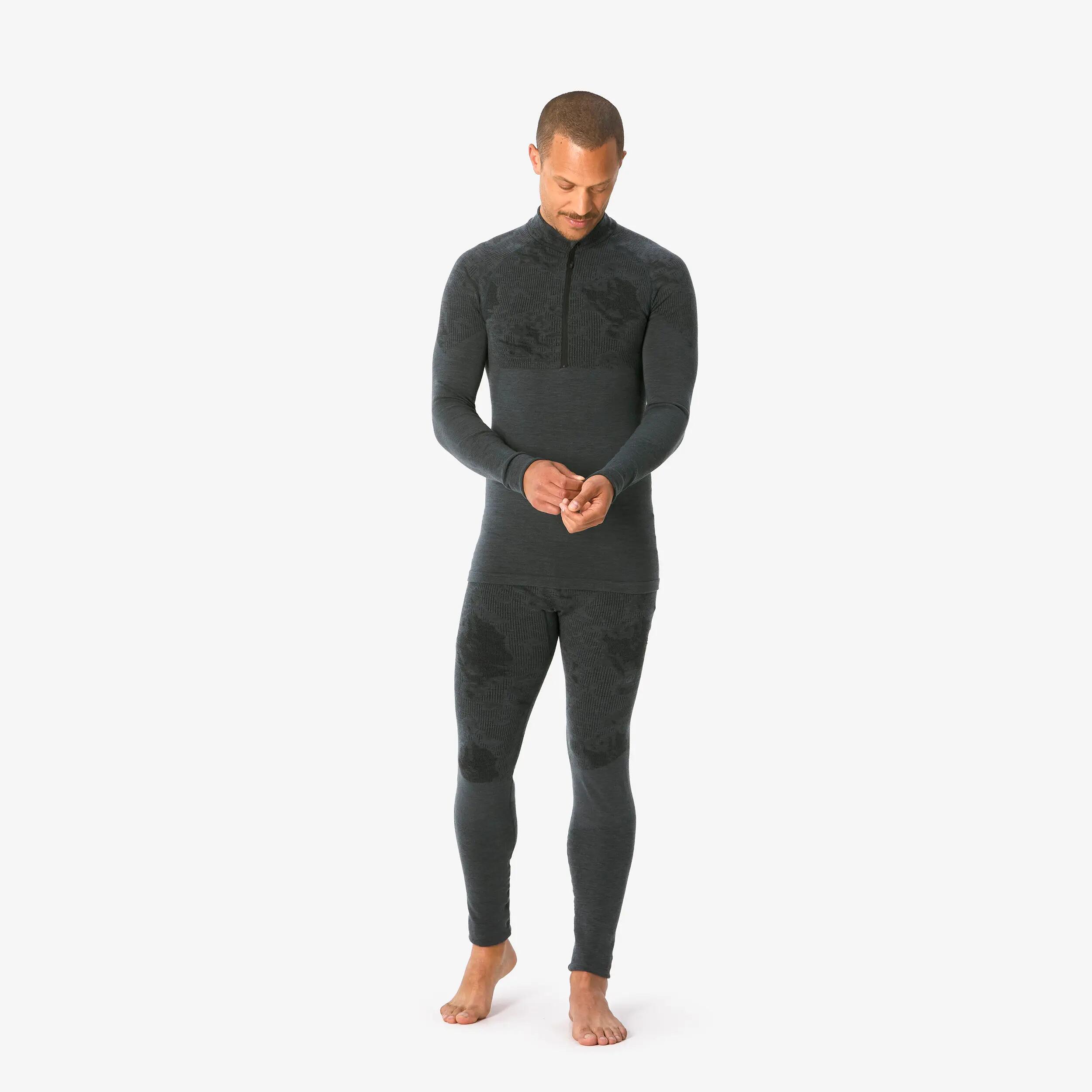
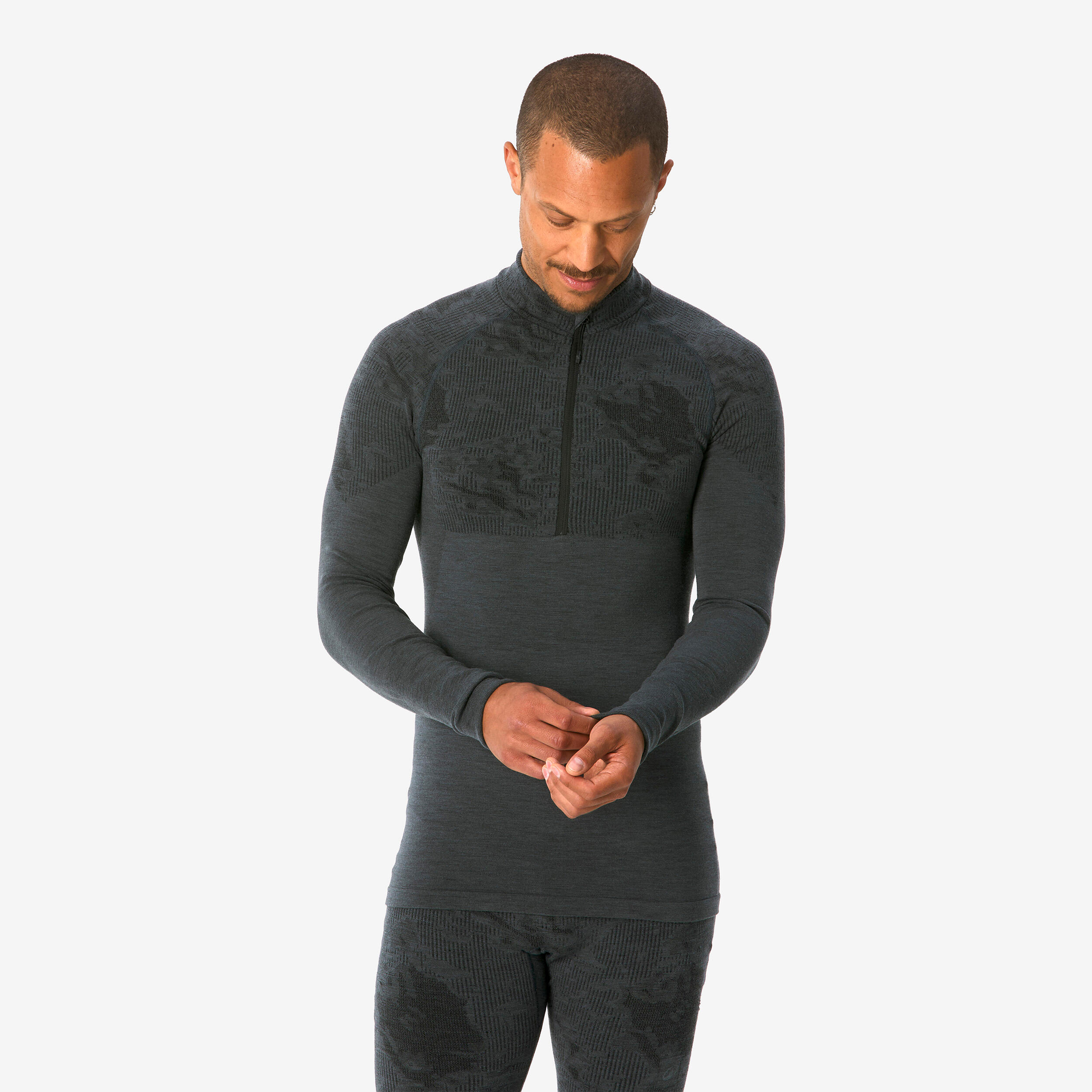
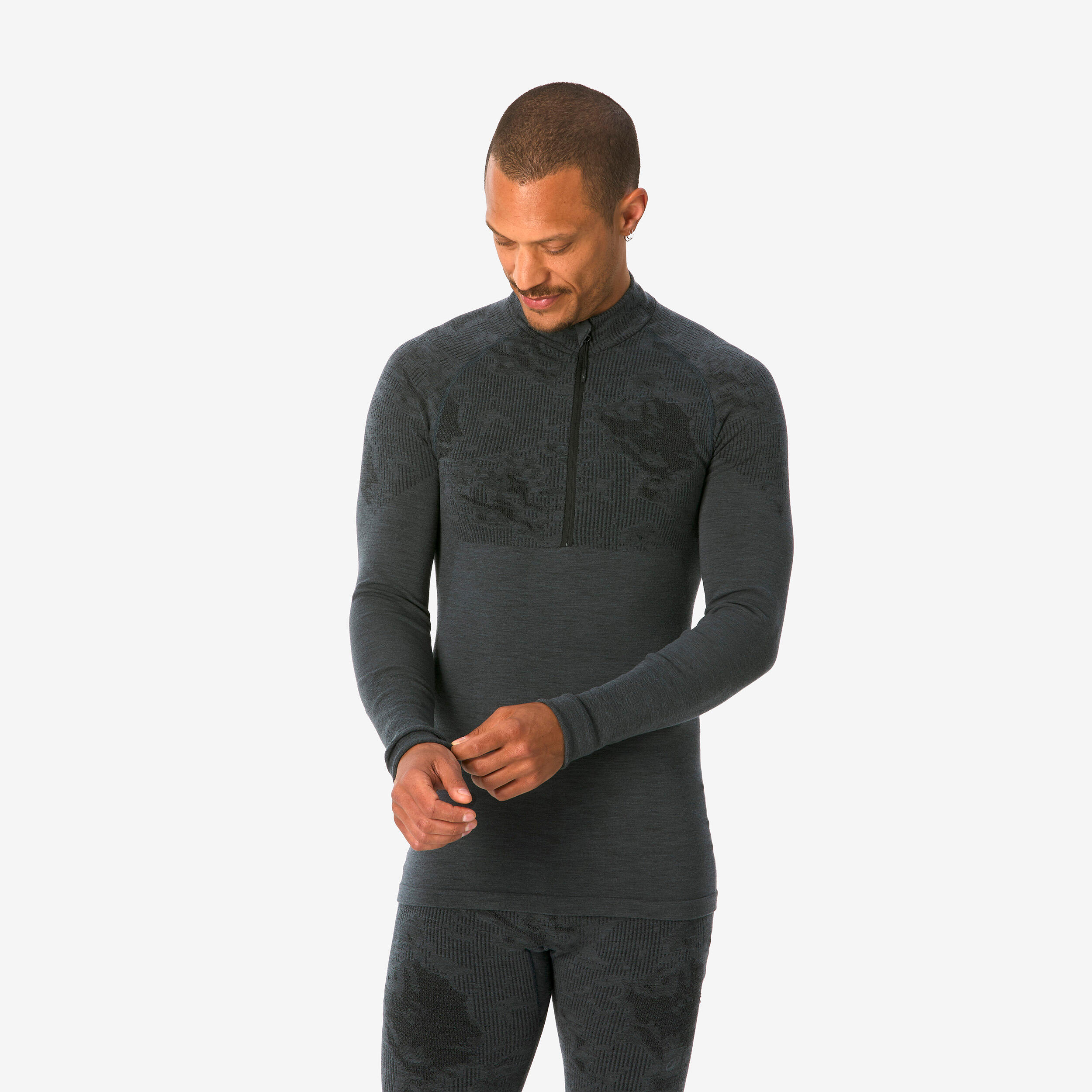
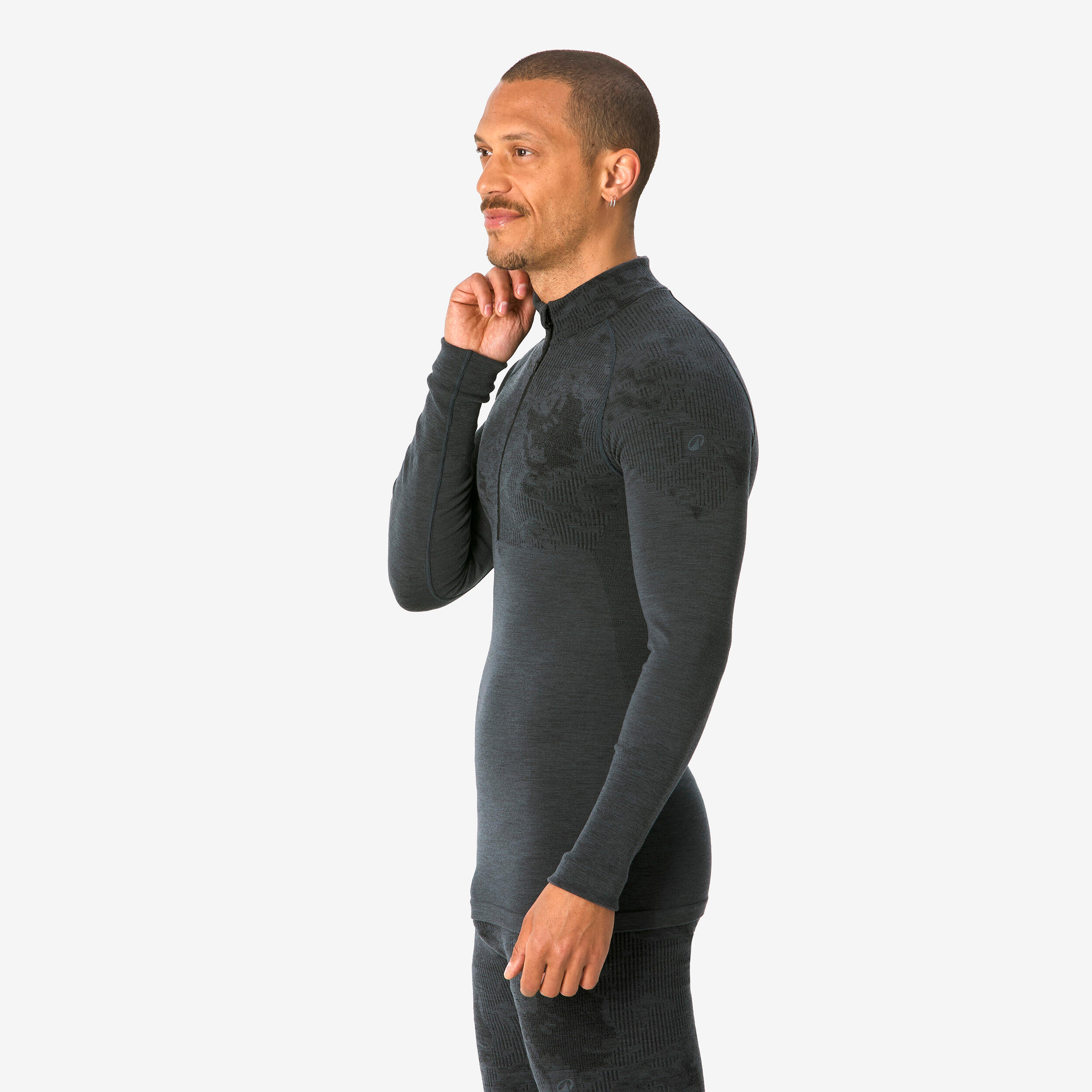
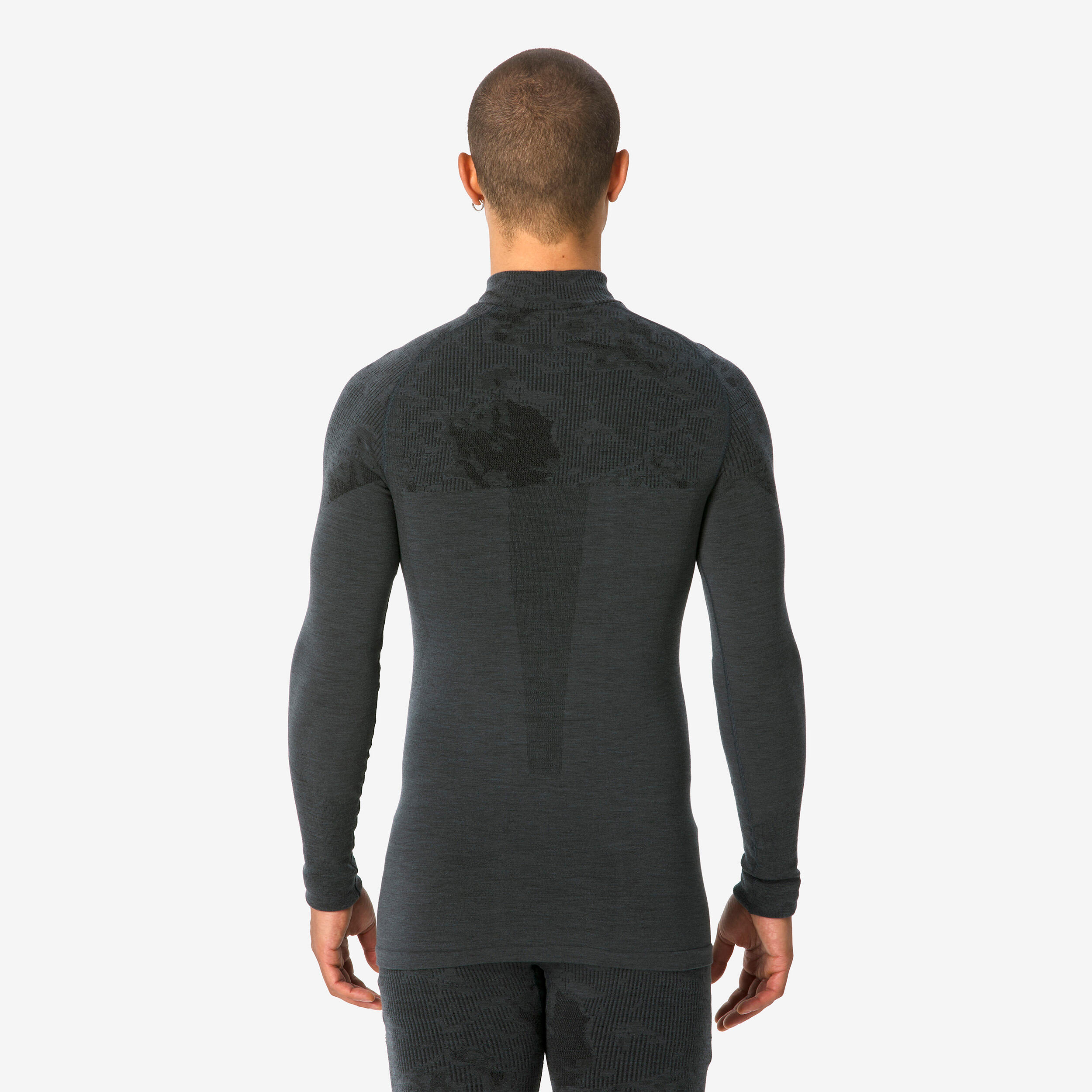
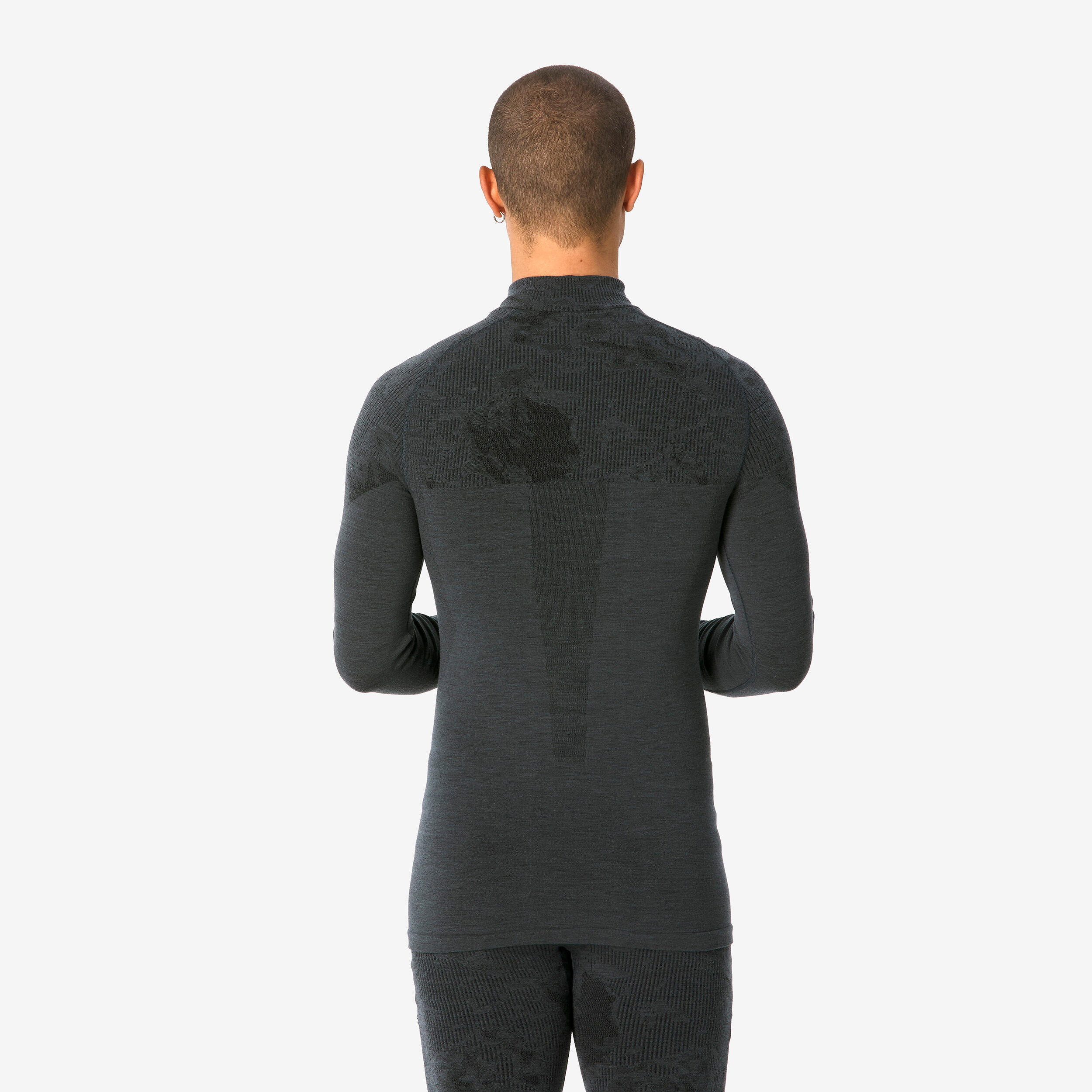
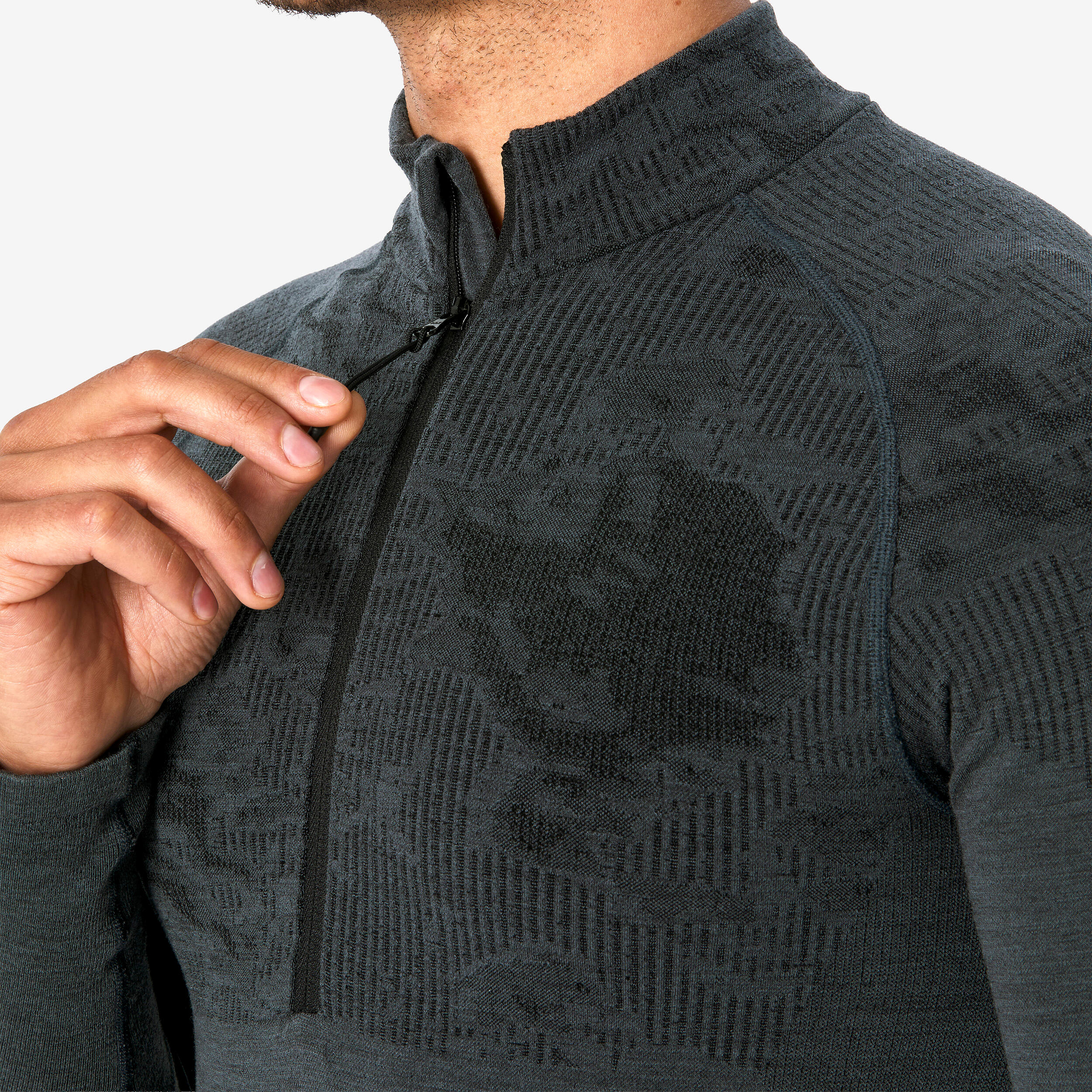
For those hot spells, this model features body mapping with breathable mesh fabric on the back and under the arms, as well as a long ventilation zip that allows for immediate mechanical temperature regulation as soon as the intensity of effort increases.
What is the fit of the BL Top 900 Wool Seamless thermal base layer?
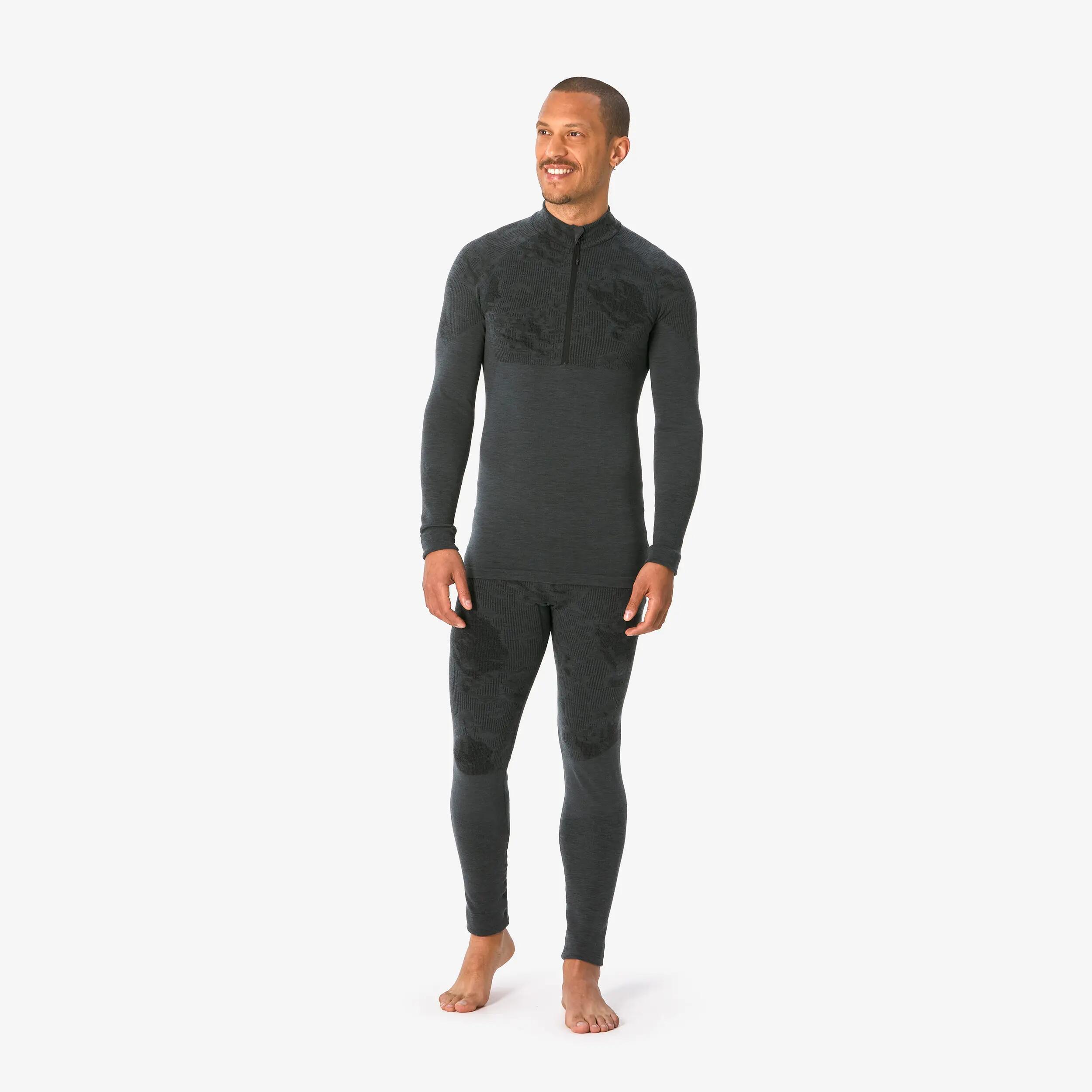
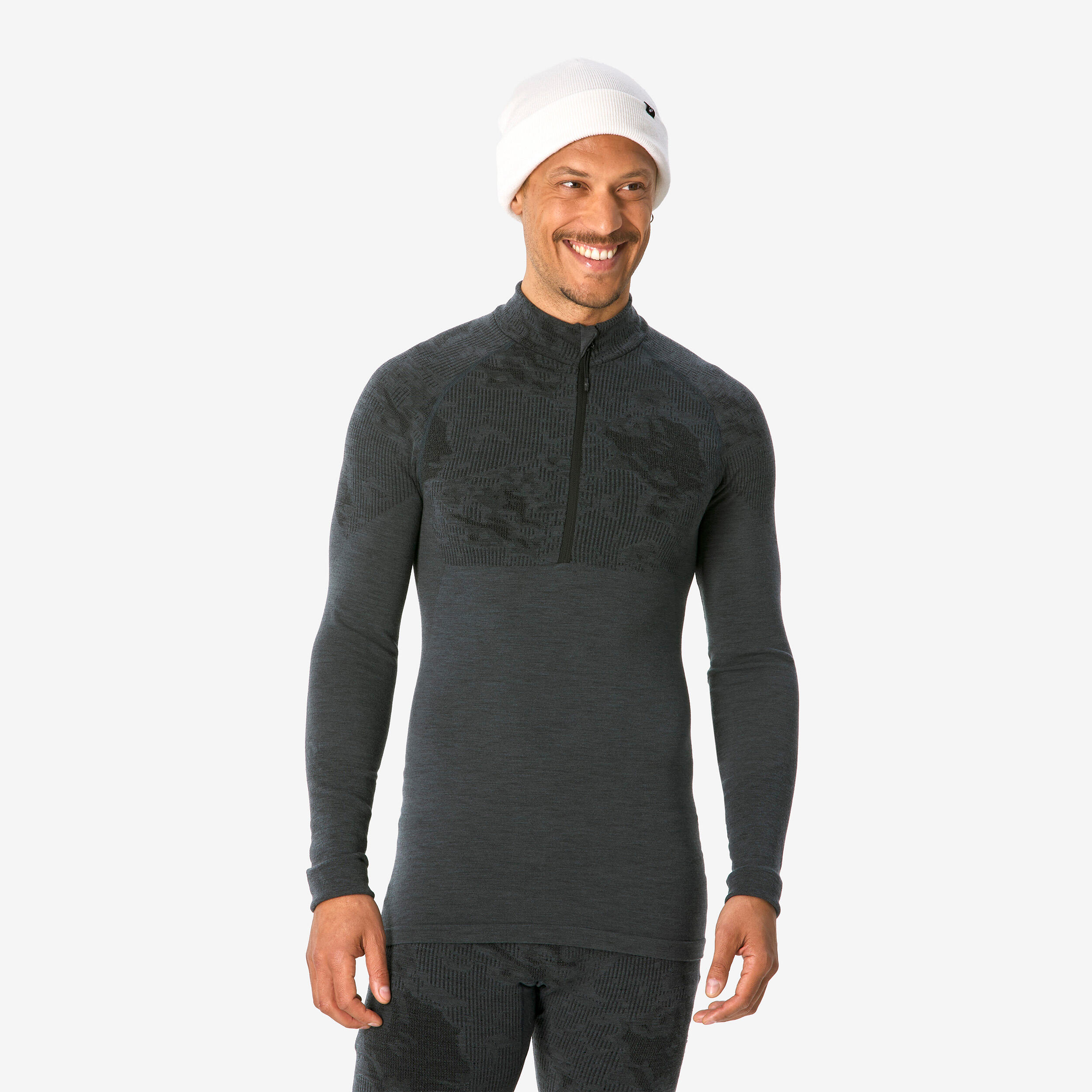
This base layer has a slim fit. Its design minimises rubbing and helps with perspiration wicking.
What makes this product stand out visually?
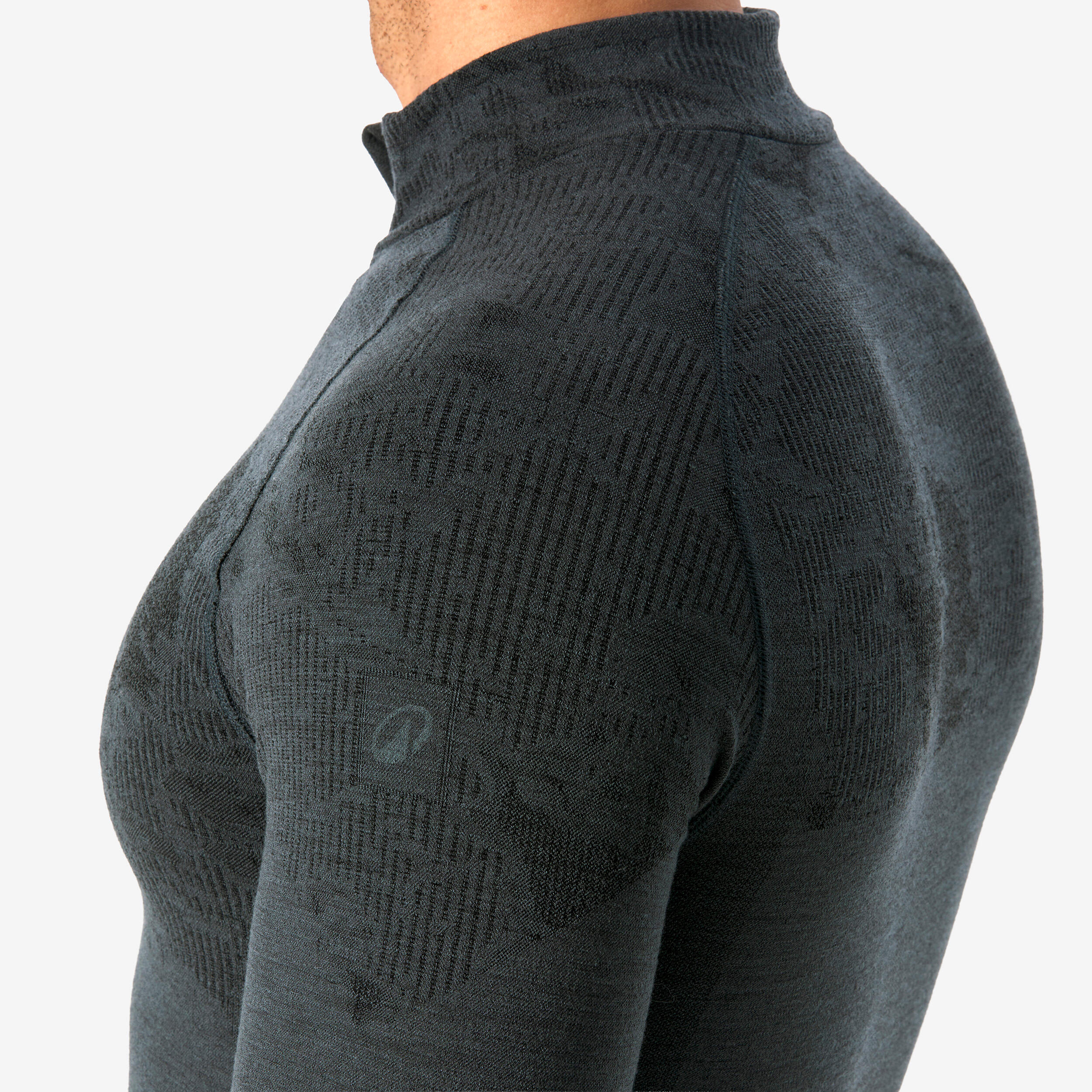
The design of this thermal base layer, featuring a pattern inspired by mountain maps, is an invitation to escape and embark on an adventure.
What are the benefits of a seamless design?
Seamless technology minimises areas of friction against the skin. Combined with a close-fitting cut, it offers optimal freedom of movement and comfort when worn under other layers.
How does merino wool help to reduce odours?
The natural antibacterial properties of the keratin found in merino wool neutralise odour-causing molecules. It therefore allows for prolonged use without the need for repeated washing.
What should I wear to stay warm and dry on the slopes?
We recommend wearing three layers of technical clothing to stay warm on the ski slopes.
- Layer 1 or a second skin, to stay dry.
- Layer 2, or the insulating layer, to keep you warm.
- Layer 3, or the protective layer, to protect against the elements.