UV protection
Complies with standard: Q/BT 4734 -2023, all our swimming goggles protect against harmful UVA and UVB rays when used normally, regardless of the lens tint.
Looking directly at the sun is dangerous and can lead to irreversible eye damage.
Durable, effective anti-fog technology: The anti-fog coating
Applied on top, this coating contains hydrophilic agents that prevent fogging. Instead of forming opaque droplets, moisture spreads into an invisible water film.
In addition to delivering effective anti-fog performance, this layer also improves scratch resistance, extending the lifespan of the goggles.
Lens tint
The colour of your goggles should be suited to your swimming location and its lighting.
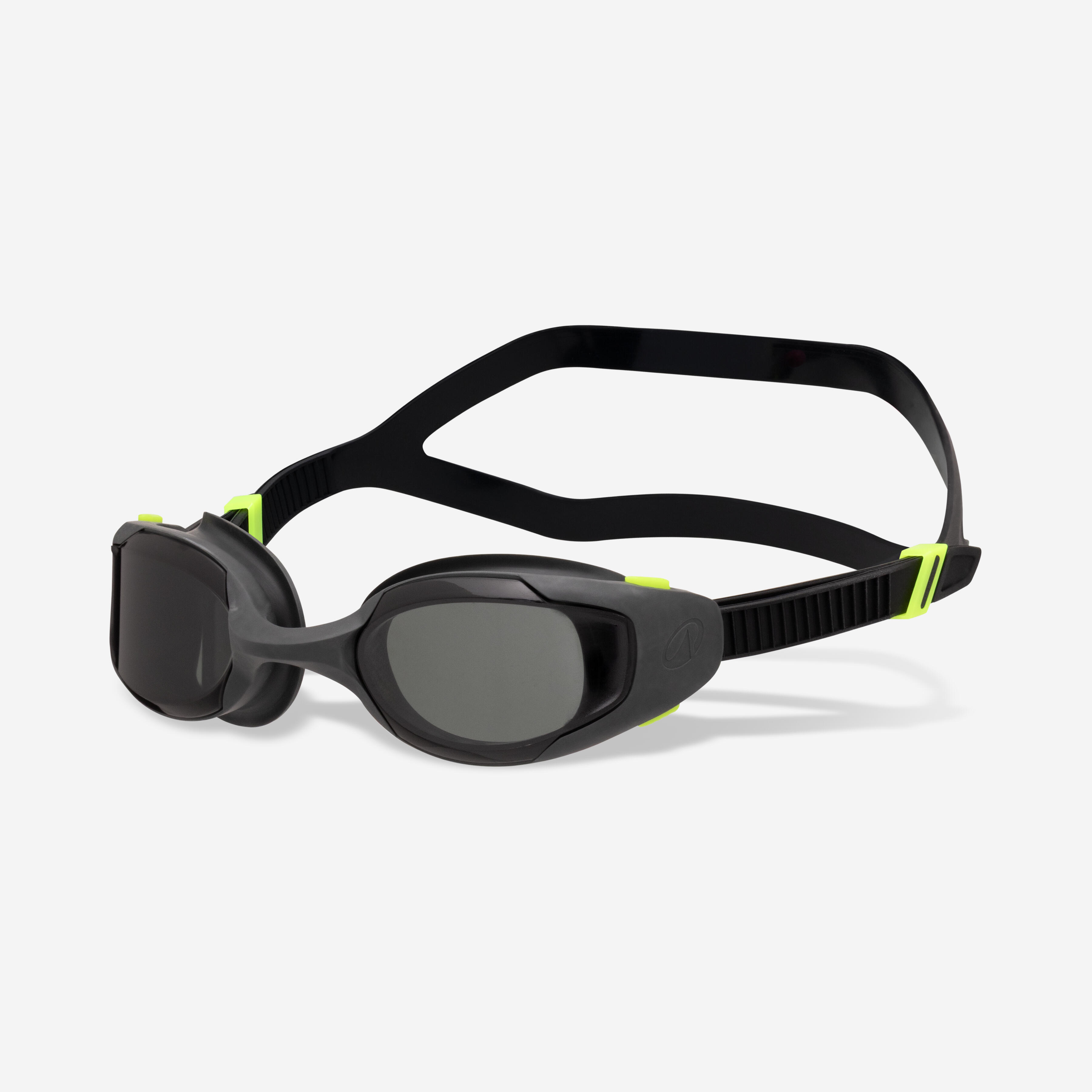
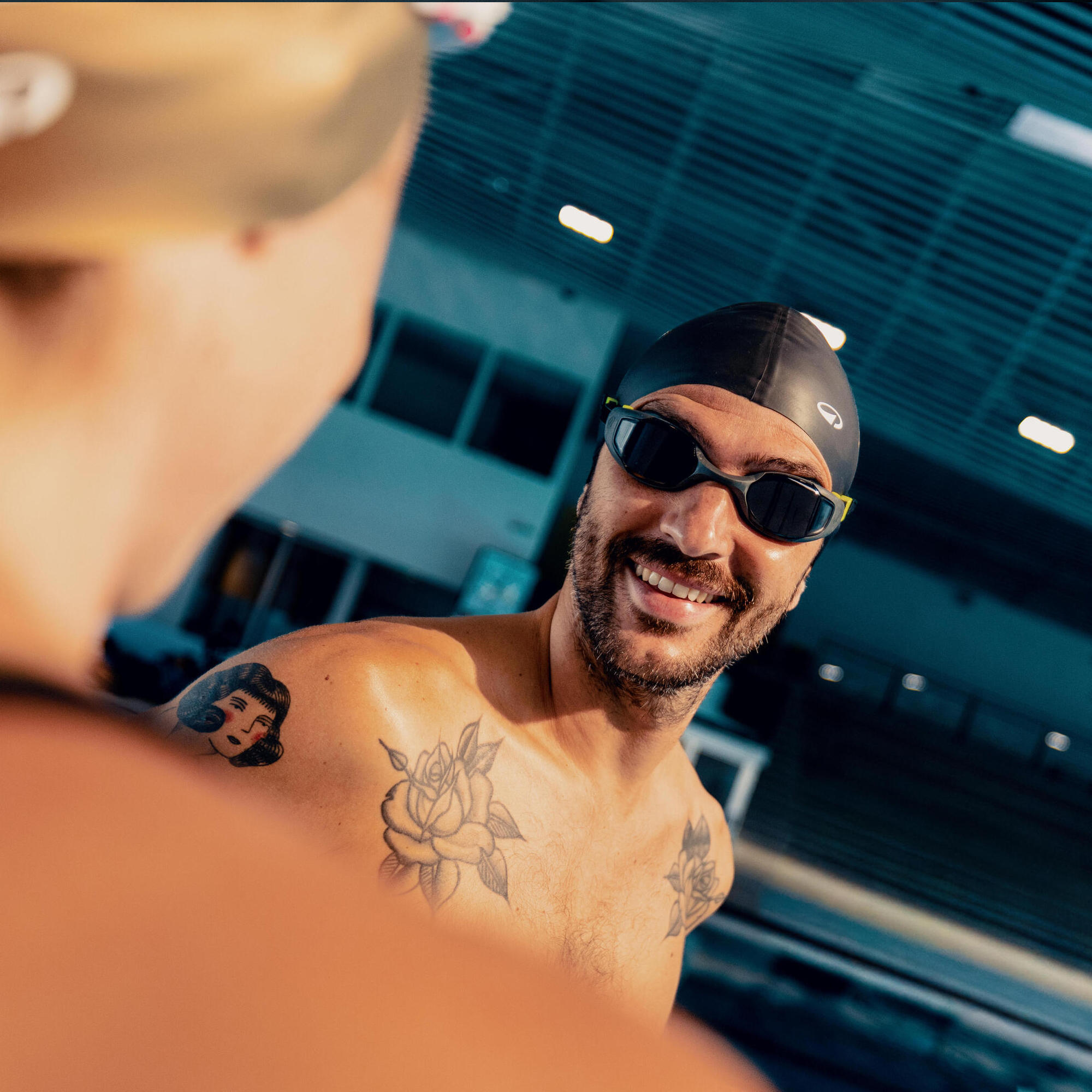
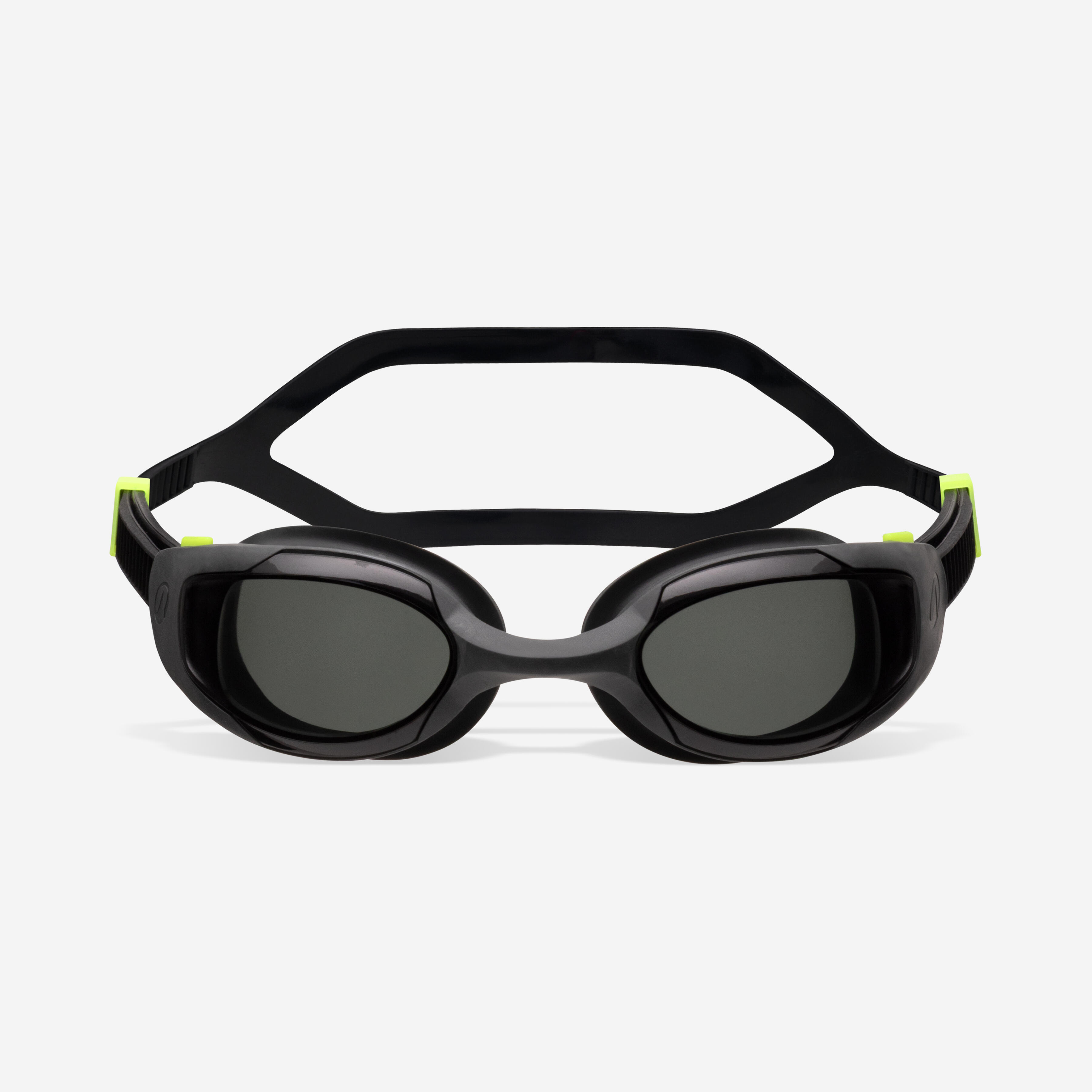
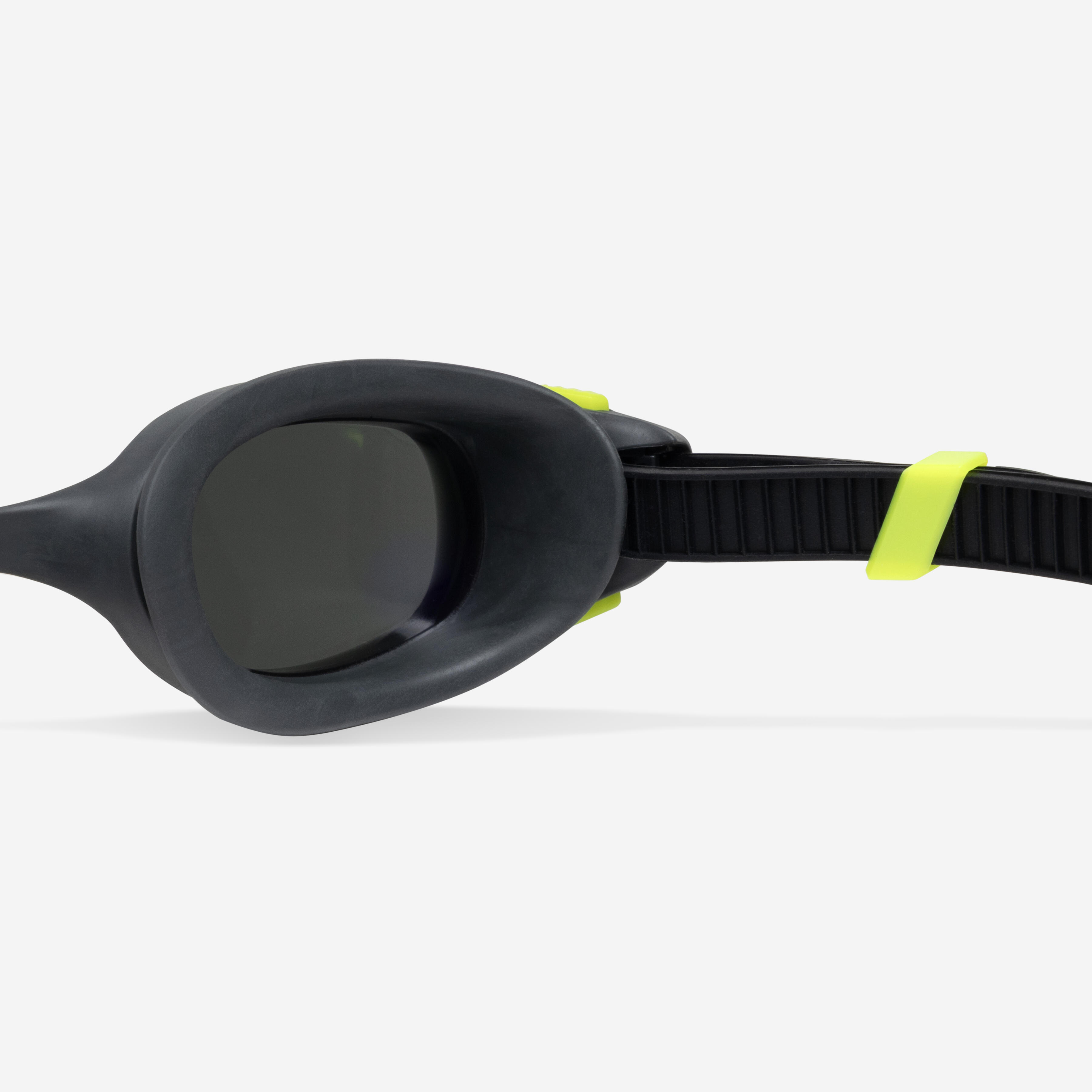
If you swim outdoors or in a pool with harsh lighting, prioritise goggles with smoked lenses to limit the glare.
If, however, the pool is quite dark with low lighting, winter evenings for example, use clear lenses.
CARE - PRECAUTIONS
Rinse your goggles in fresh water after each use.
Over time, the surface of the coating can become clogged with impurities (perspiration, make-up, sunscreen), leading to fogging.
Clean the inside of the lenses with neutral liquid soap (do not use bar soap) and rinse thoroughly.
If fogging persists, use our anti-fog marker to help restore the protective water film.
Not exposing it to temperatures of over 60°c.
How to activate the anti-fog of your swimming goggles?
Activate anti-fog by immersing the goggles in water and then running your finger along the inside of the lenses (do not immerse the goggles in water again).
In the event of recurrent fogging (every 40 sessions on average), clean the inside of the goggles with neutral, liquid soap (avoid solid soap), to remove the layer of pollution that has settled on them.
Don’t worry about scratches: this new technology is highly resistant to abrasion.
Durable, effective anti-fog technology: Adhesion layer (or primer)
Applied directly to the inside of the lens, it ensures perfect adhesion of the anti-fog treatment. It protects it from the effects of water, heat and friction, maintaining its stability and performance over time for enhanced durability.
Polarised technology
Ideal in case of strong glare!
The lens stops indirect rays arriving from the ground (reflections on snow, sea or sand), enhances contrasts and allows relief to be seen in strong glare
Stray reflections are limited to avoid being dazzled.
With polarised lenses, it can be difficult to read screens such as phone screens. A rainbow effect appears on the screen.
How to properly adjust your swimming goggles
These swimming goggles fit the morphology of your face without needing to be overly adjusted.
Goggles that are too tight can cause discomfort, leave marks and even create water inlet holes.
It is not necessary to press against the lenses with your hands, a light suction effect is usually enough for swimming sessions without water inlet holes.
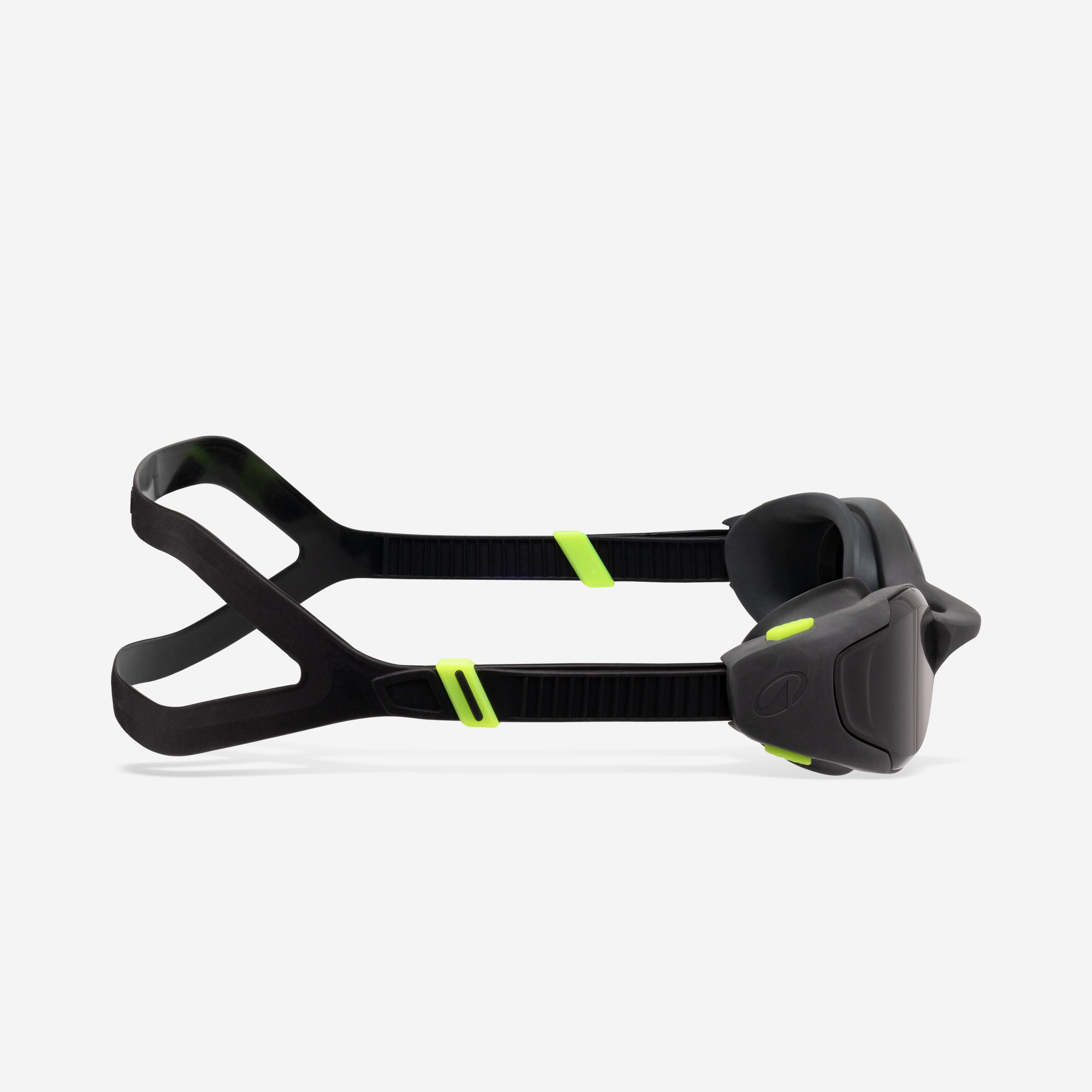
The straps ideally should rest 2-3 cm above your ears.
This position will optimise the grip and comfort of the goggles.
Size: how to choose your swimming goggles
The watertightness of the goggles depends on the fit of the silicone skirts to the shape of the face.
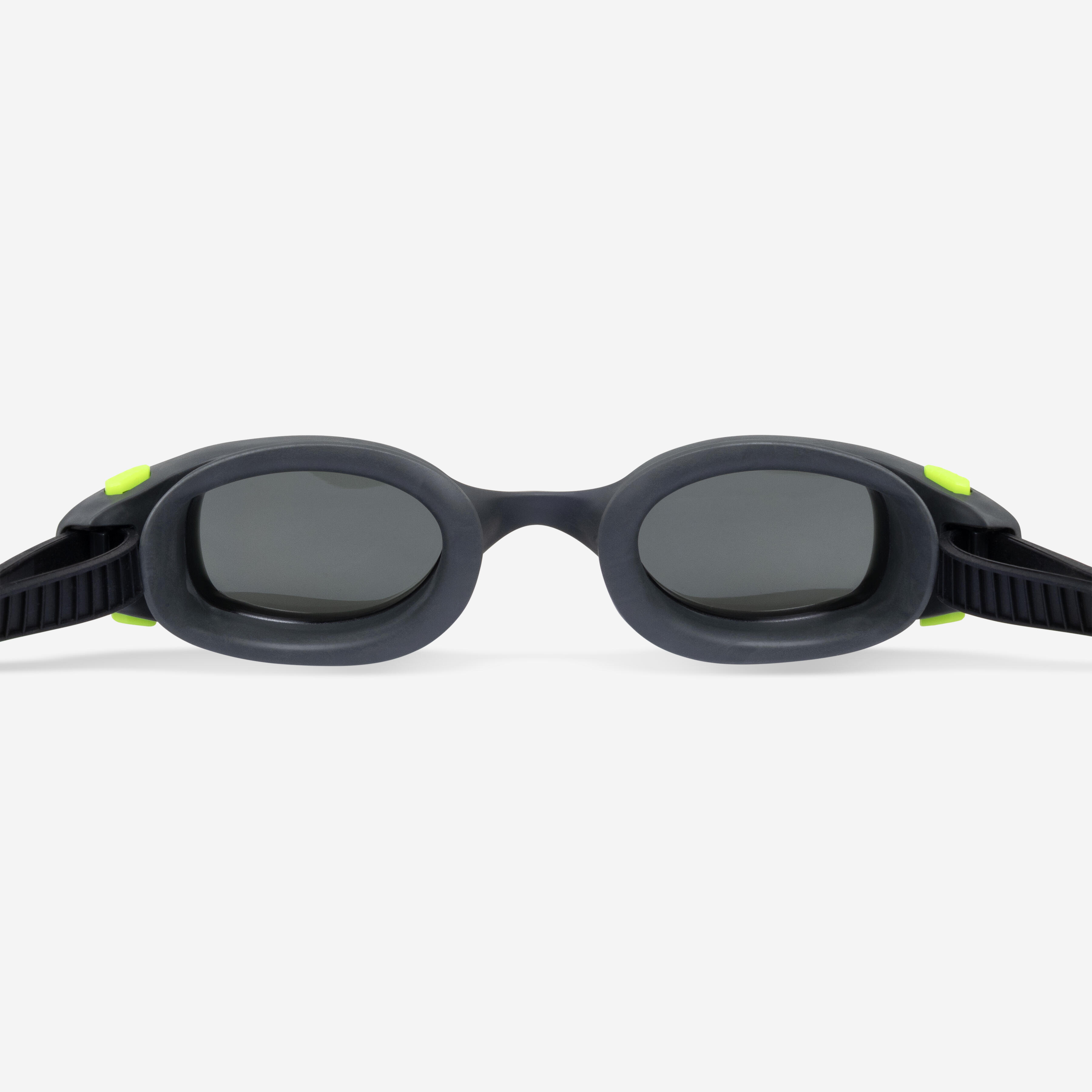
Before buying your goggles, we recommend that you carry out the “suction cup” test without the elastic band. Position the goggles over your eyes; if they hold on by themselves with a little suction, they will be watertight once in the water. This test can also identify areas of discomfort or annoyance on the face.
Why do my swimming goggles fog up?
Fogging is mainly due to the temperature difference between the body and the water.
As the body is warmer than the practice environment, fogging occurs on the inside of the lenses through evaporation.
As a result, every micro-drop of perspiration will stick to the inside of the goggles.
In fact, it’s a bit of luck: with a new anti-fog treatment, all these drops will eventually combine to create a film of water through which you can see clearly.